Most people think of their garden as entirely their own space, somewhere you can tweak or rip out whatever you like without having to check with anyone.
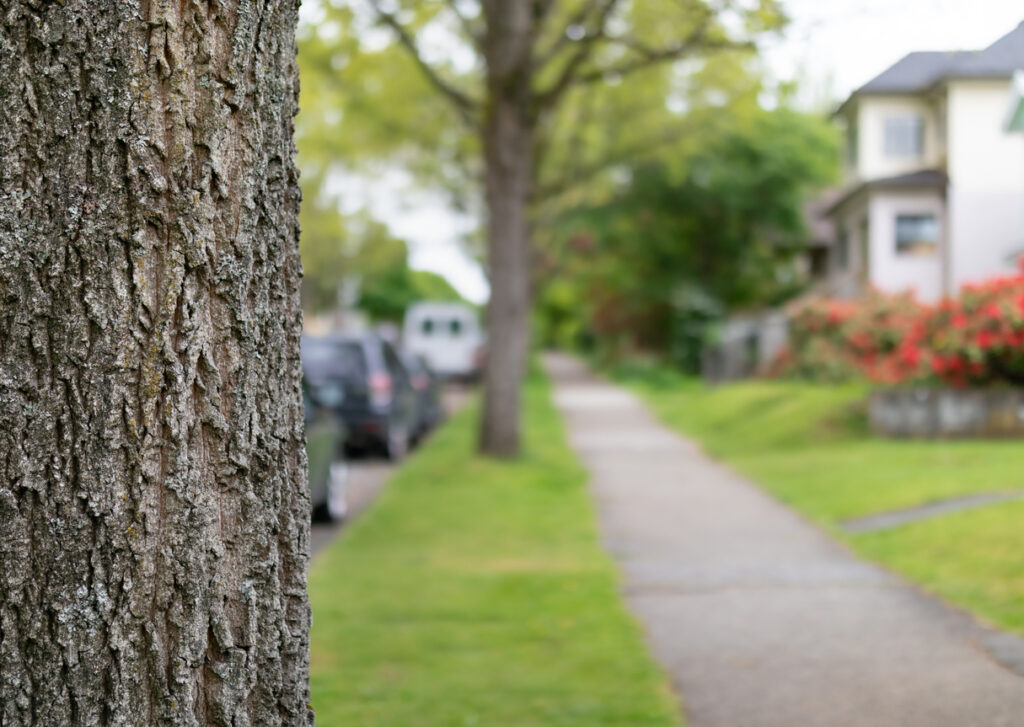
Unfortunately, that’s not actually true. In fact, once you start looking into the rules, you realise a surprising number of things are actually protected. It catches people off guard because it feels strange to need approval for something sitting a few steps from your back door.
A lot of it comes down to safety, conservation or preserving local character, but none of that is obvious until you’re suddenly told you can’t touch a tree or move a plant you’ve been eyeing for years. Knowing what needs permission saves you from nasty surprises later on, and it also helps you understand why certain parts of your garden are more regulated than you’d expect.
1. Mature trees covered by a Tree Preservation Order

Councils place these orders on trees they consider important for the local environment. It might be because the tree is old, rare, home to a lot of wildlife, or simply adds character to the area. If it has an order on it, you can’t prune, cut or remove it without written permission, even if the tree sits in your garden, and you planted it years ago. The penalties can be eye watering, so it’s worth checking before you do anything drastic.
The good thing is that councils usually respond quickly. A simple enquiry will tell you whether the tree is protected and what work, if any, is allowed. Sometimes you are permitted light maintenance but nothing more. Having the information before you start saves you a lot of stress.
2. Trees in a conservation area
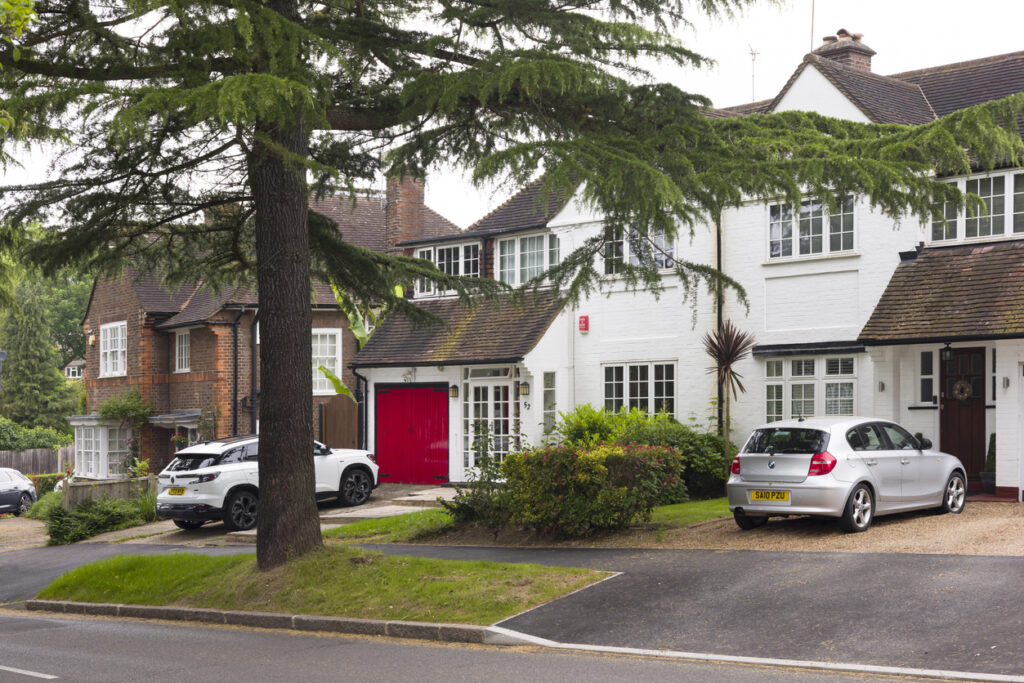
Even if a particular tree doesn’t have its own order, you still need to be careful if you live in a conservation area. Councils use extra rules in these zones to keep the overall look and heritage intact. In many cases, any tree over a certain trunk width requires formal notice before removal.
Sending a quick notification to the council is usually enough. They may ask for photos or a brief explanation of why you want the tree removed. If they agree, you get written permission and can go ahead without worry. It’s a simple step that avoids fines or disputes.
3. Old hedges that mark historic boundaries
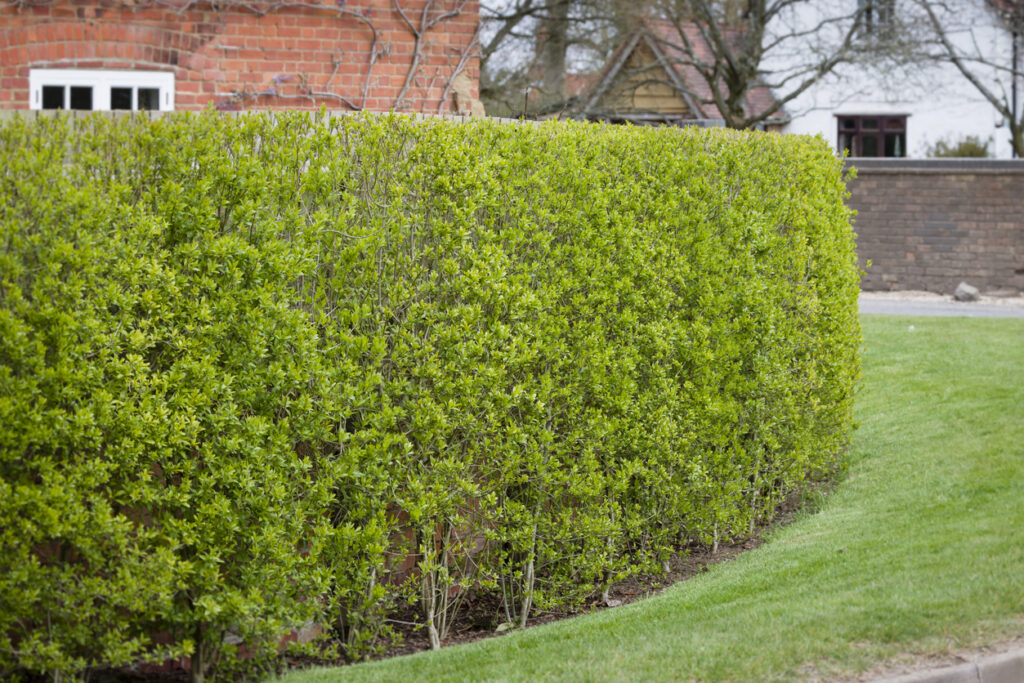
Some hedges have been in place far longer than the houses they sit beside. These ancient boundary lines often link back to farms, footpaths, or estate divisions. Because of this, they can be protected under the Hedgerow Regulations. Removing them without checking could land you in trouble, even if you thought it was just an overgrown nuisance.
If a hedge falls under these rules, you may still be able to tidy it but not remove it fully. Councils want to preserve anything with historical value, so they will guide you on what can be trimmed and what must stay. Knowing before you start avoids a lot of frustration later.
4. Hedges used by nesting birds
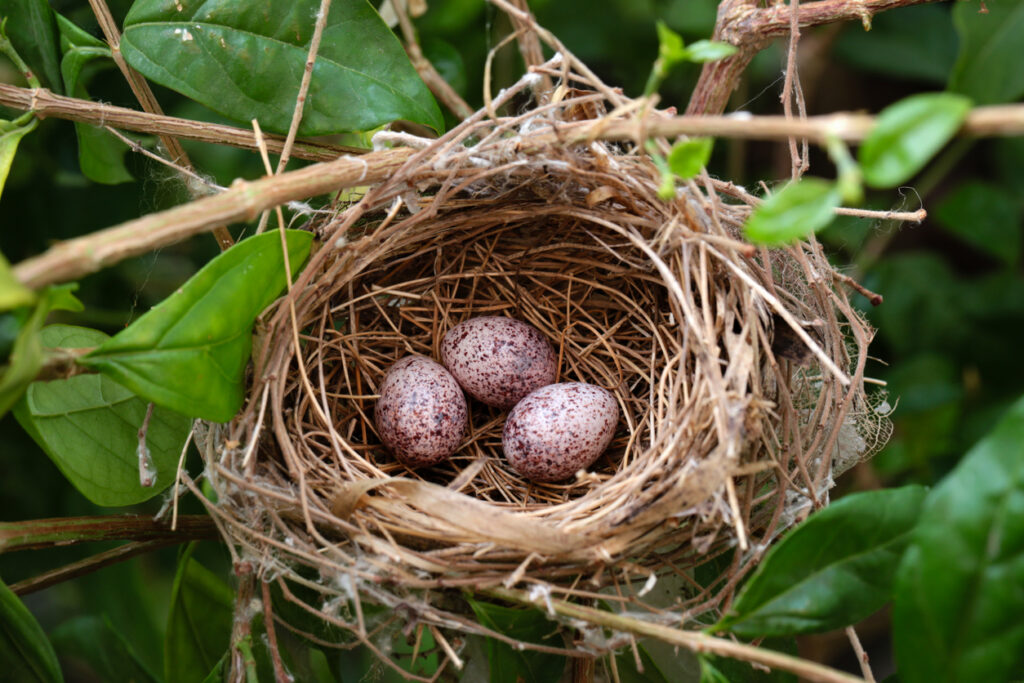
Birds are heavily protected in Britain, and their nests are legally off limits. If a hedge is being used for nesting, you can’t remove it or even trim it heavily. This applies to all wild bird species, including the common ones people see every day. Nesting season usually runs from spring into early summer, and disturbing a nest during this period is a criminal offence.
A simple visual check is often enough to tell if birds are present. If you hear chirping or see adults flying in and out, it’s best to wait until the season ends. Once the birds have moved on, you can safely carry out any work you planned.
5. Bats roosting in trees or sheds

Bats are protected at all times of year. If you have bats roosting in a tree, shed or even behind loose cladding, you mustn’t disturb them. Closing off entrances, removing their shelter or trying to move them can lead to serious penalties. Many homeowners are surprised by this because bat roosts can be tiny and easy to miss.
If you suspect bats are present, you can contact a licensed bat worker. They will check the area and explain what you can and can’t do. Sometimes small adjustments are allowed, but only under professional guidance. These rules exist because bat populations have dropped, so protecting their roosts is vital.
6. Old walls and stone borders with protected status
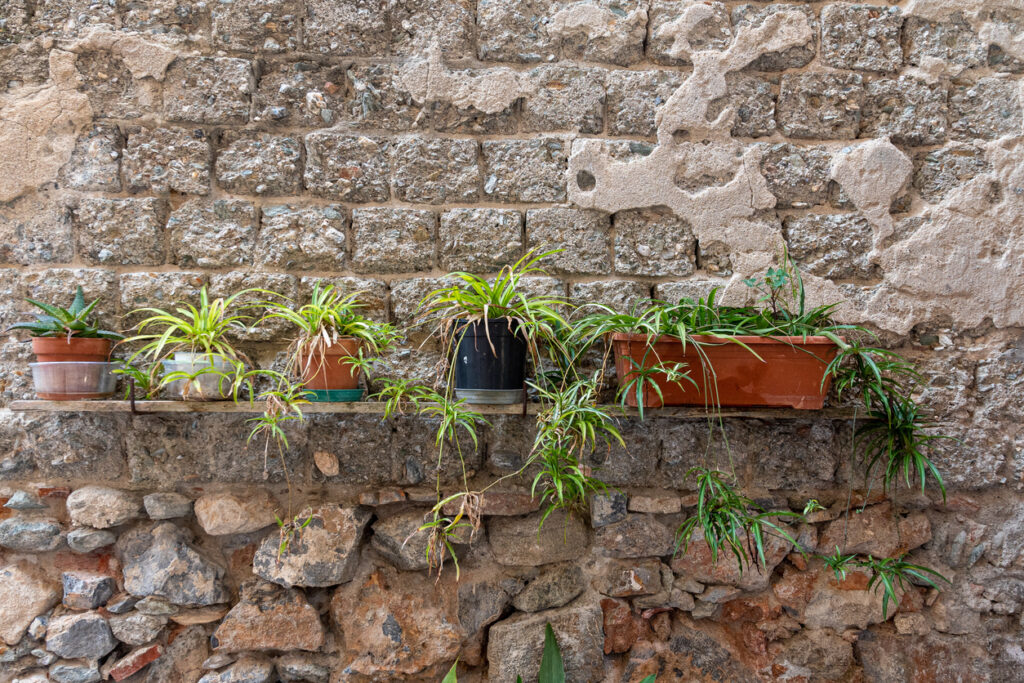
Not all listed features are buildings. Some old stone walls and borders are protected because they form part of local heritage. They may have stood for centuries and marked boundaries long before modern houses were built. Even if the wall is crumbling, you can’t remove it without checking the listing details.
Often you are allowed to repair or reinforce the wall, but not replace it with something modern. Councils usually prefer restoration rather than removal. A quick look at your property documents or a call to planning services will tell you whether the structure has protected status.
7. Front garden paving without drainage approval
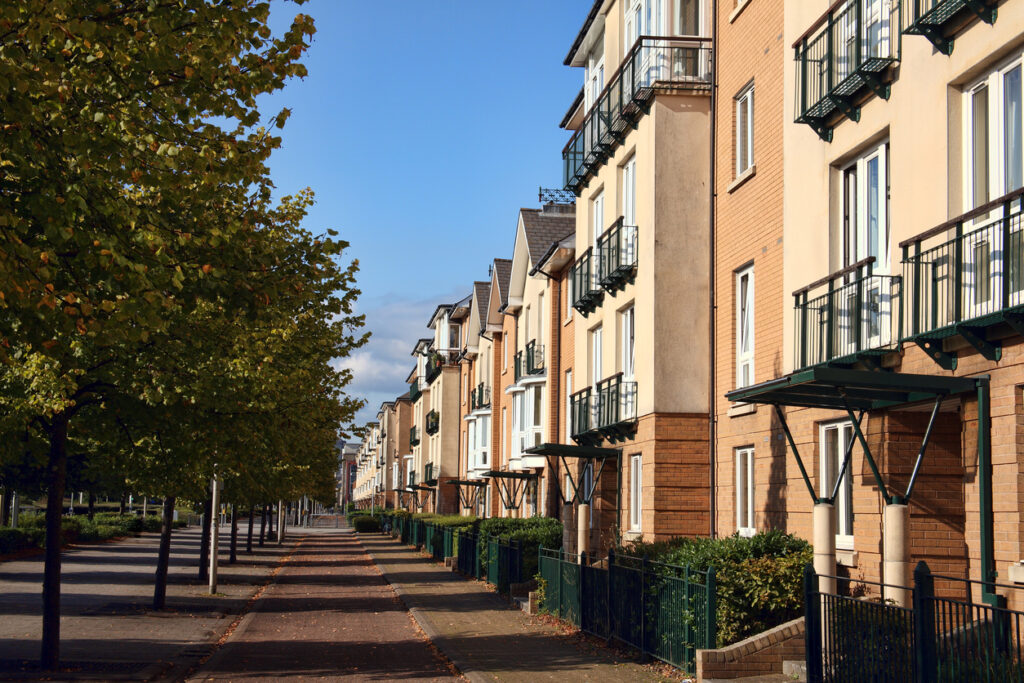
Ripping out grass and laying solid paving might seem straightforward, but councils keep a close eye on front gardens because they affect drainage. Too much hard surface means rainwater can’t soak into the ground and instead flows into streets and drains, which increases flooding risk. Because of this, you may need permission to use certain paving materials.
Many areas encourage or require permeable surfaces. These allow water to pass through, which avoids the need for planning approval. It’s worth checking before you start because changing a front garden without consent can lead to expensive reinstatement orders.
8. Wildflowers protected by law
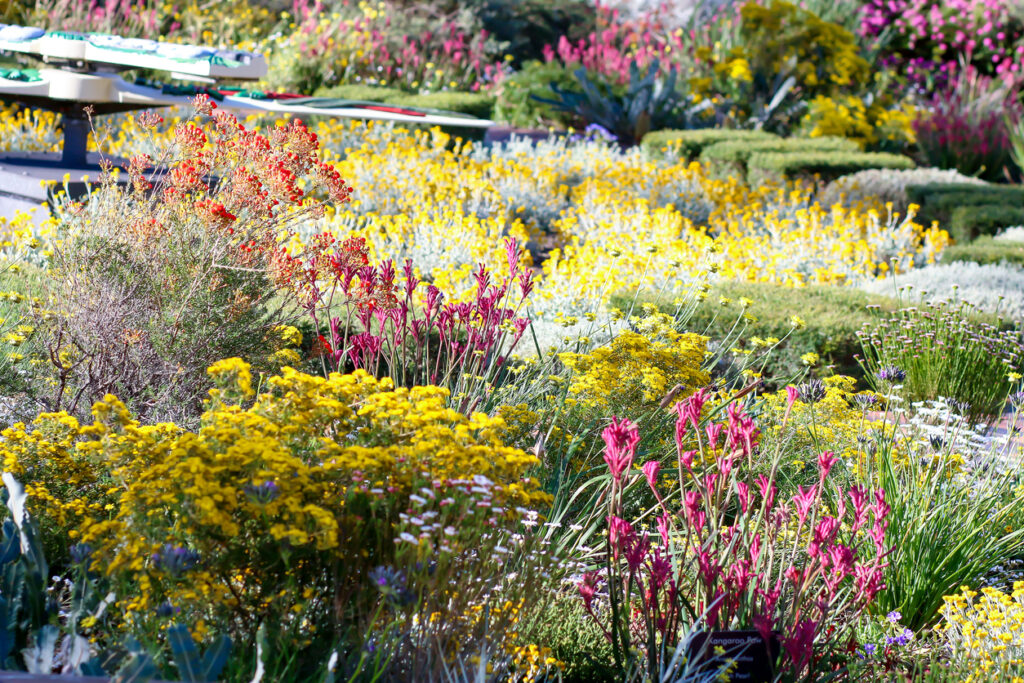
Some wildflowers are protected because they are rare or declining. British bluebells, certain orchids and a few other species can’t be dug up, moved or destroyed. Many people don’t realise this and accidentally break the law by trying to transplant them or tidy them away.
If you have protected plants in your garden, the safest approach is to leave them where they are. They play a role in supporting pollinators and maintaining biodiversity. Councils and conservation groups take this seriously because these flowers can disappear quickly without protection.
9. Japanese knotweed treated by specialists

This plant is notorious for a reason. It spreads aggressively and can damage buildings, foundations, and boundary walls. Because it’s classed as controlled waste, you can’t simply pull it out and throw it away. You need licensed removal, and the waste must be disposed of safely at approved sites.
Trying to handle it yourself often makes the situation worse. Tiny fragments left in the ground can grow into new plants, which can spread onto neighbouring properties and cause disputes. Professional treatment stops it from spreading and keeps you on the right side of the law.
10. Water features linked to protected wildlife
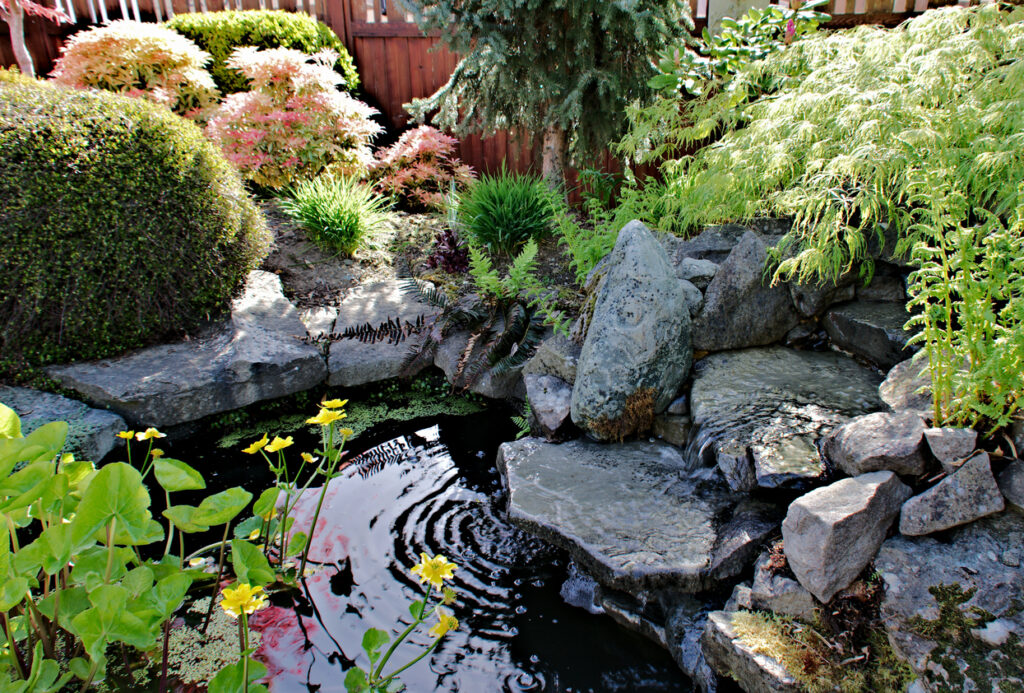
Garden ponds and small wet areas can attract protected species such as great crested newts. If these animals take up residence, the pond effectively becomes protected by law. You can’t drain it or remove it without checking the regulations first. This surprises many people because the pond might be artificial or something they created themselves.
A wildlife officer or ecological survey can confirm whether protected species are present. If they are, the council will explain what work is allowed. Sometimes adjustments can be made, but outright removal is often off limits while the animals are there.
11. Old sheds or outbuildings with listed status

If your home is listed, some of the smaller buildings on your land might be listed as well. Old sheds or stables can fall under the same protection, even if they look worn out. Demolishing them without checking could lead to heavy penalties.
Often you can repair the structure using traditional materials, but you may not be allowed to take it down completely. Listing rules are strict and vary by property, so it’s worth confirming what is covered before doing any work.
12. Your neighbour’s boundary plants

Plants don’t always respect property lines, but the law certainly does. If a hedge, tree or root system belongs to your neighbour, you can’t remove it even if part of it crosses into your garden. You are usually allowed to trim what is on your side, but full removal requires agreement and sometimes even a boundary check or mediation.
Starting work without clarity often leads to disputes that drag on far longer than the gardening job itself. A quick conversation with your neighbour can save a lot of trouble.
13. Any garden feature tied to a planning condition

When some houses were built, planning permission came with specific conditions. These might include certain trees for privacy, screening plants, fences of a particular height or even certain layouts. Removing or altering these features without approval breaks the planning agreement, even if the house is decades old.
Checking the planning history of your property is straightforward. Your council can tell you whether any conditions still apply and whether you can update or remove the feature. It’s far easier than undoing work later.