Most gardens change year after year, but a few plants are built for the long haul and can outlive the people who plant them.
These are the silent anchors of a garden, the ones that keep growing through house moves, new owners, harsh winters and the occasional bout of neglect. They don’t need constant fussing or elaborate care. They simply get on with it and become part of the place.
There’s something reassuring about knowing a single planting decision can last a century or more. These long-lived species bring stability, structure and a sense of history that newer plants can’t match. If you want a garden that matures with real character, these are the plants worth considering.
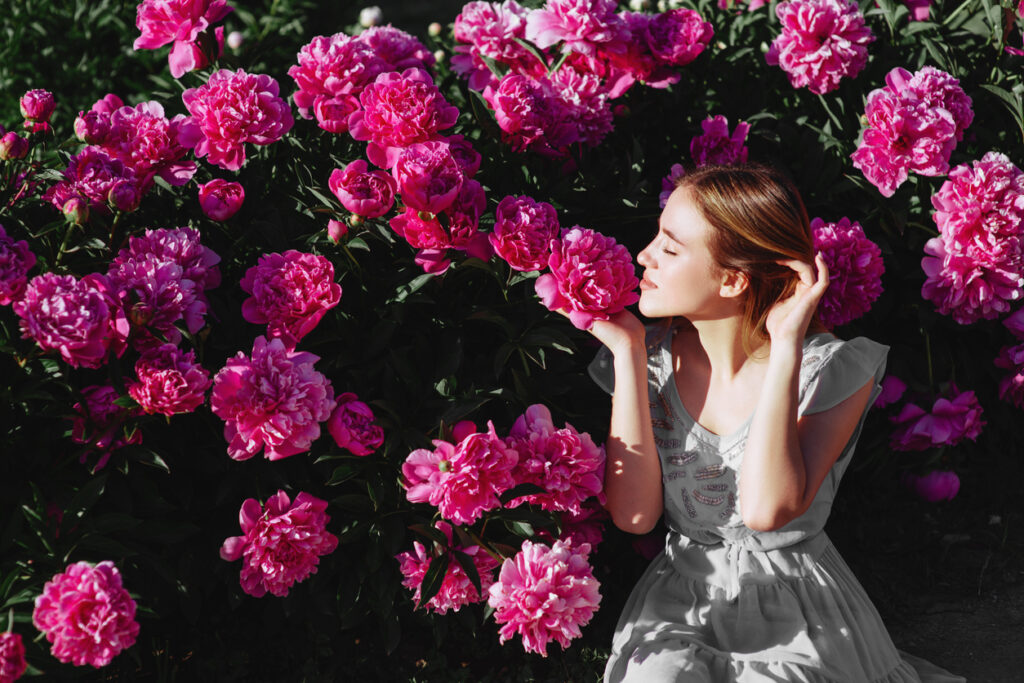
Peonies return every spring for generations.
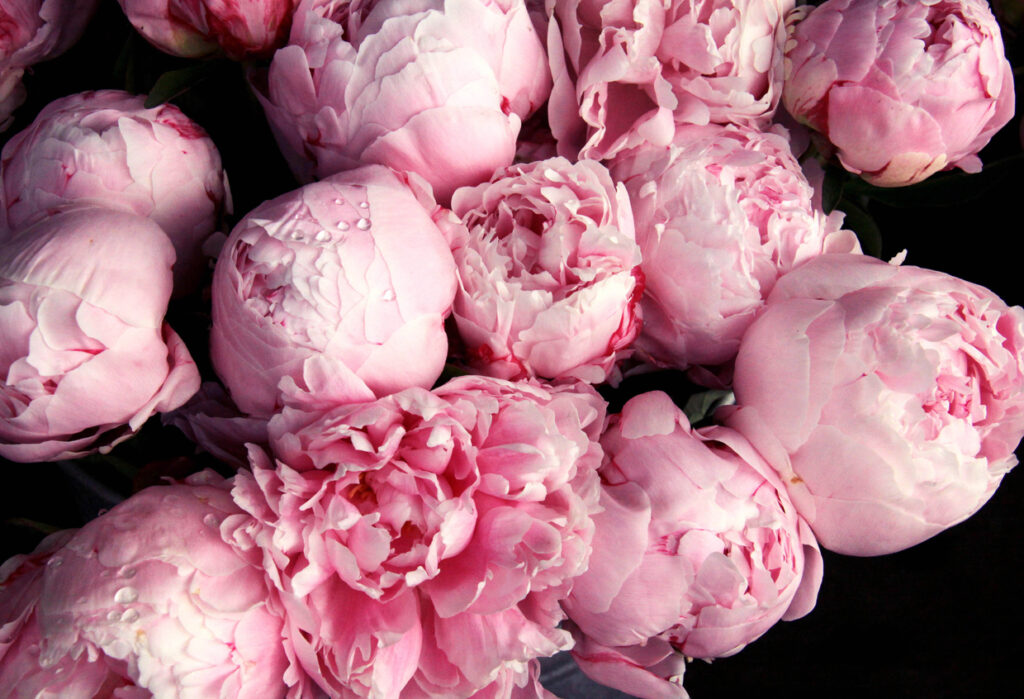
Peonies can live for more than one hundred years when they grow in a stable position with good drainage and steady sunlight. They often look stronger as they age because their roots grow deeper and more secure over time. Many people inherit old peony patches that still bloom reliably each spring without much intervention.
Once established, a peony does not appreciate being moved and rewards gardeners who leave it alone. As long as the soil stays moderately rich, and the plant avoids waterlogged conditions, it can keep producing huge flowers that brighten the garden year after year. Some families consider their old peony beds part of their history because they have lasted through decades of change.
Magnolia trees hold steady through centuries.
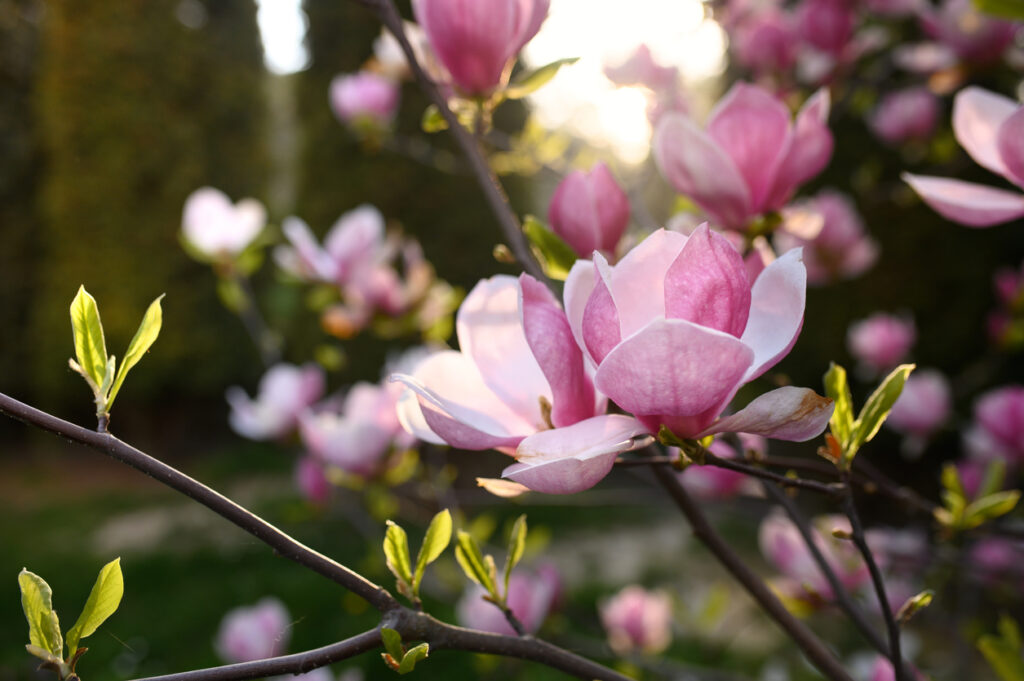
Magnolias have a reputation for long lives because their strong wood and slow growth help them manage unpredictable British weather. Once mature, a magnolia can stand comfortably for more than one hundred years with few problems, as long as it receives space to spread its branches. The older the tree becomes, the more impressive its spring display tends to look.
These trees prefer slightly acidic soil and benefit from protection from harsh winds. When planted in a favourable position, they develop a quiet resilience that supports them through storms and cold spells. Many older homes still have magnolias that were planted by previous owners who never expected them to last as long as they have.
Rhododendrons thrive when left undisturbed.
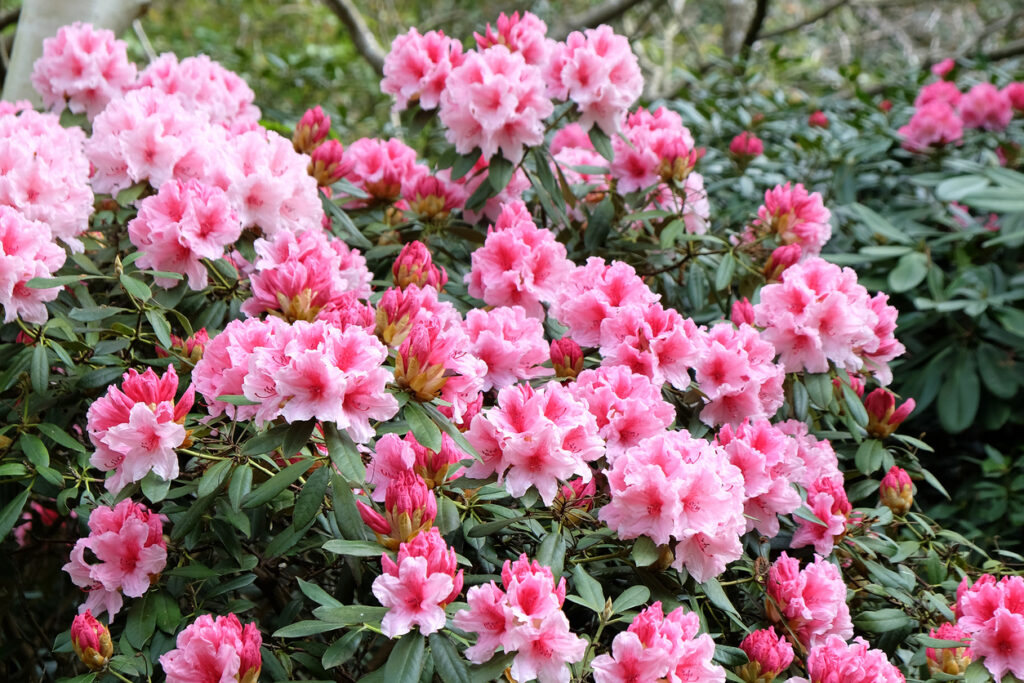
Rhododendrons can live for well over a century when they grow in acidic soil with consistent moisture. These shrubs slowly expand into large, impressive structures that continue blooming in vivid colours every spring. Their longevity comes from steady growth rather than fast development.
As they age, their branches twist into interesting shapes that give gardens a mature and established feel. Regular mulching and gentle pruning help encourage healthy growth without disrupting the plant. Once settled, an old rhododendron becomes a reliable part of the garden that barely seems to age at all.
Yew trees can outlive entire households.
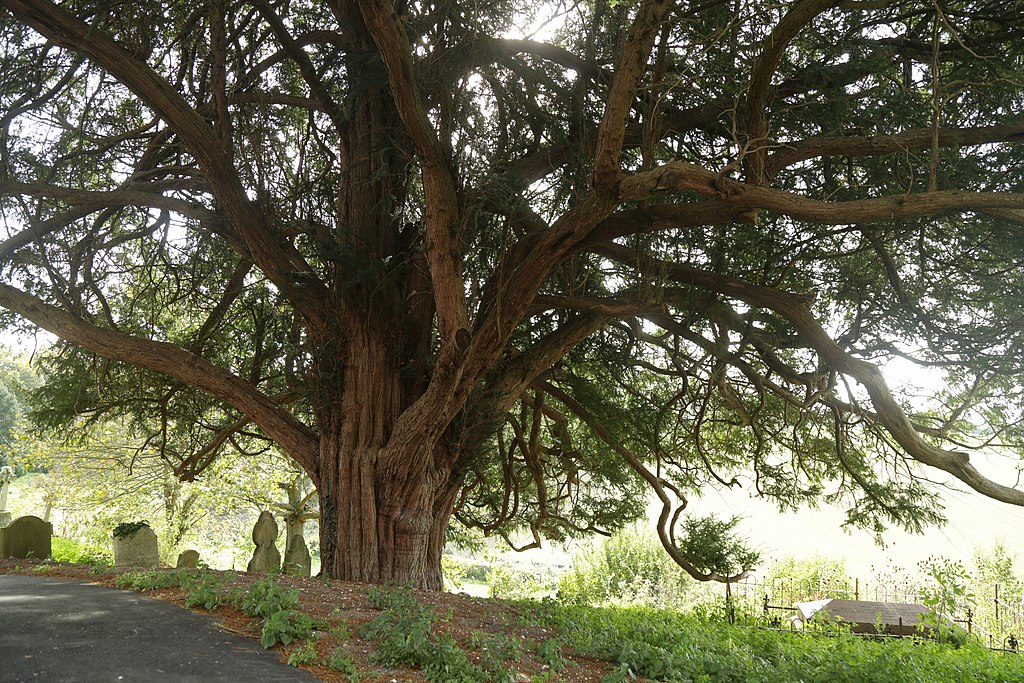
Yew trees are known for extraordinary lifespans, and some specimens across Britain are believed to be thousands of years old. In a garden setting, they comfortably exceed one hundred years if they grow in well drained soil and avoid constant disturbance. Their slow, steady growth allows them to handle pruning without stress.
Many gardeners use yews for hedges, which can stay healthy for generations when trimmed properly. The wood is strong and flexible, helping the plant recover from shaping. A yew hedge planted today could still be standing long after houses and boundaries have changed around it.
Wisteria becomes stronger as it spreads.
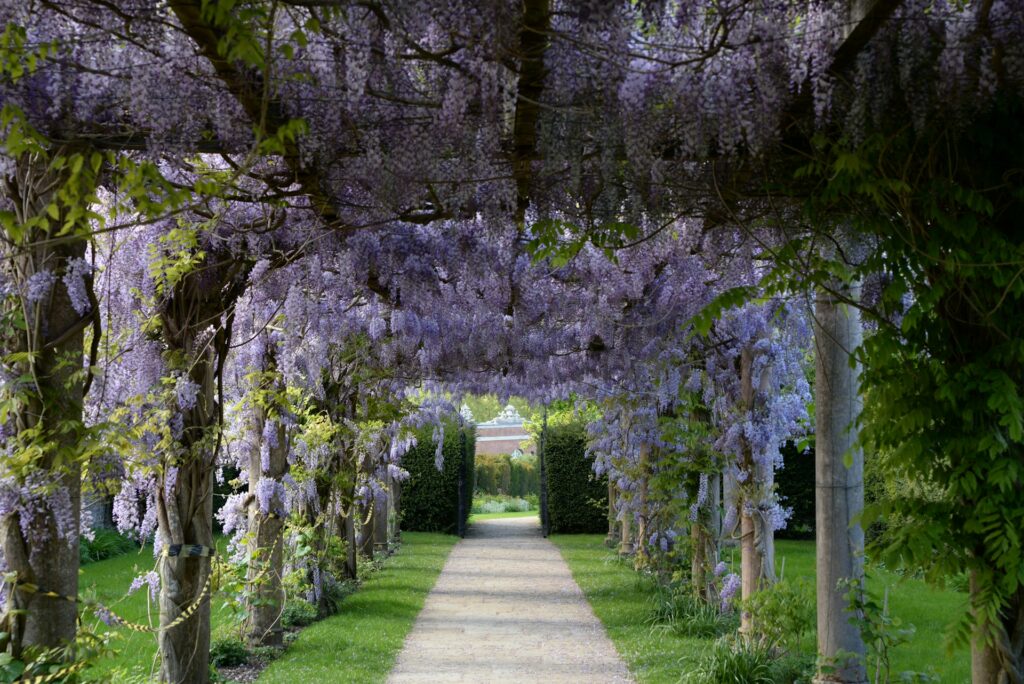
Wisteria can live for more than one hundred years because its woody stems strengthen over time. Older plants often produce heavier and more dramatic flowers than younger ones, especially if they receive careful pruning twice a year. The vines become architectural features as they age.
To reach great age, wisteria needs a strong structure such as a wall, pergola or sturdy frame. Once anchored, the plant forms a long-lasting partnership with whatever supports it. Many historic British properties have wisteria that has been in place for decades, providing impressive displays every spring.
Lavender survives for decades in the right conditions.
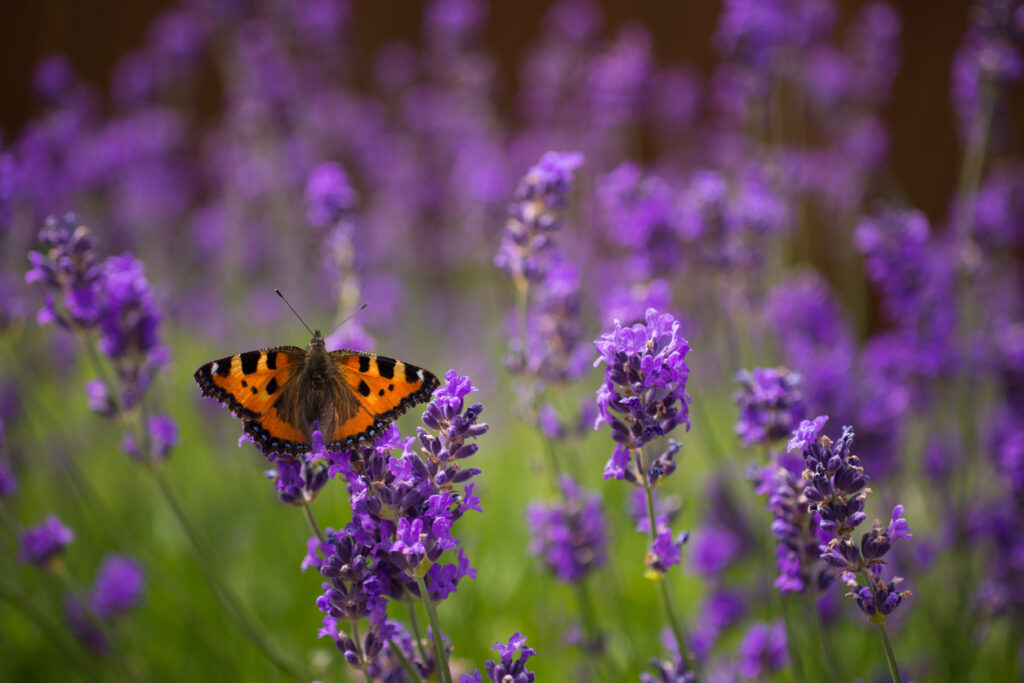
Lavender does not always live long in damp areas, but when planted in dry, well drained soil with plenty of sun, some varieties can survive for more than one hundred years. Traditional varieties grown in old stone gardens often sit undisturbed for generations.
To encourage longevity, gardeners prune lightly after flowering to keep the shape compact. When lavender thrives, its woody base becomes tougher each year. The scent, colour and soft movement in the breeze make long-lived lavender a favourite in older rural gardens where it has remained for decades.
Apple trees provide fruit for a lifetime.
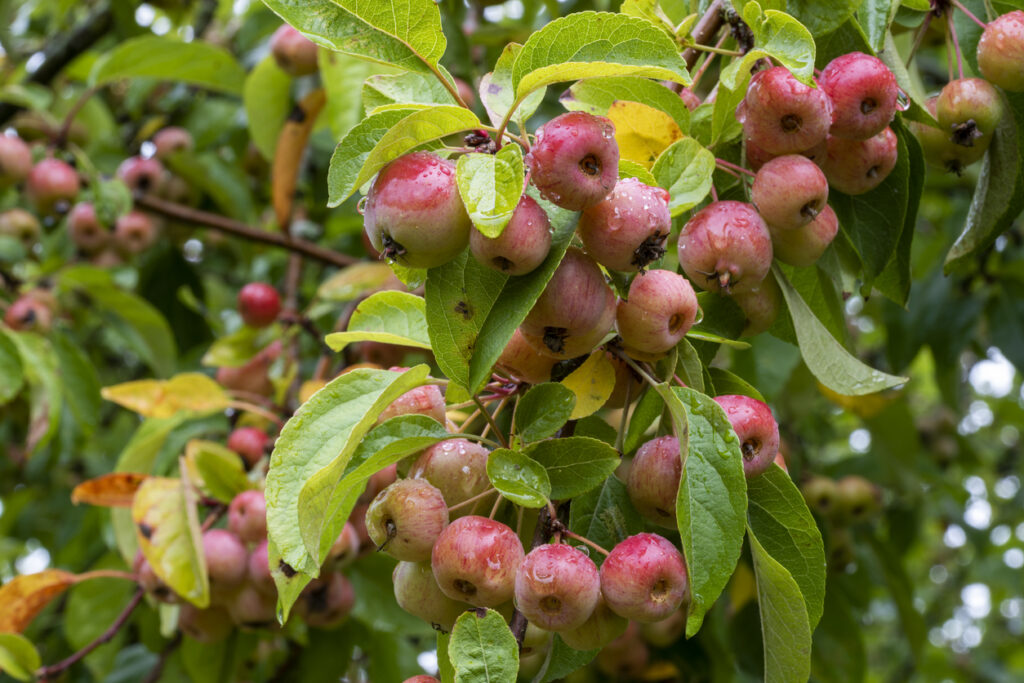
Many apple trees remain productive for more than a century when they receive occasional pruning and are planted in sunny, sheltered positions. Old orchards across Britain still contain trees planted by previous generations that continue producing reliable harvests each autumn.
The trees become more resilient as they mature because their roots sit deep and stable within the soil. They may not produce as heavily in extreme weather, but a healthy old apple tree remains a dependable feature of the garden. Its age often makes the fruit taste even more meaningful to the people who pick it.
Camellias stand strong throughout the decades.
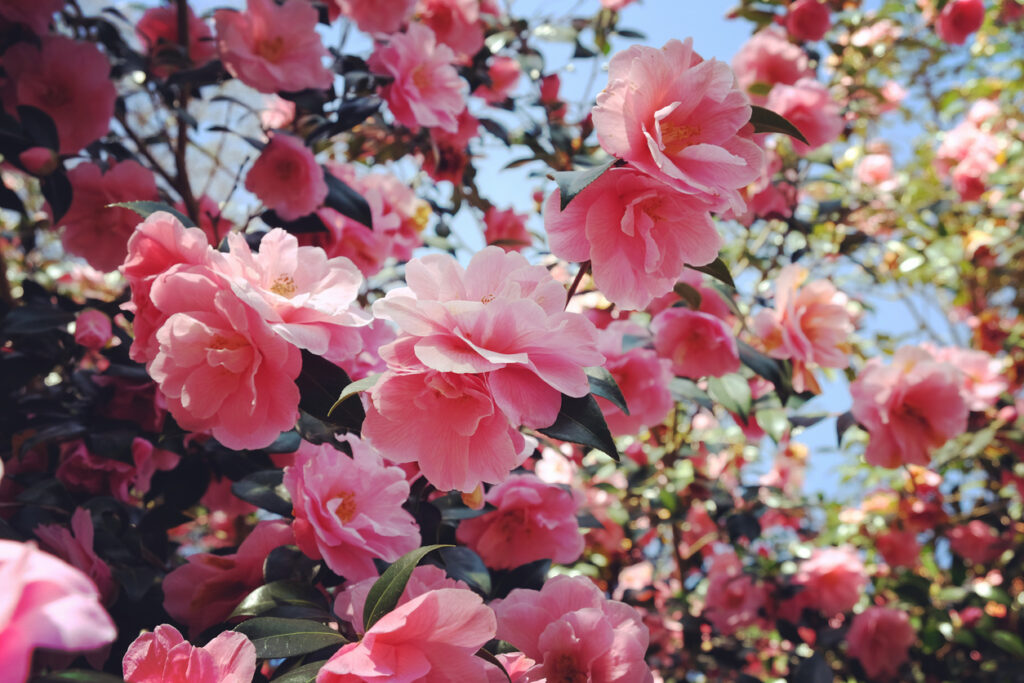
Camellias are capable of reaching well over one hundred years when they grow in acidic soil with consistent moisture. These shrubs become large, evergreen structures that flower reliably at the same time each year. Their glossy leaves and elegant blooms make older specimens a standout feature.
They appreciate calm conditions, so planting near walls or sheltered corners helps them age gracefully. Once established, a camellia rarely suffers major problems and becomes a long-term anchor in the garden. Many older estates still showcase camellias planted more than a century ago.
Ginkgo trees barely seem to age.
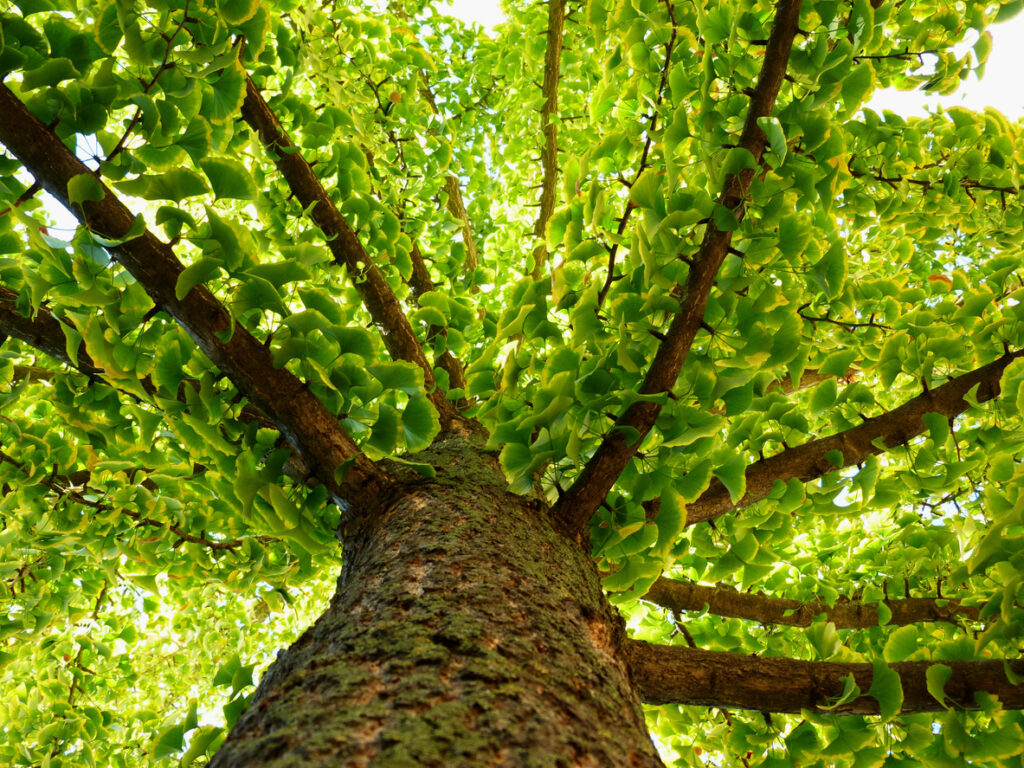
Ginkgo trees are known for incredible longevity across the world and can live for thousands of years in the wild. In British gardens, they comfortably reach one hundred years or more when planted in a sunny, open position. Their slow growth helps protect them from sudden stress.
Their fan shaped leaves turn a clear gold in autumn, creating a striking seasonal display. Because ginkgo trees resist pests and pollution, they continue to thrive even in city gardens. Once rooted, they become dependable and lasting features that rarely need special care.
Hydrangeas that return with stronger blooms each year.
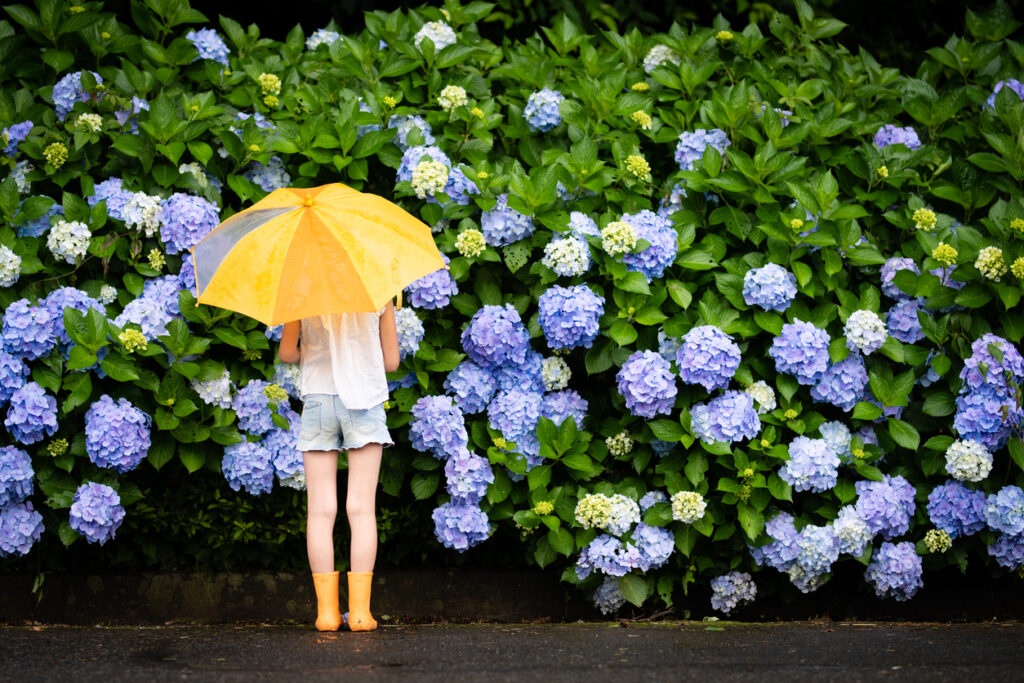
Some hydrangea varieties can live for more than a century when they grow in slightly acidic soil and receive enough moisture. Their woody stems develop slowly, forming a solid framework that supports heavy clusters of flowers each summer. They look fuller as they age.
Old hydrangeas adapt to their environment and tolerate colder winters better than younger plants. With occasional pruning and consistent watering, they can anchor a garden border for generations. Their long life makes them one of the most reliable shrubs for gardens that value seasonal colour.