Britain’s wildlife is changing fast, and a big part of that change comes from animals that were never supposed to be here in the first place.
Some arrived accidentally, others were introduced on purpose, and some slipped through gaps no one noticed until the damage was already done. Once these species settle in, they spread quickly, reshape habitats and outcompete the native wildlife that isn’t built to cope with them.
You don’t always see the impact straight away, but it’s happening in rivers, woodlands, coastlines, and even city parks. Understanding which species are driving those changes helps make sense of the pressures facing British nature right now. Here are the invasive animals currently having the biggest effect on our ecosystems.
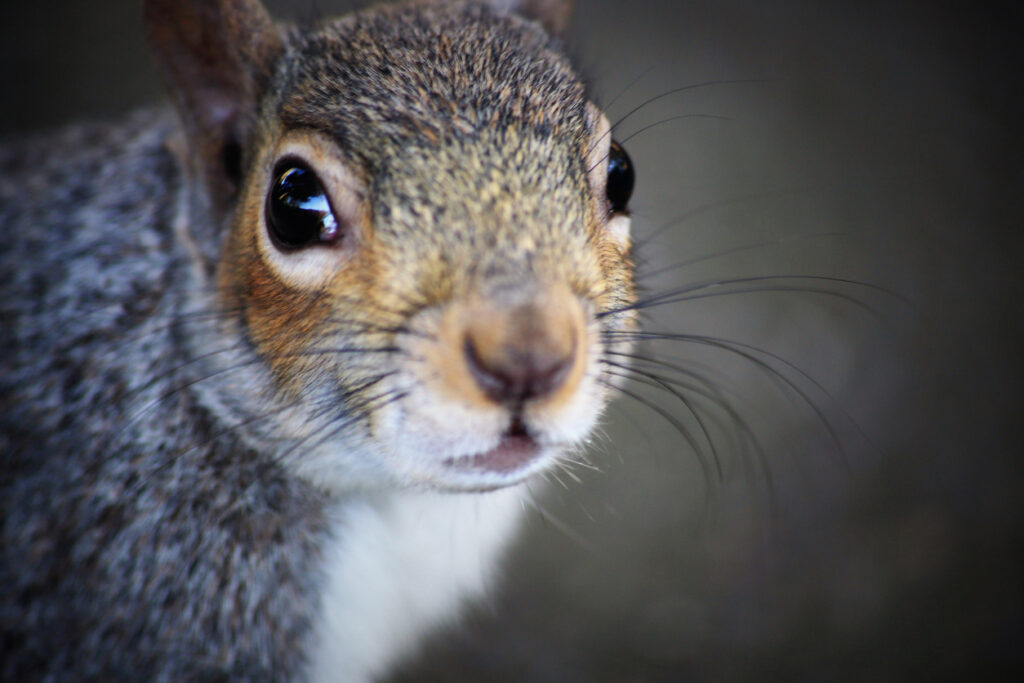
1. Grey squirrels are still devastating native reds.

Grey squirrels outcompete our native reds for food and habitat, but worse, they carry squirrelpox which kills red squirrels while leaving greys unaffected. Red squirrels now survive only in isolated pockets, while greys dominate most of Britain. Beyond the red squirrel issue, greys strip bark from trees, causing serious woodland damage and raid bird nests far more aggressively than reds ever did. Their impact on British woodlands is massive and ongoing.
2. Muntjac deer are multiplying and munching everything.

These small Asian deer have exploded across England since escaping from parks decades ago. They breed year-round unlike native deer, giving them massive reproductive advantage, and they absolutely hammer woodland understory vegetation. Muntjac browsing prevents woodland regeneration, damages rare plant populations, and affects ground-nesting birds. Their constant breeding means populations just keep growing despite culling efforts.
3. Signal crayfish are wiping out native crayfish.
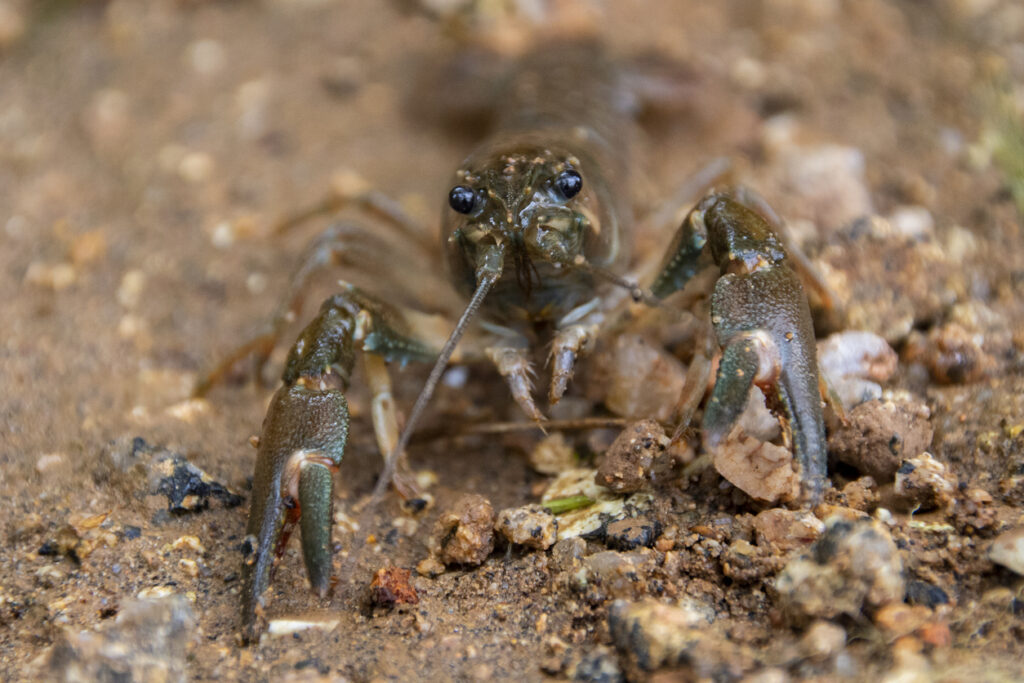
American signal crayfish carry crayfish plague, which kills our native white-clawed crayfish within weeks. They’re larger, more aggressive, and breed faster than natives, outcompeting them even without the disease. They also burrow into riverbanks causing erosion, prey on fish eggs and invertebrates, and generally trash freshwater ecosystems. Native crayfish populations have crashed by over 90% in affected areas.
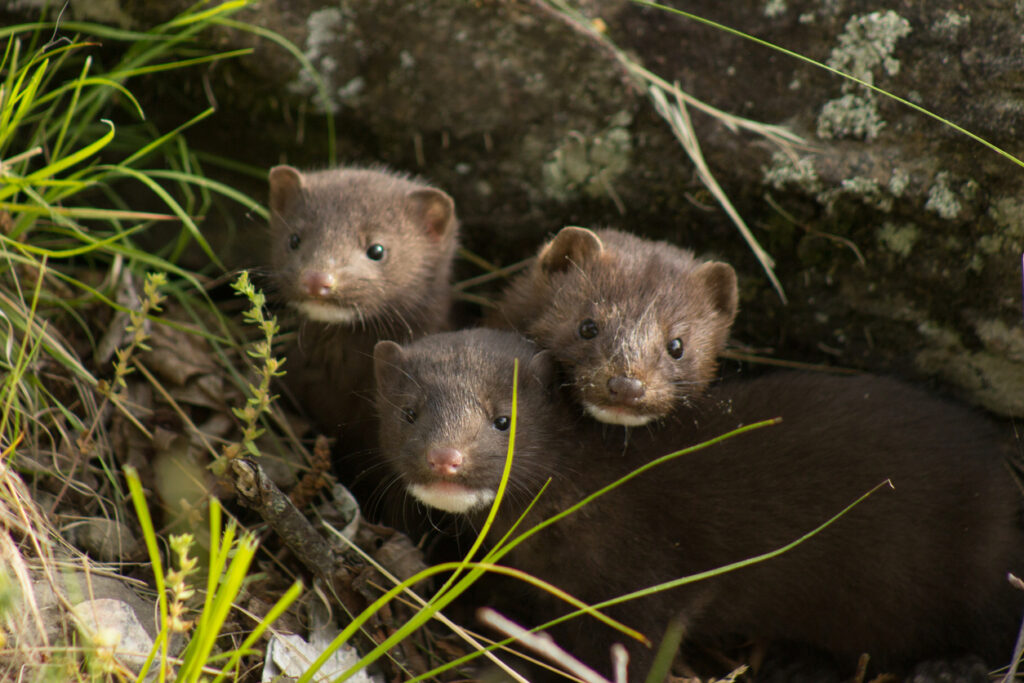
4. Mink are decimating waterbird populations.
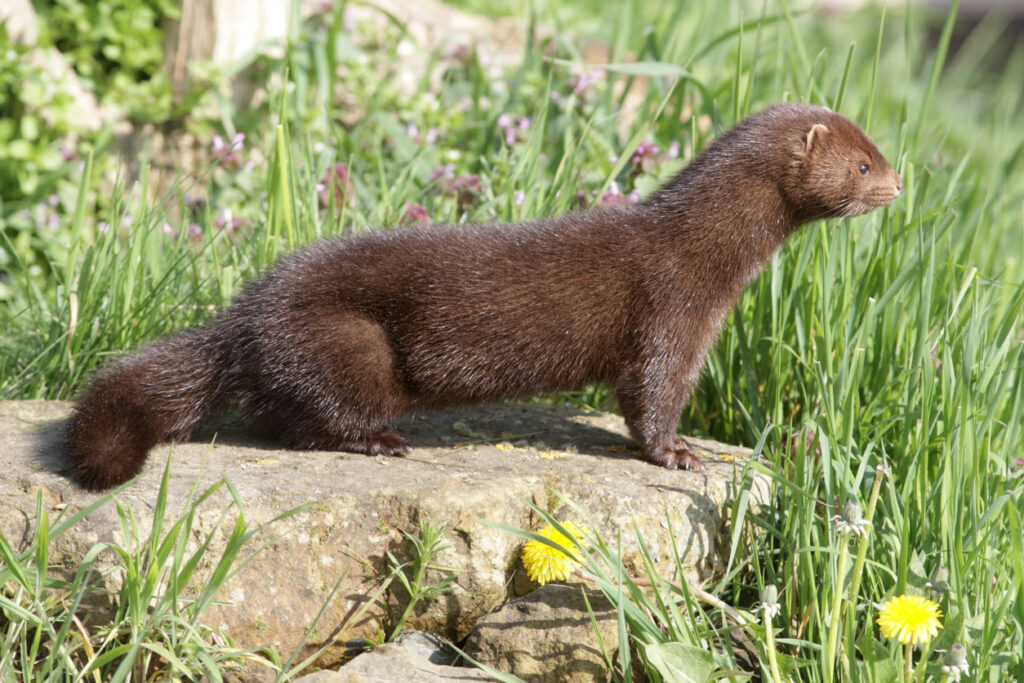
American mink escaped from fur farms and established wild populations that absolutely hammer water vole colonies, ground-nesting birds, and fish populations. They’re semiaquatic predators with few natural enemies here. Water voles have disappeared from huge areas of Britain, primarily due to mink predation. Moorhens, coots, and other waterbirds suffer heavy nest predation where mink are established.
5. Ring-necked parakeets are outcompeting native cavity nesters.
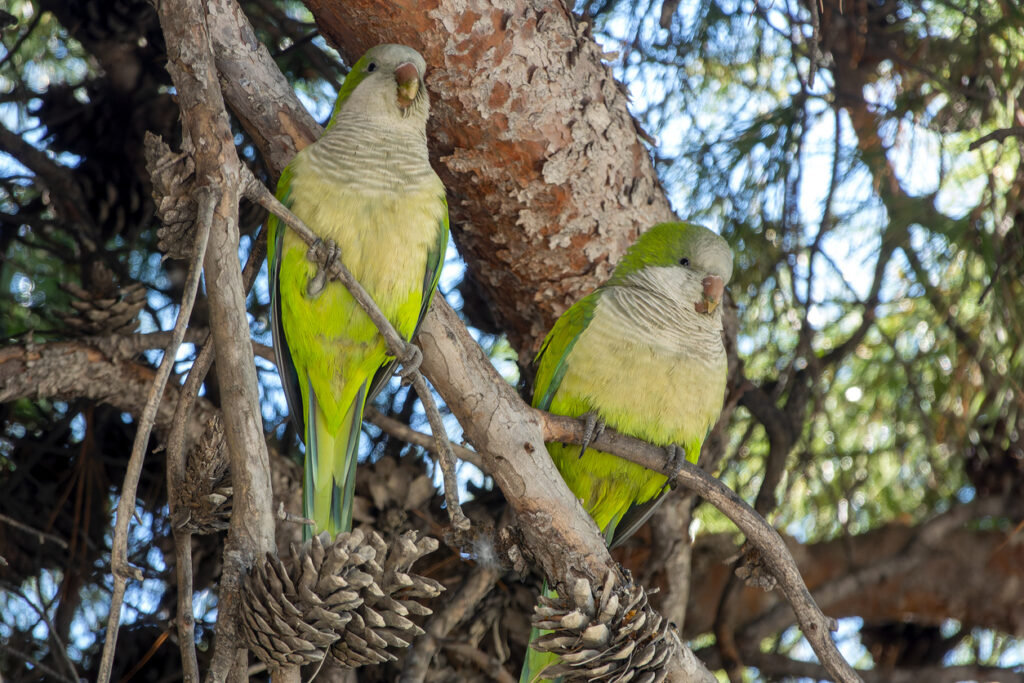
These bright green parrots originally from Asia now number over 30,000 in Britain, concentrated around London and spreading. They aggressively take over tree cavities that native birds like nuthatches and woodpeckers need for nesting. They also damage fruit crops and outcompete smaller birds at feeders. Their loud screeching flocks are becoming a familiar sound in southern England, where they were completely absent 50 years ago.
6. Chinese mitten crabs are disrupting river systems.
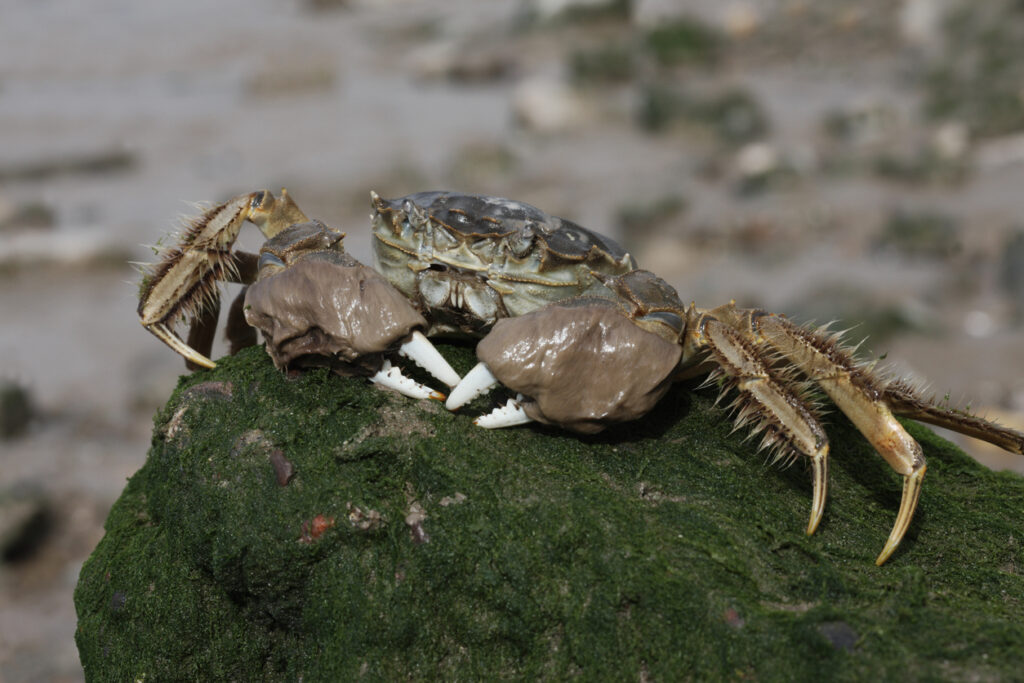
These crabs burrow into riverbanks causing serious erosion problems. Their population explosions can clog water intake pipes, and their feeding habits disrupt invertebrate communities. They migrate in massive numbers and can survive out of water for days, meaning they spread easily between river systems. The damage to flood defences and riverbank infrastructure alone costs millions.
7. Harlequin ladybirds are pushing out native species.

This Asian ladybird species arrived in 2004 and spread across Britain within a decade. They outcompete native ladybirds, prey on their larvae, and carry diseases that harm natives. Several native ladybird species have declined sharply since harlequins arrived. The speed of their spread and impact shows how quickly invasive insects can alter ecosystems.
8. Killer shrimp are devastating aquatic food webs.
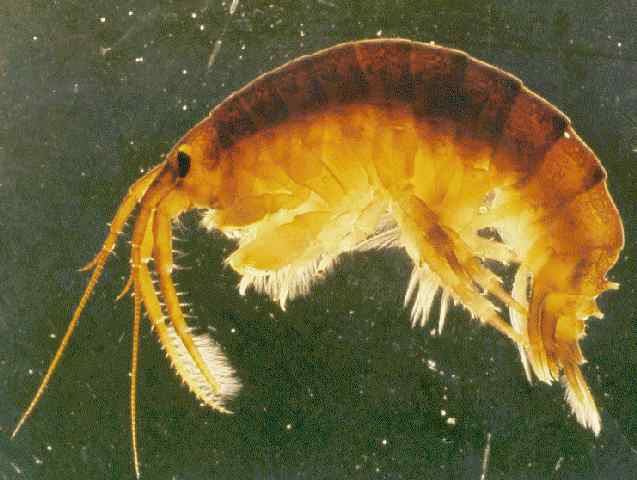
These tiny amphipods from Eastern Europe kill far more prey than they actually eat, disrupting entire freshwater food webs. They prey on native invertebrates, fish eggs, and even small fish. Their disproportionate killing behaviour causes collapse in invertebrate populations, which affects everything up the food chain. Once established in a waterway, they’re essentially impossible to remove.
9. Topmouth gudgeon spread disease and compete with natives.
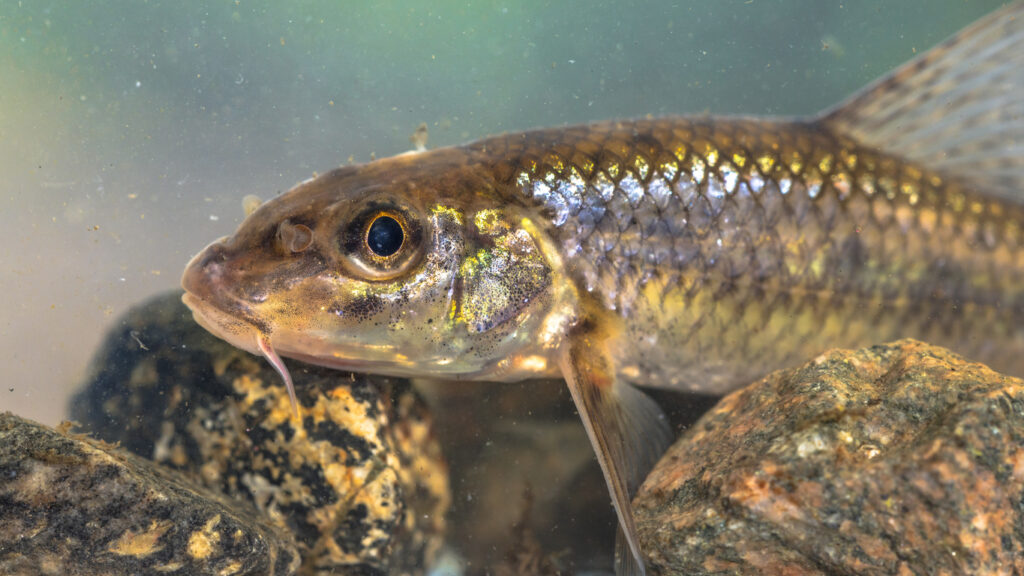
This small Asian fish carries diseases harmful to native fish while competing with them for food and habitat. They breed prolifically and can survive in poor quality water where natives struggle. They’ve established in numerous ponds and lakes across England despite eradication efforts. Their presence degrades fisheries and threatens rare native fish species.
10. Ruddy ducks were hybridising endangered white-headed ducks.
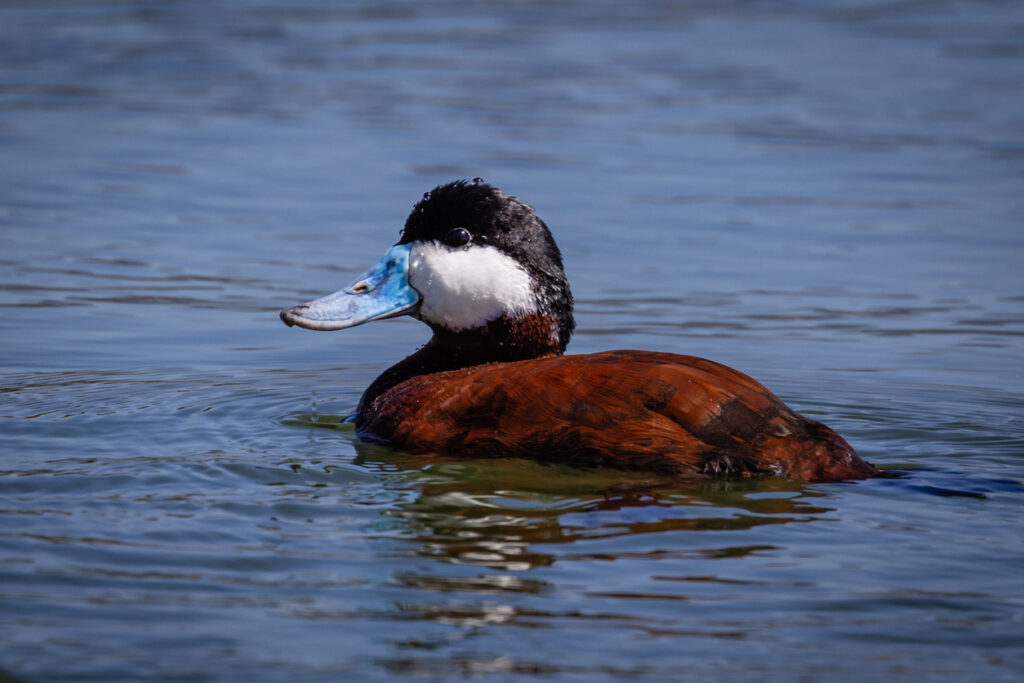
American ruddy ducks escaped from collections, and their descendants threatened Spain’s endangered white-headed ducks through hybridisation. Britain had to conduct a controversial cull that’s now largely succeeded. This shows invasive species impacts can extend beyond Britain’s borders. The expensive eradication programme was necessary to prevent genetic extinction of a European species.
The future threat is accelerating.
Climate change is making Britain more hospitable to species that couldn’t survive here previously, while global trade increases introduction opportunities. The rate of new invasive species establishing is increasing, not slowing.
Future invasions could include Asian hornets threatening pollinators, more aquatic invaders disrupting fisheries, and climate-adapted species we can’t yet predict. Britain’s ecosystems face ongoing pressure from non-native animals that shows no sign of stopping, making management and prevention increasingly crucial.