If your garden feels a bit too exposed, the right trees can make the whole space feel calmer and more private without turning it into a dark corner.
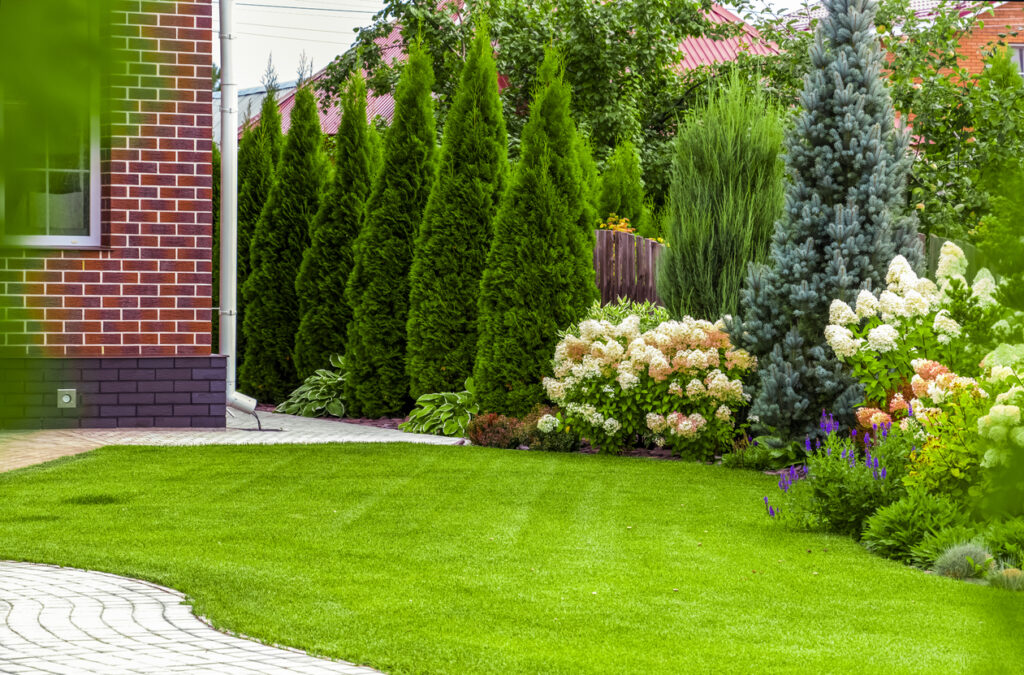
A well-chosen screen softens noise, blocks unwanted views and gives you that enclosed, peaceful feeling people crave in busy neighbourhoods. You don’t need a huge plot or a fully landscaped garden to get it right. Even a small row of the right species can change the atmosphere completely.
The key is picking trees that grow at a sensible pace, keep their structure year-round and suit the size of your garden. Some stay slim, others spread out, and a few hold their leaves through winter so you’re never left feeling on display. Here are the options that work best when you want privacy without sacrificing light or beauty.
Hornbeam creates dense year-round coverage.
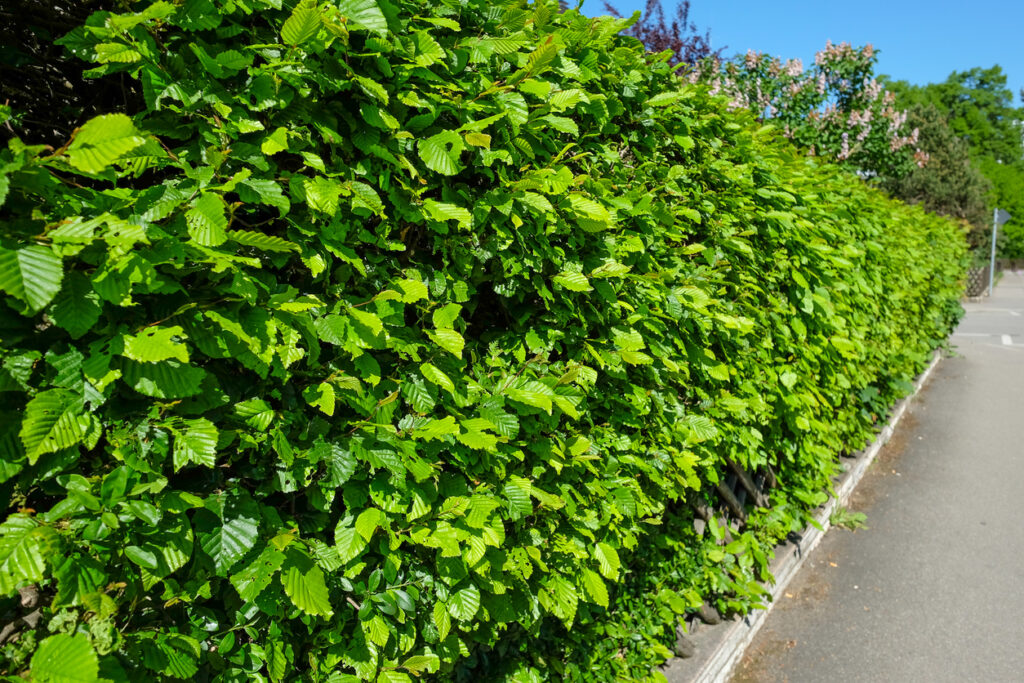
Hornbeam holds onto its dead leaves through winter, which means you’re getting privacy even when other deciduous trees have gone bare. It’s brilliant for hedging and tolerates pretty much any soil type going. This tree responds beautifully to clipping if you want formal shapes, but left alone it’ll create a natural screen that’s absolutely packed with foliage. It’s tough as old boots and handles British weather without complaint.
Yew gives you proper evergreen screening.
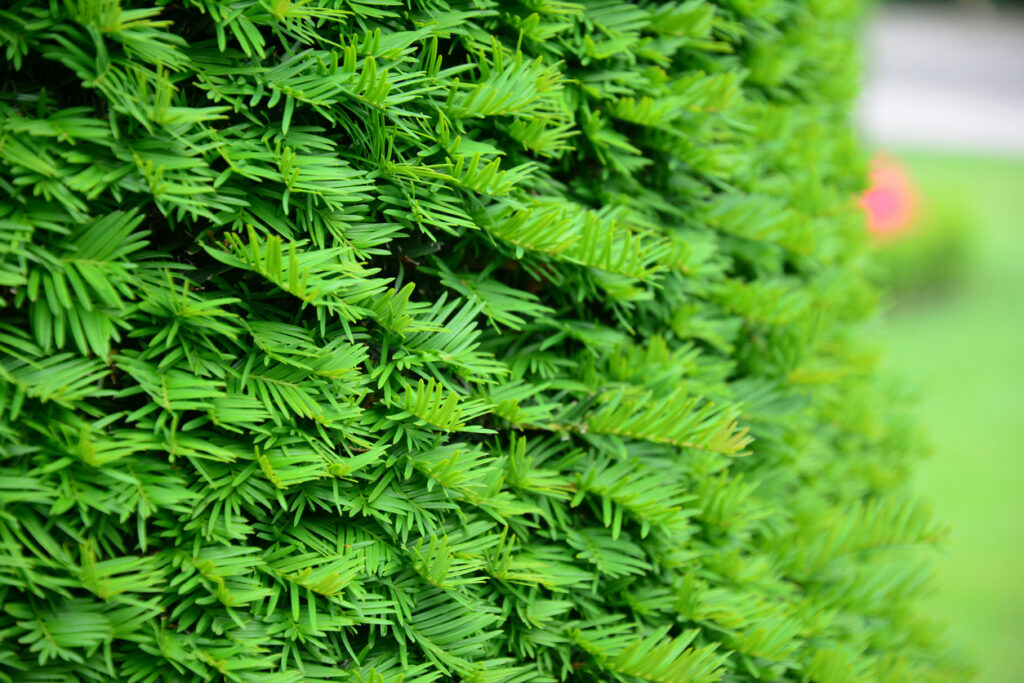
English yew is the classic choice for dense, evergreen privacy that lasts decades. It grows slowly but creates incredibly thick coverage that blocks views completely but still looks elegant rather than fortress-like. Yew is happy in sun or shade and copes with our wet winters brilliantly. The slow growth means less maintenance once established, and it can be shaped into formal hedges or left more natural, depending on your style.
Holly provides prickly protection alongside privacy.
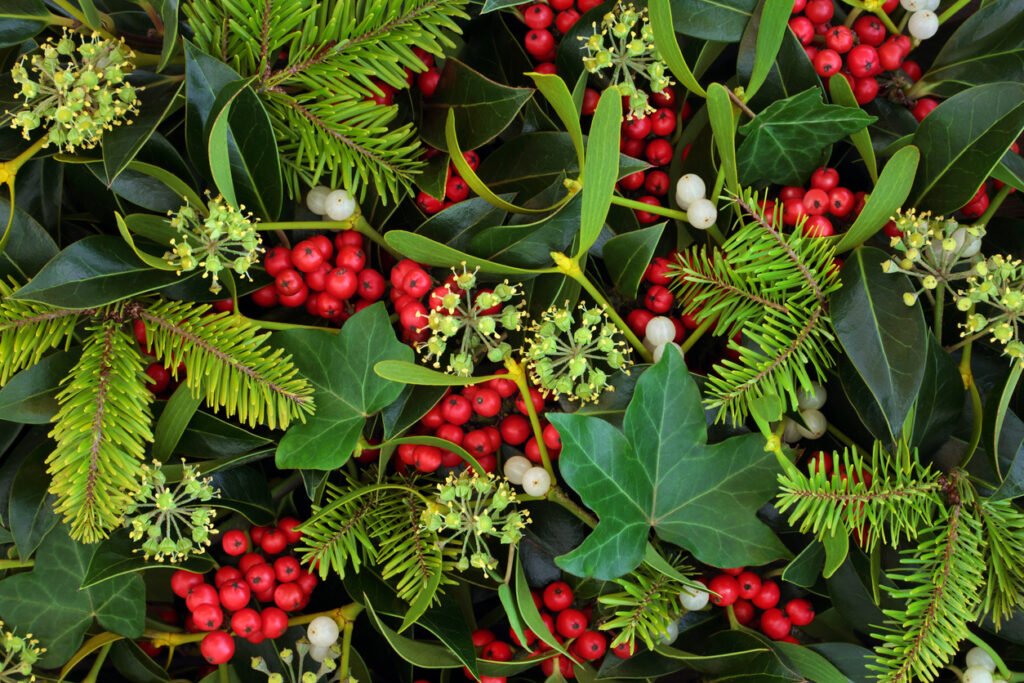
Holly hedges give you two benefits: gorgeous evergreen screening plus thorny leaves that discourage anyone thinking about climbing through. The glossy foliage looks smart year-round, with berries adding winter interest. It’s tough, handles pruning well, and grows in most conditions. Holly is particularly good along boundaries where you want that extra security element alongside the privacy.
Portuguese laurel works faster than you’d think.
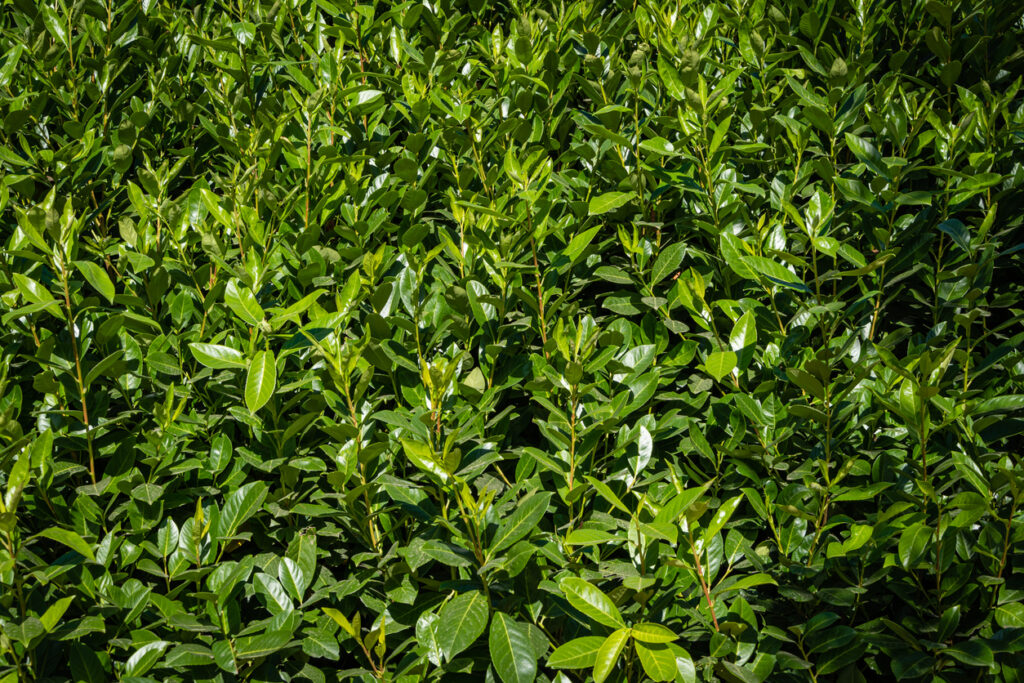
If you want privacy relatively quickly, Portuguese laurel grows at a decent pace while creating thick evergreen coverage. The dark green leaves are smaller and more refined than common laurel, giving a classier look. It handles pruning brilliantly and stays dense right to the ground. This one’s particularly good for screening ugly views or creating garden rooms within larger spaces.
Field maple gives seasonal colour with coverage.
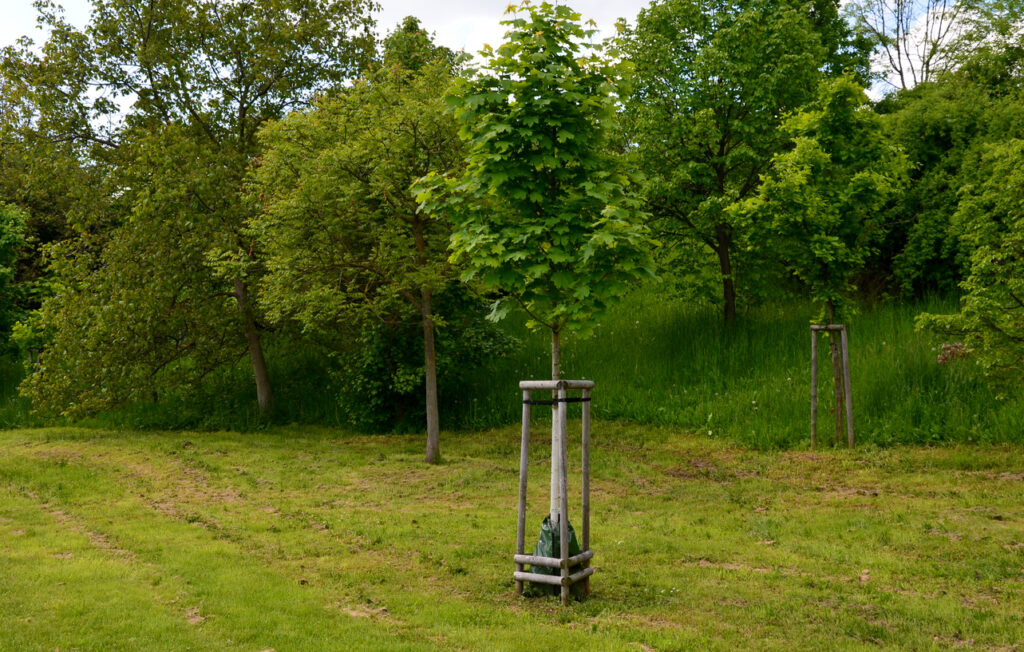
Field maple is native, wildlife-friendly, and creates lovely dense coverage through spring and summer when you’re actually using the garden. The autumn colour is gorgeous, with leaves turning golden before dropping. Like hornbeam, it holds some leaves through winter when trimmed as a hedge. It’s adaptable to different soils and suits informal, naturalistic gardens where you want screening that doesn’t feel forced.
Photinia adds vibrant colour to your screening.
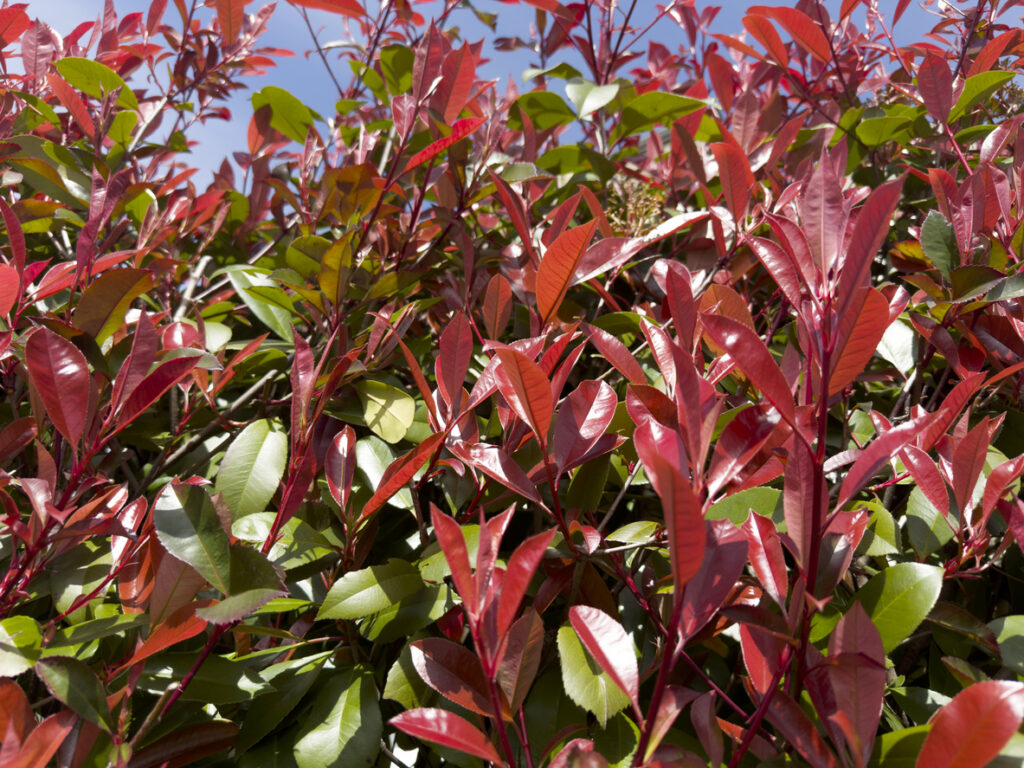
Photinia ‘Red Robin’ gives you privacy plus those striking red new leaves that brighten up the garden. It’s evergreen, grows quickly, and creates dense coverage that blocks views effectively. The red foliage appears throughout the growing season with regular trimming, giving you ongoing colour rather than just one moment. It’s particularly effective in modern gardens where you want impact alongside function.
Beech creates beautiful copper tones in winter.
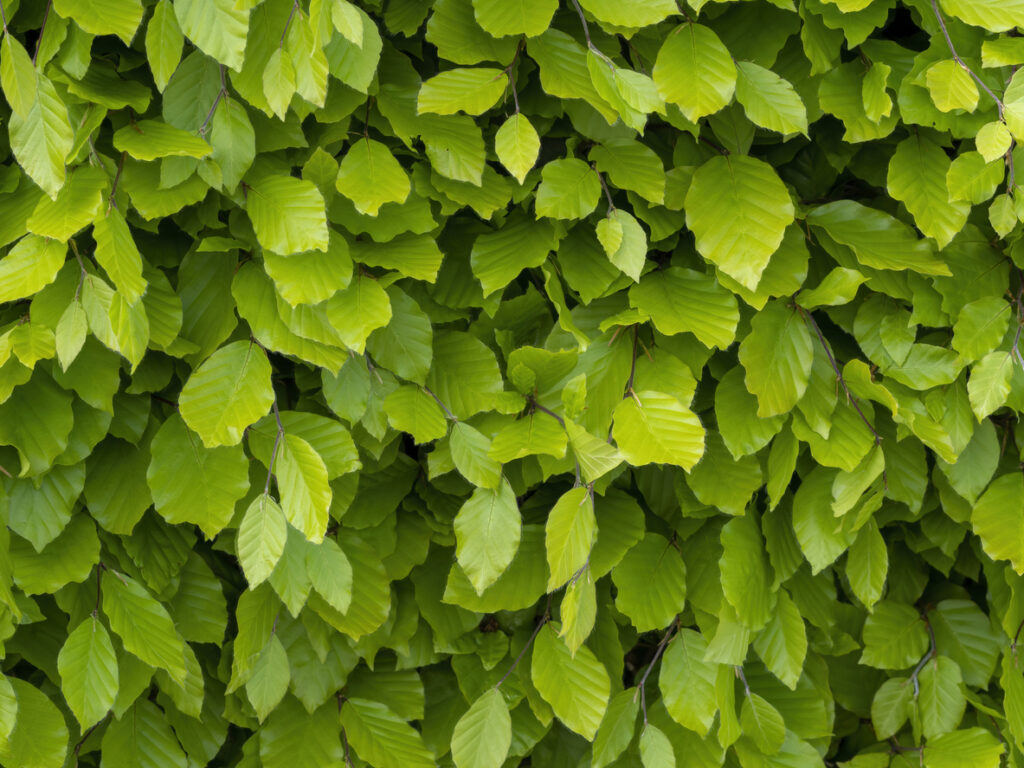
Beech hedging holds onto its copper-coloured dead leaves all winter, giving you privacy and gorgeous seasonal interest. In summer, the bright green foliage is equally lovely. It grows steadily, handles clipping well, and creates really dense coverage once established. Beech prefers well-drained soil, but once settled it’s remarkably low-maintenance for the impact it provides.
Leylandii works when you need height fast.
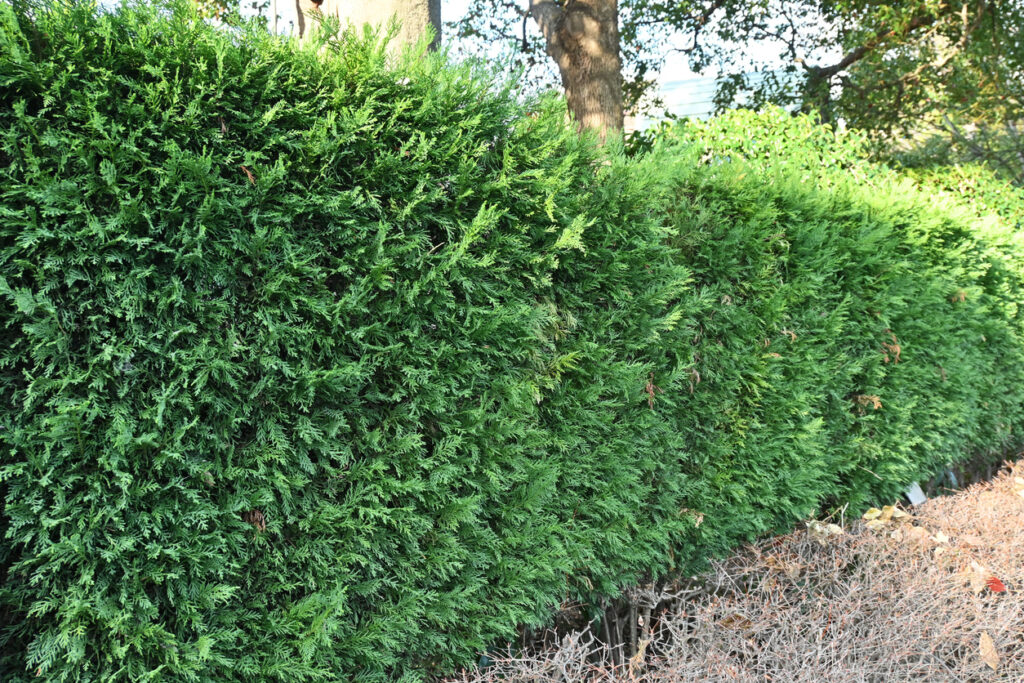
Leylandii gets bad press because people plant it and ignore it, but maintained properly it’s brilliant for quick screening. It grows rapidly and creates solid evergreen coverage that blocks everything. The key is regular trimming to keep it under control. If you need privacy urgently and are willing to maintain it properly, leylandii delivers results faster than almost anything else.
Hawthorn gives wildlife-friendly screening.

Native hawthorn creates dense, thorny hedging that’s absolutely brilliant for wildlife and also gives you privacy. The spring blossom is lovely, followed by berries that feed birds through winter. It’s incredibly tough, handles exposed sites, and establishes quickly. Hawthorn suits rural or cottage-style gardens where you want screening that feels natural rather than formal.
Thuja provides narrow evergreen coverage.
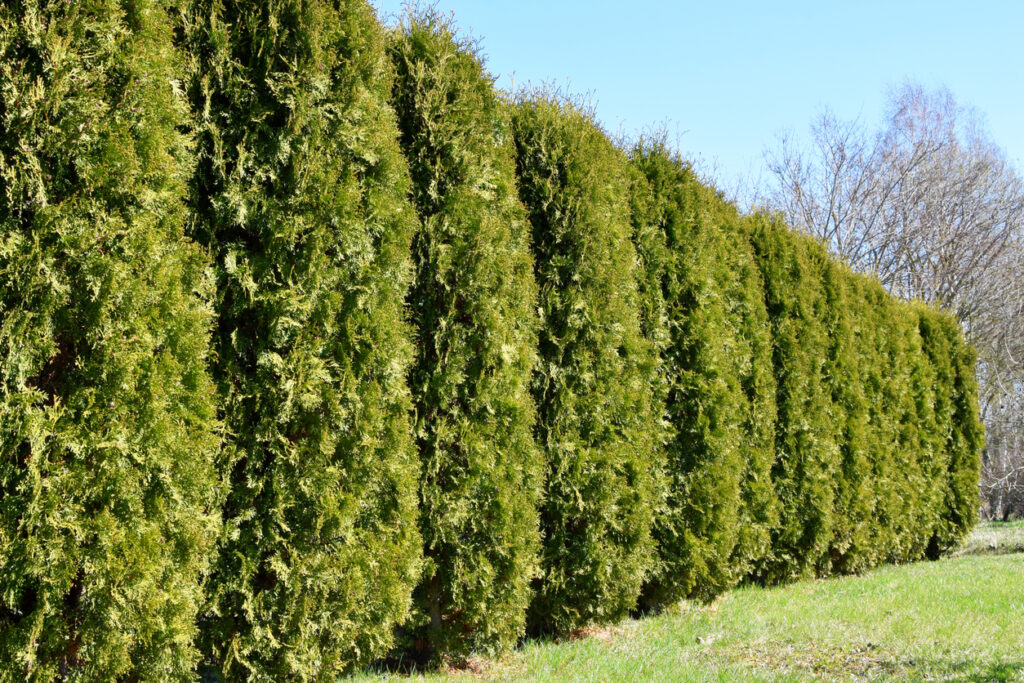
When space is tight, Thuja (western red cedar) grows upright and narrow while still providing dense evergreen screening. It’s particularly useful along narrow boundaries where width is limited. The foliage smells gorgeous when brushed against, and it stays green year-round without going bronze in winter like some conifers. It grows steadily and responds well to light trimming.
Privet offers traditional fast-growing screening.
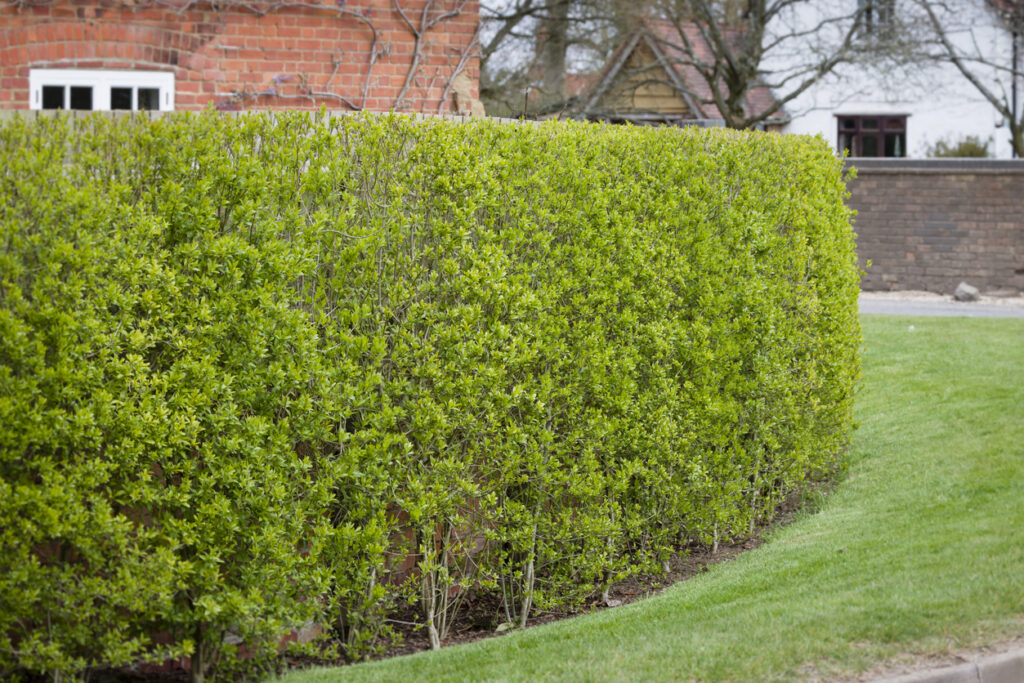
Privet is old-fashioned for good reason: it grows quickly, responds brilliantly to clipping, and creates dense coverage for reasonable cost. The white flowers in summer are lovely and attract pollinators. It’s semi-evergreen, holding most leaves through mild winters while dropping some in harsh cold. Privet needs regular trimming, but the fast growth means you get privacy quickly.
Bamboo creates contemporary screening with movement.
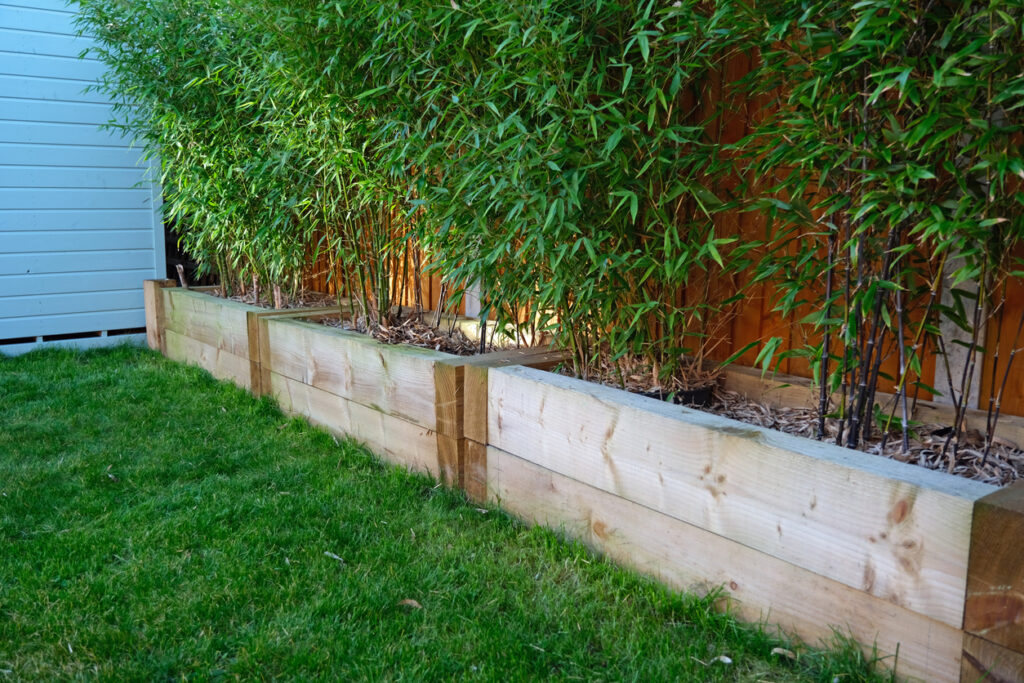
Clumping bamboo varieties give you instant height and dense screening with a modern feel. The stems and rustling leaves add movement and sound to the garden while blocking views completely. Choose clumping rather than running varieties to avoid it taking over, and plant in root barrier if you’re worried. Bamboo works brilliantly in contemporary gardens where traditional hedging feels too formal or old-fashioned.