Most people assume wild cats keep their distance from humans and barely pay attention to us, but new research is showing something very different.
These animals pick up on tone, rhythm, and intention in ways that suggest they understand far more about our voices than anyone expected. It’s a subtle part of how they assess safety, territory, and the behaviour of the people who share their environment.
What’s surprising is how consistent these reactions are once you know what to look for. The more scientists observe them, the clearer it becomes that wild cats aren’t just reacting to noise. They’re processing cues, making judgements and adjusting their behaviour with a level of awareness that challenges old assumptions. Here’s what the latest findings reveal about how closely they listen.
They recognise individual human voices.
Wild cats can distinguish between different people based purely on voice, remembering who’s previously fed them, helped them, or posed a threat. This individual recognition suggests much more sophisticated processing than we’d assumed.
Having that ability is more than a survival instinct. It shows they’re actively categorising humans as individuals with different behaviours and intentions. That level of social awareness is remarkable for supposedly solitary animals.
Tone matters more than words.
Research shows wild cats respond strongly to the emotional tone of human voices, even when they can’t understand the words. Gentle, calm tones get different responses than harsh or aggressive ones, regardless of actual content. They’re reading the emotional subtext we’re broadcasting through pitch, rhythm, and intensity. This suggests they’ve developed the ability to interpret human emotional states purely through vocal cues.
They understand threatening voices across languages.
Wild cats respond to angry or threatening human voices, regardless of what language is being spoken. The universal markers of aggression in human speech, such as volume, sharpness, and certain frequency patterns, trigger avoidance behaviours consistently.
Having that cross-cultural recognition suggests they’re tapping into fundamental aspects of human vocal communication that transcend specific languages. They’ve learned to read the underlying emotion that humans express similarly worldwide.
Kittens learn human voice recognition faster than expected.
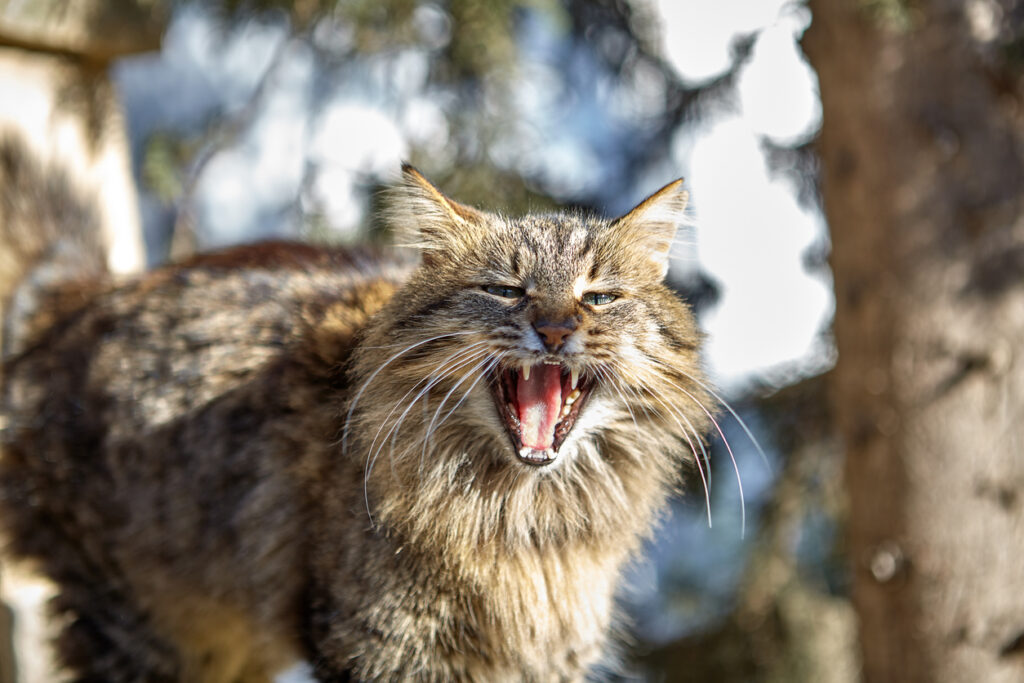
Young wild cats develop the ability to distinguish human voices remarkably quickly, sometimes within just weeks of first exposure. Such rapid learning suggests it’s not just accidental conditioning but active processing. It also indicates that their brains are primed to categorise and remember human vocal patterns as survival-relevant information. It’s adaptive behaviour that helps them navigate human-dominated landscapes.
They associate specific voices with specific locations.
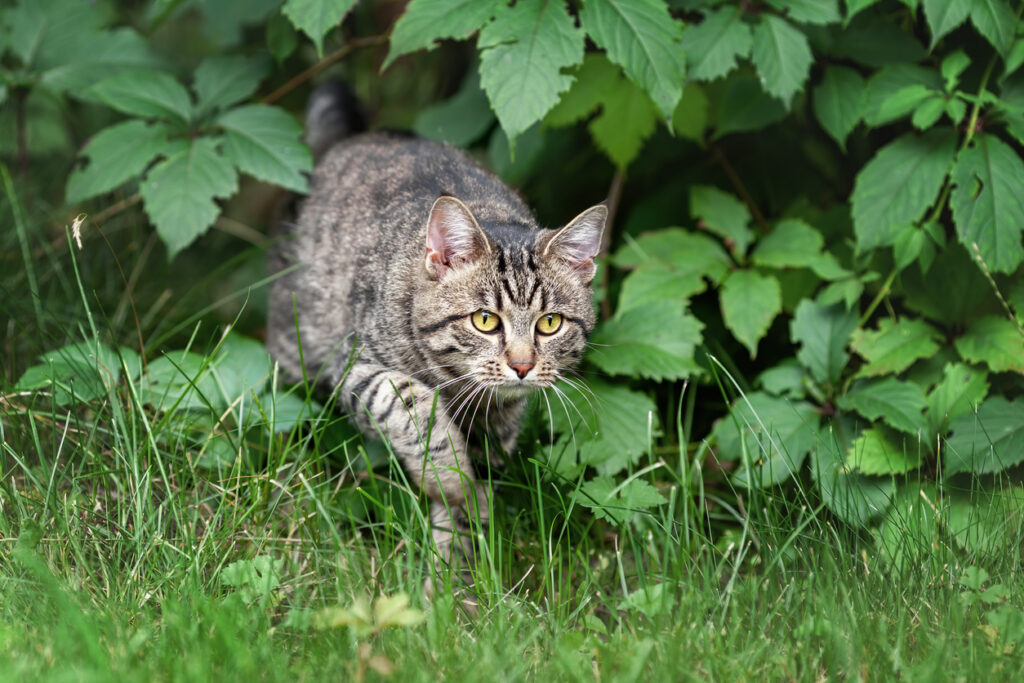
Wild cats remember not just who a person is, but where they typically encounter them. Hearing a familiar voice in an unexpected location triggers heightened alertness and caution. Their spatial-vocal memory shows sophisticated cognitive mapping. They’re building mental models of their territory that include humans as predictable or unpredictable elements, depending on context.
Female voices often get different responses than male voices.
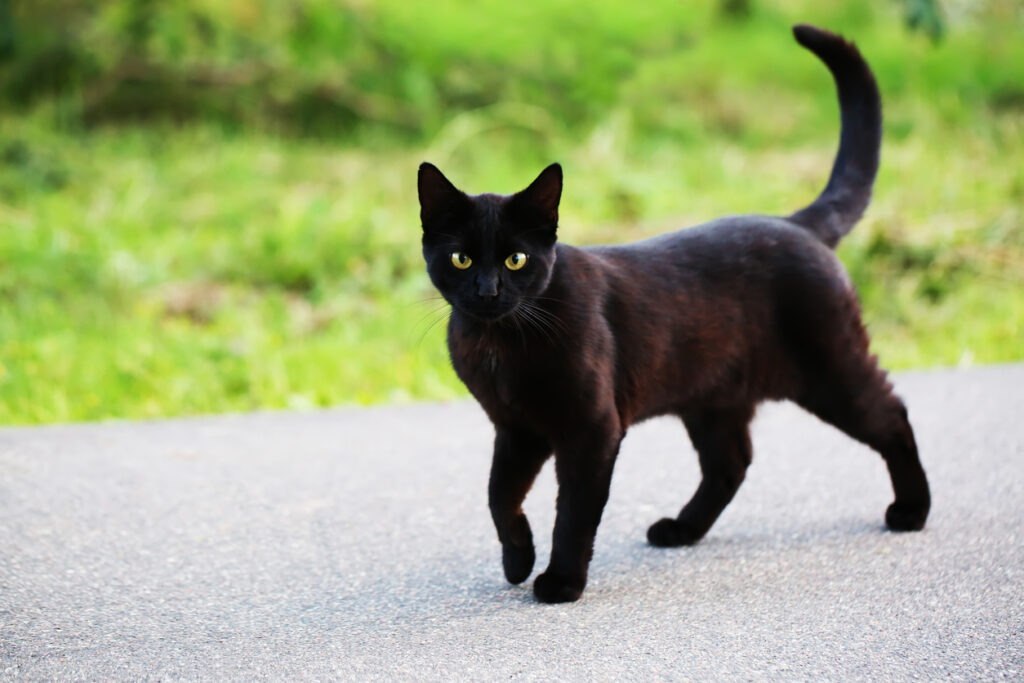
Studies show wild cats frequently respond more readily to higher-pitched voices, which are typically female or children’s voices. The exact reasons aren’t fully understood, but might relate to perceived threat levels. The gender-based difference in response suggests they’re analysing multiple vocal characteristics simultaneously, such as pitch, volume, and tone, to assess potential danger or opportunity.
They distinguish between confident and uncertain voices.

Wild cats pick up on hesitation, uncertainty, or nervousness in human voices. Confident, steady voices get different behavioural responses than wavering or anxious ones. Being able to detect human confidence levels is remarkable. They’re essentially reading our psychological state through subtle vocal cues, which gives them information about whether we’re likely to be dangerous or vulnerable.
Familiar voices reduce stress responses.
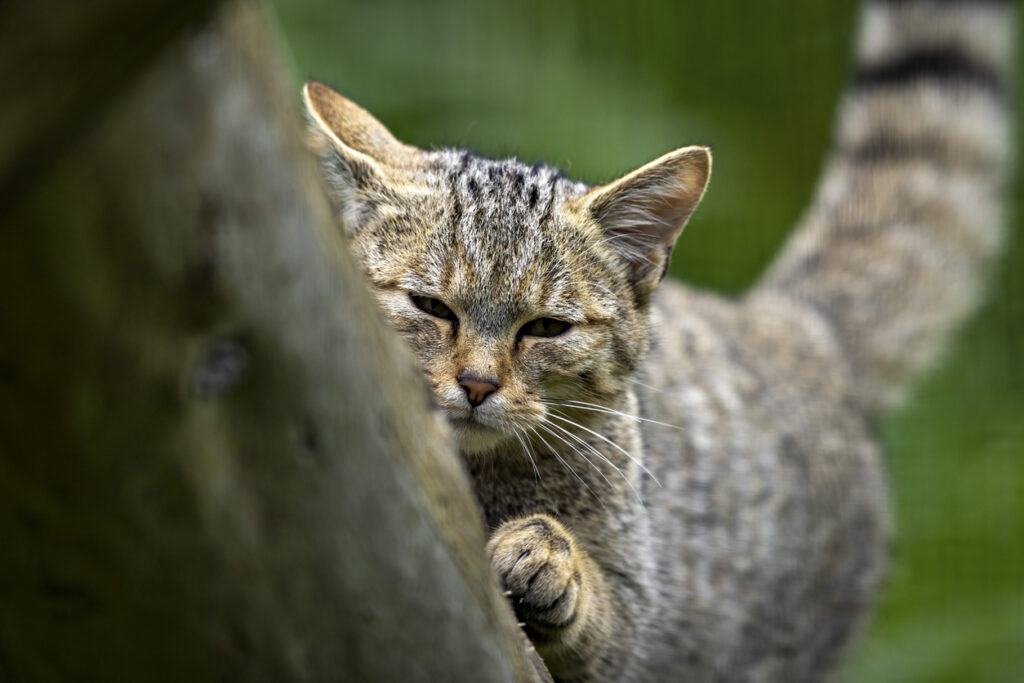
Researchers measuring stress hormones in wild cats found that voices they’ve heard repeatedly trigger less physiological stress than novel voices, even when the actual words or tone are neutral. It shows familiarity itself provides comfort, suggesting wild cats develop a form of trust toward humans whose voices they know. The stress reduction isn’t about the voice being pleasant, just known.
They respond to their “name,” even when wild.
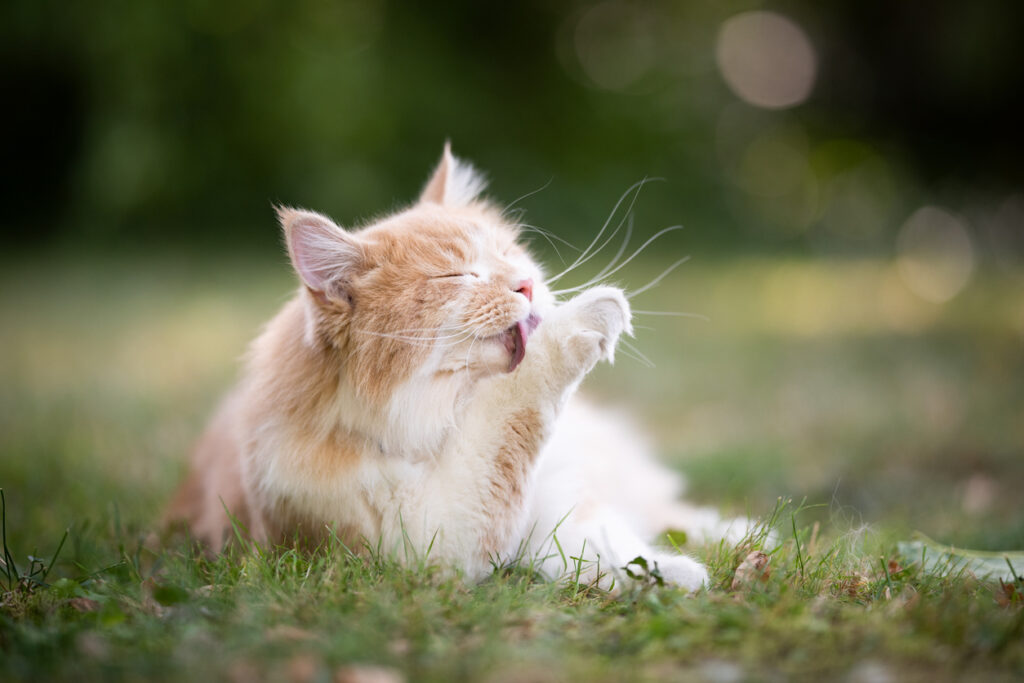
Wild cats who’ve had regular contact with specific humans will often respond to a particular sound or word that person consistently uses for them, functioning like a name even without domestication. This learned response happens remarkably quickly and persists long-term. It’s not full domestication but shows their brains can form specific sound-identity associations with individual words.
Group conversations are processed differently than single voices.
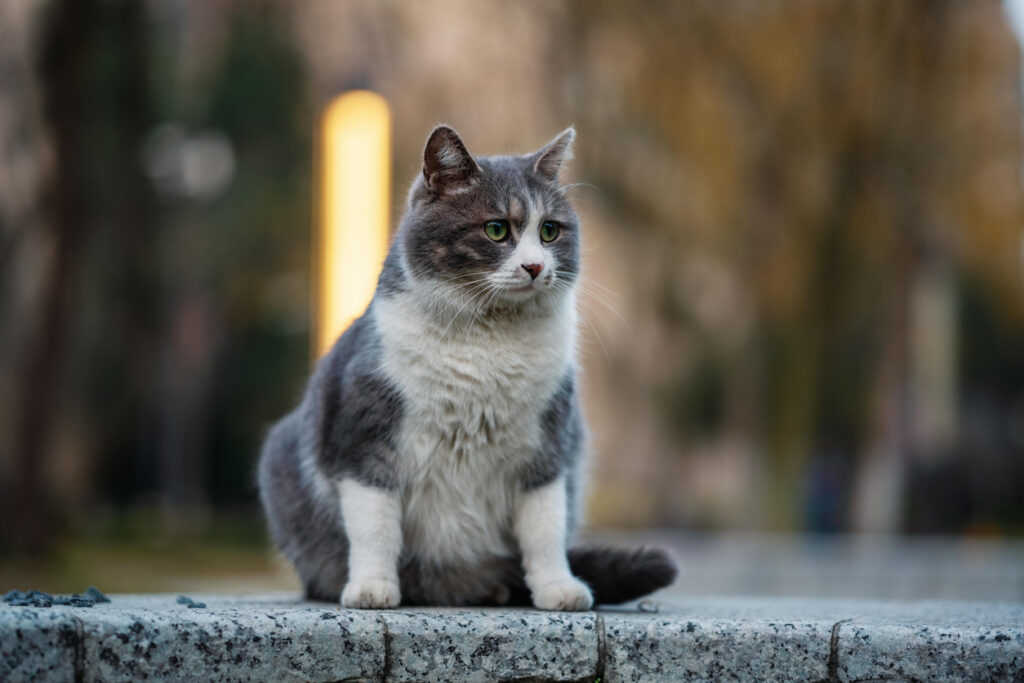
Wild cats respond differently to multiple humans talking than to a single voice. Groups trigger more wariness, suggesting they understand that multiple humans represent increased unpredictability or threat. They’re not just hearing noise; they’re counting and distinguishing multiple vocal sources simultaneously. This shows they’re actively analysing the social dynamics of human groups through sound alone.
They remember voices for years.

Long-term studies show wild cats recognise human voices they haven’t heard in over a year, sometimes longer. This memory persistence suggests voices are stored as important survival information. The fact these memories remain accessible after such long gaps indicates they’re not fleeting associations, but properly encoded long-term memories. Human voices are being treated as significant data worth preserving.
Baby talk doesn’t work on adult wild cats.

Unlike domestic cats, who often respond to high-pitched baby talk, adult wild cats typically find it alerting rather than appealing. The exaggerated intonation triggers caution rather than approach, and the difference between wild and domestic cats highlights how domestication has changed feline responses to human vocal patterns. Wild cats interpret that exaggerated tone as abnormal and potentially threatening.
They associate voices with times of day,
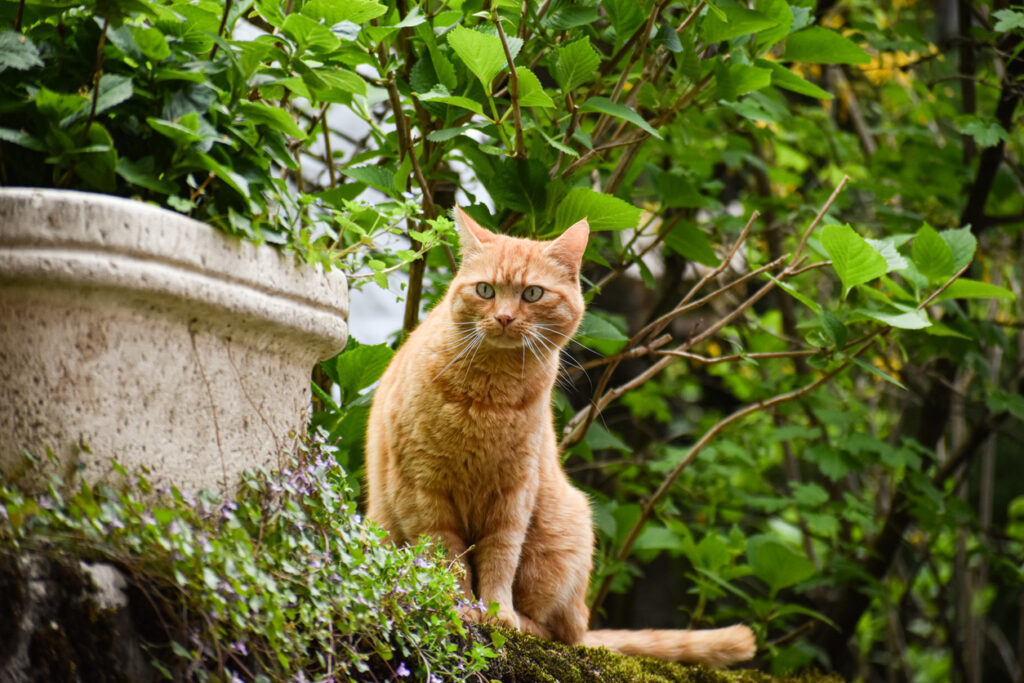
Wild cats living near humans learn temporal patterns, connecting certain voices with specific times. They’ll anticipate a person’s appearance based on when they typically hear that voice, which shows they’re building complex predictive models of human behaviour. They’re not just reacting; they’re anticipating based on learned patterns.
Whispered voices trigger more curiosity than normal speech.
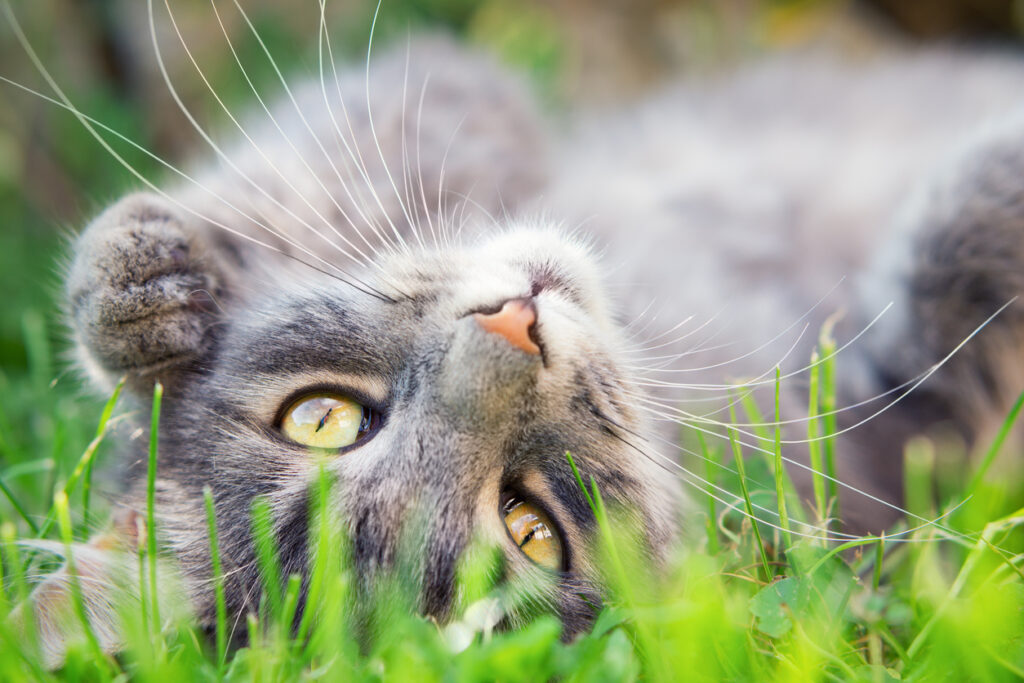
Researchers found that whispered human voices often elicit approach behaviour in wild cats, whereas normal-volume speech maintains distance. The quieter delivery seems less threatening, which means they’re evaluating threat level partly through volume and projection. Whispered speech reads as non-aggressive, potentially making humans seem less dangerous.
They understand “hunting” voices differently.
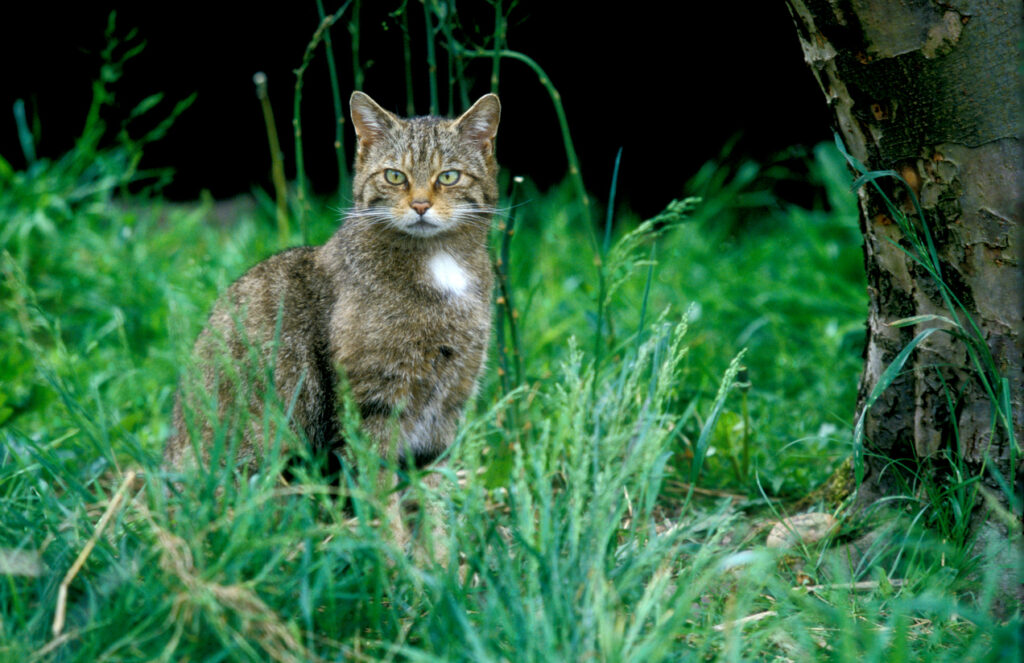
Wild cats respond distinctly to humans using what researchers call “hunting voices,” or the focused, intent tones people use when actively searching or pursuing something. This triggers immediate wariness. They’re picking up on subtle vocal cues that indicate human attention and intent. The shift in human focus that comes through in voice quality alerts them to potential danger.
Singing confuses them.

Human singing produces notably different responses than speaking, often causing wild cats to stop and attend more carefully. The sustained tones and melodic patterns don’t fit their understanding of normal human vocalisation. Their confusion suggests they’ve developed specific expectations about how human voices should sound. When we deviate from normal speech patterns, it captures their attention as anomalous.
They recognise distressed human voices.

Wild cats respond to human distress calls or crying, typically by becoming more alert or moving away. They’re recognising the emotional content even without understanding the cause. Being able to pick up on human distress across species shows sophisticated emotional processing. They’re reading our vocal signals of trouble, even though we’re not their species.
Voices carry further than we realise in their awareness.
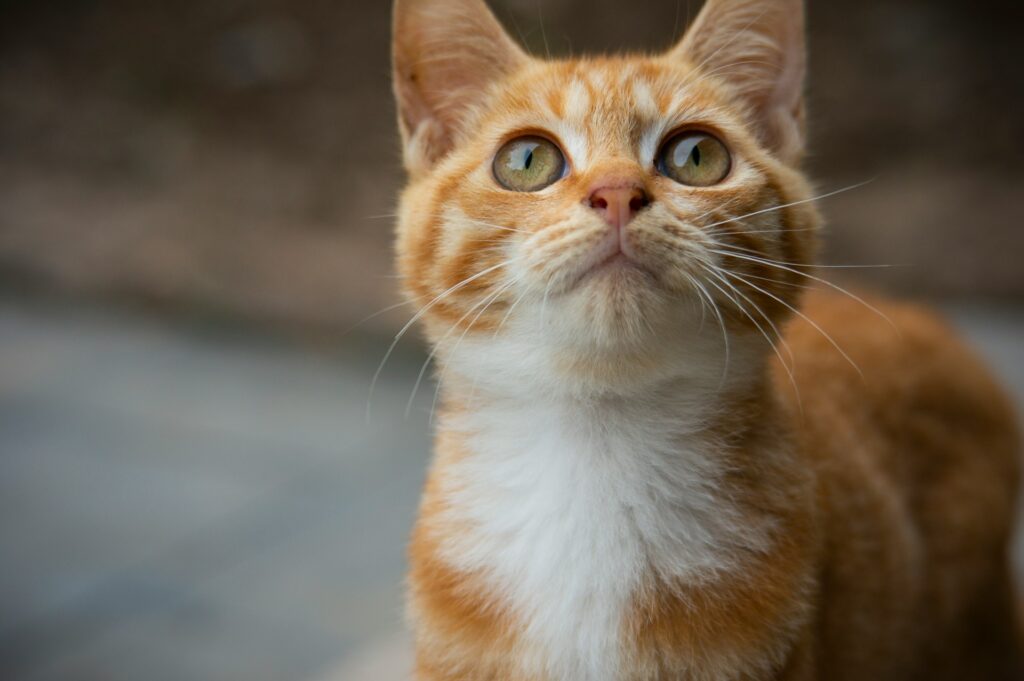
Studies tracking wild cat responses show they register human voices at much greater distances than previously thought, sometimes responding behaviourally to voices hundreds of metres away. Their hearing range for human speech extends their awareness of human activity far beyond visual range. They’re monitoring human presence and movement through voice alone across surprisingly large territories.
They distinguish between voices talking to them versus talking near them.
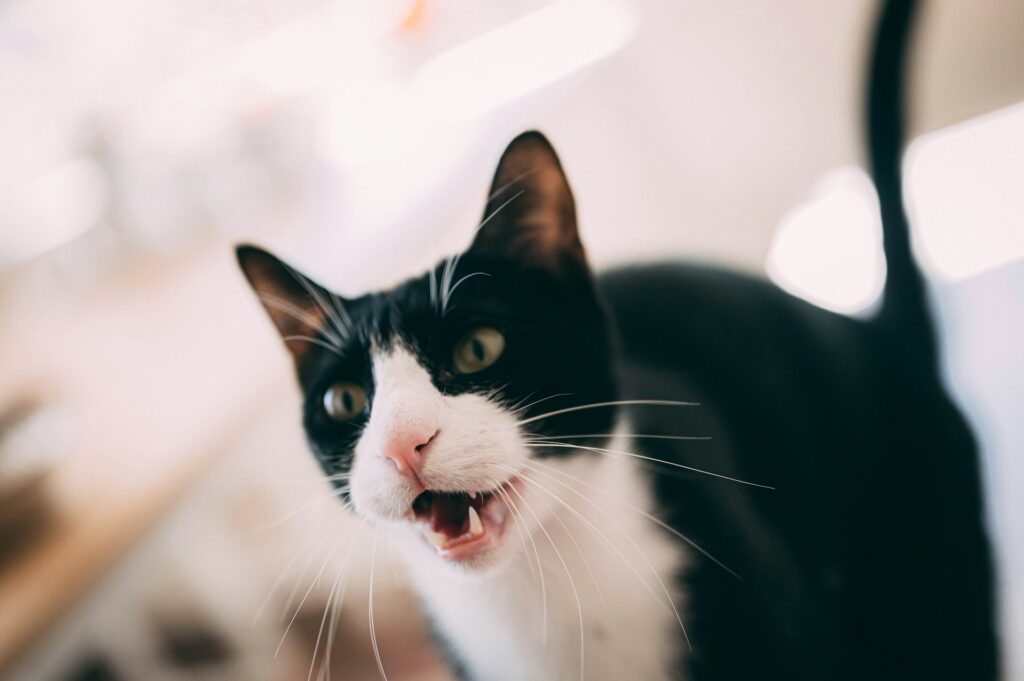
Wild cats recognise when human voices are directed at them, versus when humans are simply talking nearby. Directed speech gets much more attention and response than overheard conversation. This shows they understand intentionality in human communication. They’re not just hearing sound; they’re assessing whether that sound is meant for them.
Conservation implications are significant.
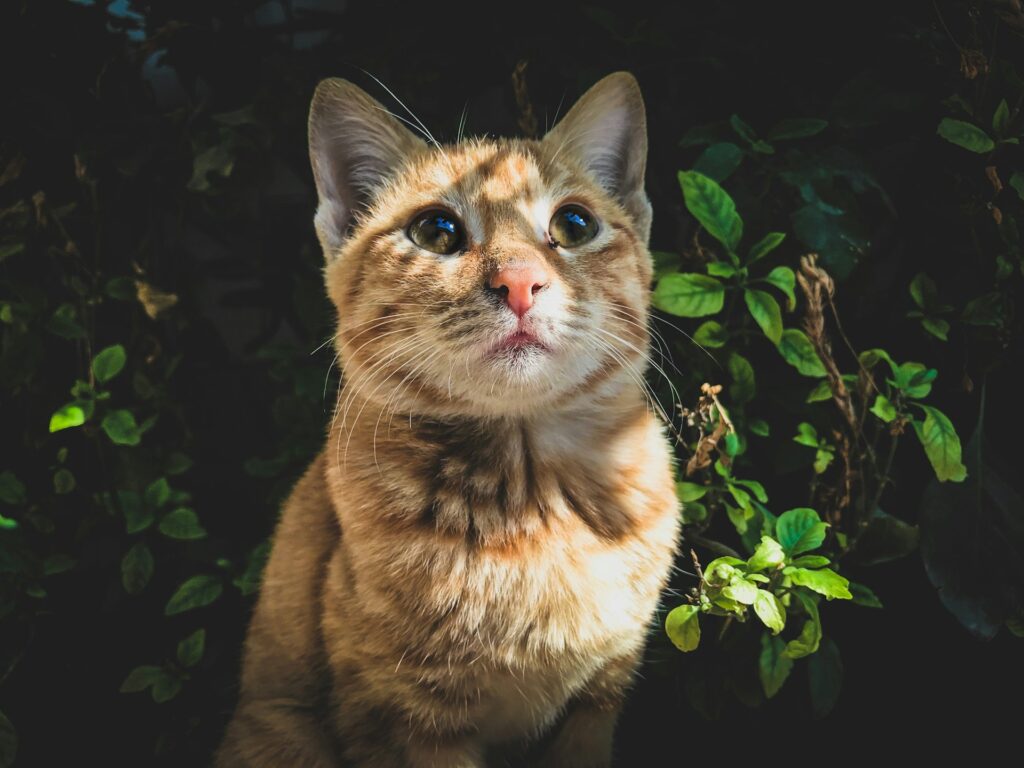
Understanding that wild cats are actively processing and remembering human voices changes conservation approaches. Researchers can use this knowledge to reduce human-wildlife conflict by training people to use vocal patterns that minimise cat stress.
This research reveals that wild cats are far more socially aware of humans than we’d imagined. They’re not just reacting instinctively; they’re learning, remembering, and making sophisticated assessments about individual humans based on our voices alone. That cognitive complexity deserves recognition and suggests we need to rethink how we interact with wild felines in shared spaces.