Most people think using a public footpath is straightforward: you walk on it, you don’t cause trouble, and that’s about it.

However, there are loads of rules and rights surrounding UK footpaths that even regular walkers don’t know about. Some of these rules protect you, others protect landowners, and quite a few surprise people when they find out they exist. Knowing these rules can save you from awkward confrontations, potential fines, or accidentally trespassing when you thought you were doing everything right. Here are the footpath rules that catch most walkers out.
1. You can’t cycle on footpaths, but you can on bridleways.

Public footpaths are for walking only. If you’re cycling on a footpath, you’re technically trespassing against the landowner. Bridleways are different, they’re open to walkers, horse riders, and cyclists. The paths often look identical so people get confused, but the rules are strict.
Cycling on a footpath isn’t usually a criminal offence unless there’s a specific traffic order or by-law in place, but landowners can take action against you for trespass. Check whether the route’s a footpath (yellow waymarker) or bridleway (blue waymarker) before you cycle it.
2. Farmers can legally plough cross-field paths.
If a footpath or bridleway crosses the middle of a field, the farmer is allowed to plough it up as long as they restore it within 14 days, or within 24 hours if it’s not the first disturbance for that crop. Field-edge paths can never be ploughed.
The restored path must be at least one metre wide for footpaths and two metres for bridleways. If crops are growing over the path or it’s not been properly restored, report it to your local highway authority. Walking through crops on the correct line of the path is your legal right.
3. Dogs don’t legally have to be on leads.
There’s no blanket law requiring dogs to be on leads on public rights of way. You must keep your dog under close control, but that doesn’t automatically mean a lead. Between 1st March and 31st July, which is ground nesting bird season and lambing time, dogs should be on short leads near livestock.
However, if you feel threatened by cattle, especially cows with calves, you should let your dog off the lead. A farmer can legally shoot a dog that’s attacking or chasing livestock, but releasing your dog helps you both reach safety. It’s counterintuitive, but it’s the official advice.
4. Most bulls are banned from fields with footpaths.
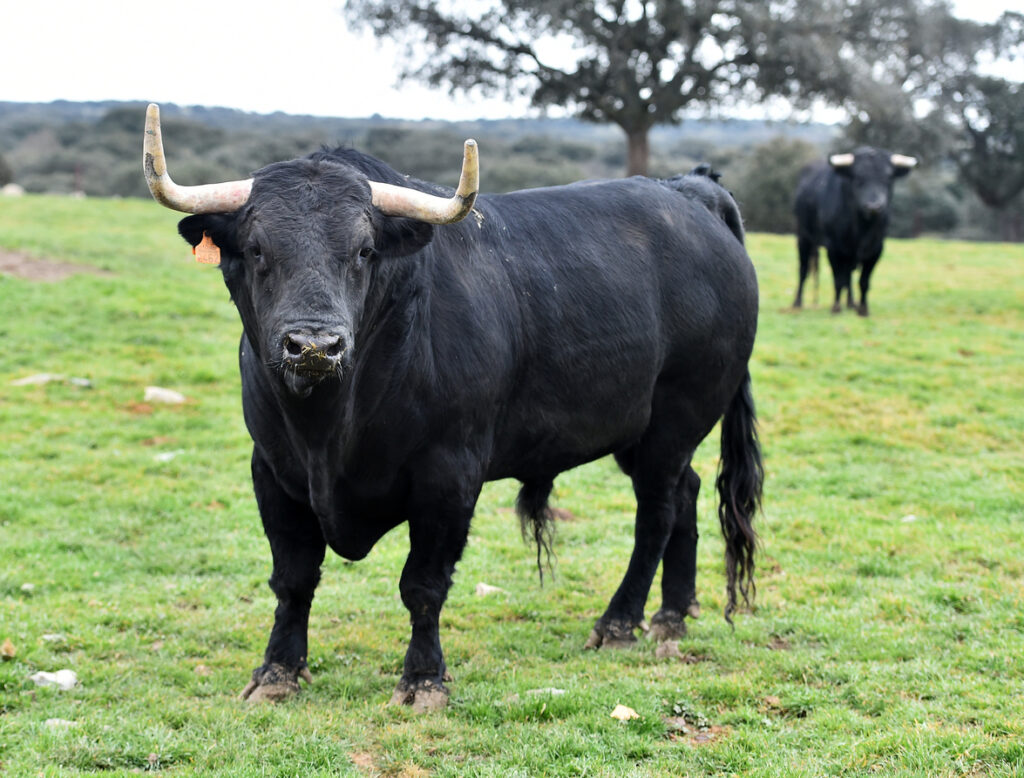
Bulls over 10 months old from recognised dairy breeds like Friesian, Holstein, Jersey, Guernsey, Ayrshire, Dairy Shorthorn, and Kerry are completely banned from fields with public rights of way. No exceptions. Beef breed bulls over 10 months can only be there if they’re with cows or heifers.
If you see a dairy bull alone in a field with a footpath, the farmer’s breaking the law. Report it to the local highway authority and the Health and Safety Executive because it’s genuinely dangerous. Signs saying “Beware of Bull” are often misleading if they suggest danger when a legal bull is present.
5. You must stick to the path line, you can’t just wander.
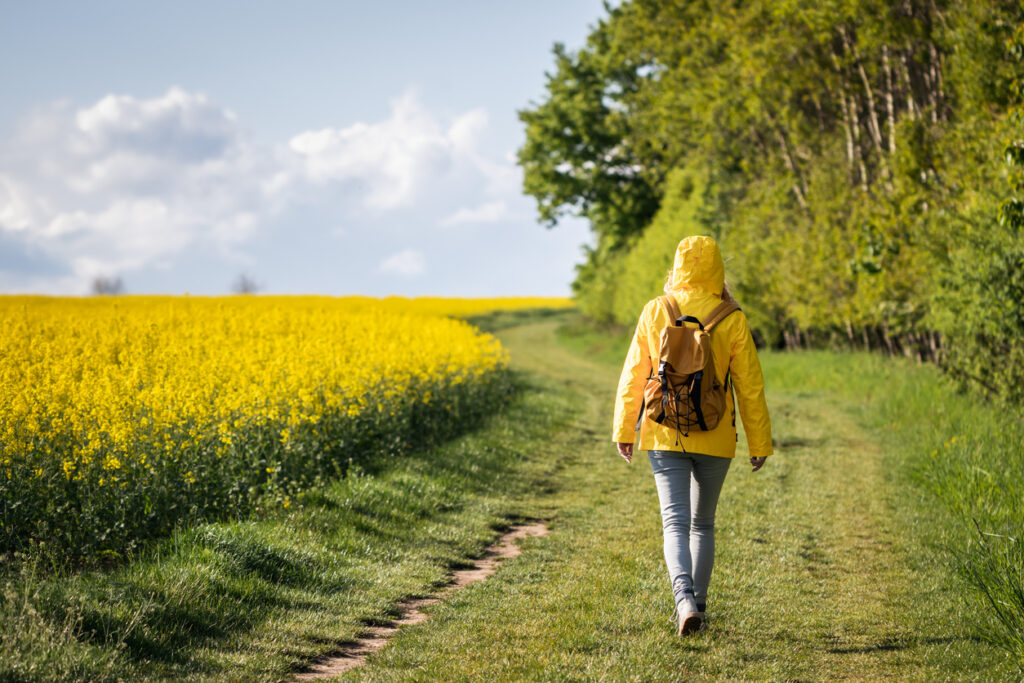
Your right to walk on a footpath means exactly that, walking on the path itself. You can’t deviate onto the surrounding land unless the path is illegally blocked. Even stepping a metre off the path onto the field beside it is trespassing.
If the path’s blocked, you can find a sensible, non-damaging route around the obstruction, but then report it when you get home. You don’t have a right to generally roam across fields unless they’re designated access land. The path line is specific, and that’s where your rights begin and end.
6. Landowners must maintain stiles and gates.
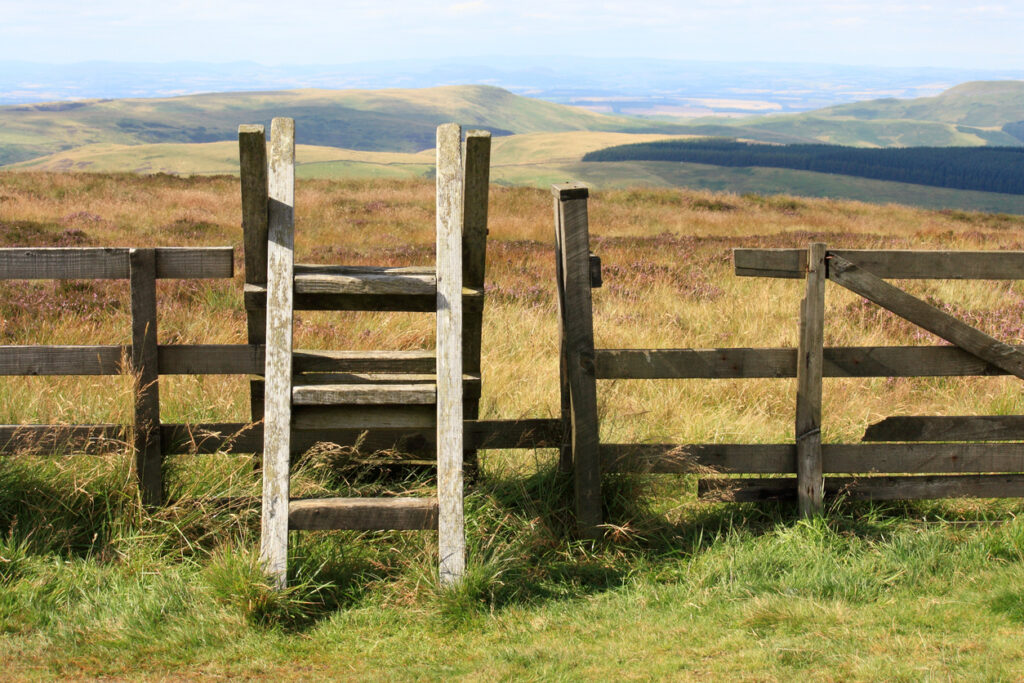
If there’s a stile or gate on a public right of way, the landowner is legally responsible for keeping it in safe, working order. They can’t just let them fall into disrepair. Broken or dangerous stiles and gates should be reported to the highway authority.
Landowners can claim back 25% or more of replacement costs from the highway authority. When replacing stiles, there’s increasing preference for gates or gaps to improve accessibility. But the landowner can’t just remove structures without permission from the authority.
7. You can stop to rest or eat, but not camp.
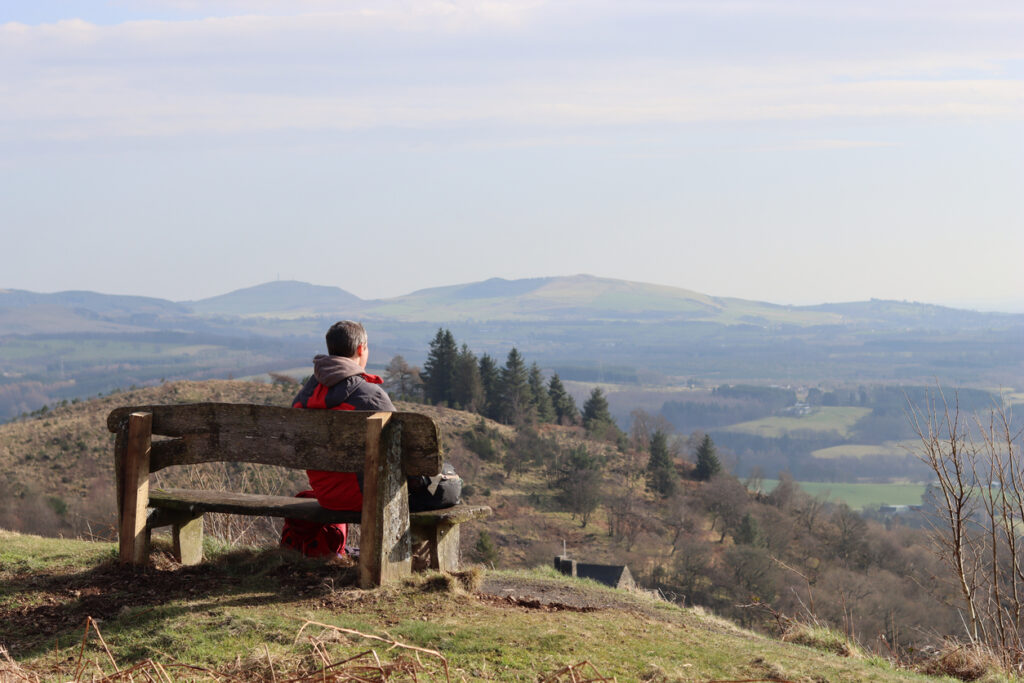
The legal language says you can “pass and repass” along a footpath. This means you can walk it, and you can stop to rest, admire views, eat, take photos, or watch birds. What you can’t do is stay for extended periods or camp on the path.
Taking a break on a walk is fine. Setting up camp isn’t. The exception is Scotland, where you have broader camping rights under the Land Reform Act. In England and Wales, camping on a footpath without permission is trespassing.
8. Farmers can’t install fences or gates without permission.
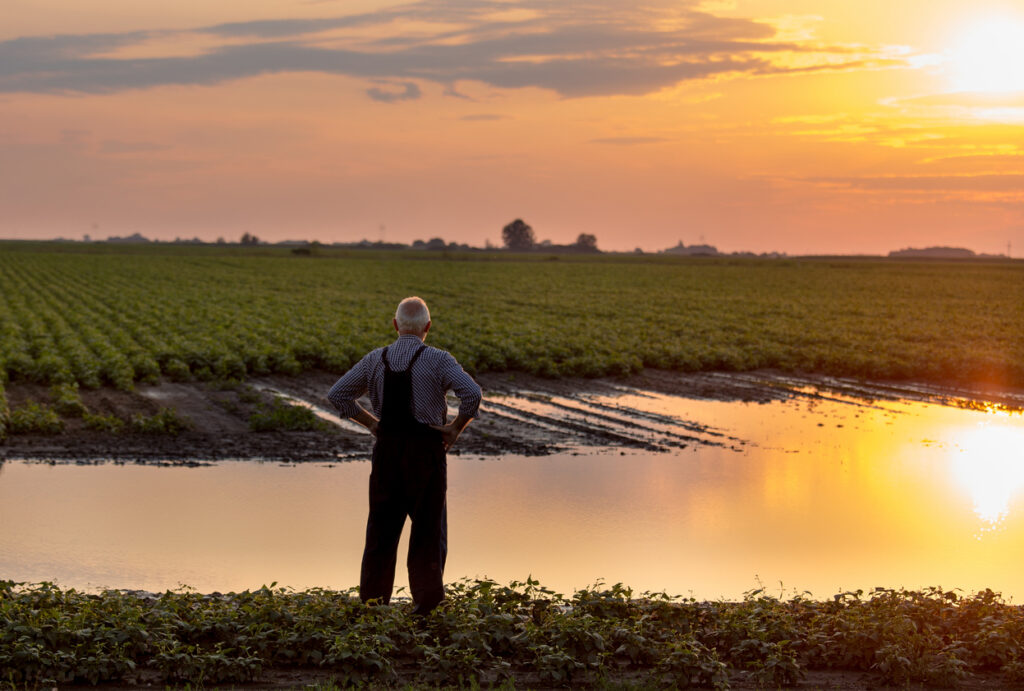
Landowners must keep footpaths free from obstructions. They can’t just decide to put up a fence across a path or install a gate, even if it makes farming easier. Any structures across rights of way need permission from the highway authority.
Existing gates and stiles are allowed and must be maintained, but new ones require approval. If you encounter a new fence blocking a path that wasn’t there before, it’s probably illegal. Report it because obstructing a public right of way is a criminal offence.
9. The minimum path width is legally defined.
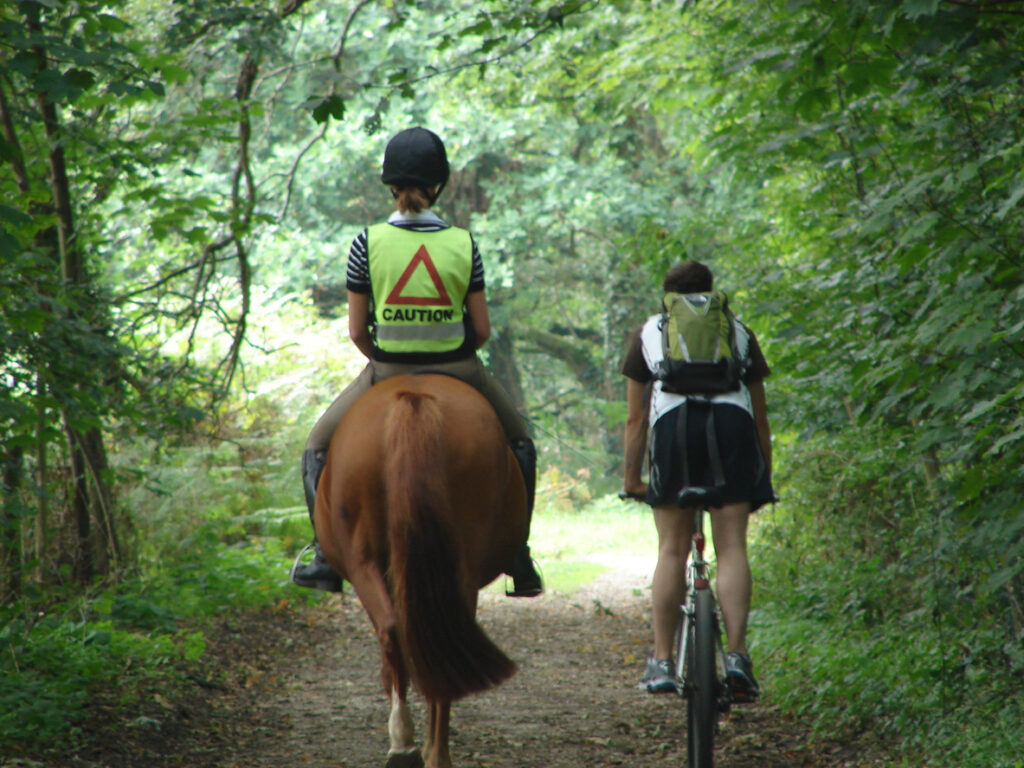
Cross-field footpaths must be at least one metre wide, cross-field bridleways two metres. Field-edge footpaths must be 1.5 metres wide and field-edge bridleways three metres. These are minimum widths, and the actual legal width might be wider if that’s what was historically used.
When paths are reinstated after ploughing, they must meet these minimums. If a path is narrower than it should be because crops or hedges are encroaching, that’s the landowner’s responsibility to fix. Report paths that don’t meet minimum widths.
10. Barbed wire alongside paths is restricted.
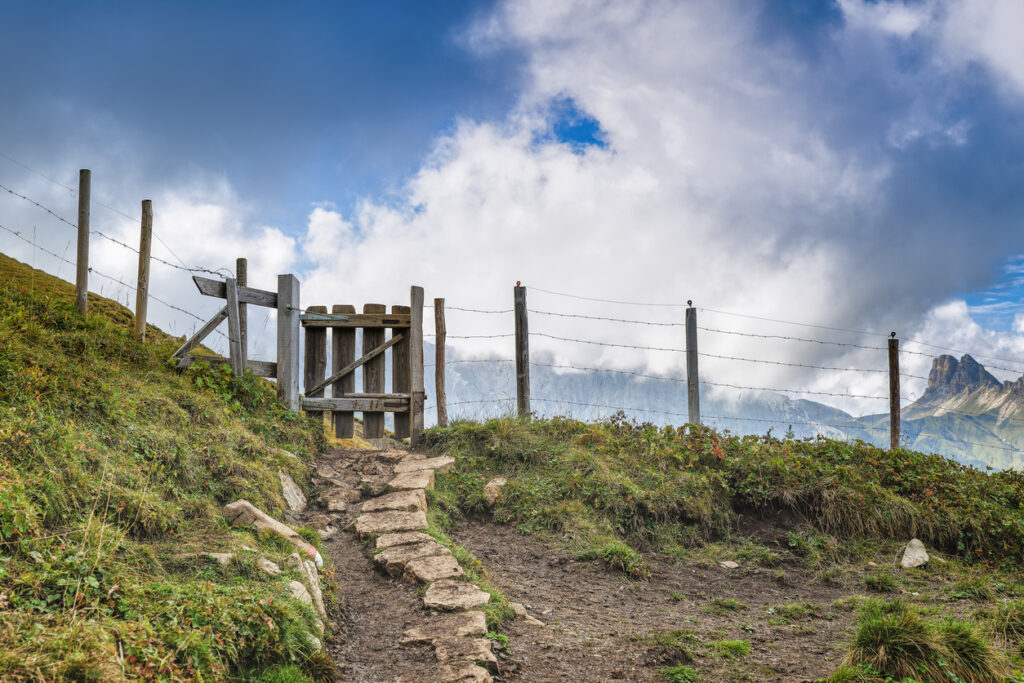
If a landowner erects a fence alongside a footpath to separate it from their field, barbed wire must be attached to the field side of the posts, not the path side. Electric fencing is not permitted alongside rights of way at all.
These rules exist for obvious safety reasons. People using paths shouldn’t be at risk of injury from the fencing. Any dangerous fencing that doesn’t comply with these rules should be reported to the highway authority.
11. You can take prams, wheelchairs, and pushchairs.
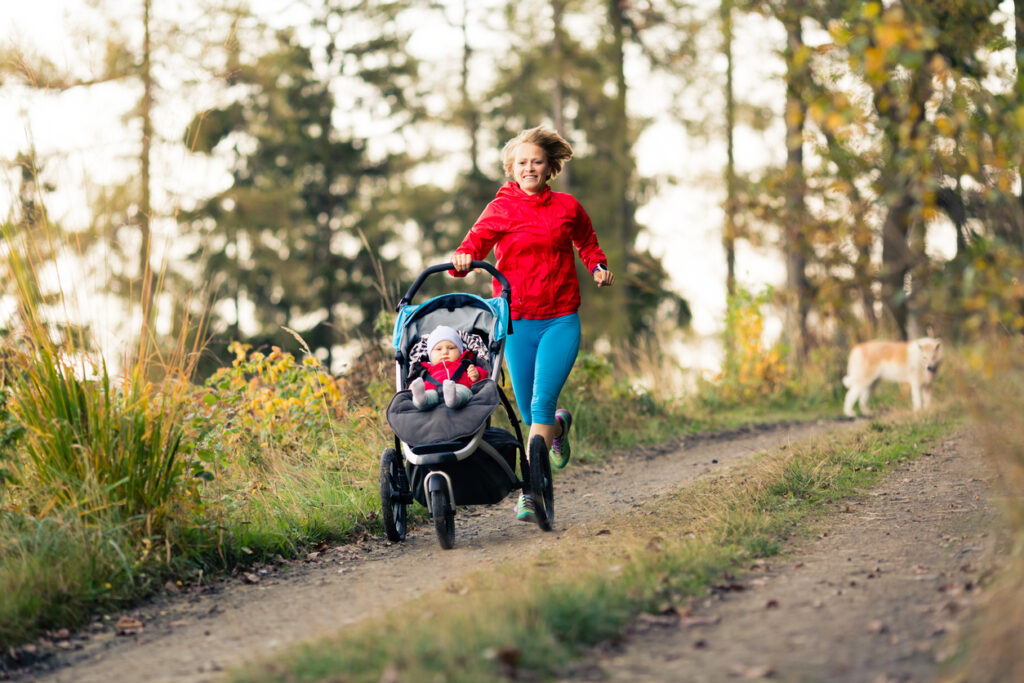
You’re allowed to take prams, pushchairs, and wheelchairs on footpaths where the surface makes it possible. They count as natural accompaniments to walking. Dogs are also considered natural accompaniments.
The issue is many footpaths aren’t physically suitable for wheels, especially in the countryside with stiles and rough surfaces. But you have the right to use them if you can physically manage it. Accessibility is increasingly being considered when paths are modified.
12. Misleading signs are illegal.
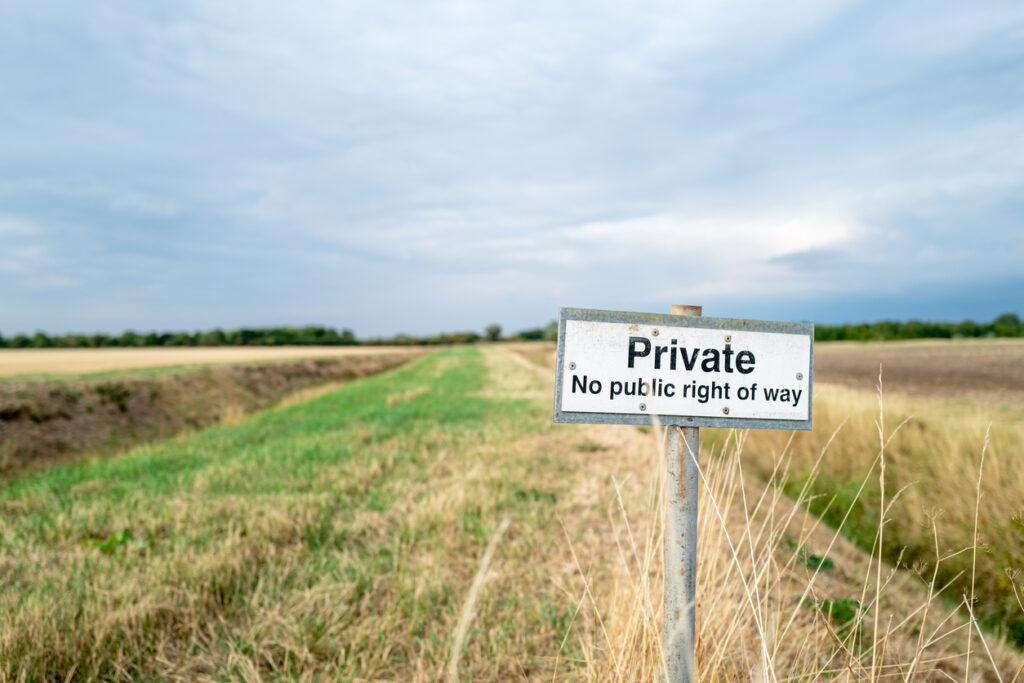
Landowners sometimes put up signs like “Private Property” or “Danger” on public footpaths to discourage use. These are illegal if they’re misleading or designed to deter people from using a legitimate right of way. Report them to the local council.
Signs can provide information like “Bull in field” (factually) or “Please keep dogs under control,” but they can’t falsely suggest danger or that the public don’t have access. Anything implying you can’t use the path when you legally can is an obstruction.
13. Paths don’t disappear if you don’t use them.
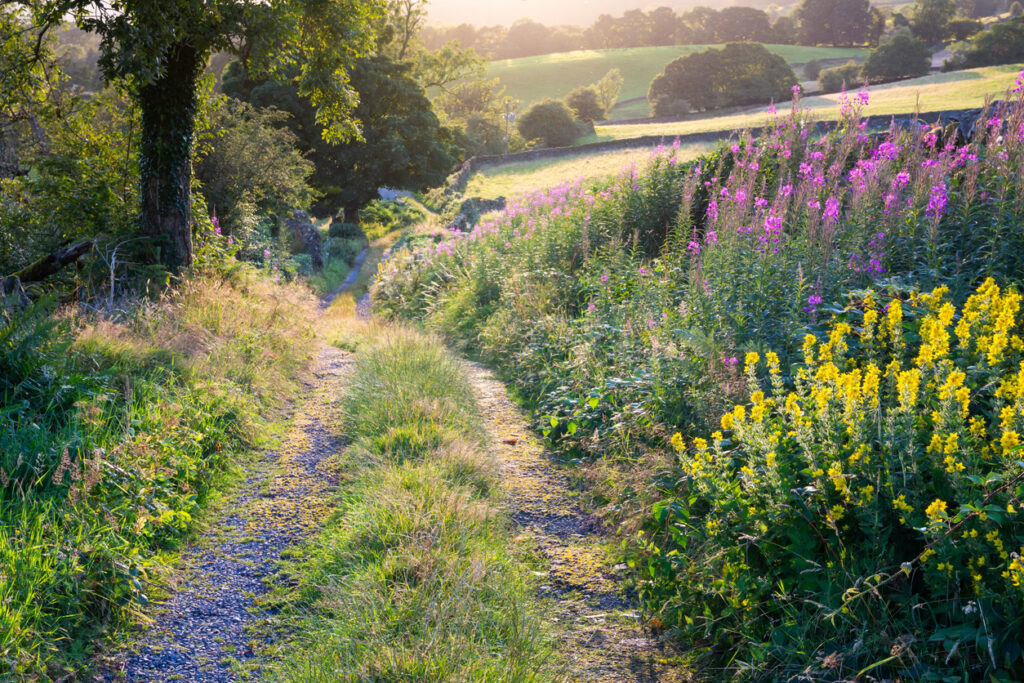
Public rights of way are permanent unless officially changed through legal process. A path doesn’t lose its status just because it hasn’t been used in years or has become overgrown. If it’s on the definitive map, it’s still a legal right of way.
There used to be a 2026 cut-off for claiming historical paths in England, though this has been a contentious issue. In Wales, this deadline was repealed in 2025. But registered paths remain rights of way regardless of current condition or use.
14. Landowners can keep most livestock in fields with paths.
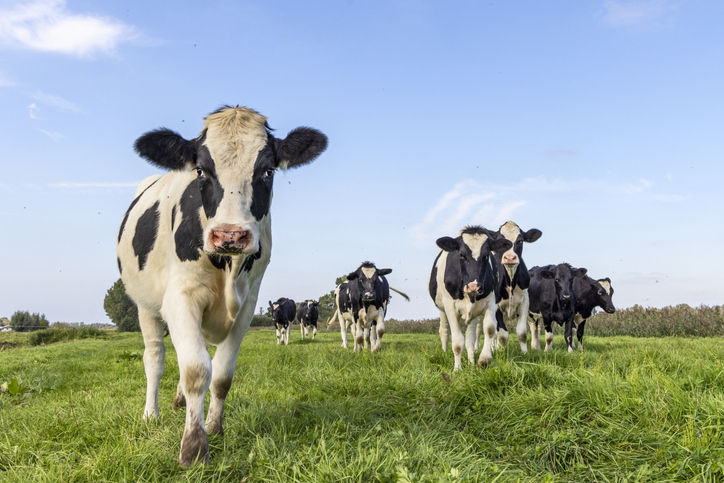
Despite what many walkers think, farmers are allowed to keep cows, horses, sheep, and most other livestock in fields with public footpaths. The only blanket bans are on certain bulls and dangerous wild animals. Cows with calves are legal but can be aggressive.
This surprises people who feel intimidated by livestock on paths. The law allows it, but farmers have health and safety obligations to assess risks. If you’re injured by livestock, the farmer can be liable if they didn’t properly assess the danger.
15. You’re responsible for checking the route before you go.
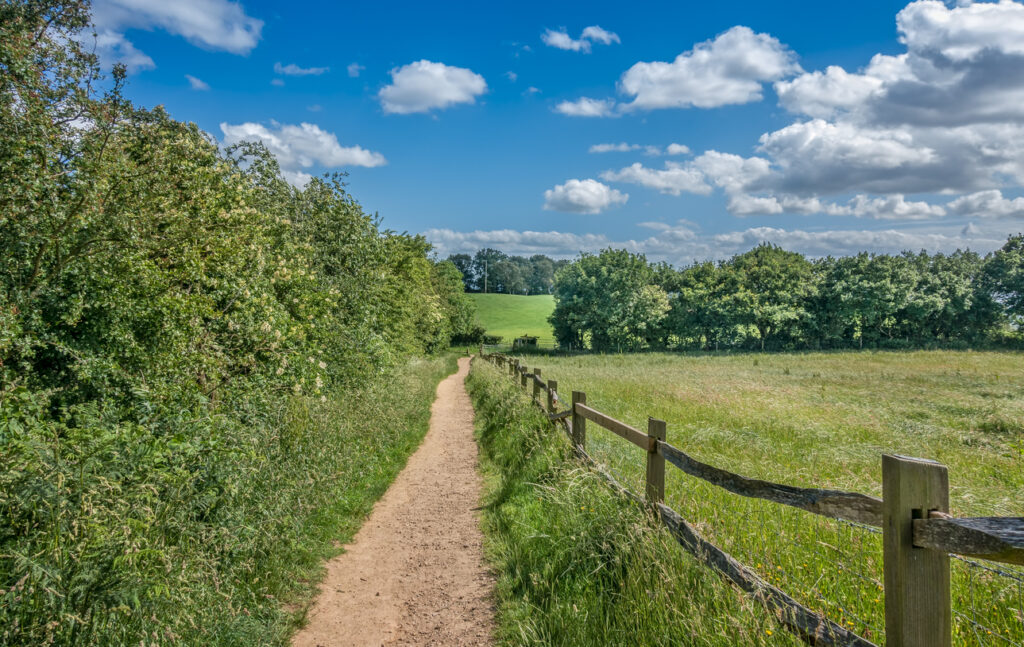
While landowners must keep paths clear and safe, you’re responsible for knowing your route, having appropriate maps, and taking care for your own safety. Landowners don’t have to signpost obvious dangers like cliff edges or deep water.
Check the definitive map, bring proper maps or navigation tools, and don’t assume paths will be clearly marked on the ground. Some paths are obvious, others aren’t. Getting lost and trespassing because you didn’t check your route isn’t the landowner’s fault.