Coatis look like someone combined a raccoon, an anteater, and a monkey into one bizarre package.
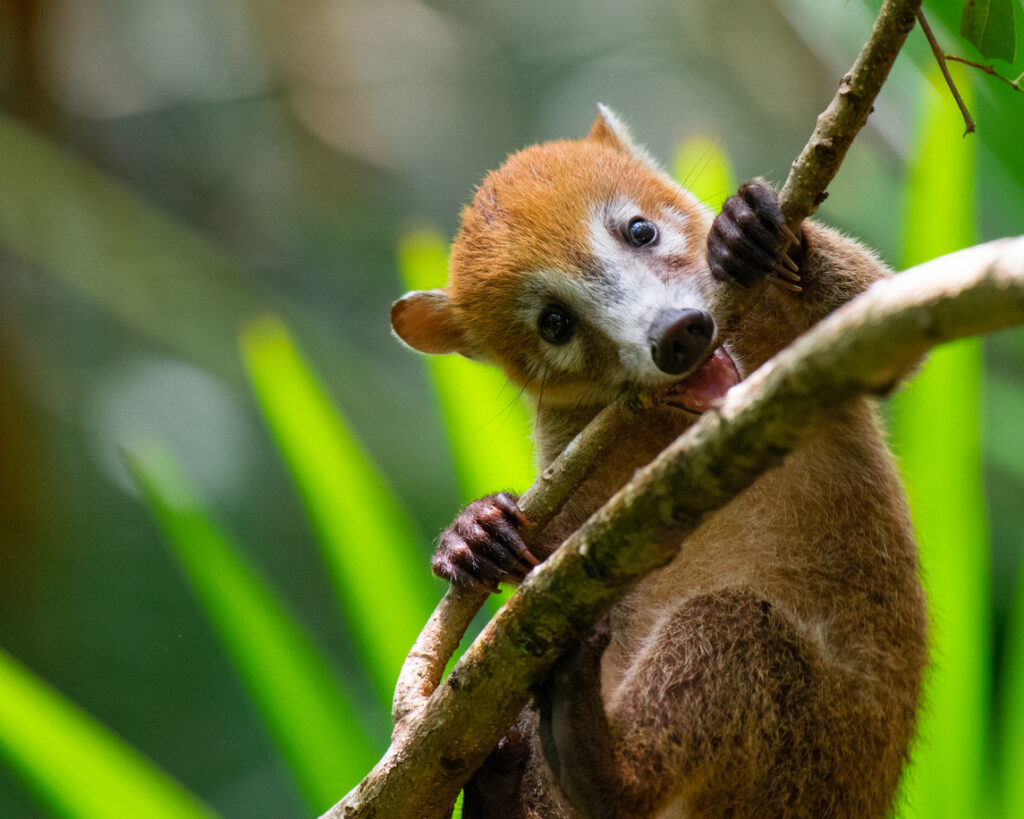
They’ve got long ringed tails that stick straight up, flexible snouts they can twist in all directions, and they travel in packs making all sorts of noise. If you’ve been to Central or South America, you’ve probably seen them raiding bins, begging for food at tourist spots, or marching through forests like they own the place. And increasingly, they sort of do.
Coatis are thriving, spreading, and adapting to human environments faster than most wildlife. Here’s everything you need to know about these peculiar long-nosed mammals that are becoming impossible to ignore.
They’re related to raccoons, but look completely different.
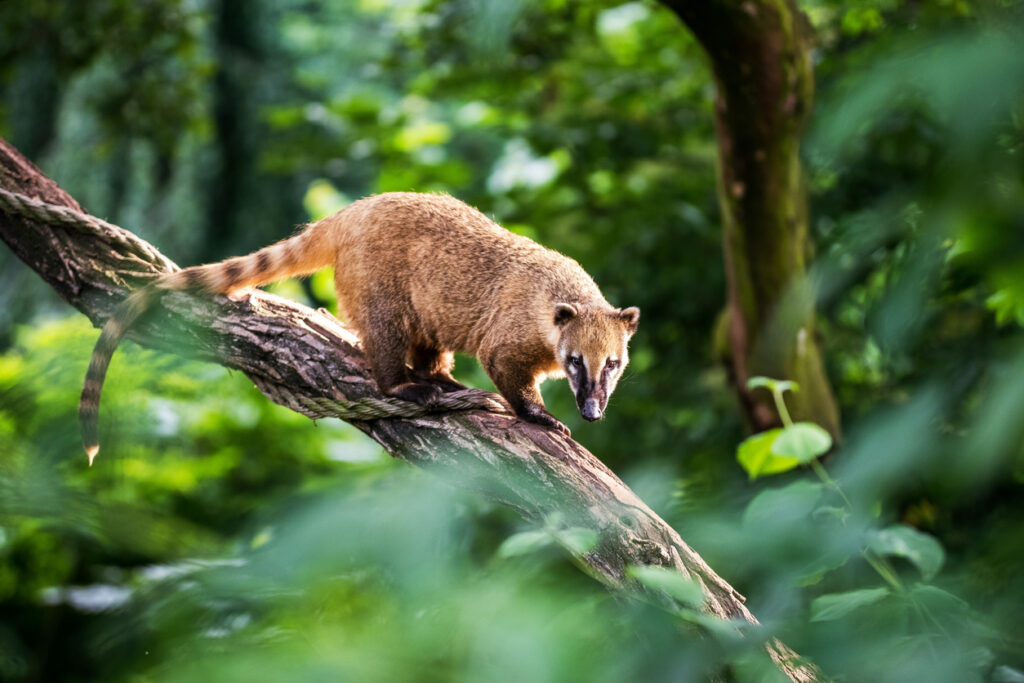
Coatis belong to the same family as raccoons, the Procyonidae family. However, while raccoons are stocky and round-faced, coatis are lean with ridiculously long, flexible noses and tails that can be as long as their bodies. They look like nature couldn’t decide what to make and just threw a bunch of features together.
There are four coati species, with the white-nosed and South American coatis being the most common. Despite being raccoon relatives, their behaviour and appearance are distinct enough that most people wouldn’t make the connection without being told. The long snout is the real giveaway that sets them apart.
That long nose is an incredible tool.

A coati’s snout can move in almost any direction, like a mini elephant trunk. It’s not just for show, it’s a highly sensitive tool they use to probe crevices, dig through leaf litter, and investigate every possible hiding spot for food. The nose can twist, bend, and reach places their paws can’t.
Their flexible snout makes them incredibly efficient foragers. They can root around in tight spaces, under logs, and in holes that other animals can’t access. It’s part of why they’re so successful at finding food in various environments, from forests to urban areas.
Females travel in bands, but males go solo.
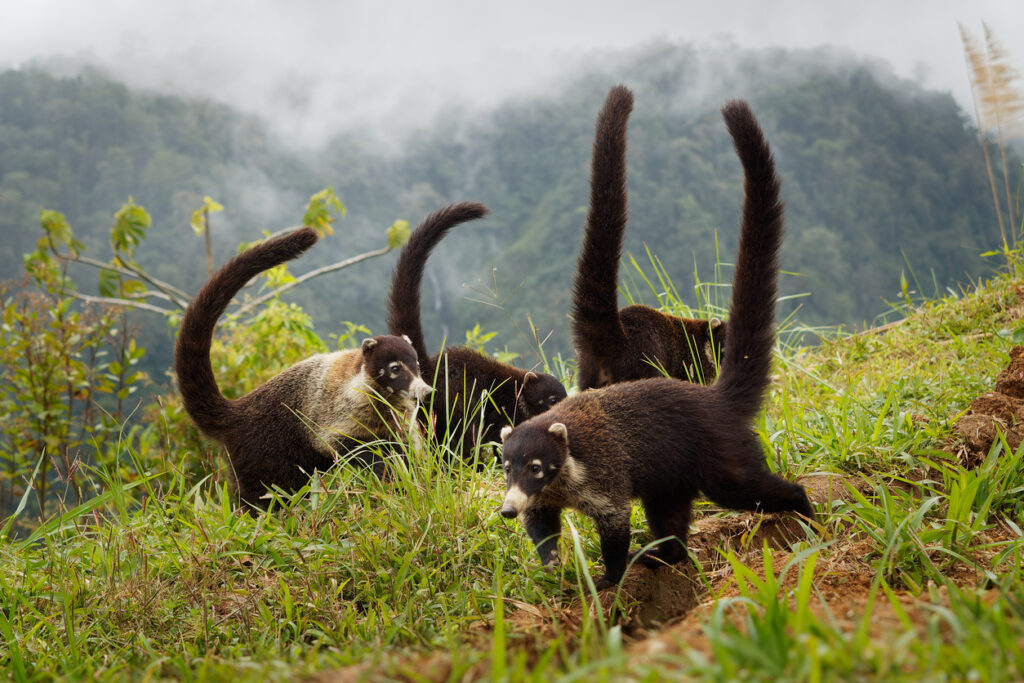
Female coatis and their young travel in groups called bands that can include 10 to 30 individuals. These bands are noisy, social, and constantly on the move searching for food. They communicate with chirps, grunts, and clicks, keeping track of each other as they forage.
Adult males are solitary except during breeding season. They’re kicked out of the band when they reach maturity and live alone afterwards. This social structure is unusual among mammals and creates quite a spectacle when you encounter a large band of coatis moving through an area together.
They’re omnivores that eat basically everything.
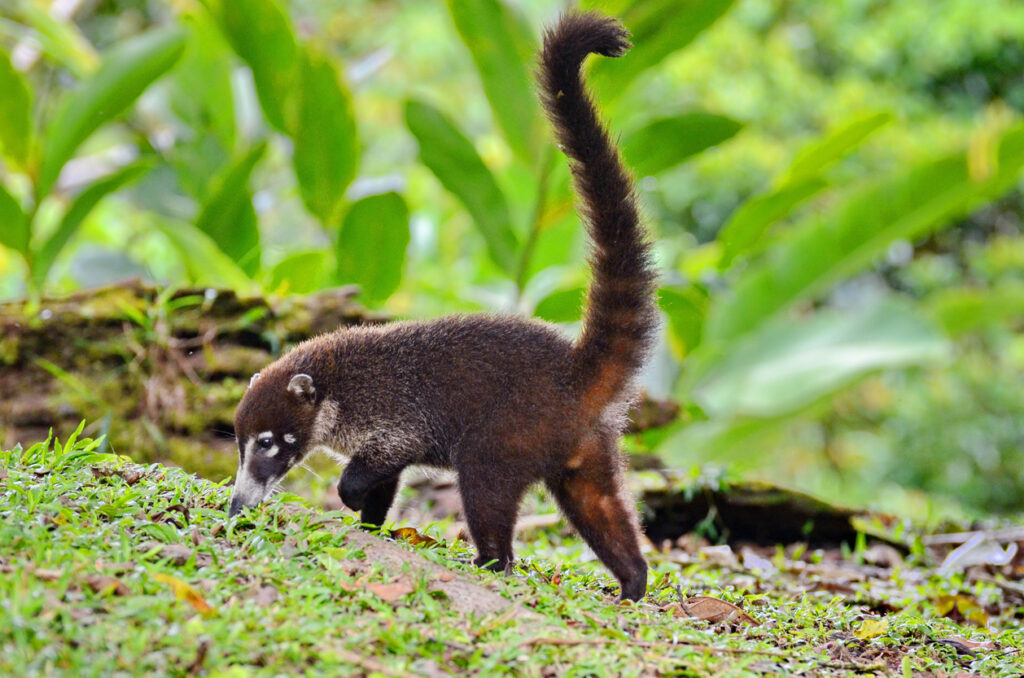
Coatis aren’t fussy. They eat fruit, insects, small vertebrates, eggs, carrion, and whatever human food they can scavenge. Their diet varies massively depending on what’s available. In forests, they forage naturally, in tourist areas they’ve learned humans are easy marks for food.
Their dietary flexibility is a huge part of their success. When fruit is scarce, they eat more insects. When they’re near humans, they adjust to eating scraps and handouts. Being able to switch food sources means they can survive in changing environments where specialist feeders struggle.
They’re excellent climbers, despite looking clumsy.

Coatis have double-jointed ankles that let them descend trees headfirst, like squirrels. They spend significant time in trees feeding on fruit and escaping predators. Their long tails help with balance, though they don’t use them to grip branches like monkeys do.
Watching coatis climb is impressive because they look too gangly and awkward to be good at it, but they scale trees with surprising speed and confidence. This climbing ability gives them access to food sources and safety that ground-dwelling animals can’t reach.
They’re thriving around humans.
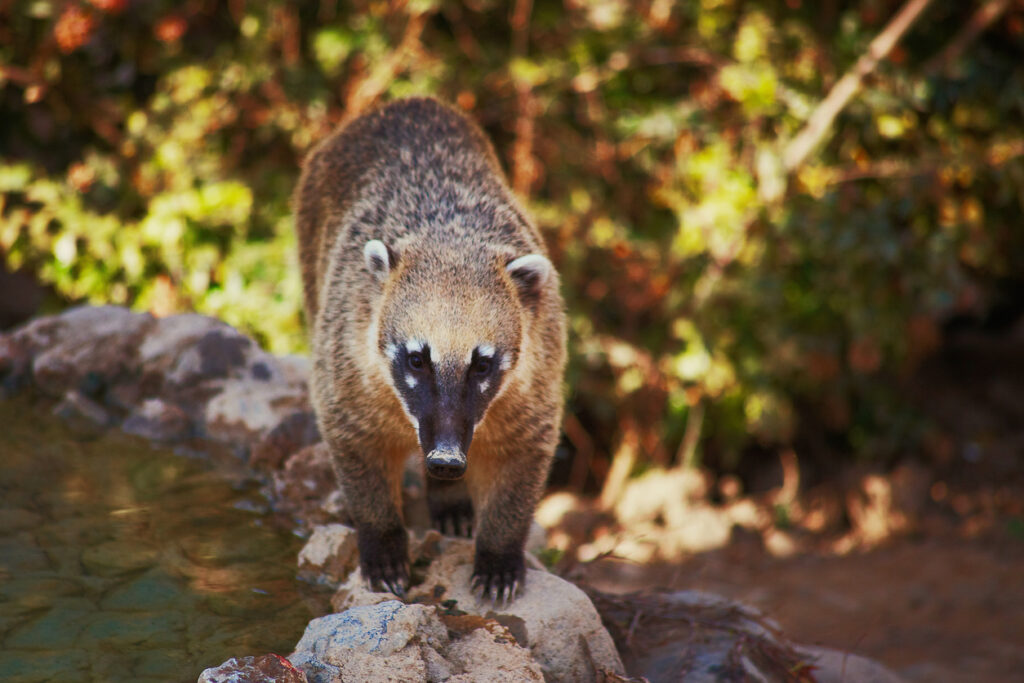
Unlike many wildlife species declining due to human activity, coatis are doing brilliantly. They’ve adapted to cities, towns, and tourist areas where they’ve learned humans mean easy food. In places like Iguazu Falls or various Mexican archaeological sites, coatis are everywhere, completely unafraid of people.
Their success around humans is both good and bad. Their populations are stable or growing, which is positive. That being said, they’re becoming pests in some areas, raiding bins, stealing food from tourists, and occasionally biting people who try to feed them. They’re smart enough to exploit human presence without being domesticated.
Their tails stick straight up when they walk.
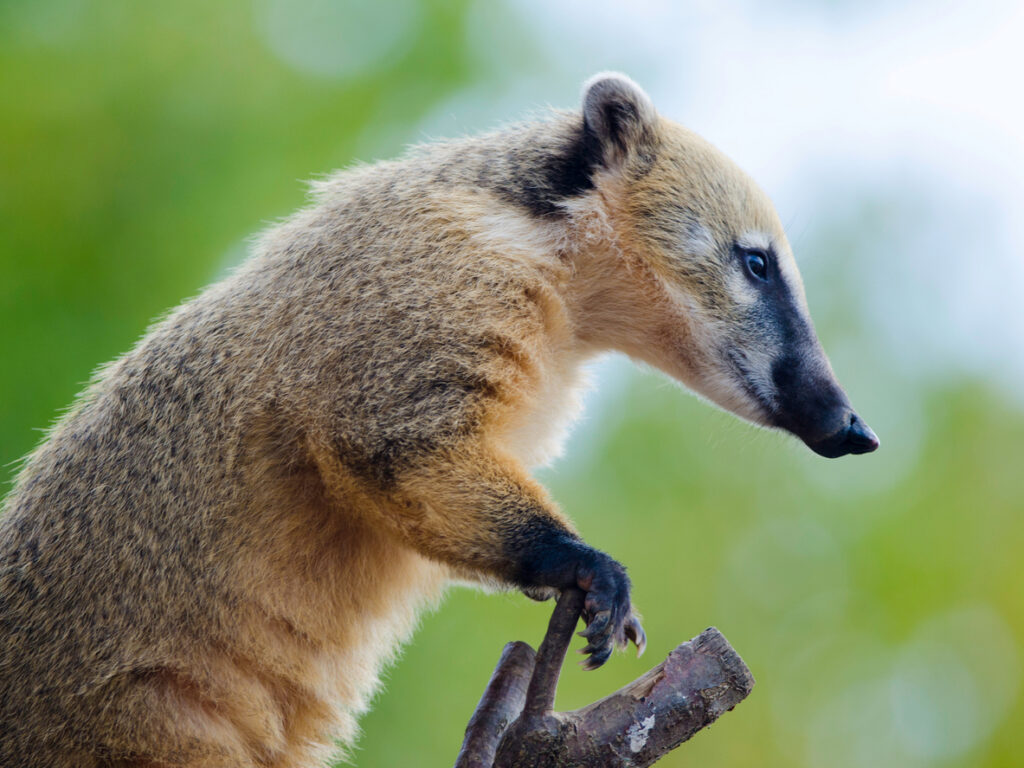
When coatis move around, they hold their ringed tails vertically, pointing straight up like little flagpoles. This distinctive posture makes them easy to spot and helps band members keep track of each other in dense vegetation. The tail acts like a visual signal in the group.
The tail position is so characteristic that you can identify a coati from quite far away just by seeing that vertical tail bobbing through the undergrowth. It’s one of their most recognisable features alongside the long nose.
They make a huge variety of sounds.
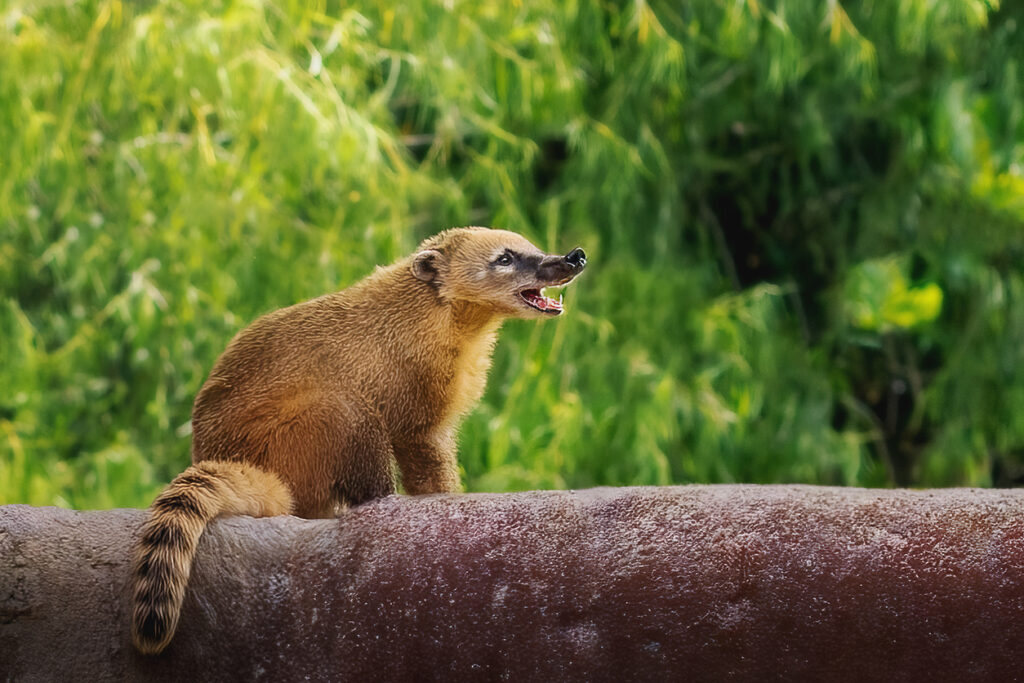
Coatis are vocal animals with a repertoire of chirps, clicks, grunts, snorts, and screams. They use different sounds to communicate alarm, maintain contact with the group, warn off threats, or express excitement about food. A band of coatis foraging is genuinely noisy.
That vocal communication is essential for their social structure. When foraging, band members spread out but stay in acoustic contact through constant vocalisations. If one finds food or spots danger, the whole group knows immediately through their calls.
They’re surprisingly intelligent problem solvers.
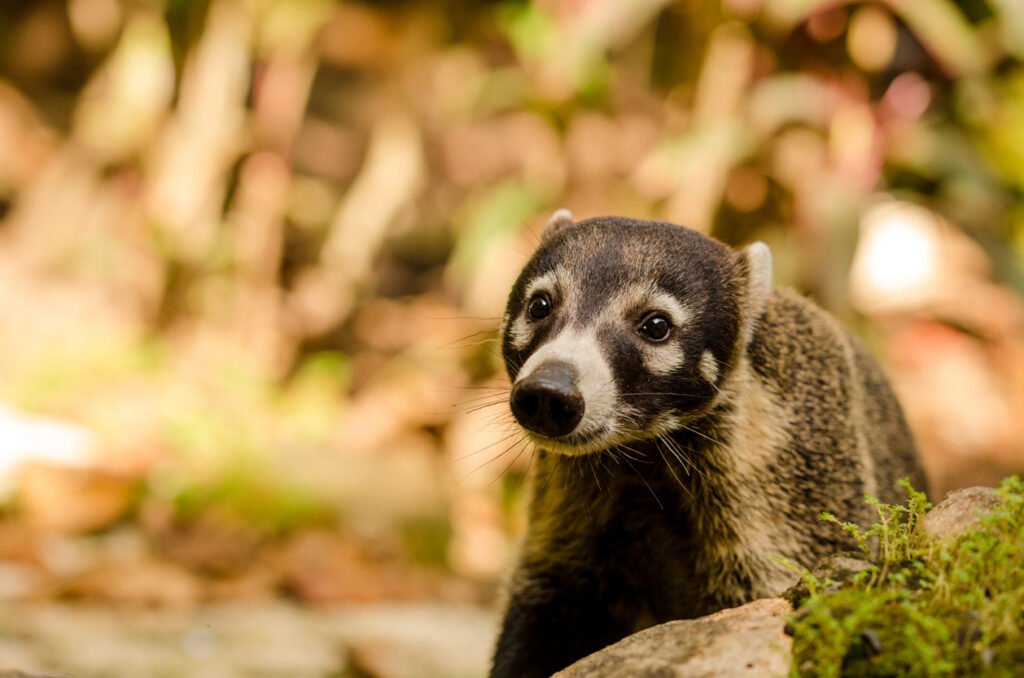
Coatis demonstrate genuine problem-solving abilities. They can figure out how to open containers, manipulate objects to get food, and learn from watching other coatis. In areas with human contact, they’ve learned complex behaviours like unzipping bags or opening simple latches.
Their intelligence contributes to their success in human-modified environments. They don’t just stumble into finding food, they actively work out how to access it. That cognitive flexibility means they can adapt to new situations and challenges quickly.
They’ve got sharp teeth and claws, and they won’t hesitate to use them.
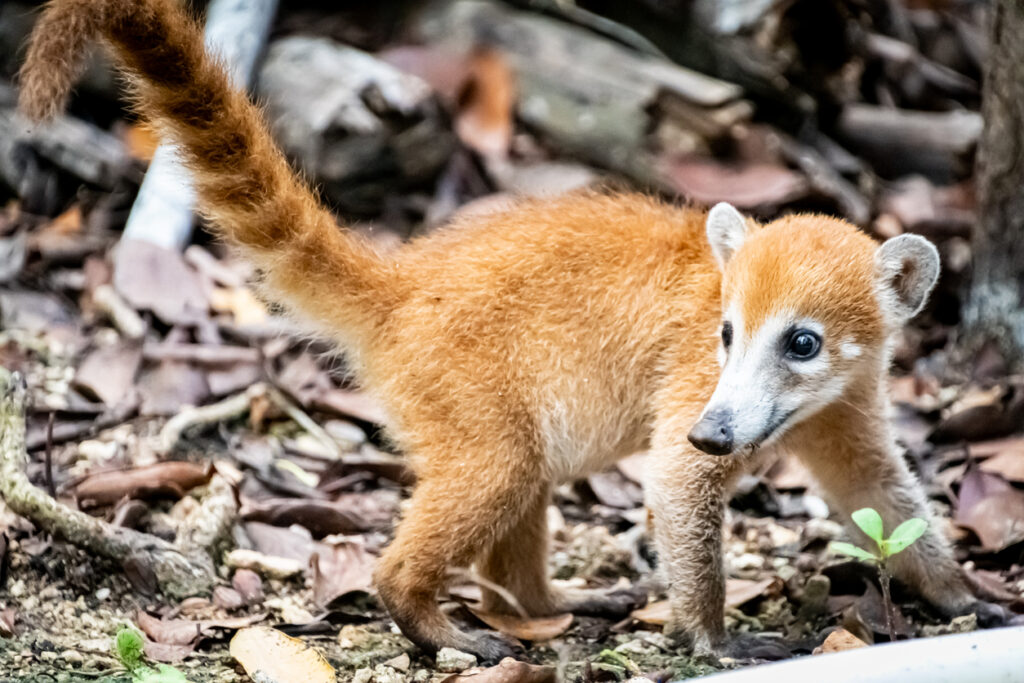
Coatis might look comical, but they’re equipped with sharp canine teeth and strong claws. When threatened or cornered, they can and will defend themselves. Tourists who try to hand-feed coatis or get too close sometimes learn this the hard way through bites or scratches.
Having such an amazing defensive capability is important to remember in areas where coatis are habituated to humans. They’re not domesticated; they’re wild animals that have lost some fear of people but retain all their natural defences. Treating them like pets is a mistake that can result in injury.
They play an important ecological role.
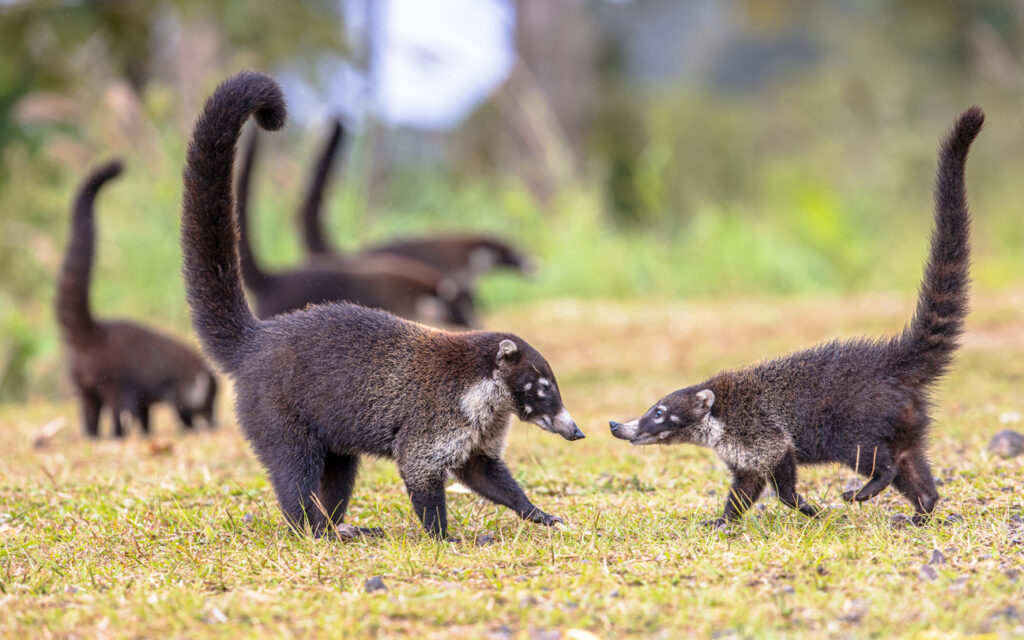
Coatis help disperse seeds through their fruit consumption, and they control insect and small animal populations through predation. In forests, they’re part of the ecosystem’s natural balance. Their foraging activities also turn over soil and leaf litter, which benefits other species.
Even though they’re thriving and not endangered, they still matter ecologically. Removing them from an ecosystem would have cascading effects on seed dispersal, insect populations, and soil health. They’re one of those species that does more than you’d think.
Some species are threatened despite overall success.
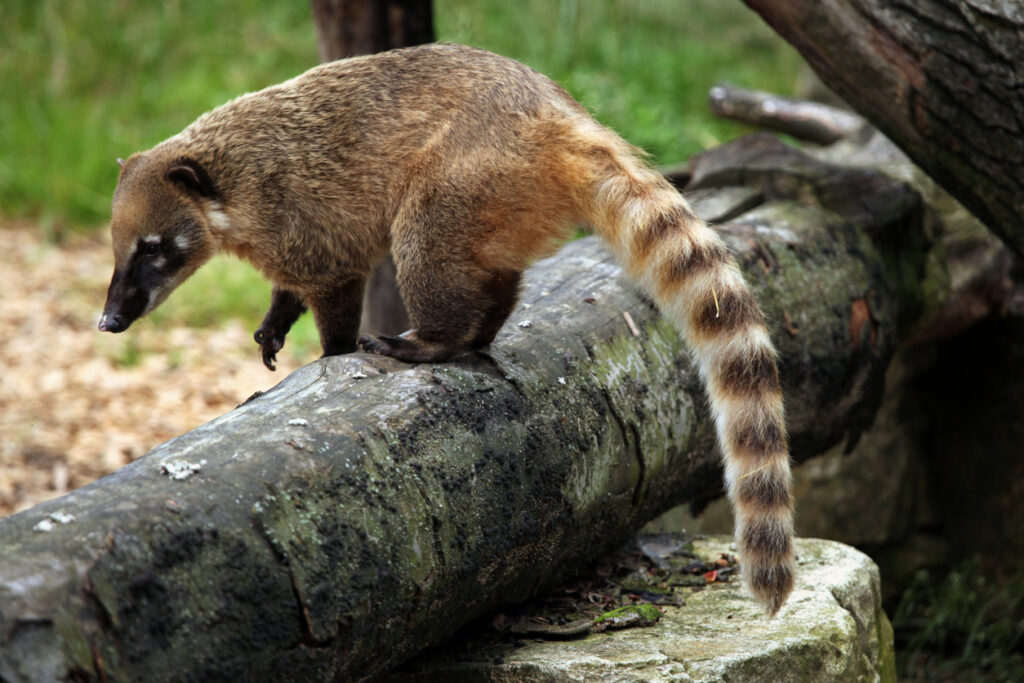
While white-nosed and South American coatis are doing well, other species like the Cozumel Island coati are endangered. Habitat loss and small population sizes threaten these less common species. So, while coatis as a group are successful, not all species share that success.
That variation highlights that even within a genus, different species face different pressures. The adaptable, widespread species thrive, while isolated populations on islands or in fragmented habitats struggle. Conservation attention is needed for these vulnerable populations.
They’re reshaping human-wildlife interactions.
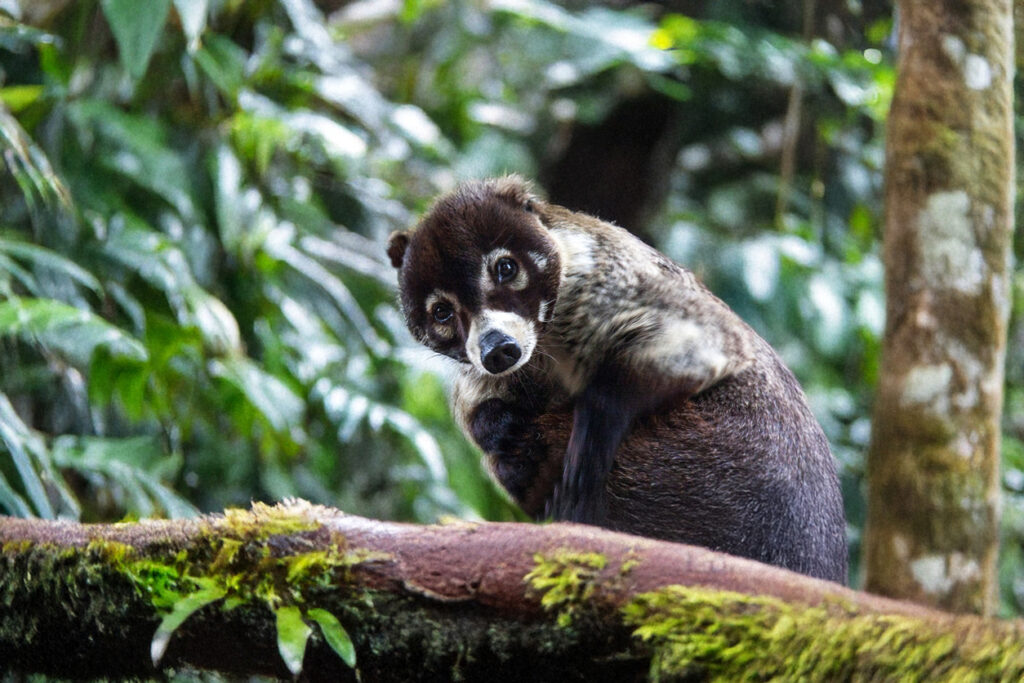
Coatis represent a growing trend of wildlife that succeeds by exploiting human environments rather than avoiding them. They’re teaching us that conservation isn’t just about protecting wilderness, it’s about managing relationships with adaptable species that choose to live near us.
These interactions create new challenges. How do we coexist with wildlife that’s unafraid of us? How do we prevent habituation that makes animals dependent on human food? Coatis are at the forefront of these questions because they’re so successful at living alongside people. They’re not going away, so we need to figure out how to share space with these long-nosed opportunists who’ve decided humans aren’t so scary after all.
In many ways, coatis are winning at the game of survival in the Anthropocene. They’ve figured out that humans equal food, adapted their behaviour accordingly, and spread into areas where other animals decline. Whether that’s ultimately good for them or us remains to be seen, but for now, coatis are thriving and impossible to ignore across much of Central and South America.