Most people don’t realise how much the base of a fruit tree controls the way it behaves.

The part you can’t see shapes the height, the strength, and even how soon you’ll get a decent crop. Two trees with the same variety can grow completely differently, simply because they were grafted onto different roots. Once you understand that, choosing the right size for your garden becomes far easier.
Rootstock isn’t the most glamorous topic, but it’s the detail that decides whether your tree stays manageable or grows far bigger than you expected. When you know what each type does, you can match the tree to your space instead of hoping for the best. Here’s how to make sense of it so you bring home a tree that genuinely works for you.
Rootstock controls how big your tree will grow.

Every grafted fruit tree has two parts: the top, which produces fruit, and the rootstock, which controls its eventual size. A strong, vigorous rootstock produces a large tree, while a dwarfing one keeps it compact. That means you can grow the same apple variety as a six-foot patio tree or a twenty-foot orchard tree simply by choosing different rootstocks. It’s the rootstock, not the fruit type, that sets the scale.
Smaller trees fruit earlier and are easier to manage.
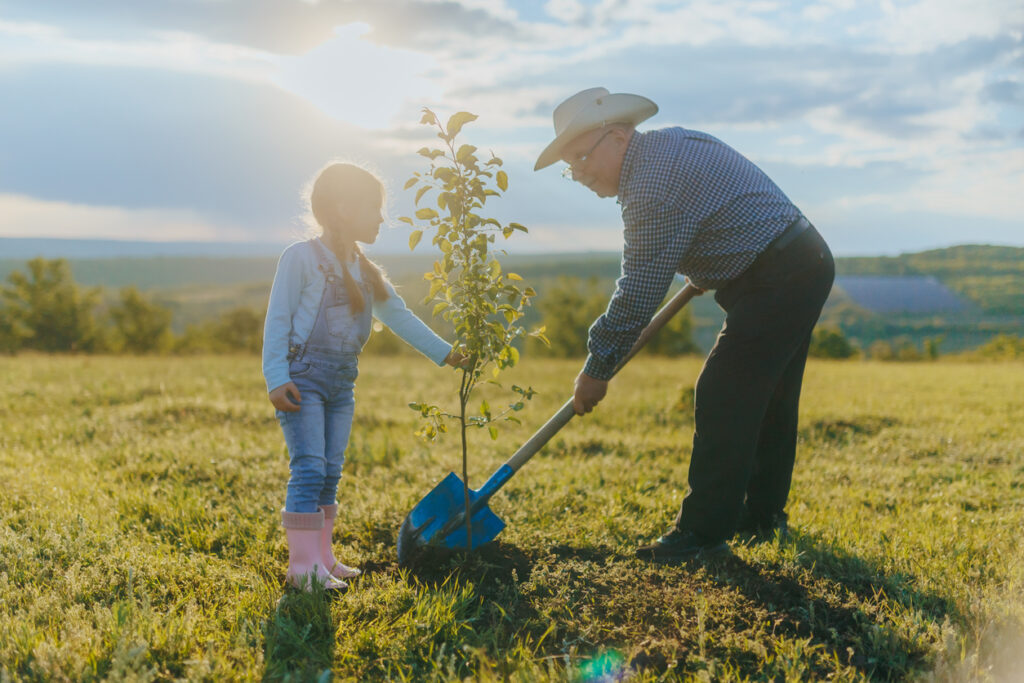
Dwarfing and semi-dwarfing rootstocks encourage trees to produce fruit sooner, often within a couple of years. They’re also easier to prune, net, and harvest from without ladders. However, smaller root systems mean they need consistent watering and staking in their early years. For most small gardens, though, the trade-off is well worth it.
Vigorous rootstocks suit larger plots and poor soil.
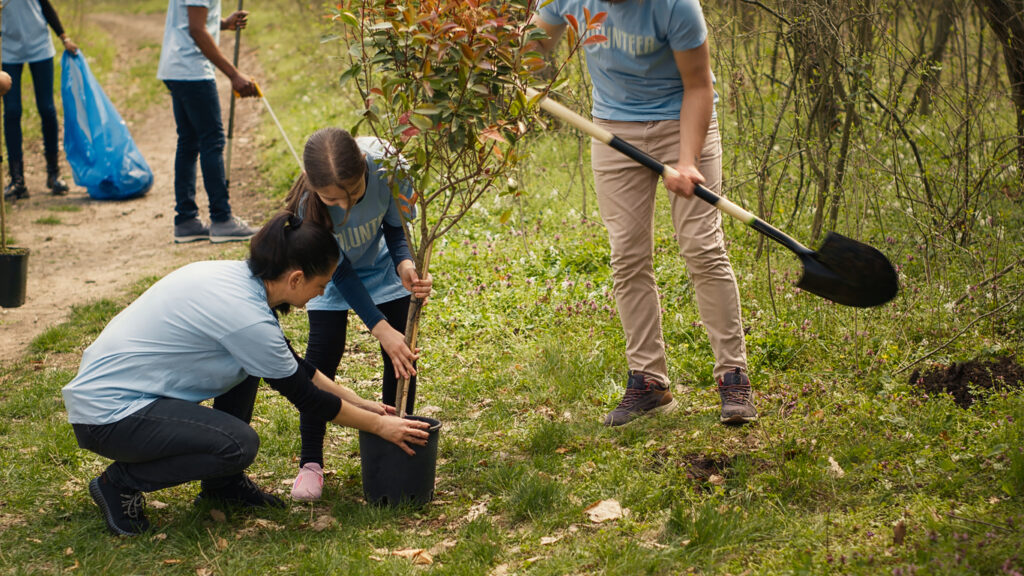
If you’ve got space or rougher ground, stronger rootstocks like M25 (for apples) or Colt (for cherries) are a better match. They develop deep roots that cope with wind and drier soil. These trees take longer to mature, but can live decades longer and need less day-to-day care once established. They’re ideal for traditional orchards or open rural gardens.
Some rootstocks adapt better to certain soils.

Different roots handle different soil conditions. For example, MM106 apple rootstock performs well in most gardens, but M26 prefers lighter soil and struggles in wet ground. Checking your soil type before planting saves frustration later. Garden centres or local nurseries can suggest rootstocks suited to your region’s conditions.
Rootstock affects how far apart trees can be planted.
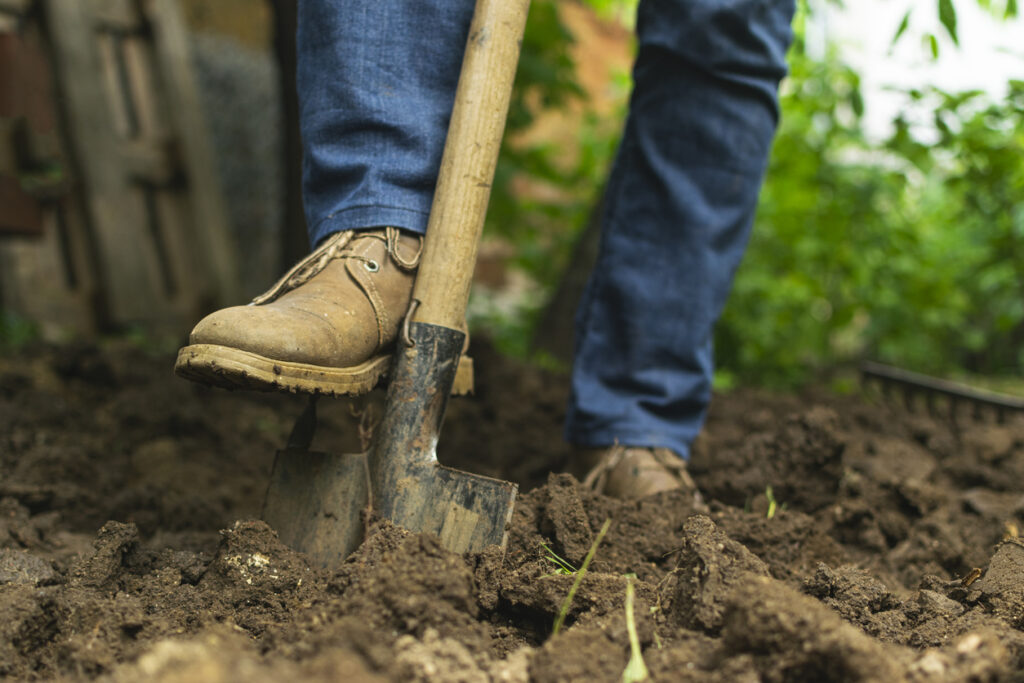
Dwarf or semi-dwarf trees can be planted as close as two to three metres apart. Vigorous types need more room, often four to five metres, to spread their branches properly. Spacing matters because overcrowded trees compete for sunlight and nutrients. Choosing the right rootstock helps you use your garden efficiently without overcrowding.
They also influence disease resistance.
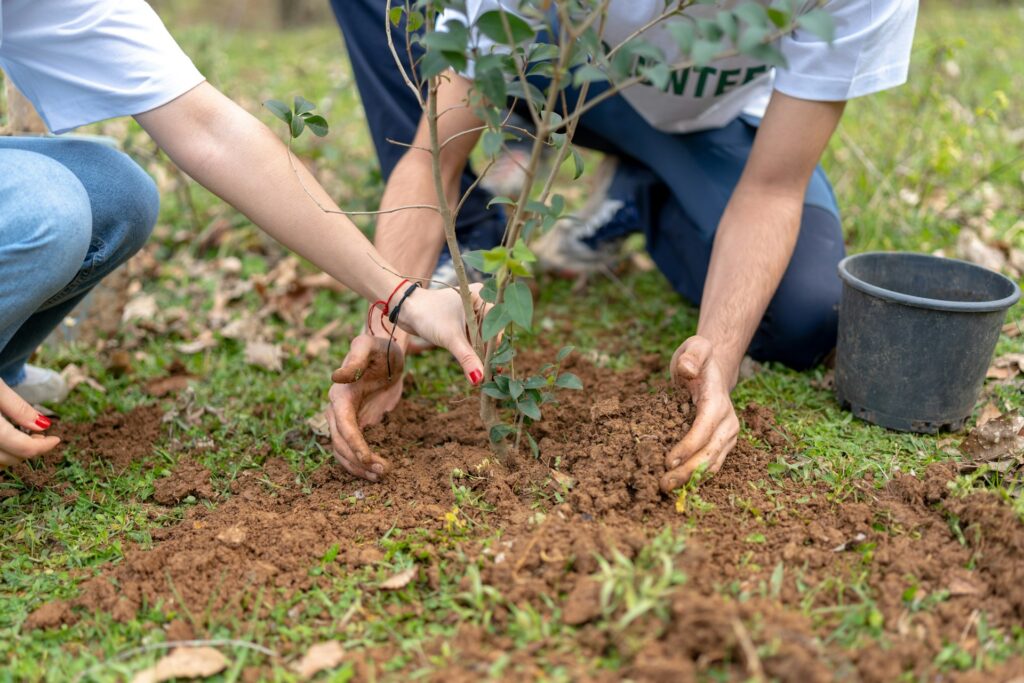
Many modern rootstocks are bred to resist diseases like crown rot, canker, or woolly aphid. That extra resilience helps trees thrive without heavy chemical use. When buying, look for rootstock descriptions mentioning resistance. It’s an invisible but powerful way to future-proof your trees against common UK problems.
Rootstocks control fruiting habits and yields.
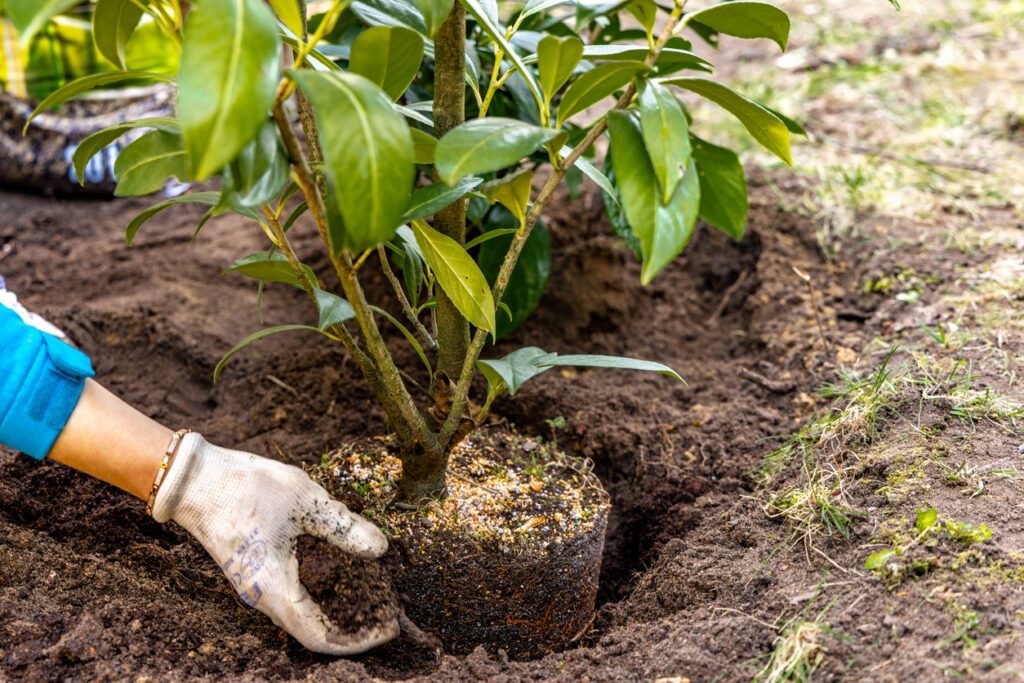
Smaller trees often produce slightly less fruit per season, but they make up for it with earlier and more consistent harvests. Larger trees tend to fruit later but give heavier crops once mature. Think about how much fruit you actually want. A dwarf apple on M27 might produce plenty for one household, while a full-sized M25 tree can feed half the village.
The right choice depends on how much time you have.
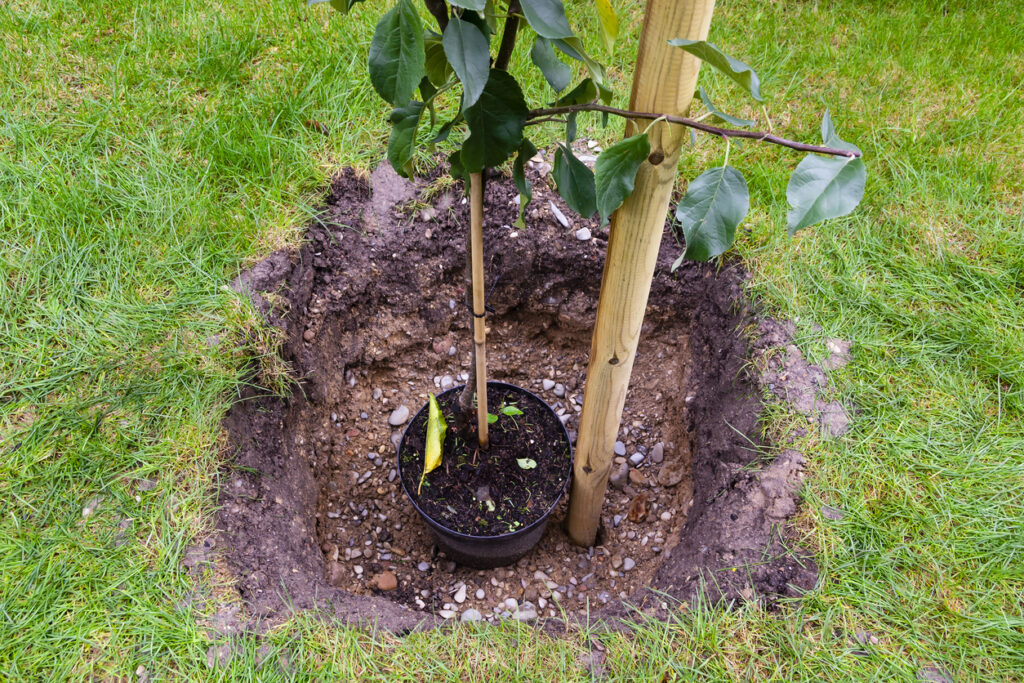
Dwarf trees need more regular care, such as watering, feeding, and pruning, while vigorous ones require more space but less frequent maintenance once settled. If you like hands-on gardening, smaller trees are ideal. If you prefer low-effort, long-term growth, larger rootstocks fit better with a more relaxed routine.
You can mix sizes in the same garden.

Many gardeners use a mix of rootstocks to make the most of their space. Smaller ones line paths or patios, while larger trees anchor open corners or hedgerows. Doing so creates visual balance and a steady supply of fruit through the season. It’s a simple way to get variety without overcrowding.
Rootstock names tell you everything you need to know.
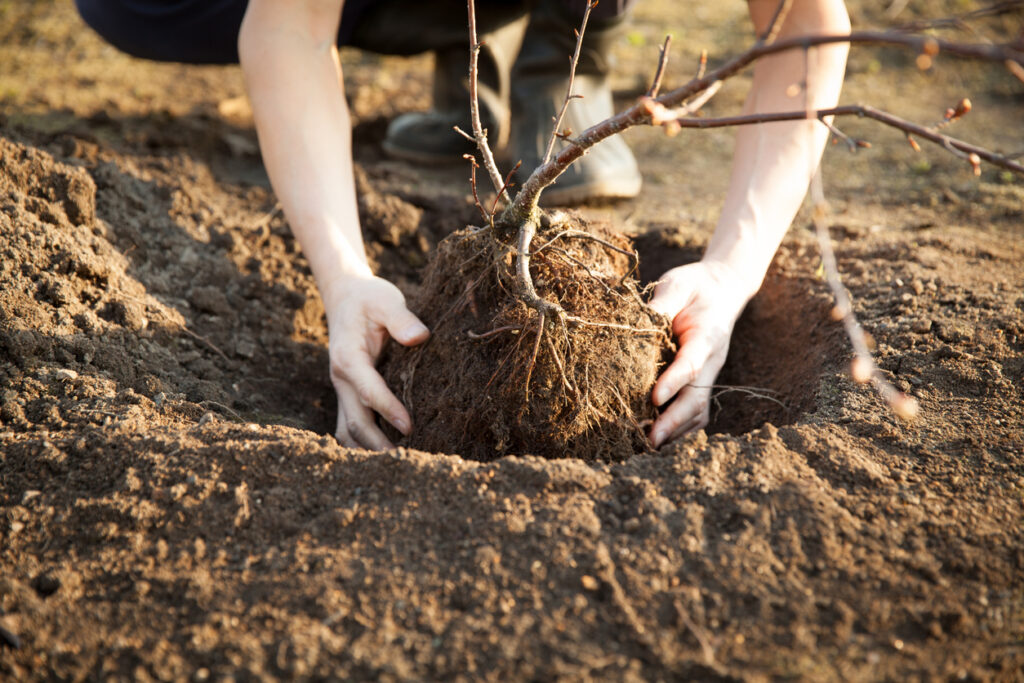
Apple rootstocks are labelled M or MM (like M26 or MM106), while stone fruits like cherries use Colt or Gisela. The smaller the number, the more compact the tree tends to be. It’s worth noting these details when buying. Knowing that M9 or Gisela 5 means “small” helps you avoid bringing home something that will outgrow your garden.
Choosing locally grown rootstock is better for success.
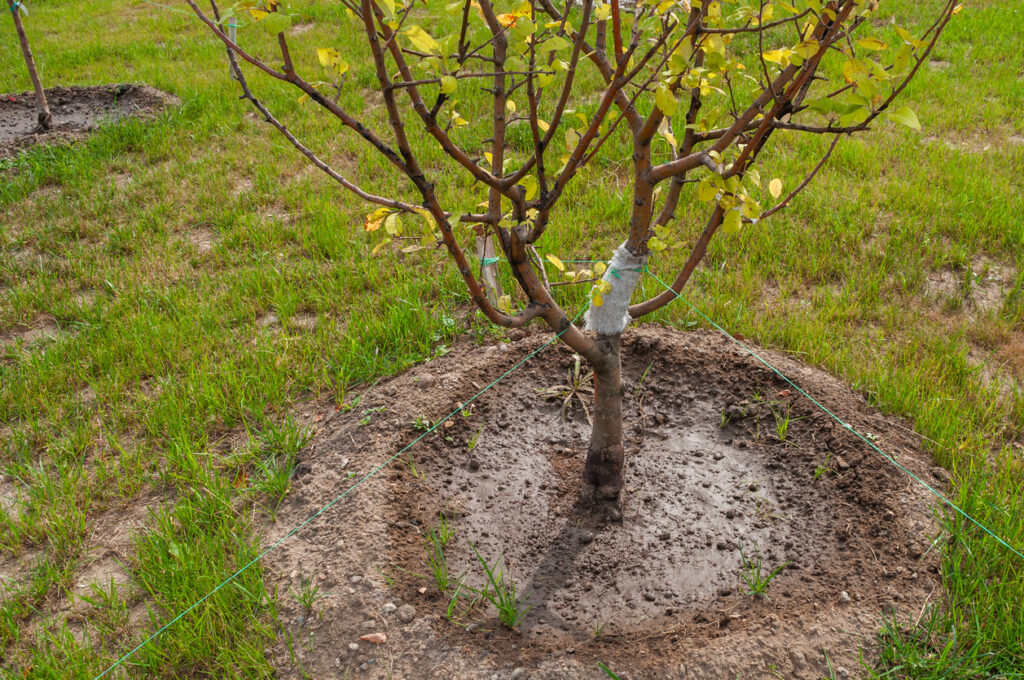
Rootstocks raised in UK conditions are more likely to cope with the local climate. They’re used to fluctuating temperatures and soil types, which gives young trees a better start. Where possible, buy from a local nursery rather than imported stock. It reduces transport stress and supports suppliers who know your regional growing challenges.
Matching rootstock to your lifestyle saves future hassle.
If you want fruit fast, pick a smaller rootstock. If you want a long-lasting tree that grows with your garden, go for a vigorous one. The right match means less pruning, fewer problems, and more reliable crops. Rootstock choice shapes everything from how tall a tree gets to how long it lives. Choosing carefully once will save years of frustration, and reward you with healthier, happier trees.