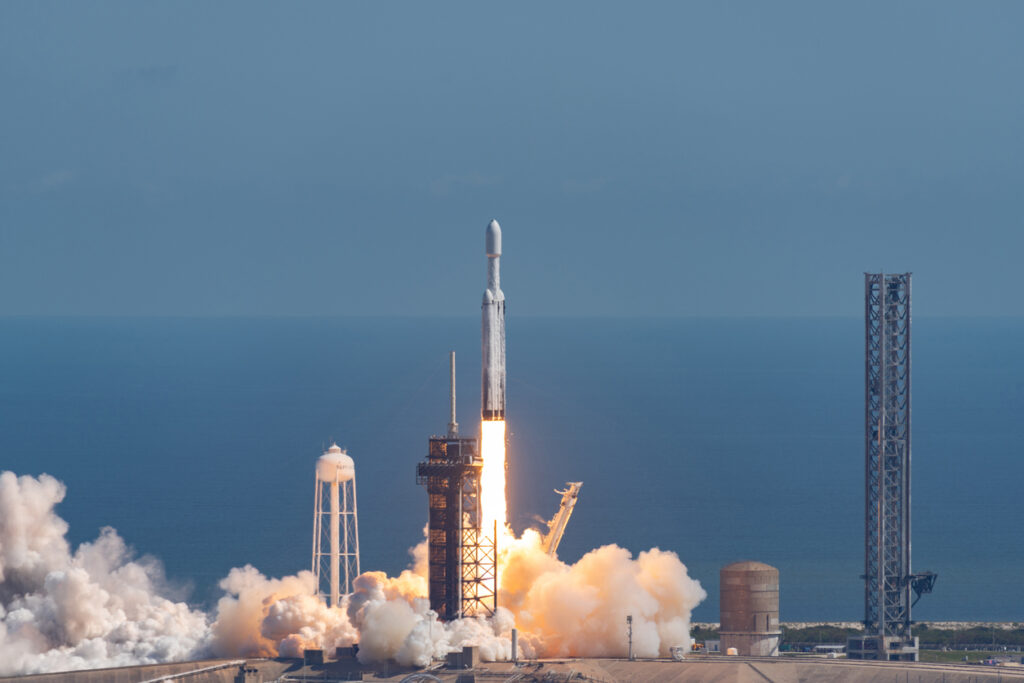
When astronauts travel into space, their bodies enter an environment unlike anything on Earth. There’s no gravity to pull blood downward, no natural day-night rhythm, and radiation levels are far higher. These conditions don’t just change muscles and bones; they also affect genes at a molecular level. Here’s what scientists have discovered about what really happens to our DNA and genetic expression beyond our planet.
Space travel changes how genes switch on and off.
Genes act like instruction manuals, turning on or off depending on what the body needs. In space, the stress of microgravity, radiation, and isolation triggers new patterns of gene activity almost immediately. Researchers have found that some genes linked to the immune system, inflammation, and DNA repair become far more active during missions, showing that the body is trying to protect itself from unusual stress.
DNA damage increases because of cosmic radiation.
Earth’s atmosphere shields us from most radiation, but in orbit or deep space, exposure rises dramatically. This radiation can break DNA strands or cause mutations that cells then struggle to repair. Astronauts are trained and monitored closely because prolonged exposure raises the risk of cancer and ageing-related damage. Future space missions are now exploring radiation-proof materials and better protective suits.
Genes linked to ageing start behaving differently.

In space, some biological processes speed up while others slow down. Studies show that certain genes associated with cell ageing and immune response become more active, mimicking the effects of getting older. When astronauts return to Earth, most of these changes fade, but some leave long-term traces. It’s one reason scientists see space as a kind of natural laboratory for studying how the body ages.
The immune system becomes less reliable.
Genes that control the immune response often behave unpredictably in space. Astronauts’ white blood cells can become less responsive, and old viruses like shingles sometimes reactivate. This happens because the body’s signalling systems, including gene expression, go out of sync. It’s another reminder that even temporary changes in gravity can throw genetic balance off course.
Fluid changes alter how genes respond.
Without gravity, fluids like blood and lymph move differently, pooling around the upper body and head. This shift changes pressure in cells and tissues, which then influences gene activity in subtle ways. It can affect everything from vision to metabolism. Some genes respond by strengthening blood vessel walls, while others slow down to conserve energy.
Stress hormones trigger genetic adjustments.

Spaceflight is mentally and physically demanding, and the body reacts by releasing higher levels of stress hormones like cortisol. These hormones can influence how genes regulate inflammation and energy use. Scientists believe this hormonal stress response explains why astronauts often experience changes in sleep, mood, and immunity, all driven partly by shifts in genetic expression.
Muscles and bones adapt at a genetic level.
When muscles and bones no longer work against gravity, the genes that maintain strength and density start to quieten down. The body essentially reprograms itself to conserve energy. This leads to bone thinning and muscle loss unless astronauts follow strict exercise routines. Genetic studies show that exercise in space helps reactivate those dormant strength-building genes.
The gut microbiome influences gene activity.
Space travel also changes the community of bacteria in the digestive system, which plays a key role in regulating immunity and metabolism. These shifts can alter how certain genes behave throughout the body. NASA’s twin studies found that the microbiomes of astronauts adjust within days of entering orbit, and that some of those effects linger long after returning home.
Some genetic changes reverse after returning to Earth.
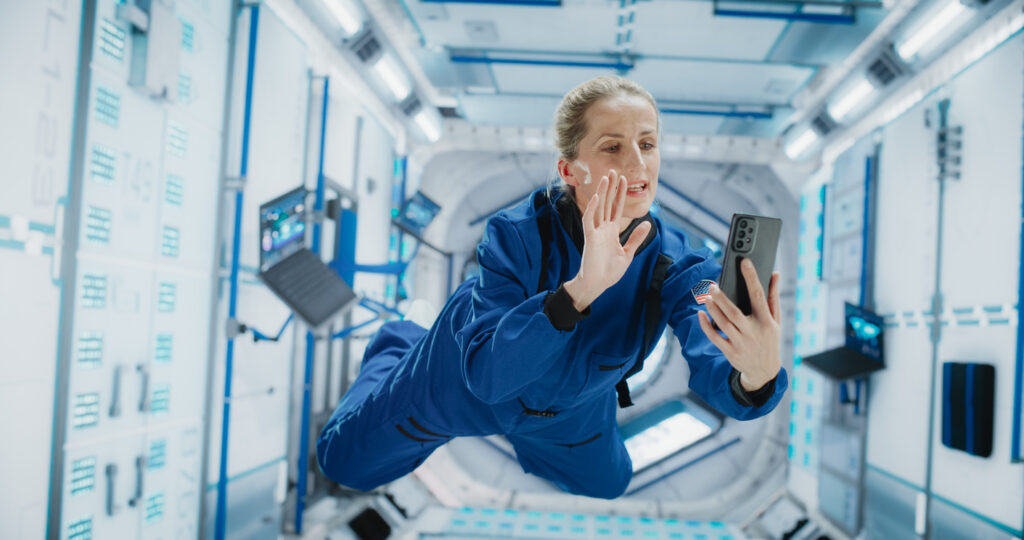
When astronauts come back, most gene expression patterns gradually return to normal. The body begins repairing damaged DNA and rebalancing immune responses within weeks or months. However, around seven per cent of genetic changes in one famous twin study appeared to last long-term, showing that spaceflight can leave a small but lasting mark at the cellular level.
Space affects how cells communicate.
Cells rely on chemical signals to coordinate growth, repair, and defence. In microgravity, these signals travel differently, which changes how genes respond to messages from elsewhere in the body. This can disrupt healing, slow down tissue regeneration, and alter how cells use nutrients. It’s one of the biggest challenges for long-term space habitation.
Telomeres lengthen, then shorten again.
Telomeres are protective caps on the ends of chromosomes that shorten as we age. Surprisingly, NASA found that astronauts’ telomeres lengthened during space missions, possibly as a response to stress or altered metabolism. When they returned to Earth, those telomeres quickly shortened again, in some cases becoming even shorter than before. It suggests space travel puts cells under complex and unpredictable strain.
Genetic diversity could shape future missions.
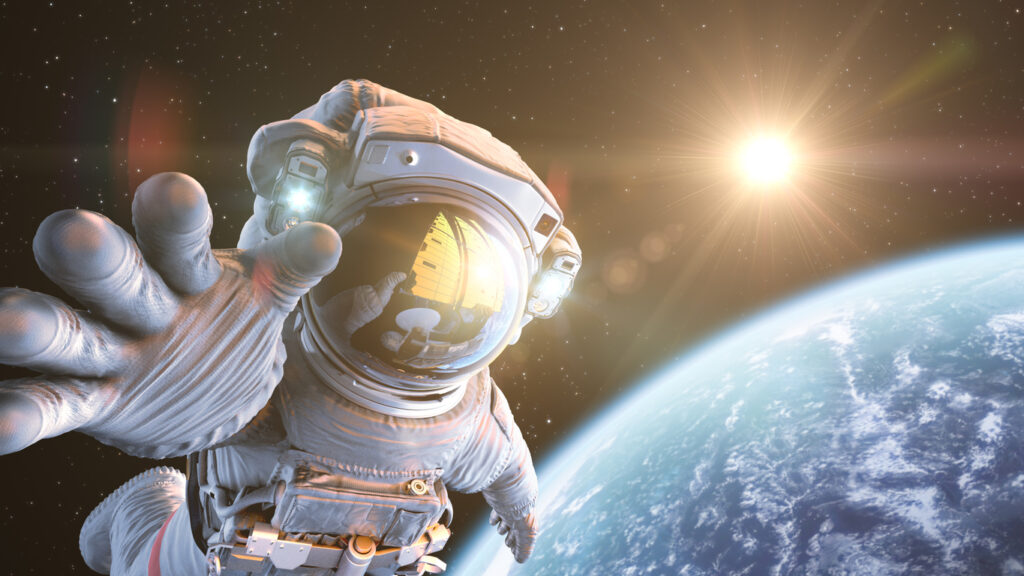
Scientists believe that not everyone’s DNA reacts the same way to space. Some people’s genes may handle radiation or immune stress more effectively, which could influence astronaut selection in future deep-space travel. Studying these differences helps space agencies design personalised health plans for long missions to Mars and beyond, keeping each astronaut’s biology stable.
Our genes might evolve differently off Earth.
If humans ever live permanently in space, evolution could take a new path. Over generations, those most adapted to low gravity and radiation might pass on advantageous traits. While that’s far in the future, genetic adaptation to extreme environments is already part of nature’s design. Space might simply accelerate the process in ways we’re only beginning to understand.