Imagine stepping into your garden and feeling like you’ve gone back millions of years.
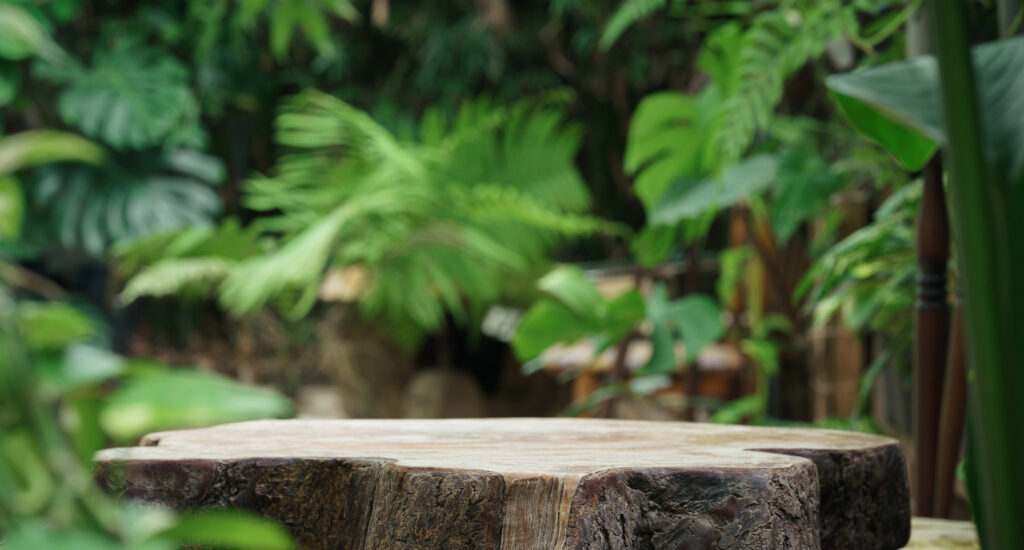
A “Jurassic garden” captures that prehistoric atmosphere with plants that date from the age of dinosaurs, long before flowers and bees appeared. Ferns, horsetails, cycads, and conifers once covered the planet, and many of their descendants still thrive today. Here’s how to design your own Jurassic-inspired space using plants that have survived since dinosaur times.
Start with tree ferns for instant prehistoric drama.
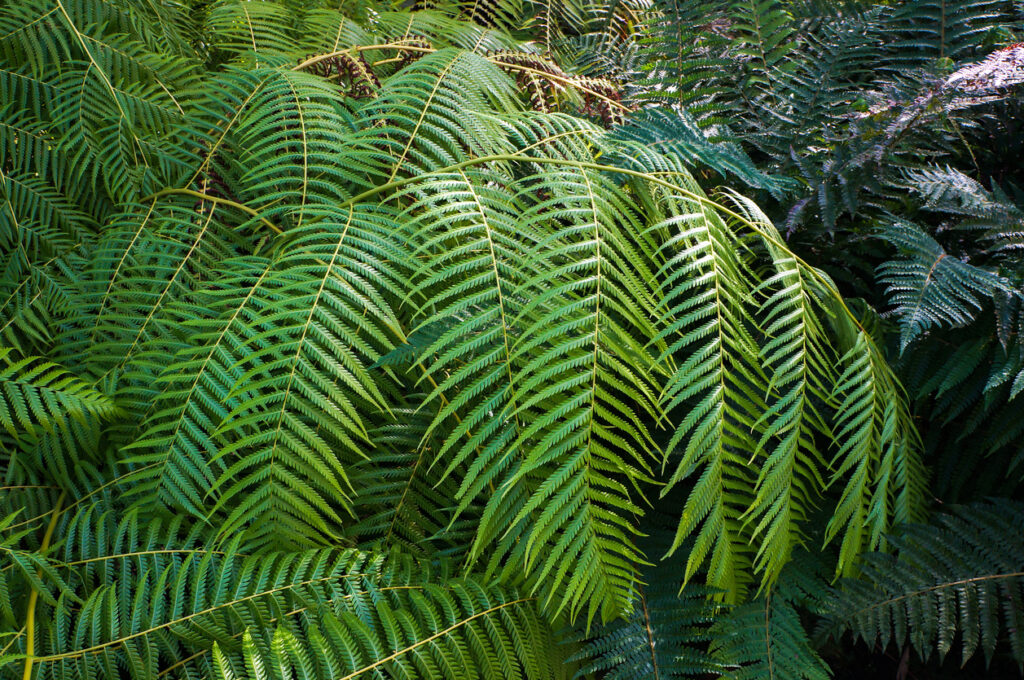
Tree ferns, such as Dicksonia antarctica, look like they’ve come straight from a movie set. Their thick trunks and feather-like fronds resemble the plants that would have surrounded giant herbivores millions of years ago. They love damp, shaded conditions, making them perfect for sheltered garden corners. Keep their trunks moist and protect them from frost in winter with fleece or straw wrapping.
Add cycads for a true Jurassic touch.
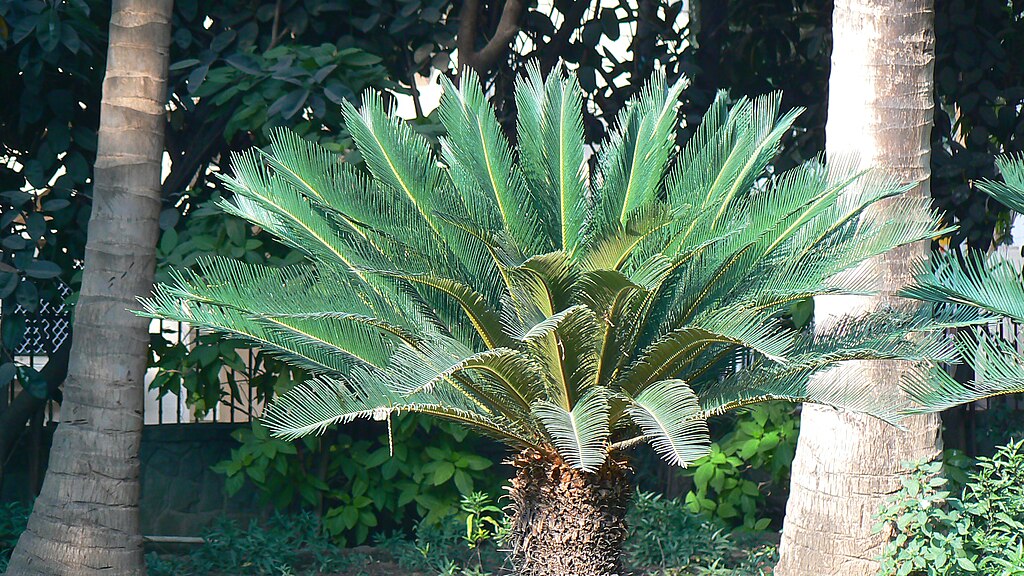
Cycads are among the oldest plant groups on Earth and once formed dense forests where dinosaurs roamed. Their stiff, palm-like leaves and thick trunks give an unmistakably ancient feel to any garden. They prefer warmth and well-drained soil, so grow them in pots you can move indoors for winter protection. The sago palm (Cycas revoluta) is one of the best options for UK gardeners.
Include horsetails for an authentic ground layer.
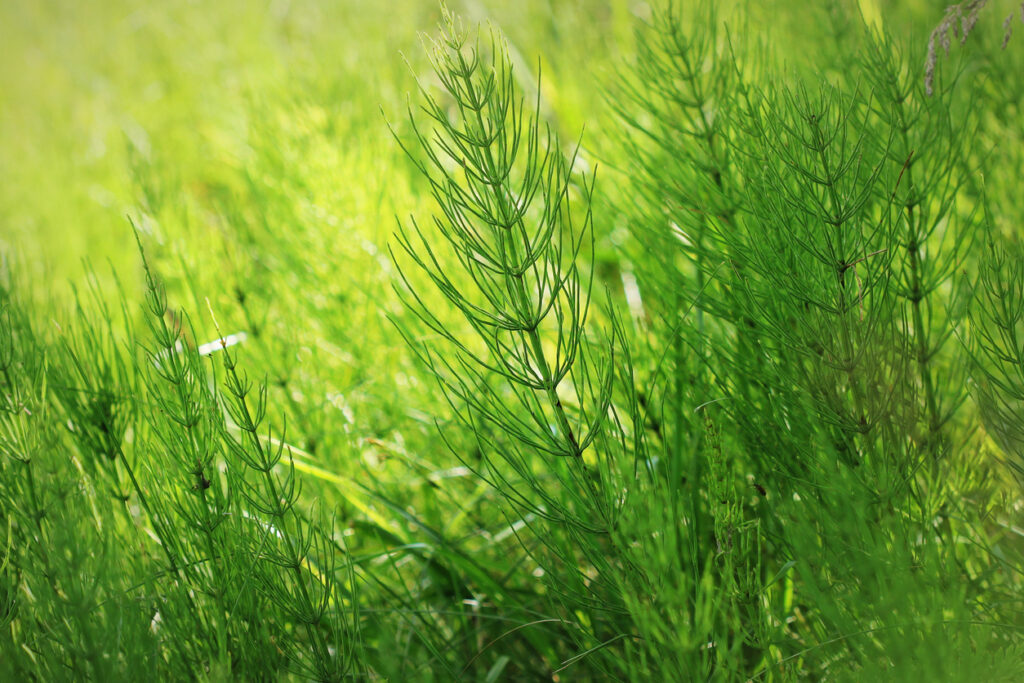
Horsetails, or Equisetum, are living fossils that predate even dinosaurs. They’re striking, reed-like plants that add texture and a wild, primeval feel to your garden. They spread rapidly through underground rhizomes, so it’s best to grow them in containers or sunken pots to keep them under control. They love wet soil and look great beside ponds.
Plant conifers as the backbone of your Jurassic garden.
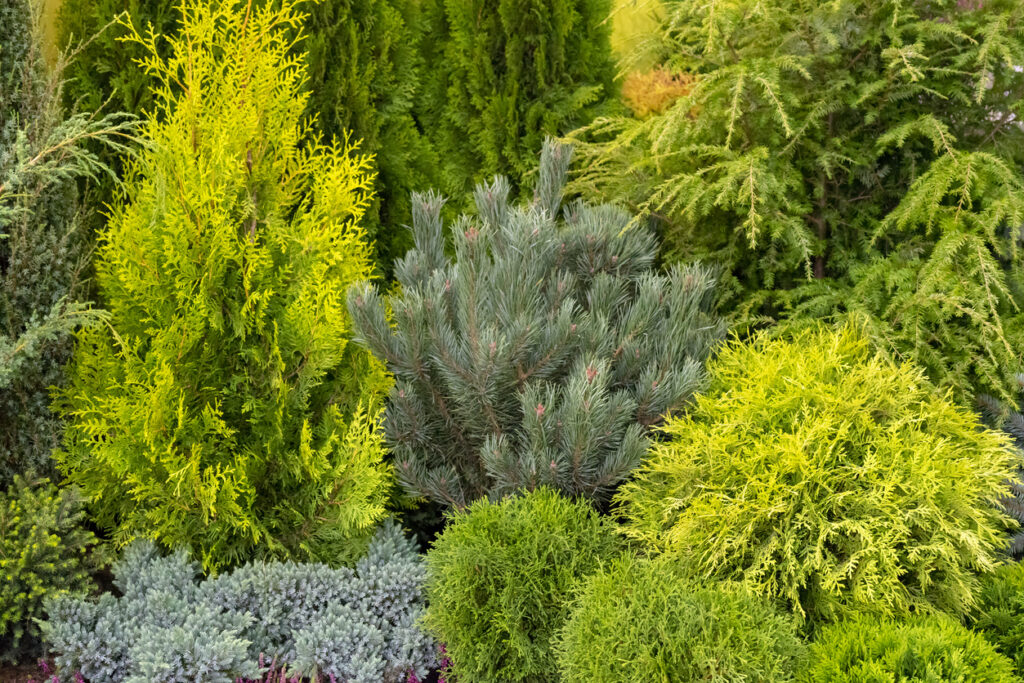
Before flowering plants took over, conifers ruled the world. Species like monkey puzzle trees, pines, and redwoods bring that ancient forest feel back to life. The monkey puzzle tree (Araucaria araucana) is especially iconic. Hardy and slow-growing, it adds height and structure that echoes the forests of the Mesozoic era.
Add lush ferns for authentic undergrowth.
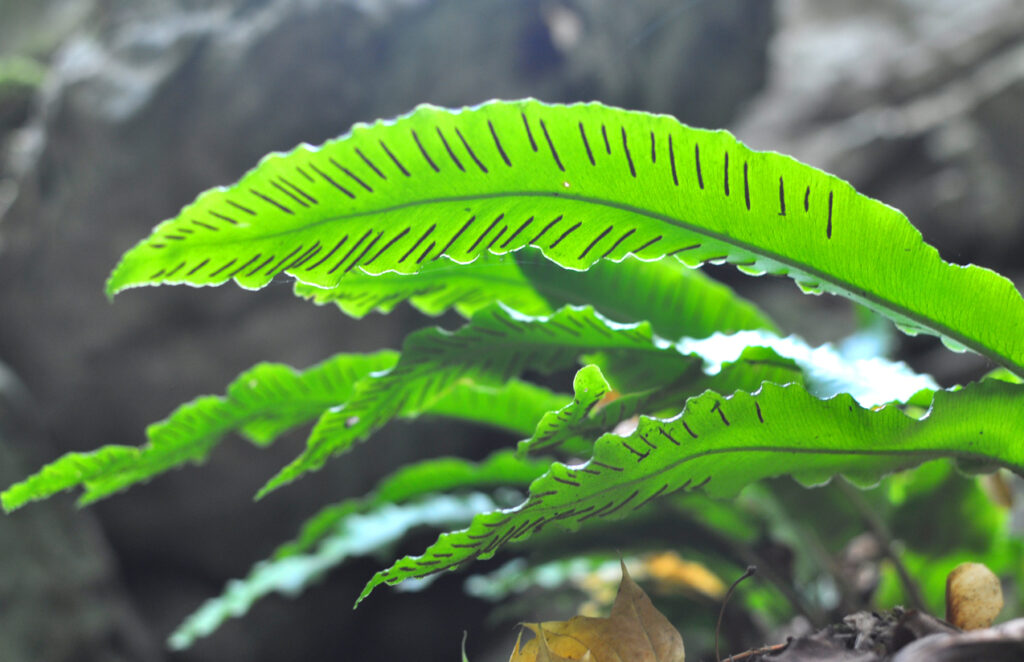
Ferns are the easiest way to create a Jurassic vibe. Their delicate fronds and earthy greens give the sense of a forest floor that’s been growing for ages. Try hardy varieties like shuttlecock ferns, lady ferns, and male ferns. They thrive in shaded, moist conditions and can fill gaps between larger prehistoric plants beautifully.
Use mosses and liverworts for atmosphere.
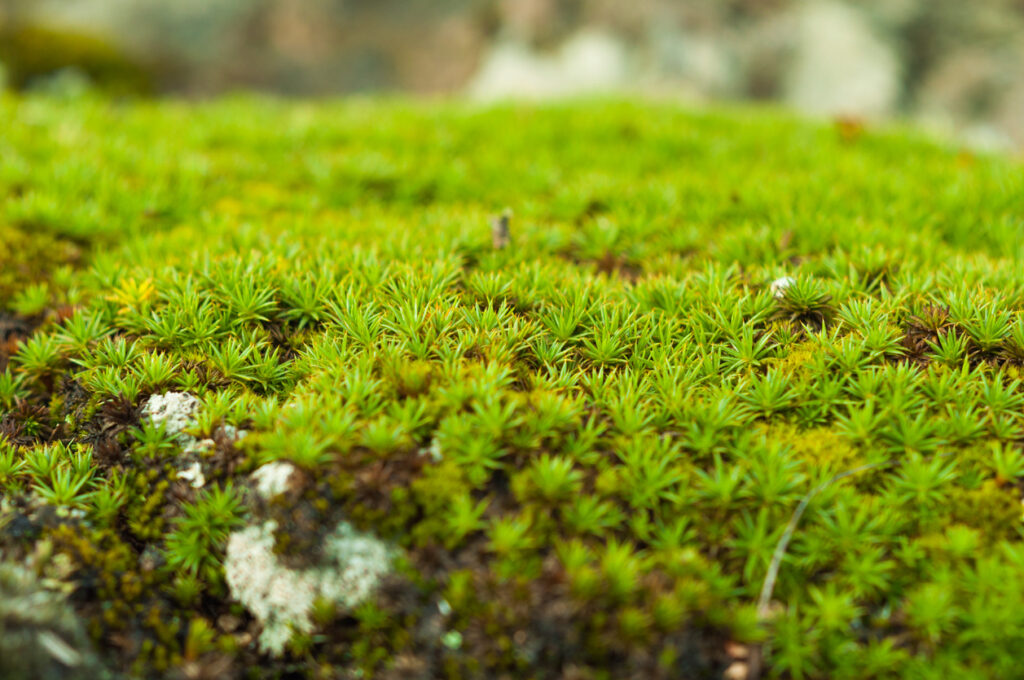
Ground-hugging mosses instantly make a garden feel ancient. They soften stones, logs, and pathways, creating that misty forest look associated with the age of reptiles. Encourage moss naturally by keeping surfaces slightly shaded and damp. Avoid strong fertilisers or lime, which can prevent moss from spreading.
Choose ginkgo trees for a true living fossil.
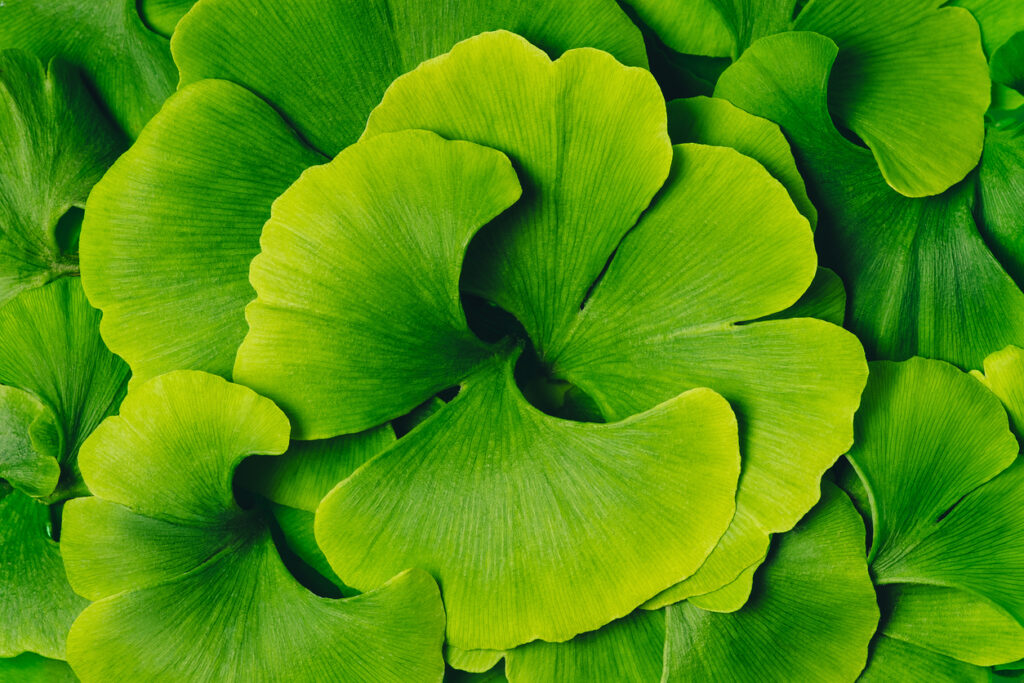
The ginkgo, or maidenhair tree, is one of the oldest surviving tree species, dating back over 200 million years. Its unique fan-shaped leaves add both history and elegance to your Jurassic space. Ginkgo trees grow slowly but are hardy enough for most UK gardens. They turn a brilliant golden yellow in autumn, adding a touch of colour to your prehistoric palette.
Recreate swampy habitats with moisture-loving plants.
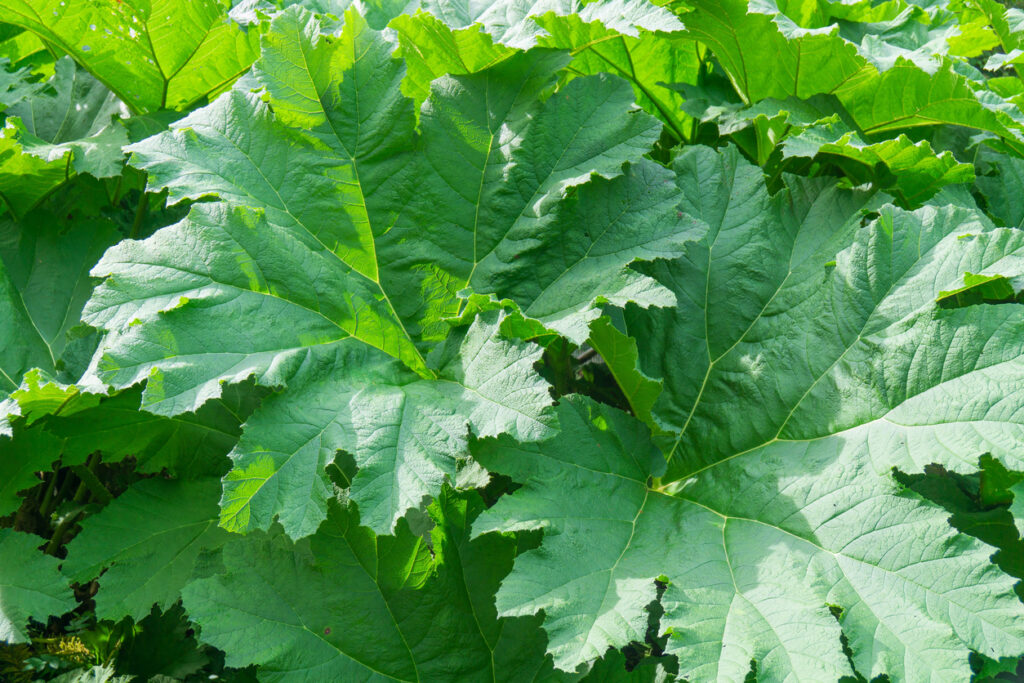
Dinosaur-era landscapes were humid and full of marshes. To capture that feel, plant moisture-loving species like royal ferns, gunnera, or marsh marigold around ponds and water features. Gunnera manicata, with its enormous leaves, gives an instant sense of scale and drama. It needs shelter from cold winds, but thrives in damp, fertile soil.
Use rocks and fallen logs for authenticity.
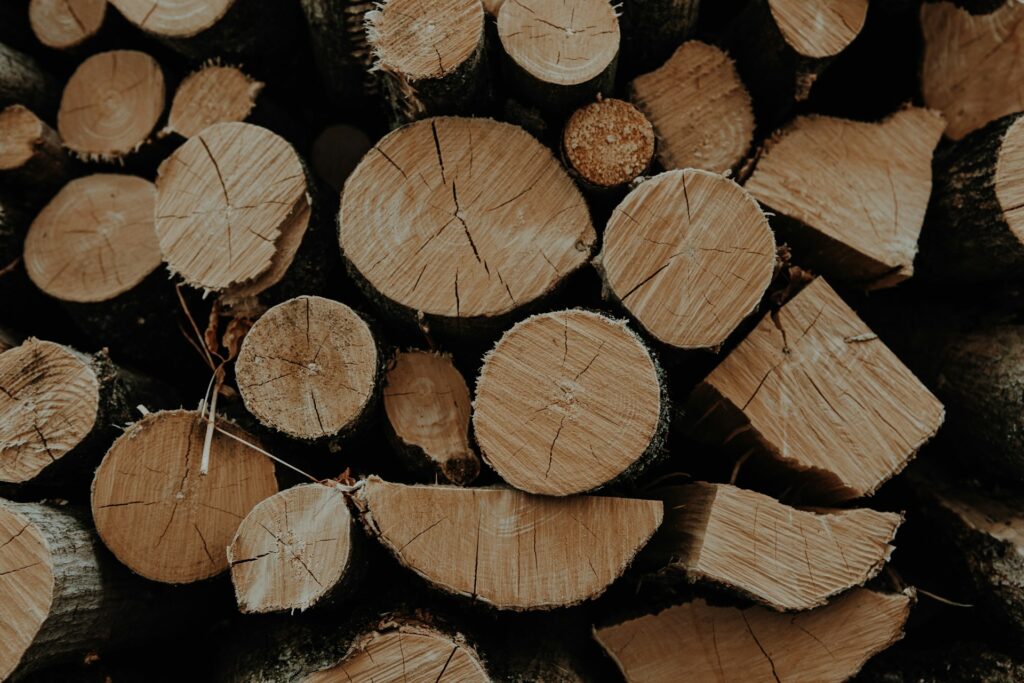
Hard landscaping makes a big difference in setting the scene. Use large stones, bark, or driftwood to mimic ancient forest debris and give the garden a wild, untouched look. Leave gaps between rocks for moss, ferns, or small cycads to grow. As time goes on, the space will feel naturally weathered, as if it’s been there for centuries.
Add height with giant grasses and bamboos.
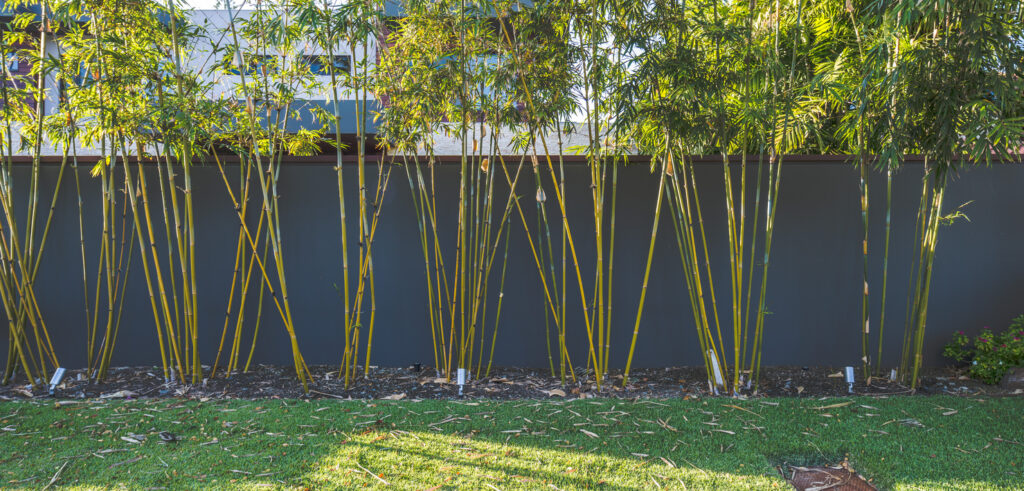
Tall grasses and bamboos help recreate the dense, layered vegetation that dominated during the Jurassic period. Their movement in the wind adds a sense of life to the garden. Opt for hardy, clump-forming species like Fargesia, which won’t take over. Mix them with low-growing ferns for contrast and depth.
Use shade and mist to build atmosphere.
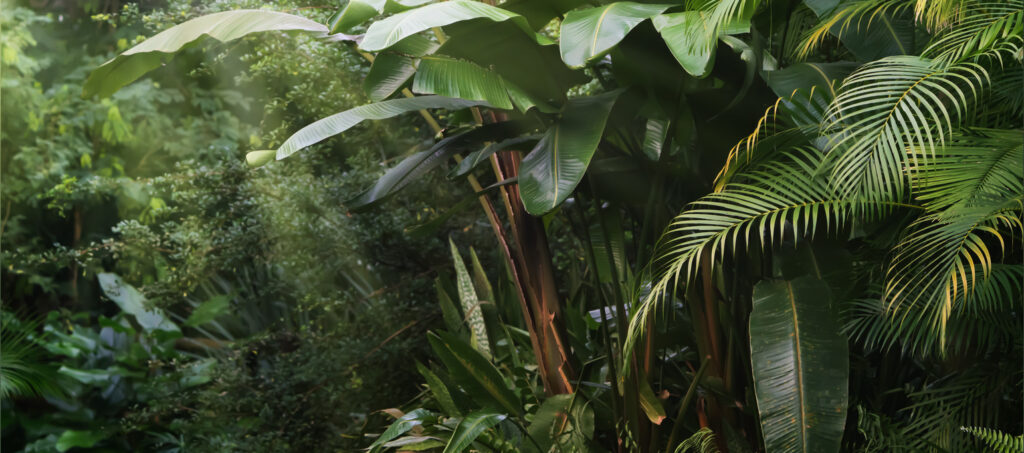
Prehistoric landscapes were warm, misty, and full of filtered light. You can mimic this by creating areas of partial shade under trees or using fine spray misters near seating or water features. This not only helps your moisture-loving plants thrive but also gives the garden that ethereal, otherworldly feel that defines a proper Jurassic setting.
Keep the colour palette natural and earthy.
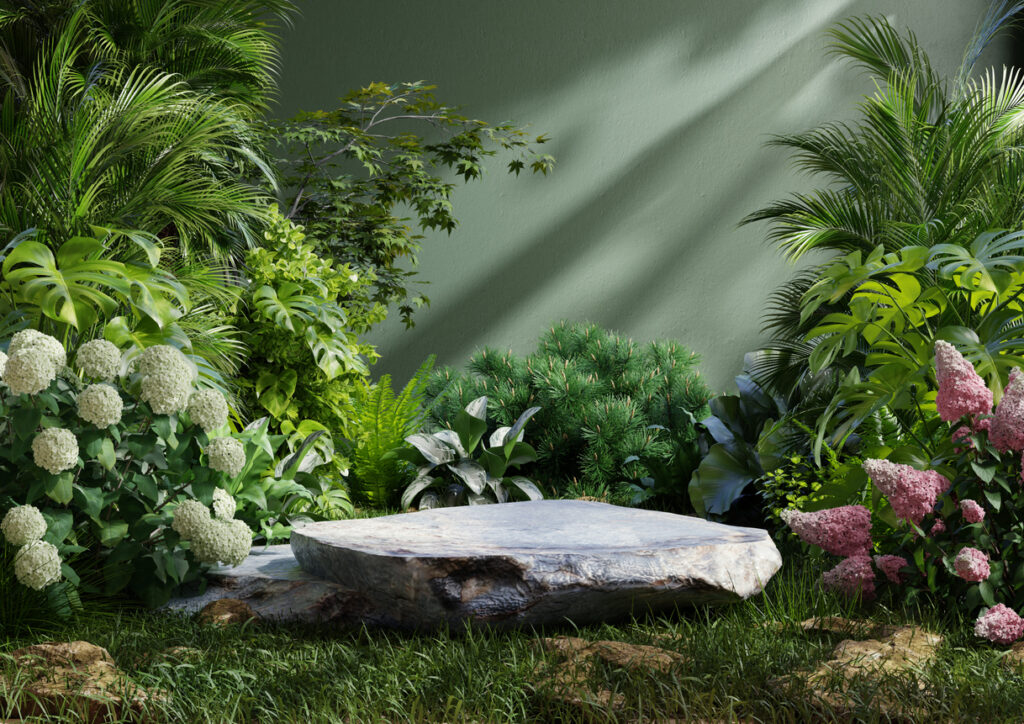
Stick to greens, browns, and muted tones to capture the look of ancient wilderness. Bright flowers didn’t exist in dinosaur times, so focus on texture and foliage rather than colour. Layering different shades of green with occasional bursts of bronze or silver foliage creates visual depth while staying true to the prehistoric theme.
Finish with a few dinosaur-inspired touches.
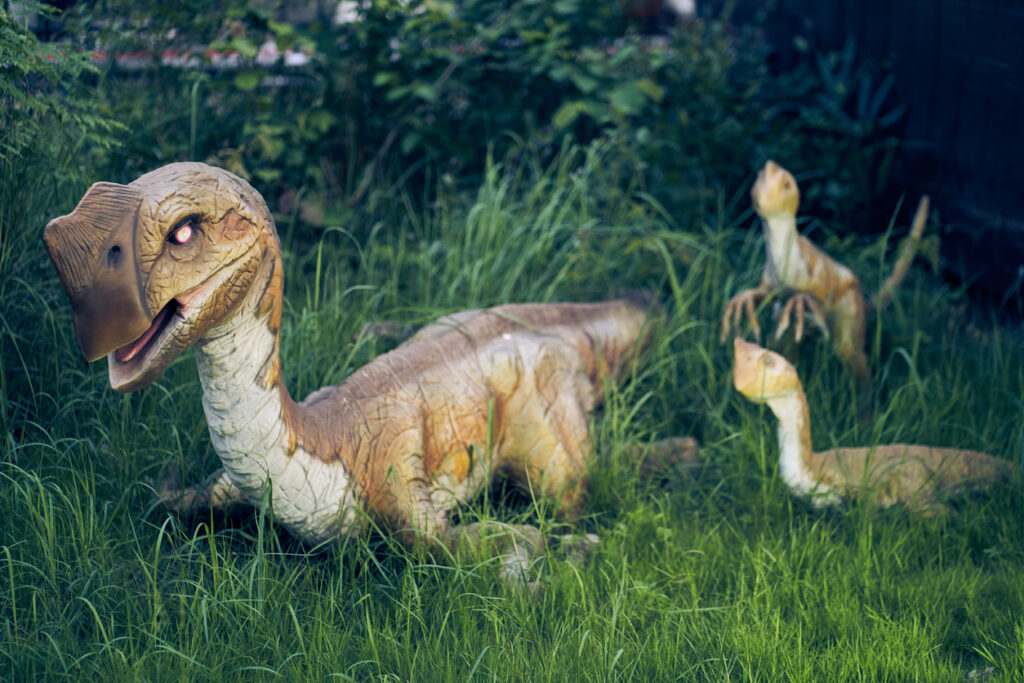
If you want to lean into the theme, add subtle dinosaur details. A stone footprint, fossil replica, or small sculpture tucked among the ferns adds a fun finishing touch without feeling kitschy. Keep decorations minimal, so the plants remain the stars. The real magic comes from creating a garden that feels ancient, untamed, and alive, and that’s a small echo of Earth’s deep history in your own backyard.