
Cold snaps can be brutal on garden pots, especially if you use terracotta or anything that soaks up moisture.

One frosty night is all it takes for trapped water to freeze, expand and leave you with a pot that splits before spring even arrives. It’s frustrating, expensive and easily avoided once you understand what causes the damage.
Thankfully, a few simple tweaks can give your containers a fighting chance through the colder months. You don’t need special tools or a complete reshuffle of your garden, just a bit of awareness about how pots cope with winter weather. Here’s how to protect them so they stay intact and ready for planting when the temperatures rise again.
1. Understand why pots crack in the cold.
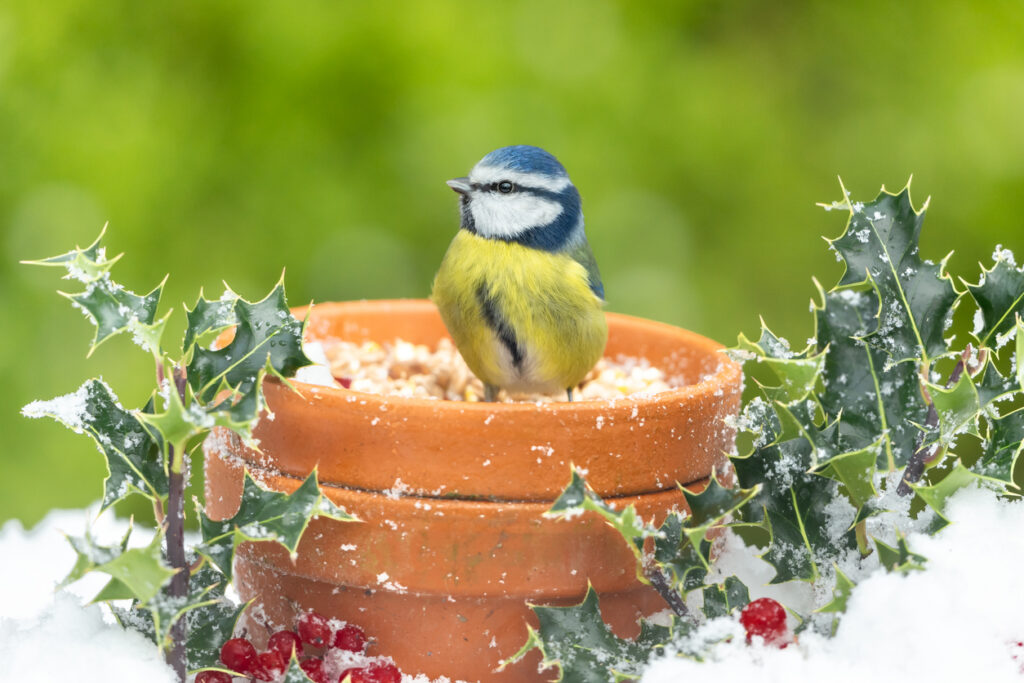
Most pot damage happens when trapped water freezes and expands. Clay, terracotta, and concrete pots absorb moisture, which then pushes outward as it turns to ice. Over time, that pressure creates cracks or flakes along the surface. Even glazed pots can suffer if they have drainage issues. The key to prevention is keeping both the pot and its soil as dry and well-aerated as possible through winter.
2. Choose frost-resistant materials.

Not all pots are built for winter. Terracotta looks classic, but it’s one of the most fragile in cold weather. Fibreglass, plastic, or frost-proof ceramics handle freezing conditions much better. If you love the look of terracotta, go for ones labelled “frost-hardy” or “vitrified.” These are fired at higher temperatures, which makes them denser and far less likely to absorb water.
3. Improve drainage before the frost hits.

Poor drainage is the main cause of cracked pots. Before winter, check that the holes at the base are clear and raise the pot slightly off the ground using bricks or pot feet. A quick lift prevents water from pooling underneath and stops the base from freezing to the patio. It also lets air circulate more freely around the pot.
4. Avoid using saucers in cold months.

Saucers under pots are great in summer but dangerous in winter. They trap water, which freezes and expands upward into the pot itself. Removing saucers allows excess moisture to drain away completely. If you still need to catch water indoors, line the base with gravel to stop pots sitting in puddles.
5. Move delicate pots to sheltered spots.
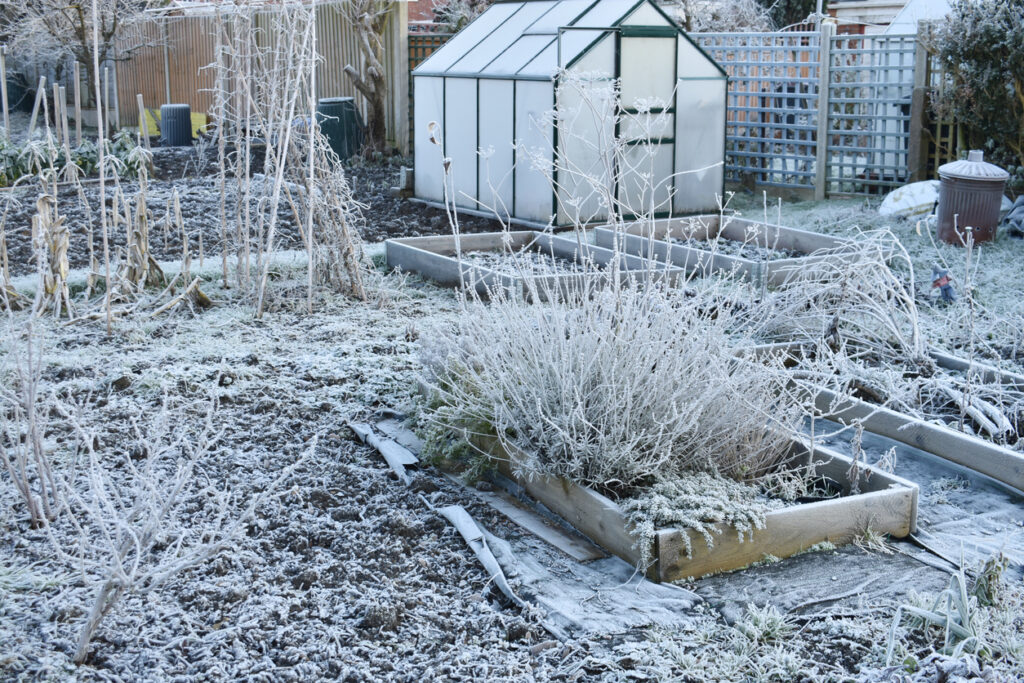
Even hardy containers last longer with some protection. Move smaller or decorative pots close to the house, under eaves, or inside a greenhouse where frost can’t reach as easily. Grouping pots together also helps them retain warmth. The combined soil mass stays slightly warmer than a single pot left out alone.
6. Insulate pots that must stay outside.

If your pots are too large to move, you can still protect them. Wrap the sides with bubble wrap, hessian, or old blankets to help regulate temperature. For extra protection, fill gaps between pots with straw or bark chips. This traps air and prevents the freeze-thaw cycle from stressing the container walls.
7. Use well-draining soil mixes.

Heavy compost or garden soil retains too much moisture in winter. Mixing in grit, perlite, or sharp sand improves drainage and keeps roots from sitting in icy water. This small change makes a big difference. Dry soil contracts slightly as temperatures drop, which relieves pressure on the pot and protects its structure.
8. Water sparingly during cold weather.

Plants go dormant in winter, so they don’t need much water. Overwatering fills soil pores with liquid that can freeze solid overnight. Only water when the top few centimetres of soil are dry. On warmer days, water early in the morning so it drains before the evening chill sets in.
9. Empty pots that aren’t in use.

Leaving empty containers full of damp soil or compost through winter guarantees cracks. If you’re not using a pot, tip it out, clean it, and store it upside down. This stops moisture collecting inside and prevents frost damage from repeated freezing and thawing. A dry, stacked pot will survive years of winters with no trouble.
10. Don’t forget about hanging baskets.
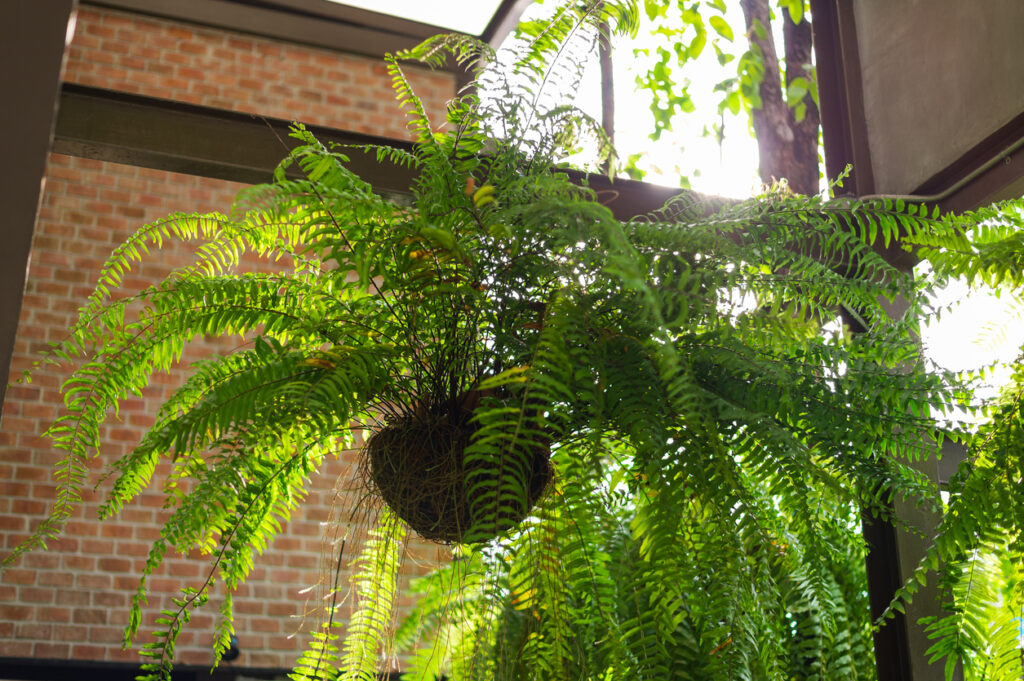
Hanging baskets often get overlooked once flowers die back, but their thin linings freeze faster than solid pots. When frozen, the basket frame can twist and break apart. Empty them, clean the liners, and store them somewhere dry. If you want to reuse them year-round, replace coconut fibre linings annually to avoid rot and mildew.
11. Protect pot rims from chipping.

The top edge of a pot is usually the first to crack when frost sets in. Wrapping the rim with fleece or hessian gives it a buffer against sharp temperature changes. Another trick is to invert an empty pot over the top of one still in use. It shields the edges from frost while letting air move freely underneath.
12. Check pots after storms and cold snaps.
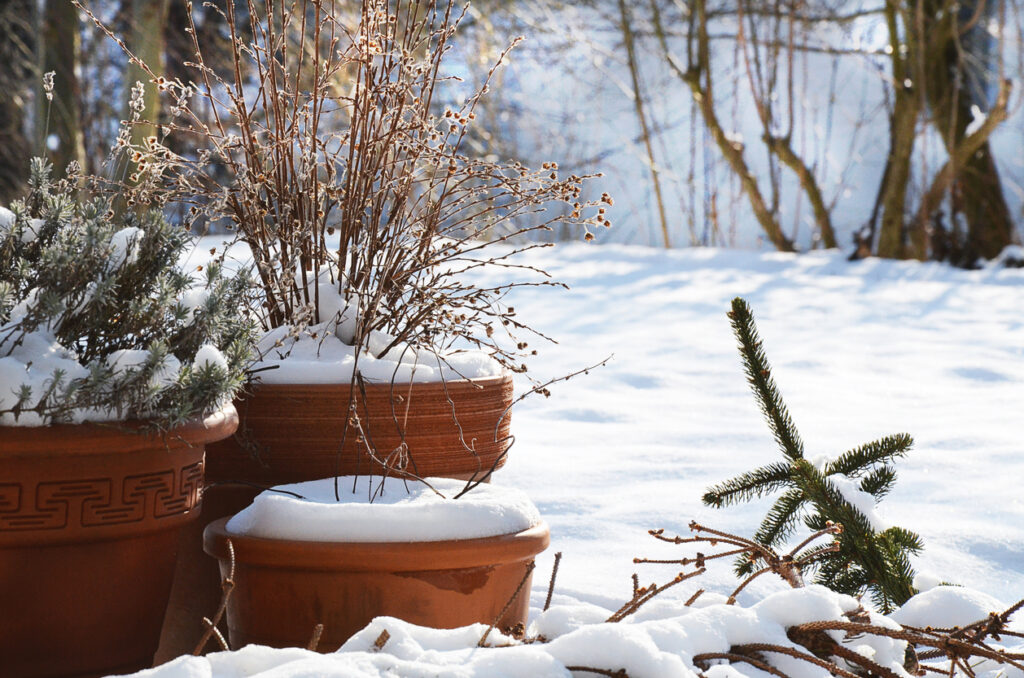
Winter weather changes quickly, and water can collect during thaw periods. After heavy rain or snow, inspect your pots for cracks, ice buildup, or soggy soil. Early repairs, such as resealing small cracks or refreshing soil, stop damage spreading. Quick attention now can save you replacing expensive containers later.
13. Clean and store properly for next year.

At the end of winter, wash empty pots with a mild disinfectant to remove algae, mould, and old soil. Let them dry completely before stacking or refilling. Clean pots not only look better but also prevent pests and diseases from carrying over to next year’s plants. It’s the final step in keeping your containers strong, healthy, and ready for spring growth.