Animals have been solving problems in clever ways long before humans came up with our modern inventions.
We like to think we’re the innovators, but plenty of creatures have been using strategies that look a lot like our technology and social systems, just without the labels. When you start paying attention, you notice that many of our “new” ideas have been part of the animal world for far longer than we’ve been around to name them.
What makes this so fascinating is how familiar some of these behaviours feel. Animals build, plan, communicate and organise in ways that mirror things we only recently thought we’d created. It’s a reminder that nature often gets there first, and we’re only just catching up. Here are the smart behaviours animals mastered long before humans claimed them as inventions.
1. Dolphins use sonar that’s better than our technology.
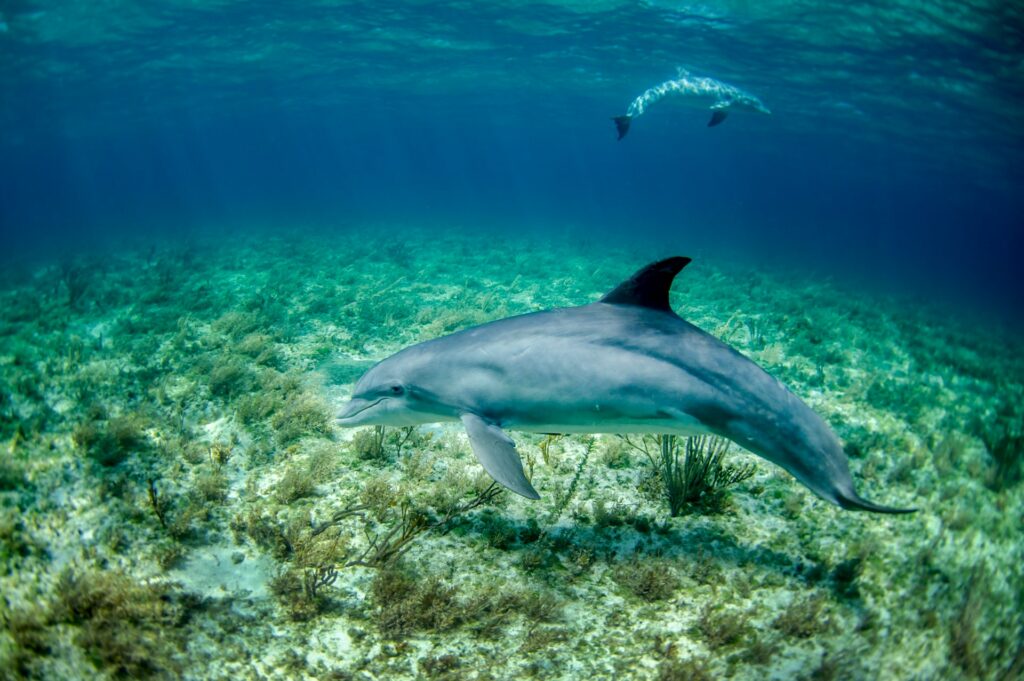
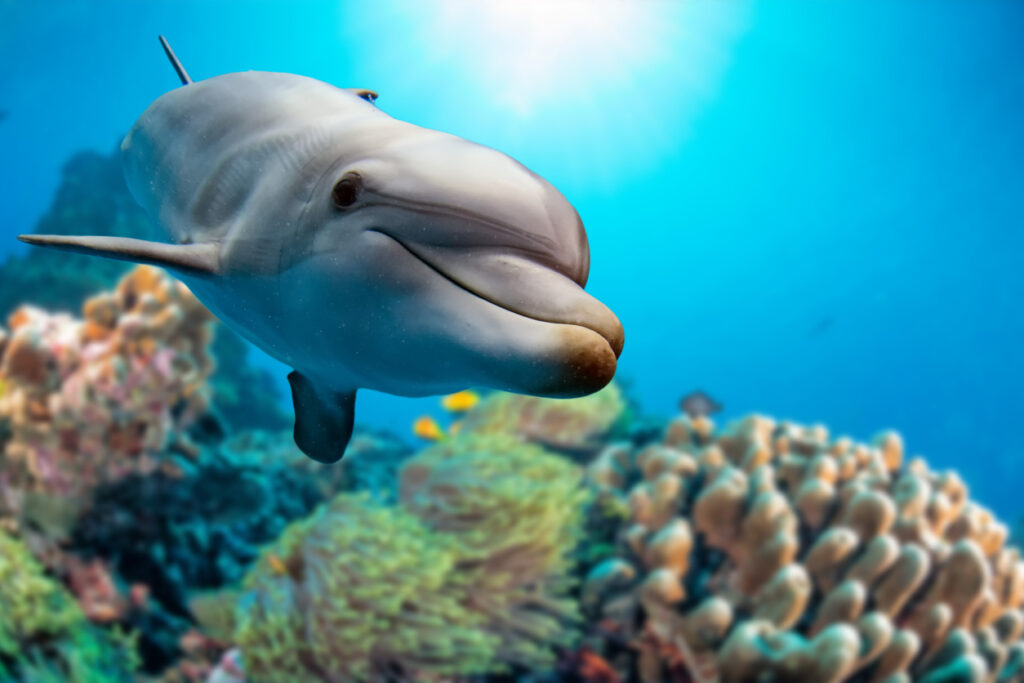
Dolphins have been using echolocation for millions of years, sending out sound waves and interpreting the echoes to map their surroundings. Humans only invented sonar technology during World War One, and even our most advanced systems can’t match what dolphins do naturally. They can detect objects the size of a golf ball from over 100 metres away.
Their biological sonar is so precise, they can tell the difference between different types of fish and identify objects buried in sand. Modern submarines and ships use sonar based on copying what dolphins do, but we’re still nowhere near their level. Evolution perfected this technology long before humans even existed.
2. Bees invented refrigeration millions of years ago.
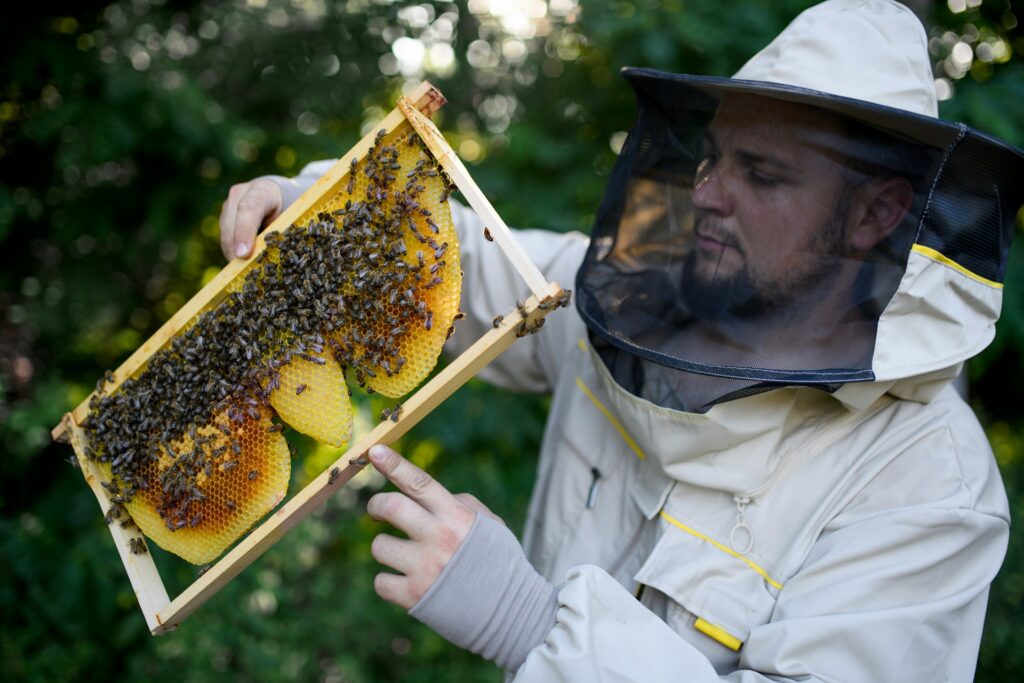
Honeybees keep their hives at exactly the right temperature year-round using sophisticated cooling and heating systems. When it’s too hot, worker bees collect water and spread it around the hive, then fan their wings to create evaporative cooling. It’s basically the same principle as modern air conditioning.
Humans only worked out refrigeration and air conditioning in the 1800s. Bees have been doing it perfectly for over 100 million years. They maintain their hive at a constant temperature regardless of outside conditions, which is essential for developing larvae and storing honey properly.
3. Ants were farming millions of years before humans.

Leafcutter ants run elaborate farming operations where they grow fungus as their food source. They cut leaves, carry them back to their nests, and use them as compost to cultivate specific fungus species. They’ve been doing this for about 50 million years.
Humans only invented agriculture around 10,000 years ago. These ants selectively breed their fungus, remove pests and diseases, and even use antibiotics produced by bacteria they carry on their bodies. They’ve got a more sophisticated farming system than many human operations, and they figured it out before we even existed as a species.
4. Electric eels had batteries before we did.
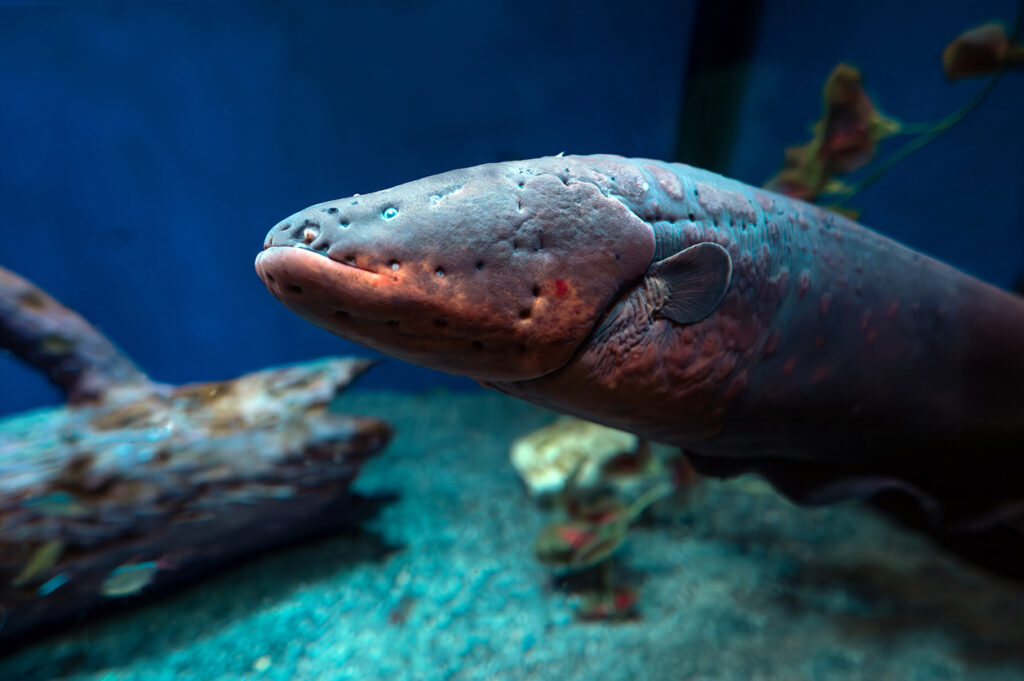
Electric eels generate powerful electric shocks using specialised cells called electrocytes that work exactly like batteries. They can produce up to 860 volts, which is enough to stun a horse. They’ve been doing this for millions of years as both a hunting tool and defence mechanism.
Alessandro Volta invented the first battery in 1800. Electric eels had been using biological batteries for countless millennia before that. Scientists are now studying how eel batteries work to improve our own battery technology. Nature solved the energy storage problem long before humans needed portable electricity.
5. Archerfish use physics that took humans centuries to understand.
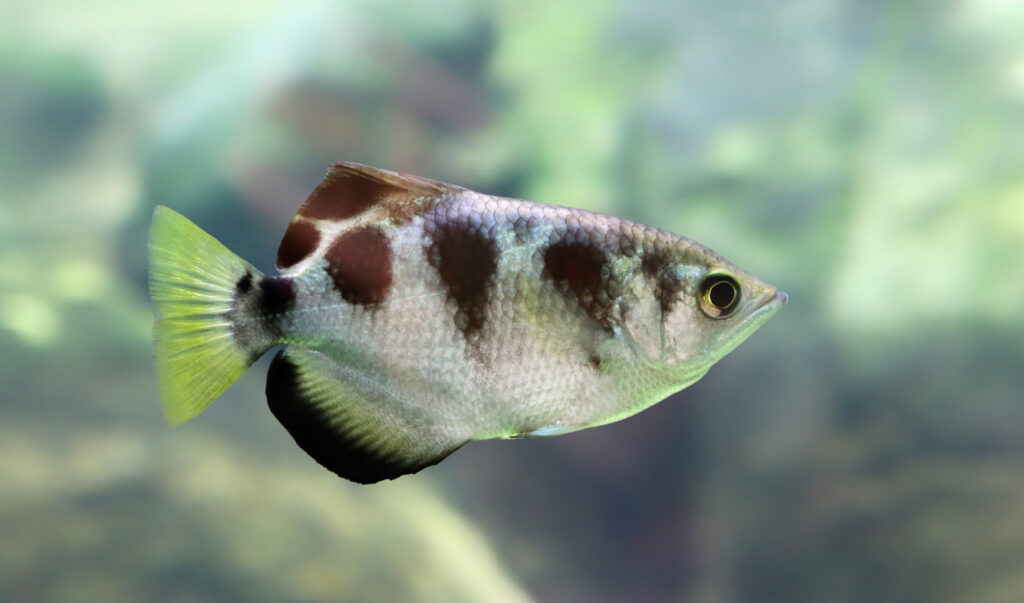
Archerfish shoot jets of water from their mouths to knock insects off branches above the water. They account for light refraction between air and water, adjust for distance and target movement, and compensate for gravity. It’s incredibly complex physics done instinctively.
Humans only properly understood the physics of refraction and projectile motion in the 1600s. These fish have been making these calculations perfectly without any formal education for millions of years. They can hit moving targets up to two metres away with remarkable accuracy using principles that would require equations for humans to figure out.
6. Octopuses had camouflage technology first.
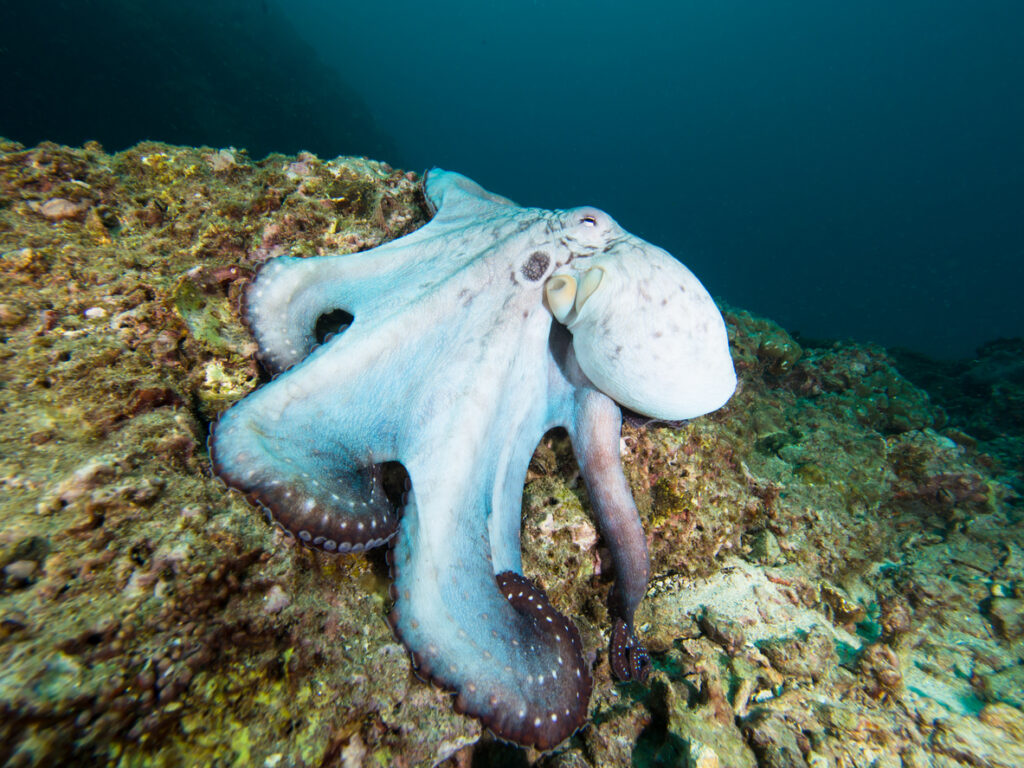
Octopuses can change their colour, pattern, and even skin texture in milliseconds to blend perfectly with their surroundings. They use specialised cells called chromatophores, iridophores, and leucophores to create any colour or pattern they need. It’s more advanced than any camouflage technology humans have developed.
Military camouflage as we know it only became widespread during World War One. Even modern adaptive camouflage systems can’t match what octopuses do naturally. They can match complex backgrounds perfectly without even seeing colour properly themselves, which scientists still don’t fully understand.
7. Birds were using magnetism for navigation ages ago.

Migratory birds navigate using Earth’s magnetic field, essentially having built-in compasses in their heads. They can sense magnetic fields through special proteins in their eyes or beaks. This allows them to travel thousands of miles and return to the exact same spot year after year.
Humans only invented the magnetic compass around the 11th century in China, and we’re still not entirely sure how birds’ magnetic sense works. They’ve been using this sophisticated navigation system for potentially hundreds of millions of years. Our GPS technology is impressive, but birds managed fine without satellites.
8. Termites built air conditioning into their homes.

Termite mounds have incredibly sophisticated ventilation systems that maintain perfect temperature and humidity inside regardless of external conditions. They design tunnels and chambers that create convection currents, pulling cool air in and pushing hot air out. Some mounds stay within one degree of the ideal temperature all year.
Humans are now copying termite mound designs to create energy-efficient buildings. Architecture firms study these structures to improve modern climate control systems. Termites worked out passive cooling and heating long before humans had any concept of architectural design or thermodynamics.
9. Spiders invented hydraulics millions of years before us.
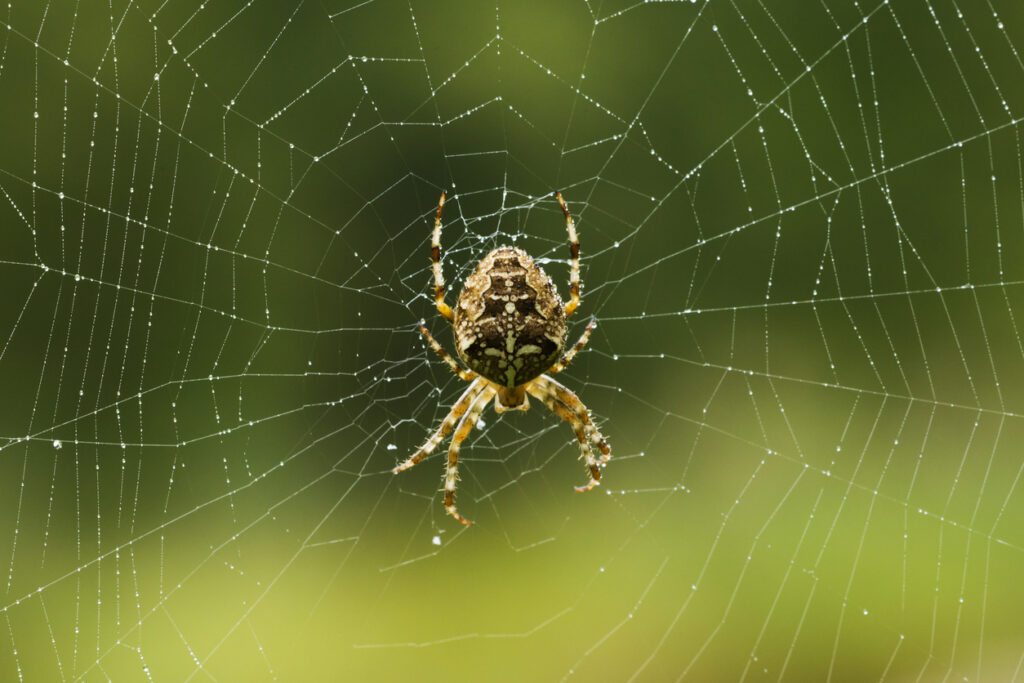
Spiders don’t have muscles in their legs like we do. Instead, they use hydraulic pressure, pumping fluid into their legs to extend them and releasing pressure to retract them. It’s the same basic principle as modern hydraulic machinery like diggers and car brakes.
Humans only developed hydraulic technology in the 1600s and didn’t use it widely until the Industrial Revolution. Spiders have been using this system for over 300 million years. It’s so efficient that engineers are now studying spider hydraulics to improve our own systems.
10. Bats invented ultrasound imaging before hospitals.

Bats use echolocation with ultrasonic frequencies to create detailed mental images of their surroundings in complete darkness. They can detect insects the size of mosquitoes while flying at high speed. It’s essentially the same technology as ultrasound machines in hospitals.
Medical ultrasound imaging wasn’t developed until the 1950s. Bats have been using ultrasound to navigate and hunt for at least 50 million years. Their biological system is so sophisticated they can tell the difference between different insect species purely from the echo patterns.
11. Crows make and use complex tools.
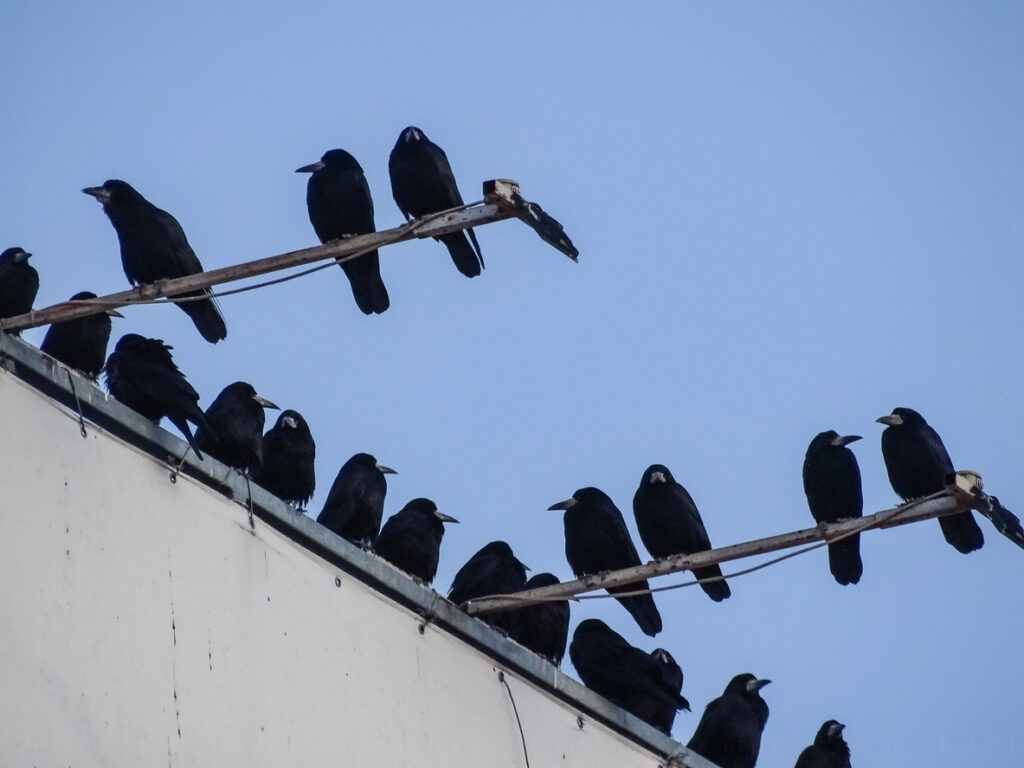
Crows fashion tools from materials they find, bending wire into hooks to retrieve food from difficult places. They understand cause and effect, plan ahead, and even modify tools when the first design doesn’t work. Some species pass tool-making knowledge down through generations culturally.
While humans have used tools for ages, the deliberate design and modification of tools is considered a marker of intelligence. Crows figured out these principles independently. They’ll even make tools in anticipation of future needs, which shows planning ability that scientists thought was uniquely human until recently.
12. Mantis shrimp have better visual technology than any camera.
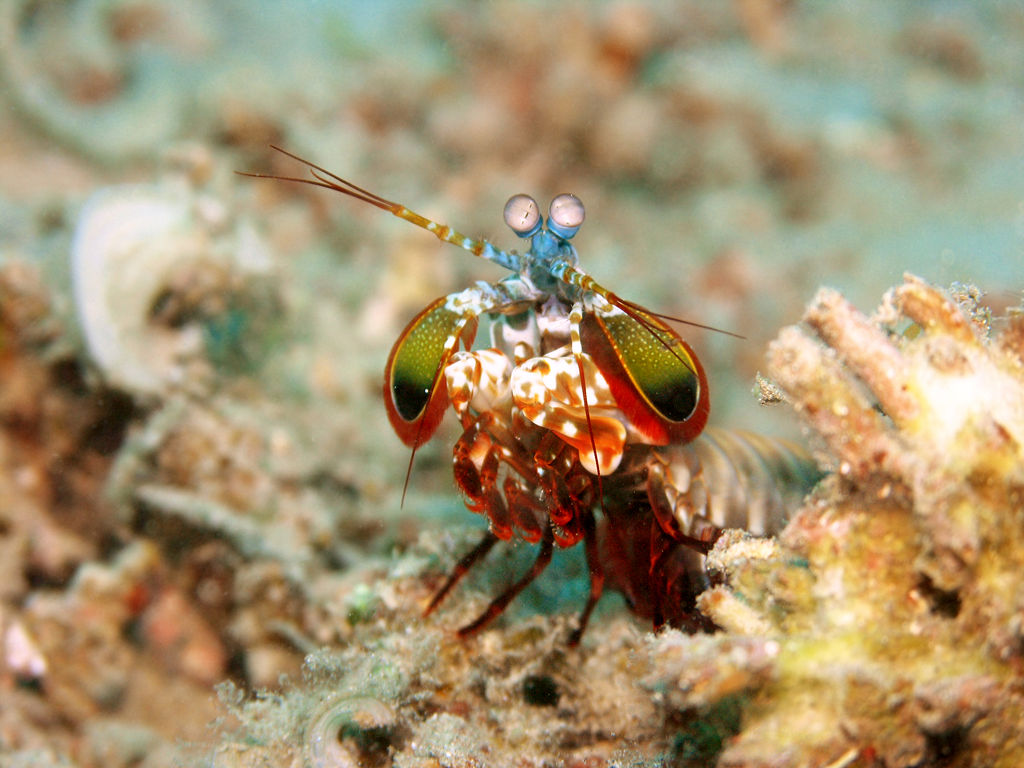
Mantis shrimp have the most complex eyes in the animal kingdom, with 16 types of colour receptors, compared to our three. They can see UV, visible, and polarised light simultaneously. Their eyes move independently and have built-in depth perception in each eye separately.
We’re still trying to develop camera technology that can match what mantis shrimp do naturally. They can detect colours and light polarisations that we need special equipment to even know exist. Scientists are studying their eyes to improve everything from cancer detection to satellite imaging.
13. Elephants use infrasound communication like submarines.
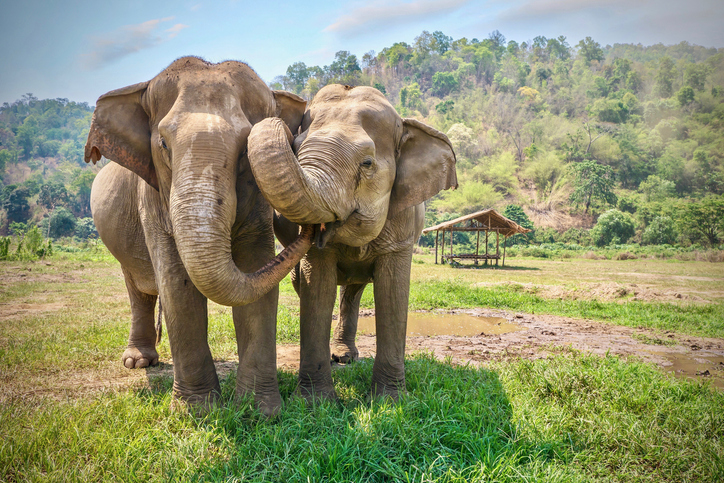
Elephants communicate using infrasound frequencies below human hearing range. These low-frequency calls can travel for kilometres through the ground and air. Other elephants detect them through their feet and trunks. It’s similar to how submarines use low-frequency sonar to communicate underwater over long distances.
Humans only discovered and started using infrasound technology in the 20th century. Elephants have been doing it forever to coordinate herds across vast distances. They can send and receive complex messages that travel further than any sound humans can make naturally.
14. Sharks had electroreception before we had metal detectors.
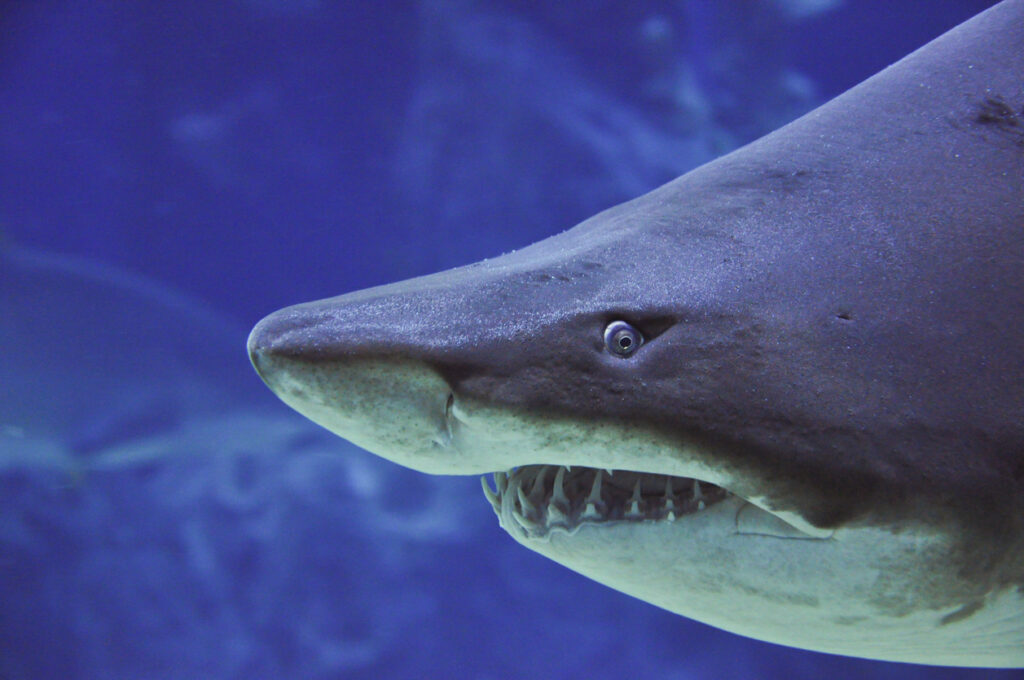
Sharks can detect electrical fields produced by living creatures using special organs called ampullae of Lorenzini. They sense the tiny electrical signals from muscle contractions and can find prey buried in sand or hiding in complete darkness. It’s more sensitive than most electronic sensors humans have built.
Metal detectors and similar electromagnetic sensing technology only emerged in the early 1900s. Sharks have had this ability for over 400 million years. They can detect electrical fields as weak as one billionth of a volt, which is incredibly sensitive. Scientists are studying this to improve medical sensors and underwater detection equipment.