Raspberries are one of the easiest fruits to grow once you understand what they need.
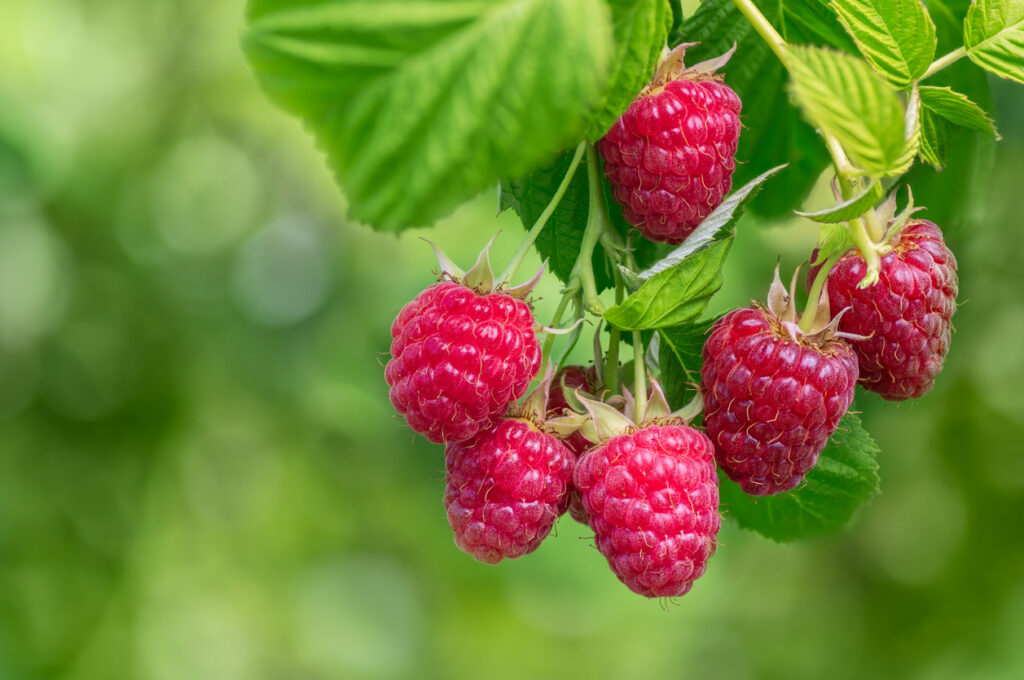
What’s even better is that you don’t need a huge garden or years of experience to get a good crop. Most people pick up a cane or two from the garden centre without much thought, plant them wherever there’s space and hope for the best. The results can be hit-or-miss, but a few simple steps make all the difference and give you a far healthier harvest.
What surprises beginners is how little fuss raspberries actually require. Give them the right spot, decent soil and a bit of structure to lean on, and they reward you with bowls of fruit in summer. Whether you’re planting your first canes or rescuing ones that aren’t thriving, the process is far more straightforward than it seems. Here’s how to get it right from the start.
Choose the right variety for your space.
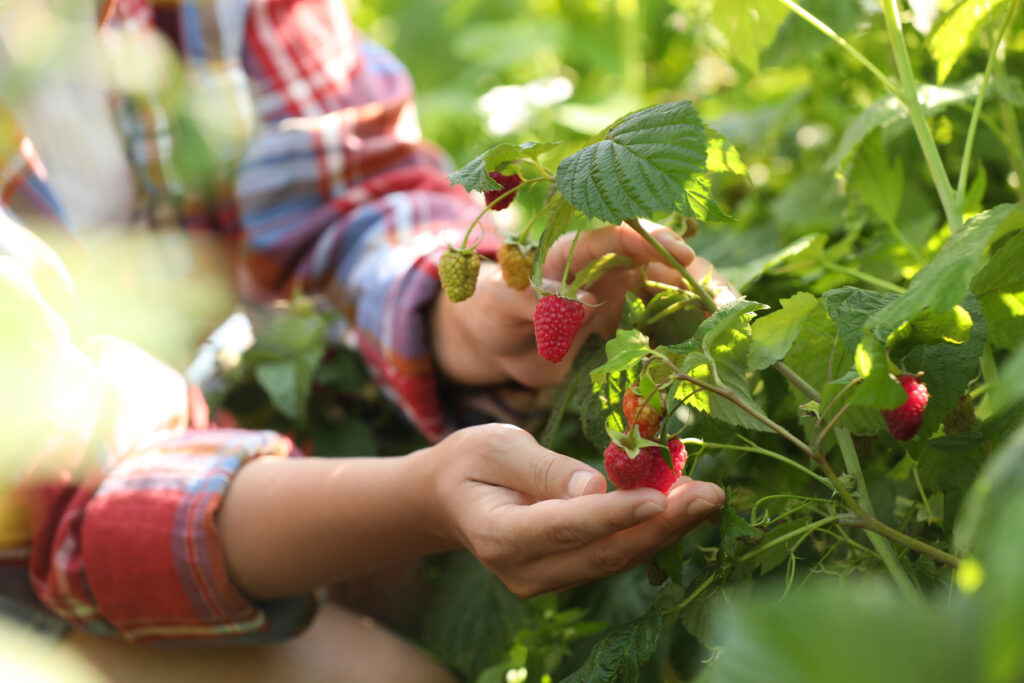
There are two main types of raspberries: summer-fruiting and autumn-fruiting. Summer varieties produce berries in early to mid-summer, while autumn types fruit later in the year and need less pruning overall. If you’re short on space, look for compact or patio-friendly varieties. Garden centres often label them clearly, so you can pick one that suits your garden layout and growing goals.
Pick a sunny, sheltered spot.
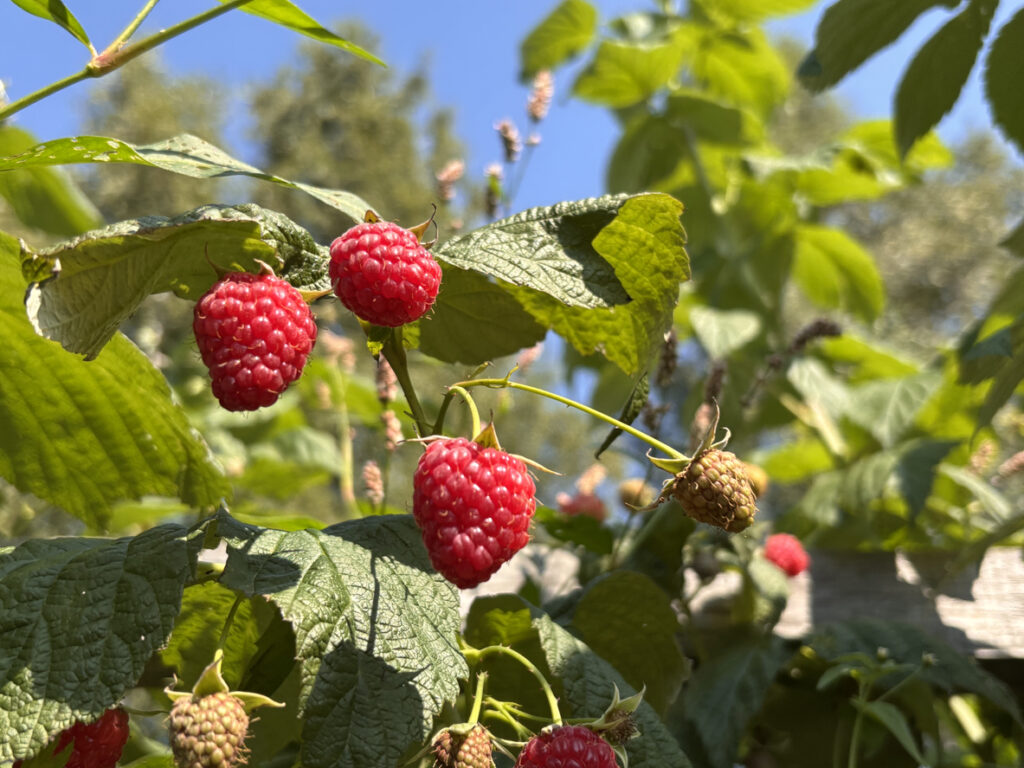
Raspberries love sunlight but don’t do well in strong winds or exposed areas. Choose a sunny location with protection from harsh weather to keep the canes upright and the fruit healthy. A sheltered corner or a spot near a fence works well. The extra warmth helps the fruit ripen evenly and prevents canes from drying out or breaking in gusty conditions.
Prepare the soil before planting.
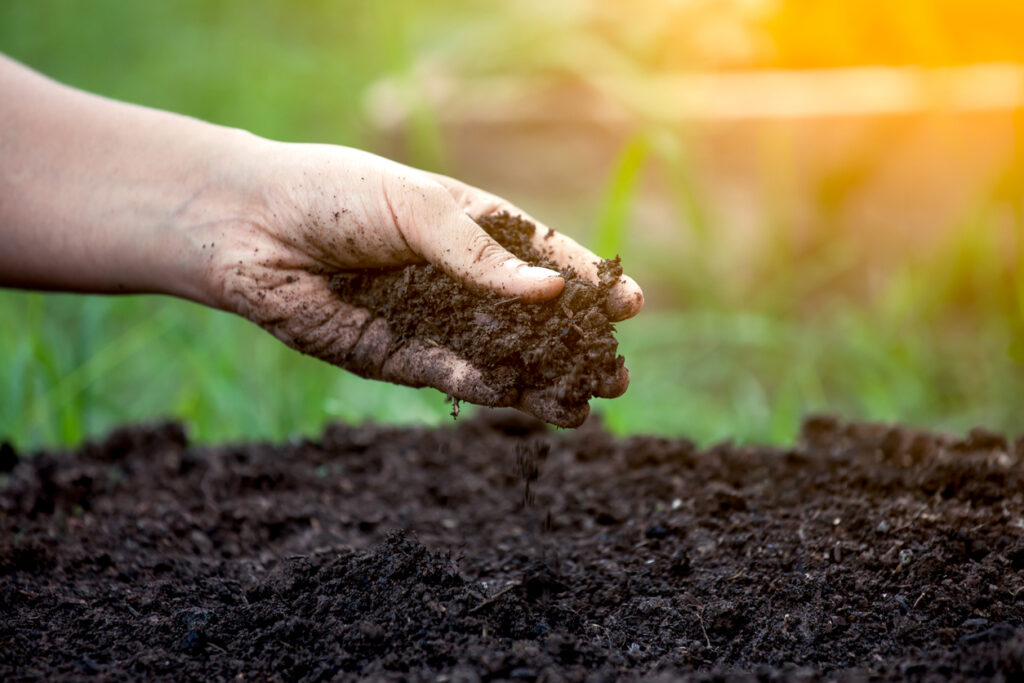
Healthy raspberries start with rich, well-drained soil. They dislike heavy clay and soggy roots, so mix in compost or well-rotted manure to improve structure and add nutrients. Loosen the soil about a spade’s depth before planting. It gives roots room to spread easily and helps the plants establish quickly once in the ground.
Space and plant correctly.
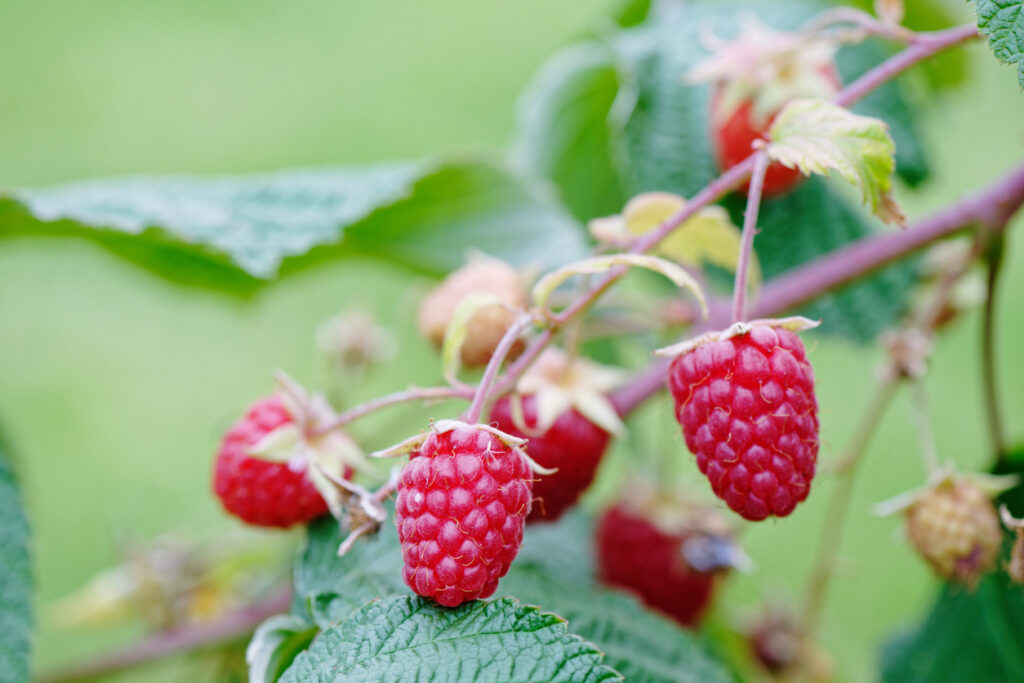
Raspberry canes need airflow to stay healthy. Leave around 45–60 centimetres between each plant, and 1.5 metres between rows if you’re planting more than one row. Plant canes at the same depth they were growing in their pots, and firm the soil around them gently. Water well to settle them in properly.
Add support as they grow.
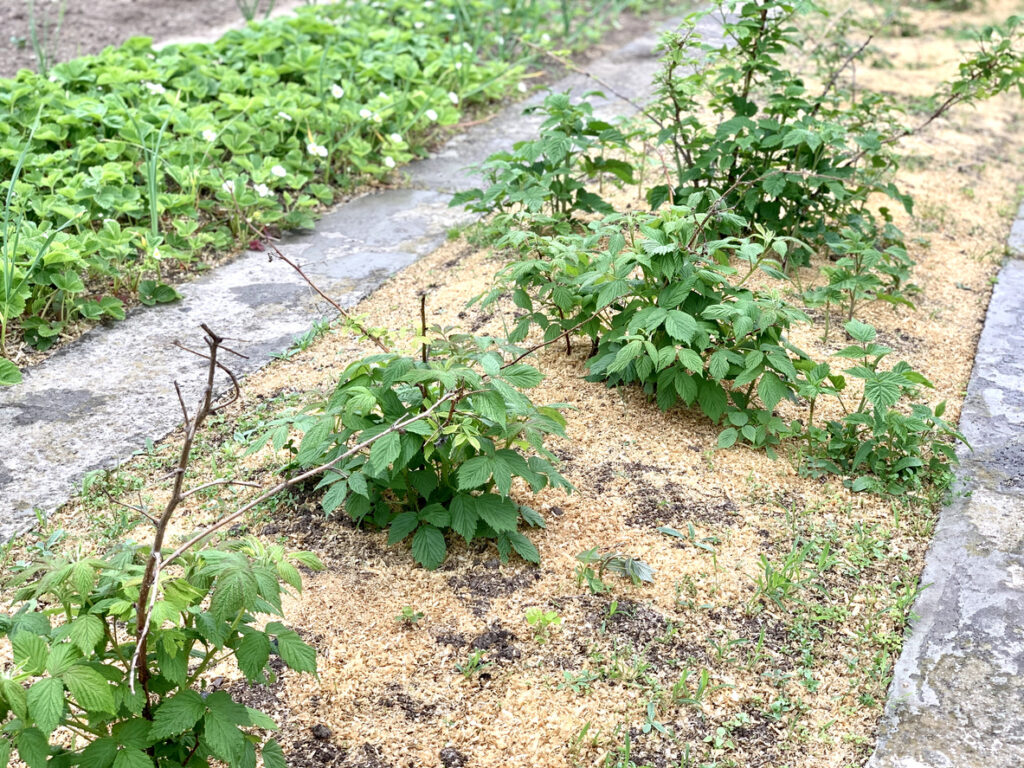
Raspberries grow tall and heavy with fruit, so they’ll need some kind of support system. Simple wires stretched between posts or a trellis help keep canes upright and prevent damage. Tie new shoots loosely to the wires as they grow. This keeps the fruit off the ground and makes harvesting much easier later in the season.
Water regularly but don’t overdo it.
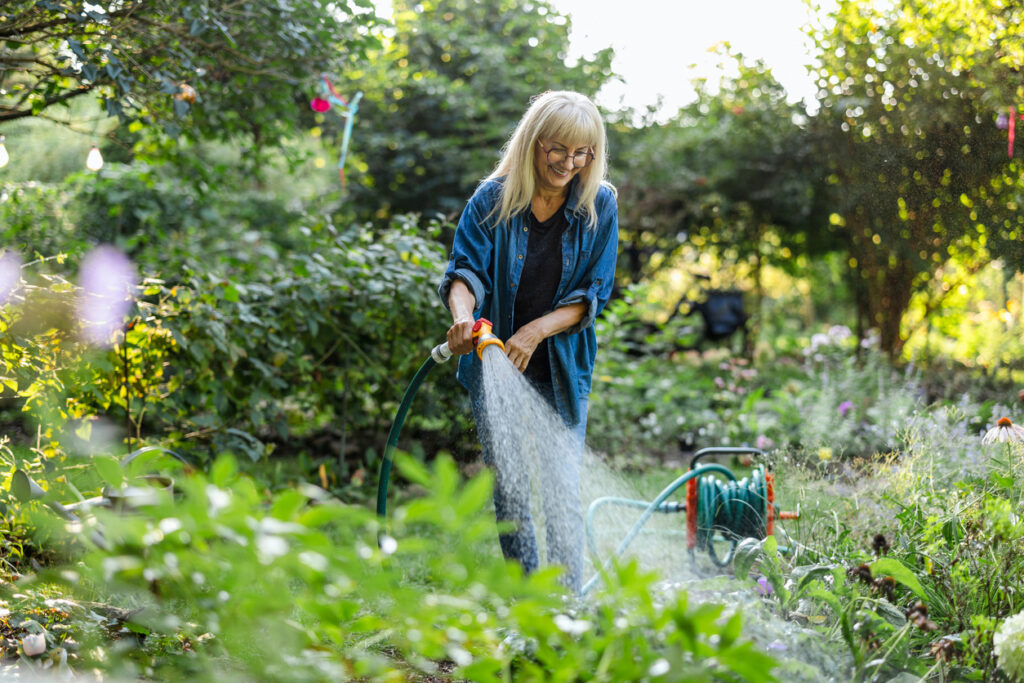
Raspberries like moist soil, especially while fruit is forming, but too much water can cause root rot. Aim for consistent moisture rather than heavy soaking. In dry spells, water deeply once or twice a week. Mulching around the base helps the soil stay damp and reduces the need for constant watering.
Feed during the growing season.
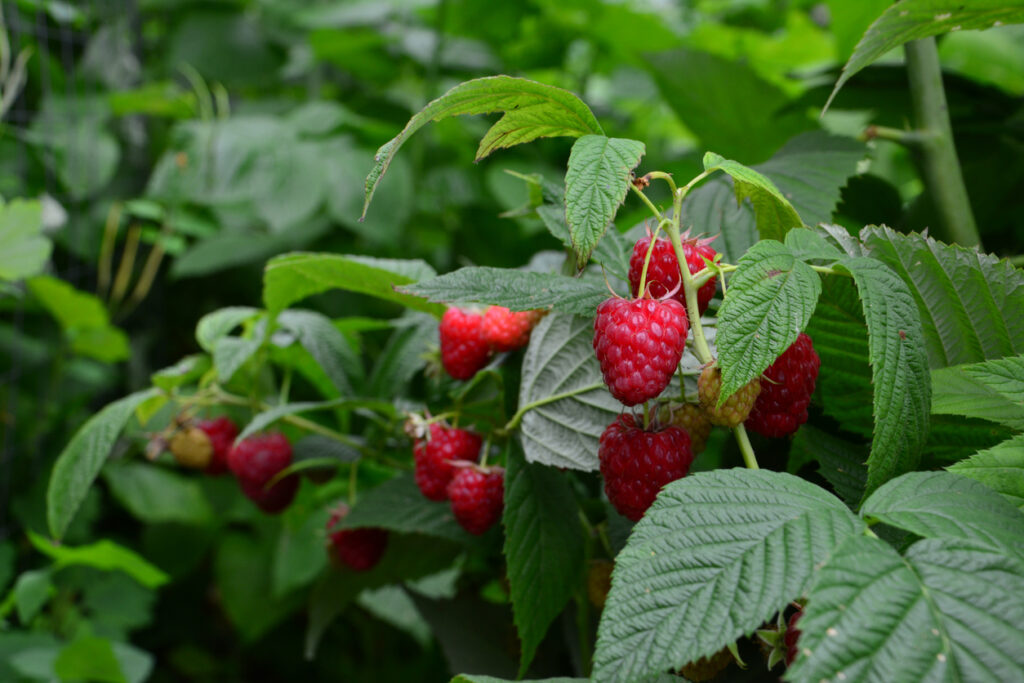
Once new shoots start appearing in spring, feed your raspberries with a general-purpose fertiliser. This gives them the nutrients they need for strong growth and good fruit production. Adding compost or well-rotted manure in early spring helps too. Healthy soil means healthier plants that produce sweeter, more abundant berries.
Keep weeds under control.

Weeds compete for nutrients and water, slowing raspberry growth. Keep the soil around your plants clear so they can focus on fruiting rather than fighting off competition. Applying a thick mulch of bark, straw, or compost helps suppress weeds naturally. It also locks in moisture, saving you time and effort later.
Prune according to the variety.
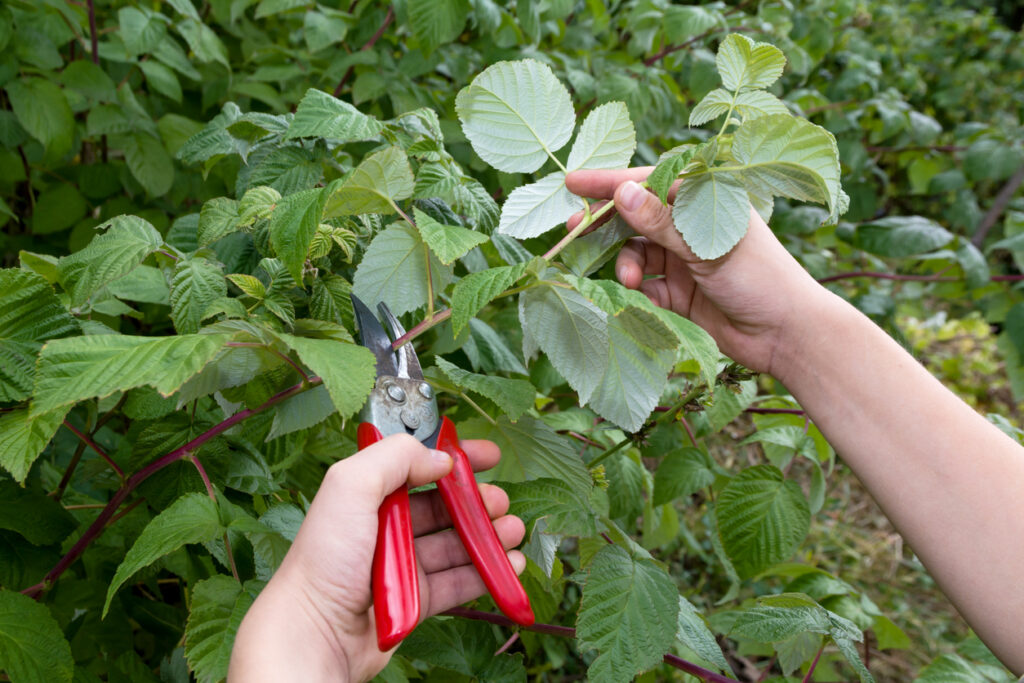
Summer-fruiting raspberries produce fruit on last year’s canes, so prune them right after harvest. Autumn-fruiting types grow on new canes, which can be cut back completely in late winter. Pruning prevents overcrowding and encourages better airflow. It also keeps next year’s fruiting canes strong and healthy, reducing the risk of disease.
Protect against pests and diseases.
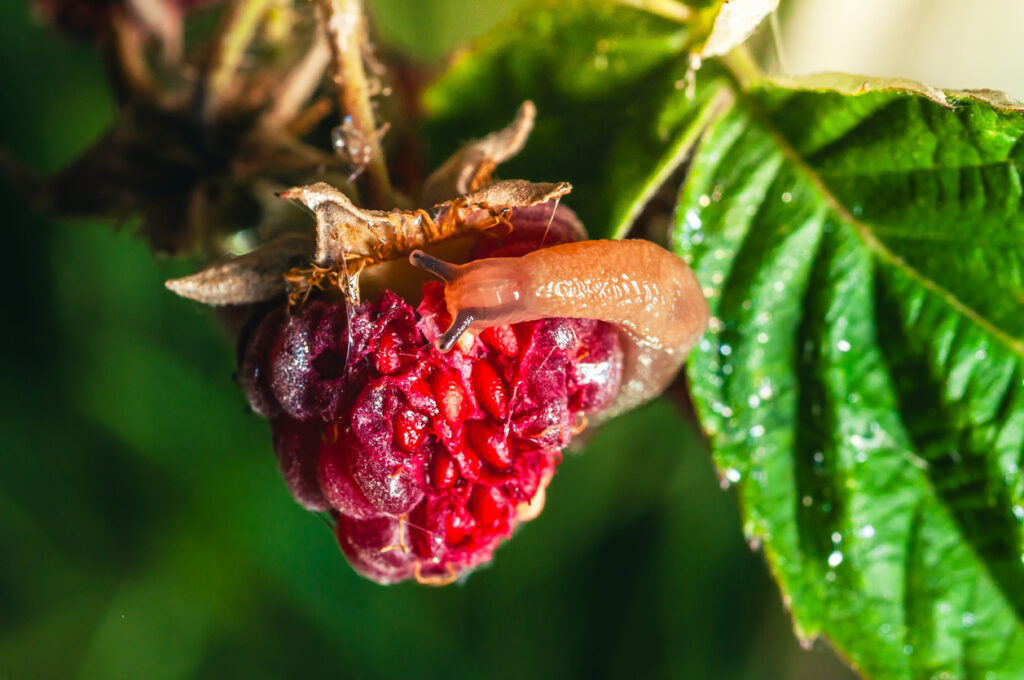
Raspberries are generally hardy but can attract pests like aphids and birds. Aphids can be rinsed off with water, while birds can be deterred with netting once the fruit starts ripening. Watch for yellowing leaves or weak canes, which could signal fungal disease. Remove affected parts quickly and avoid overhead watering to keep foliage dry.
Harvest at the right time.
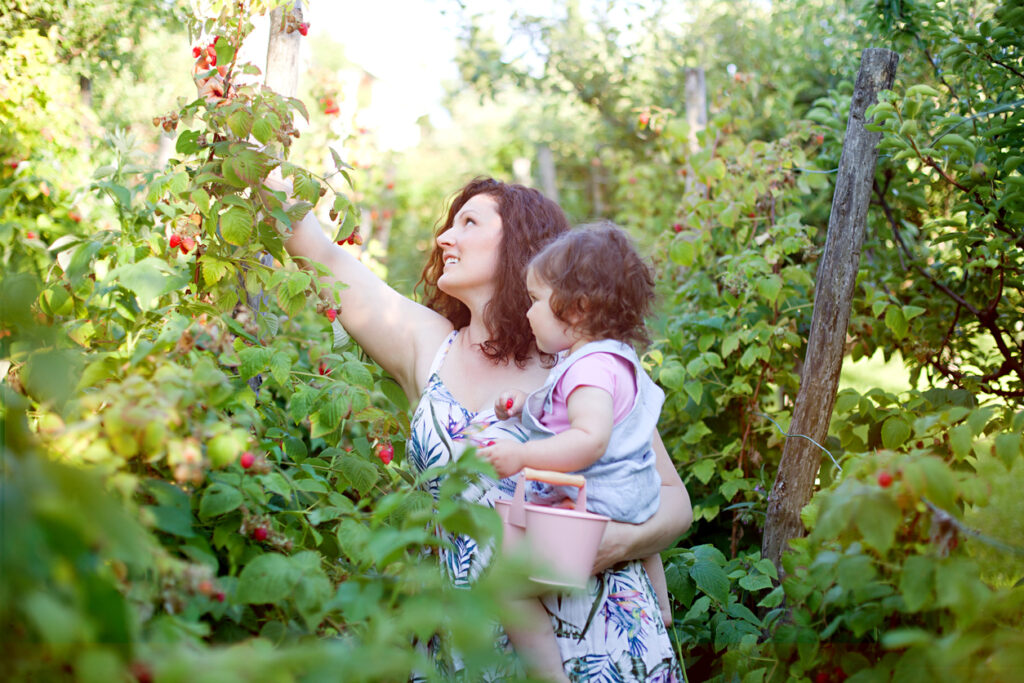
Raspberries don’t ripen all at once, so pick them every couple of days during peak season. Ripe berries come away easily when gently pulled from the stem. Harvest in dry weather if possible, as wet fruit spoils quickly. Eat them fresh or freeze immediately to keep their flavour and colour intact.
Care for plants after harvest.

Once the fruiting season ends, tidy the bed by removing old canes that have finished producing. This gives the new shoots more light and room to grow strong for next year. Spread compost or manure around the base in autumn to feed the soil. Well-fed, rested plants will reward you with an even bigger crop next summer.
Growing raspberries doesn’t need to be complicated. With sunlight, space, and regular care, your plants will settle in quickly and produce fruit year after year. Once you’ve tasted your first home-grown handful, you’ll never look back.