The UK countryside looks harmless at first glance, but a few plants can cause far more trouble than people expect.

Some can burn your skin, some can cause blistering, and others bring on reactions that land people in A&E every year. Most of them grow in places you’d walk past without a second thought, which is why knowing what they look like matters far more than you might assume.
You don’t need to be scared of the outdoors to stay safe. You just need to know which plants demand a bit of caution and what kind of contact causes problems. Once you learn the basics, they’re easy to avoid and even easier to respect. Here are the UK plants that can cause real harm if you handle them the wrong way.
Giant hogweed causes horrific burns and blisters.

Giant hogweed looks like a massive version of cow parsley and can grow up to five metres tall. The sap contains chemicals that react with sunlight to cause severe burns and blistering on your skin. Even brushing past it can transfer enough sap to cause serious damage that looks like third-degree burns.
The blisters and scars can last for years, and the affected skin becomes extremely sensitive to sunlight permanently. If you get the sap in your eyes, it can cause temporary or even permanent blindness. It’s found along riverbanks and wasteland across the UK, and you should never touch it or let children near it.
Hemlock can kill you in hours if you eat it.
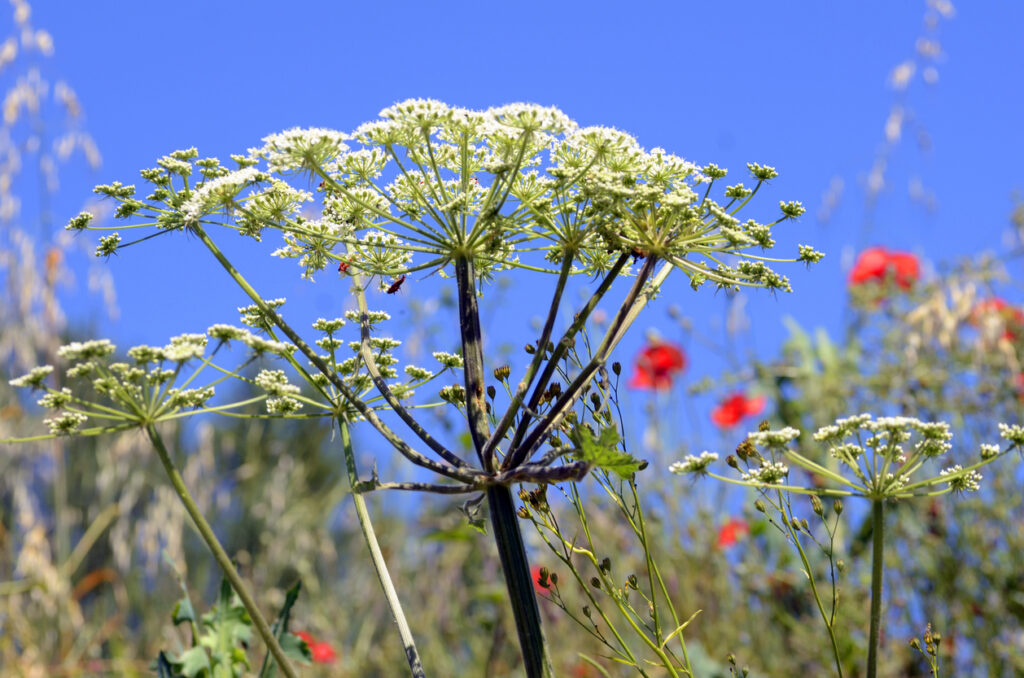
Hemlock looks innocent enough, resembling parsley or wild carrots, but it’s one of Britain’s deadliest plants. Every part of it is poisonous, and eating even a small amount causes respiratory failure and death. This is what killed Socrates in ancient Greece, and it’s still just as lethal today.
It grows commonly along footpaths, riverbanks, and in damp meadows throughout the UK. People have died after mistaking it for edible plants during foraging. If you’ve eaten any and start feeling sick, you need to get to A&E immediately because there’s only a short window for treatment.
Foxgloves are beautiful but incredibly toxic.

Foxgloves are those tall purple flowers you see everywhere in British gardens and countryside. They’re gorgeous to look at, but every single part of the plant contains powerful toxins that affect your heart. Even handling them can cause skin irritation, and eating any part causes serious cardiac problems.
Children are particularly at risk because the flowers look appealing, and the leaves can be mistaken for comfrey or borage. Symptoms include vomiting, diarrhoea, confusion, and dangerous heart rhythm problems. Foxglove poisoning is a proper medical emergency that needs urgent hospital treatment.
Monkshood is one of Britain’s most poisonous plants.
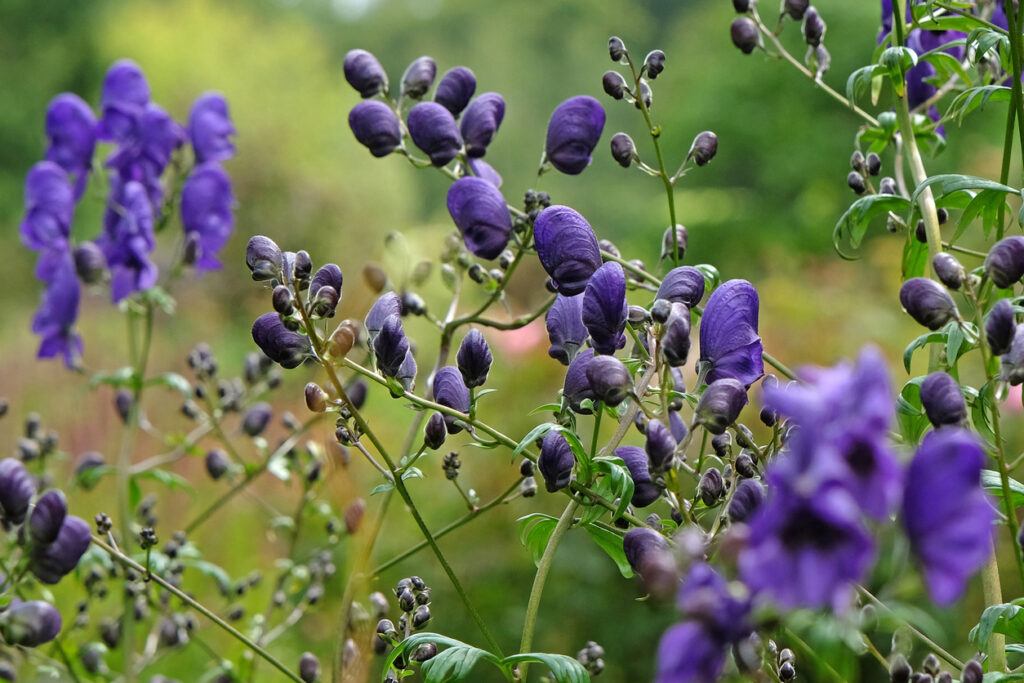
Monkshood has distinctive blue hood-shaped flowers and grows in many British gardens. It’s absolutely packed with toxins that can be absorbed through your skin just from touching it. The poison affects your heart and nervous system almost immediately after contact.
Gardeners have ended up in A&E just from handling it without gloves. Eating any part of it can be fatal within hours. Even water that cut monkshood has been sitting in becomes toxic. If you’ve got it in your garden and have kids or pets, you should seriously consider getting rid of it.
Deadly nightshade lives up to its name.
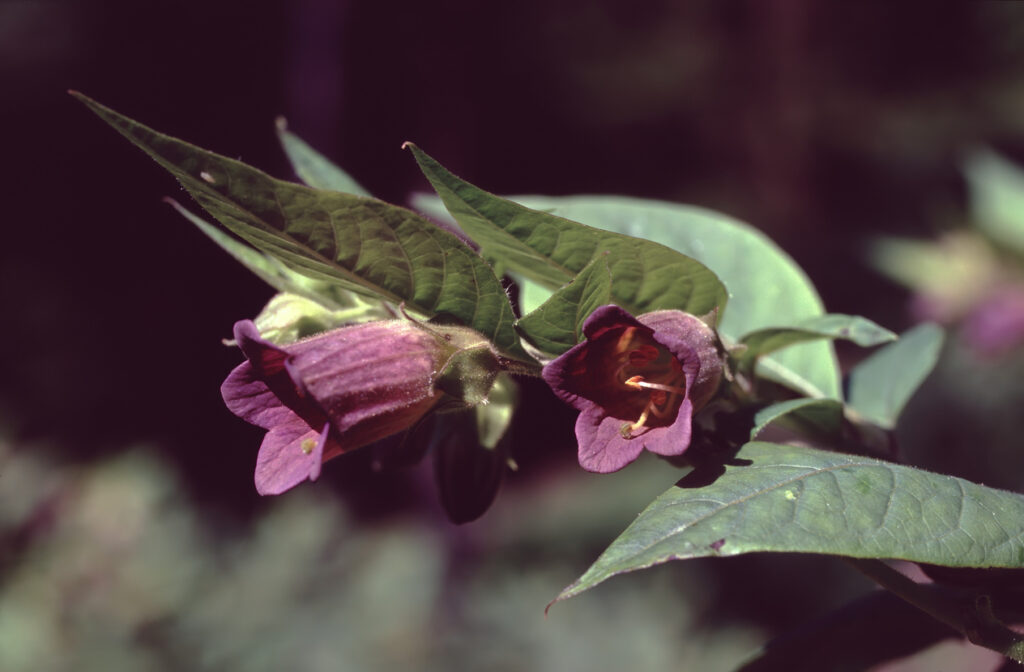
Deadly nightshade produces shiny black berries that look tempting, especially to children. The entire plant is toxic, but the berries are particularly dangerous. Just two or three berries can kill a child, and adults aren’t much better off.
It causes hallucinations, seizures, and cardiac arrest. The plant grows in woods, hedgerows, and sometimes in gardens across Britain. Historical records show it’s been killing people for centuries. If someone’s eaten the berries, they need emergency medical treatment immediately, not in an hour or two.
Laburnum trees drop poisonous seedpods everywhere.
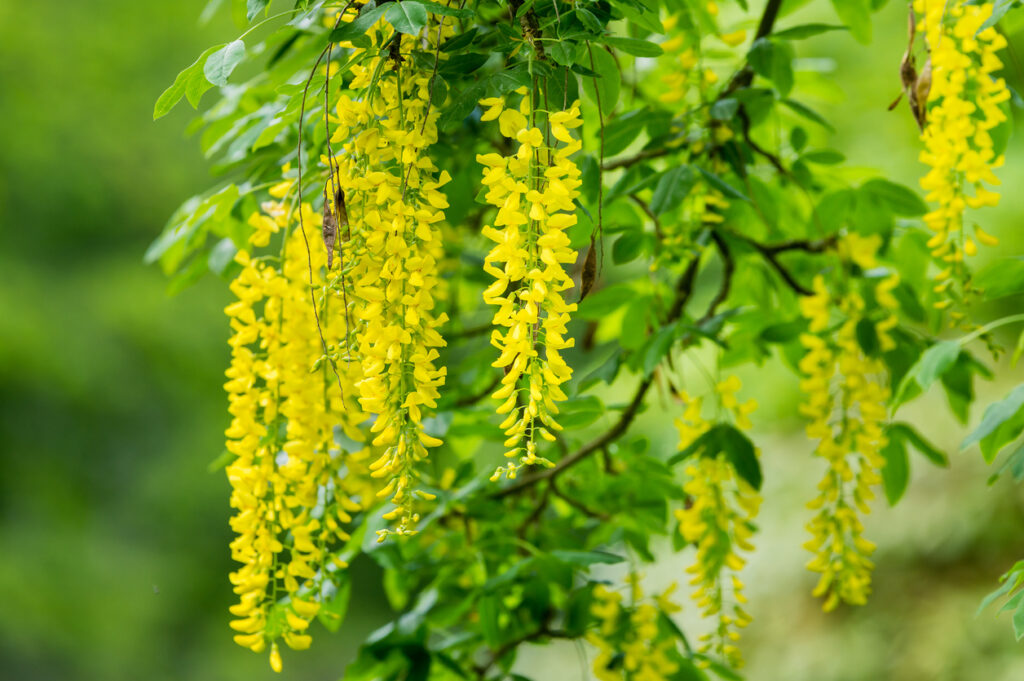
Laburnum trees are common in British gardens, with their beautiful hanging yellow flowers. After flowering, they produce seedpods that look a bit like pea pods. Children have been seriously poisoned after eating these seeds, which contain cytisine, a toxic alkaloid.
All parts of the tree are poisonous, but the seeds are especially dangerous. Symptoms include severe vomiting, convulsions, and potentially fatal breathing problems. Several children die or end up critically ill every few years from eating laburnum seeds. Many people don’t realise their pretty garden tree is actually a hazard.
Yew trees are common but completely deadly.
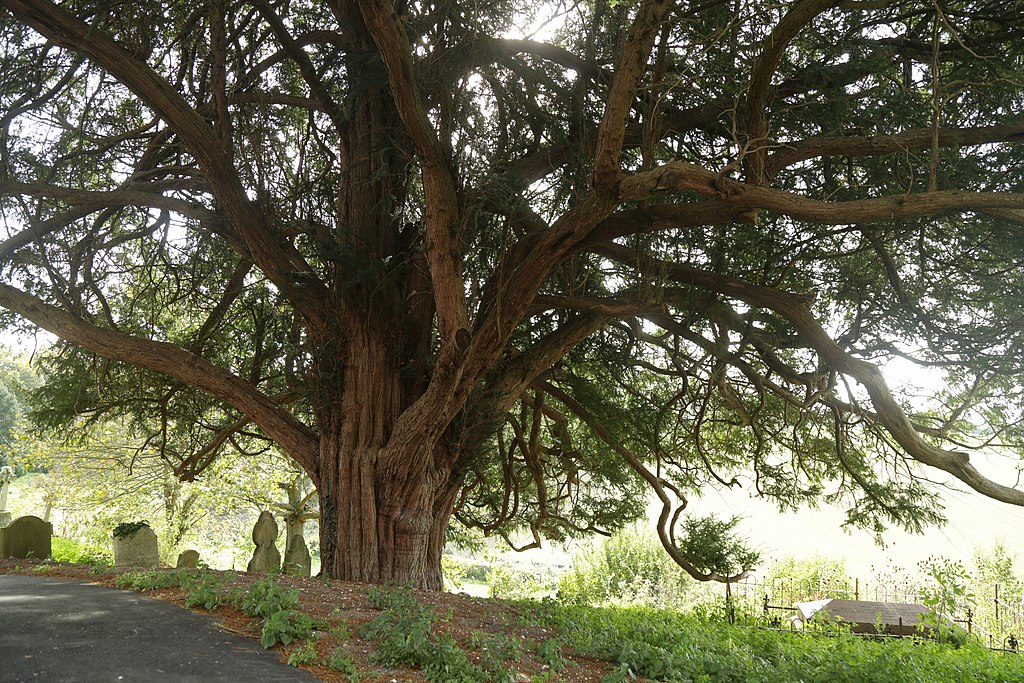
Yew trees are everywhere in the UK, particularly in churchyards and old estates. Every part of the tree except the fleshy red bit around the seed is fatally toxic. The seeds themselves are poisonous, and just eating a handful of leaves can kill an adult.
The toxins cause heart failure that can happen within hours of ingestion. There’s usually no effective treatment once someone’s eaten enough to cause symptoms. Children have died after making “tea” from yew leaves or eating the berries. Despite being so common and dangerous, many people have no idea how toxic they are.
Rhubarb leaves contain dangerous levels of oxalic acid.
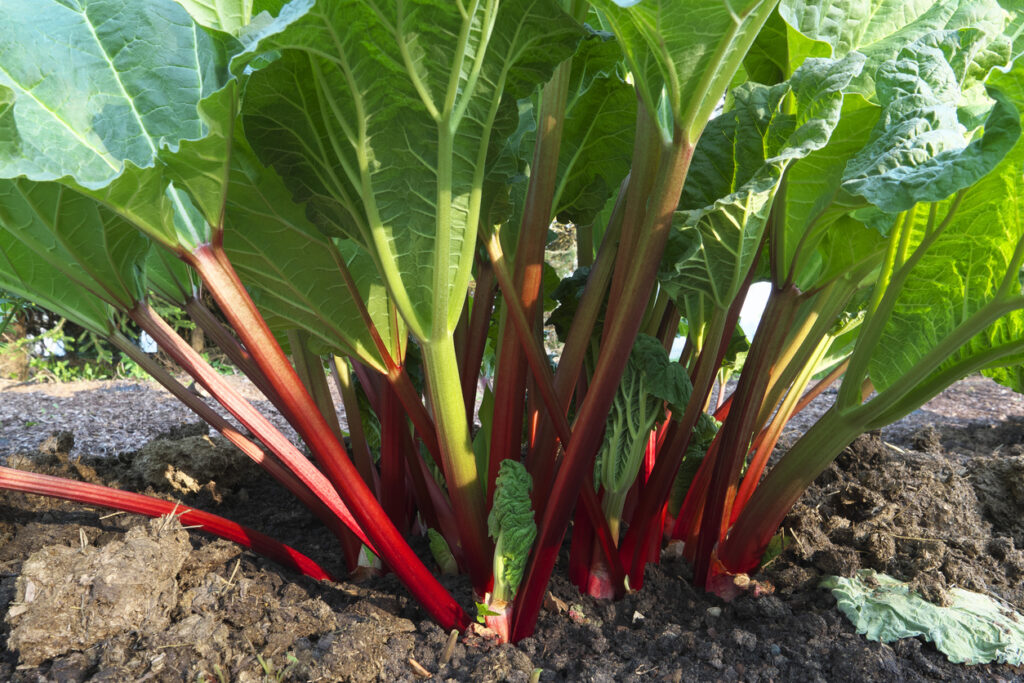
Everyone knows rhubarb stalks are fine to eat, but the leaves are seriously poisonous. They contain high concentrations of oxalic acid and other toxins that cause breathing difficulties, seizures, and kidney failure. People have died from eating them, usually during wartime food shortages when people tried to use every part.
The symptoms come on quickly with burning in the mouth and throat, then vomiting and difficulty breathing. Large amounts can be fatal. Even though most people know not to eat them, accidents still happen, especially when people are making rhubarb crumble and kids are helping in the kitchen.
Lords-and-ladies causes severe mouth burns.
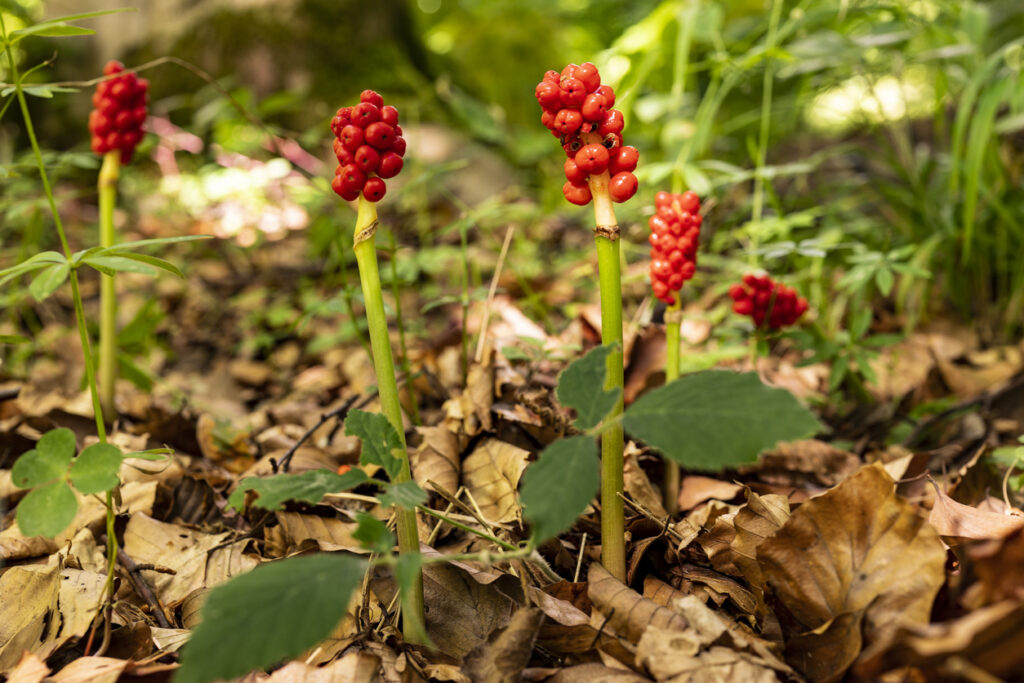
Lords-and-ladies is that common woodland plant with arrow-shaped leaves and bright red berries in autumn. The berries look edible and attractive, but they’re full of sharp calcium oxalate crystals. Eating them causes immediate intense burning and swelling in your mouth and throat.
Children are most at risk because the berries look like sweets. The crystals act like tiny glass shards, causing painful damage to soft tissues. Severe cases can cause throat swelling that affects breathing. Every year, A&E departments see cases of children who’ve eaten these berries whilst playing in woods or parks.
Rhododendrons are toxic enough to poison honey.
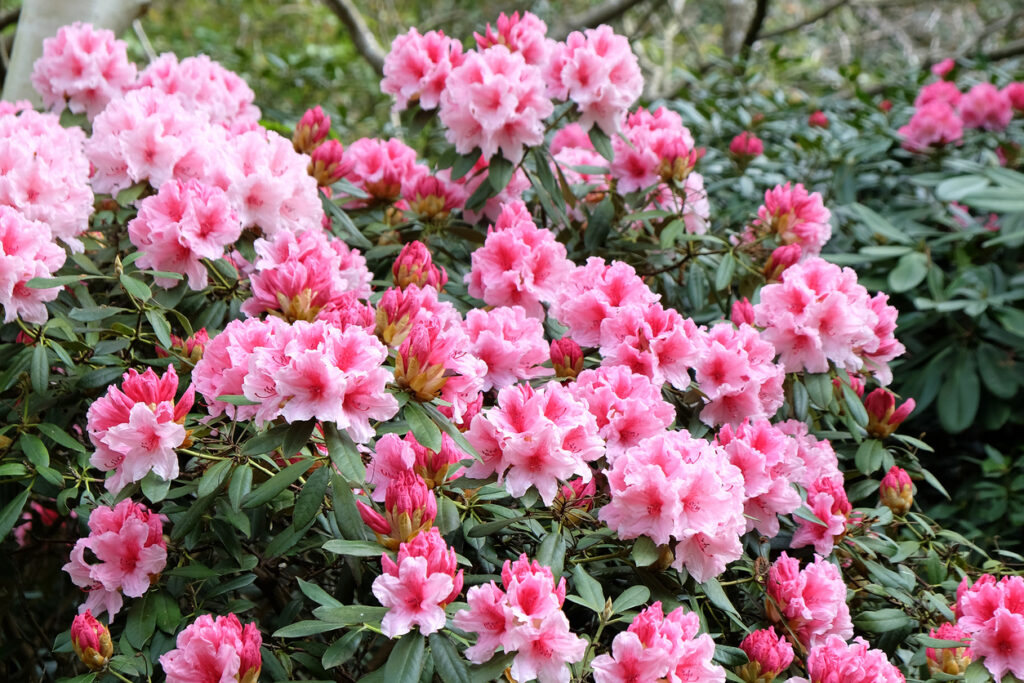
Rhododendrons are everywhere in British gardens and woodlands, with their huge colourful flowers. All parts of the plant contain grayanotoxins that cause vomiting, dizziness, low blood pressure, and potentially fatal heart problems. Even honey made from rhododendron flowers is poisonous.
Cases of rhododendron poisoning happen regularly in the UK, usually from children eating the flowers or leaves. Livestock have died from eating the plants too. The toxins are serious enough that you need medical attention if you’ve ingested any part of the plant, even if you’re not showing symptoms yet.
Daffodil bulbs get mistaken for onions, with dangerous results.
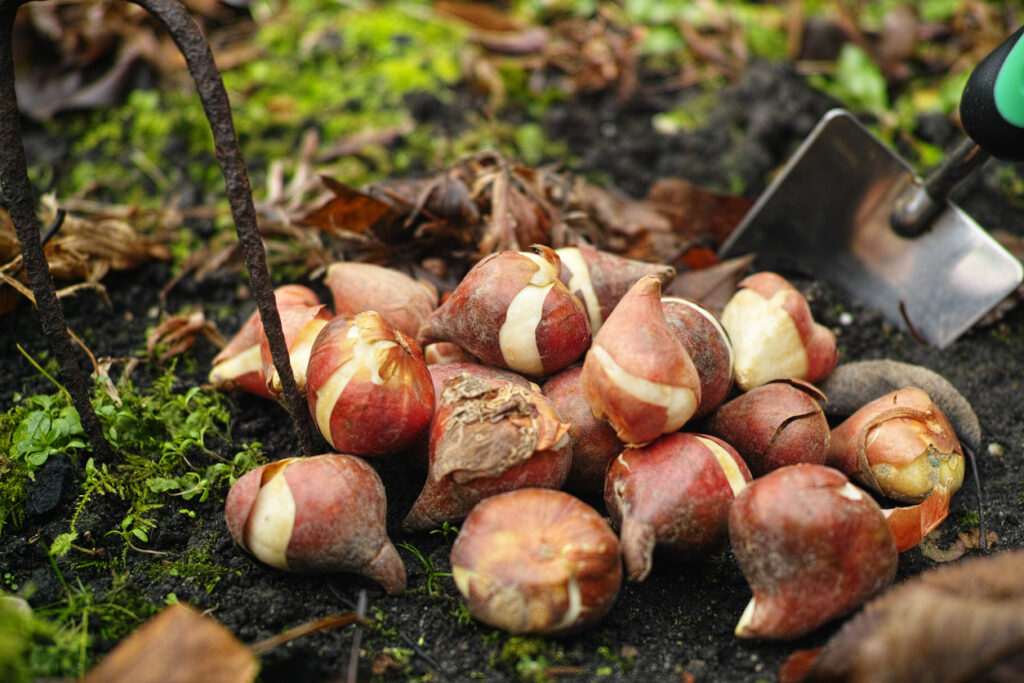
Daffodil bulbs look surprisingly similar to onions and every year someone ends up poisoned after cooking them by mistake. The bulbs contain toxic alkaloids that cause severe vomiting, diarrhoea, abdominal pain, and sometimes cardiac problems. It’s more common than you’d think.
The poisoning can be serious enough to require hospitalisation. If you store daffodil bulbs anywhere near your kitchen or vegetable storage, you’re creating a dangerous situation. Multiple people have needed emergency treatment after this mix-up, including cases where entire families were affected after one person’s mistake.
Lily of the valley affects your heart like a dangerous drug.
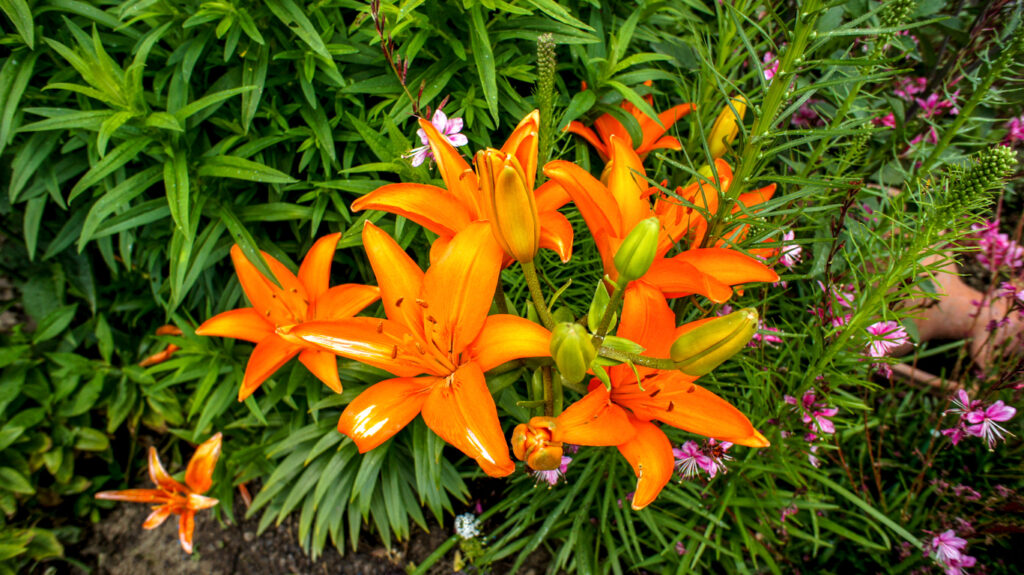
Lily of the valley has sweet-smelling white flowers and looks completely harmless in gardens. It contains cardiac glycosides similar to the heart medication digitalis, and eating any part causes serious heart problems. Even the water from a vase holding these flowers is toxic.
Symptoms include vomiting, dizziness, confusion, and dangerous changes in heart rhythm. Children and pets are particularly vulnerable. Despite being a common garden plant, it sends people to A&E regularly. If you’ve got young children, it’s genuinely not worth having this plant anywhere accessible.
Castor oil plants produce ricin, one of the deadliest poisons.
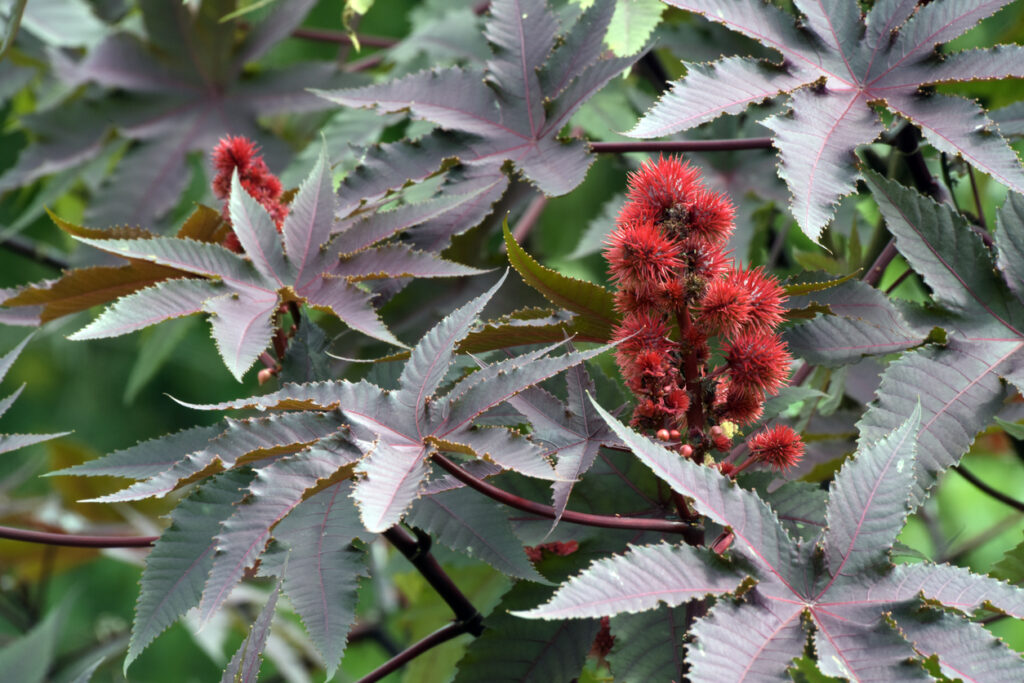
Castor oil plants are sometimes grown in UK gardens for their dramatic tropical-looking leaves. The seeds contain ricin, which is one of the most toxic substances known. Just one or two seeds can kill a child, and there’s no antidote.
Ricin causes severe vomiting, internal bleeding, and organ failure. It’s been used as a murder weapon and in terrorism plots because it’s so deadly. If you’ve got this plant and didn’t realise the danger, get rid of it immediately. It’s not something you want anywhere near children or pets.
Poison ivy isn’t native, but it’s spreading across Britain.
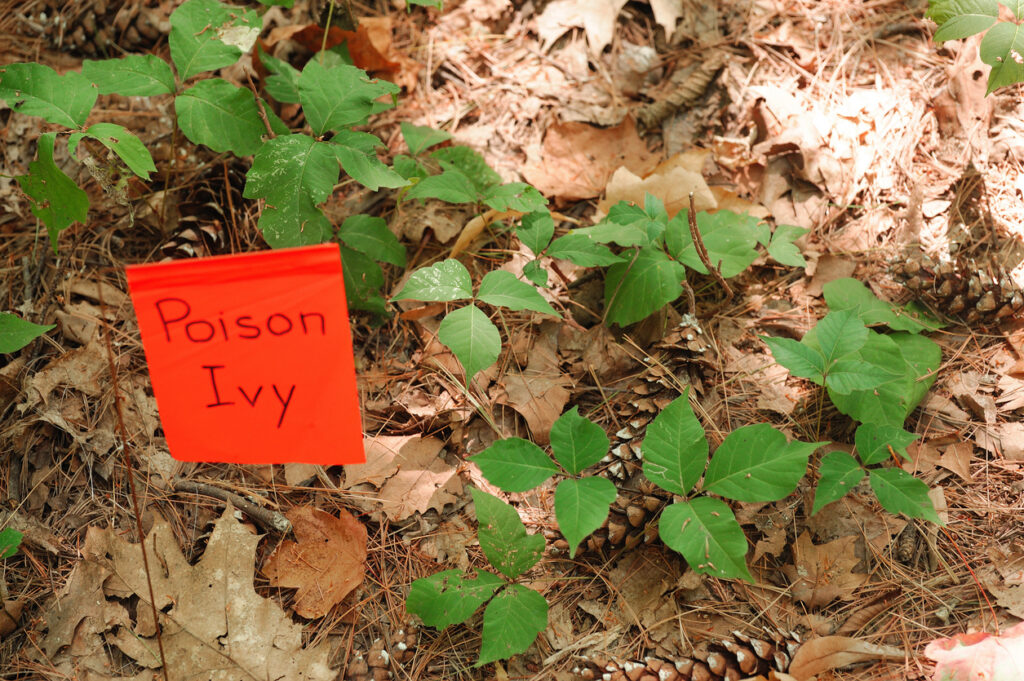
Poison ivy isn’t traditionally a UK plant, but climate change means it’s starting to establish itself here. Contact with the plant causes severe allergic reactions in most people, with painful blistering rashes that can last weeks. The oil from the plant sticks to skin, clothing, and pets.
The reaction gets worse with repeated exposure, so someone who wasn’t bothered the first time might have a severe reaction later. If you see it, don’t touch it and report it to local authorities because they’re trying to control its spread. Cases of poison ivy reactions are increasing as the plant becomes more common in southern England.