Most lawns look calm on the surface, but just below the grass is a whole world of creatures keeping the soil alive.
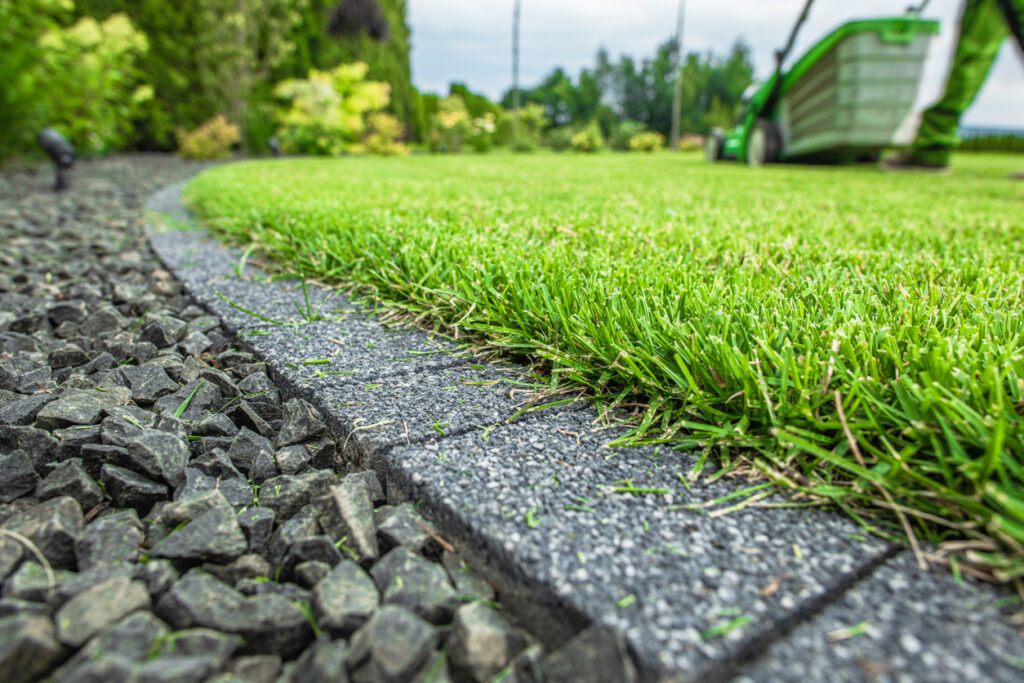
Most lawns look calm on the surface, but just below the grass is a whole world of creatures keeping the soil alive. You don’t see them when you’re out mowing or watering, yet they’re constantly working away, breaking things down, improving the soil and helping your plants grow without asking for any attention. A healthy lawn depends on far more than sunshine and rain. It relies on the tiny residents living out of sight.
Once you understand who’s living down there, the ground beneath your feet becomes a lot more interesting. These creatures keep the soil loose, recycle nutrients and support everything from worms to birds. Even the smallest patches of grass usually host a surprising mix of life. Here are the animals silently supporting every thriving British lawn.
1. Earthworms

Earthworms are the quiet heroes of every healthy lawn. They tunnel through the soil, letting air and water move freely around grass roots while recycling old organic matter into rich, nutrient-filled fertiliser. Every worm plays its part in keeping the soil soft, balanced, and alive. Their constant movement keeps your grass greener, healthier, and far less likely to suffer from compaction or poor drainage.
2. Springtails

Springtails are tiny, hopping insects that live deep in the soil and feed on fungi, algae, and rotting leaves. They’re so small you’ll rarely spot them, but they’re vital for recycling decayed material. By breaking down organic matter, they help build a rich layer of soil life. Their presence means your lawn’s ecosystem is thriving below the surface, not struggling to survive.
3. Woodlice

Woodlice crawl through the damp layers of grass roots and compost, breaking down dead plant material into something the soil can use again. They love moisture and are most active under stones or dense turf edges. These small crustaceans turn waste into plant food, helping to build strong, healthy lawns. A few woodlice in your garden are always a good sign of balance and life underground.
4. Centipedes
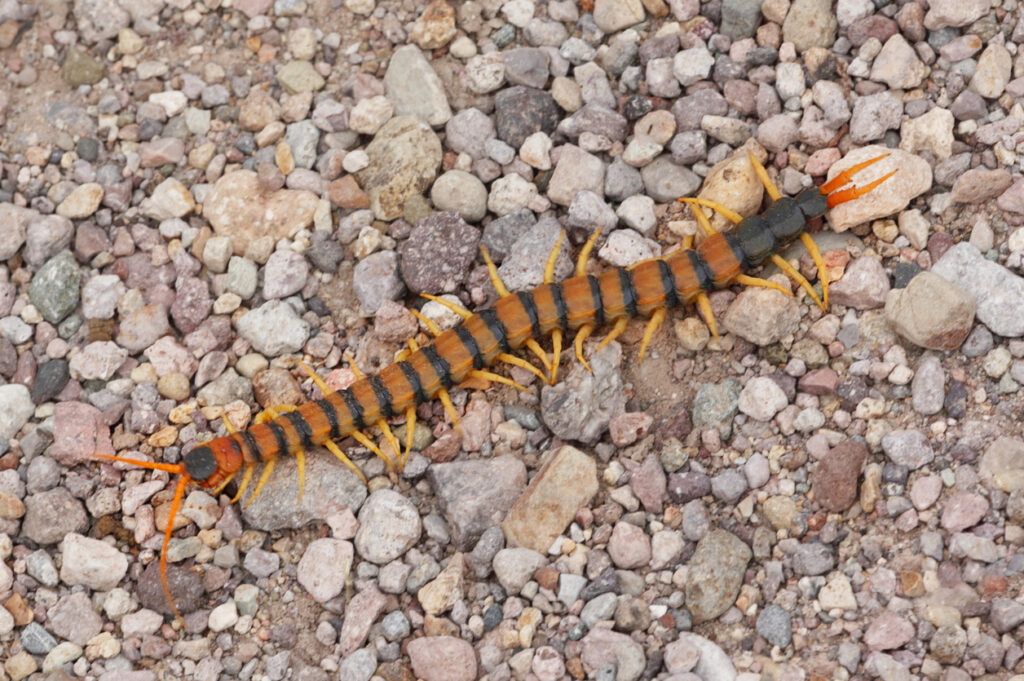
Centipedes might look fierce, but they’re actually excellent pest controllers. They live in the top layers of soil, hunting tiny insects and larvae that would otherwise harm young grass roots or seedlings. They’re fast, secretive, and completely harmless to your lawn. Their presence means your underground ecosystem is working exactly as it should, keeping pests in check without chemicals.
5. Ground beetles

Ground beetles spend their days hidden in the soil and their nights hunting. They feed on slugs, grubs, and other small pests that damage lawns, helping nature stay in balance without your help. A healthy lawn usually has hundreds of these beetles quietly patrolling it. Their activity shows your garden has space for natural pest control, which keeps grass stronger and greener in the long run.
6. Leatherjackets

Leatherjackets are the larvae of crane flies, and while they sometimes eat grass roots, small numbers are perfectly normal in a balanced lawn. Their soft, brown bodies help turn soil as they move through it. It’s only when their numbers explode that you’ll see patches of damage. Healthy lawns with diverse soil life usually keep them under control naturally, without the need for treatment.
7. Soil mites

Soil mites are microscopic arachnids that live among the soil’s organic matter. You’ll never see them with the naked eye, but they’re constantly cleaning up fungi, dead roots, and decaying leaves. They keep soil ecosystems stable by breaking down complex material into nutrients that grass can actually use. Where there are soil mites, there’s always healthy, active earth beneath your feet.
8. Slugs
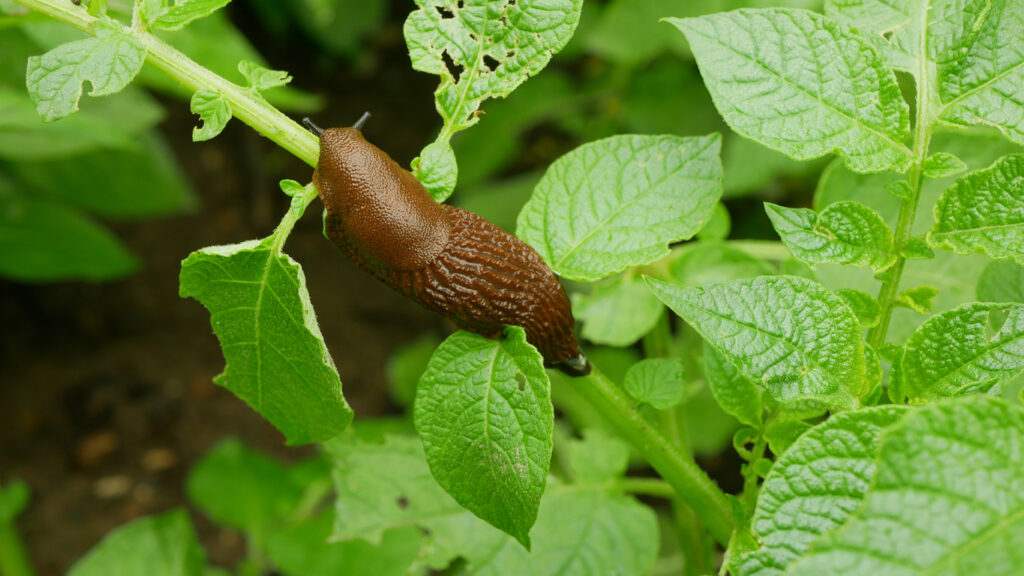
While they’re not always welcome, slugs do have a place under the lawn. They feed on decaying plant matter, helping clear dead material that might otherwise clog the soil surface. In small numbers, they’re harmless and even helpful. It’s only when the balance tips that they start damaging fresh growth, so a few in the mix are nothing to worry about.
9. Frogs and toads
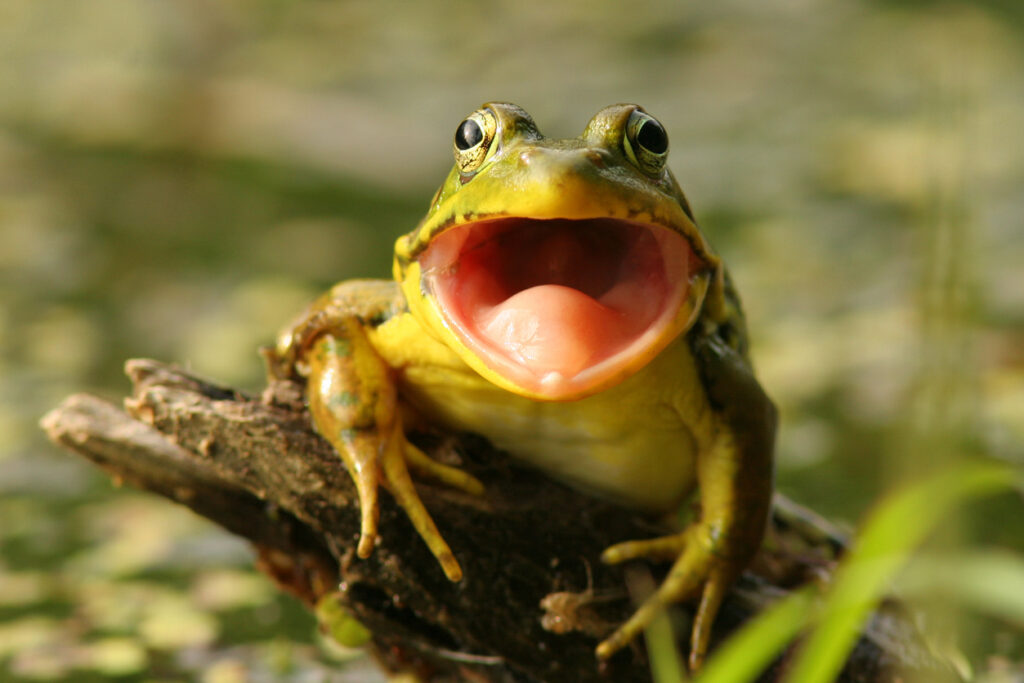
Amphibians like frogs and toads often hide in the damp edges of lawns or under thick patches of grass. At night, they emerge to hunt insects, slugs, and other garden pests. Their presence means your garden’s ecosystem is healthy and welcoming. A lawn that supports frogs and toads is one that holds moisture, life, and natural pest balance beautifully.
10. Ants

Ants create small networks of tunnels beneath the turf, which actually help to aerate the soil and allow better drainage. Their nests move nutrients through different layers, improving grass root development. Although small ant hills can be annoying, the insects themselves are a positive sign. Their movement shows the soil is loose, alive, and functioning properly rather than compacted or stagnant.
11. Millipedes
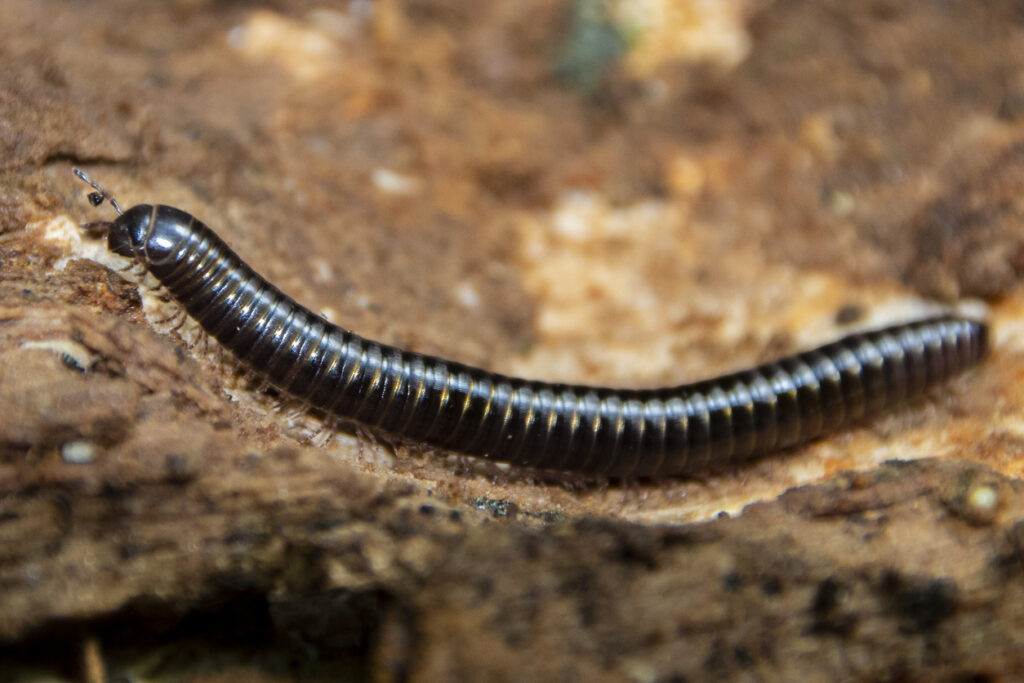
Millipedes feed on decomposing leaves and roots in the soil. As they move, they chew through decayed plant matter and mix it into the soil, enriching it for grass and other plants above. They’re part of nature’s recycling crew, turning dead material into fresh nutrients. Without millipedes and similar decomposers, the soil beneath lawns would quickly lose its vitality.
12. Earwigs
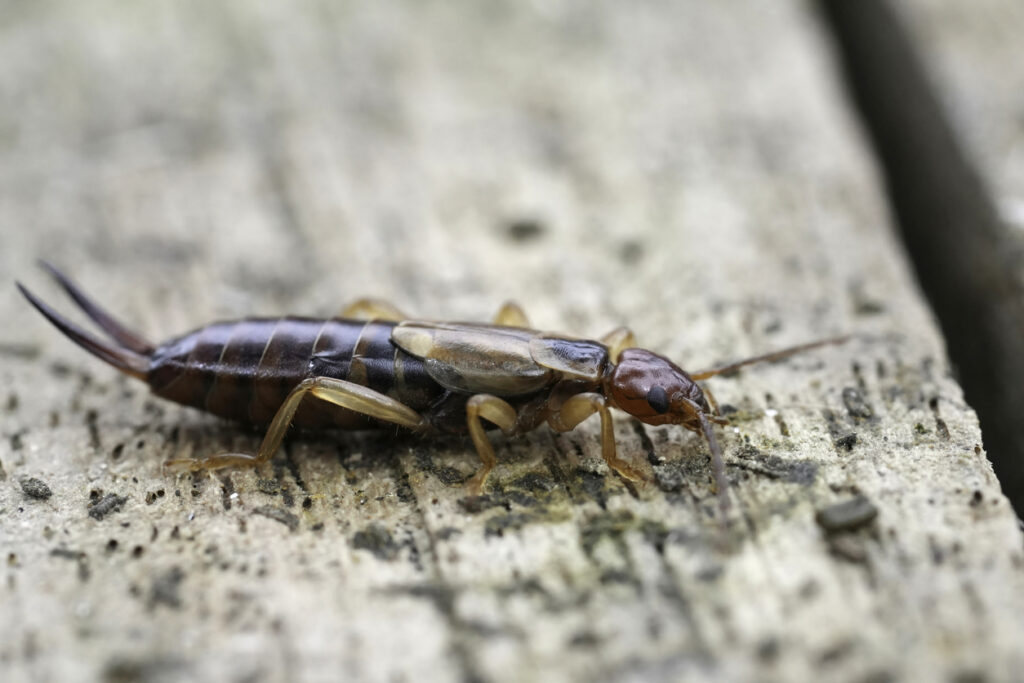
Earwigs spend their days hiding under damp soil and emerge at night to eat dead material and tiny pest insects. They’re often misunderstood, but in moderation they’re a gardener’s quiet ally. By feeding on other small pests, they help protect young plants and grass shoots. Their presence suggests your garden has the right balance of life to stay self-sustaining.
13. Moles

Moles dig deep tunnels through the soil, bringing fresh earth to the surface as they hunt worms and insects. Their digging helps loosen compacted ground and mix organic matter through the deeper layers. Although molehills can be inconvenient, the moles themselves contribute to healthier, better-drained soil. A few signs of tunnelling often mean your lawn is rich, active, and teeming with life below.
Every living thing beneath your lawn has a role to play. Together, they create a balanced system that feeds the grass, keeps pests in check, and prevents soil from becoming lifeless. A lively underground world means a greener, stronger garden above.