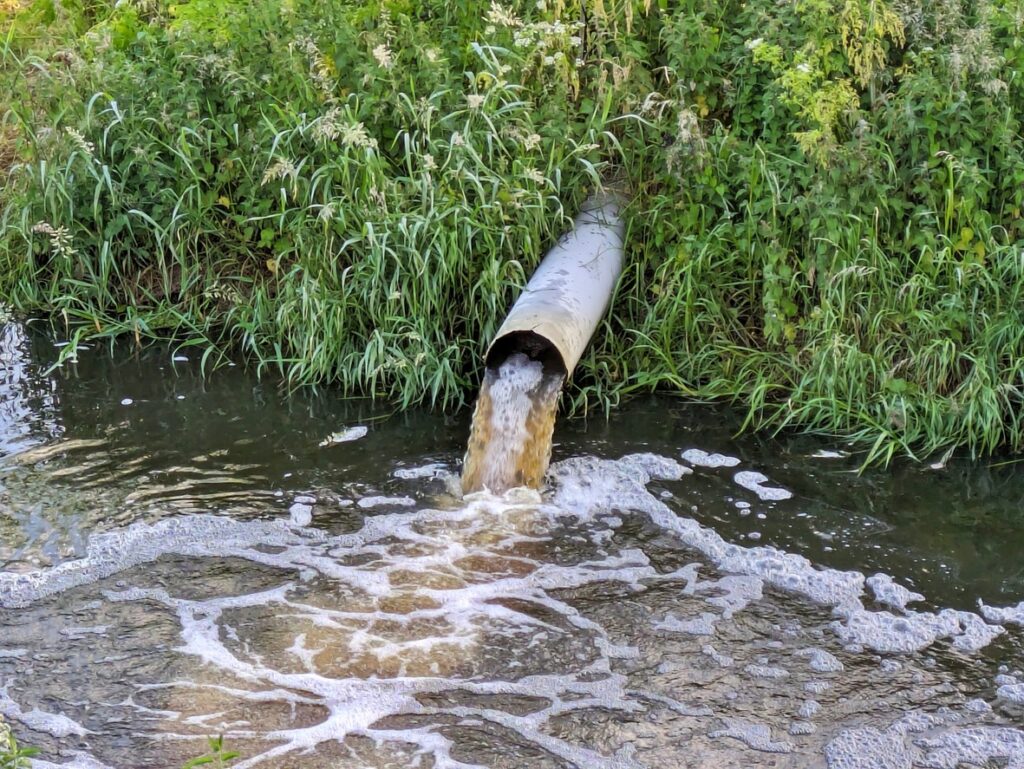
Millions of people across the UK are drinking water sources affected by potentially harmful levels of “forever chemicals”, according to new findings that have prompted the Drinking Water Inspectorate (DWI) to issue enforcement notices to multiple water companies. The BBC’s investigation, which examined official documents and testing data, revealed that more than six million people are linked to water systems with elevated levels of these substances. The full investigation can be read via BBC News.
Forever chemicals, technically known as PFAS (per- and polyfluoroalkyl substances), are a group of thousands of synthetic compounds used since the 1940s in everyday products such as non-stick cookware, waterproof clothing, firefighting foams and medical equipment. They are dubbed “forever chemicals” because they do not break down easily in nature, accumulating in water, soil and the human body.
While PFAS are still being studied, a growing body of research links certain types to health problems, including thyroid disease and several forms of cancer. Earlier this year, the World Health Organization classified PFOA as carcinogenic and PFOS as possibly carcinogenic, increasing the risk of kidney, thyroid and testicular cancers. Both compounds have since been banned, but many others remain in use.
The scale of the issue

The BBC analysed 23 enforcement notices issued by the DWI to water companies after tests found PFAS levels exceeding 0.01 micrograms per litre, the threshold considered a potential danger to human health. Across the UK, water suppliers have been required to test for 47 of the most concerning PFAS compounds since 2021, carrying out nearly 1.7 million tests over the last four years.
Of those, at least 9,400 samples exceeded the health-based guidance level. The enforcement orders require companies to increase testing, upgrade filtration and, in some cases, remove water sources entirely from the supply network. The DWI said it “operates one of the world’s most comprehensive PFAS monitoring programmes”, and that the public can have “complete confidence in the safety of their drinking water”.
However, environmental charities and scientists have warned that the UK’s limits are less strict than those in the United States, where acceptable levels are 2.5 times lower. They argue that British guidelines should be legally binding rather than advisory. Stephanie Metzger, a policy adviser at the Royal Society of Chemistry, said water companies “must be fully held to account” given the known risks at very low concentrations.
Once in the environment, PFAS can leach into water systems from landfill sites, industrial run-off or old firefighting foams. Dr William Hartz, an environmental chemist at research institute NILU in Norway, told the BBC that the chemicals can enter drinking water through stormwater and contaminated soil. He explained that removing PFAS is notoriously complex because conventional water treatment systems are not designed to capture them effectively.
Megan Kirton, senior projects officer at the environmental charity Fidra, said that even banning PFAS is not enough to solve the problem, as existing contamination remains. She compared the challenge to “trying to get milk out of your coffee once you’ve already poured it in there”.
Industry reaction and the cost of clean-up

Water UK, which represents the industry, insisted that the country’s drinking water remains among the safest in the world but agreed that more needs to be done to prevent contamination at the source. Chief executive David Henderson said water companies are spending £70 million every year dealing with PFAS and argued that “chemical manufacturers should pay for the clean-up, not customers through their water bills”.
South West Water, which has five enforcement notices in place, said these were “precautionary” and that it plans to invest £42 million over the next five years to upgrade its systems.
The government is preparing a white paper in response to an independent review into England and Wales’ water system, which called for stricter treatment requirements to protect public health. The Environment Agency has already acknowledged that removing PFAS with current infrastructure is technically and financially demanding. Professor Peter Jarvis of Cranfield University told the BBC that technologies such as nanofiltration can remove the chemicals but are costly and energy intensive, adding that “we need a more mature conversation about how we pay for them”.
For now, water companies must continue testing and implementing interim treatment solutions under the DWI’s supervision. But as experts point out, PFAS pollution is not a short-term issue. Even with stronger rules, the chemicals’ persistence means they could remain in UK water sources for decades.
The growing pressure from regulators, scientists, and campaigners suggests one thing is clear: tackling forever chemicals will require more than filters and enforcement notices. It will take a coordinated effort between government, industry, and manufacturers to finally break the cycle of pollution that has lasted for generations.