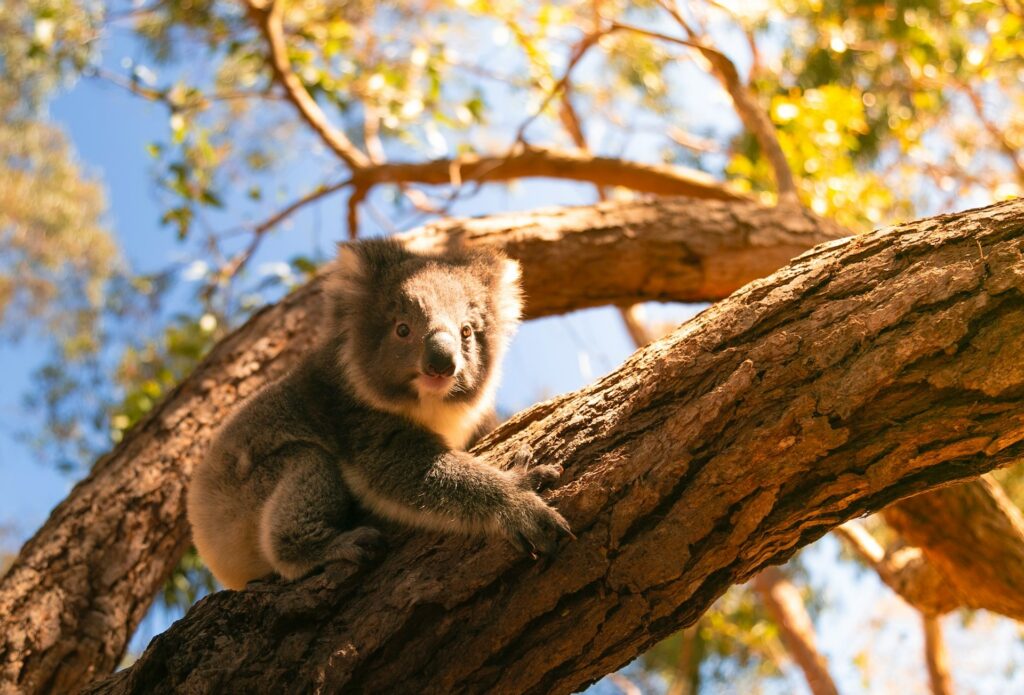
After years of debate and political promises, New South Wales has formally committed to the creation of the Great Koala National Park. The plan brings together 176,000 hectares of state forest with existing reserves on the Mid North Coast, producing a 476,000-hectare protected area that will stretch between Coffs Harbour, Grafton and Kempsey. The government has placed an immediate halt on logging within the proposed boundary, a move Premier Chris Minns described as essential to protecting the 12,000 koalas estimated to live in the region. Reporting in The Guardian highlighted how the new park is also expected to safeguard more than a hundred other threatened species, including the greater glider.
The state knows the decision has consequences. A government statement confirmed six mills will be directly affected, with around 300 jobs disrupted. To soften the impact, funding packages have been promised for retraining, wage support, and tourism development. The environment department’s own explanation of the park noted that without bold action, koalas could vanish from the wild in NSW by 2050, underlining why this project is framed not just as conservation but as survival.
Why the park is so needed
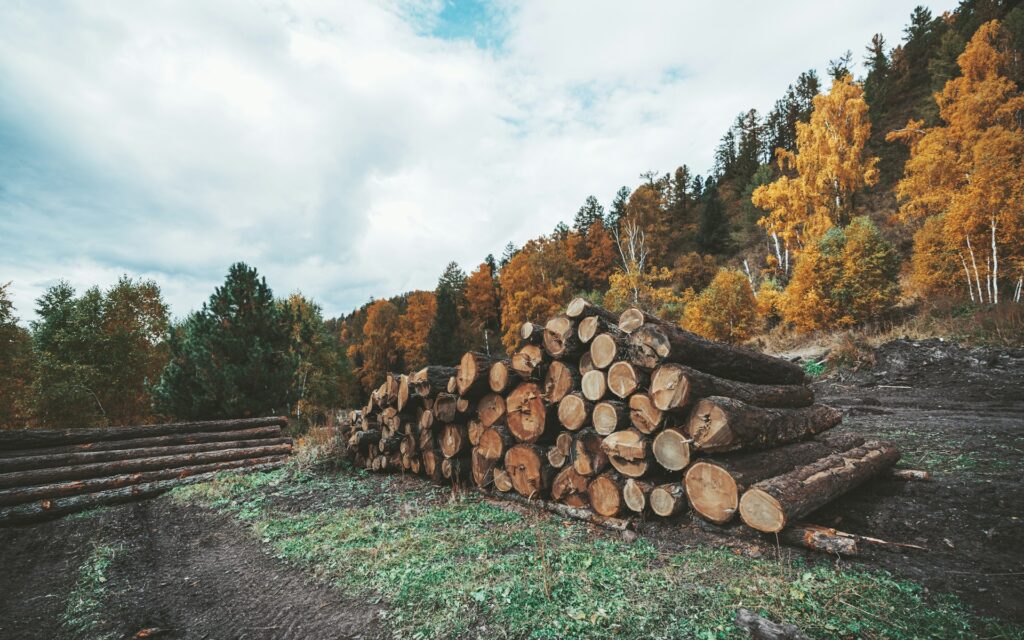
Koalas rely on large tracts of connected forest, moving between trees in search of food and safe breeding grounds. Fragmentation from clearing and development has left many populations isolated, weakening their genetic diversity and resilience to threats like disease and bushfires. By joining coastal bush with inland ranges, the park creates a continuous habitat corridor on a scale scientists have argued is necessary for years. ABC News described the announcement as the most ambitious conservation initiative the state has attempted in decades, noting that the moratorium on harvesting gives immediate breathing space while the park’s formal creation is worked through.
Environmental groups have celebrated the decision. The North East Forest Alliance compared it to Neville Wran’s landmark rainforest protections in the 1980s, while WWF-Australia said it offered a genuine chance to turn around the state’s declining koala population. For them, the announcement is long overdue. The Black Summer bushfires destroyed huge areas of habitat, and continued clearing since has fuelled fears that koalas could be lost to the wild in NSW within a generation.
Of course, not everyone is on board
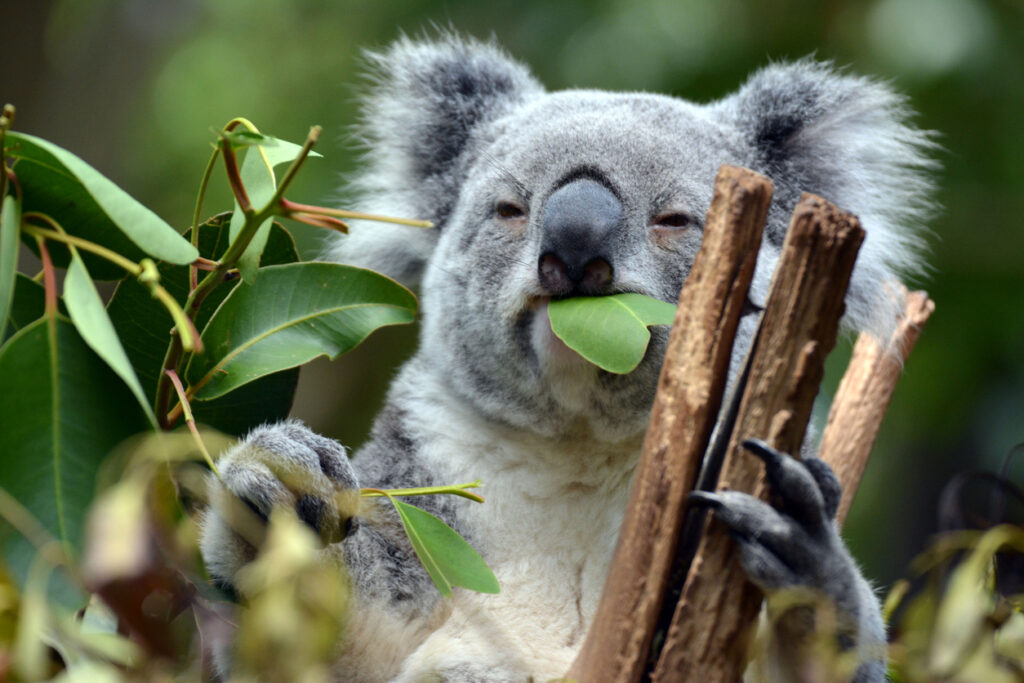
Not everyone is celebrating. Timber workers in the region describe the moratorium as a hammer blow to their livelihoods. Families with generations in the industry worry that retraining schemes will not provide the same stability, and that plantation timber will never replace the work available in native forests. An AAP report carried by the Canberra Times captured both sides of the debate: conservationists calling the move historic, and workers anxious about how long financial support will last once mills close or contracts dry up. The government argues forestry is being reshaped rather than scrapped, but critics say that line will only be convincing if it translates into steady pay packets.
The park is also being announced against a troubling backdrop. SBS News reported that approvals for clearing koala habitat across NSW have hit record highs this year—the most since the species was listed as threatened in 2012. Conservationists warn that without stronger national laws, victories like the Great Koala National Park risk being undermined by losses elsewhere. A follow-up in the Guardian went further, describing current federal protections as a “total failure” and calling for tougher legislation to stop developers bulldozing bushland while state governments promote new reserves.
So, what now?
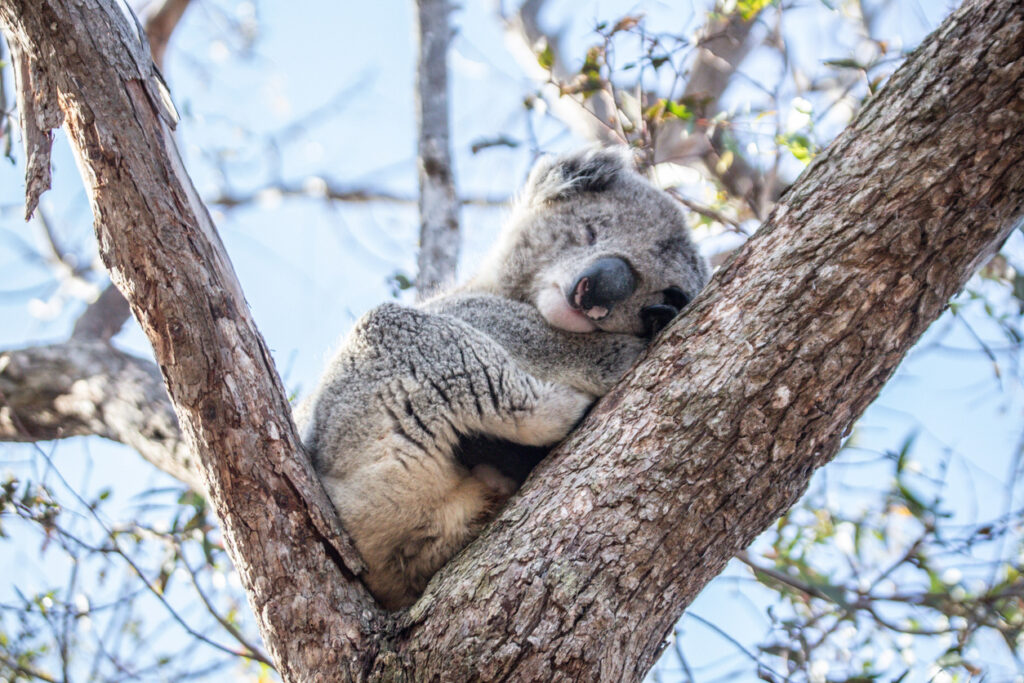
For now, the moratorium is in place and the boundary is drawn, but the park itself is not yet legally established. The NSW Department of Primary Industries has set out the rules for the transition, clarifying that plantations and private land with approvals are not affected. By 2026, the government aims to have the park formally gazetted. In the meantime, attention will focus on whether the pause on harvesting holds, whether funding reaches impacted communities, and whether the promised tourism and conservation jobs begin to materialise.
Scientists argue the park should be tied closely to the National Koala Monitoring Program, which already tracks populations across eastern Australia. That would provide a transparent baseline, allowing the public to see whether numbers are stabilising or slipping. Conservation groups also want Indigenous communities, particularly the Gumbaynggirr and Dunghutti, to have a central role in land management, fire planning and cultural heritage protection.
The Great Koala National Park shows what can happen when conservation pressure meets political momentum. It is large enough to matter, with immediate changes already in place, but also fragile: a promise that still has to be delivered step by step. For koalas, it could be the difference between survival and decline. For the communities around Coffs Harbour and Grafton, it will be judged on whether livelihoods are supported as well as landscapes. The next 18 months will decide if this bold announcement becomes a lasting refuge, or just another line on a map.