The Arctic Circle is one of those places most people picture as endless ice and snow, but there’s a lot more to it than that.

It’s not just a line on a map; it’s a region that spans eight countries, holds unique wildlife, and plays a huge role in the planet’s climate. The people who live there have built entire cultures around surviving some of the harshest conditions on Earth, yet it’s also a place of astonishing beauty and balance.
Most people never realise how complex the Arctic really is. It’s home to migrating animals, changing landscapes, and ancient traditions that continue to this day. It’s also one of the fastest-changing parts of the world, as rising temperatures reshape everything from sea ice to settlements. Here are some fascinating facts about the Arctic Circle that reveal just how remarkable (and fragile) this frozen frontier truly is.
1. It’s not actually a physical circle you can see.

The Arctic Circle is an invisible line at roughly 66.5 degrees north latitude. It marks the southernmost point where the sun doesn’t set on the summer solstice and doesn’t rise on the winter solstice.
That’s why you won’t find a massive painted line when you visit. The “circle” is a geographical concept based on Earth’s tilt, though many countries have put up signs and markers, so tourists know when they’ve crossed it.
2. The line actually moves slightly every year.

Because Earth wobbles on its axis over time, the Arctic Circle shifts position. It’s currently moving north by about 15 metres per year, which doesn’t sound like much but adds up over decades.
You’ll notice this means monuments marking the circle become inaccurate over time. Some locations have even had to relocate their Arctic Circle markers to keep up with the shifting latitude.
3. Eight countries have territory inside it.

Norway, Sweden, Finland, Russia, the United States (Alaska), Canada, Denmark (Greenland), and Iceland all have land within the Arctic Circle. Russia has the largest portion by far, with over half the Arctic landmass.
It helps if you think of the Arctic as an international region rather than belonging to any single country. The geopolitics get complicated because of resources, shipping routes, and territorial claims.
4. Millions of people actually live there.

About four million people call the Arctic home, which surprises most people who imagine it as uninhabited wilderness. Cities like Tromsø in Norway and Murmansk in Russia have populations in the hundreds of thousands.
That’s why the Arctic isn’t just about polar bears and research stations. Real communities exist up there with schools, hospitals, businesses, and normal daily life adapted to extreme conditions.
5. The midnight sun lasts for months in summer.

During summer, the sun doesn’t set for weeks or even months, depending on how far north you go. At the North Pole itself, the sun stays up continuously for six months straight.
You’ll notice this completely disrupts normal sleep patterns for visitors. Locals use blackout curtains and maintain strict schedules because your body’s natural rhythms go haywire when daylight never ends.
6. Winter brings polar night with no sunlight.

The flip side is polar night, where the sun doesn’t rise at all during winter months. Some Arctic towns don’t see the sun for over two months, living in constant twilight or darkness.
It helps if you understand this isn’t just inconvenient, it’s genuinely challenging for mental health. Seasonal depression rates spike during polar night, which is why communities plan festivals and activities to combat the darkness.
7. It’s warming twice as fast as the rest of the planet.

Arctic temperatures are rising at double the global average rate, a phenomenon called Arctic amplification. What takes decades to change elsewhere happens in years up there.
That’s why scientists focus so intensely on Arctic research. Changes there act as an early warning system for what’s coming to the rest of the world, and the feedback loops accelerate global warming.
8. The ice is both land and sea based.

People often confuse Arctic ice. Greenland has a massive ice sheet on land, whilst much of the Arctic Ocean is covered in sea ice that floats on water and changes size seasonally.
You’ll notice this distinction matters enormously for sea level rise. Melting sea ice doesn’t raise ocean levels because it’s already floating, but land ice from Greenland absolutely does when it melts into the ocean.
9. Indigenous peoples have lived there for thousands of years.

The Inuit, Sami, Nenets, and other indigenous groups have inhabited the Arctic for millennia. They’ve developed sophisticated survival techniques, cultural practices, and traditional knowledge specific to Arctic conditions.
It helps if you recognise these aren’t primitive peoples barely surviving, they’re cultures with rich histories and expertise. Their traditional knowledge about ice conditions, animal behaviour, and weather patterns often surpasses modern scientific understanding.
10. Permafrost is melting and releasing ancient carbon.

The permanently frozen ground called permafrost is thawing as temperatures rise. This releases methane and carbon dioxide that’s been locked away for thousands of years, accelerating warming further.
That’s why permafrost melt creates a dangerous feedback loop. The warming melts the permafrost, which releases greenhouse gases, which causes more warming, which melts more permafrost.
11. New shipping routes are opening up.

As sea ice retreats, the Northwest Passage and Northern Sea Route are becoming navigable for longer periods each year. Ships can now cross the Arctic Ocean in summer, cutting journey times between Asia and Europe by thousands of miles.
You’ll notice this brings both economic opportunity and environmental risk. Shorter shipping routes save fuel and money, but increased traffic threatens pristine ecosystems and creates sovereignty disputes.
12. There’s massive amounts of untapped resources.

The Arctic holds an estimated 13% of the world’s undiscovered oil and 30% of undiscovered natural gas, plus minerals like rare earth elements. Countries are increasingly interested in accessing these resources as ice retreats.
It helps if you understand the tension this creates. Extracting fossil fuels from the Arctic accelerates the very climate change that’s making them accessible, whilst the economic incentives are enormous.
13. Wildlife faces unprecedented challenges.
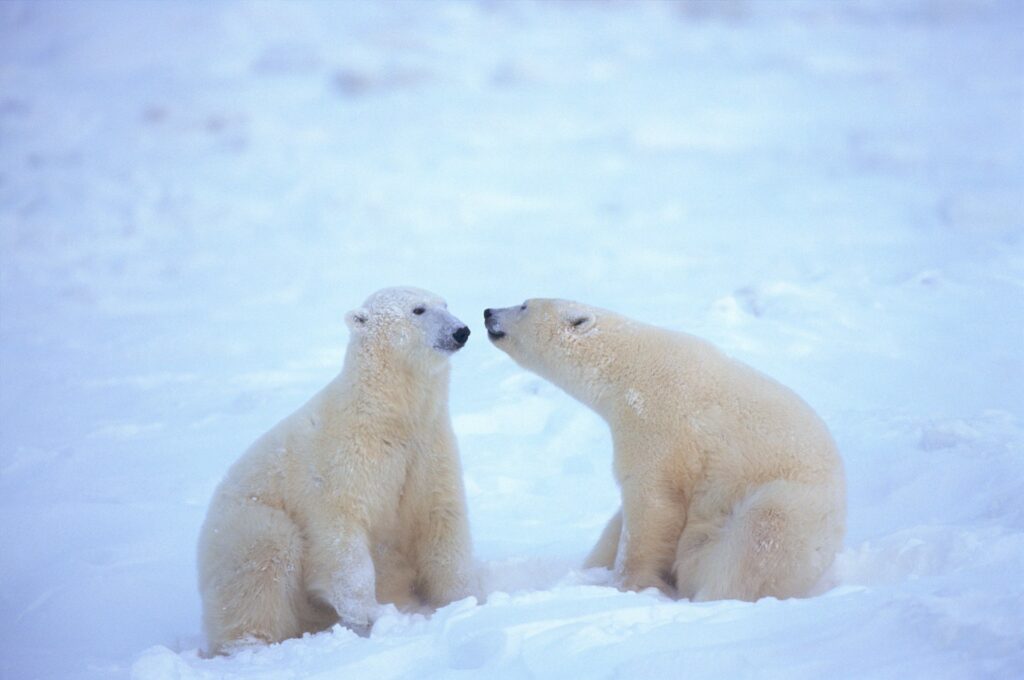
Polar bears, Arctic foxes, walruses, and countless other species evolved for ice-covered conditions. As their habitat literally melts, many face extinction or dramatic range shifts.
That’s why you see heartbreaking images of thin polar bears on small ice floes. They’re not just struggling, their entire ecosystem is disappearing faster than evolution can adapt to the changes.
14. The aurora borealis is visible regularly.

The Northern Lights appear frequently in Arctic skies, especially during the dark winter months. Solar particles interacting with Earth’s magnetic field create those famous green, purple, and red curtains of light.
You’ll notice the best viewing happens on clear, dark nights away from light pollution. Winter’s polar night actually provides ideal conditions, turning a challenging season into something visually spectacular.
15. What happens in the Arctic doesn’t stay in the Arctic.
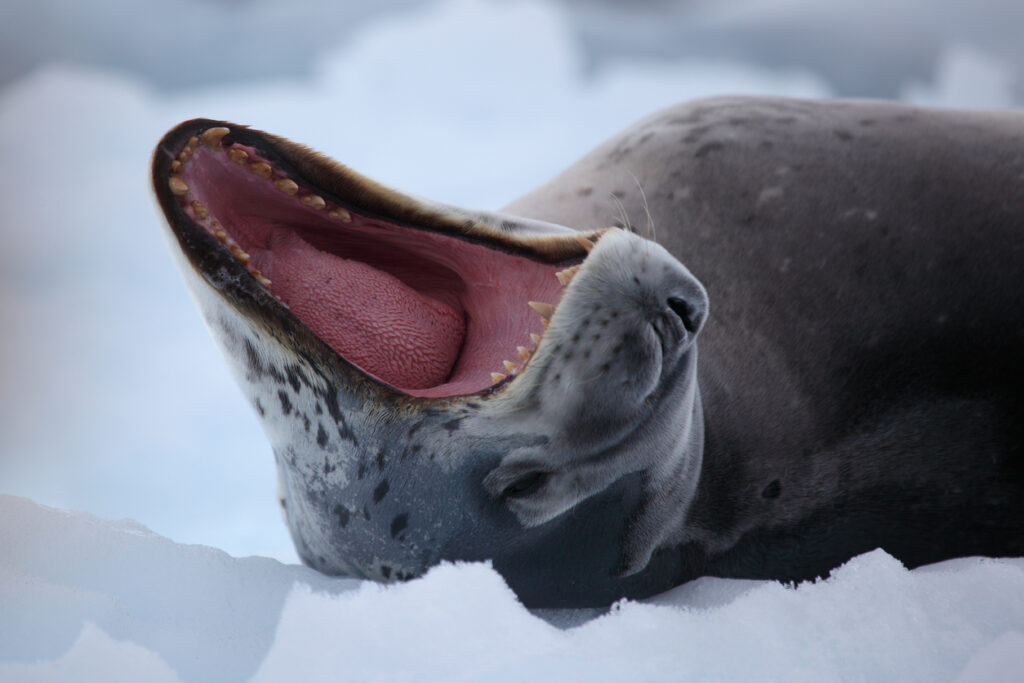
Arctic changes affect global weather patterns, ocean currents, and climate systems worldwide. Melting ice weakens the jet stream, potentially causing more extreme weather events in temperate regions thousands of miles away.
It helps if you recognise the Arctic isn’t some distant irrelevant place. Changes there directly impact weather, sea levels, and climate stability everywhere else on the planet, making it everyone’s concern regardless of where you live.