Everyone pictures the UK as pretty safe when it comes to wildlife, and for the most part, that’s true.
We worry more about stepping in something questionable at the park than getting hurt by an animal. However, the truth is, there are creatures here that can injure you, and they’re fully protected by law. You can’t just remove them or deal with them however you want. From animals with sharp tempers to tiny stingers that pack a real punch, it helps to know what you’re dealing with.
We actually do have animals that can legally harm you and what you can do to stay safe without breaking the law. Think of it as knowing the rules before you wander into their space. With a little awareness, you can enjoy the outdoors, avoid the drama and let both you and the wildlife carry on with your day.
1. Adder
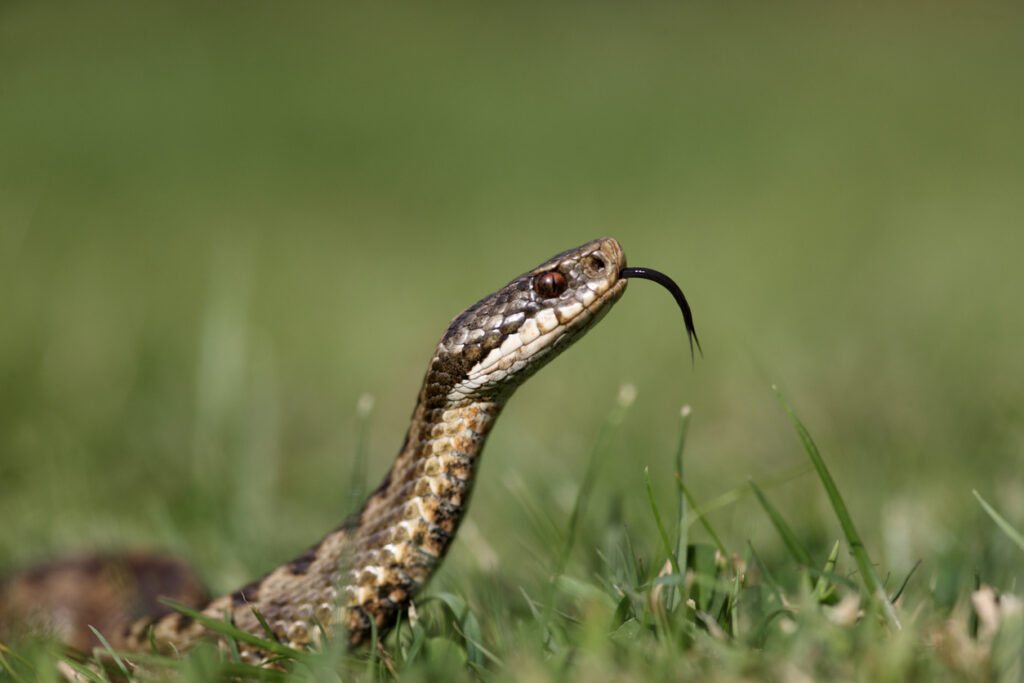
The adder is Britain’s only venomous snake. Its bite is rarely fatal, but it can cause swelling, nausea, and severe pain. Adders like sunny spots in heathland or woodland and usually strike only when stepped on or disturbed. So, wear boots in long grass and keep dogs on a lead in areas where they live. If you spot one, stay still or back away slowly and give it space to move off naturally.
2. Weever fish
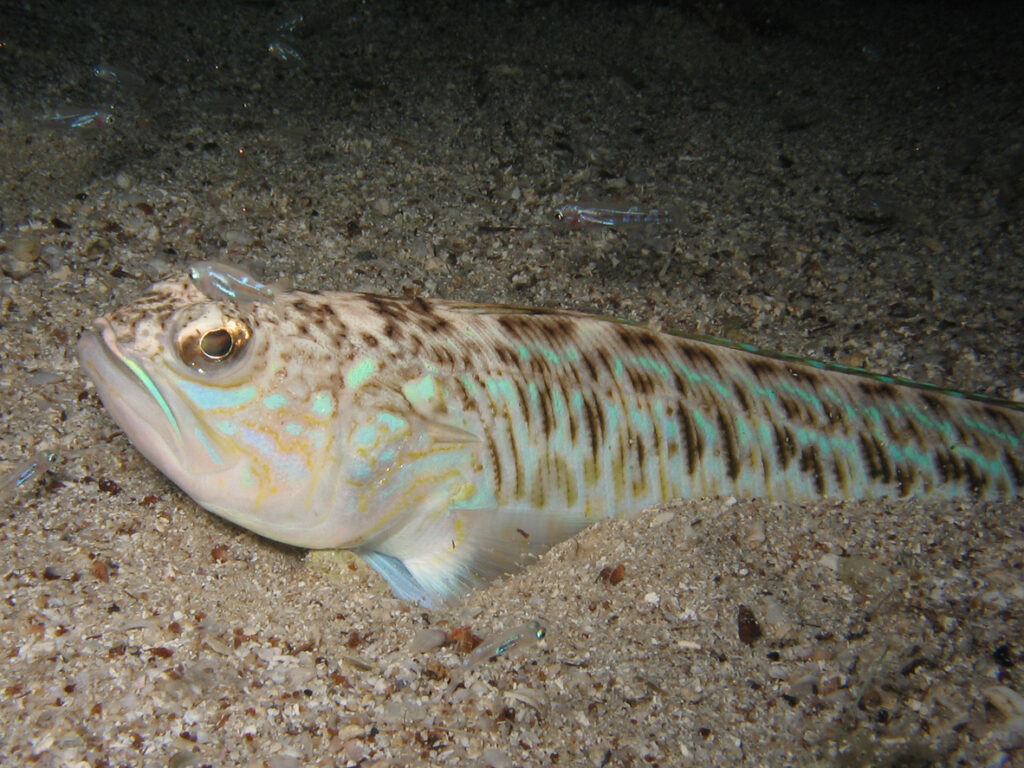
Weever fish bury themselves in the sand along British beaches, waiting to ambush prey. If you step on one barefoot, the venomous spines on its back cause intense burning pain and swelling. If you do happen to get stung, soak the area in hot water, as heat neutralises the venom. To avoid trouble, wear water shoes when paddling or walking along sandy shores in summer.
3. European hornet

The European hornet looks like a giant wasp and delivers a much stronger sting. It can cause swelling, dizziness, and in some cases, dangerous allergic reactions. They’re also legally protected, so their nests must only be moved by licensed pest controllers. Hornets are calm if left alone. Move slowly if one comes near you, and avoid waving your arms or spraying it, which only provokes an attack.
4. Deer
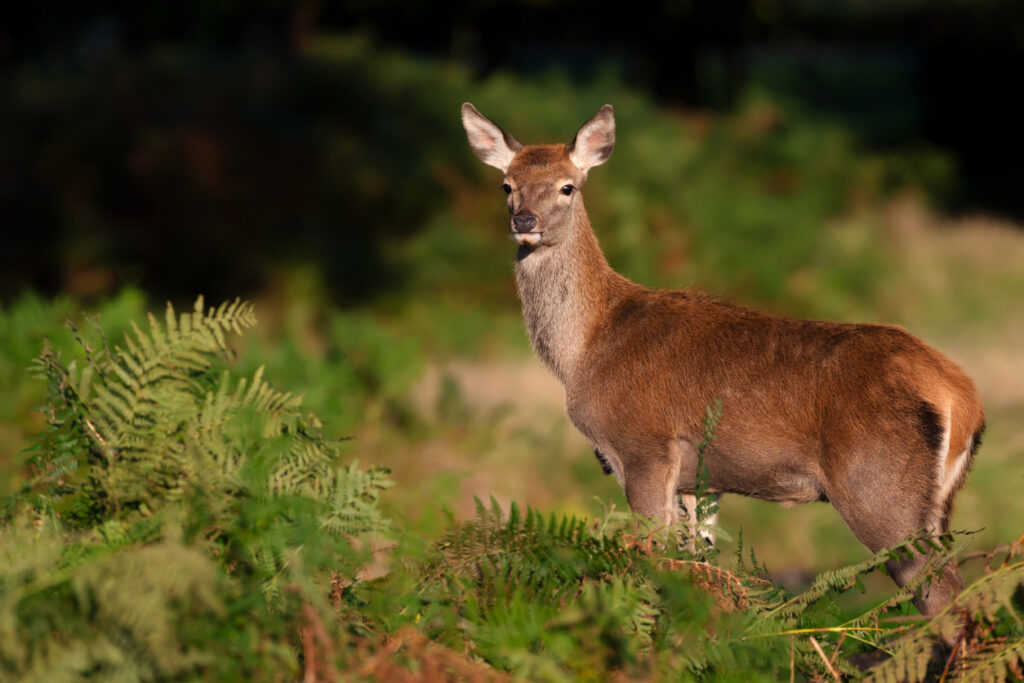
Deer look gentle, but during the autumn rut males become unpredictable. They’ve been known to charge people or dogs if they feel challenged or cornered. With sharp antlers and strong legs, they can cause serious injury. Stay well back, especially during breeding season. If you’re walking in a park, keep dogs close and never approach deer for photos or feeding.
5. Seals
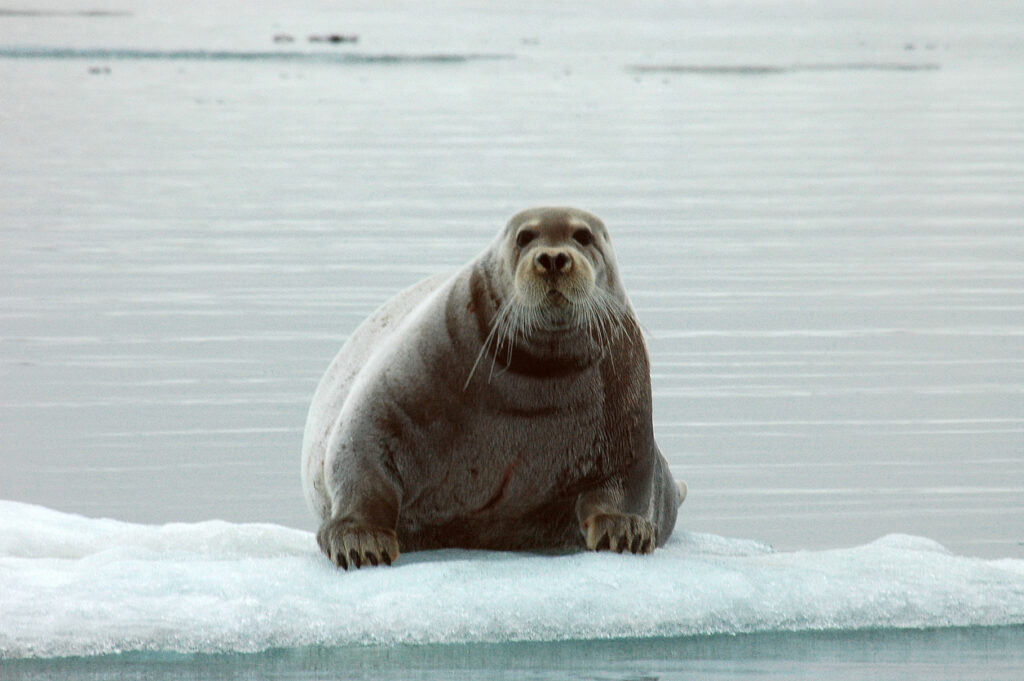
Seals may look friendly, but they’re powerful marine mammals with sharp teeth. They can bite if startled or approached too closely, particularly during breeding season or when resting on beaches. Keep at least 50 metres away and don’t let dogs run toward them. Feeding or disturbing seals can result in fines under marine protection laws, so enjoy them quietly from a safe distance.
6. Swans
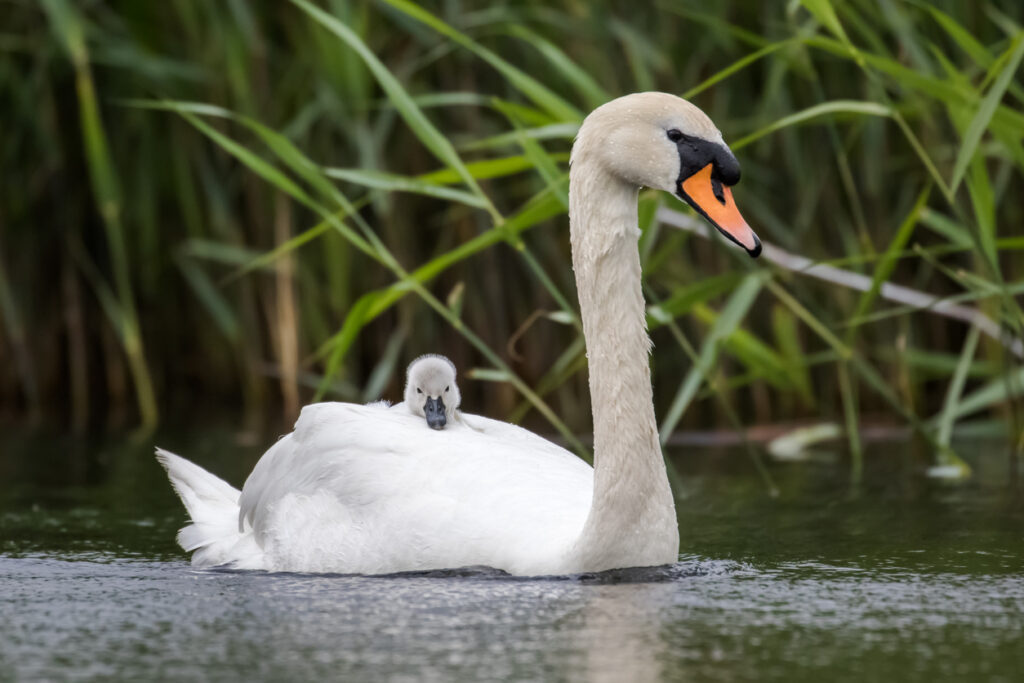
Swans are beautiful to watch but extremely territorial, especially when guarding their nests. They will hiss, lunge, and strike with their wings, which are strong enough to cause bruising or injury. Give them plenty of space during spring and early summer. Move away calmly if one approaches, and never attempt to chase or feed cygnets, as it’s both unsafe and illegal to harm them.
7. Wild boar

Wild boar are making a comeback in forests like the Forest of Dean. They can weigh over two hundred kilograms and have sharp tusks that can inflict deep wounds if they charge. Most attacks happen when people startle them or come between a mother and her young. If you see one, stay still, back away slowly, and never try to feed or corner it.
8. Badger

Badgers are strong animals with long claws and sharp teeth. They’re protected by law and will defend themselves fiercely if trapped or provoked. Bites and scratches can become infected if not treated quickly. If you come across one, keep your distance and never interfere with its sett. Badgers usually avoid people unless threatened, so leaving them alone is the safest option.
9. Cows
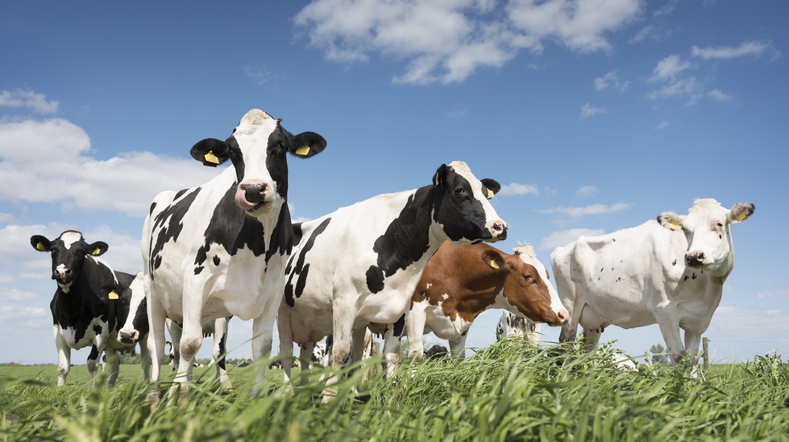
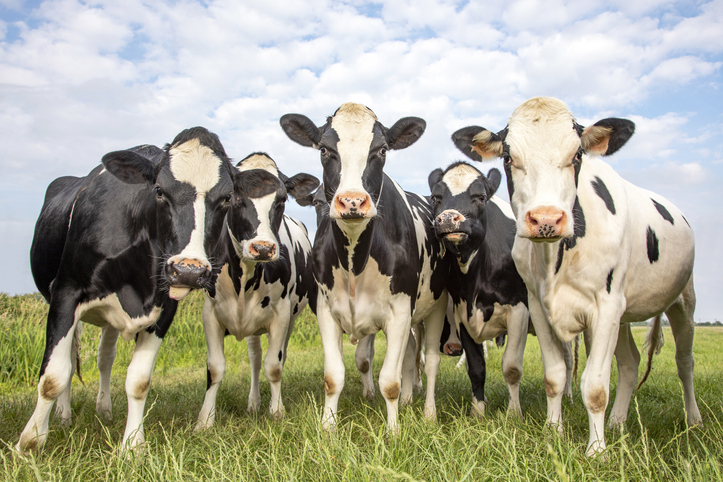
Cows cause several injuries every year, usually when walkers cross fields with dogs. When they feel their calves are in danger, they may charge as a herd, and their weight makes them extremely dangerous. Stay alert and walk around the herd rather than through it. Keep dogs close but release the lead if cattle begin to run toward you so both of you can get away safely.
10. Horses
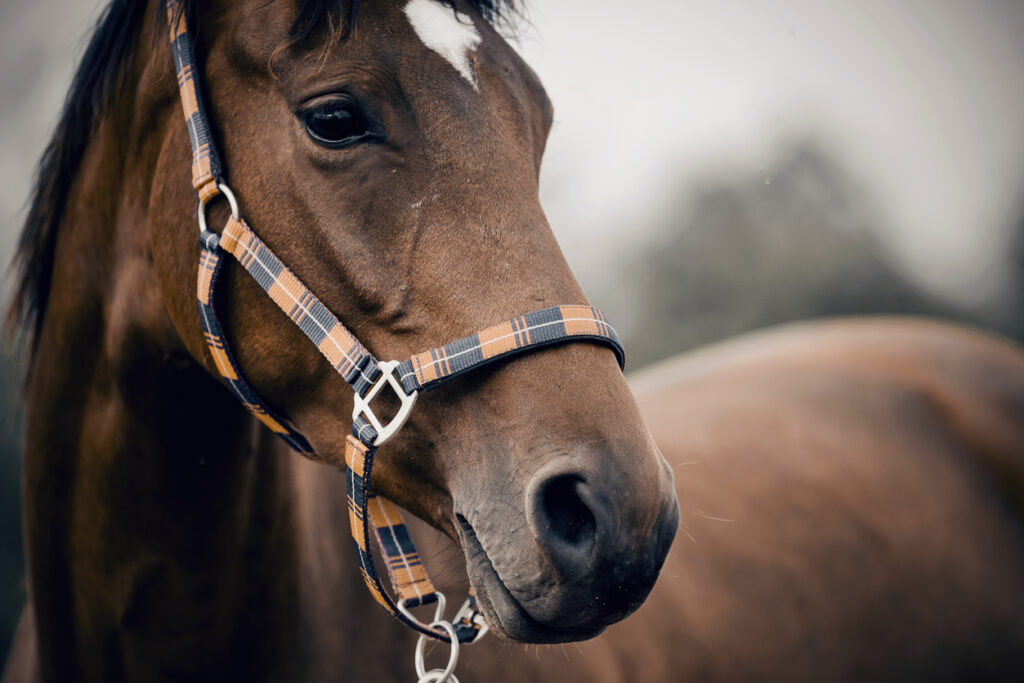
Horses are powerful animals that can kick or bite if startled. Many accidents happen when people enter fields without realising that horses are protective or nervous around strangers. Stick to public paths and avoid sudden movements or loud noises near them. Never feed horses you don’t know, as this can make them defensive or aggressive.
11. Jellyfish
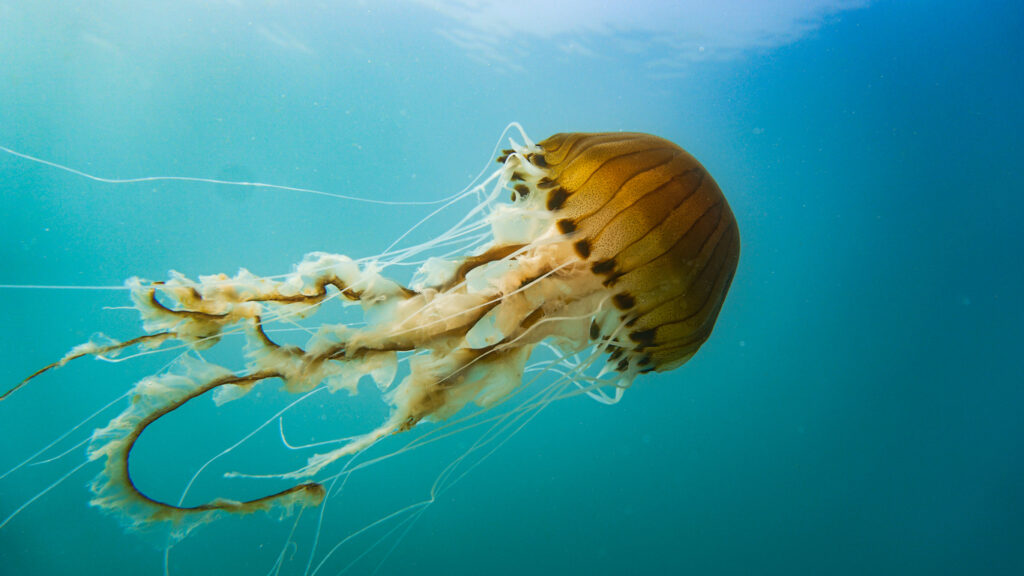
British waters are home to several jellyfish species, including the lion’s mane, which can leave a painful sting with long-lasting irritation. Tentacles release venom that can cause burning, redness, and muscle cramps. If stung, rinse with seawater and remove any tentacles using tweezers or gloves. Vinegar helps neutralise the sting, and soaking the area in warm water can ease pain.
12. Fox

Foxes are generally shy, but they’ll defend themselves if cornered or if someone tries to handle them. Their bite can cause infection, and they’re known to be more aggressive when protecting their dens or cubs. Keep bins secure and avoid feeding foxes, which encourages bold behaviour. If one appears nearby, make noise to scare it off rather than trying to chase it.
13. Dogs

Domestic dogs are responsible for more bites and injuries in Britain than any wild species. Most incidents happen when people approach an anxious, untrained, or overexcited animal too quickly. Always ask permission before petting someone’s dog, and don’t approach if it’s eating or guarding toys. Owners must keep their pets under control in public, but staying calm also prevents panic and escalation.
14. Grey seals (males)
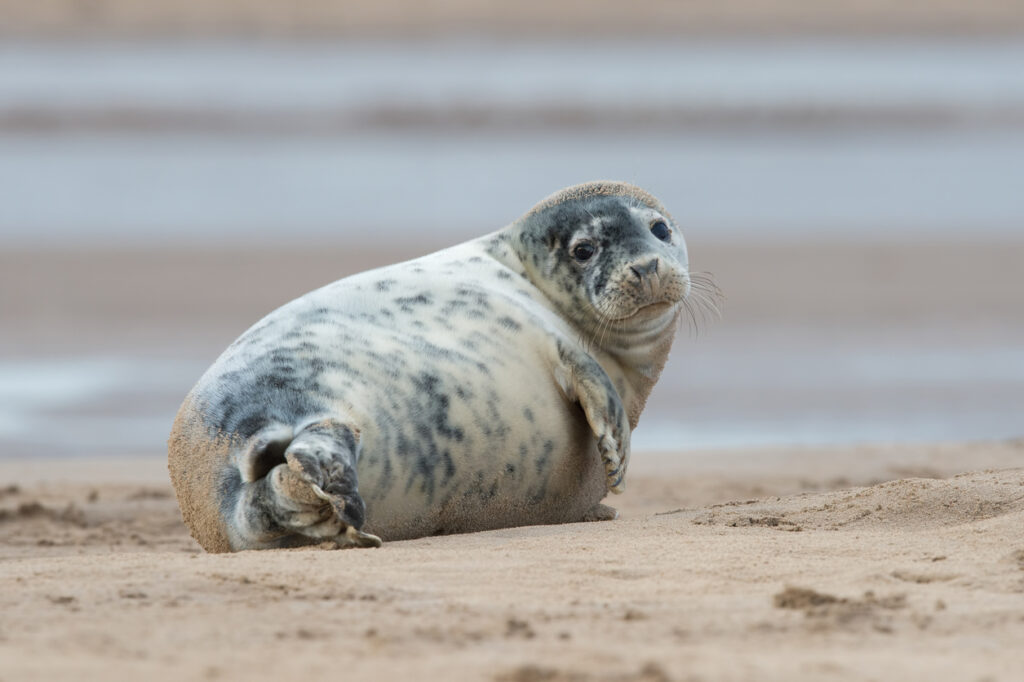
Large male grey seals can weigh over three hundred kilograms and are extremely territorial during breeding season. They have been known to injure divers and kayakers who stray too close to their colonies. Keep your distance from beaches with resting seals, and avoid approaching from the water. Watching from a viewing point or guided boat tour keeps both you and the animals safe.
15. Red kites and buzzards
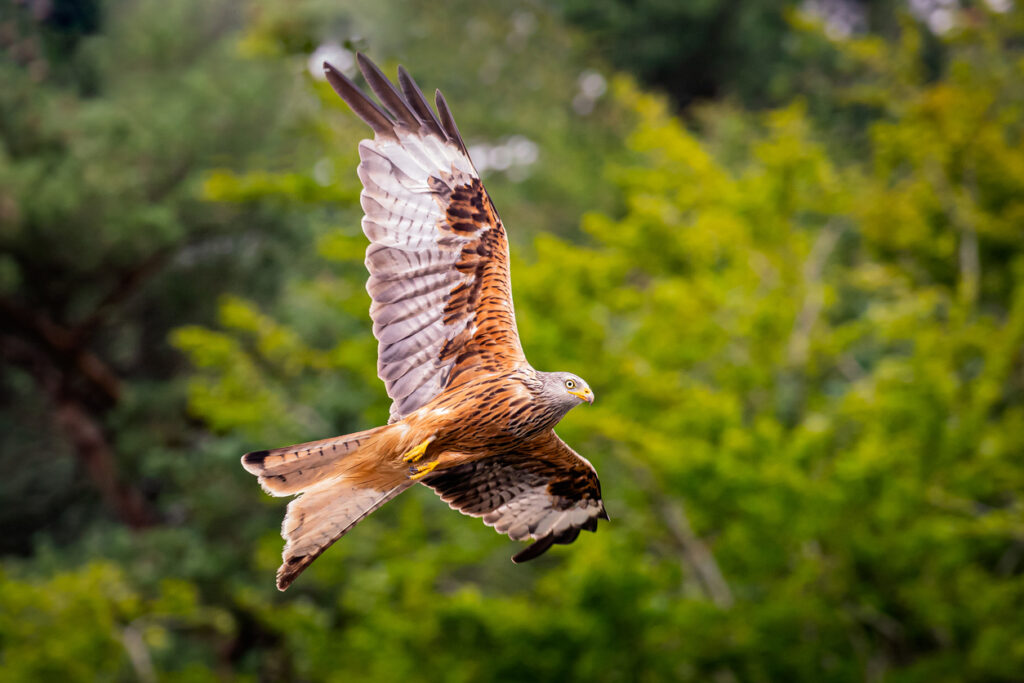
Birds of prey such as red kites or buzzards can swoop at walkers who get too near their nests. Their talons are sharp enough to cause scratches or puncture wounds, although direct contact is rare. Stay away from nesting sites during spring and early summer. If one flies close, cover your head and move calmly away. These birds are protected species, and respecting their space helps keep everyone safe.