A long fence can look bare and a little dull, but the right plants can change everything.
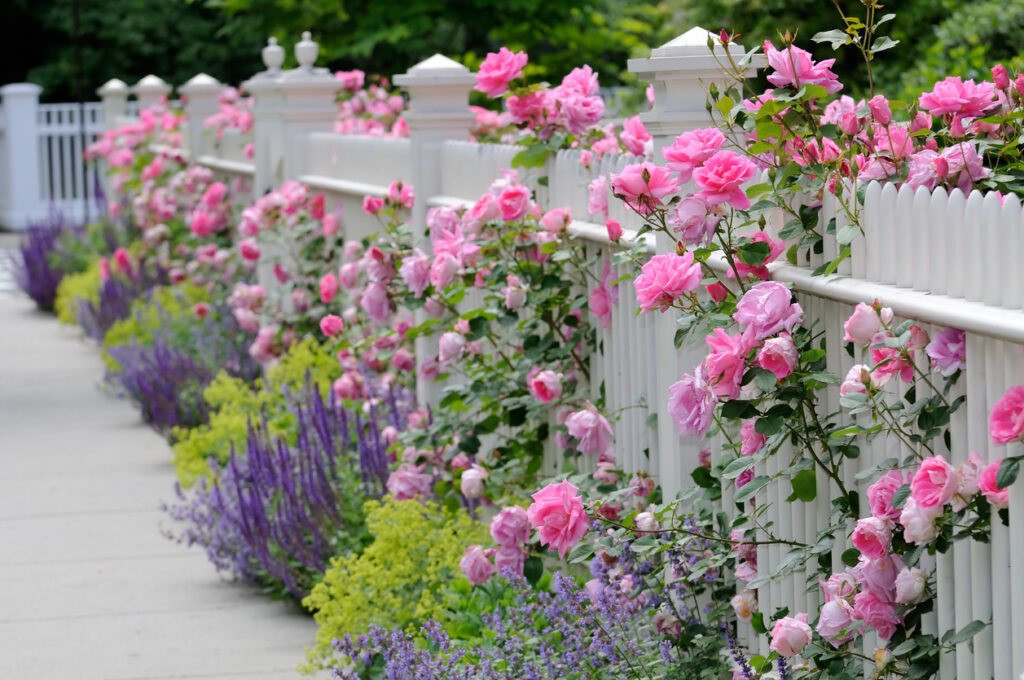
When you pick hardy species that return every year, you get colour, texture, and privacy without constant replanting or fuss. You don’t need a massive garden or fancy landscaping skills. A simple row of reliable plants can create a border that feels cared for and intentional.
Perennials do the heavy lifting. They handle rough weather, survive forgetful watering and show up again the next season like they never left. Some bring flowers, others bring lush leaves, and a few even offer scent or berries. Once they’re settled in, you just step back and enjoy a fence line that stays full and alive year after year. Here are some solid options to choose from.
1. Lavender

This fragrant perennial brings purple blooms from late spring through summer and attracts bees and butterflies. It’s drought-tolerant once established and needs minimal maintenance. Plant lavender 12 to 18 inches apart for a thick hedge effect that softens hard fence lines beautifully. It prefers full sun and well-drained soil, making it perfect for sunny fence borders that might dry out. The scent is a bonus every time you brush past.
2. Japanese anemones
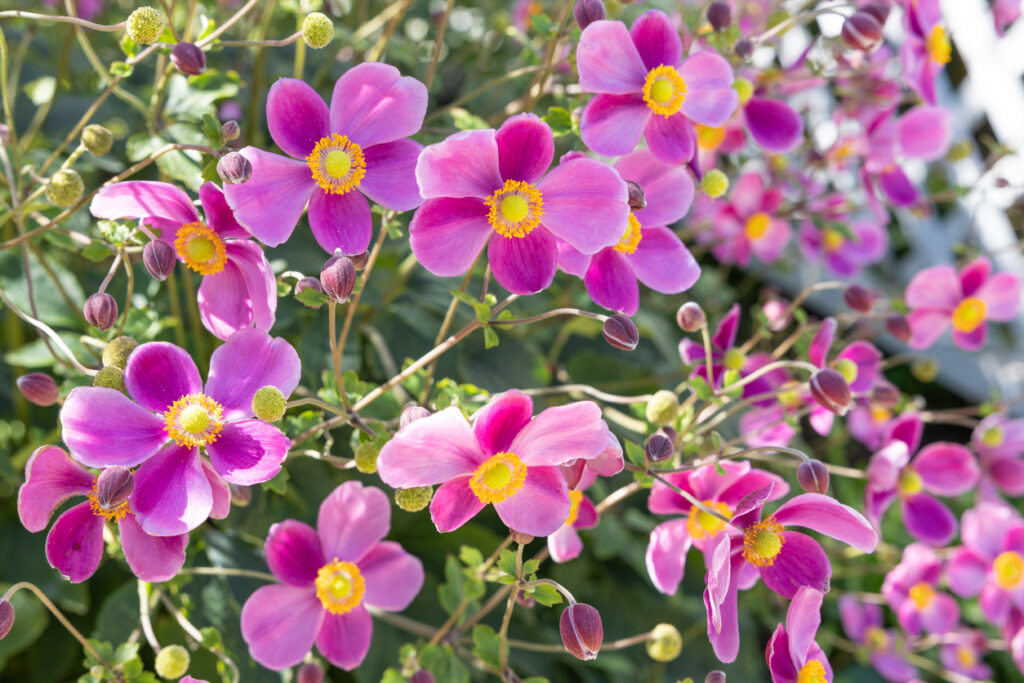
These tall, elegant perennials produce flowers that seem to float above the foliage on wiry stems from late summer into autumn. They’re non-floppy and provide height without needing staking. Japanese anemones are brilliant for extending interest into autumn when many other perennials have finished flowering. They spread gradually to fill gaps and tolerate partial shade, making them useful for fence lines that don’t get sun all day.
3. Verbena bonariensis
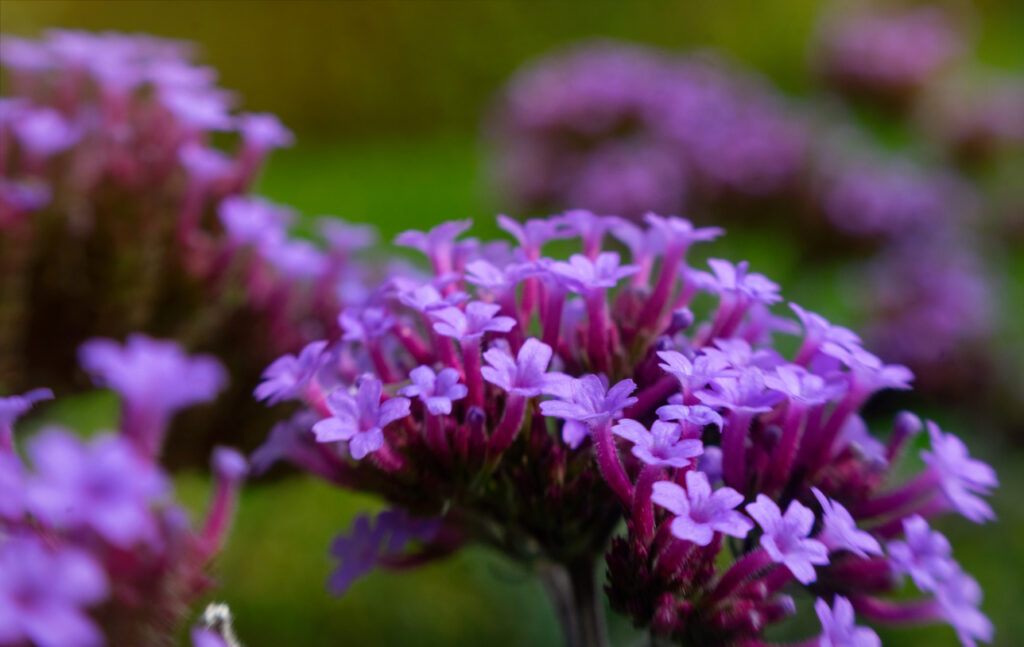
Few plants are as elegant yet simple to care for. This tall perennial produces small purple flowers on a lattice of skinny stems that create a see-through screen effect. Verbena grows upwards rather than outwards, reaching over six feet in a season, so it’s ideal for narrow borders along fence lines. Leave the dead stems standing over winter for structure and finch food, then they’ll self-seed for next year.
4. Echinacea
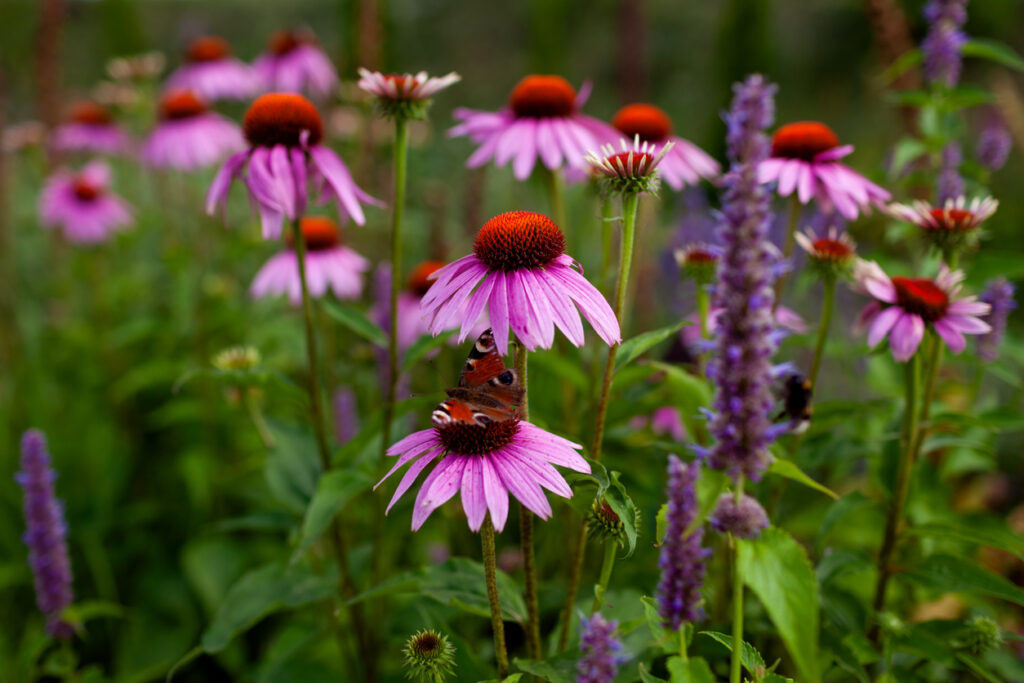
Coneflowers are bulletproof once established and flower for months. The classic purple varieties are reliable, but newer cultivars come in white, orange, and yellow. Even when not flowering, echinaceas look good thanks to their sturdy architectural seed heads that wildlife loves. They handle partial shade but bloom best in full sun, and they’re magnets for pollinators throughout summer and early autumn.
5. Climbing roses
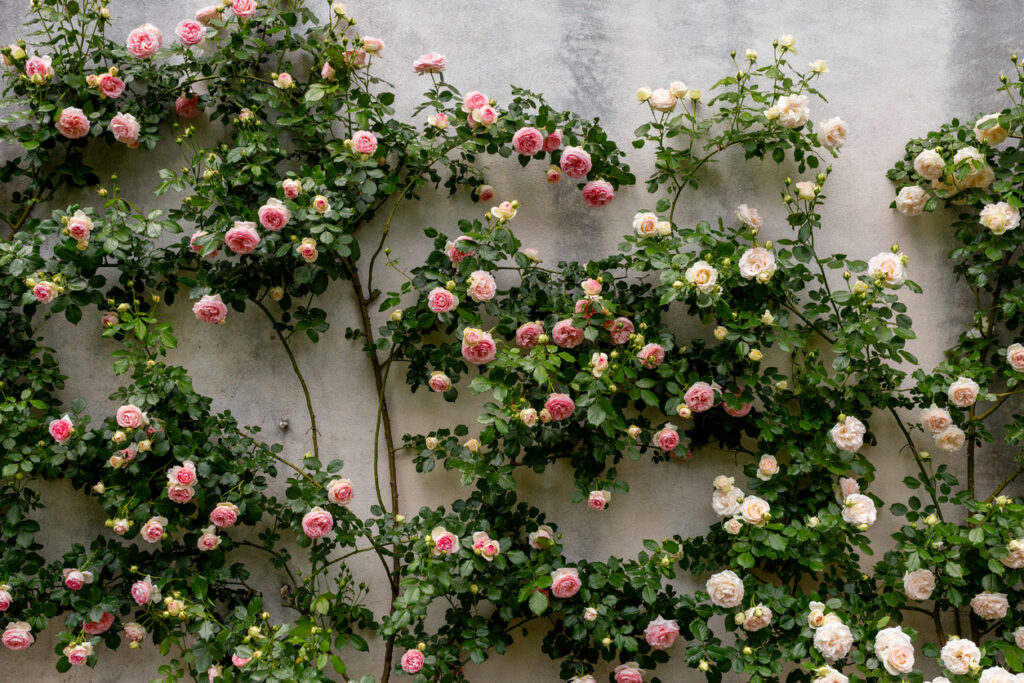
These create a colourful living display when trained up fences, transforming plain boundaries into something special. Space them about six feet apart to give them room to grow. You’ll need to add support wires or trellis to most fences, as the heavy canes need something to lean on. Regular pruning during the growing season keeps them manageable, but the payoff is months of flowers and often gorgeous scent.
6. Clematis
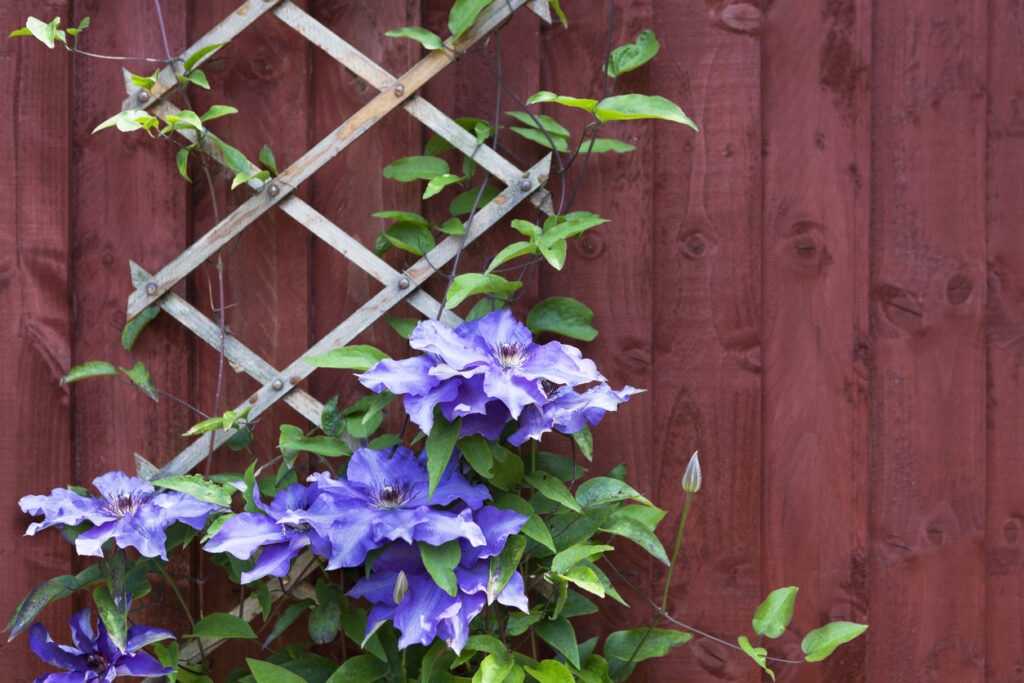
Known as the queen of climbers, clematis varieties offer flowers in almost every colour imaginable. Clematis montana is particularly vigorous and produces masses of scented pale pink flowers in spring. They like their roots shaded and their heads in the sun, which makes fence lines perfect if you plant shorter perennials in front. Once established, they’ll cover a fence panel completely and come back reliably every year.
7. Rudbeckia
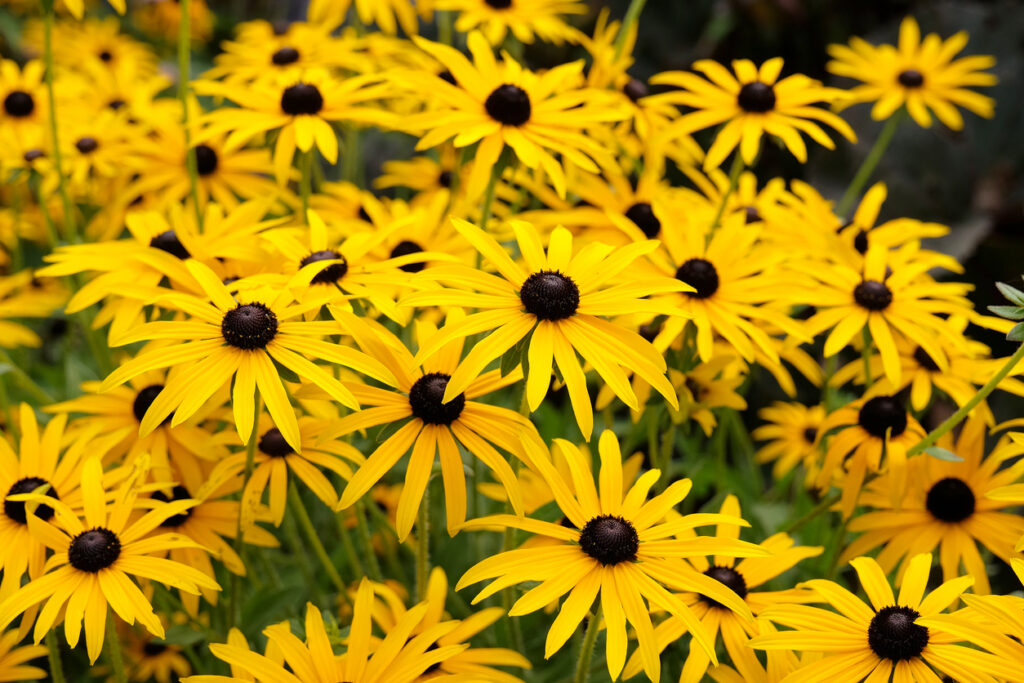
Black-eyed Susan brings pure sunshine in plant form with cheerful golden daisies from midsummer through to the first hard frosts. They’re virtually maintenance-free once settled. Rudbeckias fill the gap when spring perennials have finished and before autumn bloomers take over. They’re tough, unfussy about soil, and their bright flowers light up shady fence lines even when they’re not in full sun all day.
8. Hydrangea petiolaris
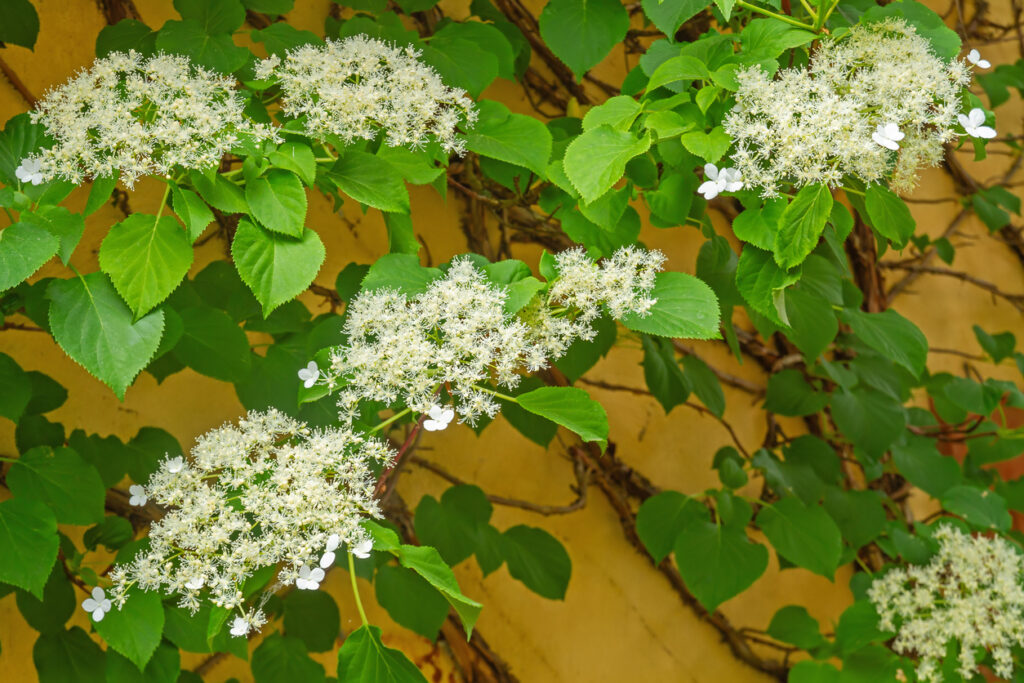
This climbing hydrangea is self-clinging, meaning it attaches directly to fences without extra support. It’s one of the best flowering climbers and tolerates full shade. The fresh green oval leaves turn yellow in autumn before falling, and summer brings displays of showy white flowers. It’s slow to establish, but once it gets going, it’s incredibly reliable and needs minimal intervention from you.
9. Honeysuckle
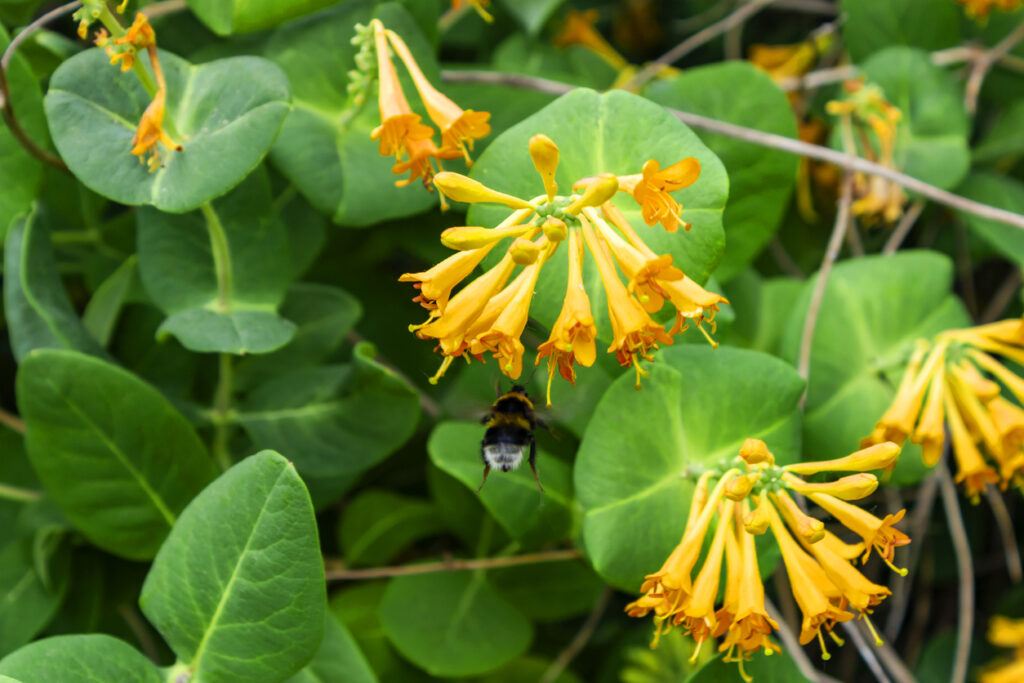
Sweetly scented and flowering from late spring through autumn, honeysuckle is a classic cottage garden climber. Mix it with climbing roses for an abundant, romantic feel. Some varieties are deciduous, so check before buying if you want year-round cover. Honeysuckle twines naturally so needs wires or trellis to climb, but once established it returns faithfully every year and the evening scent is unbeatable.
10. Geraniums
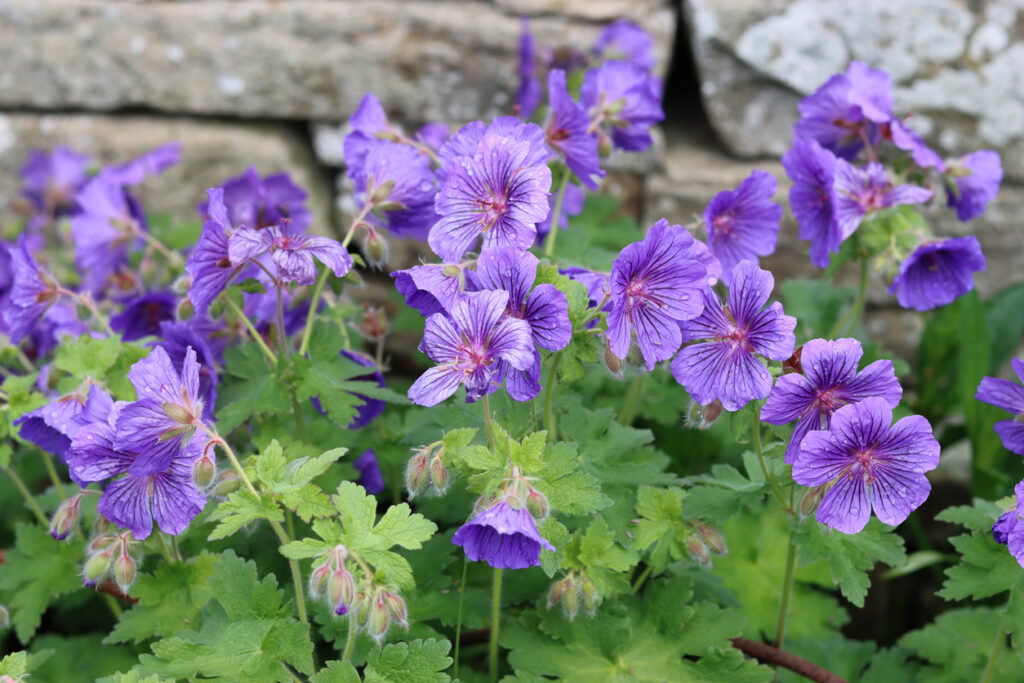
Hardy geraniums, not to be confused with tender pelargoniums, make excellent ground cover at the base of fence plantings. They flower prolifically and many have attractive foliage too. They fill gaps between taller perennials and suppress weeds whilst adding colour from late spring through summer. Most varieties are incredibly tough, tolerating various conditions, and they spread to create a cohesive planting scheme along fence lines.
11. Heleniums
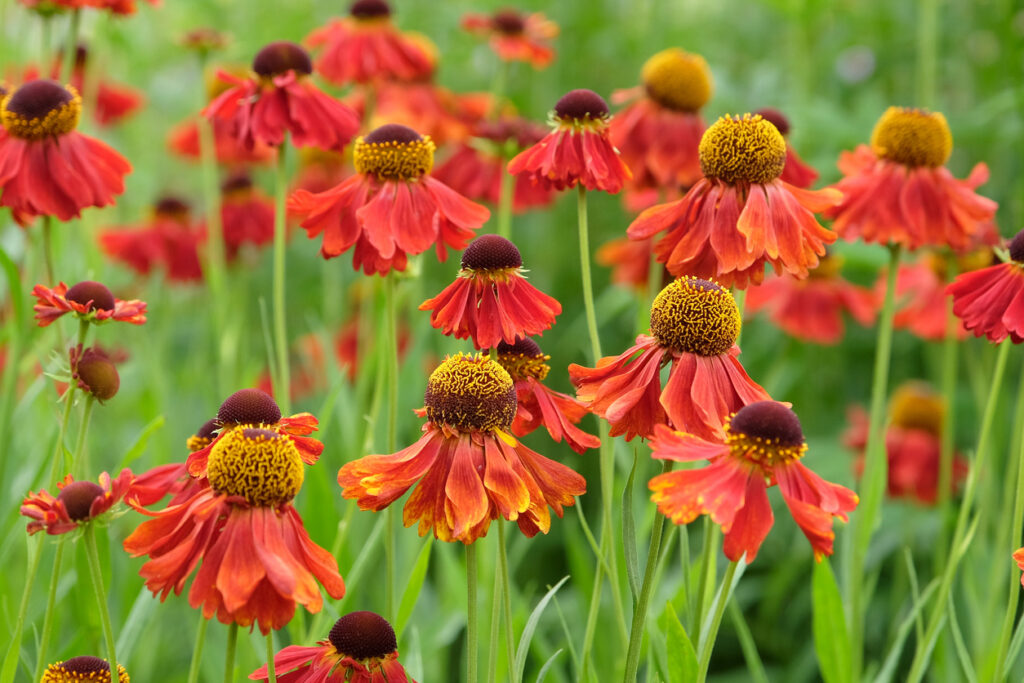
These daisy-like perennials bloom in hot colours including orange, yellow, and bronze from midsummer through autumn. They’re reliable, long-flowering and great for pollinators. Heleniums provide the mid-layer height in fence borders, bridging the gap between low ground cover plants and tall structural specimens. They prefer sun but cope with partial shade, and they naturalise well, increasing in size each year.
12. Miscanthus grasses
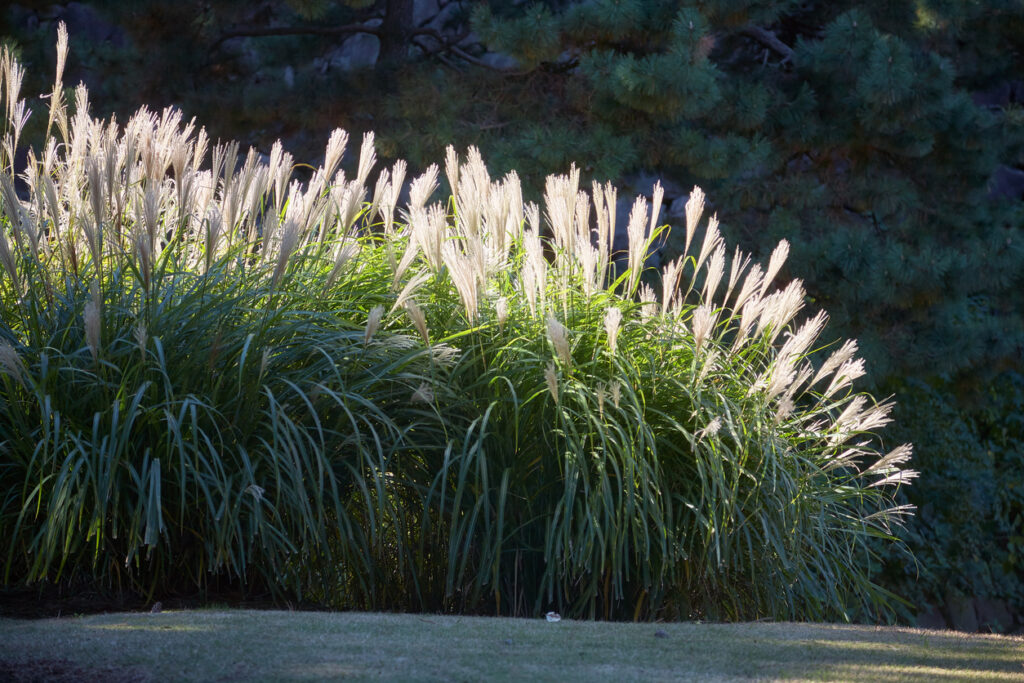
Ornamental grasses add texture and movement to fence lines with their upright growth and feathery plumes. Miscanthus varieties provide height at the back of borders without blocking light. The foliage looks good from spring through winter, turning golden brown and creating beautiful frosted structures in cold weather. They’re low-maintenance, drought-tolerant once established, and provide year-round interest rather than just seasonal flowers.
13. Actinidia kolomikta
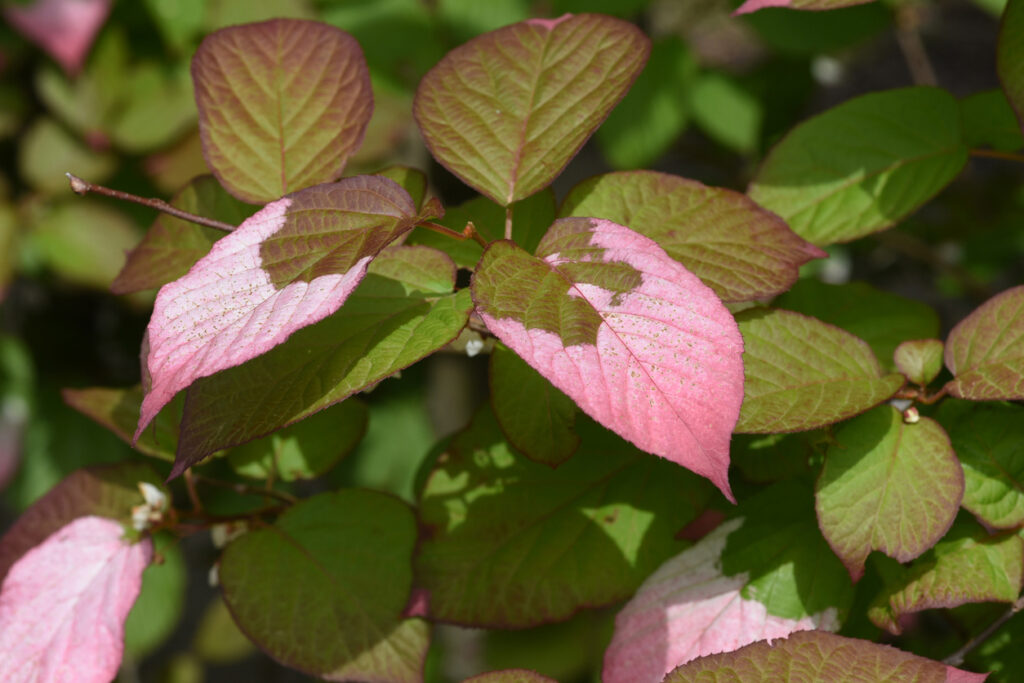
This kiwi vine is grown for its striking foliage rather than fruit in UK gardens. The leaves have pink and white variegation that makes it look like someone’s splashed paint across them. It’s a vigorous climber needing support from trellis or wiring, but the colour display is worth the effort. Once established, it returns reliably each year and the unusual foliage brightens shady fence lines where many flowering plants struggle.