Cats show affection in some… interesting ways, that’s for sure.

One minute they’re purring in your lap, looking like a furry angel. The next, they lean in and lightly bite your hand like they’ve just remembered their inner tiger. It’s confusing. Are they being sweet, annoyed, playful, or plotting your downfall? Cat people know that “love bites” are a real thing, and they can happen at the most random moments.
The tricky part is figuring out what your cat actually means. A gentle bite can be a sign of affection, a request for attention, or a heads-up that they’re overstimulated. If you learn the difference, you’ll stop taking it personally and start reading your cat’s moods like a pro. Let’s break down why these tiny teeth appear and what your cat might be trying to tell you.
They’re not being aggressive.
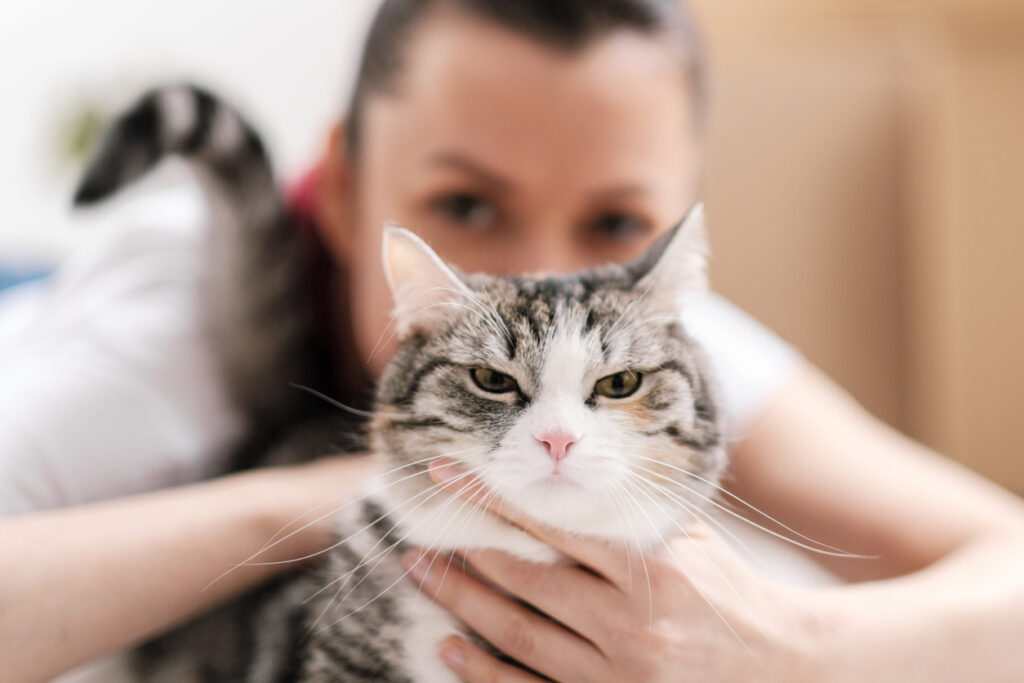
Love bites are gentle, controlled nips that don’t break skin or leave marks. Your cat isn’t trying to hurt you, they’re communicating something specific. The bite lacks the intensity of actual aggression. Their ears stay relaxed, pupils don’t dilate massively, and there’s no hissing or growling beforehand. It’s communication, not combat, even if the timing feels random to you.
It’s actually a compliment.

Cats groom each other by licking and gentle nibbling. When your cat does this to you, they’re treating you like another cat they care about. That’s why love bites often happen during petting sessions when your cat seems relaxed and happy. They’re reciprocating affection in the only way they know how, which unfortunately involves teeth because they don’t have hands.
Overstimulation is the main trigger.
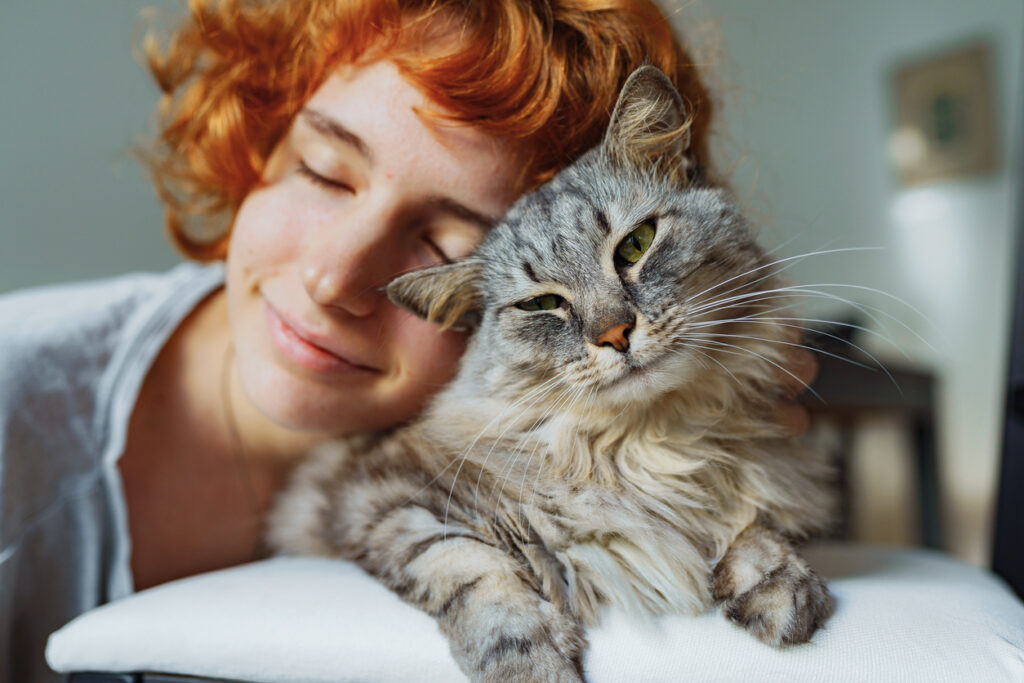
Cats have a threshold for how much petting they can handle before their nervous system gets overwhelmed. What feels nice at first becomes irritating after too long. The bite is your cat’s way of saying “okay, that’s enough now” when you’ve missed the earlier, subtler signals. Most people don’t notice the tail starting to twitch or the ears rotating backwards before the bite happens.
You’re petting the wrong spots.

Some areas are more sensitive than others. The base of the tail, belly and back legs can quickly flip from pleasant to annoying. Stick to safer zones like the cheeks, chin, and top of the head if your cat’s prone to love bites. These areas have fewer nerve endings, and most cats tolerate extended petting there without getting overwhelmed.
They learned it as kittens.

Kittens play-fight with their littermates and learn bite inhibition through feedback. If they bite too hard, the other kitten yelps and stops playing. Cats separated from their litter too early might not have learned proper bite control. They genuinely think they’re being gentle because nobody taught them the difference between play biting and actual biting during that critical learning period.
It can mean “play with me.”

Sometimes a love bite is an invitation to play rather than a request to stop. Your cat might nip your hand then dart away, expecting you to chase or engage. If the bite comes with playful body language like a lowered front end, wide eyes and a twitching tail held high, they’re trying to initiate a game. They’re treating your hand like prey or another cat to wrestle with.
Watch for the warning signs.

Love bites rarely come out of nowhere. Cats give signals including skin rippling, tail twitching, ears flattening slightly, or pupils dilating. Learning to read these tells lets you stop petting before the bite happens. Most people are so focused on stroking the cat that they completely miss the body language broadcast of “I’m reaching my limit here.”
The petting-induced aggression cycle.
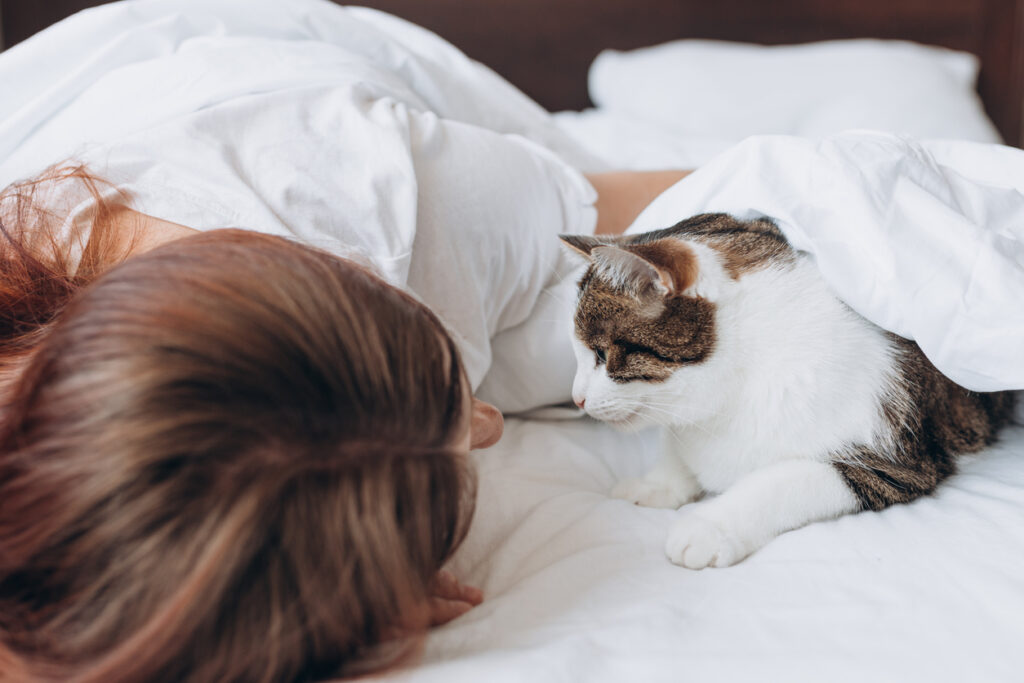
Some cats get conflicted between wanting affection and feeling overstimulated. They’ll seek you out for petting, then bite when it becomes too much. It’s not manipulative or mean, their brain just reaches a point where the sensation changes from enjoyable to irritating faster than they can process it. Breaking the cycle means shorter petting sessions before they hit that threshold.
Redirect before it happens.
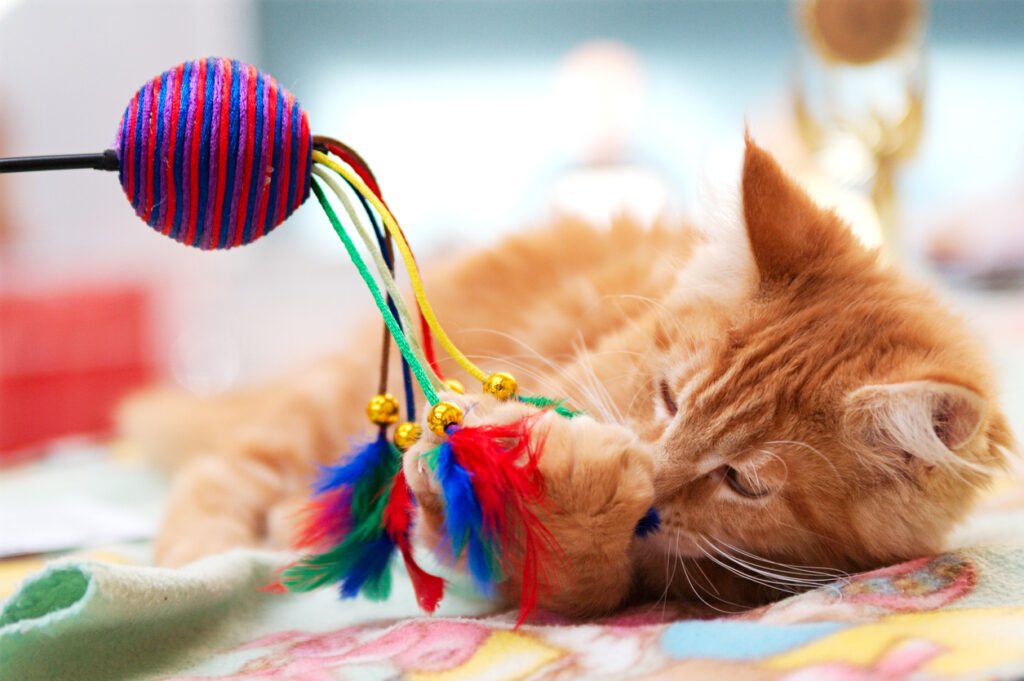
If you spot the warning signs, stop petting and offer a toy instead. This gives your cat an appropriate outlet for the mounting energy. You’re essentially saying “I hear you” and respecting their boundary whilst giving them something acceptable to bite. It satisfies the urge without your hand becoming the target, and over time they learn that the toy appears when they’re getting worked up.
Never punish the behaviour.

Yelling, hitting, or scruffing your cat after a love bite will damage trust and make the problem worse. They won’t understand they’re being punished for biting. Cats don’t respond to punishment the way dogs do. They’ll just associate you with negative experiences and become more defensive or avoidant. The behaviour stems from communication breakdown, not dominance or spite.
Some cats are just mouthy.

Certain breeds and individual cats use their mouths more during interaction. It’s their version of using their hands to hold or guide you. If the bites are consistently gentle and your cat seems relaxed, they might just be a tactile communicator. As long as it’s not escalating or causing injury, it’s just their quirky way of interacting with you.
Pain can cause sudden biting.

If your normally gentle cat starts biting during petting, especially in specific areas, they might be in pain. Arthritis, skin conditions or internal issues can make touch uncomfortable. A vet check is worth doing if the behaviour appears suddenly or your cat reacts defensively to being touched in places they previously enjoyed. What looks like attitude might actually be them telling you something hurts.
Timing matters.
Notice when love bites happen most. Some cats get bitey when they’re hungry, others when they’re tired or overstimulated from a long day. If bites cluster around certain times, you can adjust your interaction patterns. Maybe evening petting sessions are too much after a day of activity, or pre-dinner strokes hit differently when they’re anticipating food.
Stop immediately when it happens.

The moment your cat bites, freeze and stop all interaction. Don’t pull your hand away dramatically or continue petting. Going completely still and boring removes the reward of continued attention or play. After a few seconds, calmly get up and walk away. You’re teaching that biting ends the fun rather than extends it.
Shorter sessions prevent the buildup.

If your cat reliably bites after five minutes of petting, stop at three minutes instead. Keep sessions well below their tolerance threshold. This leaves them wanting more rather than pushing them into overstimulation. Over time, their tolerance might increase because they’re not constantly being pushed past their limit and learning to associate petting with that uncomfortable overwhelmed feeling.
It’s about respecting boundaries.

Love bites are ultimately your cat communicating a boundary. They’re telling you they’ve had enough, they want something different, or the interaction needs to change. Respecting those boundaries rather than pushing through them builds trust and often results in a cat who’s more tolerant of handling overall. When they know you’ll listen to their signals, they don’t need to escalate to biting to be heard.