Imagine if every person on your street put the mower in the shed and decided to leave the grass alone.
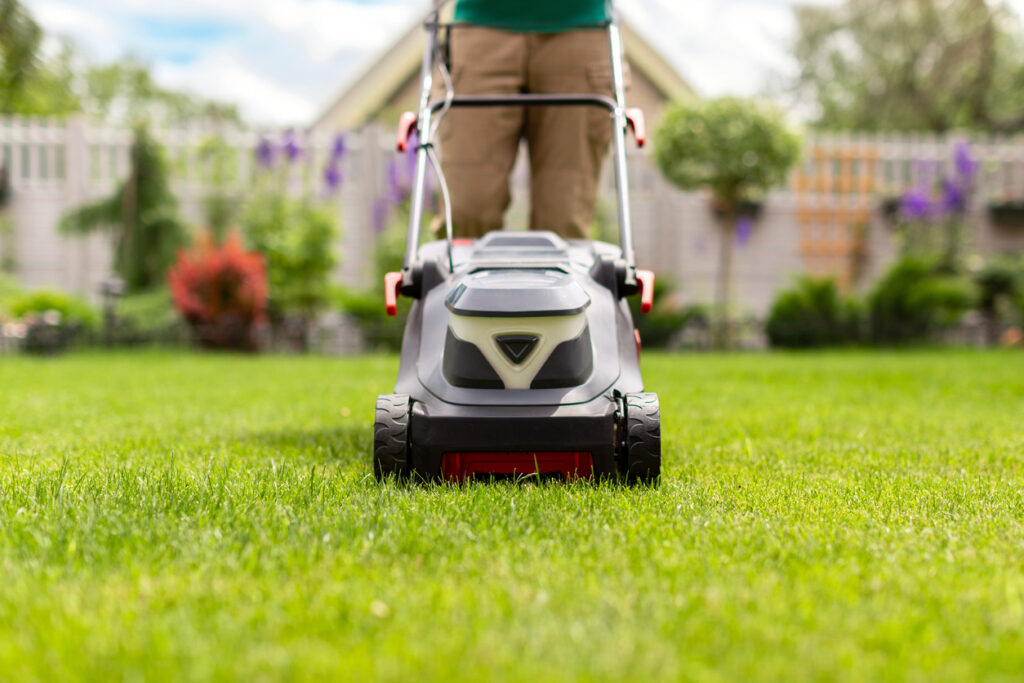
At first, it would just look a bit messy. Longer grass, a few weeds pushing through, neighbours side-eyeing each other. But within a few weeks, things would start to change in ways you could actually see. Flowers that usually get chopped down before they bloom would appear, insects would show up, and birds would follow. Your lawn would go from a flat green carpet into a tiny living ecosystem all on its own.
Give it a little more time and the transformation gets wild. Native plants would spread, soil would hold more moisture, and pollinators would have a field day. Instead of spending weekends sweating behind a mower, people would literally watch nature handle itself. The world would be a bit noisier with bees and less noisy with engines. Here are some other things that would happen if we all just let our gardens go.
Wildflowers would return within weeks.

Many lawn “weeds” are actually native wildflowers including daisies, clover, buttercups and self-heal. They’re already in your lawn, just kept short by constant mowing. Stop cutting, and they’ll flower within a fortnight, transforming your grass into a mini meadow. Studies show unmown lawns support three times more plant species than maintained ones, with wildflowers appearing naturally without any seeding required.
Pollinators would have a field day.

Bees, butterflies and other insects desperately need nectar and pollen sources. Unmown lawns provide exactly that when flowers are allowed to bloom. Research at King’s College Cambridge found their wildflower meadow supported significantly more insect species than mown lawn, including 14 species with conservation designations. That’s just from stopping the mower, not planting anything special.
Your lawn would look messy for the first year.
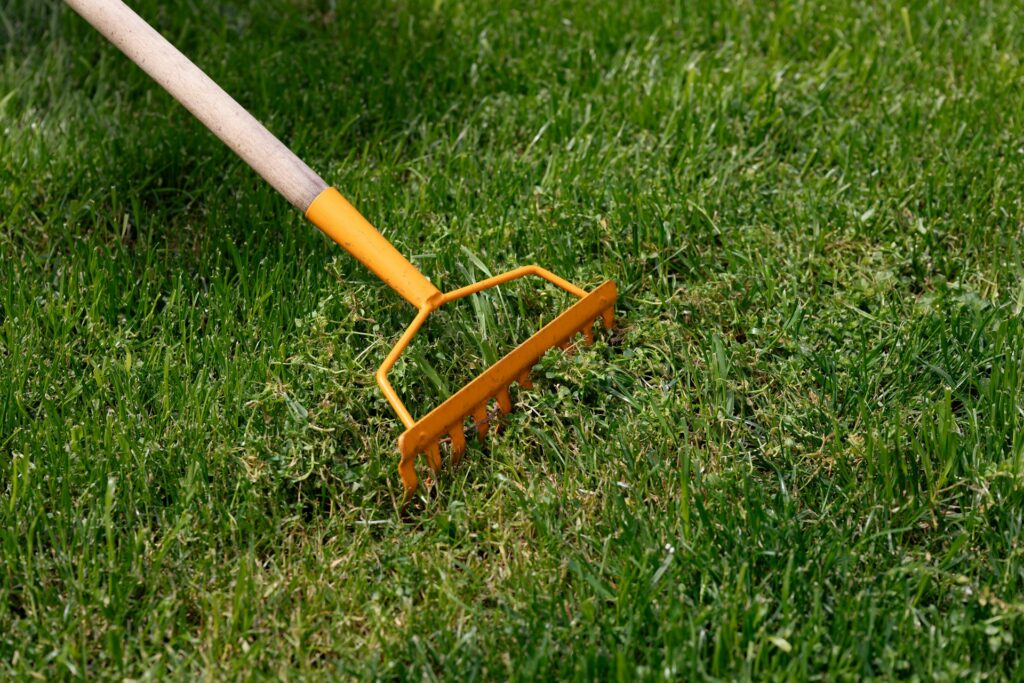
The initial growth phase isn’t pretty. You’ll get long, floppy grass mixed with whatever weeds were lurking, and it’ll look unkempt rather than intentionally wild. This is why many people give up and start mowing again. But if you push through that first awkward year, perennial wildflowers establish properly and the meadow looks intentional rather than neglected by year two.
Grasses would dominate without management.
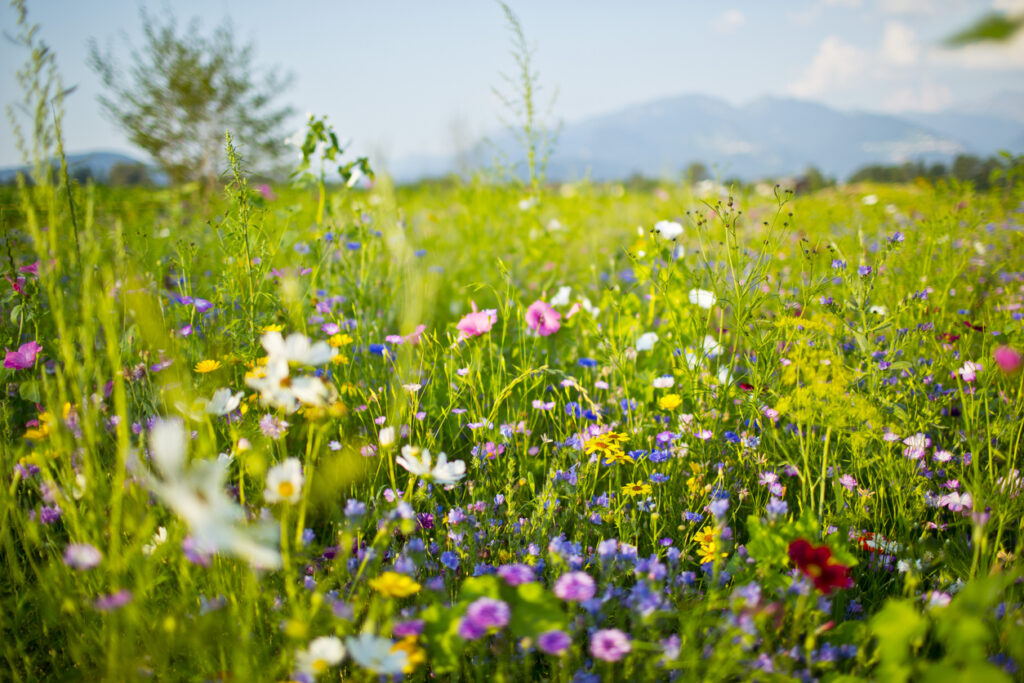
Left completely alone, most lawns would become grass-heavy rather than flower-rich meadows. Grasses are vigorous and will outcompete wildflowers if you do absolutely nothing. You’d need to cut once or twice a year and remove the clippings to reduce soil fertility. Wildflowers thrive in poorer soil where grasses can’t dominate, so taking away nutrients actually helps create better meadows.
Carbon capture would improve dramatically.
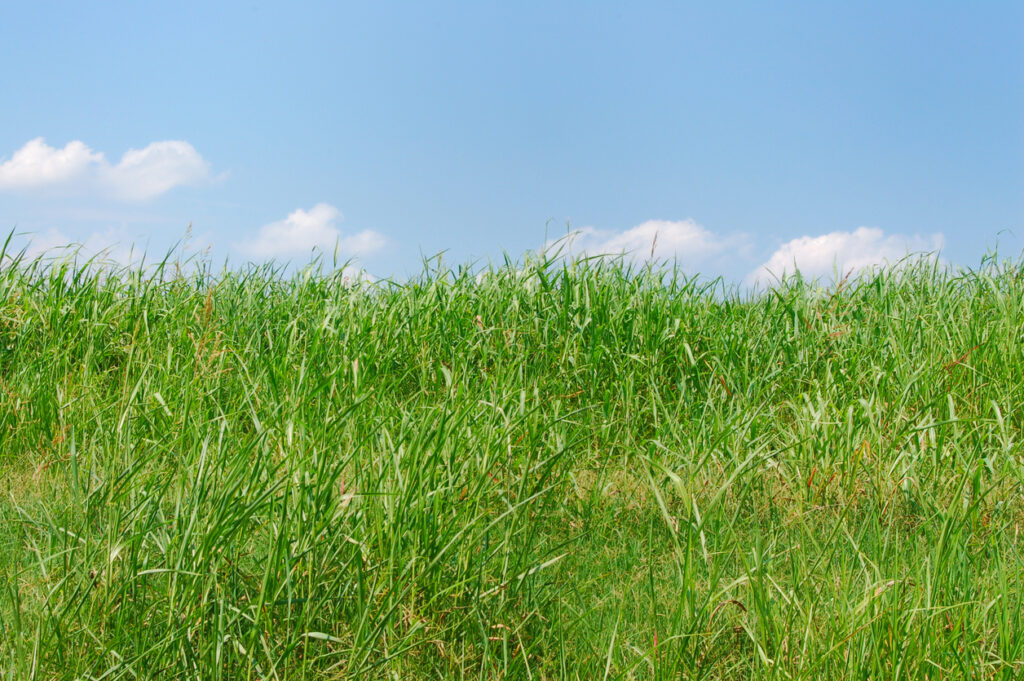
Long grass and wildflowers develop deep root systems that sequester carbon far more effectively than short turf. Some meadow plants have roots extending several feet down. Those deep roots bring up nutrients and minerals while storing carbon underground. Unmown meadows become carbon sinks rather than carbon sources, especially when you factor in eliminating petrol mowers that currently pump out emissions every weekend.
You’d save hours every summer.
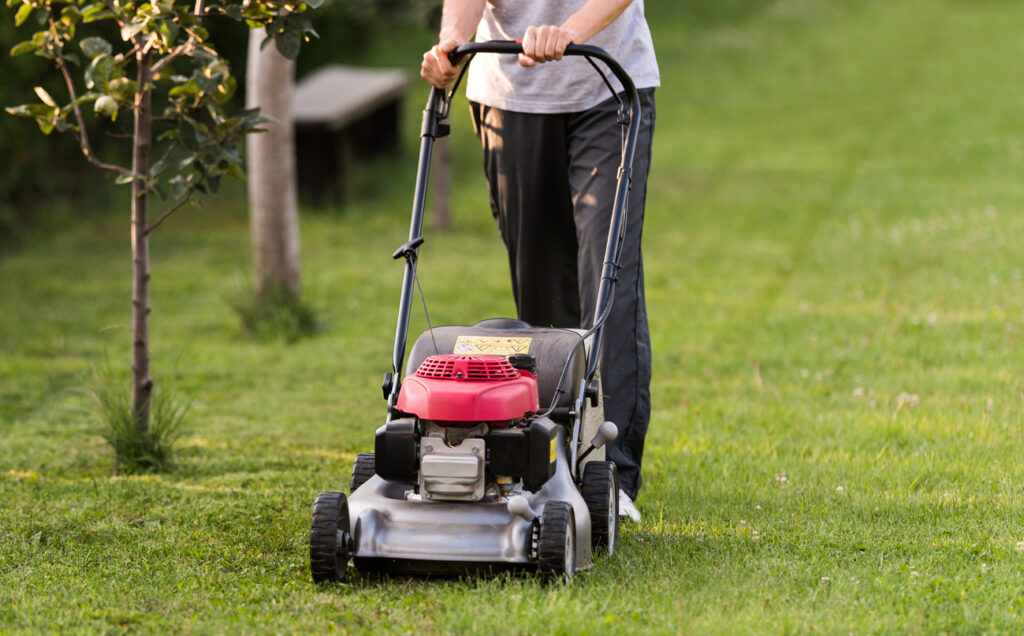
The average person spends over 100 hours a year mowing their lawn. Meadows need cutting just once or twice annually, usually in late summer after plants have seeded. That’s a massive time saving that could be spent actually enjoying your garden rather than maintaining it. Plus you’d eliminate the cost of petrol, mower maintenance and replacement blades.
Your water bill would drop.
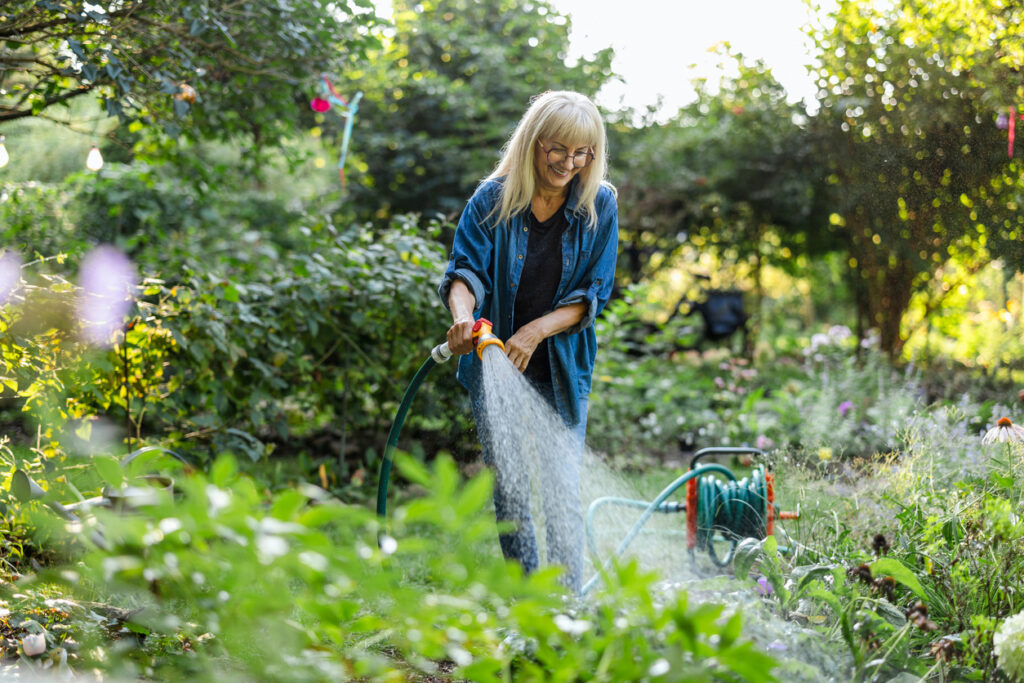
Lawns need regular watering during dry spells to stay green. Meadow plants are adapted to cope with drought thanks to those deep root systems. Unmown areas stay greener longer without irrigation because diverse plant communities are more resilient to extreme weather. You’d stop needing to water altogether once the meadow establishes properly.
Neighbours would definitely complain.
The social pressure to maintain a tidy lawn is intense. People would assume you’ve given up on your garden, rather than understanding you’re creating habitat. Mowing a neat edge around unmown areas signals intention rather than neglect. Creating mown paths through longer grass shows you’re managing the space deliberately, which usually stops complaints before they start.
Some “weeds” would need controlling.
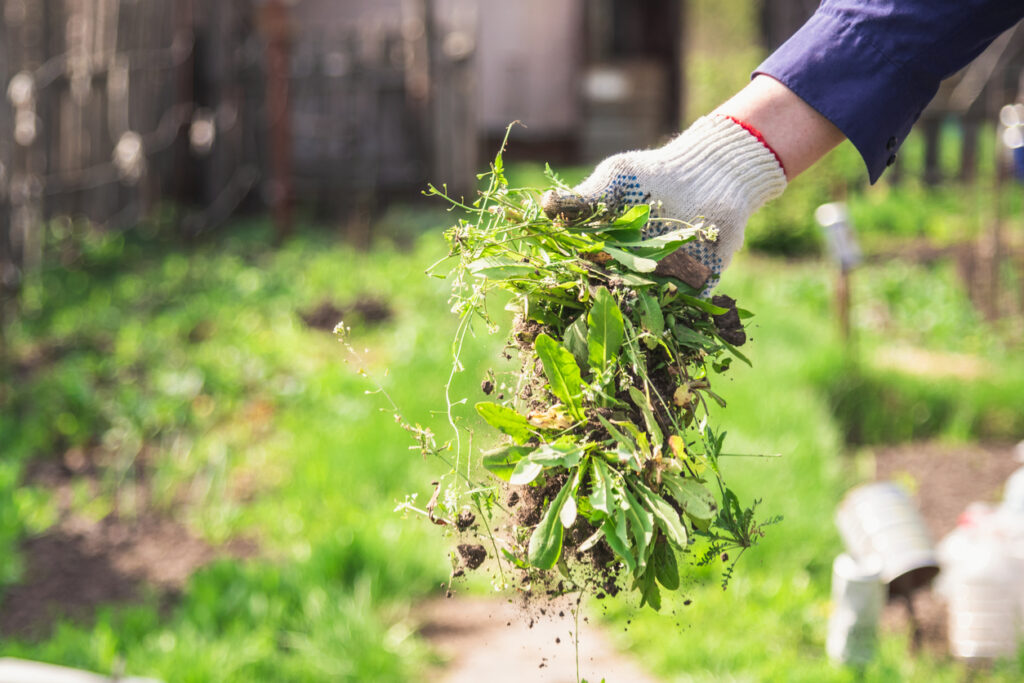
Not everything that appears will be desirable. Docks, thistles, and brambles will try to colonise, and you’ll need to remove them before they take over. The first few years require weeding to prevent aggressive species dominating. After that, established wildflower meadows become relatively self-maintaining as diverse plant communities naturally resist invasive species better than monoculture lawns.
Wildlife would move in immediately.
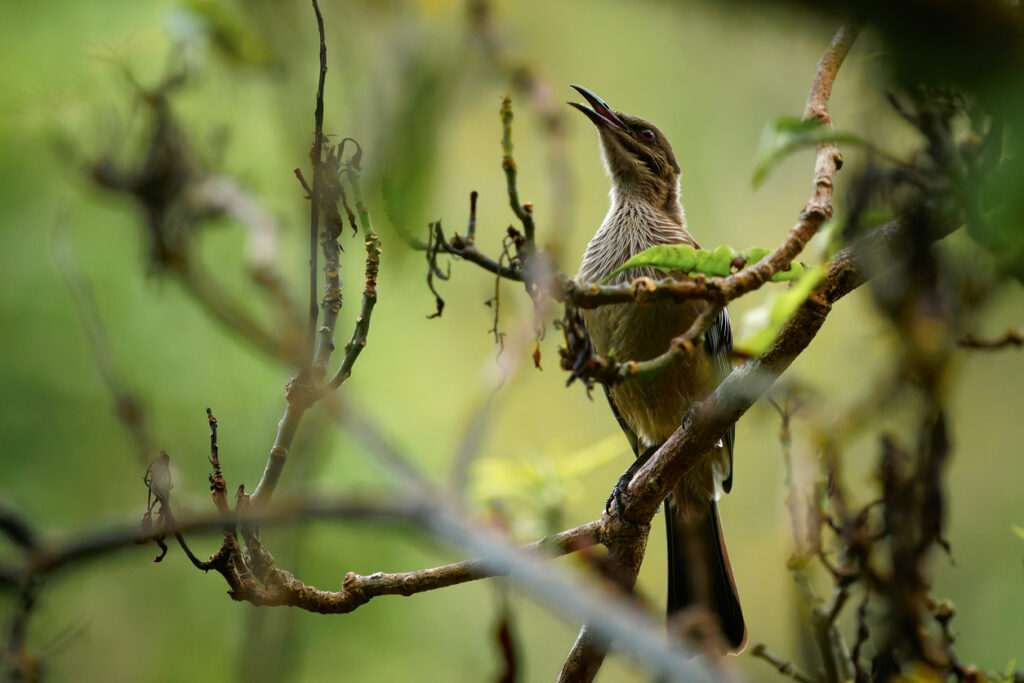
Long grass provides cover and hunting grounds for small mammals, birds, and insects. You’d see an increase in everything from field mice to hedgehogs within weeks. Leaving some areas unmown over winter gives hibernating insects and small creatures somewhere to shelter. The stems and seed heads provide food and habitat through cold months when resources are scarce.
It wouldn’t work for play areas.
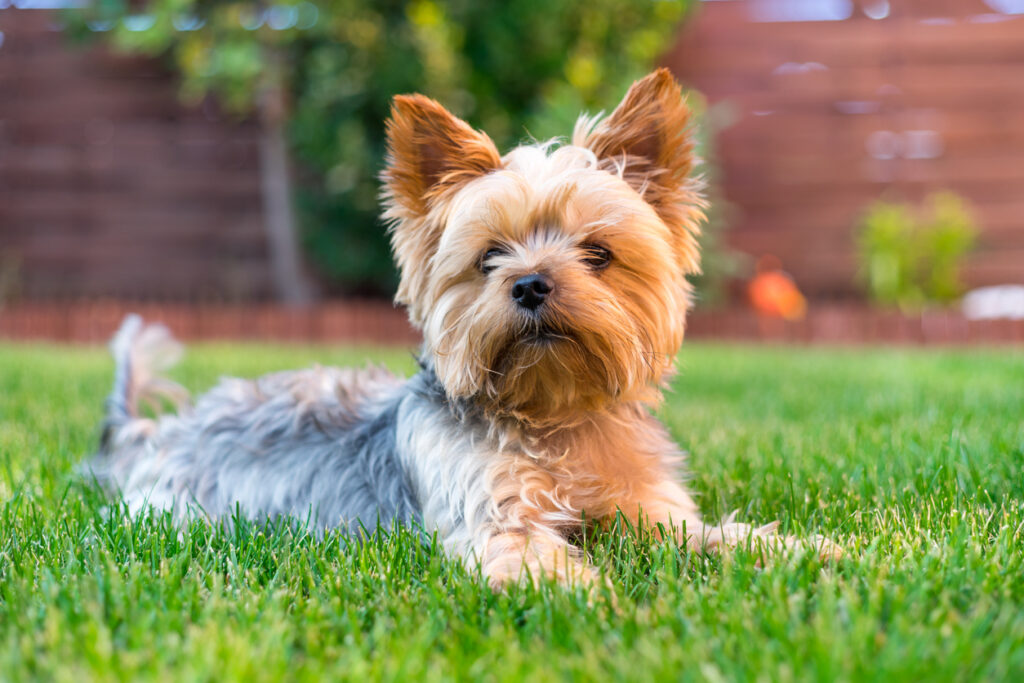
If you’ve got kids or dogs that need space to run around, you’ll still need some mown lawn. Meadows aren’t suitable for heavy foot traffic or ball games. Most people compromise by keeping areas near the house short for use while letting the rest grow wild. You don’t have to choose between having a functional garden and supporting biodiversity, you can have both.
Succession would eventually create woodland.
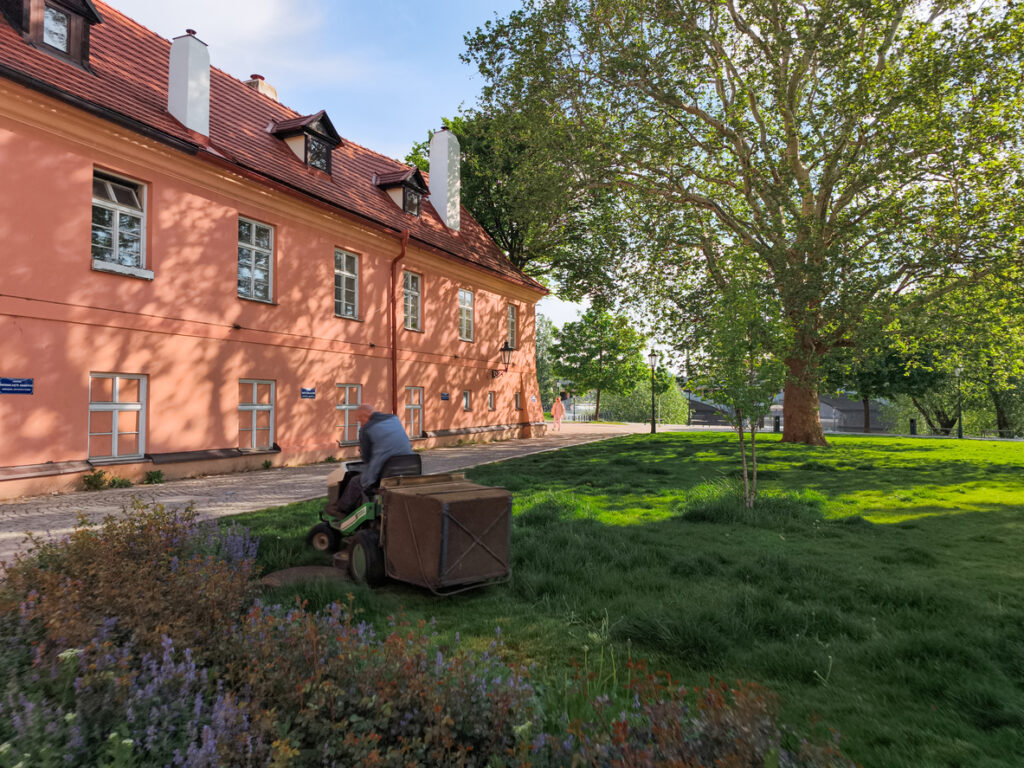
Without any intervention at all, meadows don’t stay meadows forever. Tree seedlings would establish and over decades your lawn would become scrubland then eventually woodland. That’s why even meadows need occasional management. The annual or biennial cut prevents woody plants taking over while maintaining the open habitat that wildflowers and many insects need to thrive.
The environmental impact would be huge.
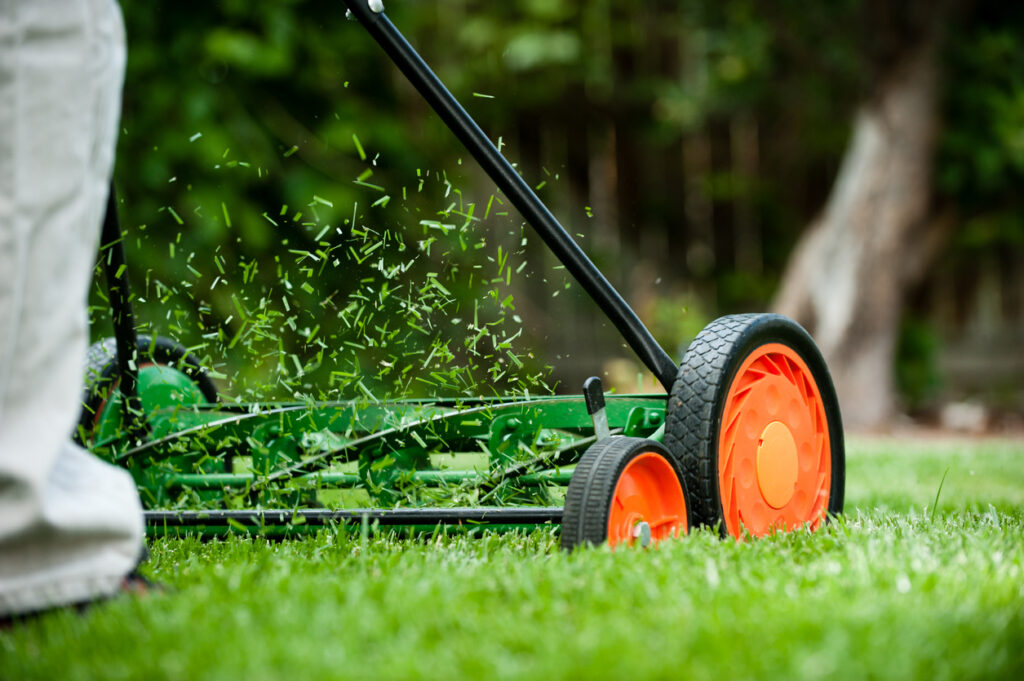
If everyone in Britain stopped mowing, we’d create millions of acres of pollinator habitat virtually overnight. The collective impact on biodiversity would be staggering. We’d also eliminate tonnes of emissions from petrol mowers, reduce water consumption massively, and create natural carbon sinks across the country. Sometimes the most radical environmental action is simply doing less, not more.