We adore our pets and want to make them feel as loved as possible, of course.

They’re part of the family, and it’s only natural to want to show affection the same way we would with another person. The problem is that animals don’t always see things the same way we do. What feels kind or comforting to us can actually feel invasive, confusing, or even scary to them.
Understanding the difference between human affection and animal comfort can make all the difference in how your pet feels around you. Here are some of the most common things people do out of love that pets often wish we’d tone down, and how to show them care in ways they actually understand.
1. Hugging them too tightly
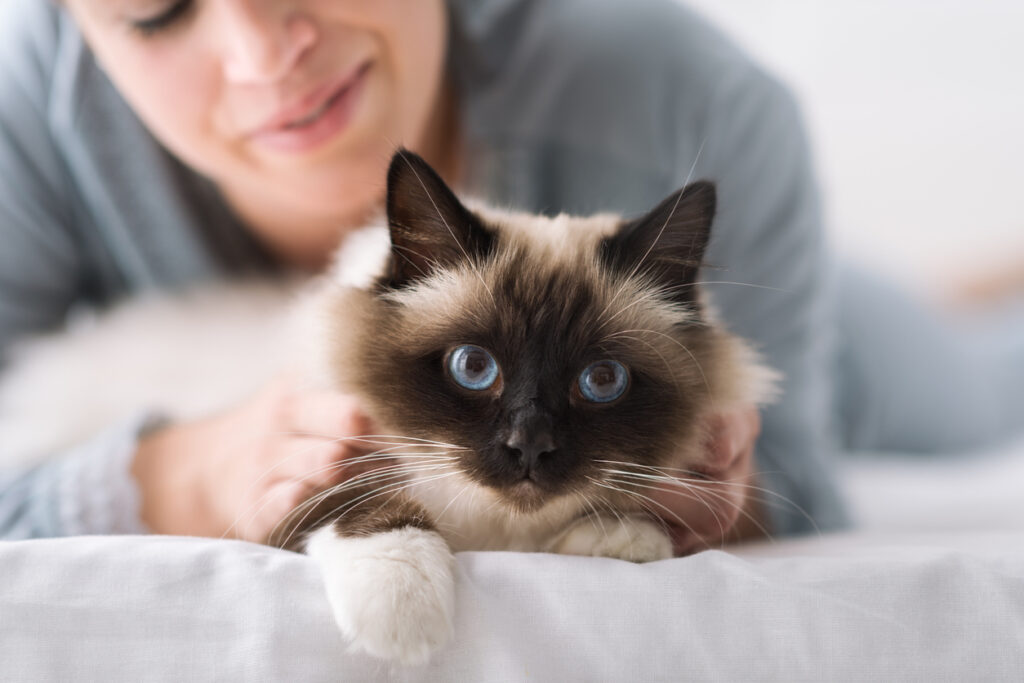
Humans hug to show warmth, but most animals simply don’t get it. Being held tightly can make dogs and cats feel trapped, even threatened because restraint is something they associate with being caught, not comforted.
That doesn’t mean you can’t show affection; it just needs to be on their terms. Sitting close, offering gentle strokes, or letting them lean against you gives them a sense of closeness without pressure. Pets feel safest when they can choose how near they want to be.
2. Kissing their face

A quick peck on your dog’s nose or cat’s head might seem like the sweetest thing ever, but it’s not always received that way. To many animals, a face coming in close feels intrusive, even intimidating. Some pets tolerate it, especially if they’ve grown used to your habits, but few genuinely enjoy it.
A calm scratch behind the ears or a rub along the back is much more meaningful to them. They understand gentle touch as affection, not faces in their space.
3. Dressing them in clothes

Tiny jumpers and bow ties might look adorable, but most pets would rather skip the fashion show. Clothes can restrict their movement and make them overheat, especially if the fabric is thick or tight.
Unless your vet recommends a coat for warmth or a protective garment for a medical reason, it’s best to let their fur do its job. Comfort always matters more than appearance.
4. Bathing them too often
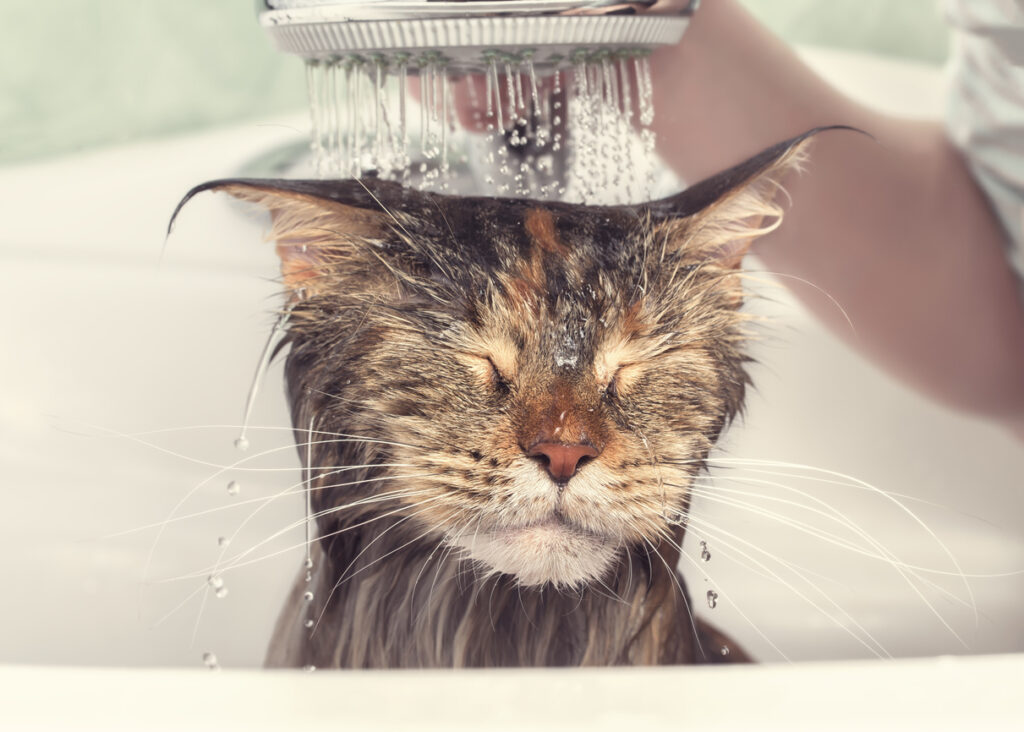
It’s easy to assume that if we like to be clean, our pets must too, but overbathing actually harms their skin by stripping away natural oils that protect and nourish their coat. That can leave them itchy, flaky, and uncomfortable.
Most dogs only need a wash every few months, and cats rarely need one at all. Regular brushing does far more for their hygiene and comfort than constant shampooing ever could.
5. Using strong-smelling products on them
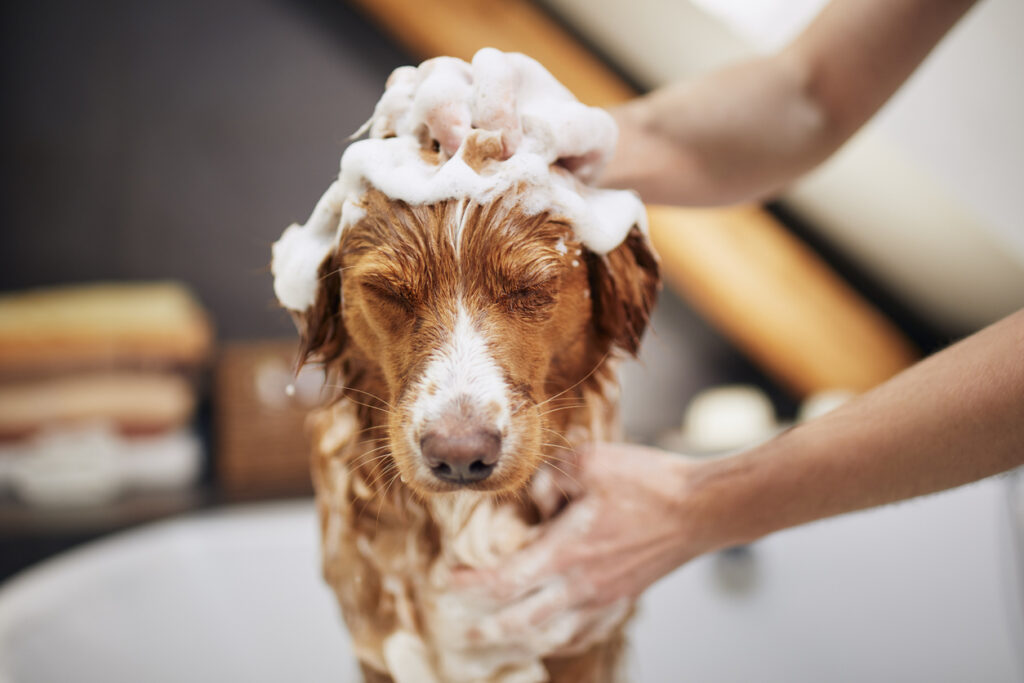
A pleasant scent to you might be unbearable for your pet. Their noses are far more sensitive than ours, and even mild perfumes, sprays, or fragranced shampoos can irritate them or make them feel dizzy.
Stick to unscented or pet-safe grooming products and avoid spraying anything near them. They don’t care about smelling like lavender. They just want to feel comfortable in their own skin.
6. Staring into their eyes
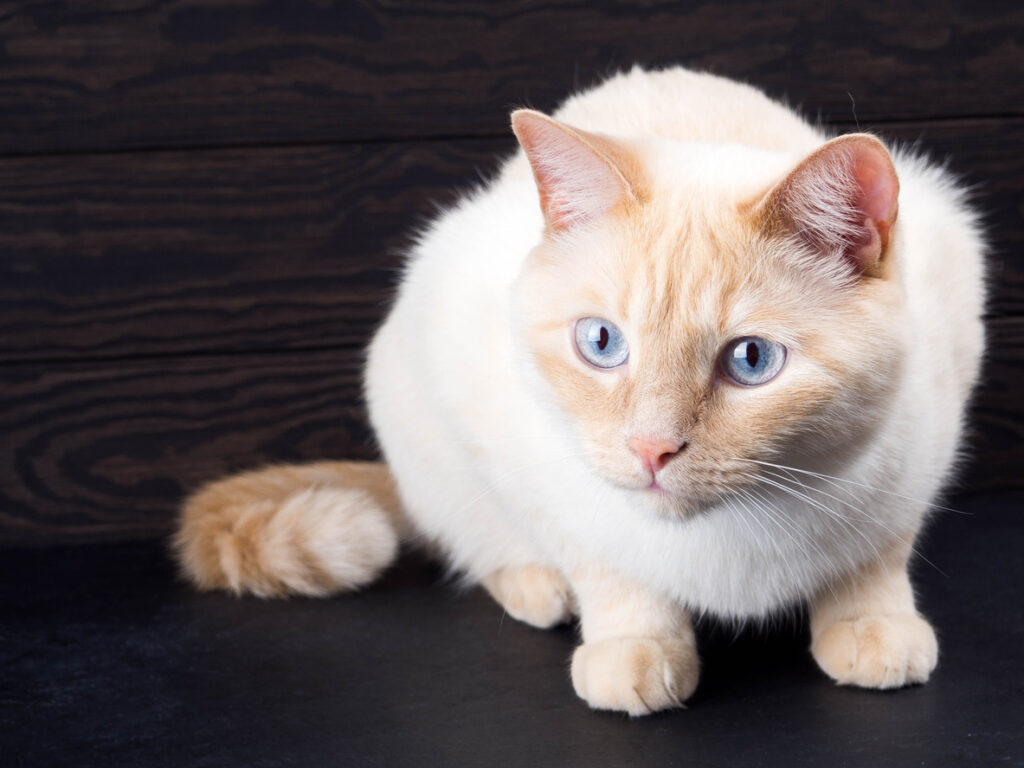
It’s one of the most natural ways humans connect, but in animal language, a fixed stare is often seen as a challenge or a threat. Prolonged eye contact can make pets anxious, especially those who are shy or still learning to trust you.
If you want to show warmth, use soft eye contact or a slow blink. That’s how cats, in particular, express affection and trust. It’s subtle, but they notice.
7. Petting them the wrong way

Every pet has a different comfort zone. Many cats dislike belly rubs, and even some dogs will flinch if you grab their paws or tail. What feels friendly to you might feel intrusive to them.
Watch for signs like flattened ears, pulled-back whiskers, or moving away. If they relax, lean in, or purr, you’re doing fine. Let their reactions guide you. It builds trust far more than forcing touch ever could.
8. Giving too many treats

Treats are the universal love language for pets, but too many can cause real harm. Overfeeding leads to weight gain, diabetes, and joint problems, even if it feels like a small indulgence.
The best way to show care through food is moderation. Use treats as part of training or for positive reinforcement, not constant snacking. Your pet will still associate them with love, and you’ll be helping them live longer and healthier.
9. Waking them up for cuddles
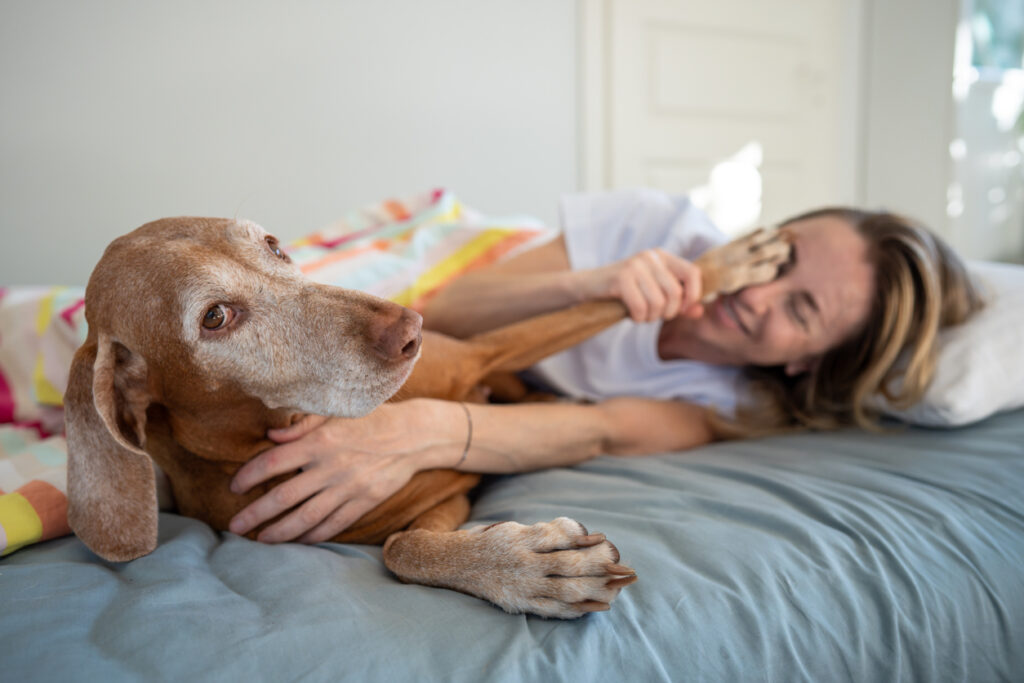
Sleeping pets are irresistibly cute, but waking them up just to cuddle can leave them startled or grumpy. Rest is essential for their health, and being jolted awake can stress them out.
Let them sleep peacefully, and wait until they come to you. A well-rested pet will always be more affectionate than one whose nap got interrupted for a selfie.
10. Talking too loudly or too much

Many pets recognise your voice and find it soothing, but volume matters. Loud tones or constant chatter can make them uneasy because they pick up on emotion more than words.
When you speak softly and calmly, it reassures them that everything’s fine. They respond to tone far more than content, so your mood carries more meaning than anything you say.
11. Forcing them to meet new people

Some pets are naturally cautious or shy around new people, and trying to make them “friendly” too quickly often backfires. Loud introductions, crowded rooms, and lots of hands reaching out can be overwhelming.
Give them time to observe from a safe spot and let them approach when they’re ready. Trust builds when they feel safe, not when they’re pushed into attention they don’t want.
12. Playing too roughly
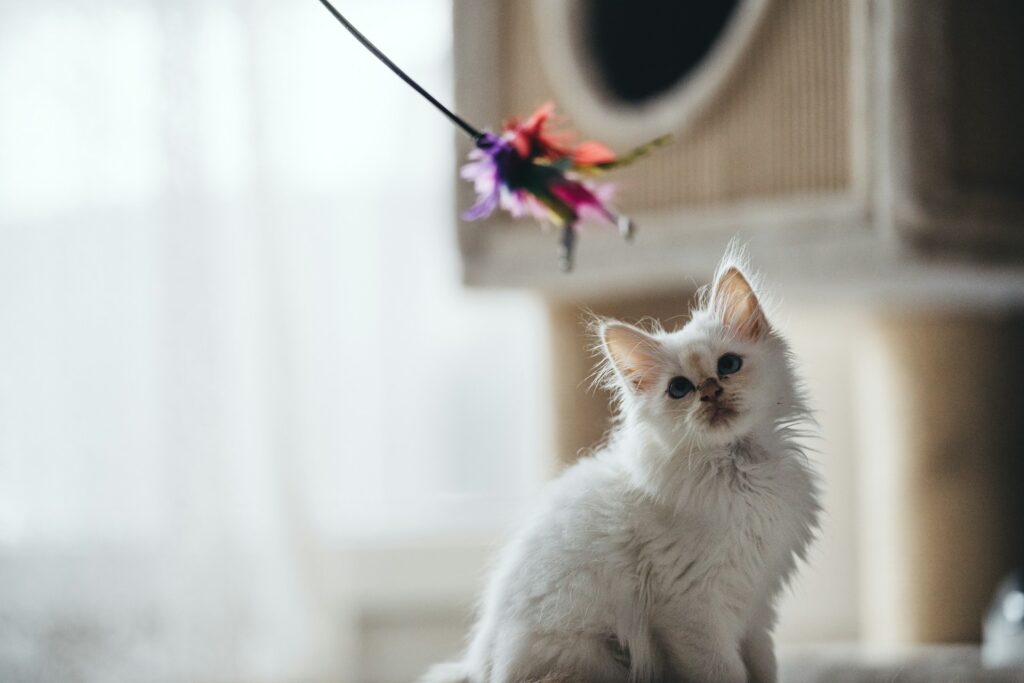
It might feel like harmless fun, but rough play can easily cross into fear or pain for your pet. Tugging, wrestling, or teasing confuses them and can even make them defensive.
Stick to gentle play and use toys instead of your hands. Keep an eye on their energy levels. If they start panting, flatten their ears, or look away, it’s time for a break.
13. Ignoring their signals

Your pet’s body language is their way of talking to you. A tucked tail, pinned ears, or turning their head away means “I need space.” Ignoring those signals teaches them that you won’t listen, which can lead to anxiety or mistrust.
When you respect their signals, you show that you understand them. Over time, they’ll feel safer being open around you because they know you’ll pay attention when they say “enough.”
14. Treating them like people instead of animals
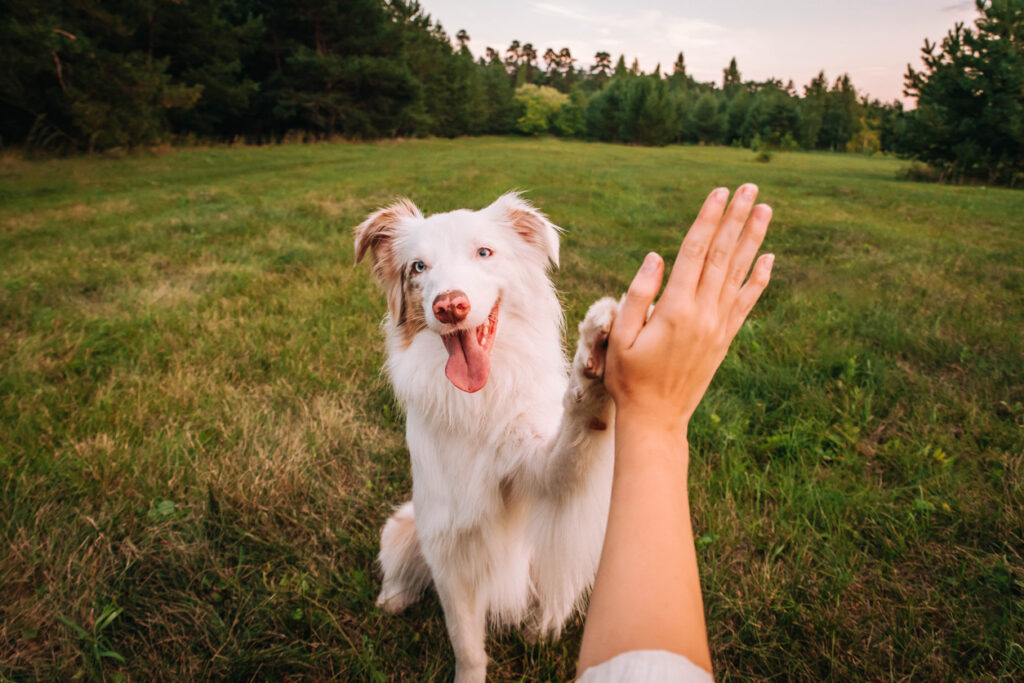
It’s easy to forget that pets don’t see the world as we do. They don’t process affection, emotions, or boundaries in quite the same way. When we treat them purely as miniature people, we often miss what they’re actually trying to communicate.
The best love you can give is one that respects their instincts. Understand their body language, provide security, and let them choose when and how to connect. They don’t need human-style affection; they need understanding, patience, and consistency.