
It’s easy to forget that our planet is constantly in motion, quietly spinning beneath our feet every second of every day. It feels steady, predictable, and safe, but that steady rotation is what keeps everything about life as we know it in balance.
If, for some reason, that motion came to a sudden halt, the consequences would be beyond anything we’ve ever experienced. The forces that shape our weather, oceans, and even gravity itself would all behave in strange, unsettling ways. It’s a thought experiment that sounds like science fiction, but it reveals just how fragile our planet’s balance really is.
Everything not nailed down would fly east.
Because the planet spins so quickly, everything on its surface is moving with it. If it stopped suddenly, people, cars, and even oceans would keep moving at the same speed until they crashed into something. The result would be destruction everywhere. Winds faster than any hurricane would tear across the world, and anything that wasn’t buried deep would be thrown miles away in seconds.
The oceans would rush toward the poles.
The spinning of the Earth pushes water slightly outward, making the planet a bit wider at the equator. Without that spin, gravity would pull the water evenly toward the poles. This means places like Canada and Russia would flood completely, while areas near the equator would dry out. The world’s map would look completely different overnight.
Day and night would last six months each.
Right now, the Earth spins every 24 hours, giving us day and night. If it stopped spinning, one side of the planet would face the Sun constantly while the other stayed in darkness. The sunlit side would get hotter than any desert, while the dark side would freeze solid. Life as we know it couldn’t survive such extreme changes in temperature.
Gravity would feel stronger in some places.
The Earth’s rotation slightly reduces the pull of gravity at the equator. Without that spin, gravity would pull down a bit harder everywhere, especially near the equator. It wouldn’t crush you, but you’d feel heavier. Over time, this could change how our bodies and buildings handle weight, even making the planet slightly more round than it is now.
The sky would look completely different.
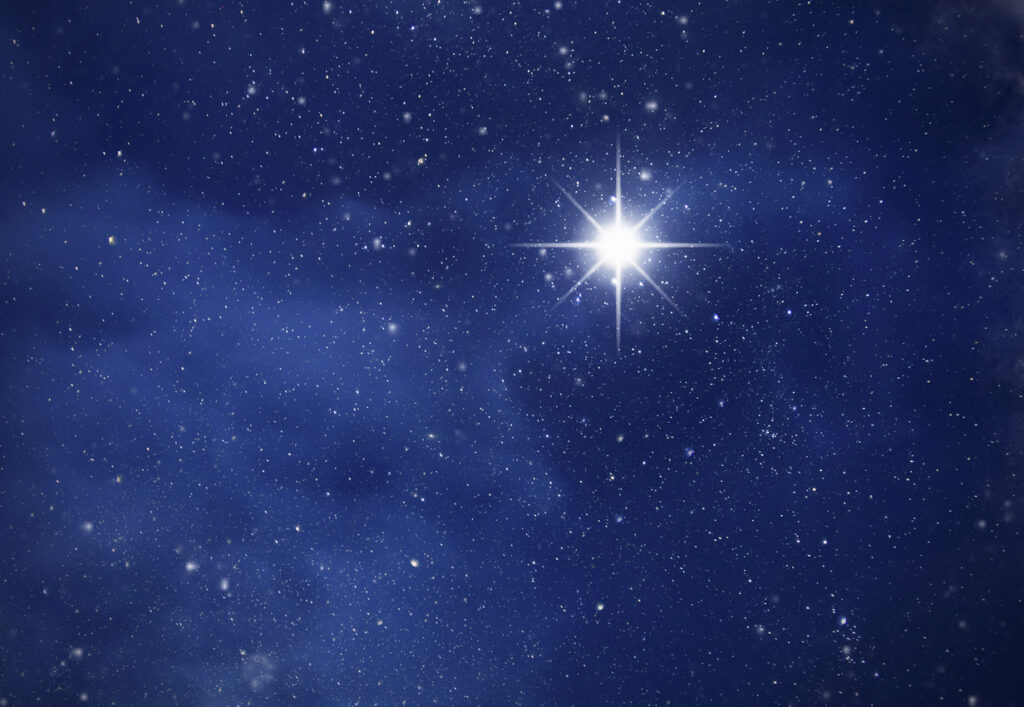
Because the planet turns, the stars appear to move across the night sky. If Earth stopped spinning, the stars would seem frozen in place, never rising or setting. People near the edge between the light and dark sides would live in a kind of permanent sunset or sunrise, seeing the same stars and same glow every day forever.
Massive earthquakes would shake the planet.
The Earth’s crust is constantly moving, but a sudden stop would throw it off balance. The ground would shift violently, causing huge earthquakes and volcanic eruptions worldwide. The pressure from all that movement could split continents and form new mountain ranges. It would take centuries for the planet’s surface to settle again.
The atmosphere would keep moving.
Even if the solid Earth stopped, the air around it wouldn’t. The atmosphere would continue spinning at high speed, slamming into the surface and creating deadly storms. These winds would destroy almost everything. It would take a long time for the air to slow down enough for the weather to return to anything close to normal.
Magnetic fields would disappear.
The Earth’s spin helps create its magnetic field, which protects us from harmful radiation from the Sun. Without that rotation, the magnetic field would slowly fade away. That would leave us exposed to solar radiation, making the planet’s surface dangerous for most life. Our technology, including satellites and power grids, would also be at risk of failure.
Oceans and rivers would stop flowing normally.

Right now, the planet’s rotation helps guide ocean currents and wind patterns. Without it, the seas would stop moving in their usual ways, breaking the balance that keeps weather predictable. Currents would change, storms would form in strange places, and the world’s climates would change forever. Areas that were once mild could turn into deserts or icy wastelands.
The Moon would look different over time.
The Earth’s rotation affects how we see the Moon and how the tides move. If the planet stopped spinning, the Moon would slowly drift away as gravity between the two changed. Eventually, tides would disappear completely, and the night sky would lose its familiar look. The rhythm of days, nights, and tides that life depends on would be gone.
Some places would become unliveable quickly.
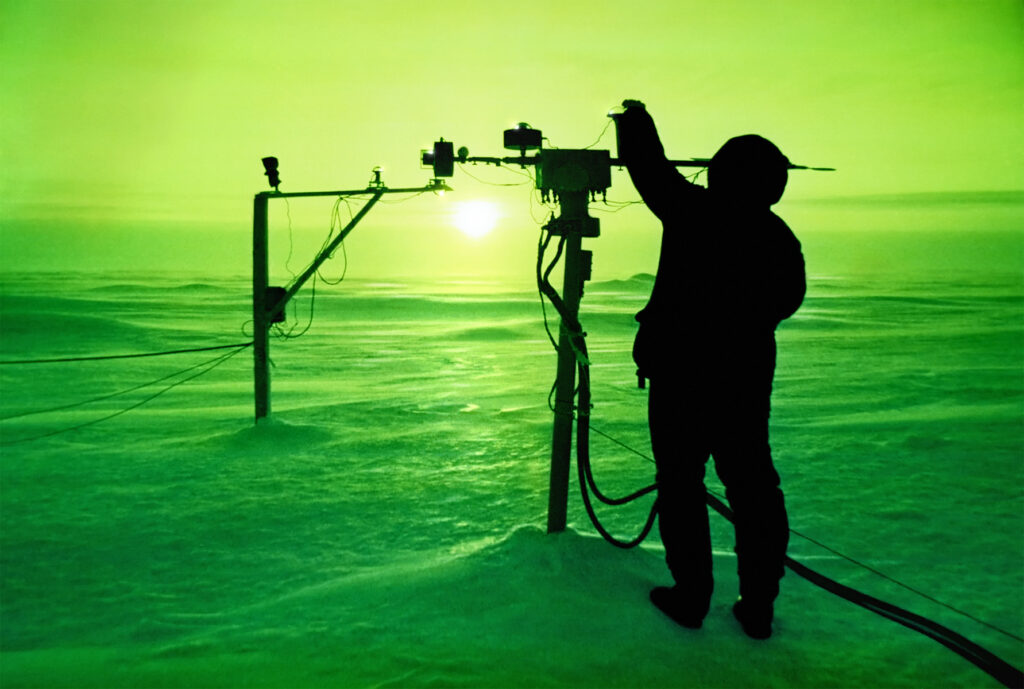
Regions near the equator would dry up and bake under constant sunlight, while areas near the poles would freeze. Only the zones between them might stay somewhat balanced for a while. However, even there, constant storms, dust, and wild temperature swings would make long-term survival nearly impossible. Plants and animals wouldn’t be able to adapt fast enough.
A new kind of planet would slowly form.
Over many years, the Earth would change shape as gravity pulled everything toward the centre evenly. The oceans would settle near the poles, and the middle would become a wide, dry desert. It would be a completely different world: still Earth, but quiet and lifeless. The planet would stop being the vibrant, spinning home that makes life possible today.