Wild animals might seem calm, collected, and predictable when you watch them on documentaries, all routine, instinct, and survival.
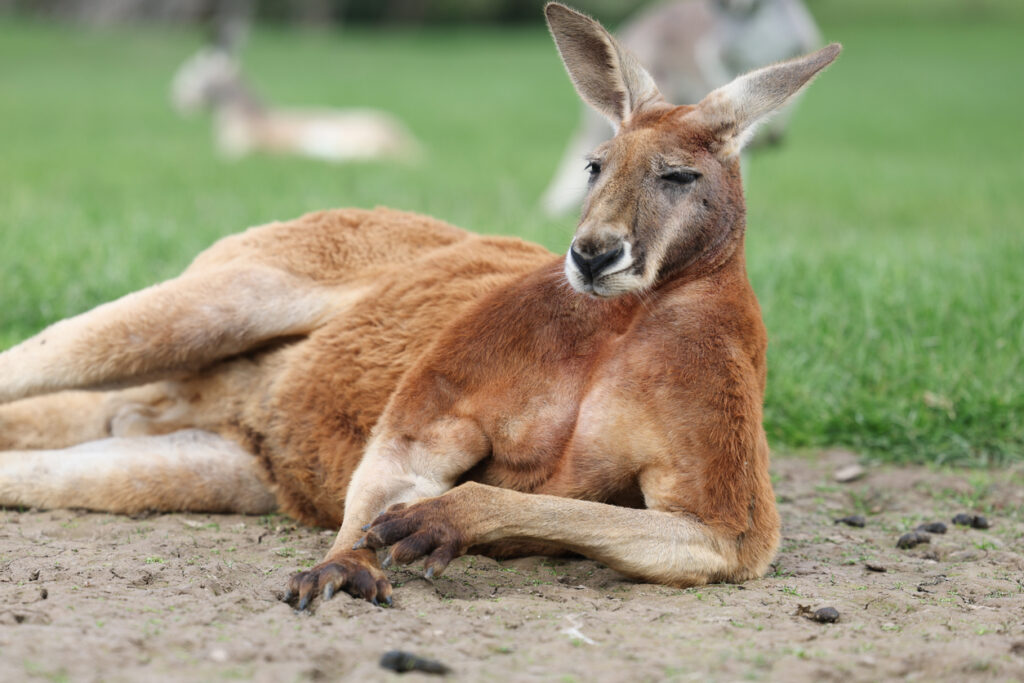
However, out in the real world, nature doesn’t always stick to the script. Sometimes animals act in ways that make absolutely no sense to us. They pick fights with their own reflections, chase after cars, or start screaming at the sky for no obvious reason. Scientists have theories, but a lot of the time it’s still a mystery.
One thing’s certain, though: when wild animals go off the rails, it’s both fascinating and slightly terrifying to witness. Here are a few creatures known for completely losing the plot every now and then.
1. Kangaroos when they see their reflection
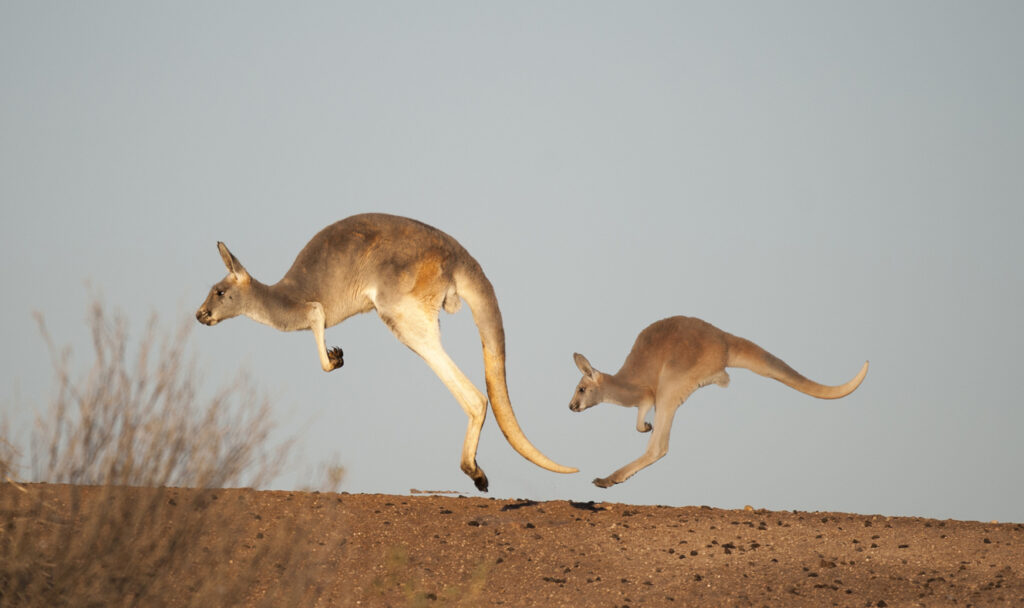
Kangaroos are known for their strong territorial instincts, especially the males, who spend a good portion of their lives squaring up to rivals. However, when a kangaroo spots its reflection in a shiny car door or window, all reasoning goes out the window. They puff up, stand tall, and start jabbing and kicking at their own mirror image like it’s a rival trying to steal their turf. It’s not that they recognise themselves. In fact, it’s the exact opposite. They think it’s another male staring back at them with that same challenge in its eyes.
These “mirror fights” can go on for minutes, with the poor kangaroo getting more and more worked up until it tires itself out. Some drivers in rural Australia have even resorted to covering mirrors and car panels to stop local kangaroos from attacking them. It’s not vanity, and it’s not anger in the human sense. It’s just pure instinct misfiring in the most chaotic way possible.
2. Dolphins during mating season
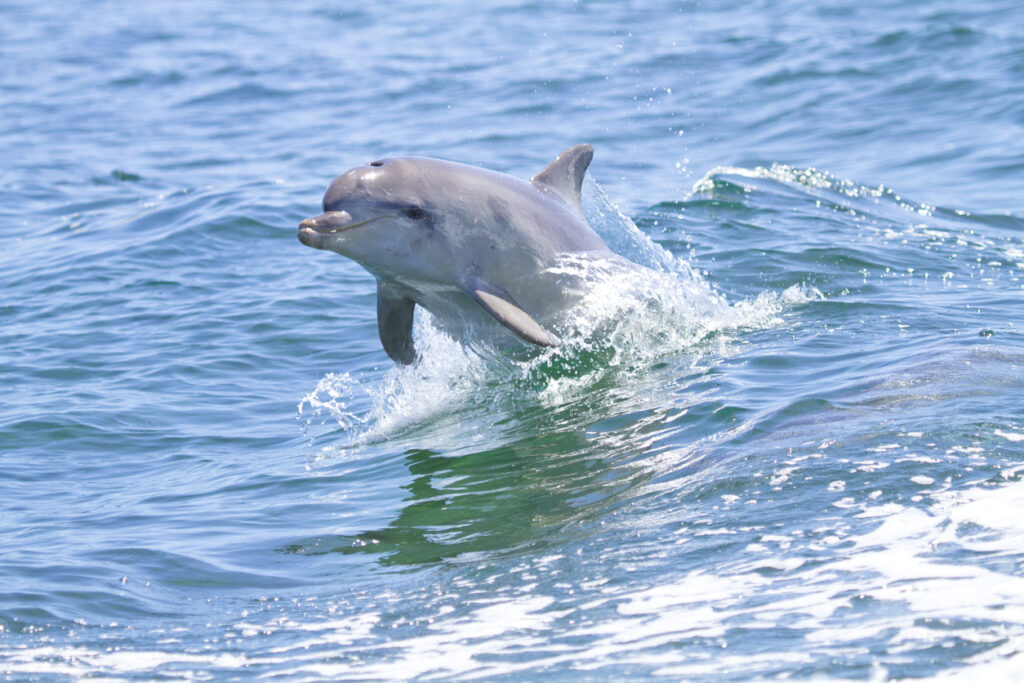
For most of the year, dolphins are playful, sociable, and surprisingly gentle. That being said, when mating season arrives, things can take a dramatic turn. Male dolphins become hyperactive, territorial, and occasionally aggressive, both towards other males and anything that happens to be nearby. They chase, ram, and even harass smaller sea creatures as if the ocean has suddenly turned into a nightclub brawl.
Scientists say it’s a surge of testosterone and competition that pushes them into overdrive. Their normally clever, calculated behaviour gets clouded by hormones and hierarchy. The good news is, once it’s all over, they quickly return to their usual charming selves, swimming in pods, playing games, and helping each other hunt again.
3. Hippos when they’re annoyed

Hippos might look slow, gentle, and half-asleep as they bob in the water, but they’re one of the most unpredictable animals in Africa. They don’t eat meat, they don’t hunt, and yet they’re responsible for more human deaths on the continent than lions or crocodiles. Why? Because hippos absolutely cannot stand being disturbed.
If a boat, car, or even another animal crosses their path, they’ll charge with astonishing speed, jaws wide open, ready to bite through whatever’s in front of them. They don’t want to eat you; they just want you gone. Even the sound of splashing water can set them off, as they guard their space like grumpy landlords of the river. In short: hippos don’t do “mildly irritated.” They go straight from calm to chaos in a heartbeat.
4. Seagulls when food appears
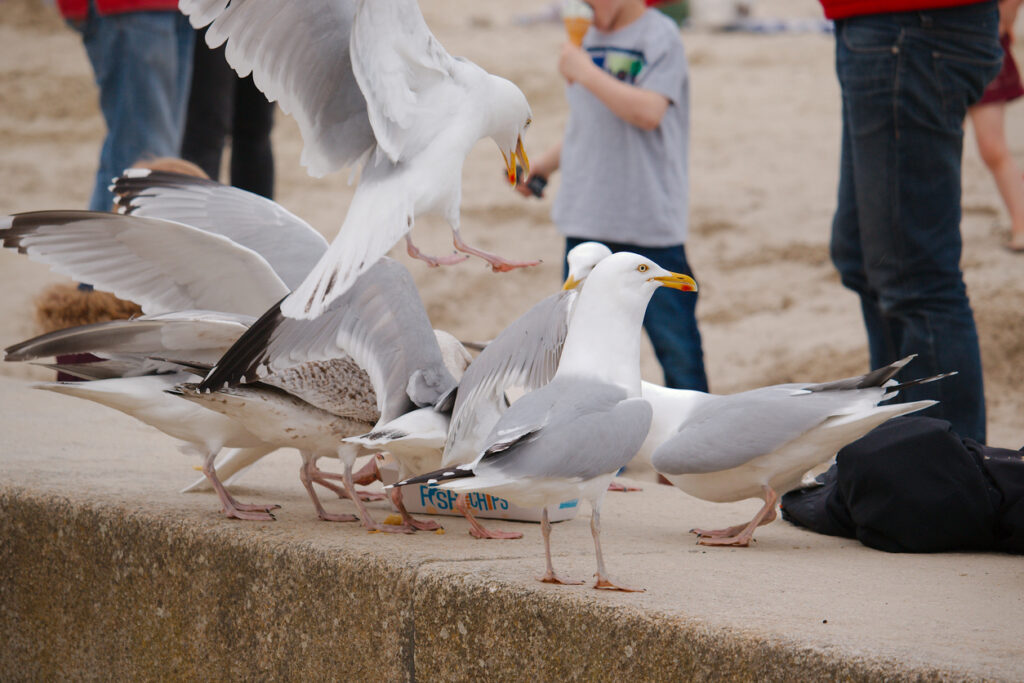
Anyone who’s eaten chips by the seaside knows exactly what this means. One minute, everything’s peaceful; the next, you’re in the middle of a Hitchcock film. All it takes is one seagull to spot food, and suddenly the entire colony descends, screaming, diving, and snatching anything in sight. They’ll fight each other midair, mob humans, and generally cause mayhem until every last crumb is gone.
What looks like madness is actually efficiency. Seagulls have learned that making a racket attracts attention, and attention attracts more gulls, which means a better chance of grabbing something. It’s a feeding frenzy powered by noise, greed, and survival instinct, and once you’ve seen it up close, you’ll never eat outdoors near the coast again without a bit of side-eye at the sky.
5. Squirrels during mating chases
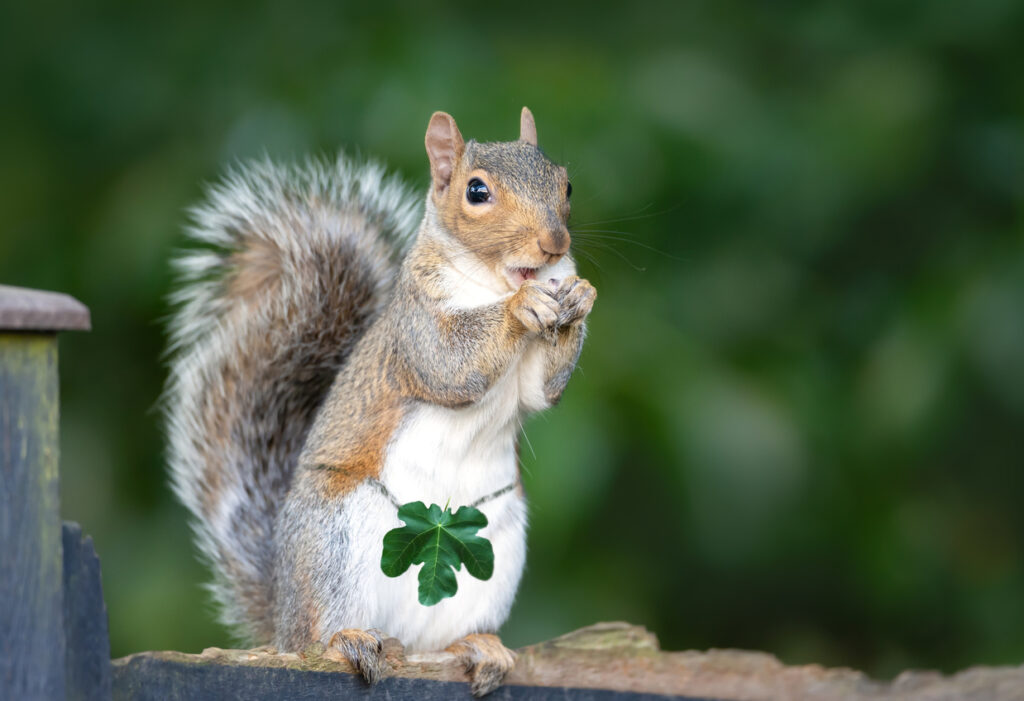
When squirrels start darting around trees, leaping across branches, and running in manic circles, it’s not random energy. Really, it’s love, or at least the pursuit of it. Mating chases can go on for hours, with males tearing after females in a dizzying blur of speed and noise. They chatter, flick their tails, and even leap over each other in midair, turning the forest into their own little soap opera.
It looks chaotic, but there’s a purpose behind the madness. The chase is how females test the stamina and strength of the males. Only the ones who can keep up (and not crash headfirst into a trunk) get a chance to impress her. So next time you see squirrels acting like they’ve had too much caffeine, that’s romance at full throttle.
6. Elephants during musth
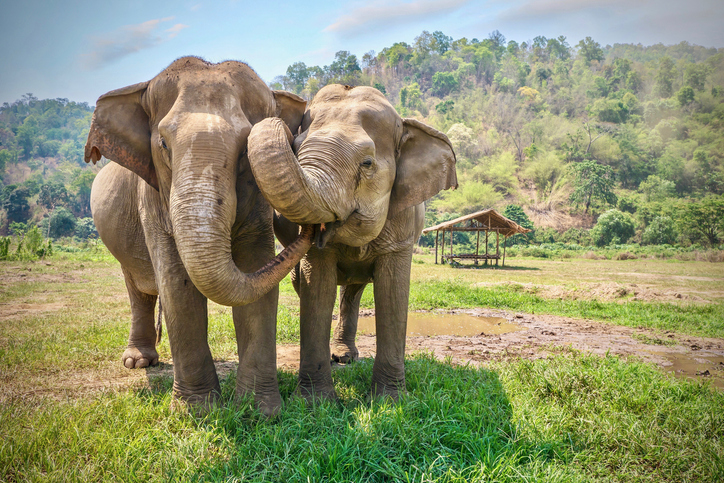
Male elephants go through a powerful hormonal state called musth, where testosterone levels can skyrocket up to 60 times higher than normal. During this period, they become restless, unpredictable, and often aggressive. They start challenging other males, pushing down trees, and sometimes charging at vehicles or people.
It’s a natural, biological process, but one that turns these normally placid giants into short-tempered tanks. Signs of musth are obvious to those who know what to look for: a distinct musky smell, fluid dribbling from the temporal glands, and a tendency to pick fights with anything that moves. When it passes, they return to their calm, wise, almost meditative selves… until the next hormonal storm hits.
7. Cats when they get the zoomies
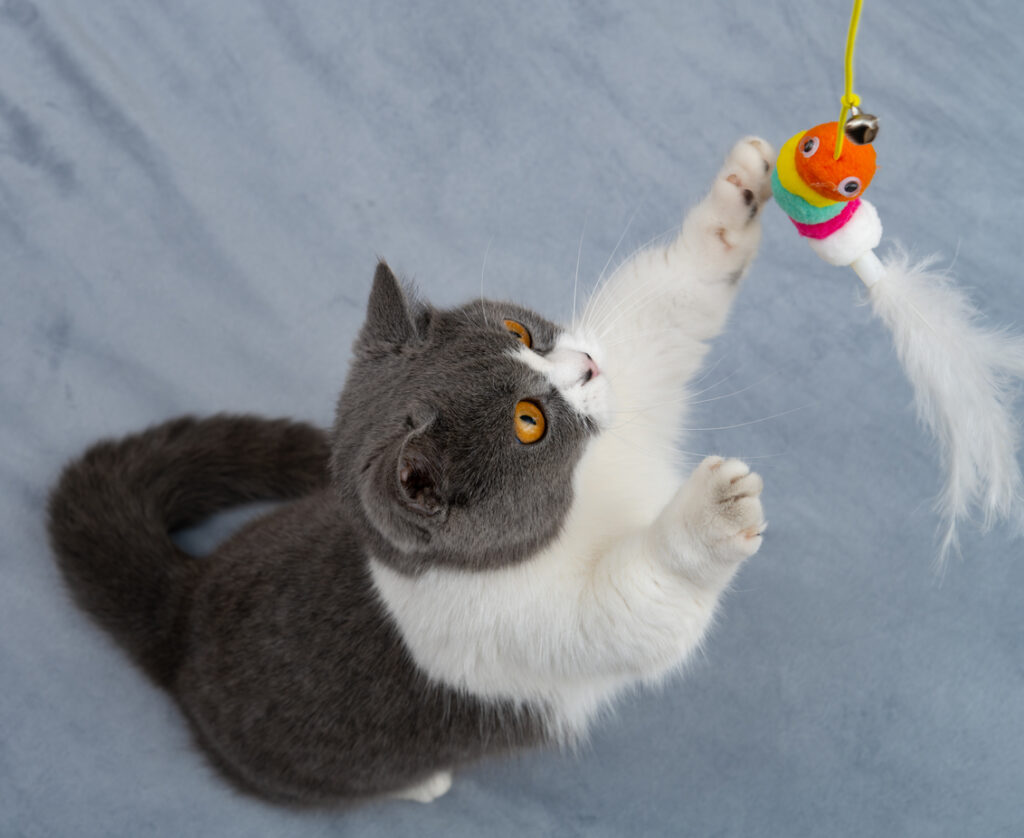
Every cat owner has seen it: one second, the cat’s lounging peacefully, half-asleep on the sofa, and the next it’s sprinting full speed through the house like it’s possessed. The “zoomies,” as they’re affectionately called, are bursts of energy that seem to come from nowhere. Cats will tear around corners, leap onto furniture, and skid across floors in a blur of fur and chaos.
It’s not madness, it’s instinct. In the wild, cats need to stay fit and sharp to hunt, and even domestic ones still have that urge to release pent-up energy. Indoor cats, especially, get fewer chances to run or chase prey, so when the urge hits, they unleash it all at once. It’s part exercise, part stress relief, and part pure feline nonsense.
8. Meerkats during territory battles
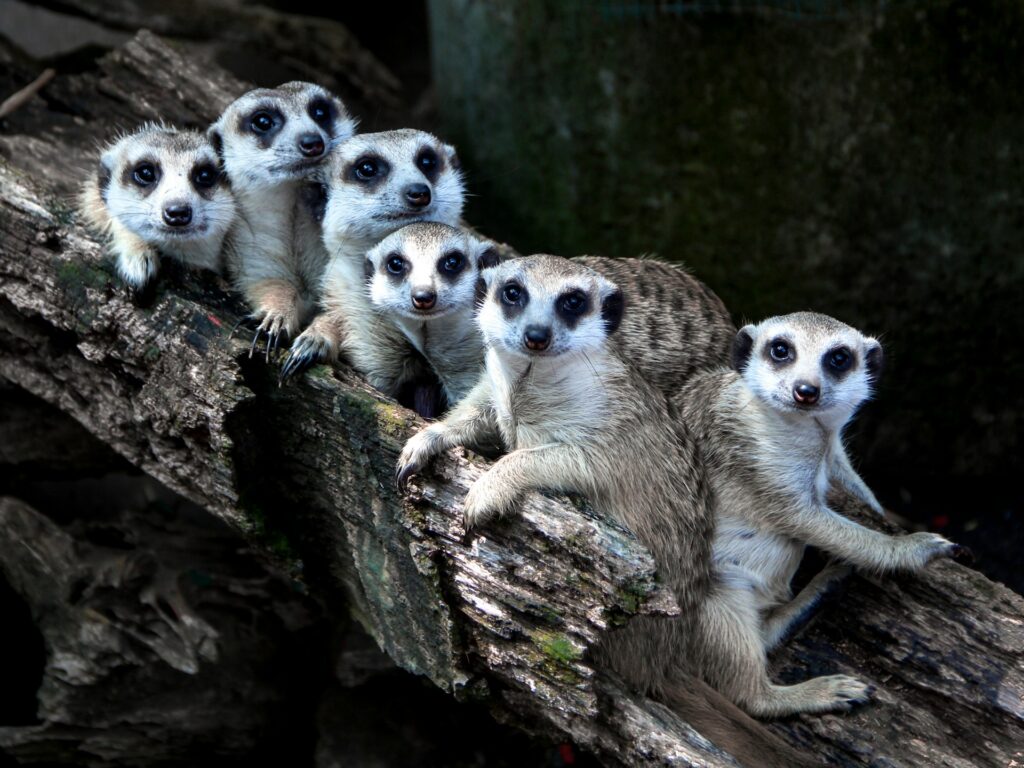
Meerkats look adorable standing on their hind legs, keeping watch with those wide eyes and curious expressions. However, when two rival groups cross paths, it’s absolute bedlam. They screech, growl, kick up sand, and throw themselves into full-on brawls, all while maintaining tight family coordination.
These territorial battles can look brutal, but they rarely end in serious harm. It’s more about establishing dominance than destruction. Once the dust settles (literally), they’ll go back to foraging, grooming, and sunbathing as if the chaos never happened. Meerkats might look sweet, but under pressure, they’re tiny warriors with a serious sense of pride.
9. Baboons when they’re showing off
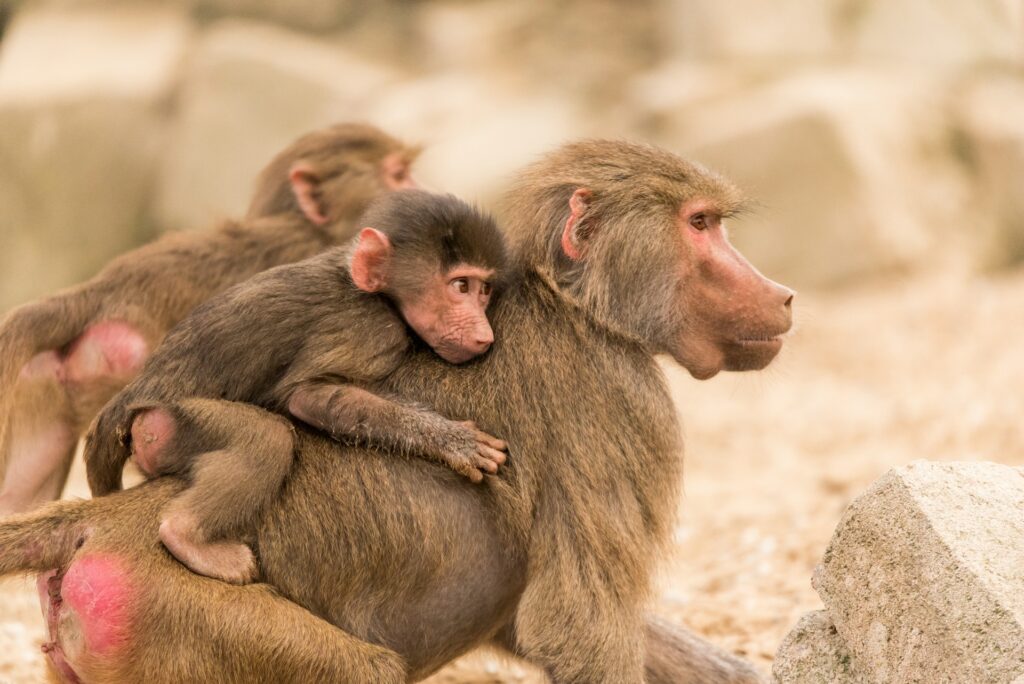
Baboons are loud, bold, and often mischievous at the best of times, but when it comes to showing off, they take things to another level. Males bark, flash their teeth, shake branches, and even throw rocks to prove who’s boss. It’s a mixture of intimidation and performance, a display designed to win respect and attention.
The more noise and drama, the more impressive they seem to the rest of the troop. Unfortunately, these antics can spill into full-on scuffles if no one backs down. Once the pecking order’s re-established, things calm quickly, and the troop returns to grooming and foraging like nothing happened. For baboons, chaos is just part of communication.
10. Moose when traffic annoys them
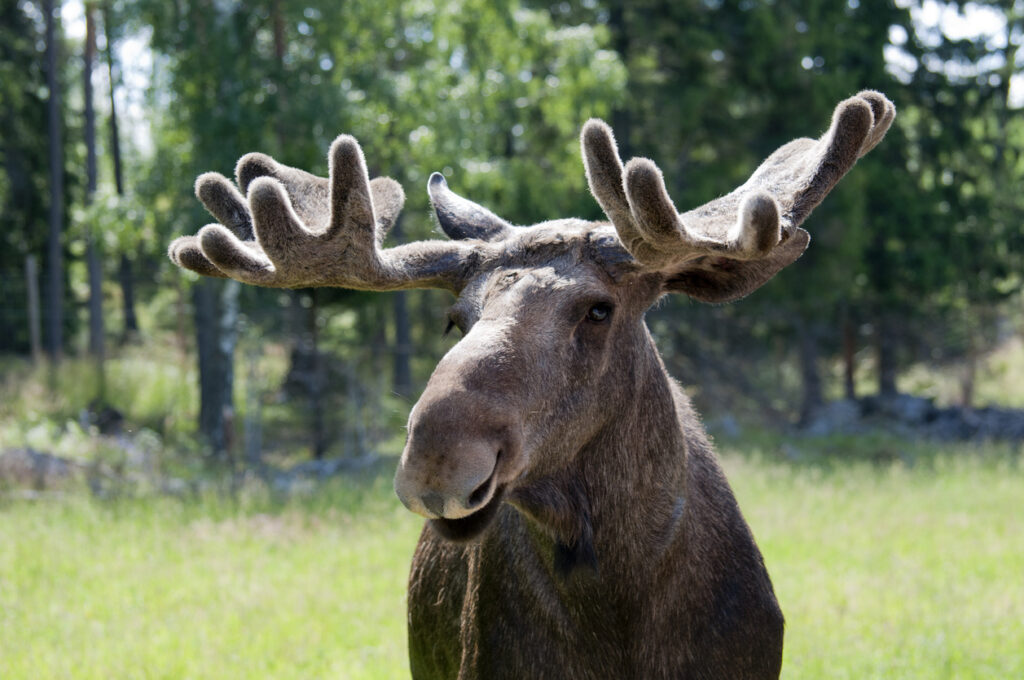
Moose might look gentle and slightly confused with their big antlers and soft eyes, but when they encounter traffic, all that serenity goes out the window. They’re easily startled by lights, noise, and fast movement, which they interpret as a threat. In places like Canada and Scandinavia, they’ve been seen charging at cars, snowploughs, and even traffic lights.
Their reaction isn’t aggression for aggression’s sake, though. It’s panic mixed with territorial instinct. They don’t understand what a vehicle is, only that it’s large and moving through their space. Once the disturbance passes, they usually wander off calmly, leaving humans to wonder what just happened.
11. Penguins during nesting season
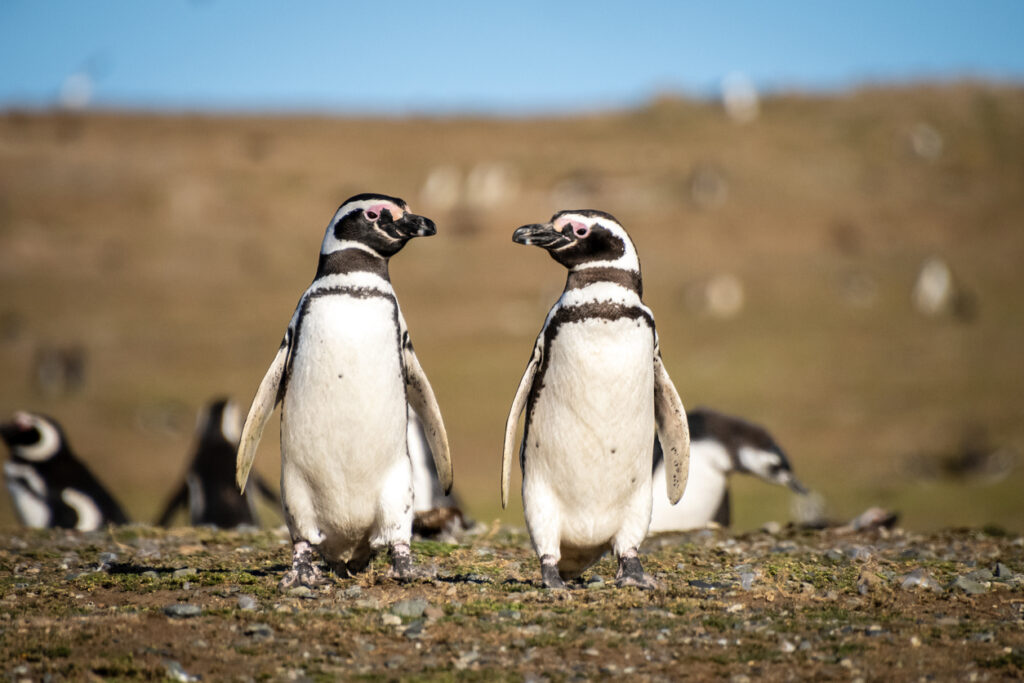
Penguins look like the most polite birds on Earth, all waddles and teamwork. When nesting season hits, though, that harmony turns into chaos. They become fiercely territorial, squabbling over pebbles, shouting at neighbours, and occasionally slapping each other with their flippers. A single stolen pebble can trigger an all-out brawl that looks like a slapstick comedy routine.
It’s easy to laugh, but penguins take their nests seriously. Every stone is precious because it helps keep their eggs safe from the cold and damp. Once the chicks hatch, the drama fades, and they go back to socialising in large, noisy colonies. Until next year, when it all kicks off again.