Not all volcanoes are created equal.
Some bubble quietly, releasing harmless plumes of steam, while others sit in silence for centuries before exploding with enough force to change the climate. The world is full of sleeping giants, and a handful of them could cause catastrophic damage if they woke up today.
These aren’t just the ones with fiery eruptions and dramatic lava flows, either. They’re the ones that threaten entire regions through ash clouds, toxic gases, and landslides. Scientists are constantly monitoring them, measuring every tremor and temperature change because many of these volcanoes are still very much alive, and worryingly overdue for their next eruption.
Yellowstone supervolcano could trigger a global catastrophe.
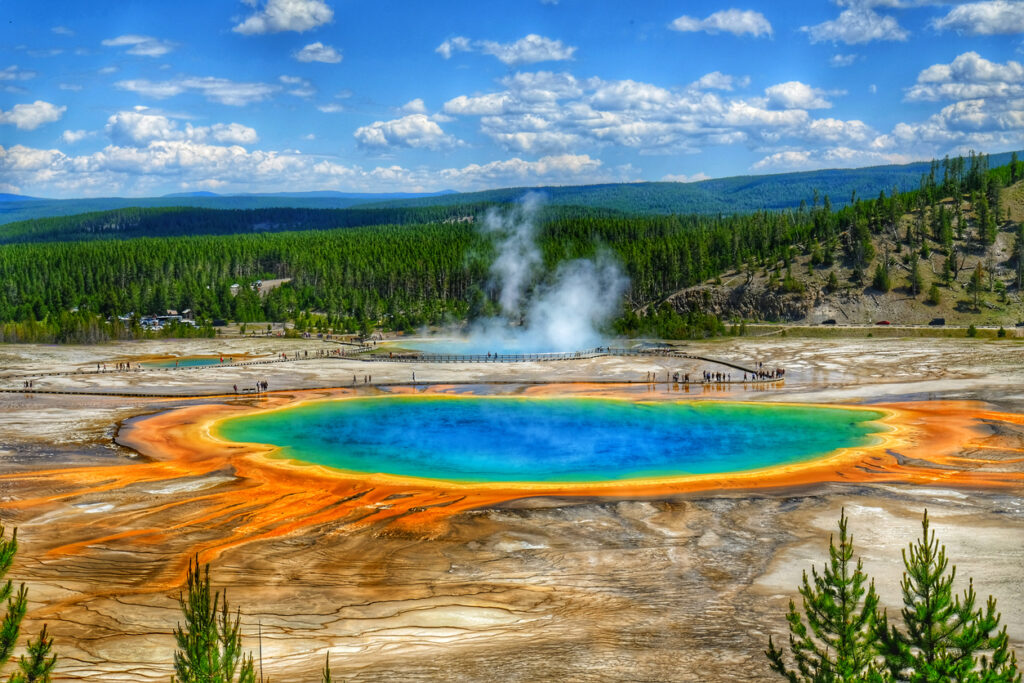
Yellowstone in the USA isn’t just a volcano, it’s a supervolcano sitting under a massive national park. It’s erupted three times in the past 2.1 million years, with the last eruption 640,000 years ago. When it goes off, it won’t be a normal eruption, it’ll be apocalyptic.
An eruption could bury half of America in ash, block out the sun globally, and cause a volcanic winter lasting years. Crops would fail worldwide, leading to mass starvation. Scientists monitor it constantly, but there’s no sign of imminent eruption, though it is technically overdue.
Mount Vesuvius threatens three million people.
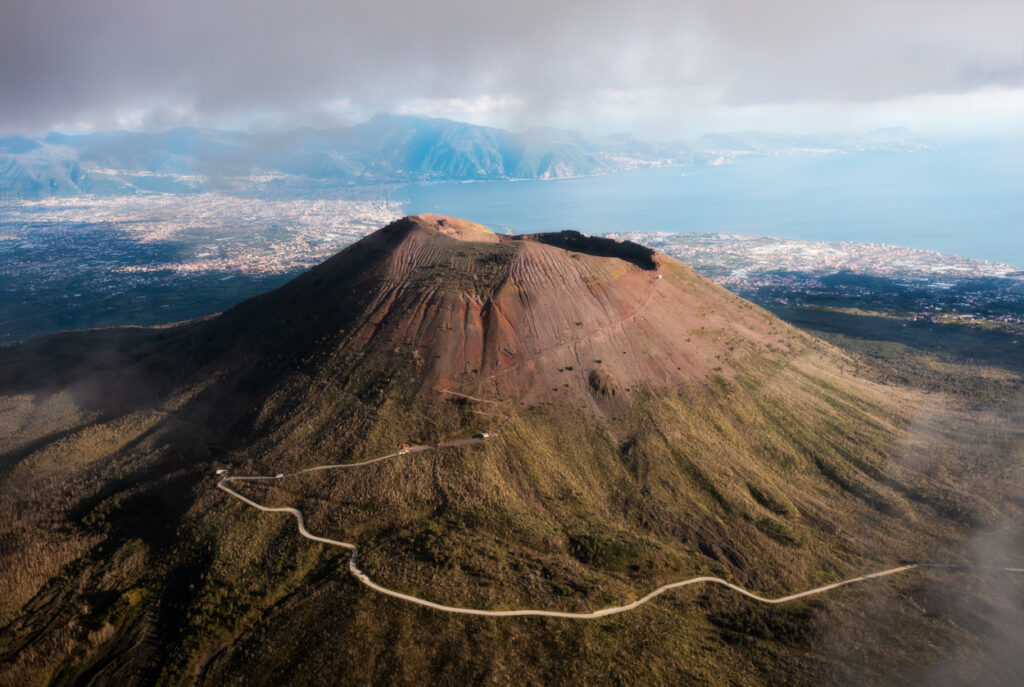
Vesuvius near Naples, Italy, is famous for burying Pompeii in 79 AD. What makes it so dangerous now is that three million people live within its danger zone. The volcano is still active and produces small earthquakes regularly, showing magma is moving underneath.
When it erupts again, and it will, there won’t be enough time to evacuate everyone. The population has grown massively since the last eruption in 1944. Italy has evacuation plans but moving three million people quickly is nearly impossible, meaning casualties could be enormous.
Mount Rainier looms over Seattle and Tacoma.
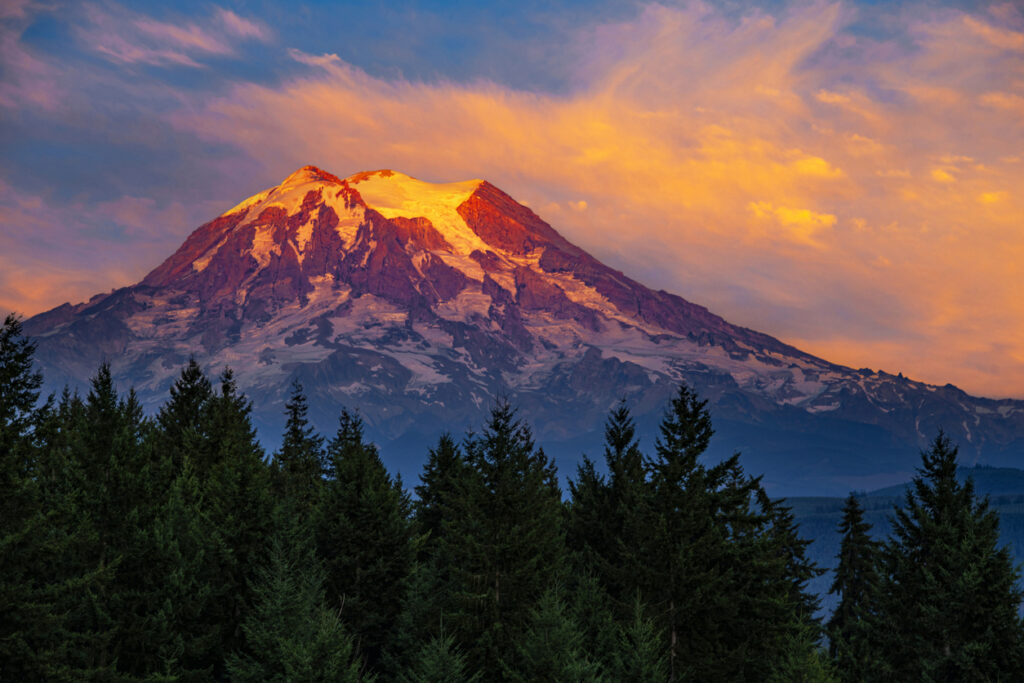
Mount Rainier in Washington State, USA, is covered in glaciers that would melt instantly during an eruption, creating massive mudflows called lahars. These could reach Seattle and Tacoma within an hour, burying entire neighbourhoods under thick mud moving at motorway speeds.
Over 150,000 people live in areas that would be destroyed by lahars. The volcano last erupted in the 1840s but shows signs of activity. It’s considered one of the most dangerous in America because of how many people live in its path and how little warning there might be.
Popocatépetl is waking up near Mexico City.
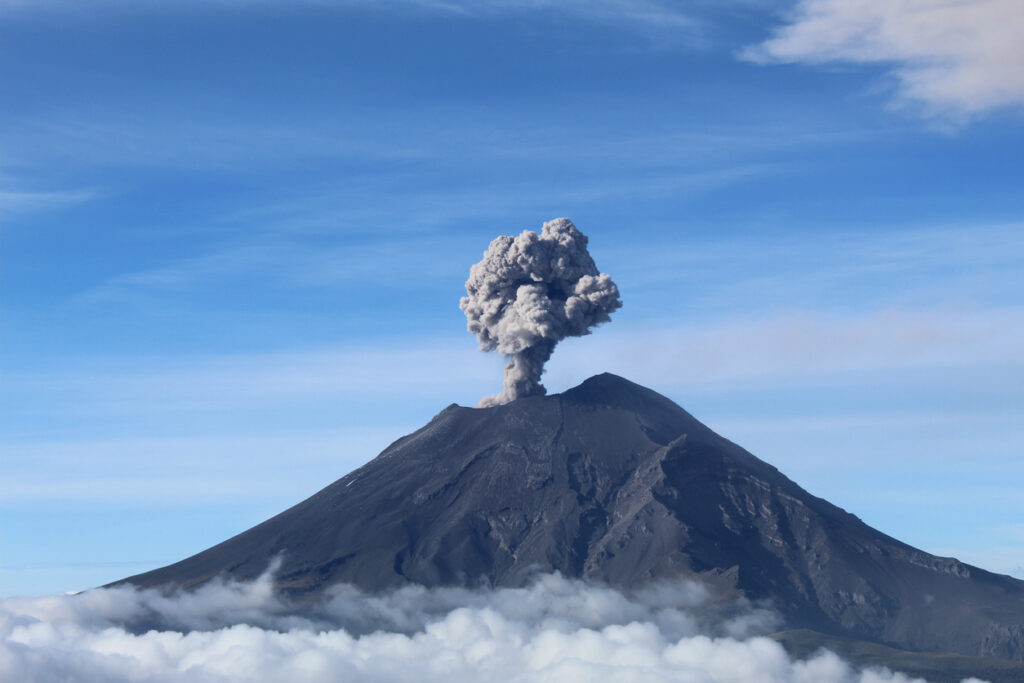
Popocatépetl, just 70 kilometres from Mexico City, has been increasingly active since the 1990s. It spews ash regularly and has had several significant eruptions. Over 25 million people live within its potential impact zone, making it incredibly dangerous simply because of population density.
Mexico City is built on an old lake bed, which amplifies seismic shakes and could liquefy during a major eruption. The ash could make the city uninhabitable and destroy the lungs of people who breathe it. Evacuation of 25 million people would be chaos.
Mount Merapi erupts regularly and kills people.
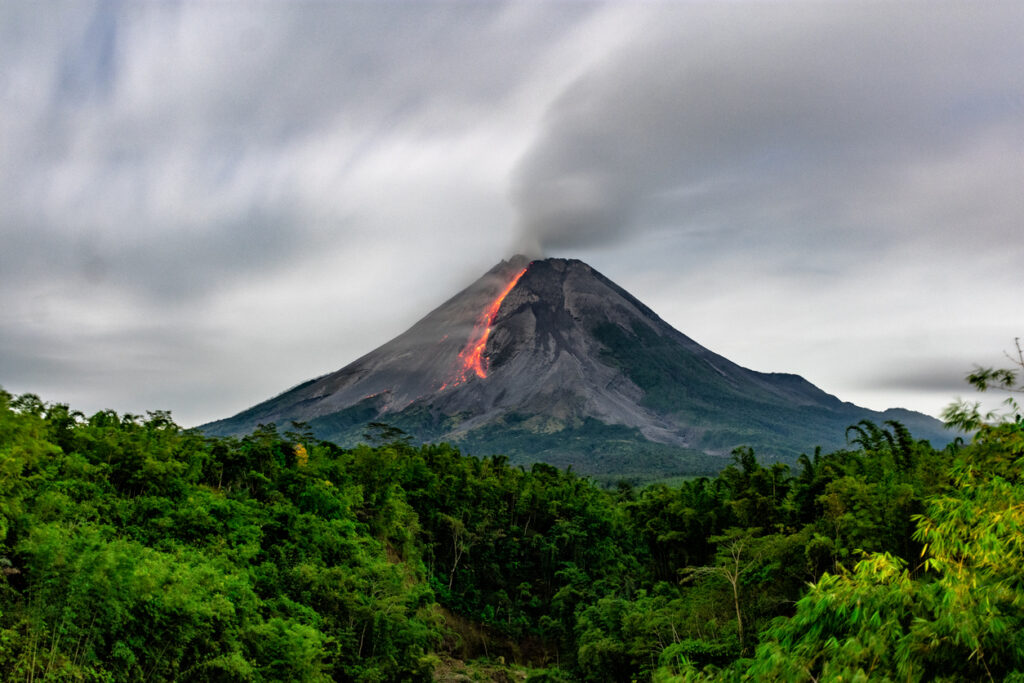
Merapi in Indonesia is one of the world’s most active volcanoes, erupting every few years. Over 24 million people live within 30 kilometres of it. The 2010 eruption killed over 300 people despite warnings and evacuations, showing how dangerous it remains.
The volcano produces pyroclastic flows, which are superheated clouds of gas and rock that move at hundreds of kilometres per hour, incinerating everything in their path. You can’t outrun them. The slopes are heavily populated because the soil is fertile, putting people directly in harm’s way.
Mount Fuji hasn’t erupted in over 300 years.
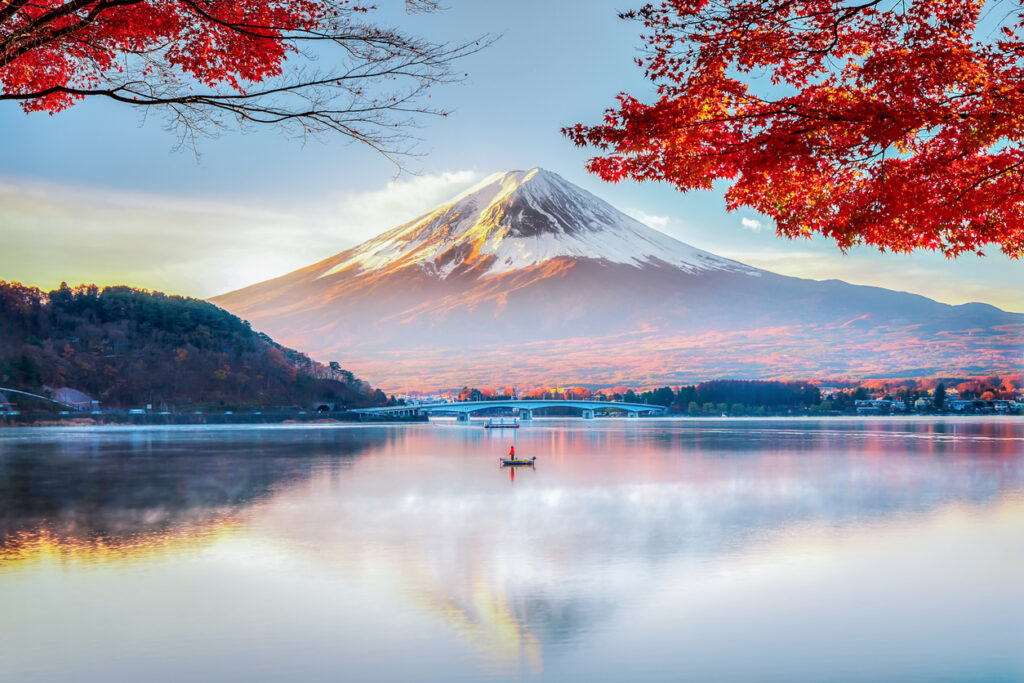
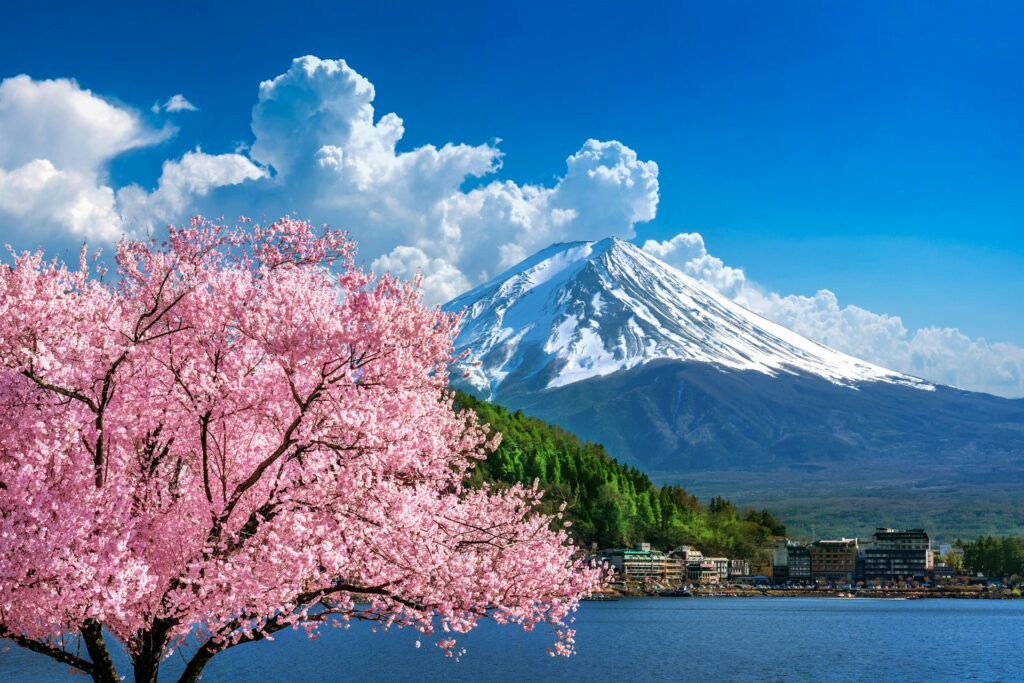
Japan’s iconic Mount Fuji last erupted in 1707, covering Tokyo in ash. It’s been quiet for centuries, but it’s definitely not extinct. Tokyo now has over 37 million people in its metropolitan area, and all of them are within range of Fuji’s ash and potential lahars.
If Fuji erupted today, ash would shut down Tokyo completely. Airports, trains, roads, and power would fail. Water supplies could be contaminated. The economic damage would be catastrophic, even if casualties were low. Japan has emergency plans, but the scale of disruption would be unprecedented.
Sakurajima erupts almost constantly.
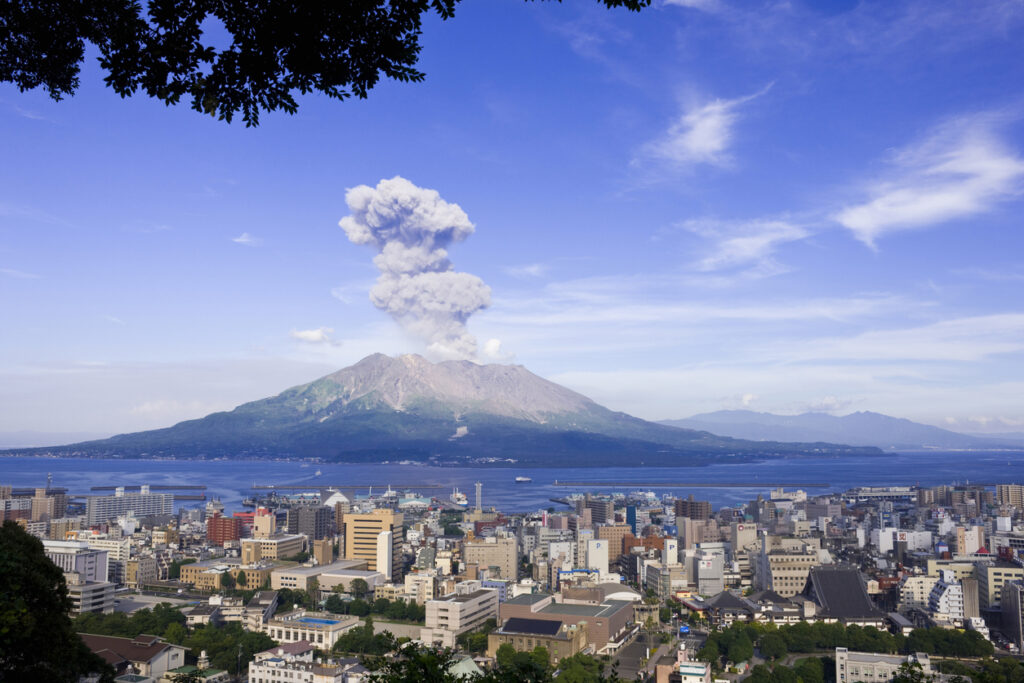
Sakurajima in Japan is one of the world’s most active volcanoes, erupting almost daily with small explosions. About 600,000 people live nearby in Kagoshima city. Whilst small eruptions are routine, the volcano is capable of massive explosive eruptions that could devastate the region.
The last major eruption was in 1914, which connected the island to the mainland through lava flows. Scientists worry that pressure is building for another big one. The frequent small eruptions actually make prediction harder because it’s difficult to distinguish normal activity from warning signs.
Campi Flegrei is a giant caldera under Naples.
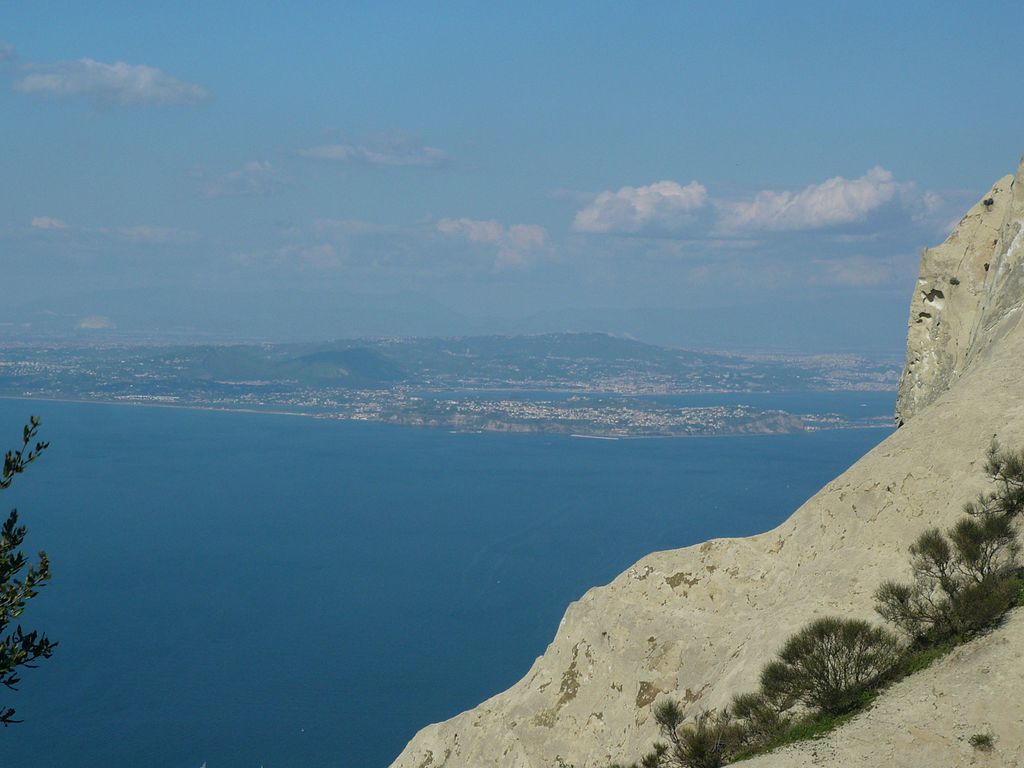
Campi Flegrei isn’t a mountain, it’s a massive sunken caldera west of Naples that last erupted in 1538. Recent activity shows the ground is rising, indicating magma movement below. This supervolcano erupted 40,000 years ago in an explosion that may have nearly wiped out early humans in Europe.
Half a million people live directly inside the caldera. If it erupts on the scale it’s capable of, southern Italy would be devastated and Europe would face years of volcanic winter. Scientists debate whether current activity signals an eruption soon or just normal fluctuations.
Cotopaxi threatens Ecuador’s capital.
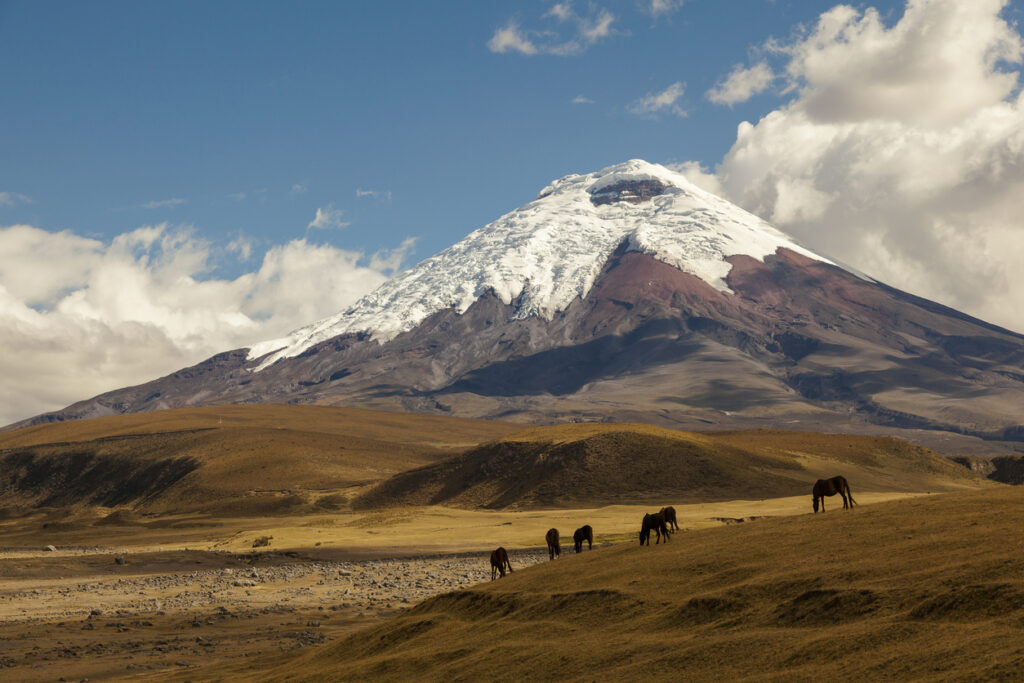
Cotopaxi in Ecuador is one of the world’s highest active volcanoes. It’s covered in glaciers that would melt during an eruption, creating devastating lahars that could reach the capital Quito, where three million people live. The last major eruption was in 1877, but activity has increased recently.
The lahars could travel 100 kilometres, destroying everything in valleys below. There’s no way to stop them and limited time to evacuate. The volcano woke up in 2015 with increased activity, reminding everyone that it’s not dormant, just sleeping.
Mount Agung caused global cooling in 1963.
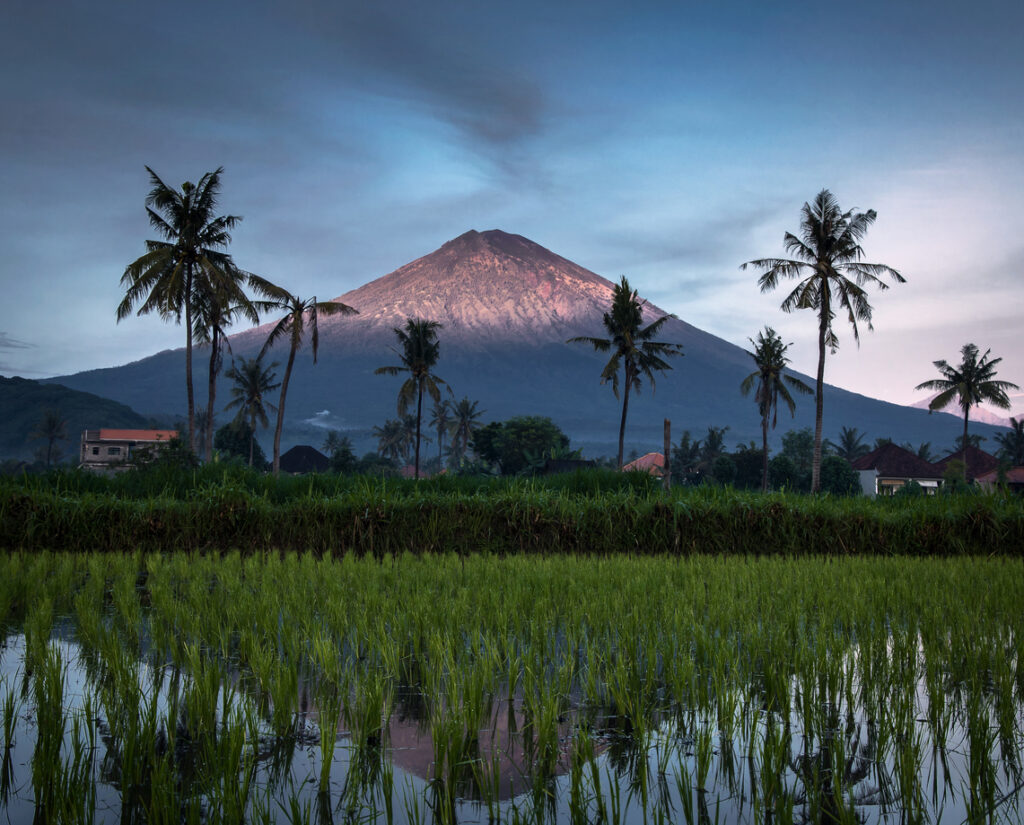
Mount Agung in Bali, Indonesia, killed over 1,000 people when it erupted in 1963. The eruption was so massive it lowered global temperatures for a year. The volcano became active again in 2017, causing mass evacuations and closing the airport repeatedly, showing it’s still very much alive.
Bali is a major tourist destination with millions of visitors yearly. An eruption would strand tourists, devastate the local economy, and potentially kill thousands. The island has no way to evacuate everyone quickly if the volcano erupts without warning.
Krakatoa rebuilt itself and is growing.
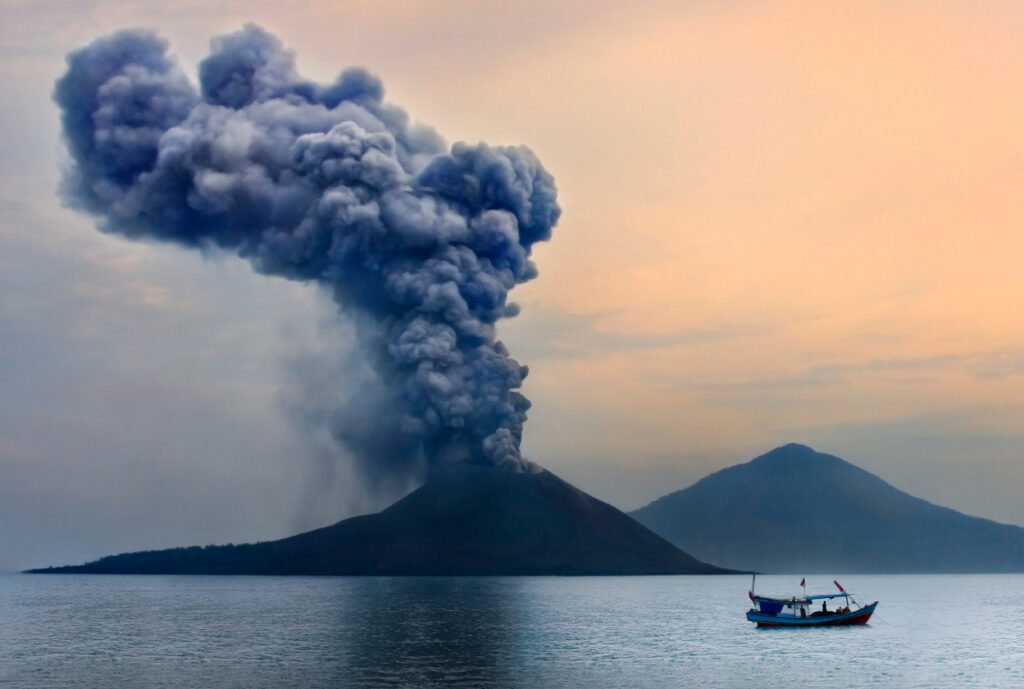
Krakatoa in Indonesia exploded in 1883 in one of the loudest sounds ever recorded, killing over 36,000 people. The eruption was heard nearly 5,000 kilometres away and caused tsunamis that destroyed coastal towns. The volcano island completely destroyed itself in the blast.
But it’s rebuilding. A new cone called Anak Krakatau, meaning child of Krakatoa, has been growing since 1927. It erupted in 2018, causing a tsunami that killed hundreds. The volcano is active and growing, and scientists believe it could eventually produce another catastrophic eruption.
Taal is a volcano within a lake within a volcano.
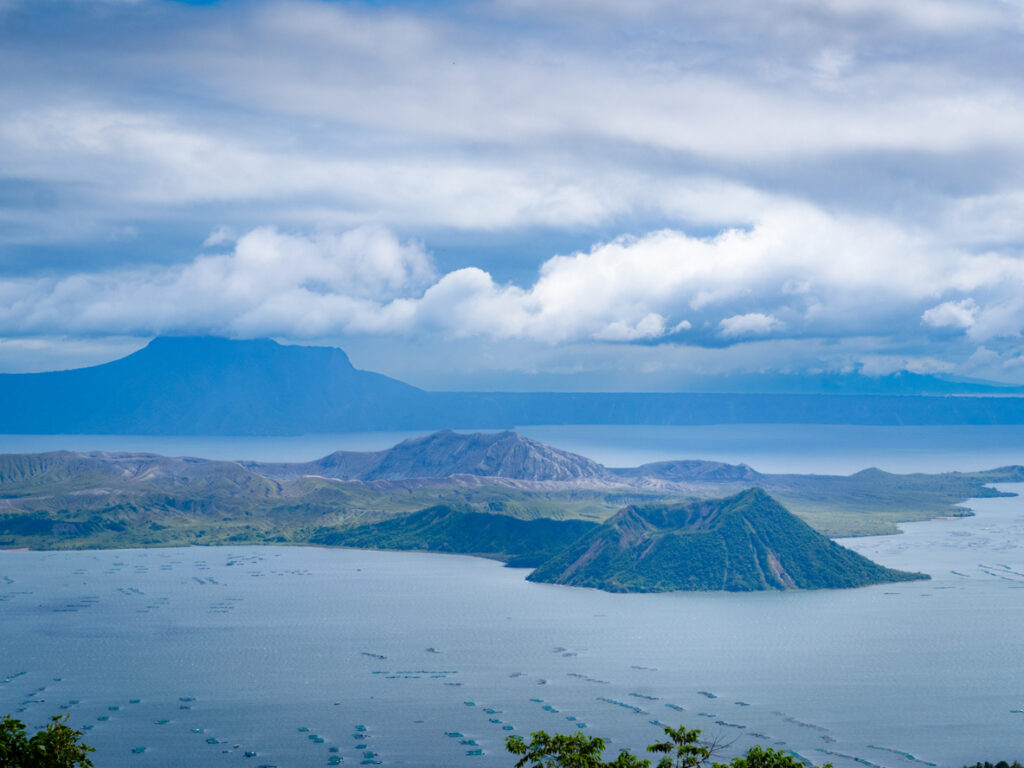
Taal in the Philippines is a small but deadly volcano on an island in a lake, which itself sits in a larger volcanic crater. Despite its small size, it’s one of the world’s most dangerous because it’s extremely active, and 24 million people live within 100 kilometres of it.
Taal has erupted over 30 times in the past 500 years. The 2020 eruption forced mass evacuations and covered Manila in ash. The volcano can erupt with little warning, and its location in a lake means eruptions can trigger tsunamis on the lake itself.
Mauna Loa is the world’s largest active volcano.
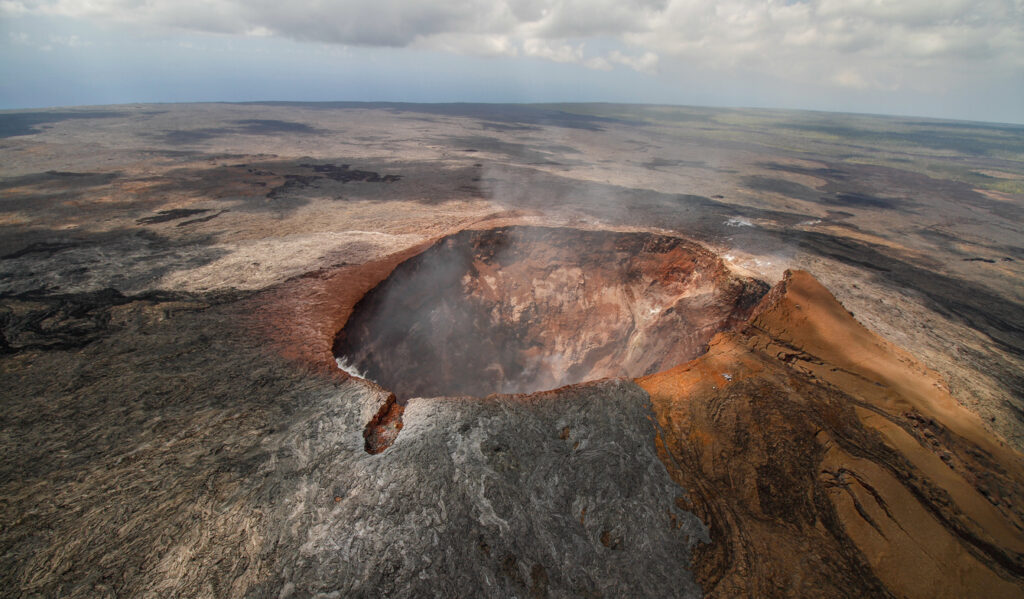
Mauna Loa in Hawaii is absolutely massive, covering half of the Big Island. It last erupted in 2022, sending lava flows toward populated areas. Whilst Hawaiian eruptions are usually less explosive than others, the sheer volume of lava Mauna Loa produces makes it dangerous.
The volcano erupts on average every six years. Towns and infrastructure are built on its slopes because that’s where the usable land is. Lava flows can cut off roads and trap communities. The 2022 eruption was a reminder that this giant never truly sleeps.
Mount Nyiragongo has a lava lake that could drain suddenly.
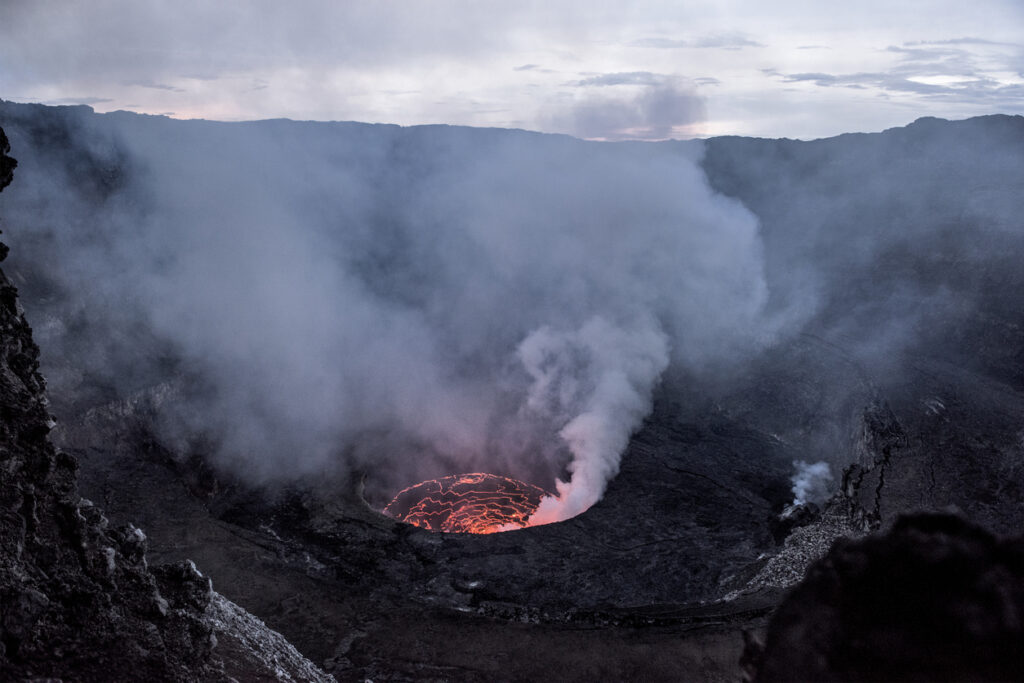
Nyiragongo in the Democratic Republic of Congo contains one of the world’s largest lava lakes. In 2002, the volcano’s flanks cracked, and the lava lake drained in hours, sending fast-moving lava through the city of Goma, killing hundreds and leaving 120,000 people homeless.
The lava from Nyiragongo is unusually fluid, meaning it flows incredibly fast, up to 60 mph. People can’t outrun it. Two million people live near the volcano in extreme poverty, with no proper evacuation plans. When it erupts again, the death toll could be massive.