It’s hard to picture a future where familiar parts of daily life simply vanish, but that’s the reality scientists warn could be coming.
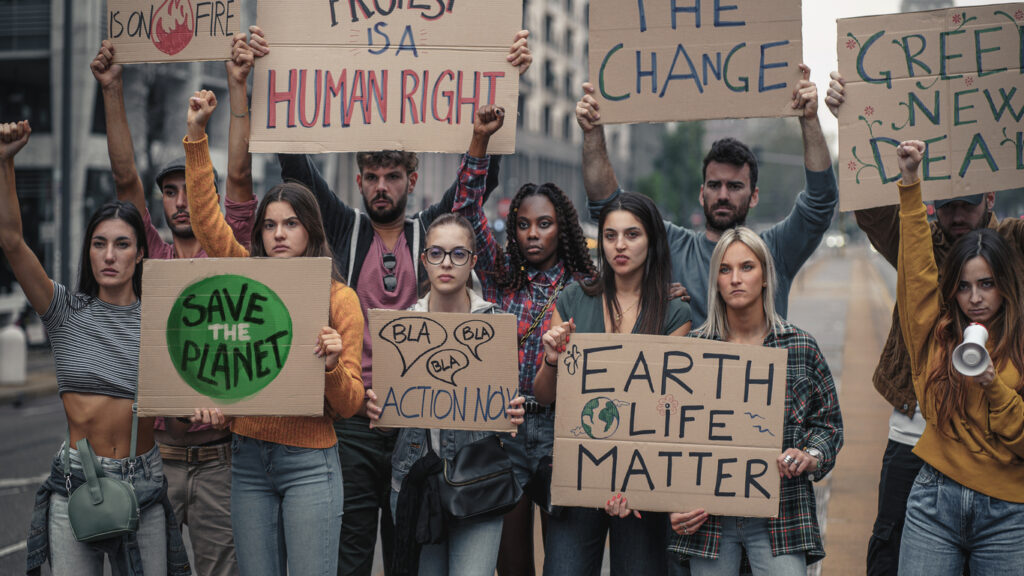
Climate change isn’t some distant, abstract issue, though. Sadly, it’s reshaping the world right now, from coastlines and forests to the food we eat and the wildlife around us. The ripple effects reach further than most people realise, threatening not just rare ecosystems, but many ordinary things we currently take for granted.
If global temperatures keep climbing, entire industries, habitats, and even cultural traditions could disappear within a century. Some losses will be gradual, almost unnoticeable until they’re gone, while others may vanish in a single generation. Looking ahead means facing uncomfortable truths, but it also reminds us that what survives depends on the choices being made right now.
1. The Great Barrier Reef will be dead coral rubble.
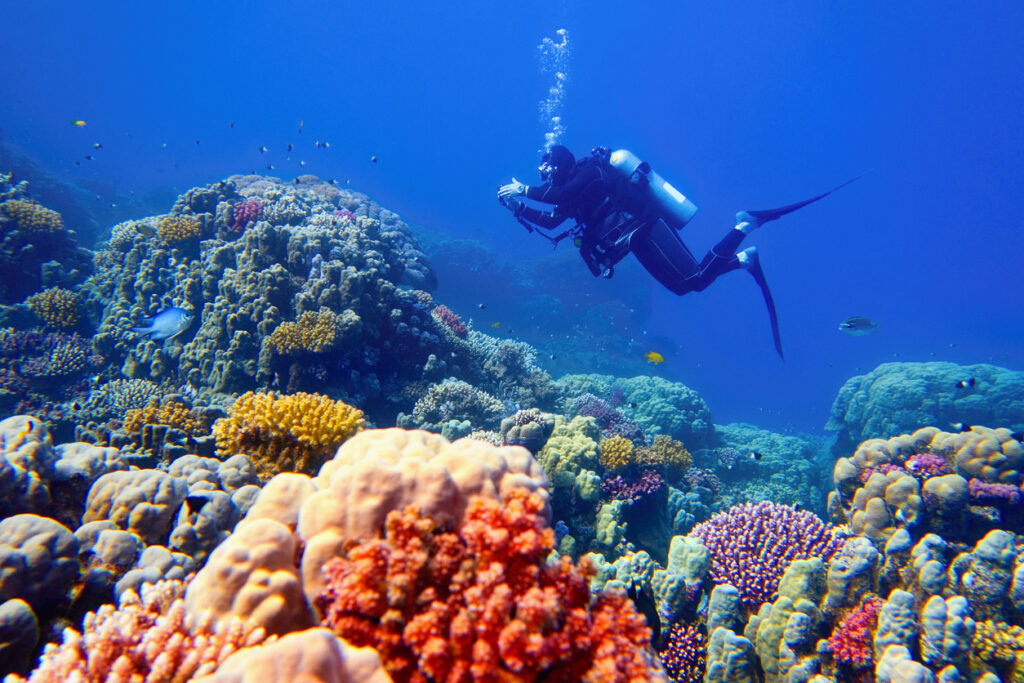
The Great Barrier Reef off Australia is the world’s largest coral reef system. It’s already lost half its coral since 1995 due to warming ocean temperatures causing coral bleaching. The coral turns white and dies when water gets too warm.
Scientists reckon most of the reef will be dead within 100 years if temperatures keep rising. Once the coral dies, the entire ecosystem collapses. Millions of fish and sea creatures that depend on the reef will disappear too. It’ll just be underwater rubble.
2. Many island nations will be underwater.
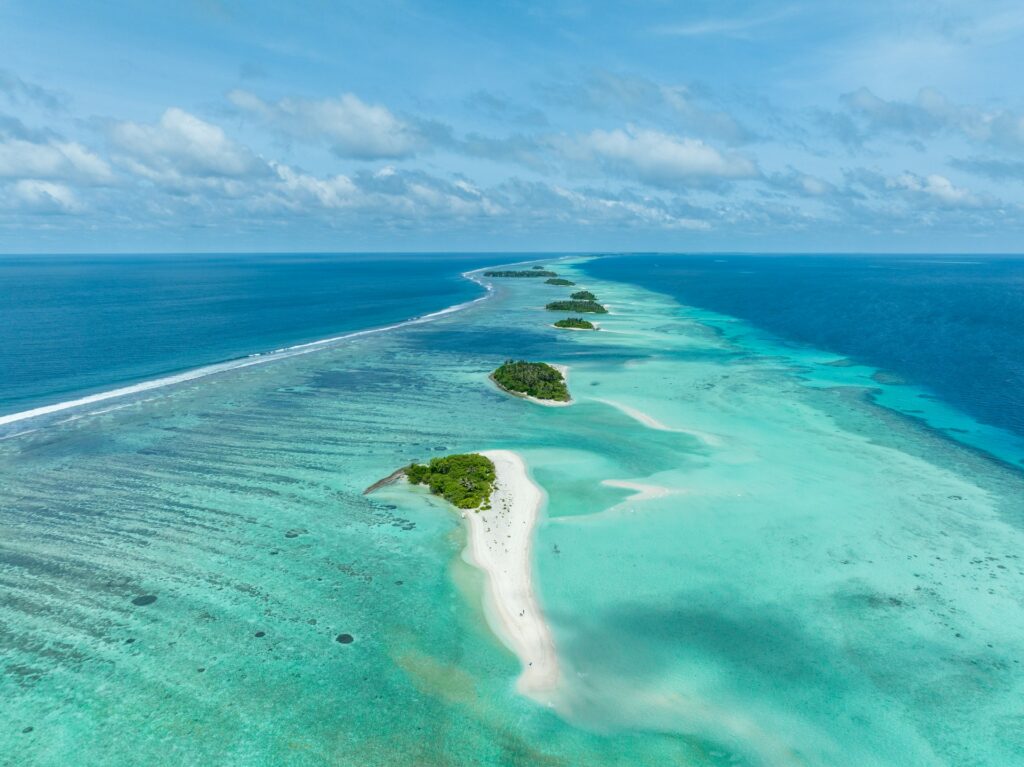
Low-lying island countries like the Maldives, Tuvalu, and the Marshall Islands are already flooding regularly. Sea levels are rising as ice melts and warmer water expands. These islands barely sit above sea level as it is.
Within 100 years, many of these nations will be completely submerged. Entire countries with their own cultures, languages, and histories will cease to exist. Millions of people will lose their homelands permanently with nowhere to return to.
3. Snow on Kilimanjaro and many other mountains.
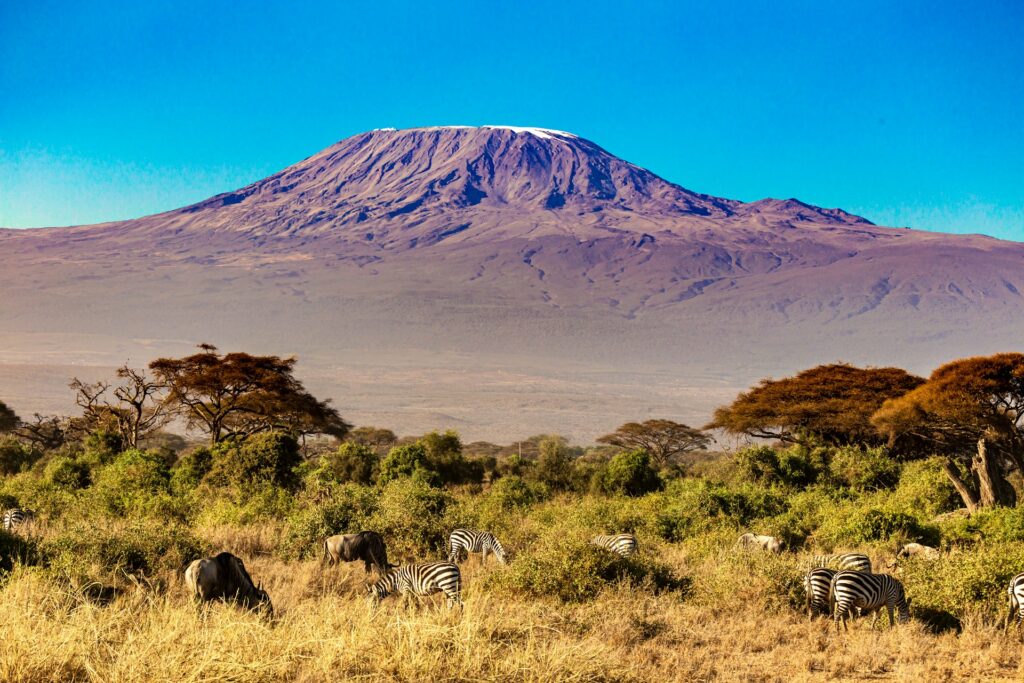
Mount Kilimanjaro in Tanzania used to be covered in snow and glaciers at its peak. That snow has shrunk by over 80% in the last century. Other famous mountains like the Alps and Rockies are losing their snow caps too.
In 100 years, most lower-altitude mountain snow will be gone. Kilimanjaro will likely be completely bare. This affects water supplies for millions who depend on snowmelt for drinking water and farming. No snow means no water storage for dry seasons.
4. Polar bears will be extinct in the wild.
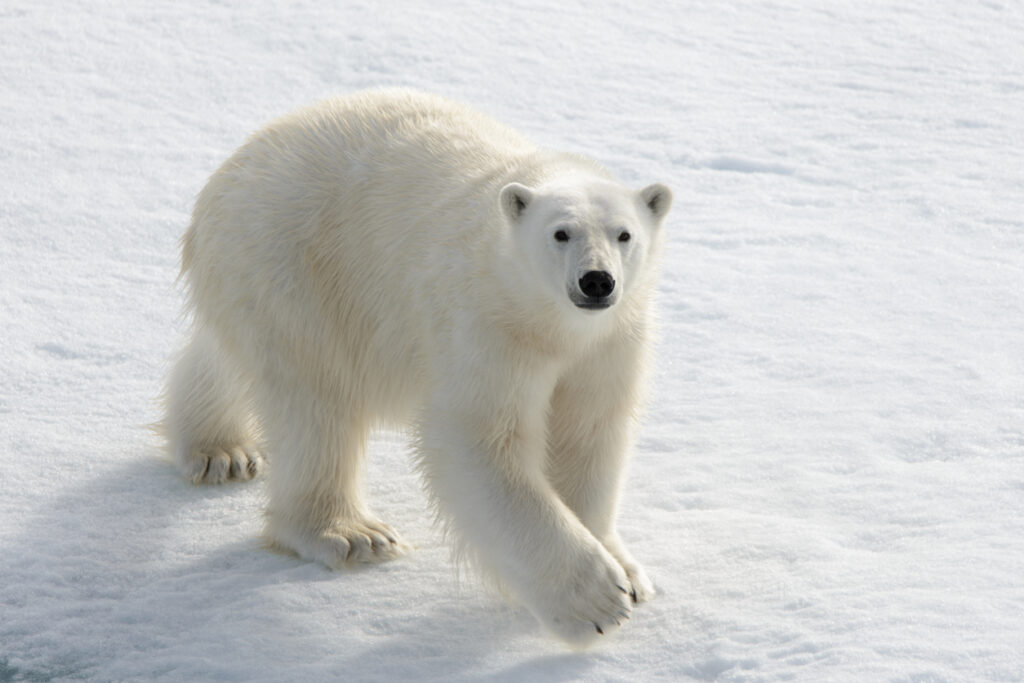
Polar bears need sea ice to hunt seals, which are their main food. Arctic sea ice is melting earlier each spring and forming later each autumn, giving bears less time to hunt and build up fat reserves for summer.
Without ice, polar bears can’t hunt properly and starve. Some bears are already drowning trying to swim between ice floes that are too far apart. In 100 years, there probably won’t be enough sea ice left for wild polar bears to survive on.
5. Amazon rainforest will turn into grassland.
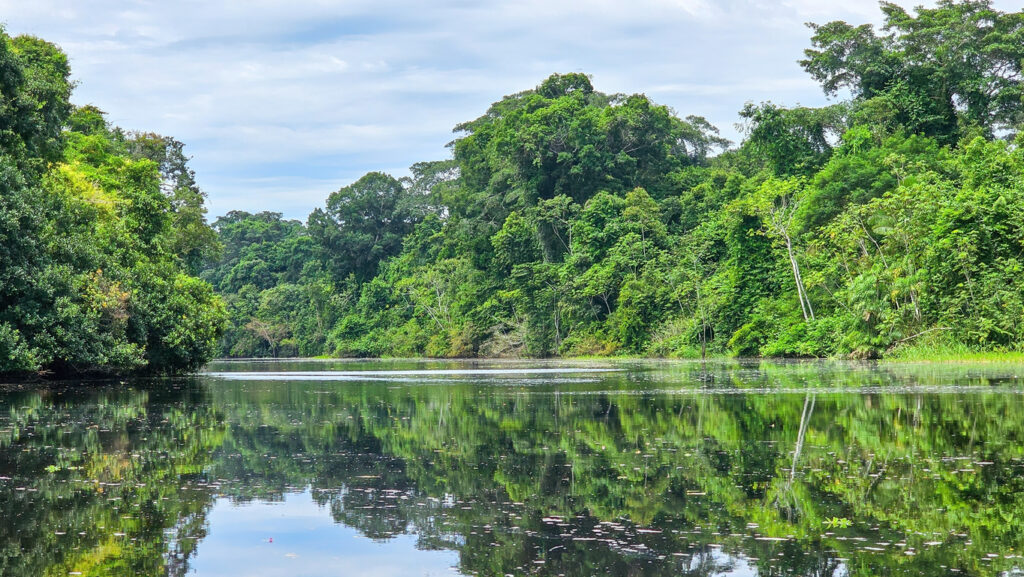
The Amazon is often called the lungs of the Earth, but it’s being destroyed by logging and fires, while climate change is making it drier. Scientists warn we’re approaching a tipping point where the rainforest can’t sustain itself anymore.
Once that point is crossed, the rainforest will dry out and transform into grassland or savanna. This could happen within 100 years. Millions of species will become extinct, and the planet will lose a massive carbon storage system, making climate change even worse.
6. Chocolate might become extremely rare and expensive.
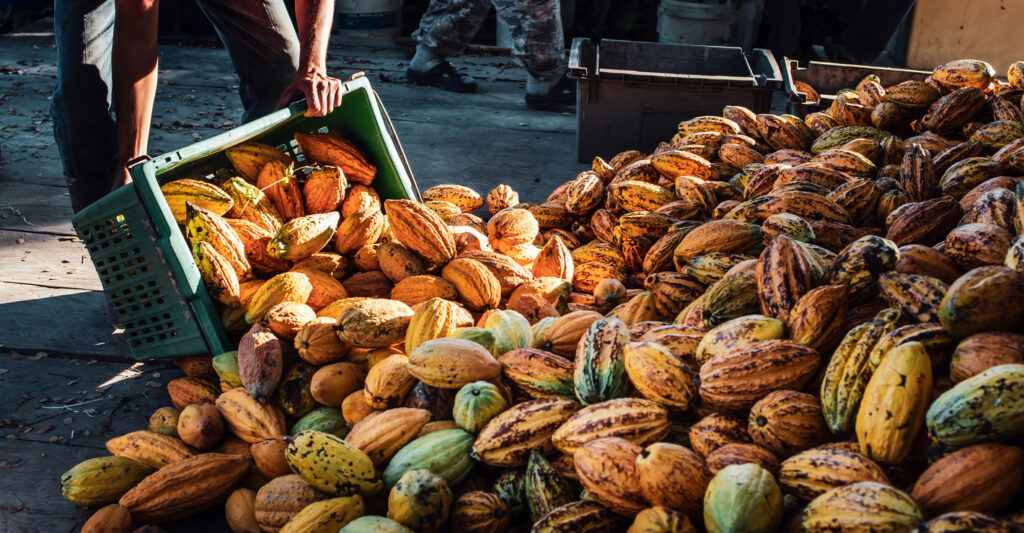
Cocoa trees that produce chocolate only grow in specific hot, humid conditions near the equator. Climate change is making these regions hotter and drier. The trees are also more vulnerable to diseases in changing conditions.
Major chocolate-producing countries like Ghana and Ivory Coast are expected to become too hot and dry for cocoa farming. In 100 years, chocolate could be a luxury item only the rich can afford, or it might not exist at all if we can’t grow cocoa anywhere.
7. Coffee will be much harder to grow.
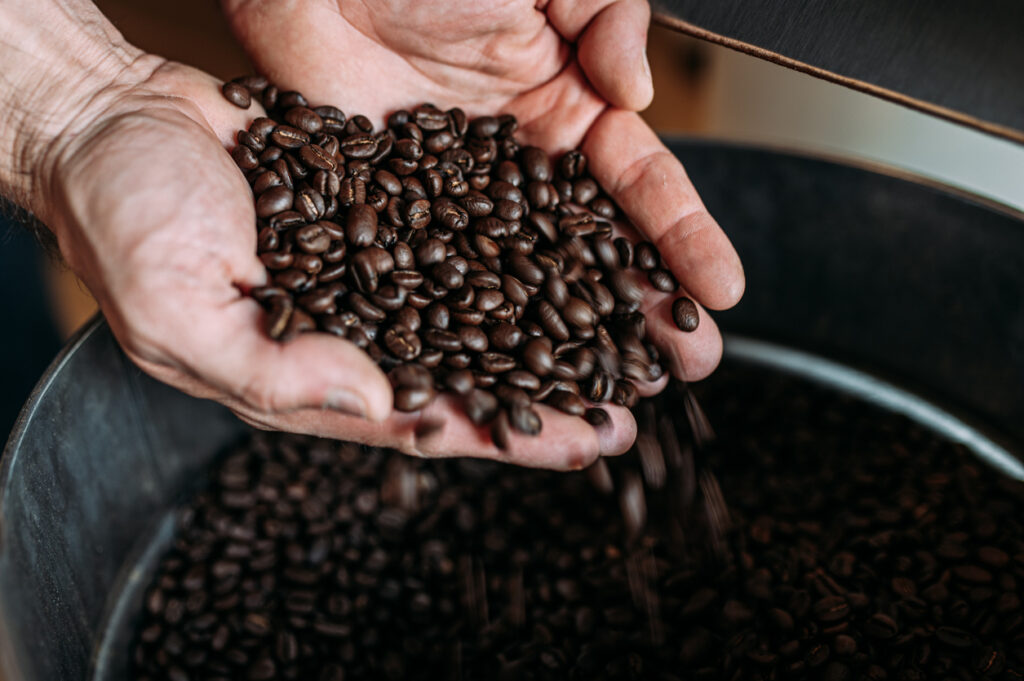
Coffee plants are fussy about temperature and rainfall. They need specific conditions that are rapidly disappearing due to climate change. Areas suitable for growing coffee are shrinking as temperatures rise and rainfall patterns change.
Wild coffee species are already becoming extinct. Within 100 years, many current coffee-growing regions will be too hot. Coffee might become scarce and expensive, or we might lose certain varieties forever. Your morning cuppa could become a rare luxury.
8. Bangladesh will lose huge amounts of land to the sea.
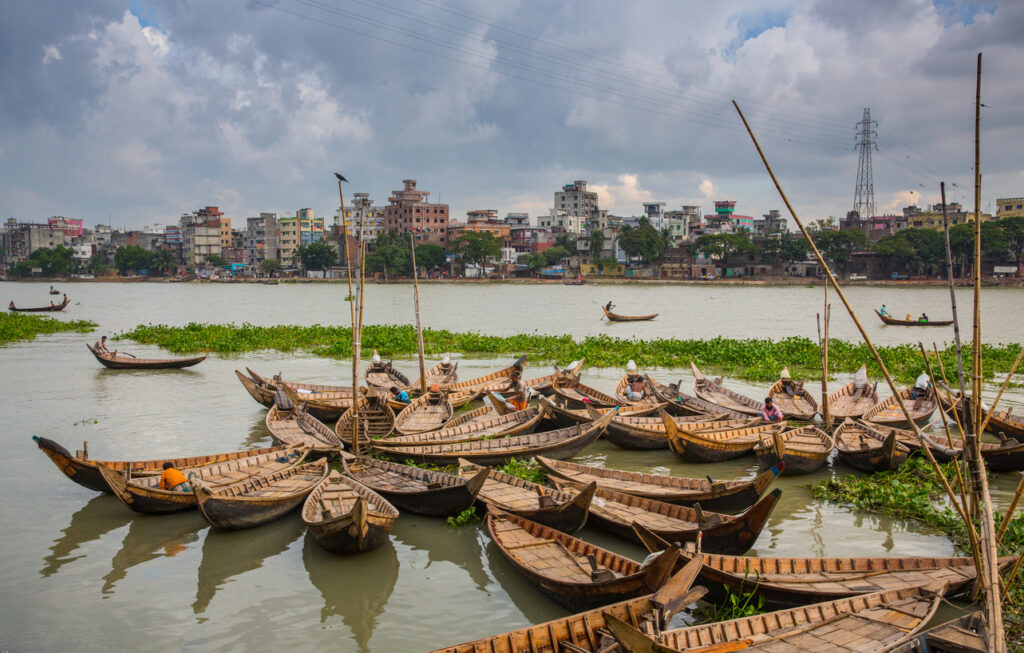
Bangladesh is one of the world’s most vulnerable countries to sea level rise. It’s low-lying and densely populated, with over 160 million people. Rising seas are already causing regular flooding and saltwater is contaminating farmland.
Scientists predict Bangladesh could lose up to 20% of its land to the sea within 100 years. This means tens of millions of climate refugees with nowhere to go. Entire cities and communities will be underwater permanently.
9. Venice will finally sink beneath the waves.
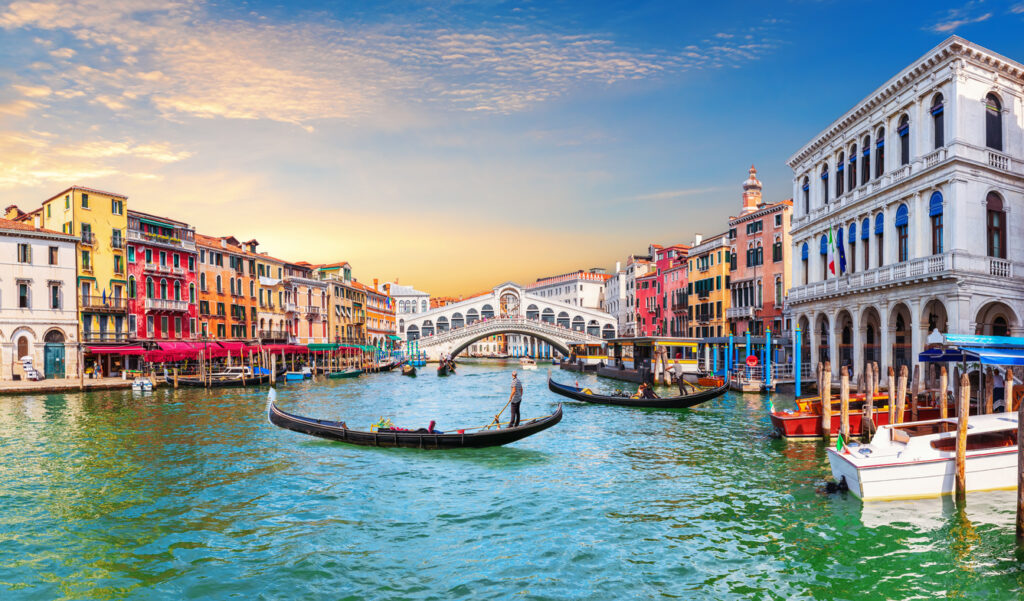
Venice has been slowly sinking and flooding for centuries, but it’s getting worse. Rising sea levels combined with the city sinking into the soft ground means Venice is flooding far more often than it used to. The famous St Mark’s Square floods regularly now.
Within 100 years, Venice might be permanently underwater or at least uninhabitable. The city has flood barriers, but they can’t hold back the sea forever. One of the world’s most beautiful and historic cities could be lost completely.
10. Wine regions will change dramatically or disappear altogether.
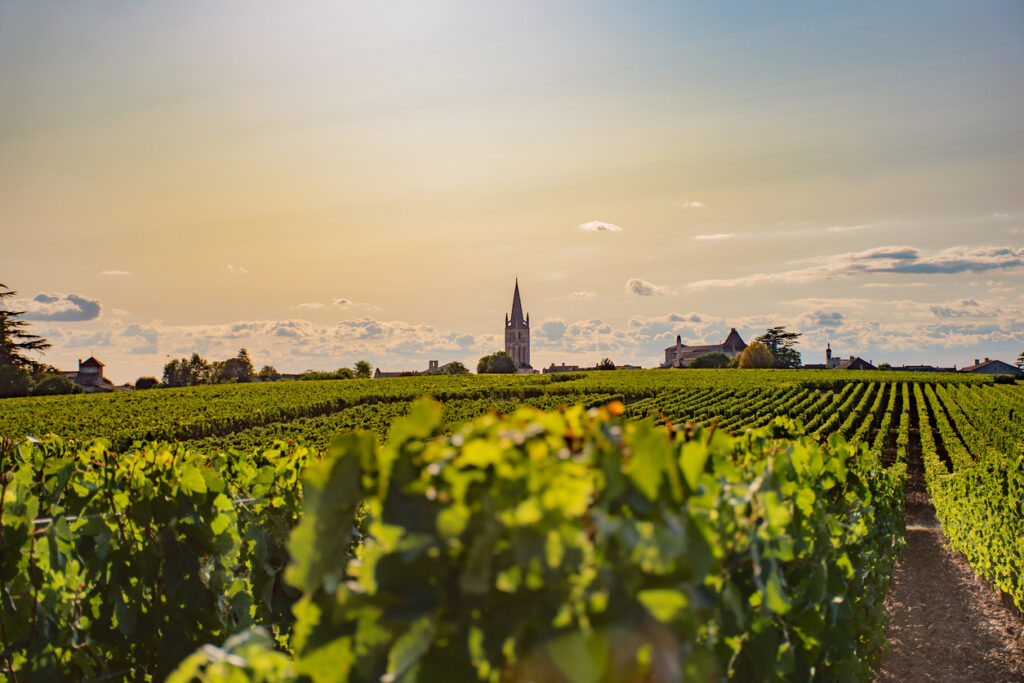
Famous wine regions like Bordeaux, Champagne, and Napa Valley depend on specific climate conditions that have remained stable for centuries. Grapes are extremely sensitive to temperature changes. Even a degree or two makes a massive difference to the wine.
These traditional wine regions are already struggling with heat and drought. In 100 years, many will be too hot for growing the grapes they’re famous for. Wine production will move north to places like England and Scandinavia, or certain wines might disappear entirely.
11. Glaciers in Glacier National Park will all be gone.
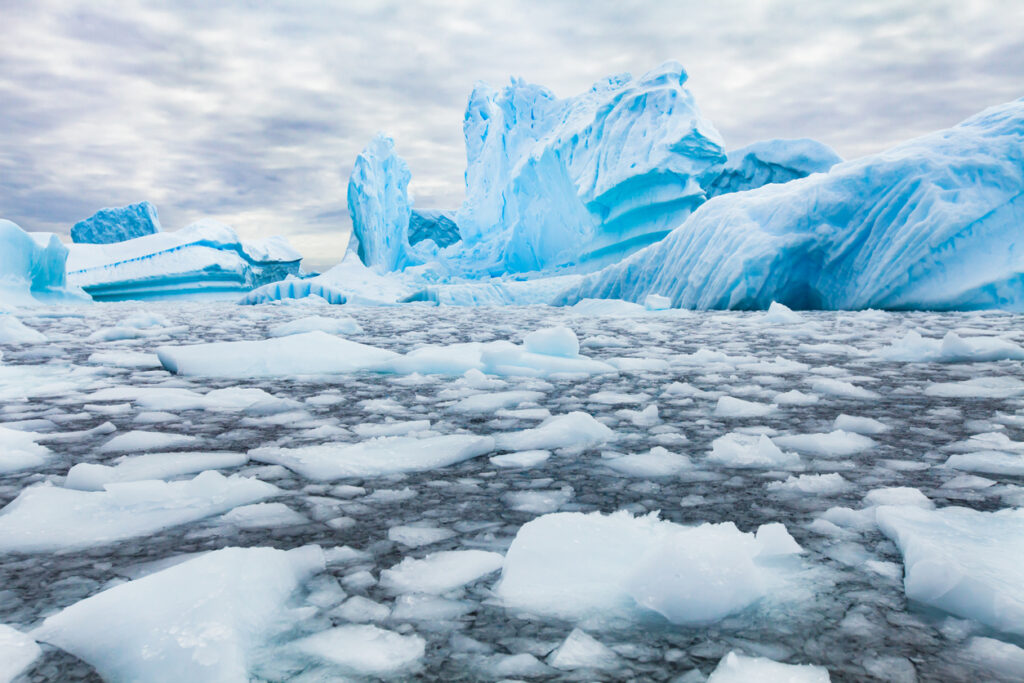
Glacier National Park in Montana had 150 glaciers in 1850. Now it has fewer than 25, and those are rapidly melting. The park is warming faster than the global average. Scientists predict all the glaciers there will be gone by 2030 to 2050, let alone 2125.
The park will still be beautiful, but it’ll be a lie to call it Glacier National Park when there are no glaciers left. This is happening to glaciers worldwide. The ice that’s been around for thousands of years is melting in just decades.
12. Many coastal cities will be partially underwater.
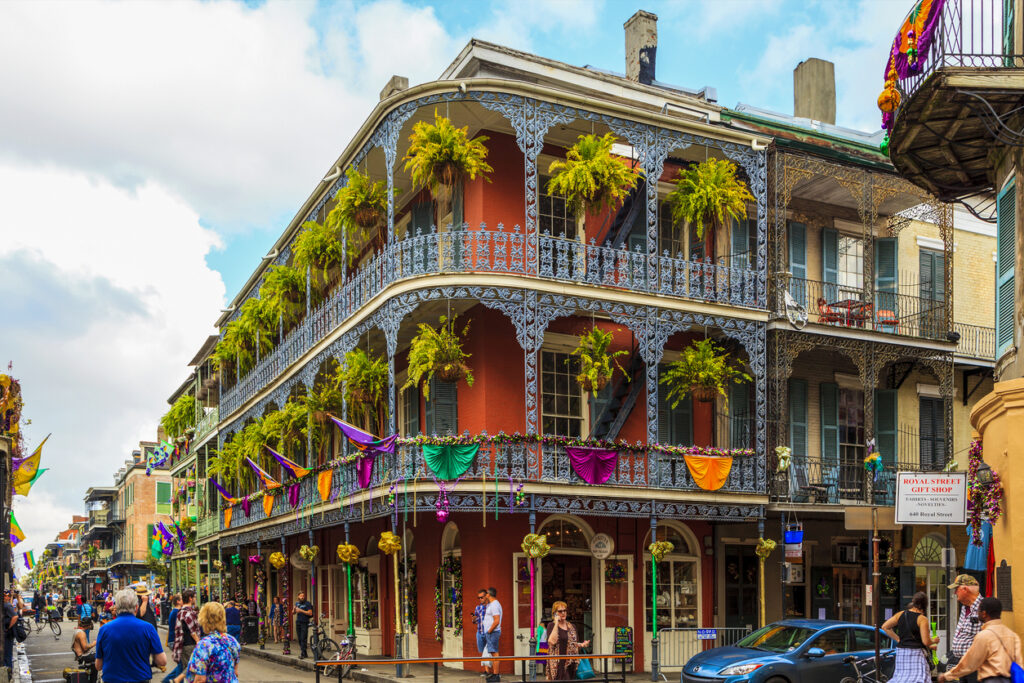
Cities like Miami, New Orleans, Jakarta, Lagos, and Shanghai are all at serious risk from rising seas. They’re built on low-lying coastal areas that are already experiencing increased flooding. The infrastructure wasn’t designed for constant flooding.
In 100 years, parts of these cities will be abandoned or only accessible by boat. Some neighbourhoods will be permanently underwater. Cities might adapt by building walls and floating structures, but they’ll look nothing like they do now. Many areas will just be given back to the sea.
13. Certain fish species will disappear from our plates.

Fish like cod, haddock, and salmon are moving north as oceans warm, trying to find cooler water. Coral reef fish are dying as reefs die. Ocean acidification from absorbed carbon dioxide is making it hard for shellfish to build shells.
Within 100 years, many fish species we currently eat will either be extinct or so rare they’re protected. Fishing industries in places like Scotland and Norway will collapse as fish move further north or die out. The oceans will have far fewer fish overall.