It’s easy to forget that Britain was once home to creatures far stranger and larger than anything wandering the countryside today.
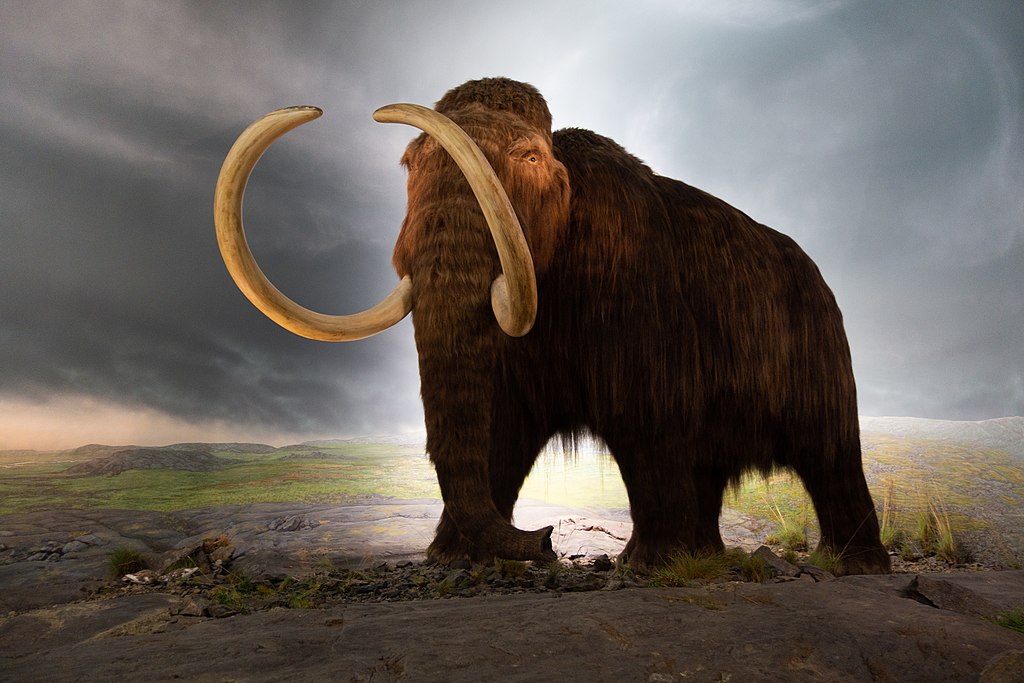
From towering mammoths to enormous flightless birds, the island’s ancient landscape used to teem with animals that vanished here long before recorded history. However, many of their relatives kept thriving elsewhere in the world, surviving ice ages, continental drift, and human expansion. What disappeared from Britain didn’t always disappear from Earth, and tracing those lost species offers a glimpse into the island’s deep and dramatic past.
1. Brown bears roamed Britain until about 1,000 years ago.
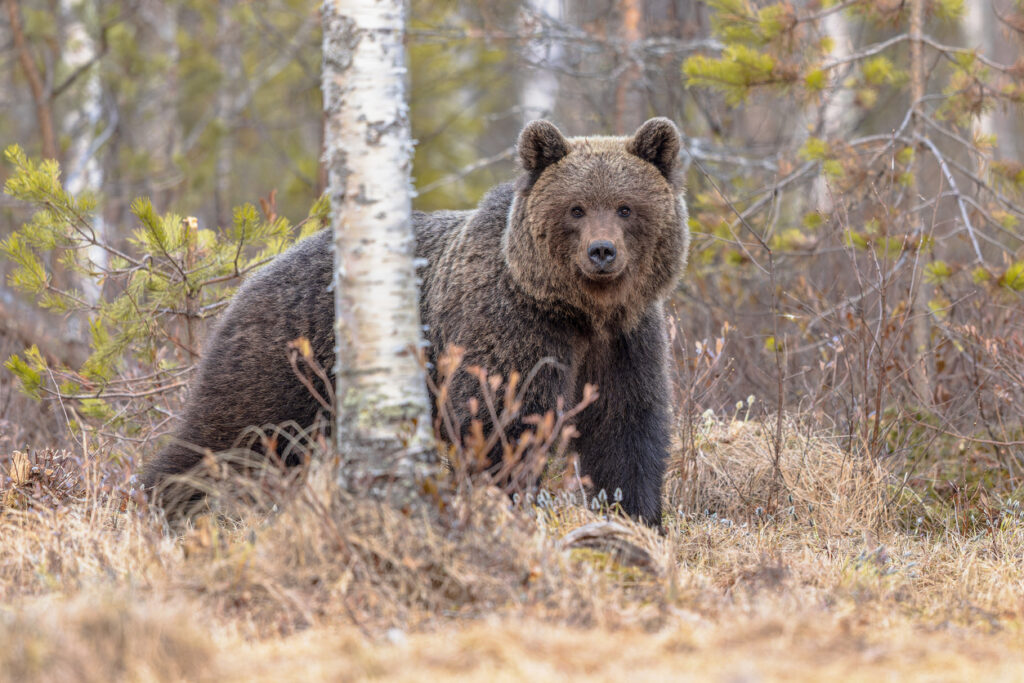
Brown bears lived across Britain for thousands of years. They were hunted for their fur and meat, and seen as dangerous threats to livestock. The last British brown bears probably died out around the year 1000, though some think they lasted a bit longer in Scotland.
Today, brown bears still live across Europe, Asia, and North America. There are hundreds of thousands of them worldwide. They never went globally extinct, they were just wiped out in Britain through hunting and habitat loss while thriving elsewhere.
2. Wolves survived in Britain longer than you’d think.

Wolves were common throughout Britain and Ireland for millennia. They were deliberately hunted to extinction because people feared them and wanted to protect their sheep. The last wolf in England died around 1500, Scotland around 1680, and Ireland held out until about 1786.
Wolves still exist across huge parts of Europe, Asia, and North America. They’re making a comeback in some European countries where they were previously wiped out. Britain remains one of the few places in their former range with no wolves at all.
3. Lynx were Britain’s big cat until medieval times.
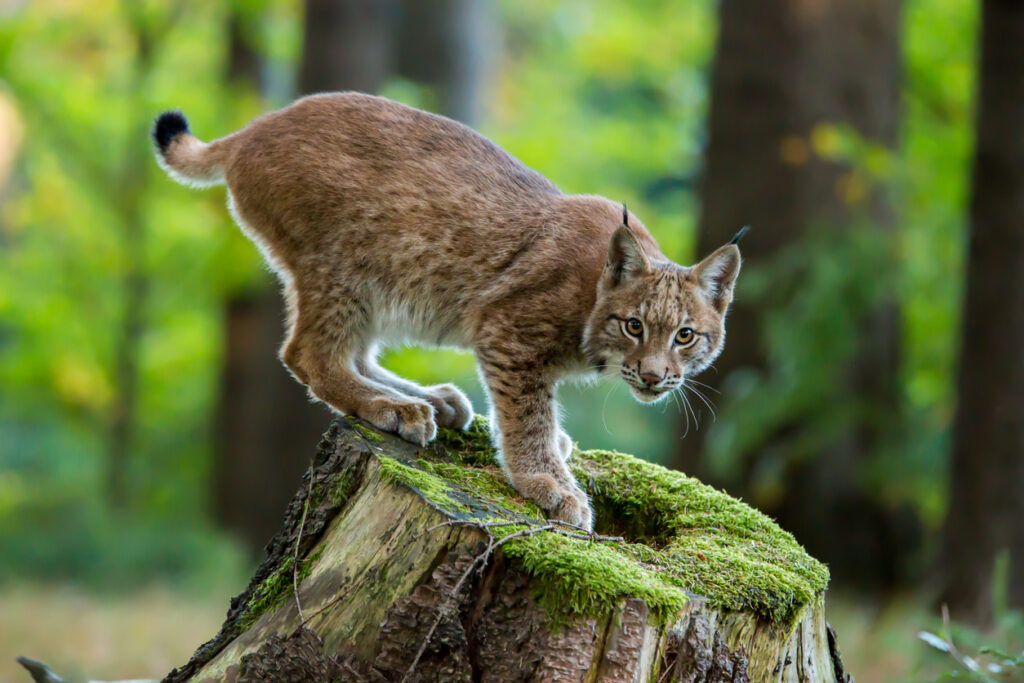
The Eurasian lynx lived in Britain’s forests until around 1,300 years ago. These medium-sized wild cats hunted deer and smaller animals. They disappeared due to hunting and deforestation as humans cleared forests for farmland and settlements.
Lynx still live across Scandinavia, Russia, and parts of central Europe. There’s been talk of reintroducing them to Scotland, but it’s controversial. They’re not extinct globally, just locally in Britain after we killed them all off.
4. Woolly mammoths lasted longer than most people realise.
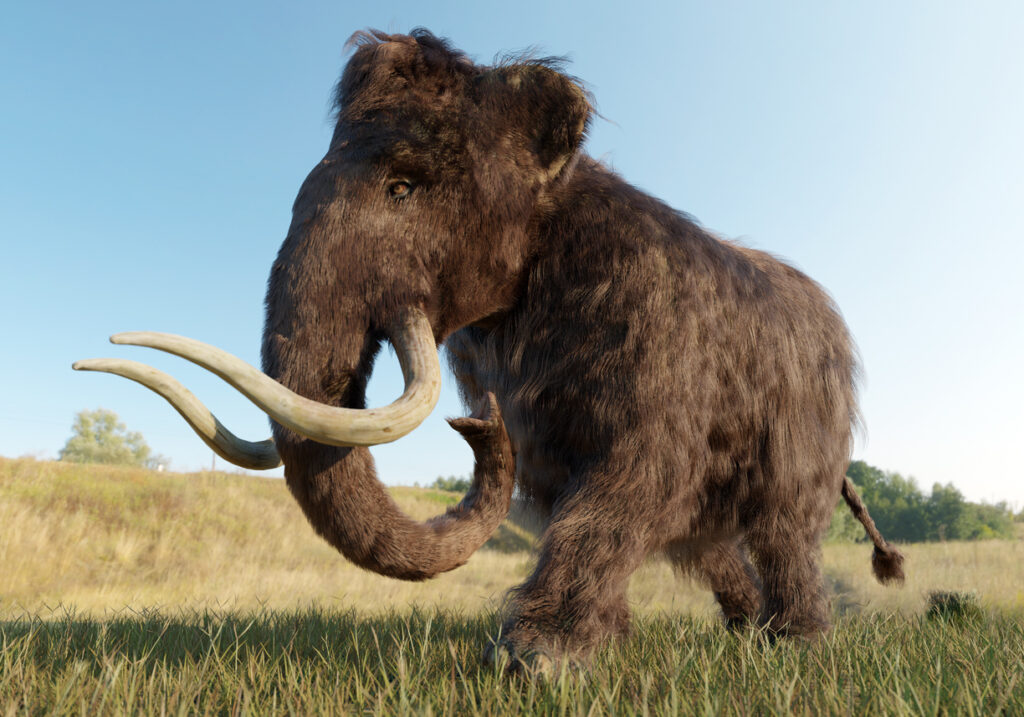
Woolly mammoths walked across Britain during the Ice Age when it was connected to mainland Europe. Most died out around 10,000 years ago as the climate warmed. However, isolated populations survived on Wrangel Island in the Arctic Ocean until about 4,000 years ago.
This means mammoths were still alive when the Egyptian pyramids were being built. They went extinct in Britain thousands of years before their final global extinction. Climate change and human hunting likely finished them off everywhere eventually.
5. Aurochs were massive wild cattle.

Aurochs were the wild ancestors of modern cattle. They stood nearly two metres tall at the shoulder, with huge horns. They lived in Britain until around 3,000 years ago, disappearing due to hunting and habitat loss as forests were cleared.
The last aurochs in the world died in Poland in 1627. They held on in mainland Europe for thousands of years after vanishing from Britain. Some breeding programmes are trying to recreate aurochs by selectively breeding cattle, but the original species is gone forever.
6. Elk still exist, but not in Britain.
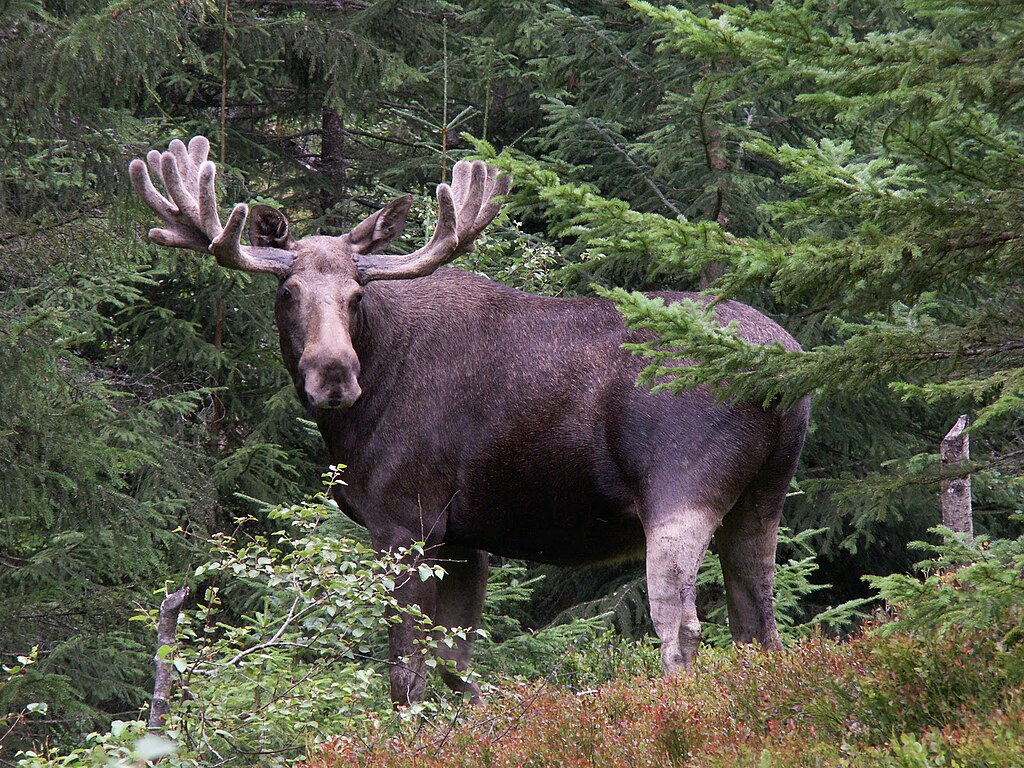
Elk, which Europeans call moose, lived in Britain until about 3,000 years ago. These massive deer were hunted for meat and gradually disappeared as forests were cleared. Cave paintings and archaeological remains prove they definitely lived here.
Elk are still common across Scandinavia, Russia, Canada, and Alaska. They’re one of the largest deer species in the world. Britain lost them ages ago, but they thrived in colder climates with more forest cover and less human pressure.
7. Wild boar made a comeback after being extinct here.
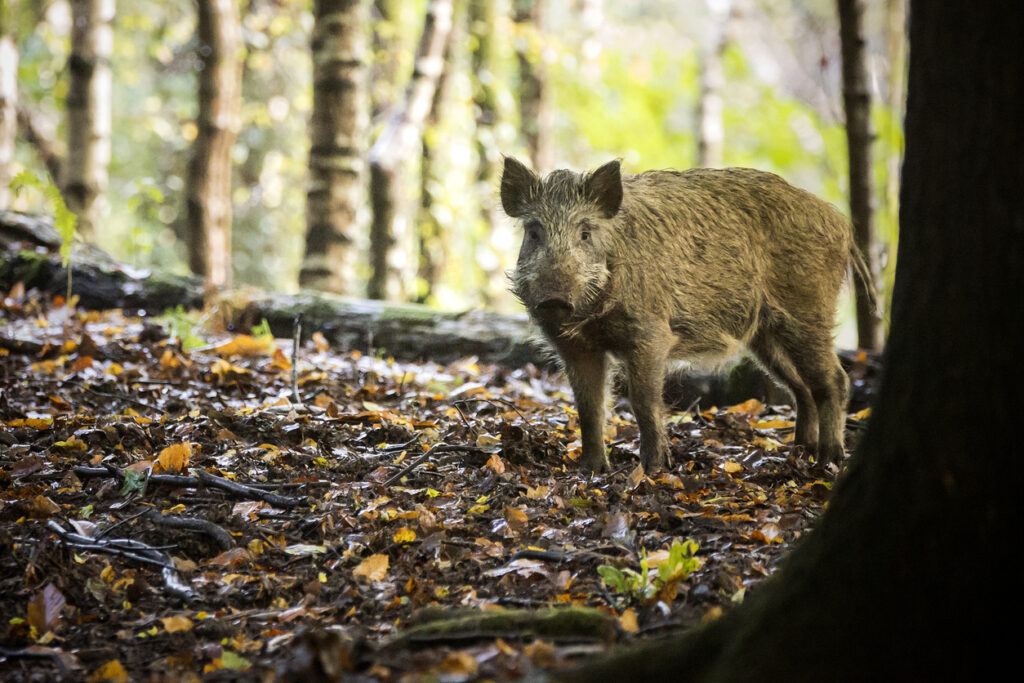
Wild boar lived throughout Britain until around the 13th century when they were hunted to extinction. People killed them for meat and because they damaged crops. For hundreds of years, there were no wild boar in Britain at all.
They never went extinct globally and remained common across Europe and Asia. In the 1990s, some escaped from farms in Britain and established wild populations again. Now there are wild boar living in forests in southern England, though in small numbers.
8. Beavers were hunted out for their fur and castoreum.
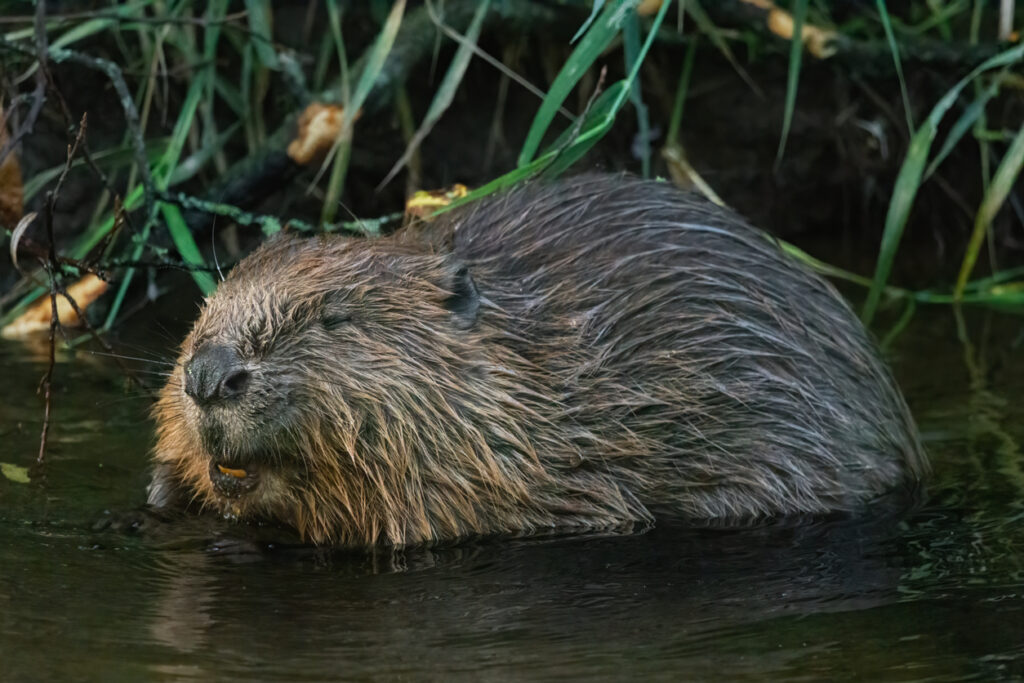
Beavers lived in British rivers and wetlands until the 16th century. They were hunted relentlessly for their valuable fur and for castoreum, a substance from their scent glands used in medicine and perfume. They were completely wiped out by the 1500s.
Beavers survived across Europe and North America in healthy numbers. Recently, they’ve been reintroduced to several sites in Britain, including Scotland and Devon. These reintroductions have been successful and beavers are slowly returning after 400 years of absence.
9. Reindeer disappeared but were brought back.
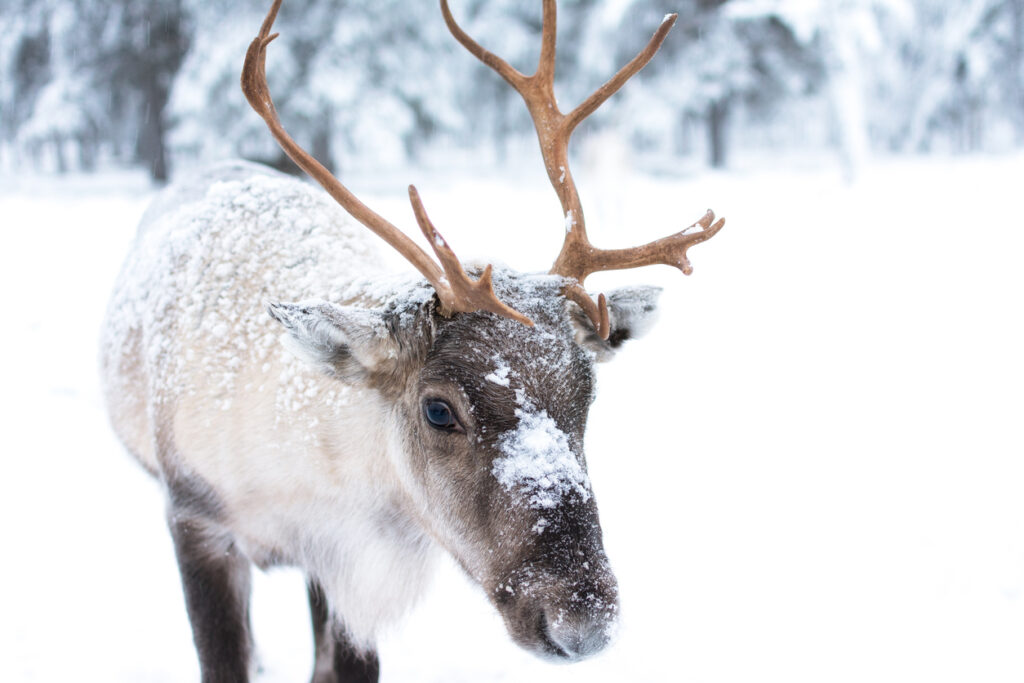
Reindeer roamed Britain during the Ice Age but disappeared around 8,000 years ago as the climate warmed after the ice sheets retreated. They moved north to colder regions when Britain became too warm and the landscape changed too much for them.
Reindeer still exist in huge numbers across Arctic regions of Europe, Asia, and North America. A small herd was reintroduced to the Cairngorms in Scotland in 1952, and they’ve done well there. These aren’t truly wild, though; they’re semi-domesticated.
10. Cave lions were bigger than modern lions.
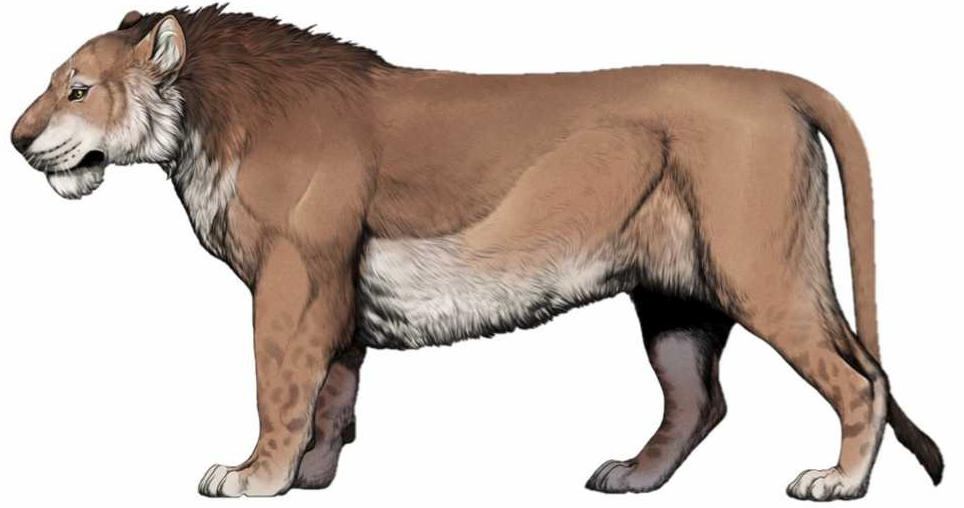
Cave lions lived in Britain during the Ice Age, with remains found in caves across the country. They were about 10% larger than modern African lions. They died out in Britain around 14,000 years ago as the Ice Age ended and prey animals changed.
Cave lions went completely extinct worldwide around 14,000 years ago, so they didn’t survive anywhere else either. However, their close relatives, modern lions, still live in Africa and a small population exists in India. Britain lost its lions long before they went globally extinct.
11. Woolly rhinoceros died out everywhere eventually.
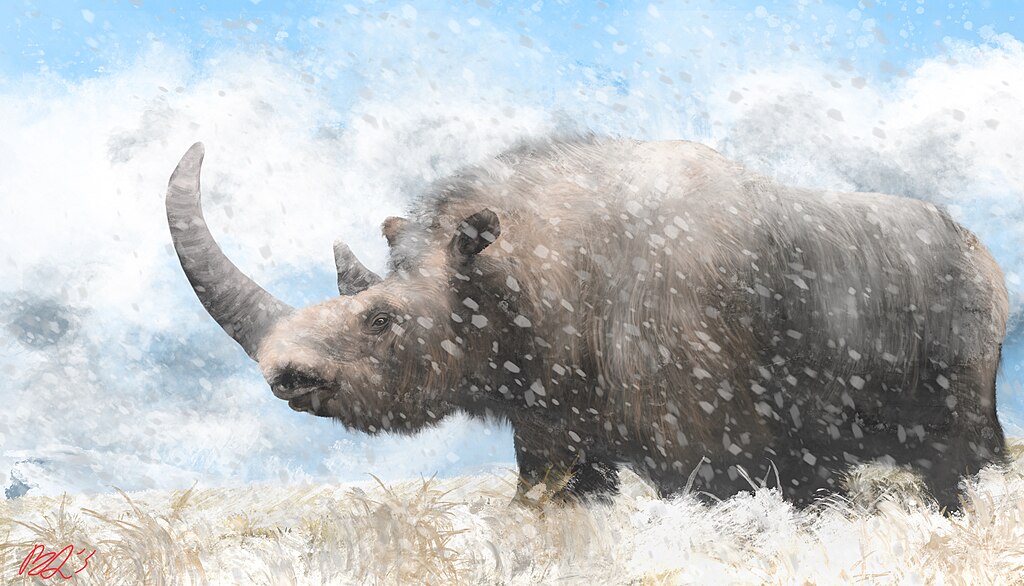
Woolly rhinos lived in Britain during the Ice Age alongside mammoths. They had thick fur and two horns adapted for sweeping snow away to reach grass underneath. They disappeared from Britain around 30,000 years ago, earlier than from some other places.
They held on in Siberia until about 14,000 years ago before going completely extinct. Like mammoths, climate change warming their habitat played a big role. Britain lost them first, but eventually, they disappeared globally. No woolly rhinos survived anywhere.
12. Straight-tusked elephants lived here in warm periods.

During warm periods between Ice Ages, straight-tusked elephants lived in Britain. They were even bigger than modern African elephants. Fossils show they lived here around 120,000 years ago when Britain had a warmer, more Mediterranean climate.
These elephants went extinct across their entire range, which included much of Europe, around 30,000 years ago. Britain lost them during one of the cold periods when the ice returned. They’re not the same as modern elephants, but were ancient cousins that didn’t survive anywhere.
13. Giant deer had the biggest antlers ever.
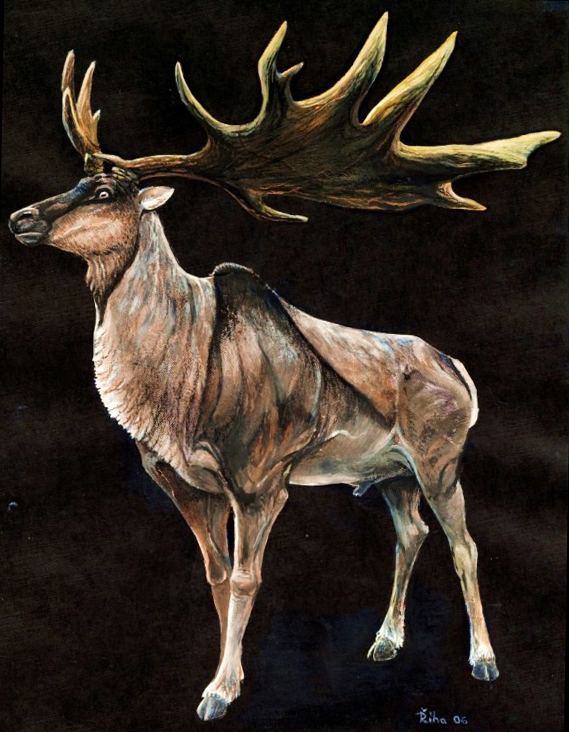
The Irish elk, despite its name, lived across Britain and Europe, not just Ireland. This giant deer had antlers spanning up to 3.5 metres, the largest of any deer that ever lived. They died out in Britain around 12,000 years ago.
They survived in Ireland until about 8,000 years ago, outlasting their British cousins by thousands of years. Eventually, they went completely extinct everywhere. Their massive antlers may have become a disadvantage as forests grew thicker and climate changed after the Ice Age.
14. Hyenas scavenged across Ice Age Britain.

Spotted hyenas, the same species that lives in Africa today, ranged across Britain during the Ice Age. Their dens have been found in caves with bones of animals they scavenged. They disappeared from Britain around 28,000 years ago as the climate changed.
Hyenas went extinct across all of Europe and Asia but survived in Africa where they still thrive today. Britain lost them along with the rest of Europe when Ice Age conditions ended and the prey they depended on disappeared or moved elsewhere.