As the days get shorter and the leaves begin to fall, many gardeners across the UK are tidying up their plots and preparing for winter.
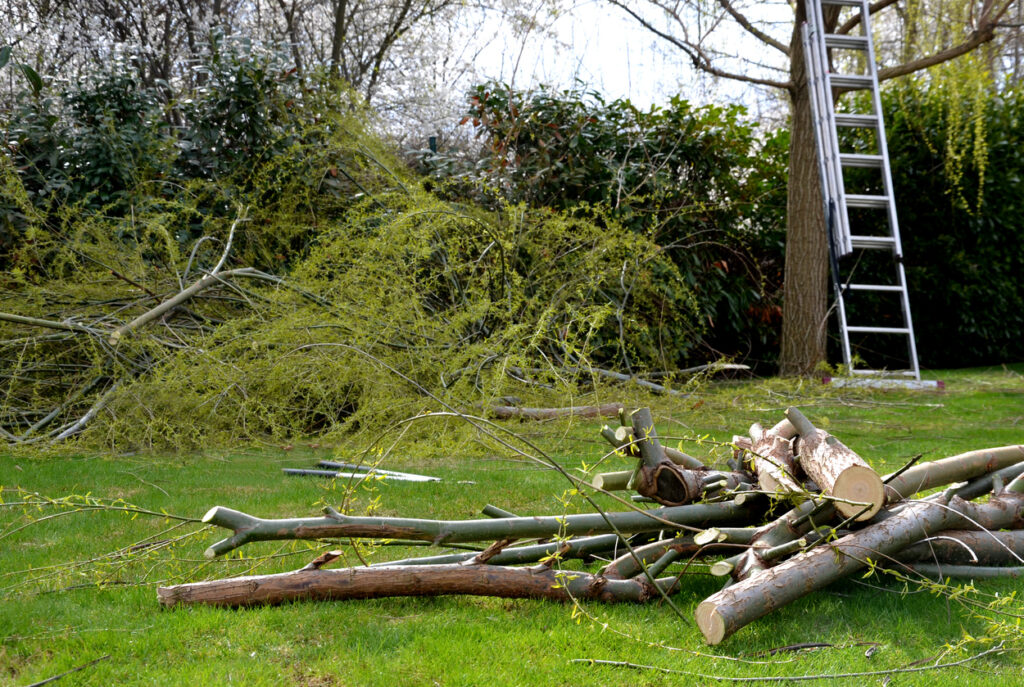
However, this year, experts are asking people to think twice before burning or binning their piles of wood and pruning leftovers. Whether it’s old fence panels, branches, or bits of timber from garden repairs, recycling that wood can do far more good than harm, both for your garden and the environment.
The call to recycle instead of burn is part of a growing push to reduce garden waste and air pollution, while also helping wildlife that struggles through the colder months. With just a few simple changes, you can turn what looks like rubbish into something genuinely useful.
It keeps valuable nutrients in your garden.
When wood decomposes naturally, it gives back vital nutrients to the soil, especially carbon and nitrogen, which are key for plant health. Throwing it away or setting it on fire wastes all that potential goodness. By shredding or chipping old branches and using them as mulch or compost material, you’re feeding your soil from the ground up.
The slow release of nutrients helps create stronger, more resilient plants for the next growing season. It’s nature’s way of recycling — you just have to let it happen instead of fighting it.
It reduces harmful garden fires.
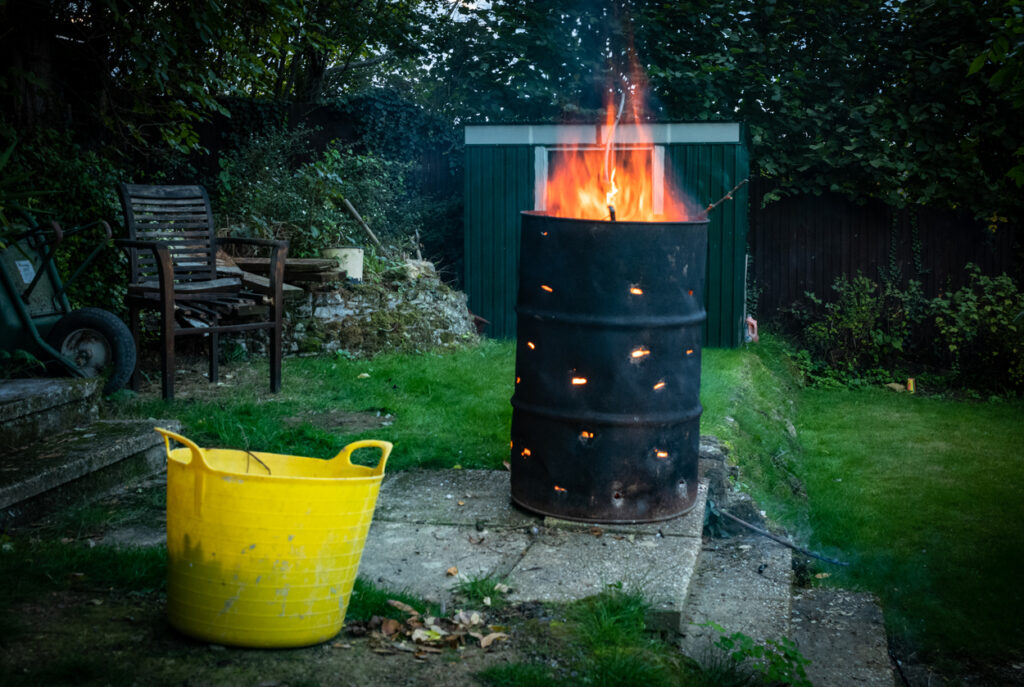
Bonfires have long been part of British autumn clean-ups, but they’re increasingly discouraged by councils for good reason. Burning wood releases carbon dioxide, smoke, and fine particles that harm local air quality. It can also disturb neighbours and wildlife alike.
Recycling wood instead keeps the air cleaner and avoids unnecessary emissions. In fact, several councils now restrict garden fires entirely and provide free collection or composting services to make sustainable disposal easier. It’s better for the planet, and for keeping the peace with everyone around you.
It gives wildlife a place to live.

A pile of old wood might not look like much, but to wildlife it’s a lifeline. Deadwood habitats are essential for many species that need shelter during colder months. Hedgehogs, beetles, frogs, toads, and even small birds use stacked logs and branches as safe nesting or hiding spots.
Creating a simple log pile in a quiet corner of your garden can make a real difference to local biodiversity. It doesn’t need to be huge or perfectly arranged, just somewhere undisturbed where creatures can rest, hibernate, or hunt for food when the weather turns harsh.
It keeps treated wood out of nature.
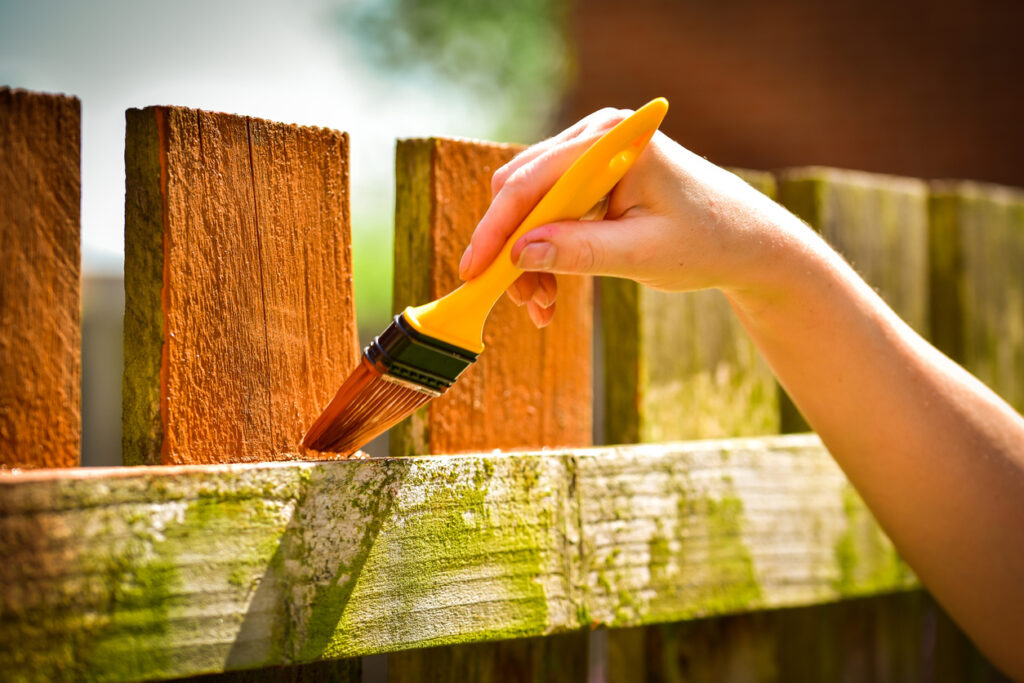
Not all wood is safe to reuse outdoors. Anything painted, varnished, or chemically treated can leach harmful substances into the soil, which may damage plants or poison insects. These pieces should be separated and taken to a local recycling centre, where they can be safely processed.
Natural, untreated wood is ideal for composting or mulching, while treated timber is best kept out of the garden ecosystem altogether. A quick check before you recycle helps protect both your soil and the creatures that live in it.
It helps the soil hold more water.
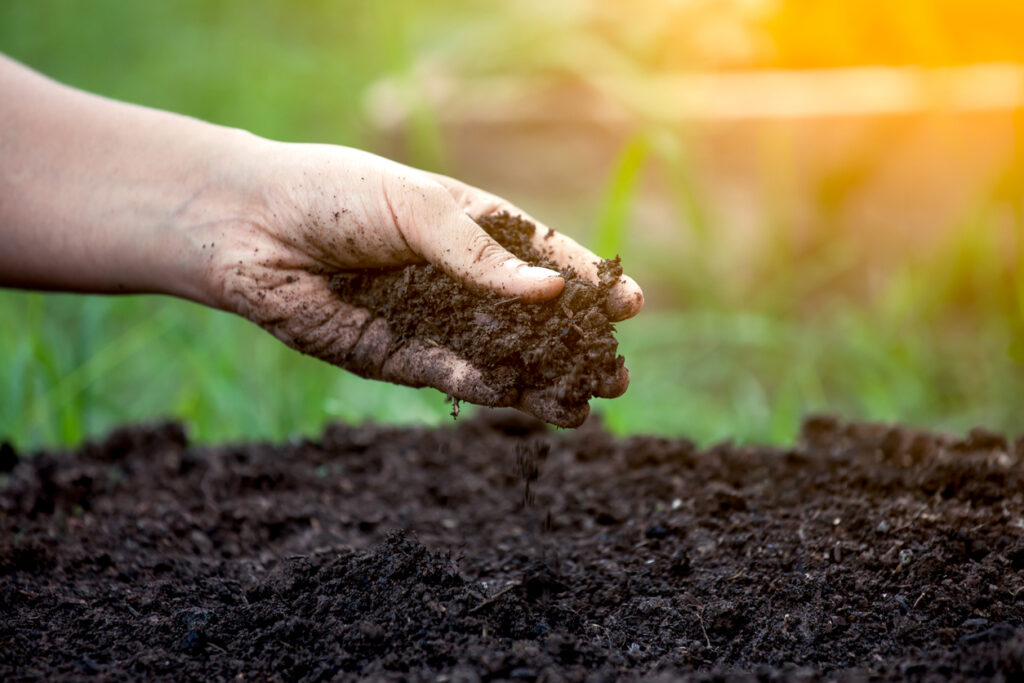
Wood chips and bark mulch don’t just look tidy, but they also help your garden function better. When spread across beds or around trees, they lock in moisture, regulate soil temperature, and prevent weeds from taking over.
During dry spells, they reduce the need for constant watering. Over time, they break down and enrich the soil beneath them. It’s one of the simplest, most natural ways to build a healthier, more self-sustaining garden.
It prevents unnecessary waste.
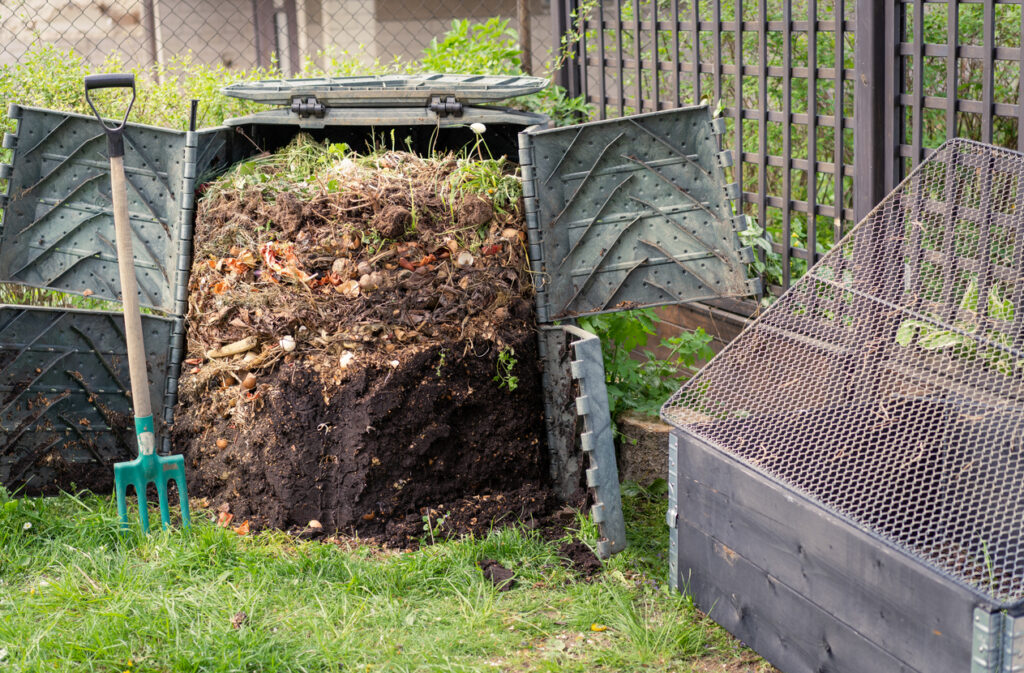
Each year, garden waste makes up a large share of UK landfill, much of which could have been reused. Recycling wood on-site helps cut down that number and reduces pressure on waste facilities. It’s also surprisingly cost-effective.
Instead of buying bags of bark, mulch, or compost from the garden centre, you can create your own from what’s already lying around after autumn pruning. It saves money, reduces plastic packaging, and helps your garden in the process. In short, you’re turning waste into a resource.
It supports local council efforts.
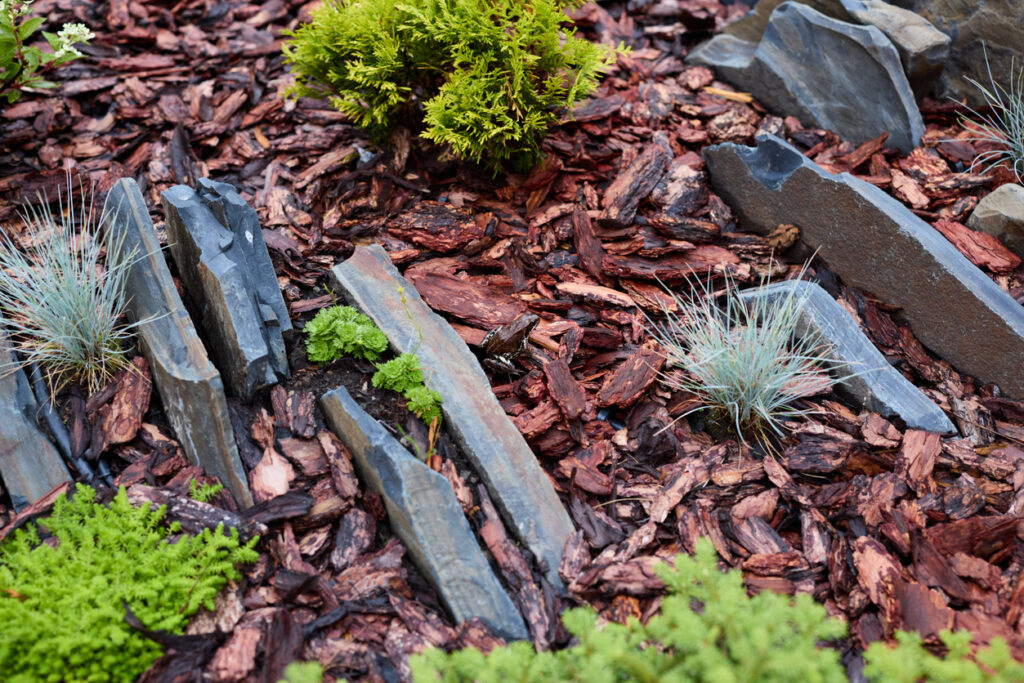
Many local authorities are now offering free or low-cost schemes to encourage responsible garden waste recycling. Some councils have chipping days when residents can bring wood and branches to be shredded, while others collect green waste directly from homes.
Checking your council’s website will show what’s available in your area. Taking part helps communities hit recycling targets and reduces the volume of waste sent to landfill. It’s a small effort that adds up across the country.
It makes your garden look cared for.
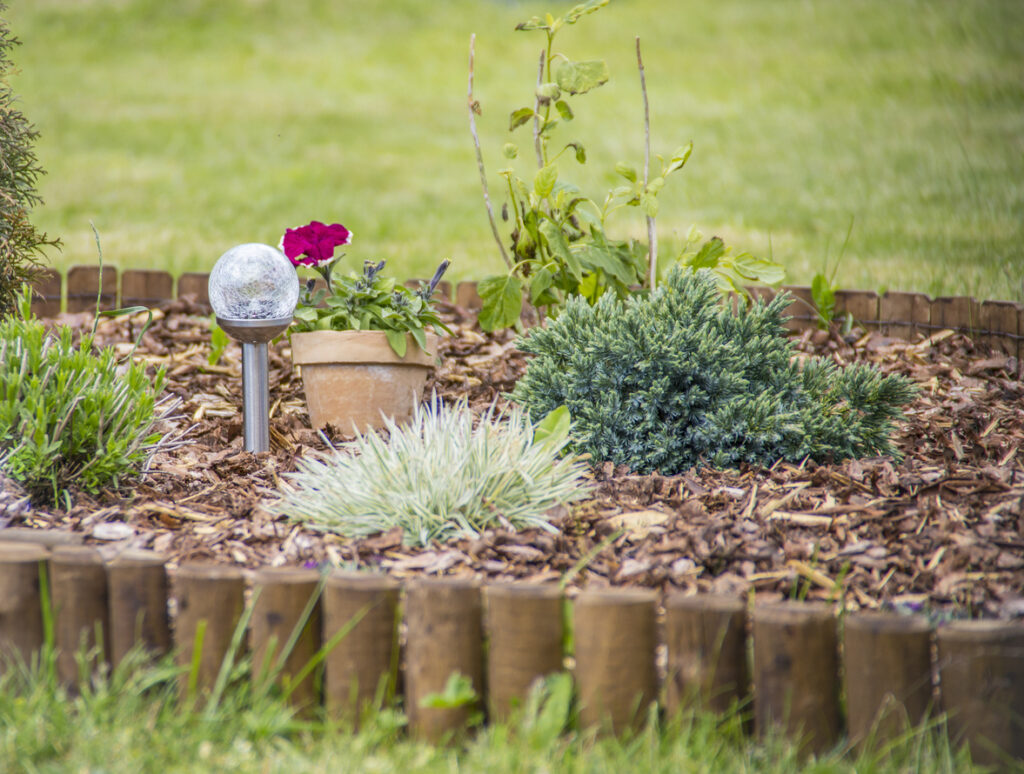
Recycling doesn’t have to stop at mulch and compost. Old wood can be repurposed into attractive and practical features. Chipped branches make tidy garden paths, while logs can edge beds, support climbing plants, or even become rustic seating.
With a little imagination, what once looked like garden debris can become part of your design. It’s sustainable, cost-effective, and adds a natural character that plastic borders or store-bought materials simply can’t match.
It’s a small act with big results.
The push to recycle old wood isn’t just about keeping your garden tidy. It ties into a larger movement towards more sustainable living, and it’s one that reduces pollution, conserves resources, and restores local ecosystems. Every small change made at home contributes to this collective effort.
By choosing to recycle rather than burn or bin, you’re directly helping to cut carbon emissions, reduce landfill, and create habitats for wildlife. It’s the kind of quiet environmental action that really does make a difference when enough people get involved.