Some animals don’t just adapt to survive, they actually make copies of themselves.
Cloning might sound like something straight out of a science lab, but in nature, it’s surprisingly common. From tiny sea creatures to reptiles and insects, plenty of species can reproduce without a mate when conditions get tough. It’s evolution’s built-in backup plan, allowing life to carry on even when the odds aren’t great. These are some of the animals that have mastered the ultimate survival trick: creating a perfect duplicate of themselves.
1. Starfish
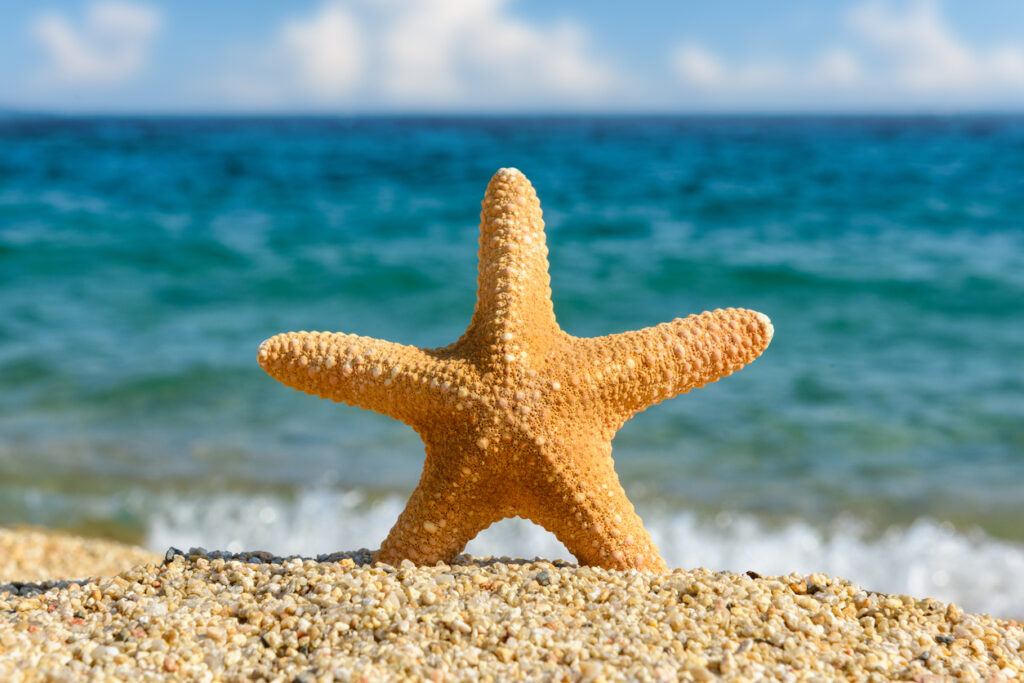
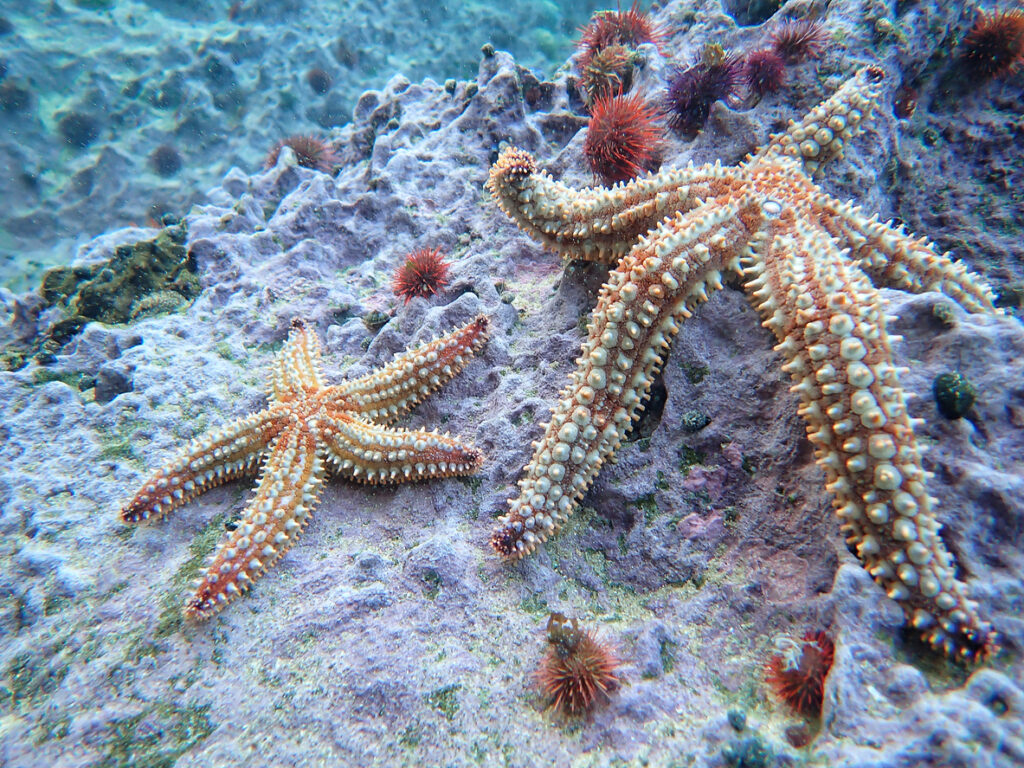
Starfish are among the most famous self-cloners in the ocean. If a starfish loses an arm, it can regrow it, and in some cases, that arm can even grow into an entirely new starfish. This process, called regeneration, helps the species recover from injuries and predators. It also means that one starfish can rebuild an entire colony after being attacked or damaged by environmental changes.
2. Komodo dragons
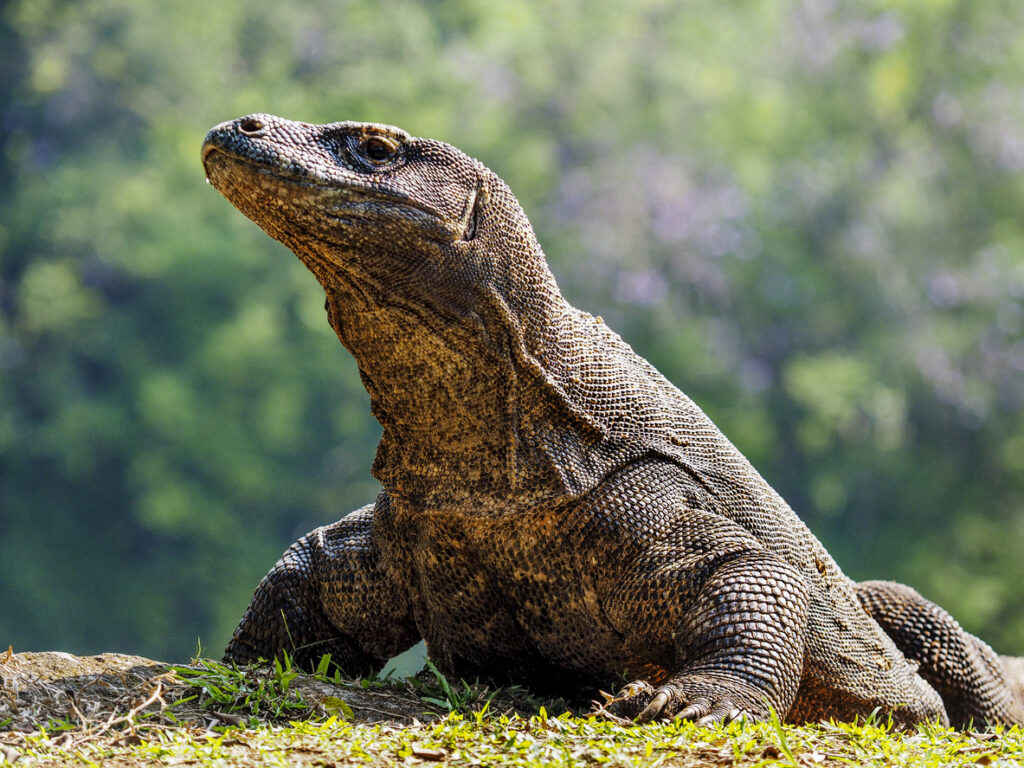
Komodo dragons, the world’s largest lizards, can reproduce without males through a process called parthenogenesis. In captivity, female dragons have laid eggs that developed into healthy offspring without fertilisation. That ability ensures survival when populations are isolated. On small islands where males are scarce, this self-cloning process keeps their lineage going, proving that nature finds a way to adapt under pressure.
3. Aphids
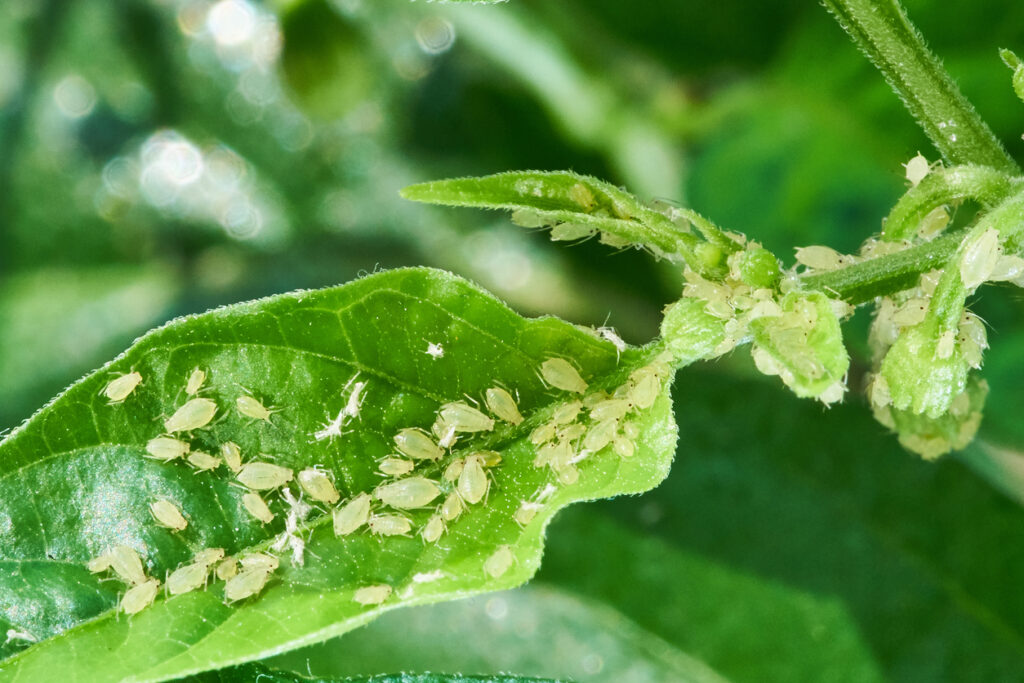
Aphids are tiny insects that reproduce faster than most creatures on Earth, and cloning is the reason why. Female aphids can give birth to live young that are exact copies of themselves. They use this ability in spring and summer when conditions are ideal for feeding on plants. When the environment changes, they switch back to sexual reproduction to mix up their genetics for better survival chances.
4. Hydra
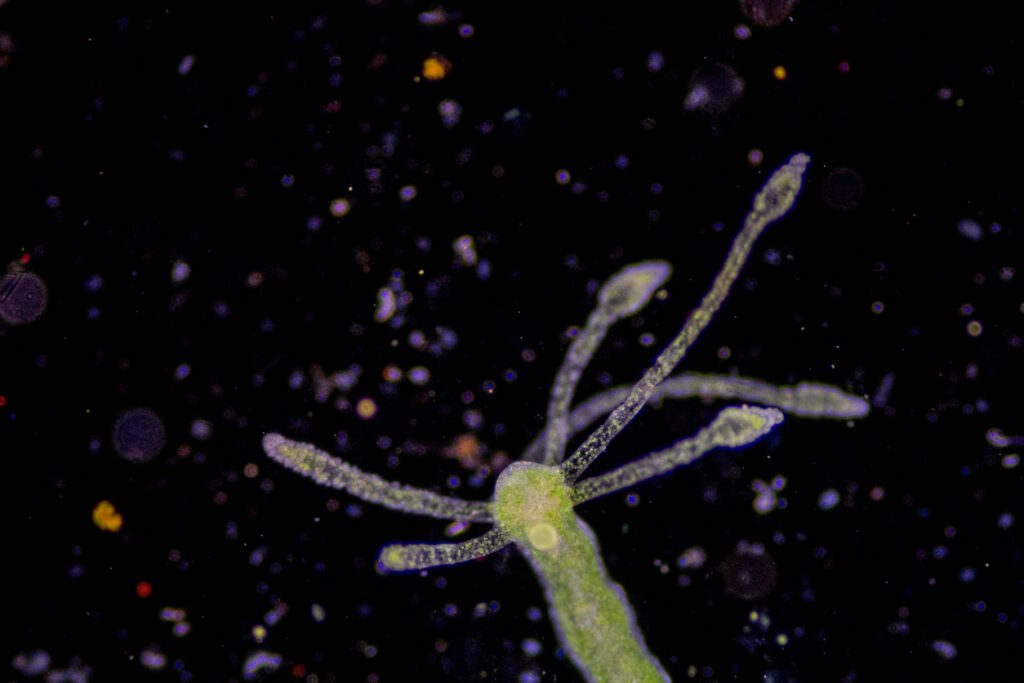
Hydras are small freshwater animals that never seem to age. They reproduce asexually by budding, meaning a new hydra grows out of the parent’s body before detaching and living independently. This makes them near-immortal in theory, as they can endlessly regenerate new bodies. Scientists often study hydras to understand how cloning and cell renewal might unlock secrets of longevity.
5. Whiptail lizards
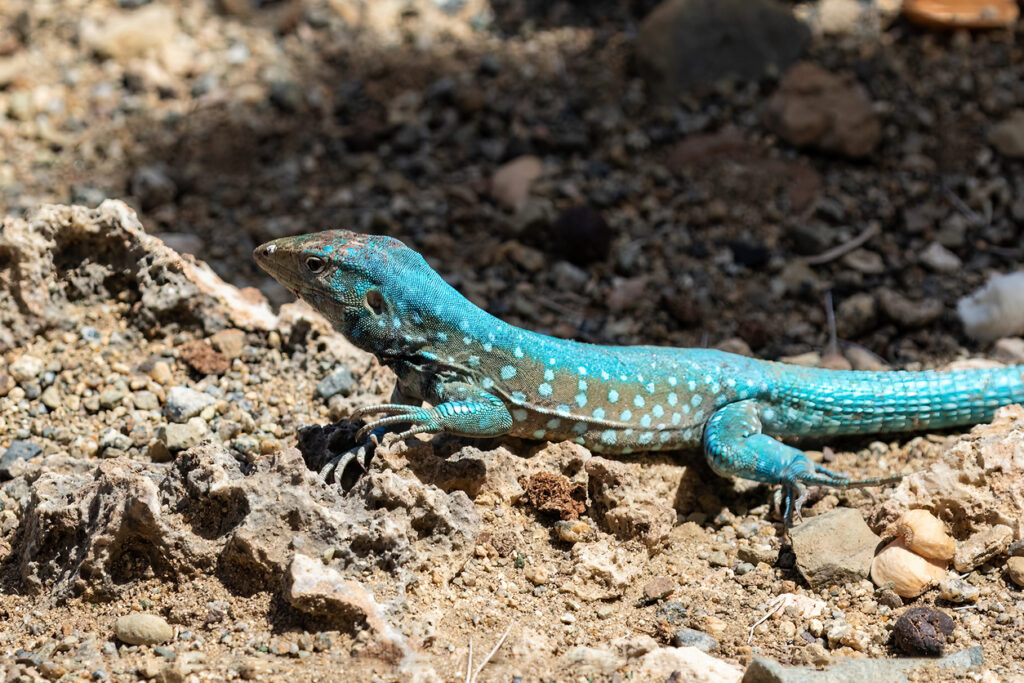
Certain species of whiptail lizards, found in North and Central America, consist entirely of females. They reproduce by making exact genetic copies of themselves, with no males involved. Each new lizard is an identical twin of the mother. Although cloning limits genetic variety, this adaptation helps them thrive in stable environments where survival depends more on speed than diversity.
6. Sea anemones
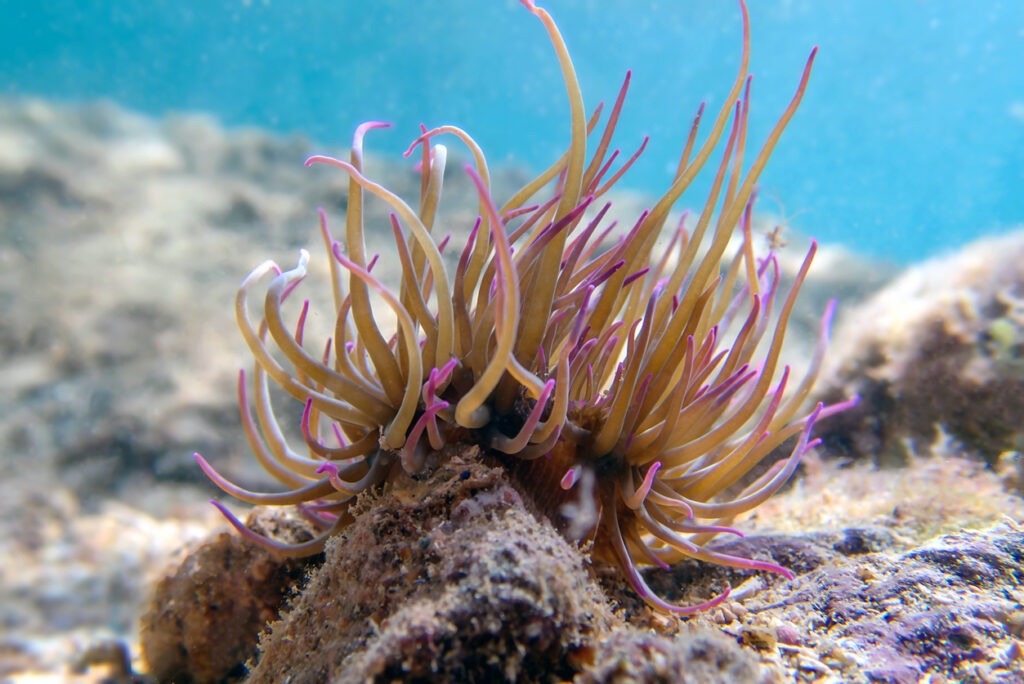
Sea anemones clone themselves by splitting in two, a process called fission. Each half grows into a complete new individual, genetically identical to the original. This helps them spread across reefs and maintain territory. Cloning also allows them to recover from storm damage or predators, making them some of the ocean’s toughest survivors.
7. Jellyfish
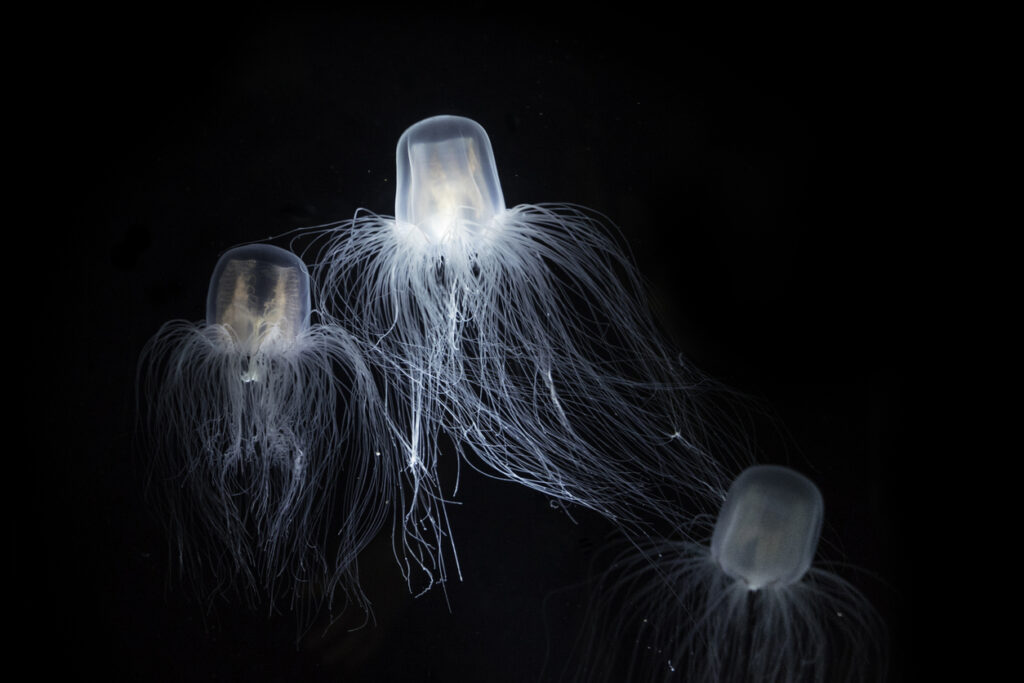
Some jellyfish species, like the moon jellyfish, can regenerate from small fragments. Others, such as Turritopsis dohrnii, often called the “immortal jellyfish,” can revert their cells to a younger stage and start their life cycle over again. That biological reset lets them clone themselves indefinitely. It’s one of nature’s most remarkable tricks, turning back the clock to escape death and survive changing environments.
8. Sponges

Sponges are ancient animals that rely heavily on cloning to persist in the oceans. When damaged, small fragments can drift away and grow into full-sized new sponges. This method ensures they survive even after being torn apart by currents or predators. The new clones quickly attach to rocks or coral, creating thriving colonies that help stabilise marine ecosystems.
9. Flatworms
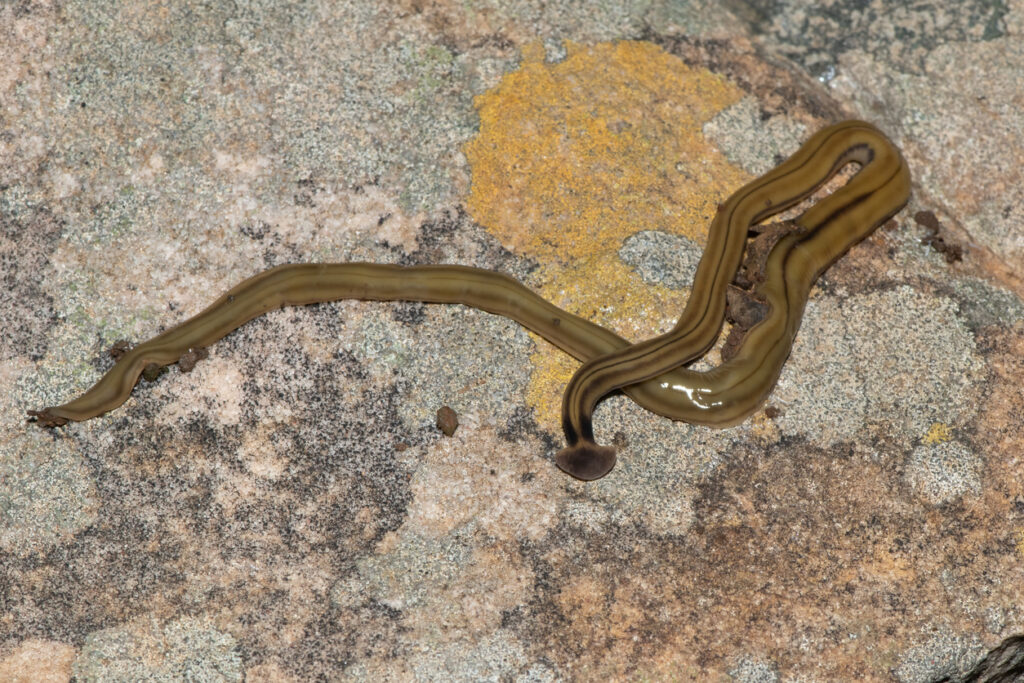
Flatworms, or planarians, can clone themselves through regeneration. Even if cut into several pieces, each one can grow into a new worm with identical DNA. This makes them virtually indestructible in the right conditions. Researchers study flatworms to understand how stem cells allow such complete regeneration, hoping to learn more about tissue repair in humans.
10. Corals
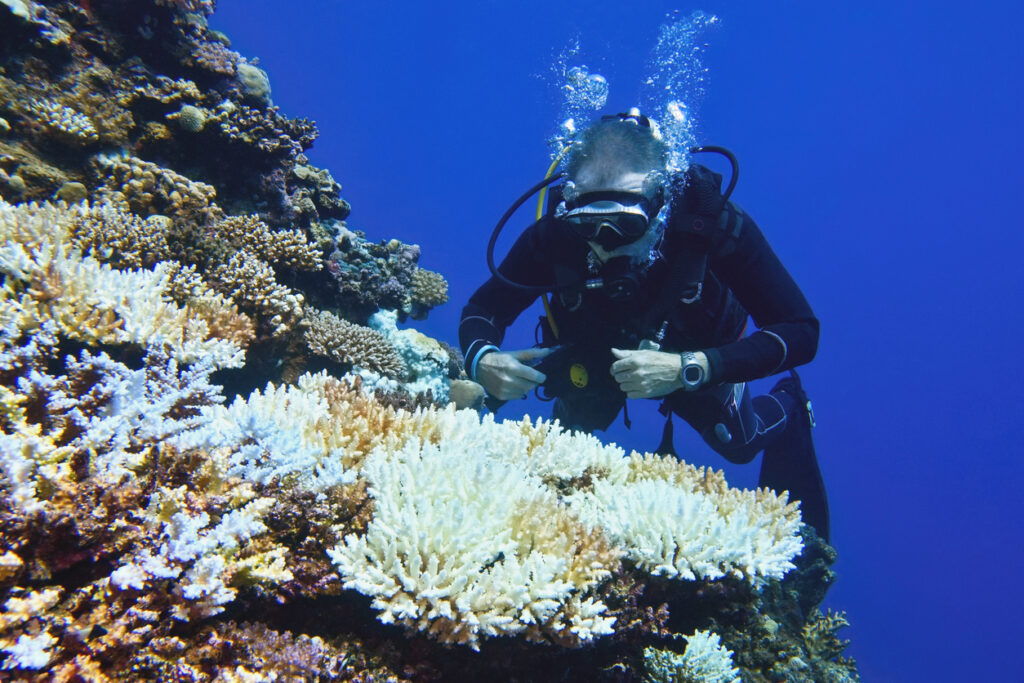
Coral reefs rely on cloning to grow and recover from damage. When parts of a coral break off, those fragments attach to new surfaces and grow into genetically identical colonies. This process helps reefs heal after storms or bleaching events. It’s nature’s built-in safety net, allowing entire ecosystems to rebuild from just a few surviving pieces.
11. Hammerhead sharks

In rare cases, female hammerhead sharks have been observed reproducing without males. Parthenogenesis has been recorded in aquariums and, recently, in the wild, where isolated females produced healthy pups. It might be a last-resort adaptation during population decline. It keeps their genetic line alive, though cloned pups have less diversity, which can affect long-term survival.
12. Water fleas
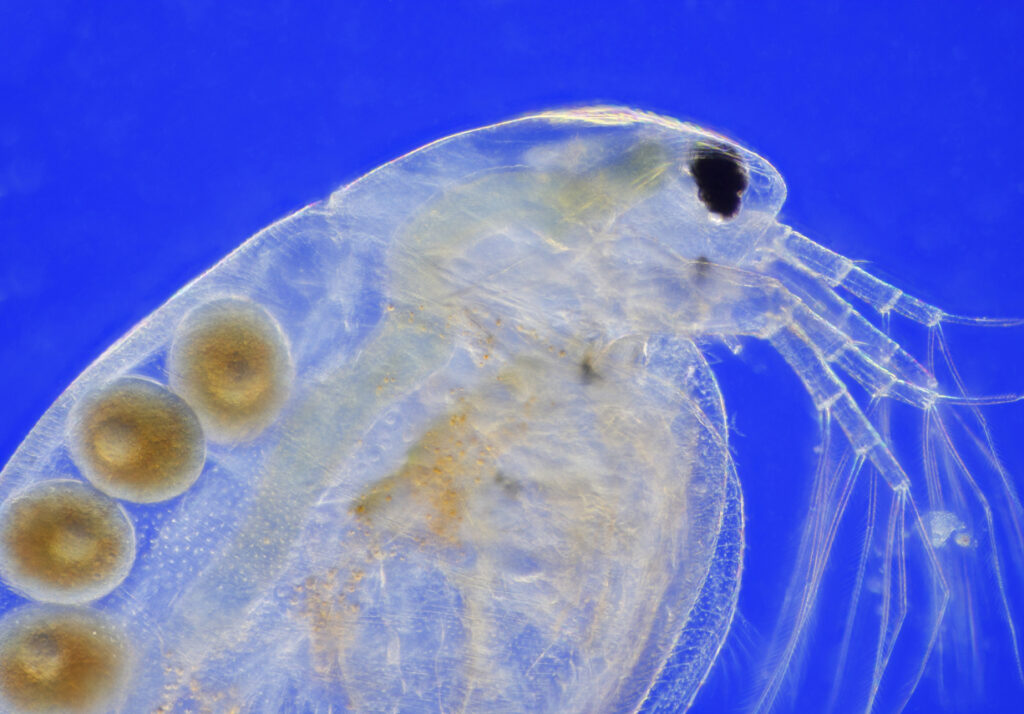
Water fleas, or Daphnia, clone themselves throughout most of the year when conditions are stable. Females produce identical daughters that grow and reproduce within days, creating booming populations. When the environment becomes harsh, they switch to sexual reproduction to introduce variation. This dual strategy helps them survive both predictable and unpredictable seasons with ease.
Why cloning helps species survive
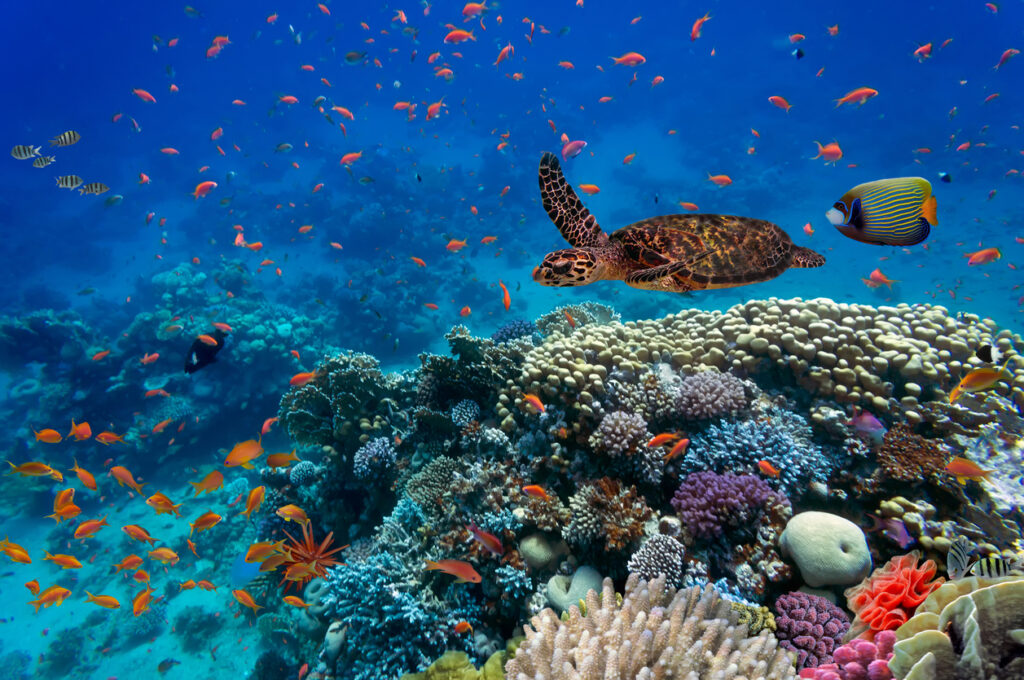
Cloning guarantees that at least some part of a population continues, even if mates, food, or shelter disappear. It’s a fast, reliable way to keep species alive when change comes too quickly for traditional reproduction. However, it also has limits. Without new genetic combinations, cloned species can become vulnerable to disease or environmental changes. Nature’s brilliance lies in balance: the mix of cloning for safety and diversity for strength.