Koalas are adorable, but they’re also among the laziest animals on the planet, and there’s actually a very good reason for it.
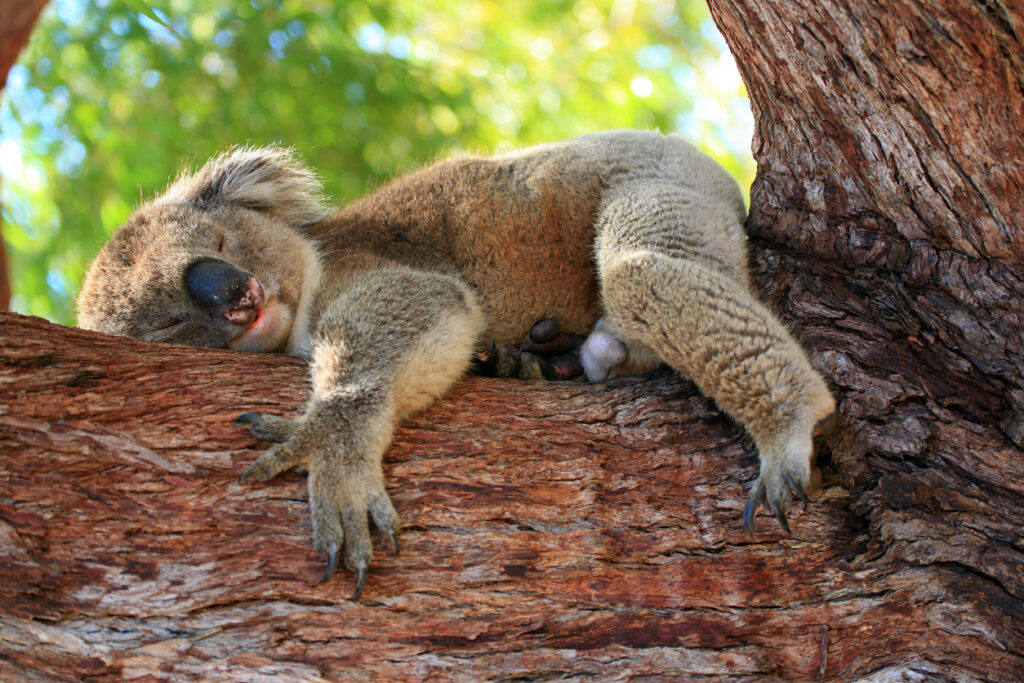
Those long naps aren’t just about comfort; they’re a matter of survival. Their diet of eucalyptus leaves gives them barely any energy, so sleeping for up to 22 hours a day helps them conserve what little they get. It’s not that koalas can’t be active. They just can’t afford to be for long. Behind their sleepy reputation is a finely tuned survival strategy that keeps them going in one of the toughest diets in the animal kingdom.
Eucalyptus leaves are incredibly low in nutrition.
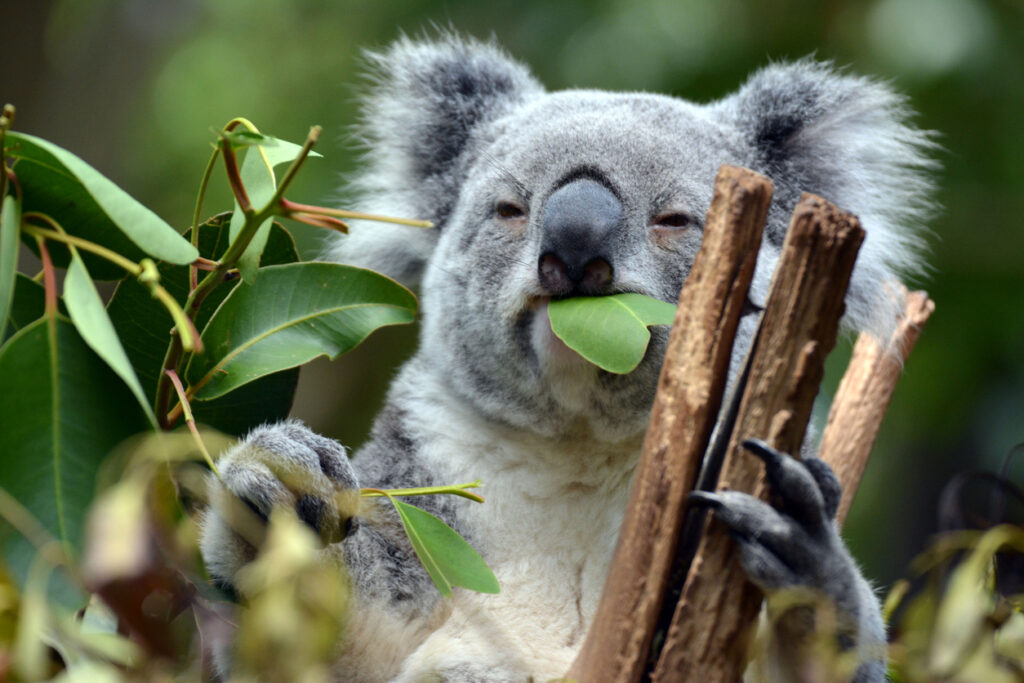
Koalas eat almost exclusively eucalyptus, which is one of the least nutritious foods in the animal kingdom. The leaves are tough, fibrous, and contain very little protein or fat to fuel an active lifestyle. Most animals avoid eucalyptus entirely because it’s not worth the energy to digest. Koalas have adapted to survive on it, but that adaptation comes with serious trade-offs that shape their entire existence.
Their digestive system works incredibly slowly.
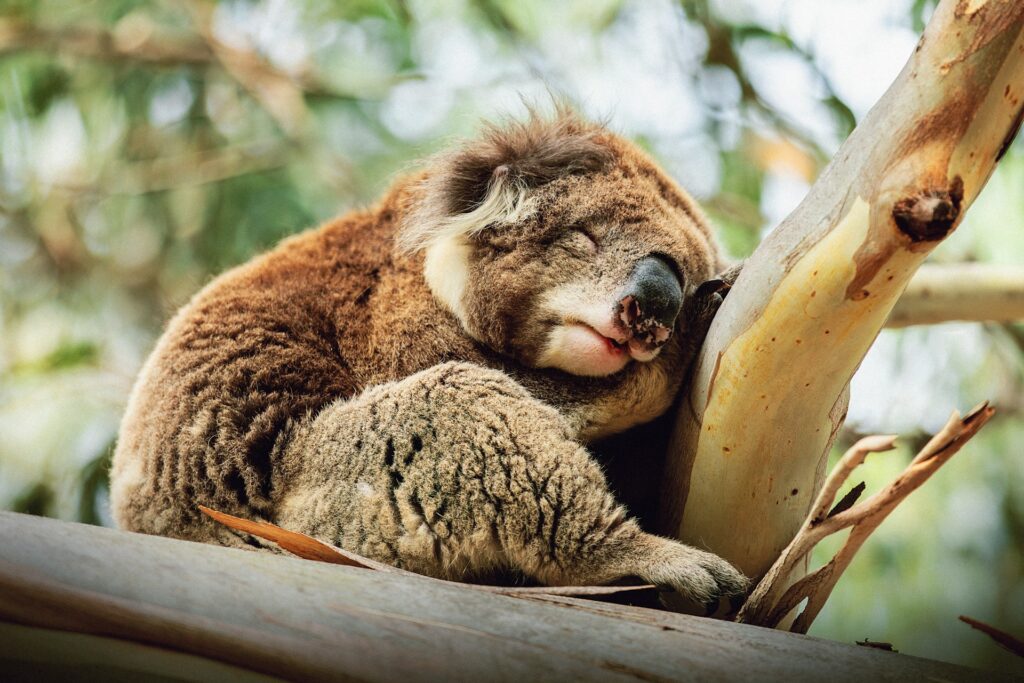
Breaking down eucalyptus takes time—we’re talking up to five days for a single meal to pass through their system. Their digestive process is so slow and inefficient that they extract only minimal energy from what they eat. Their sluggish digestion means they can’t afford to burn energy on much else. Sleep becomes essential because any unnecessary movement would use up calories they barely have to spare in the first place.
Eucalyptus is mildly toxic to most animals.
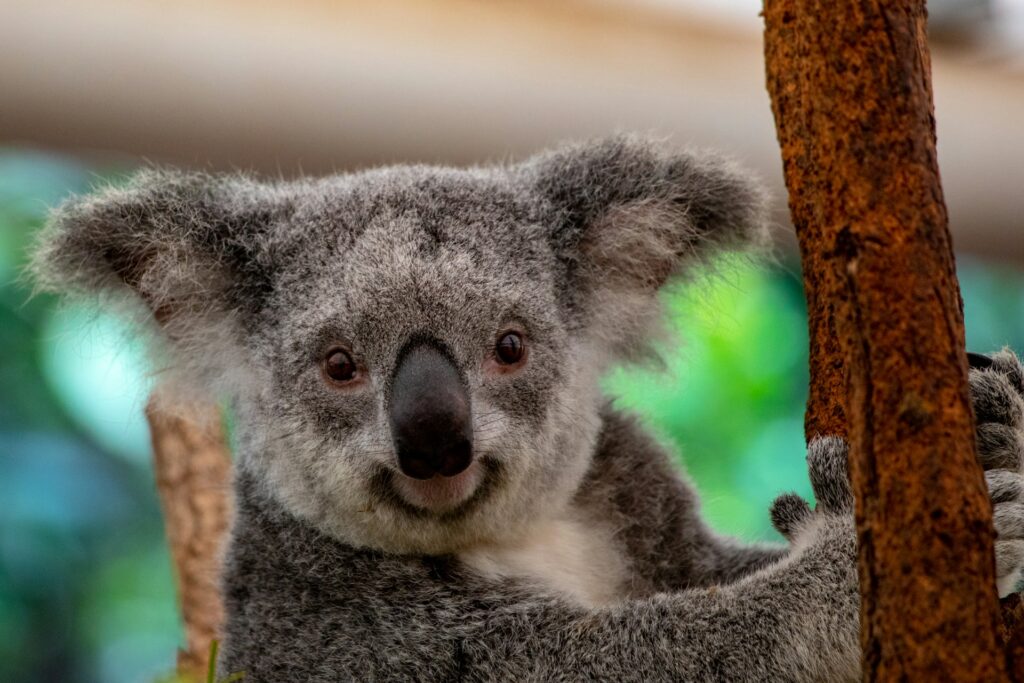
The leaves contain compounds that are poisonous to nearly every other mammal. Koalas have a specialised liver and gut bacteria that neutralise these toxins, but the detoxification process itself requires a lot of energy. Processing poison all day is exhausting. Their bodies are constantly working to break down harmful chemicals, which explains why they need so much rest. It’s not laziness, it’s survival.
They have an unusually small brain for their body size.
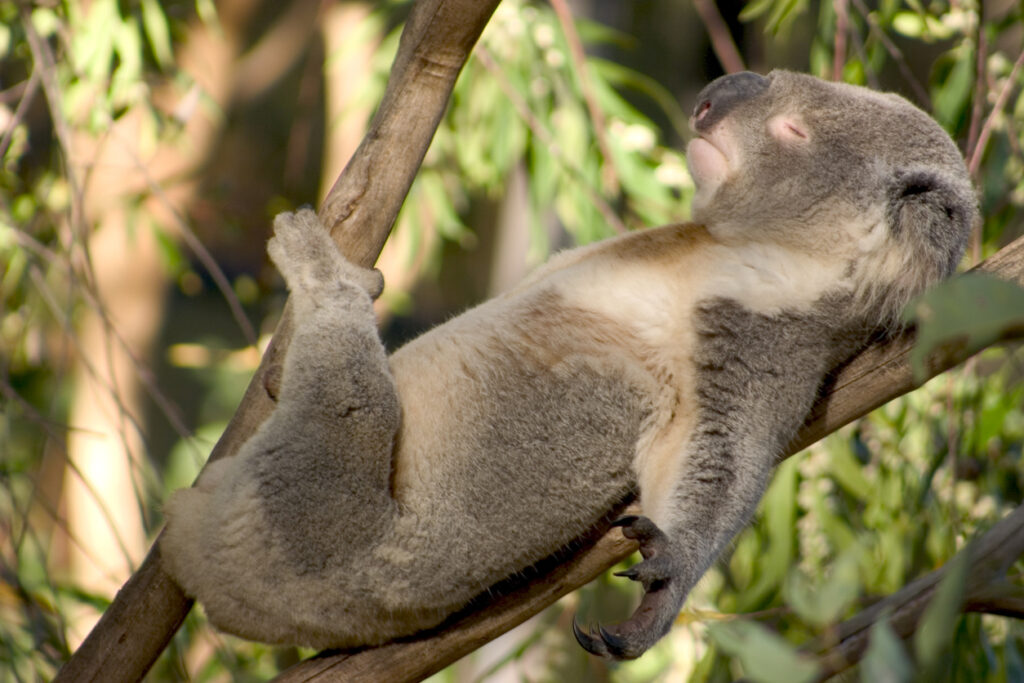
Koala brains are smooth and much smaller than you’d expect for a mammal their size. The brain is one of the most energy-hungry organs, so having a smaller one helps conserve precious calories. That trade-off means they’re not particularly clever, but intelligence isn’t what keeps them alive. In their environment, energy conservation matters far more than problem-solving ability or complex behaviour.
They evolved in an environment with few predators.
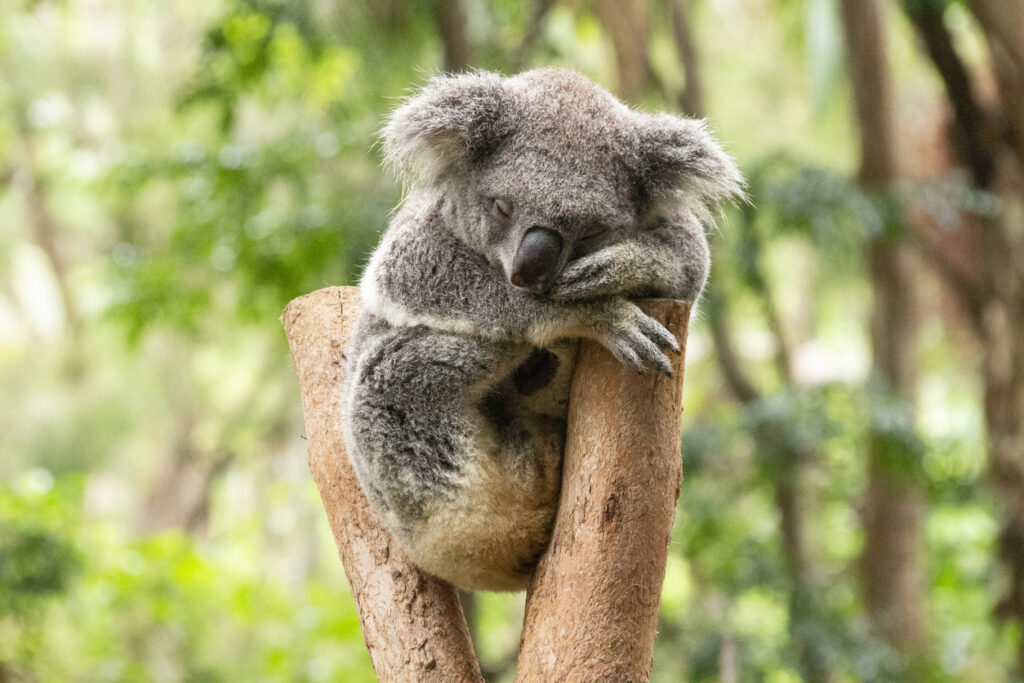
Australia’s forests historically had limited threats to tree-dwelling animals. Without much danger, koalas didn’t need to stay alert or move quickly. Sleep became a viable strategy rather than a death sentence. The lack of predation pressure allowed them to become specialists in energy efficiency. Other animals need to stay active to survive, but koalas found a niche where doing almost nothing works perfectly fine.
Their metabolism is extremely slow.
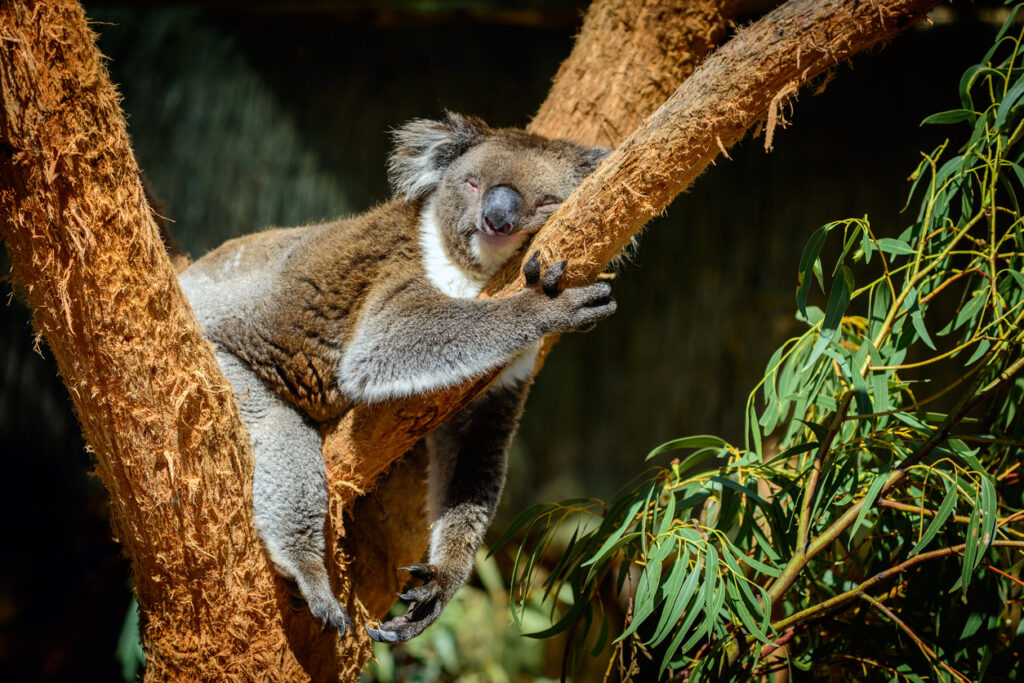
Koalas have one of the slowest metabolic rates of any mammal. Their bodies burn calories at about half the rate you’d expect for an animal their size, which extends how far their meagre diet goes. That sluggish metabolism pairs perfectly with their sleeping habits. By staying still and conserving energy, they stretch out what little nutrition they get from eucalyptus leaves across the entire day.
They don’t drink much water.
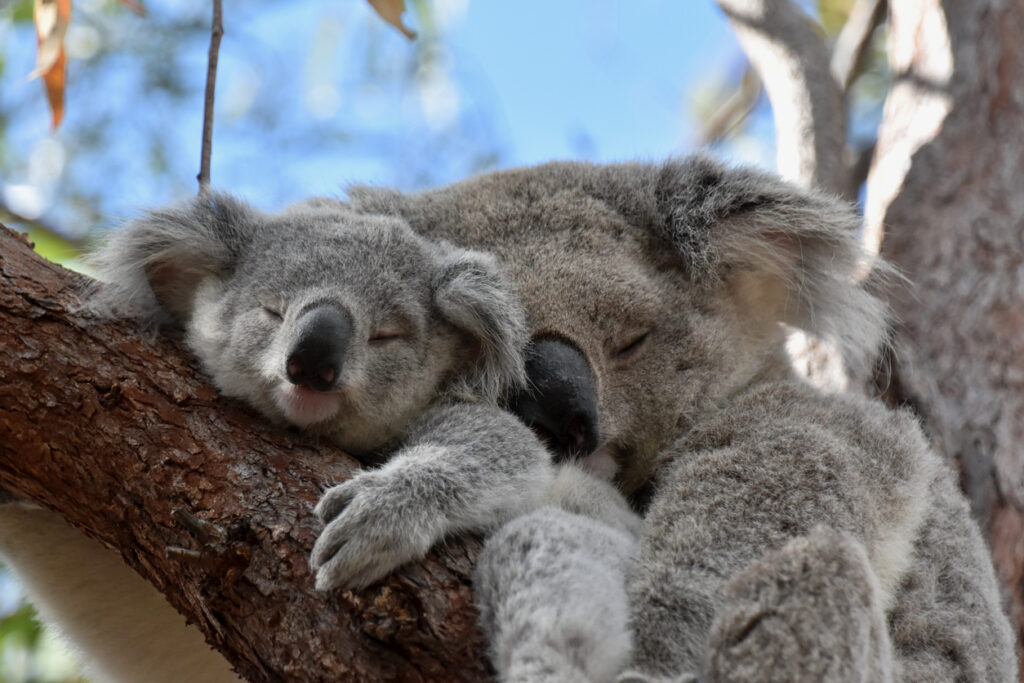
The name “koala” apparently comes from an Aboriginal word meaning “no drink.” They get most of their hydration directly from eucalyptus leaves, which are about half water by weight. Not needing to find water sources means they can stay in one tree for days without moving. That stationary lifestyle reinforces the sleeping pattern. After all, there’s simply no reason to wake up and go anywhere.
Their bodies prioritise energy storage over activity.
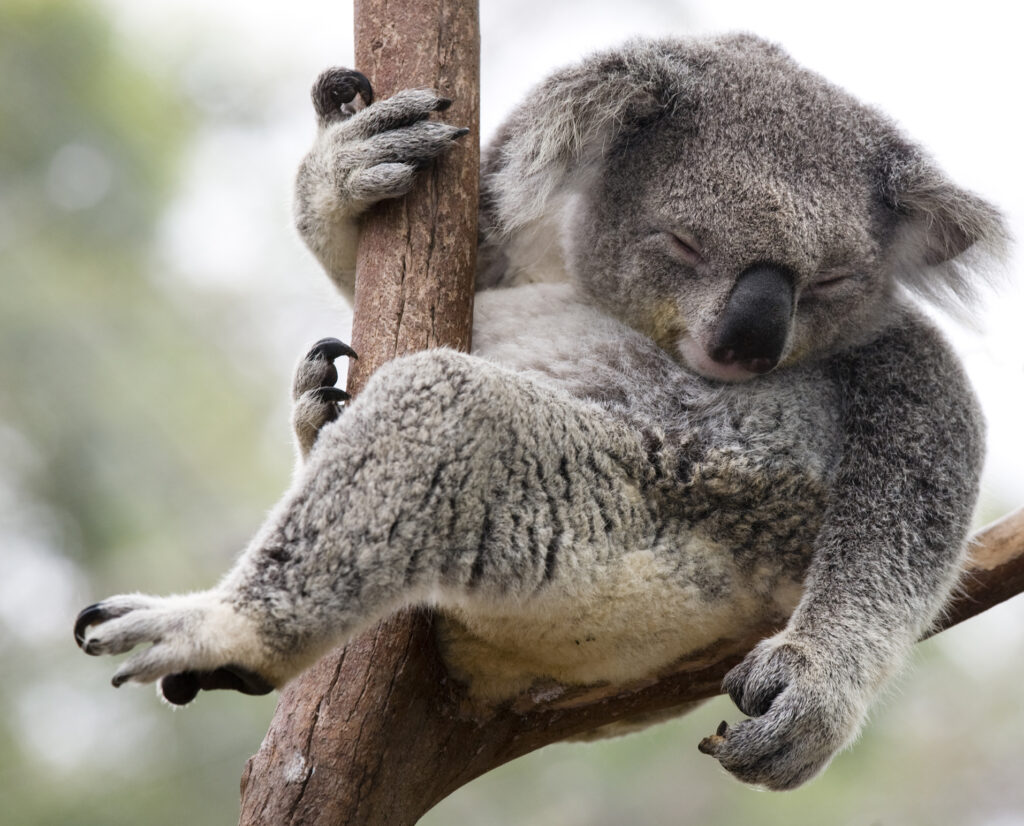
Every calorie a koala consumes gets carefully rationed. Their physiology is designed around minimising energy expenditure, not maximising performance. That makes them remarkably well-suited to their niche but terrible at almost everything else.
From an evolutionary perspective, they’ve sacrificed speed, intelligence, and agility in exchange for the ability to survive on food no one else wants. It’s an extreme specialisation that works as long as eucalyptus forests exist.
Climate affects how much they sleep.
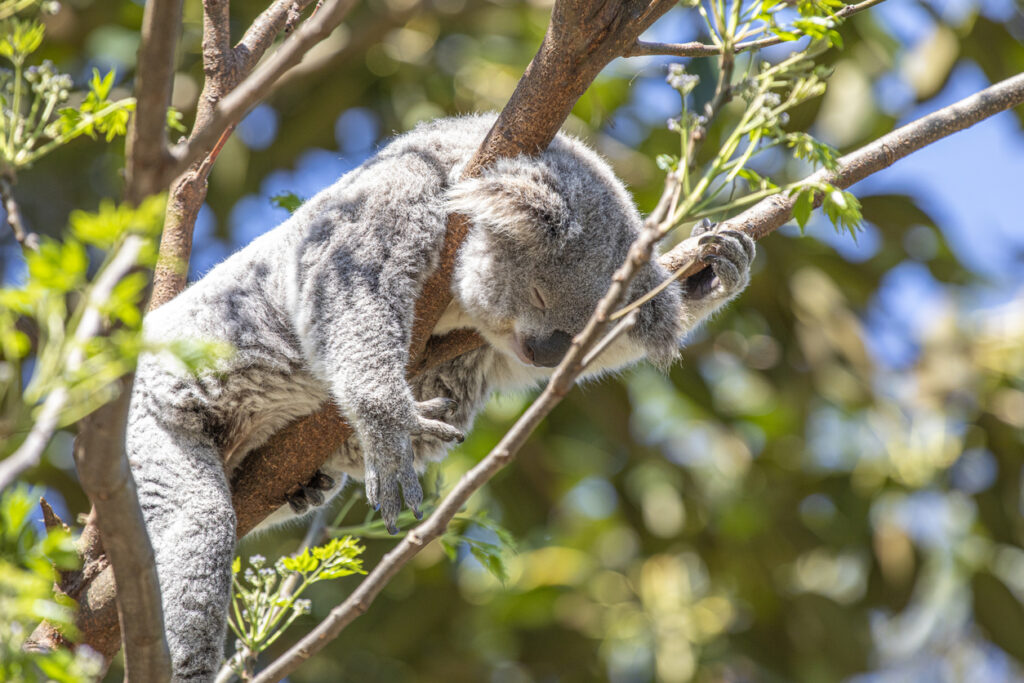
During hotter weather, koalas sleep even more and move to cooler parts of the tree. Regulating body temperature costs energy, so staying still in the shade is more efficient than trying to cool down actively. In cooler weather, they might be slightly more active, but only marginally. Their entire lifestyle is about doing the bare minimum to survive, and temperature just changes where that minimum sits day to day.
They’re adapted for gripping, not moving.
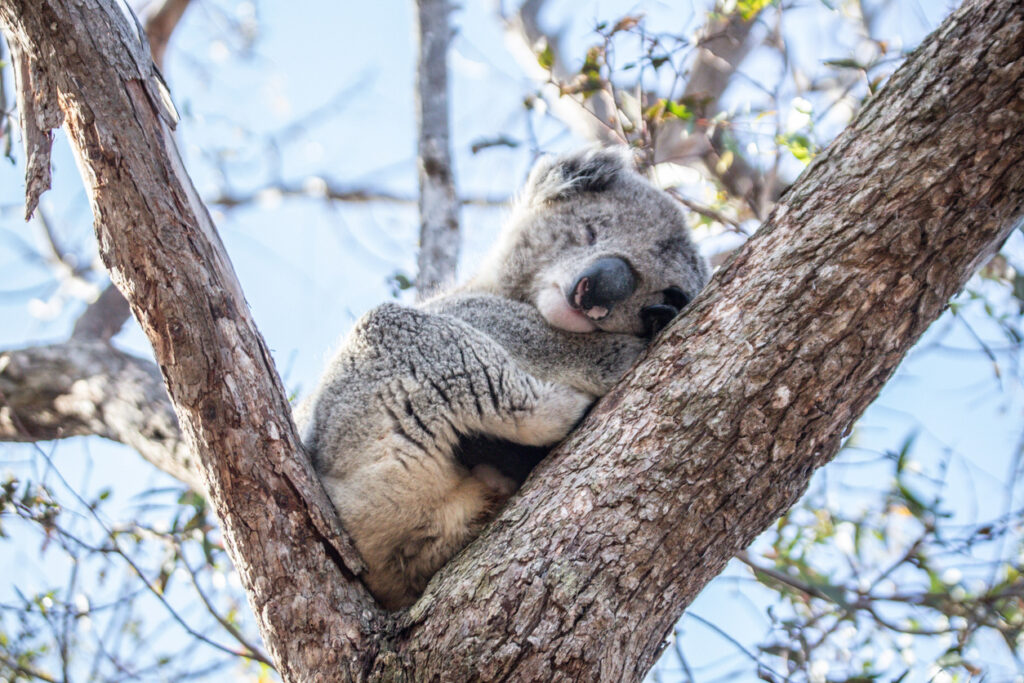
Koala hands and feet are perfectly designed for clinging to branches, with sharp claws and opposable digits. Of course, they’re not built for speed or endurance, and climbing takes significant effort for them. That physical design reinforces their sedentary lifestyle. Moving between trees is exhausting, so they stay put as long as possible. Sleep fills the hours between meals because there’s nothing else their bodies are equipped to do efficiently.
Young koalas sleep even more than adults.
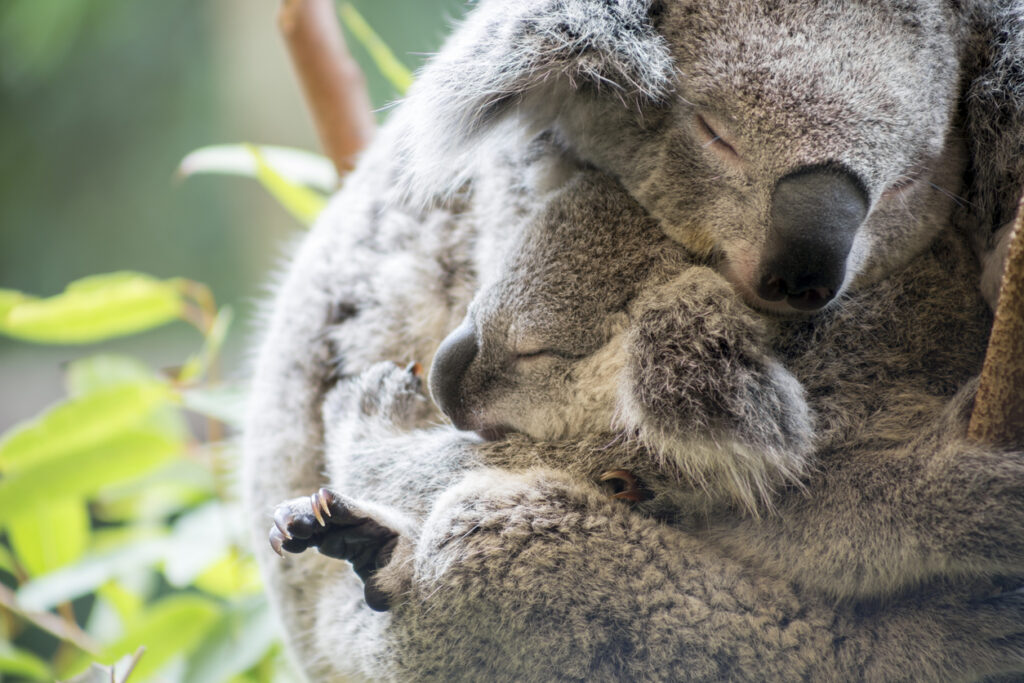
Baby koalas, called joeys, sleep up to 23 hours a day while they’re developing. Growing requires energy, and since they’re living on the same low-nutrition diet, even more sleep becomes necessary. As they mature, their sleep needs drop slightly, but not by much. The pattern is established early and continues throughout their lives because their food source never improves. It’s a lifetime commitment to rest.
It’s a successful survival strategy, not a flaw.
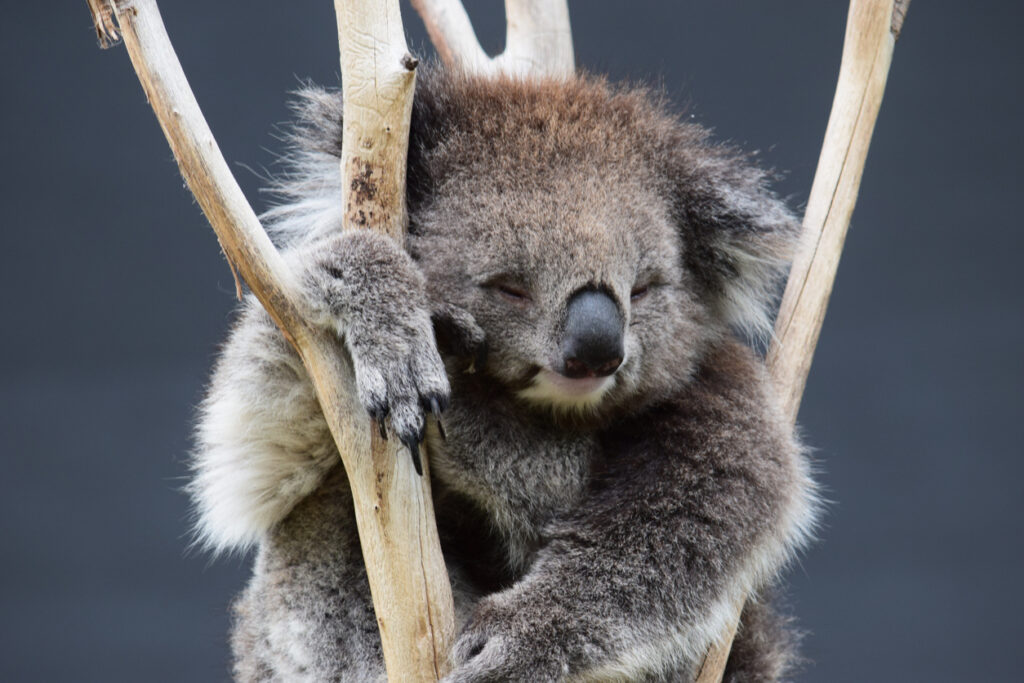
From a human perspective, sleeping 22 hours seems wasteful. But for koalas, it’s the reason they’ve survived for millions of years in an ecological niche almost no other animal can occupy.
They’ve traded activity for stability. By specialising so heavily in one food source and adapting their entire biology around it, they’ve carved out a space where competition barely exists. Sleep is the price, and it’s one that’s worked remarkably well.