We know leaves change colour at this time of year, but many animals undergo their own transformations in autumn.
The final few months of the year does weird things to certain animals as they prepare for winter, and some of them end up looking absolutely mental in the process. These are some of the creatures who go through some pretty wild changes in autumn that you’d probably never thought about or even noticed.
1. Hedgehogs get massively fat and round.
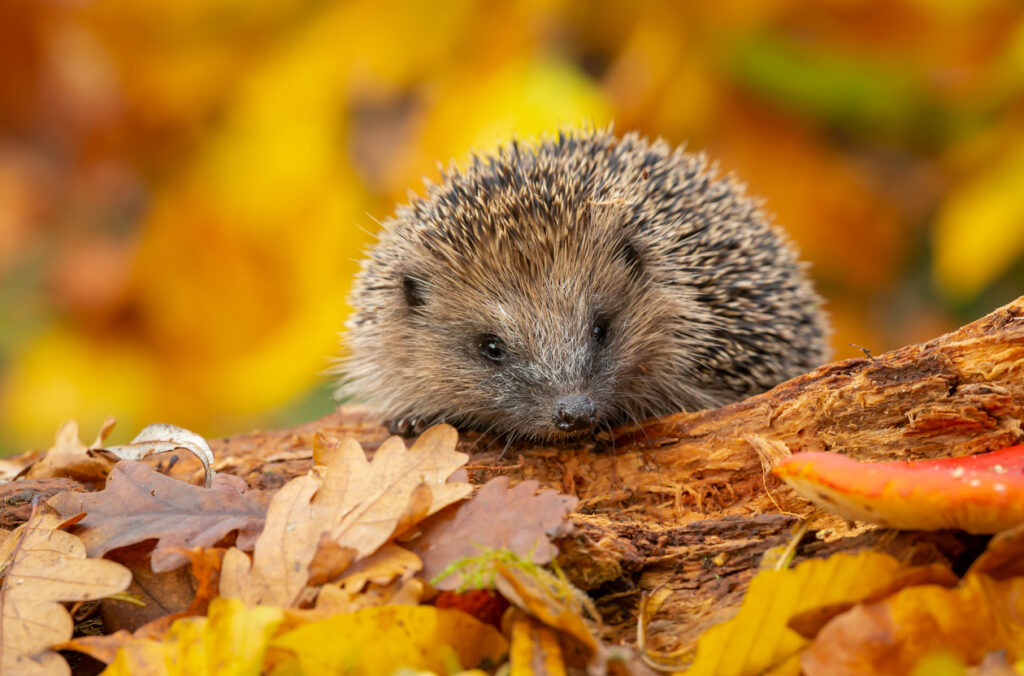
Hedgehogs bulk up for hibernation, and by autumn they’re basically spiky footballs waddling about. They need to double their body weight to survive winter sleep, so they go from cute little spike balls to absolute units that can barely walk properly.
When you see one crossing the road in autumn, they’re so round they look as if they might just roll instead of walk. It’s brilliant survival strategy, but they genuinely look ridiculous compared to their sleek summer selves when they were actually mobile.
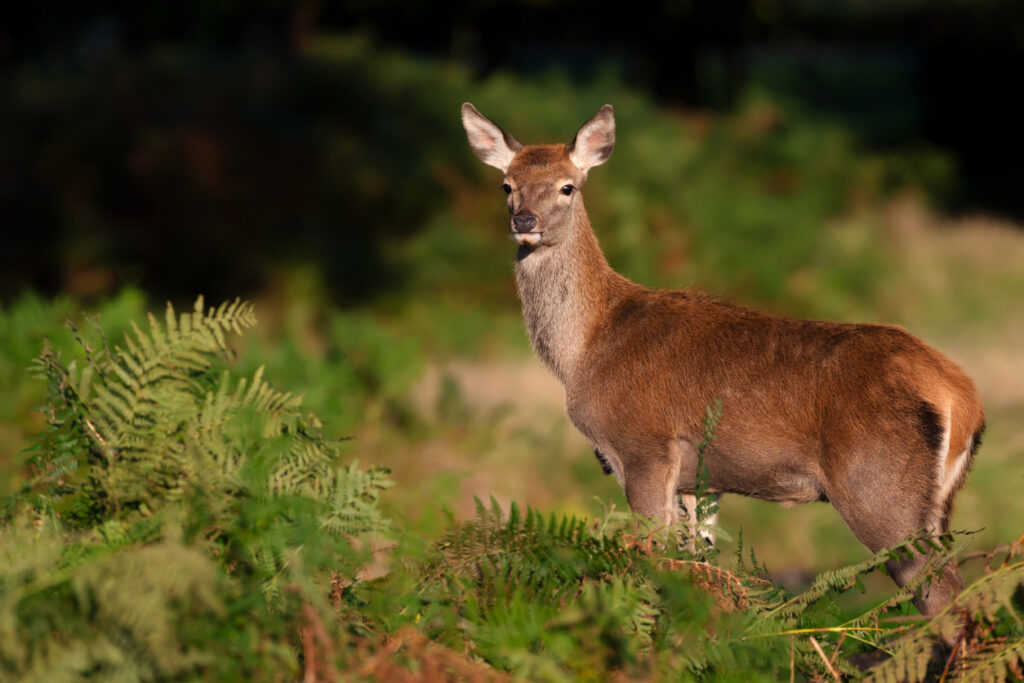
2. Red deer stags are covered in mud and vegetation.
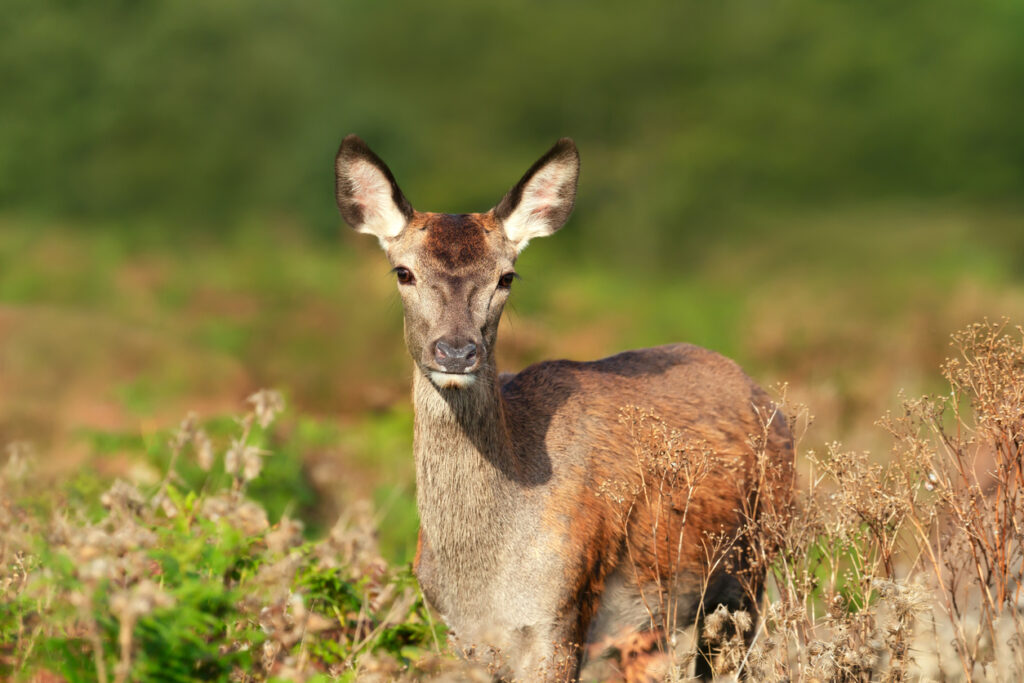
During the autumn rut, stags roll about in muddy wallows then thrash bushes with their antlers, ending up covered in mud, leaves, and random bits of plants. They look absolutely deranged, like they’ve been through a hedge backwards then rolled in a bog for fun.
This isn’t accidental messiness either, they’re doing it deliberately to look bigger and smell stronger to attract females. From a distance they look almost supernatural, these huge muddy monsters with massive antlers decorated with half the forest stuck to them.
3. Squirrels grow ear tufts that make them look annoyed.
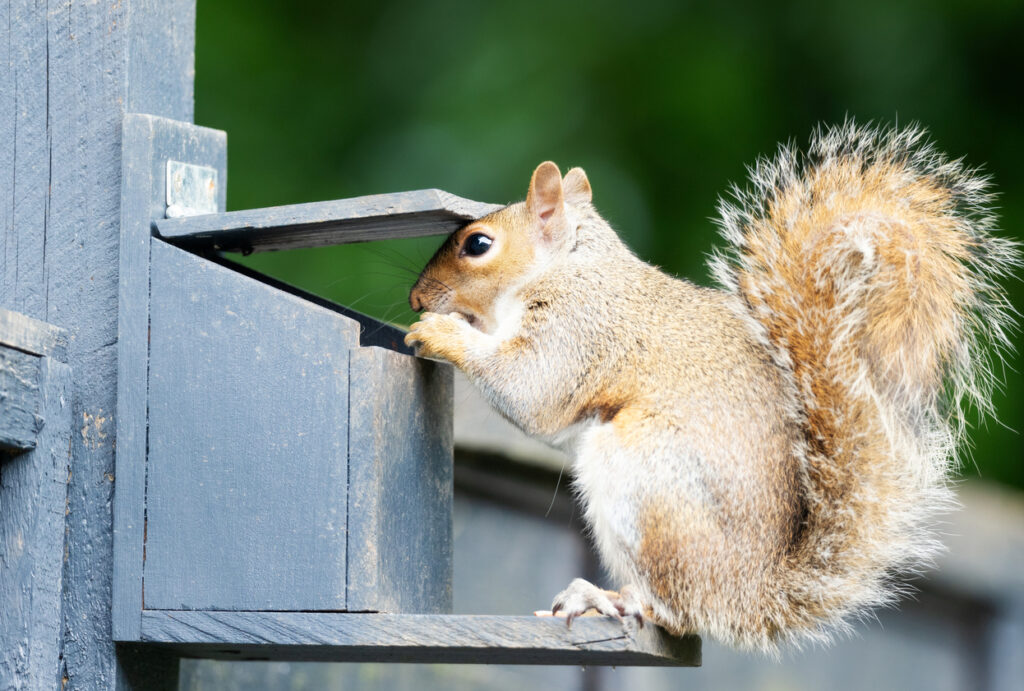
Red squirrels grow long ear tufts in autumn that stick up like angry little eyebrows. They go from looking cute and round eared in summer to looking permanently cross about something, like tiny furious wizards with attitude problems hoarding nuts.
The tufts help keep their ears warm through winter, but they genuinely change the squirrel’s whole expression. Grey squirrels don’t get them, so red squirrels look extra dramatic by comparison. You’d think they were ready to have words with someone about the weather.
4. Moulting seals look as if they’ve got a skin condition.
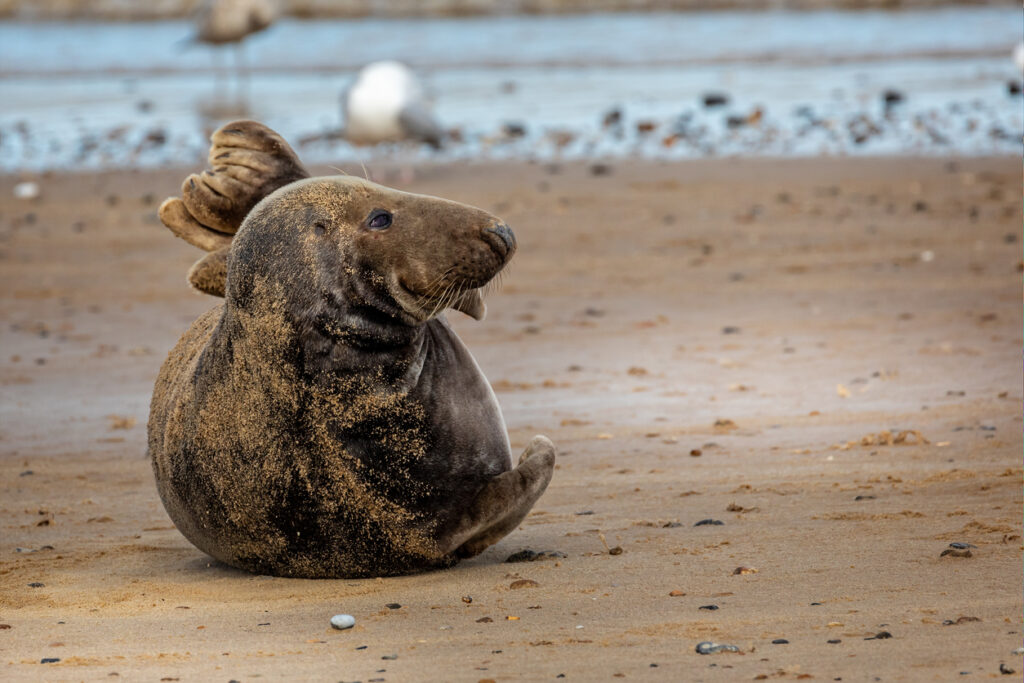
Seals moult in autumn, and it’s pretty grim-looking. They shed their fur in big patchy clumps, leaving them looking mangy and diseased when they’re actually perfectly healthy, just going through their annual coat change on the beach.
They lie about looking absolutely wretched as this happens, and if you didn’t know better, you’d think they were dying. The new fur grows in underneath, while the old stuff peels off in sheets, making them look as if they’re falling apart for a few weeks.
5. Caterpillars get huge and weirdly coloured before pupating.
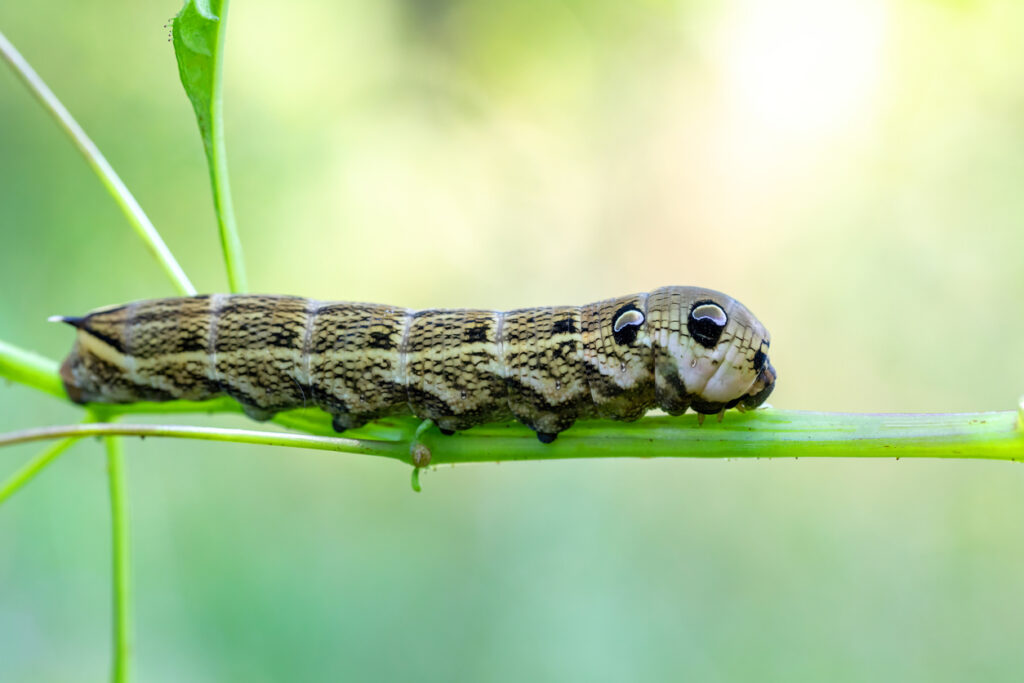
Autumn caterpillars are in their final eating phase before transforming, so they’re absolutely massive and often bizarre colours. You’ll find these enormous bright green or black and yellow monsters that look nothing like the butterflies or moths they’re about to become.
Some of them are as thick as your finger and covered in spikes or weird patterns. They’re basically eating machines that’ve grown to ridiculous sizes, looking more like alien creatures than something that’ll turn into a delicate moth in a few months time.
6. Stoats and weasels are mid-colour change.
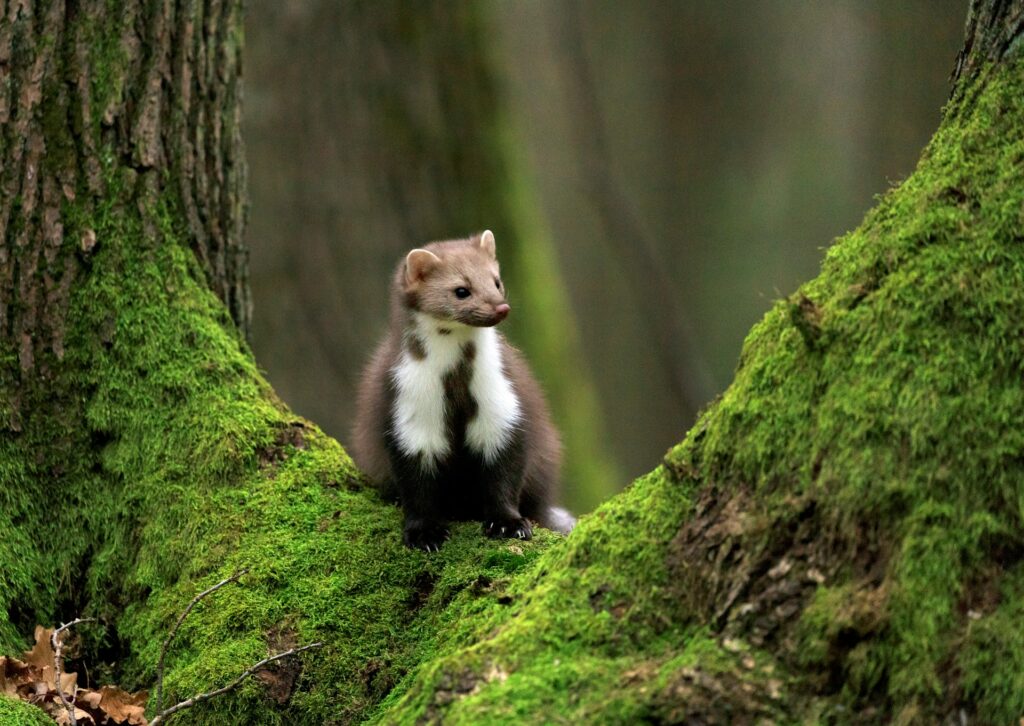
In areas where they turn white for winter, stoats and weasels go through an awkward patchy phase in autumn. They’re part brown, part white, looking as if they’ve been bleached incorrectly, or they’re wearing a wonky disguise that doesn’t quite fit properly yet.
This transition period makes them look really strange, neither one colour nor the other. They’re trying to match the landscape as it changes from brown earth to white snow, but during the changeover they don’t match anything and just look odd.
7. Badgers look enormous with their winter coat coming in.
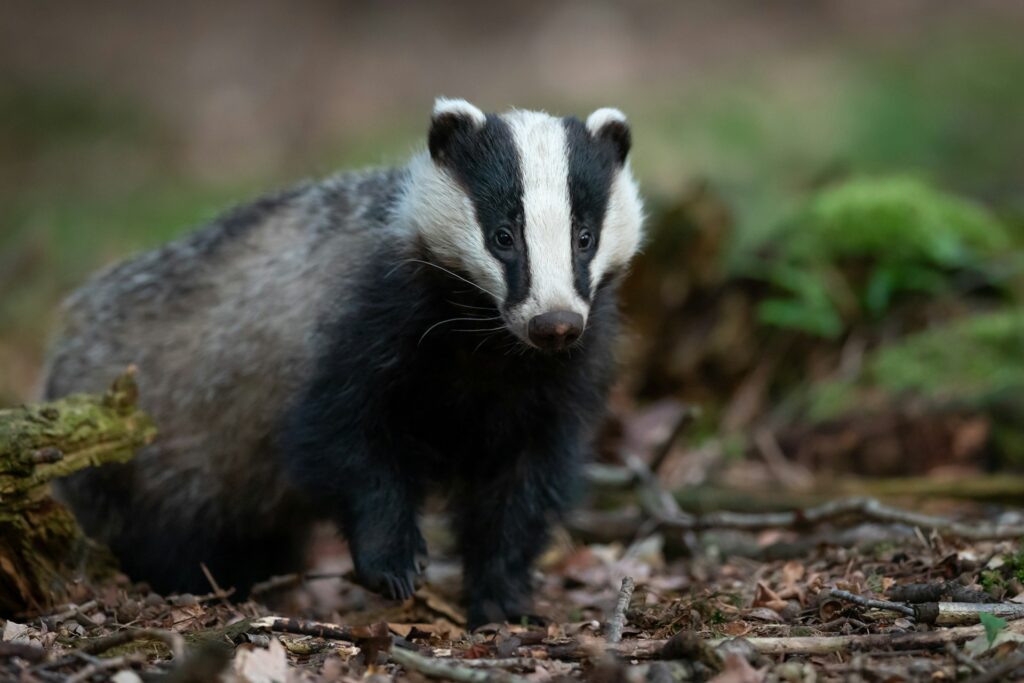
Badgers grow thick winter fur in autumn that makes them look twice their normal size. They go from sleek striped animals to absolute chunks that look like they’re wearing a massive furry coat several sizes too big for them.
Their faces stay the same size, but their bodies balloon out with all this extra fluff. When you see one in your headlights in autumn, try not to be too surprised by their pumped-up appearance. It’ll all even out in the end.
8. Bats cluster together in weird furry masses.
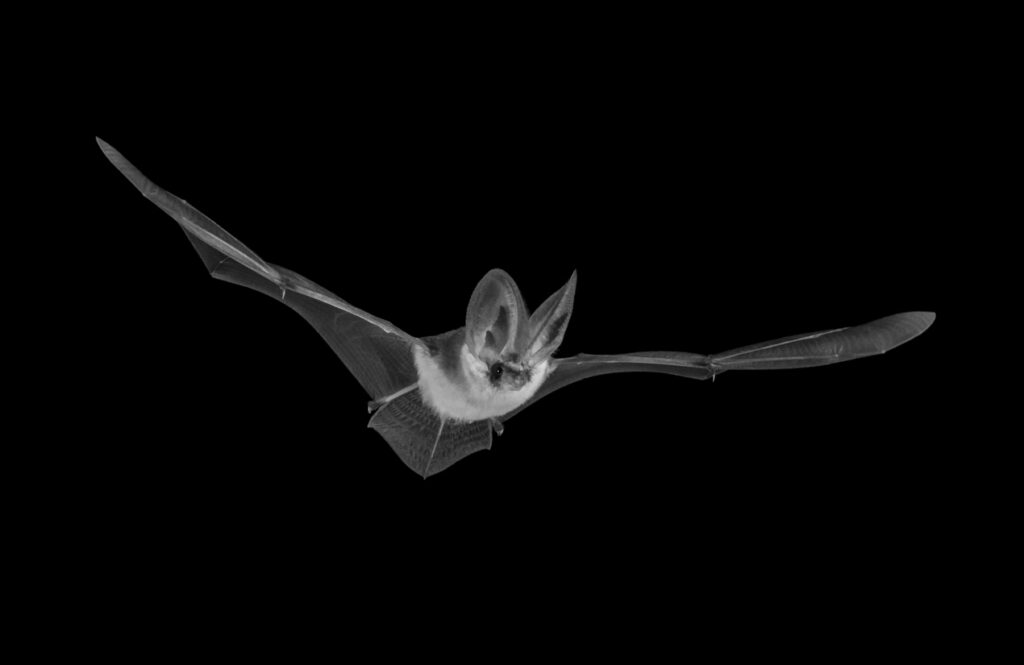
As bats prepare to hibernate, they gather in roosts and huddle together for warmth. If you find a hibernation spot in autumn, there’s just this weird furry blob of dozens of bats all squashed together, looking like some sort of strange creature.
Individually, bats are recognisable, but clustered up like this they look alien. All you can see is ears, wings, and fur mixed together in this living carpet that occasionally shifts and squeaks, which is both fascinating and slightly unsettling to watch.
9. Toads are covered in mud from burrowing.
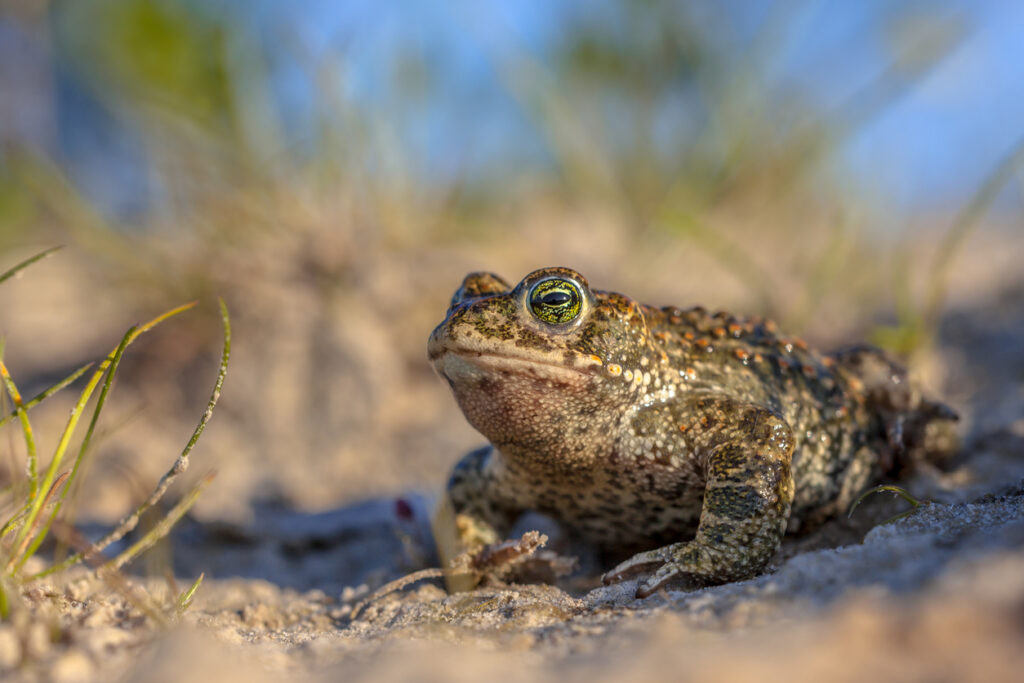
Toads dig down into mud and soil to hibernate in autumn, so you’ll find them covered head to toe in dirt, looking absolutely filthy. They’re normally quite neat looking amphibians, but in autumn, they look like they’ve been dunked in mud then left to dry once they’re coated.
This mud coating actually helps protect them through winter by providing insulation and preventing them from drying out. However, it does mean that autumn toads look a bit mucky, almost as if they’ve given up on personal hygiene entirely until spring arrives.
10. Garden birds look scruffy while moulting.
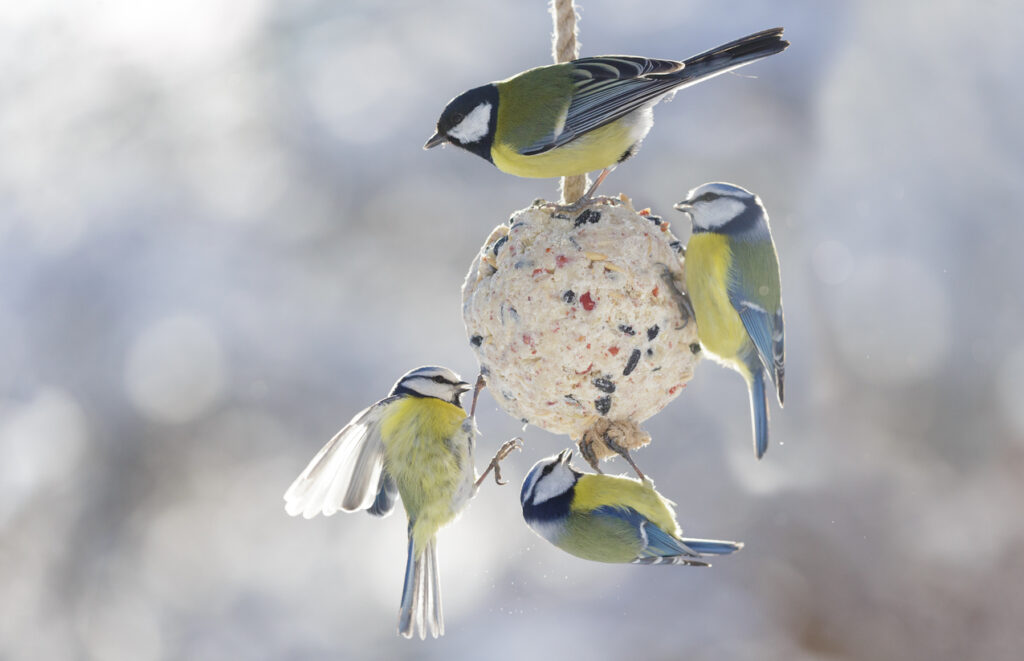
Loads of birds moult in autumn and go through this awkward phase where they’re missing feathers and look absolutely terrible. Robins lose their red breasts temporarily, blackbirds look patchy and weird, and everyone looks a bit worse for wear while they’re growing new plumage.
Some look almost bald in patches or have weird spiky bits where new feathers are growing in. They’re still flying about doing bird things but looking absolutely tragic as they do it, like they’ve had a really rough summer and need a holiday.
11. Male sheep grow massive curled horns for breeding season.
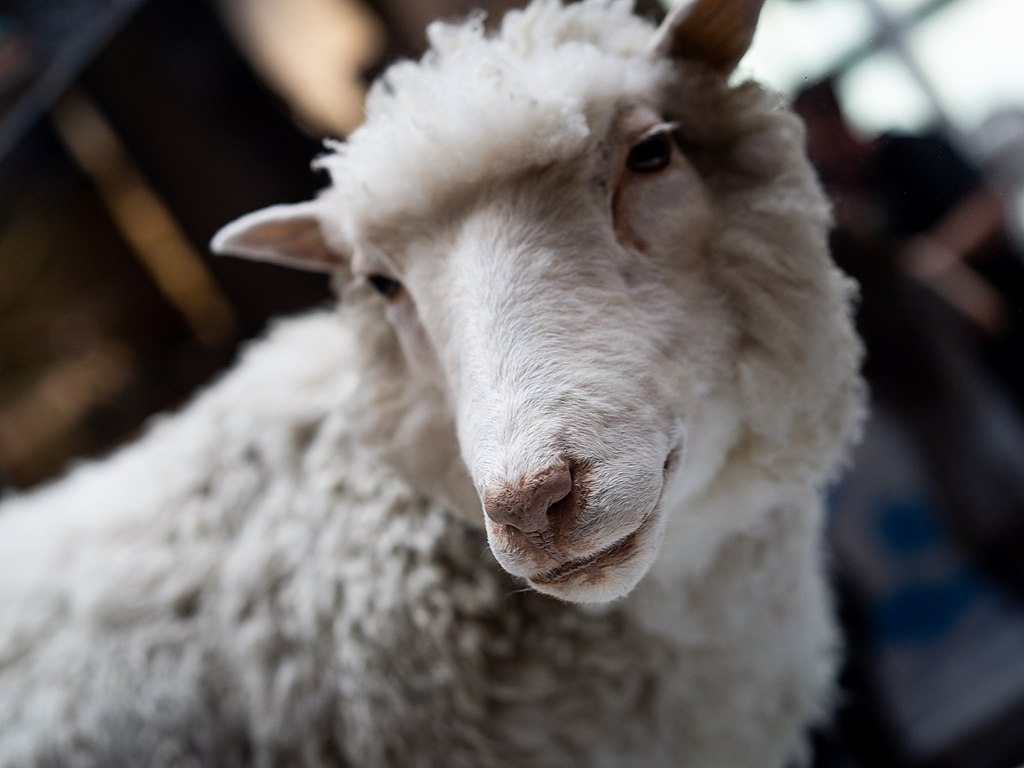
Rams’ horns grow all year, but by autumn, they’re at their biggest and most impressive for breeding season. Some breeds end up with these absolutely massive curled horns that look way too big for their heads, like they’re wearing enormous spiral hats made of bone.
The bigger the horns, the more attractive they are to females, so rams with the most ridiculous looking headgear are the ones that get to breed. From a practical standpoint, those horns look completely impractical, but apparently lady sheep are really into that look.
12. Newts lose their fancy crests and look completely different.
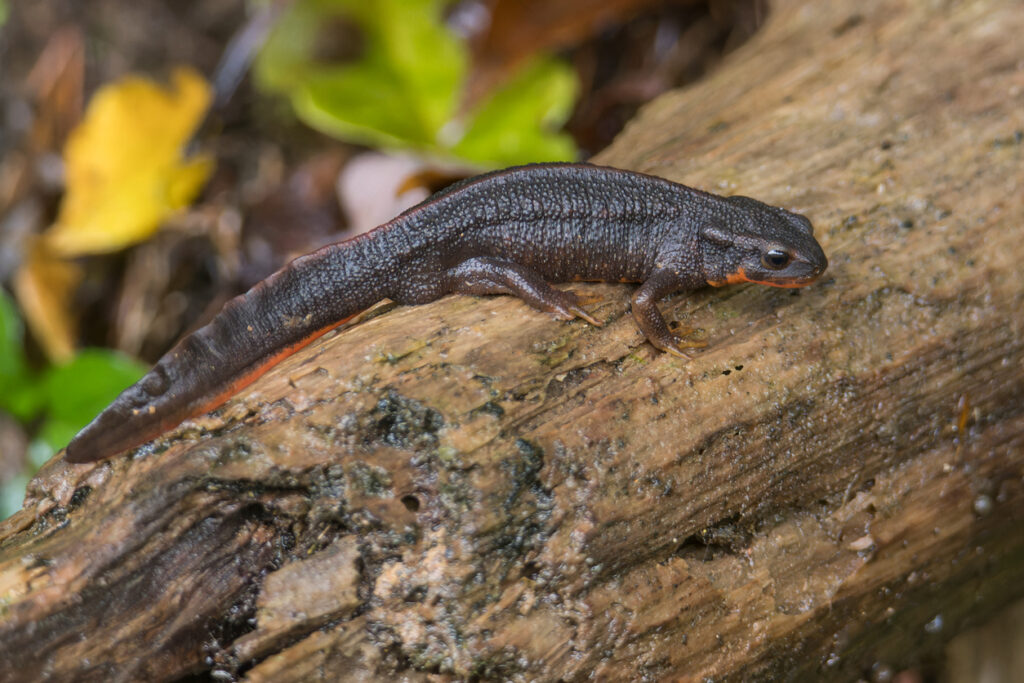
Male newts have these elaborate crests and bright colours during breeding season in spring, but by autumn they’ve absorbed them back into their bodies and look like completely different animals. They go from dragon-like creatures to smooth, boring-looking amphibians in brown.
If you kept newts without knowing about this change, you’d think you had different species in spring versus autumn. They’re the same animals, but the transformation is so dramatic they look nothing like their fancy spring selves by the time autumn arrives.