There’s something deeply satisfying about saving seeds at the end of summer.
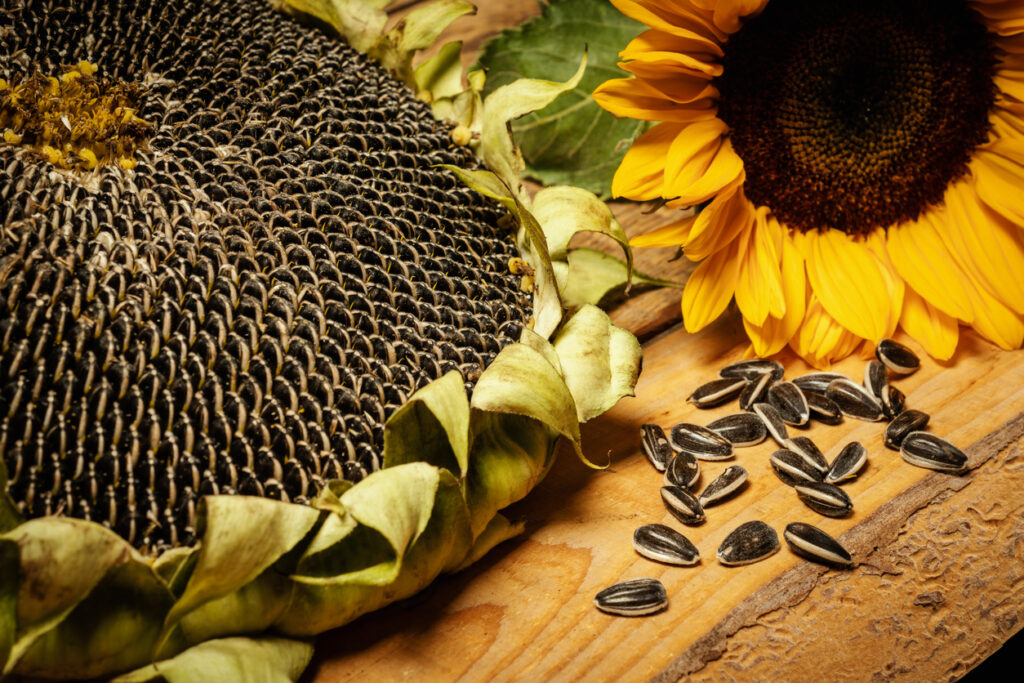
It’s one of those calm, old-fashioned jobs that connects you to the rhythm of the seasons. You’ve spent months nurturing your plants, watching them bloom and fade, and now you get to collect the next generation and enjoy a little bit of next year’s garden in your hands.
It’s cheaper than buying packets, of course, but it’s also personal. These aren’t just any seeds; they’re from plants that thrived under your care, the ones you admired all summer. And by saving them, you’re not only being thrifty, you’re helping your garden develop its own resilience, as plants adapt naturally to your soil and weather.
These are some of the easiest and most rewarding flowers to collect seeds from this autumn, so you can fill next year’s beds and borders with colour, without spending a penny.
1. Sunflowers
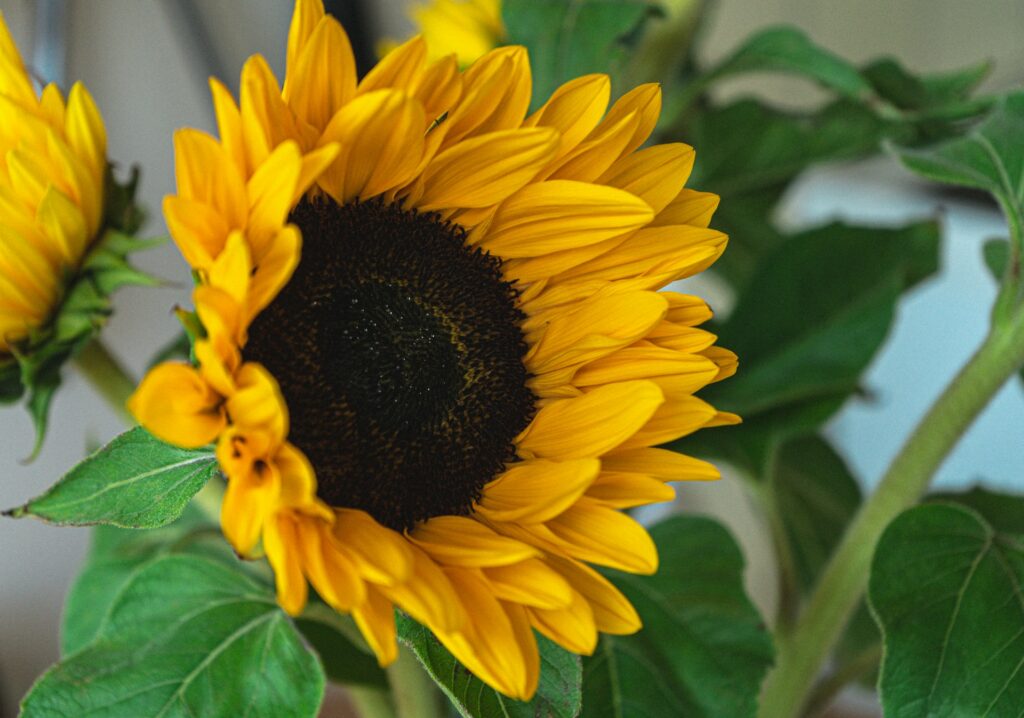
There’s no mistaking when a sunflower’s season is over. The petals droop, the once-golden face turns brown, and the centre fills with neat spirals of seeds. That’s your cue. Cut the head off and leave it somewhere airy to dry completely. Once it’s crisp, brush the seeds out with your fingers. They’ll fall away easily.
Store them in a paper envelope somewhere cool and dry. By spring, they’ll be ready to plant again, giving you those towering, cheerful blooms that follow the sun across the sky. Saving sunflower seeds isn’t just practical; it’s a joy. You can even set a few aside for the birds over winter. They’ll love you for it, that’s for sure.
2. Sweet peas
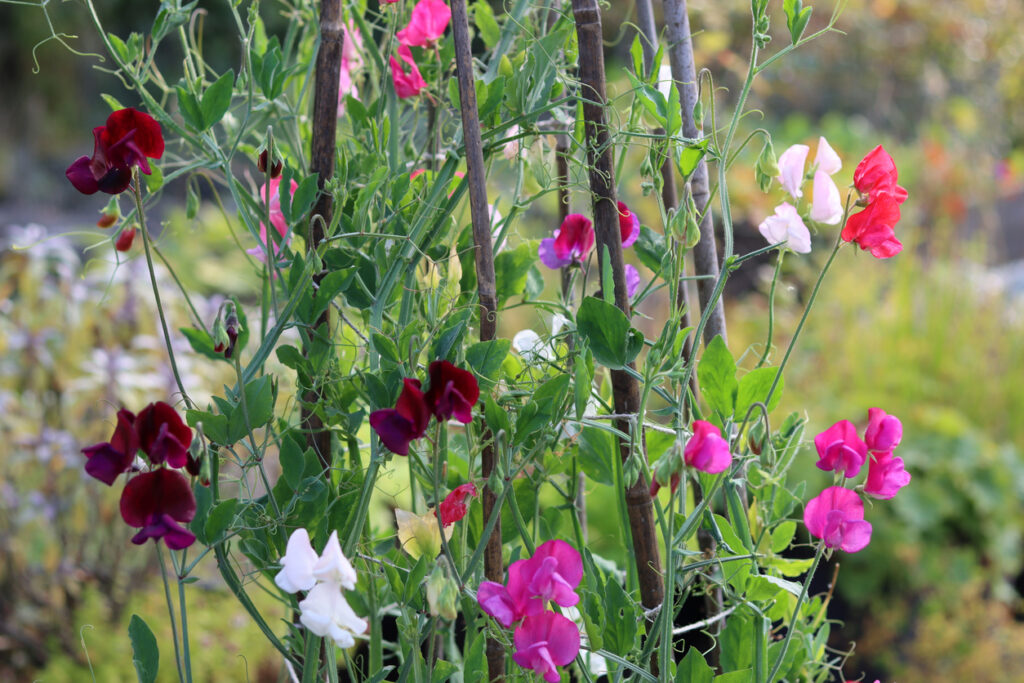
Few garden scents rival the sweetness of a bunch of freshly picked sweet peas. Luckily, saving their seeds is as easy as growing them. Let the pods dry naturally on the plant until they turn crisp and rattle when you shake them. Split them open, and inside you’ll find the small, round seeds ready to store.
Keep them in labelled envelopes or small jars somewhere dry. Replanting them in early spring means another season of colour and fragrance climbing up trellises and fences. Over time, saved seeds often produce stronger plants, well adapted to your garden’s conditions, and that’s a lovely little reward for your patience.
3. Marigolds
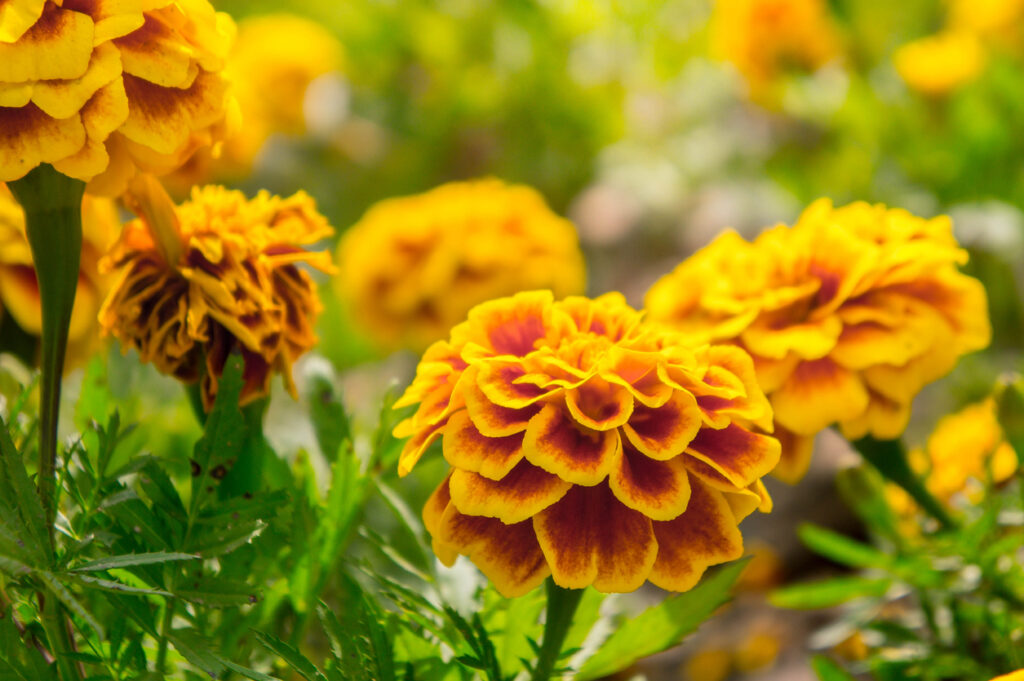
Marigolds are the workhorses of a garden. They flower endlessly, help deter pests, and bring that bright, warm glow to beds and pots. When the blooms start to fade, wait until the heads are completely dry, then gently pull them apart. The long, black seeds inside are easy to recognise and gather.
Store them in a paper bag or envelope until spring. These seeds last well and germinate easily, so you’ll have rows of golden-orange blooms again in no time. It’s an easy win that’s simple, rewarding, and full of colour.
4. Poppies
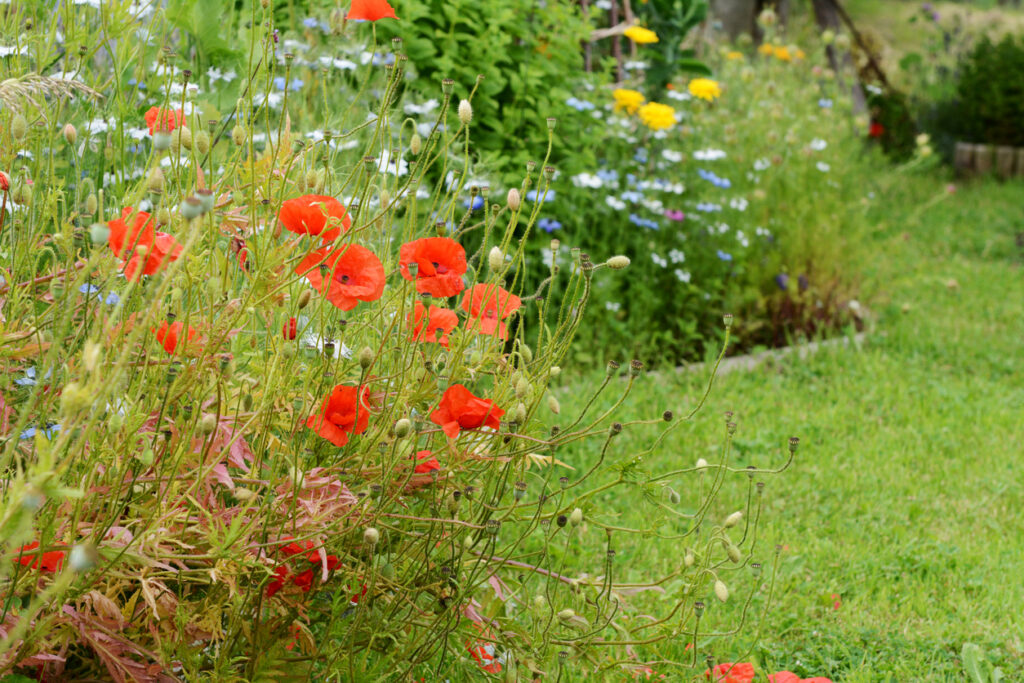
If you’ve ever grown poppies, you’ll know their seed pods are small, round, and full of magic. Once they dry and turn brown, snip them off and shake the tiny black seeds into your hand. Just one pod can give you hundreds of seeds.
You can keep them in a small envelope or, if you’re feeling relaxed about it, scatter them straight into the soil for next year. Poppies thrive on a bit of neglect, so they often self-seed happily anyway. Saving your own just means you’ll have a reliable supply of those delicate, paper-thin blooms that dance in the summer breeze.
5. Nigella (love-in-a-mist)
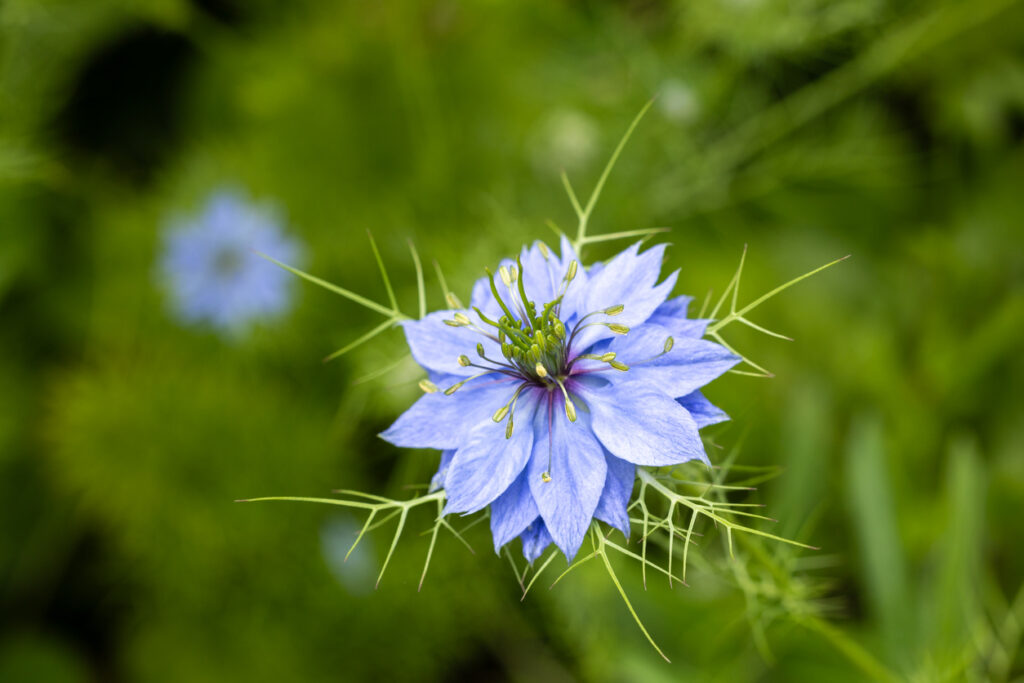
Nigella’s seed pods are almost as beautiful as the flowers themselves: pale, balloon-like shapes that dry into intricate patterns. Once the pods are fully dry, snip them off, crack them open, and tip out the small black seeds.
They’re easy to store and simple to grow again. Scatter them lightly on the soil in spring, and they’ll reward you with their feathery foliage and striking blue flowers. It’s a plant that always looks effortlessly elegant, even when it’s gone to seed.
6. Cosmos
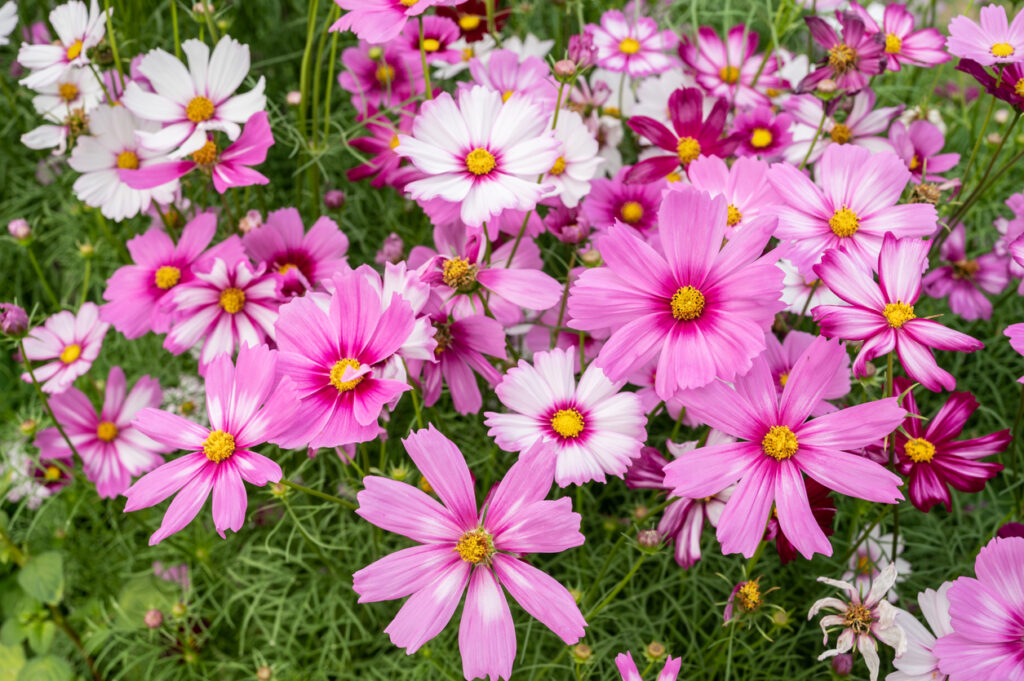
Cosmos are one of the most generous plants in any border. They bloom all summer, look elegant without trying, and attract bees and butterflies in droves. When the flowers fade, the centre forms slim, black seeds, like tiny darts.
Wait until the flower heads are dry, then gently pinch them away and pop the seeds into a paper envelope. In spring, sow them in trays or directly in the ground, and within a few months you’ll have those tall, airy stems and daisy-like blooms again. Saving cosmos seeds feels like bottling a bit of summer light.
7. Zinnias
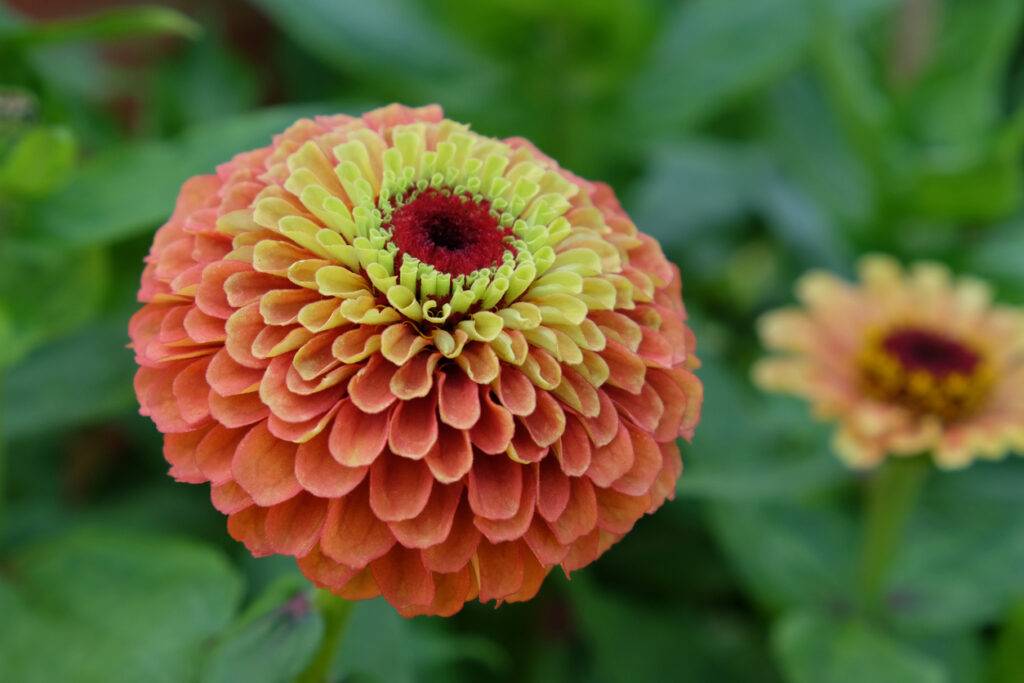
Zinnias are bold, reliable, and almost impossible not to love. Once the blooms fade, leave the heads to dry until they feel crisp, then gently pull them apart. The seeds are arrow-shaped and often cling to the old petals, so you’ll need to separate them carefully.
Stored somewhere cool and dry, they’ll stay viable until spring. These are heat-loving plants that bring intense colour when everything else is starting to fade. Saving their seeds means you can fill your garden with rich pinks, reds, and oranges year after year.
8. Calendula
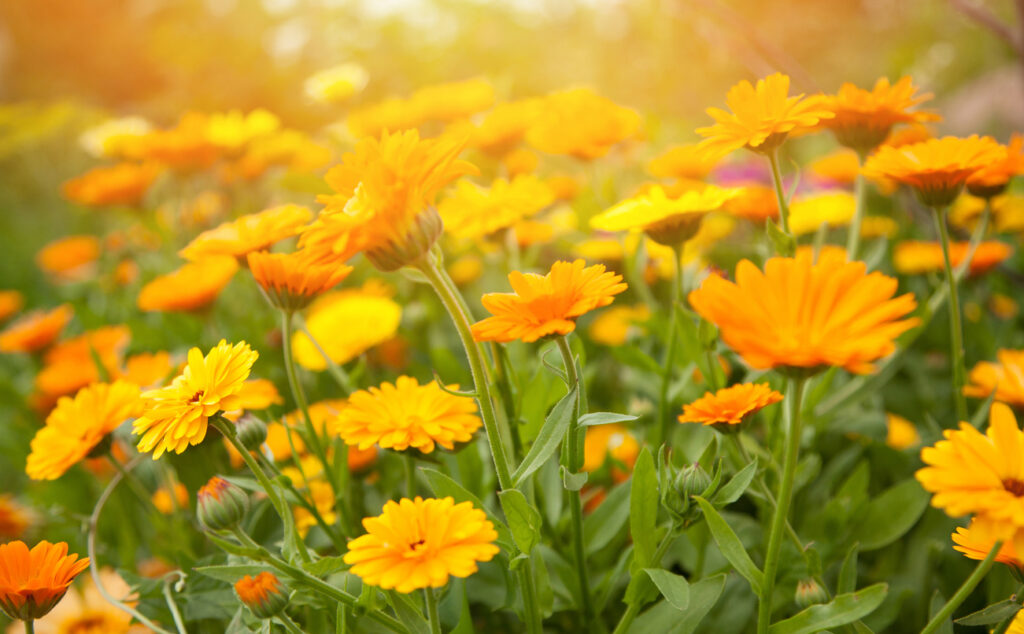
Calendulas (or pot marigolds) are another easy win for seed saving. Their seeds are large, curved, and easy to spot because they almost look like tiny hooks. Once the flowers are done, let the heads dry and crumble them gently to collect the seeds.
Store them in a paper bag or envelope, and come spring you’ll have a ready supply of cheerful orange blooms that brighten any space. Bees love them, and they’re also brilliant companion plants for vegetables, helping to keep unwanted pests away naturally.
9. Foxgloves
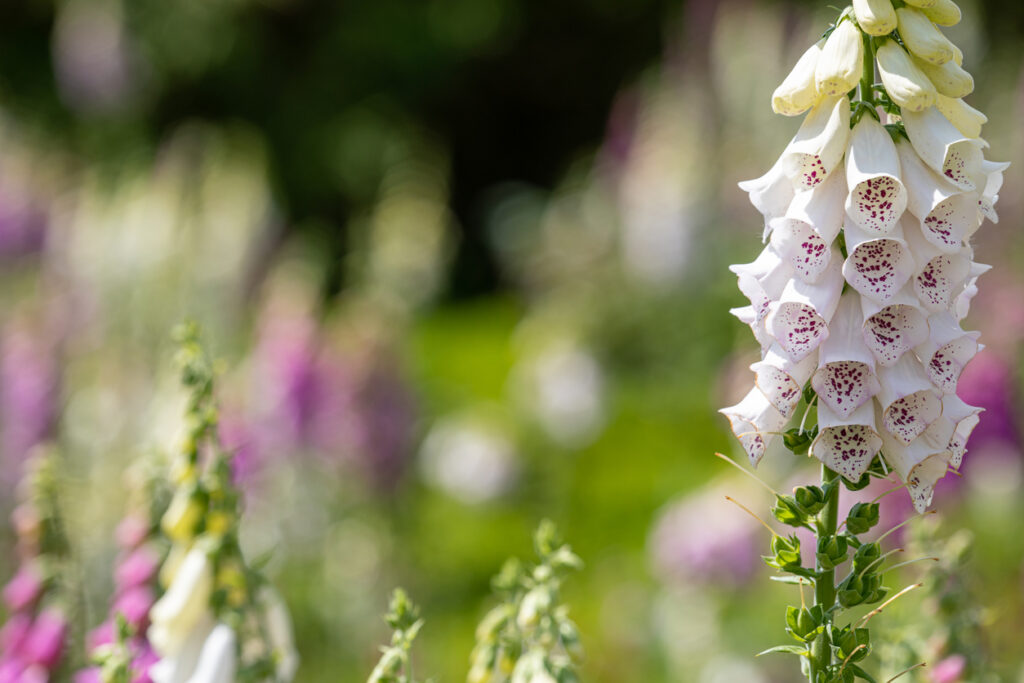
Foxgloves bring drama to any border with their tall spires and clusters of bell-shaped flowers. When the blooms fade, they leave behind seed pods packed with tiny brown seeds, and you only need a few to create a garden full of them.
Wait until the pods are completely dry, then hold them over an envelope and give them a gentle shake. You’ll end up with a fine dusting of seeds. Store them carefully and replant next spring, or scatter them straight into the ground in autumn to let nature take care of the rest. Either way, you’ll have plenty of height and charm come summer.
10. Lupins
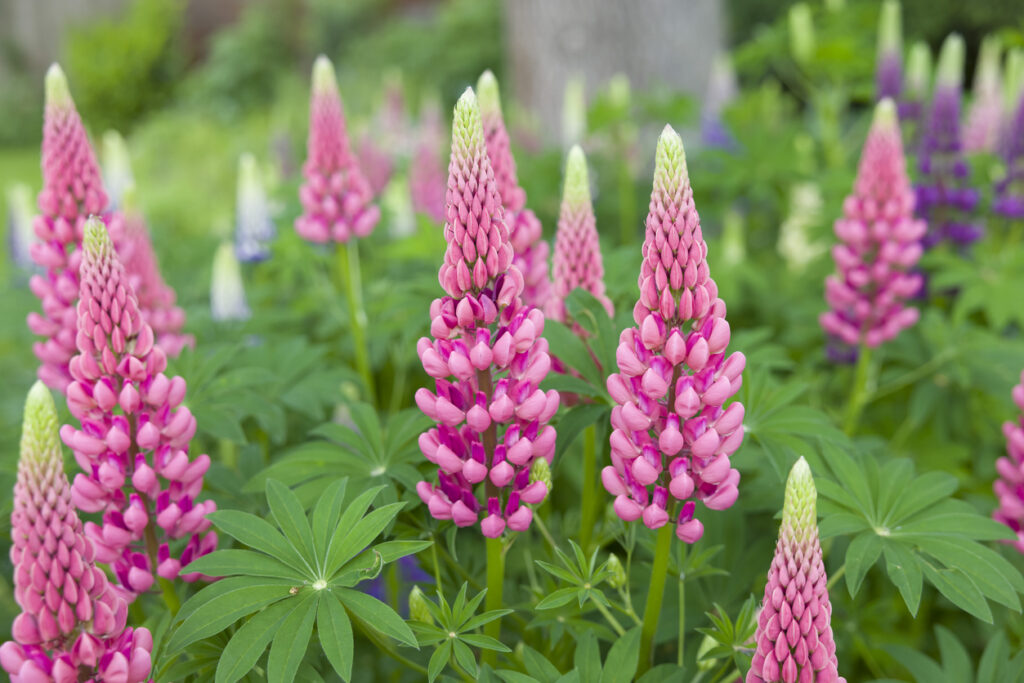
Lupins are total showstoppers: big, bold, and brilliant for filling a border. As summer winds down, their seed pods begin to dry and twist open. Pick them before they burst, then split them gently to collect the round seeds inside.
They store well and are easy to replant. Lupins are perennials, so once they establish, they’ll return stronger each year. Saving seeds means you can fill new patches of your garden with colour without spending anything, and you might even find a few interesting new shades appear over time, as they love to cross-pollinate.