We like to think we’re pretty switched on with our five trusty senses: sight, sound, smell, taste, and touch.
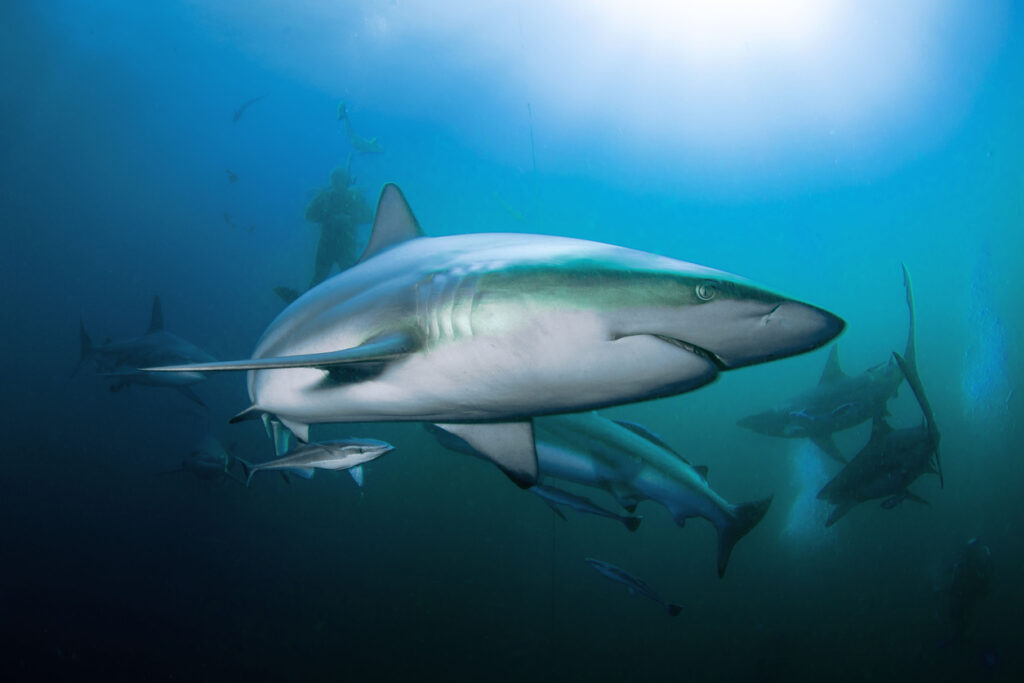
However, compared to much of the animal kingdom, we’re practically stumbling around half blind. While we’re busy relying on phones and gadgets to make sense of the world, animals are out there detecting magnetic fields, tasting through their skin, and sensing heartbeats through water.
Some of their abilities are so far beyond our comprehension it’s hard to even imagine what their world must look, sound, or feel like. From sharks that can read the pulse of life to shrimp that see colours we don’t even have names for, these creatures remind us just how limited our human perspective really is.
Here are some of nature’s most extraordinary sensory talents—the ones that make our five senses look laughably basic.
Sharks detect electrical fields from heartbeats.
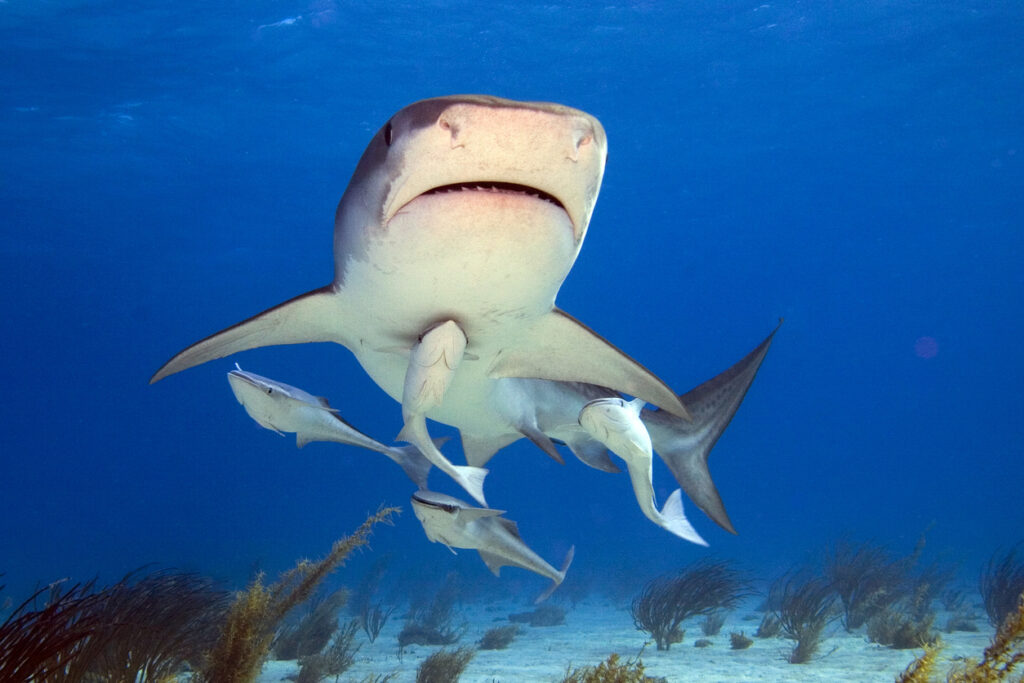
Sharks are often painted as ruthless hunters, but what makes them so effective isn’t their teeth, it’s their senses. Scattered around their snouts are tiny gel-filled pores called ampullae of Lorenzini. These incredible little organs detect the faint electrical fields produced by living creatures.
That means a shark can literally sense your heartbeat from several metres away, even if you’re buried under sand trying to hide. This sense, called electroreception, allows them to hunt in total darkness or murky water. They don’t need to see you; they can feel the invisible pulse of your body’s electricity. Freaky, huh?
Mantis shrimp see colours we’ll never comprehend.
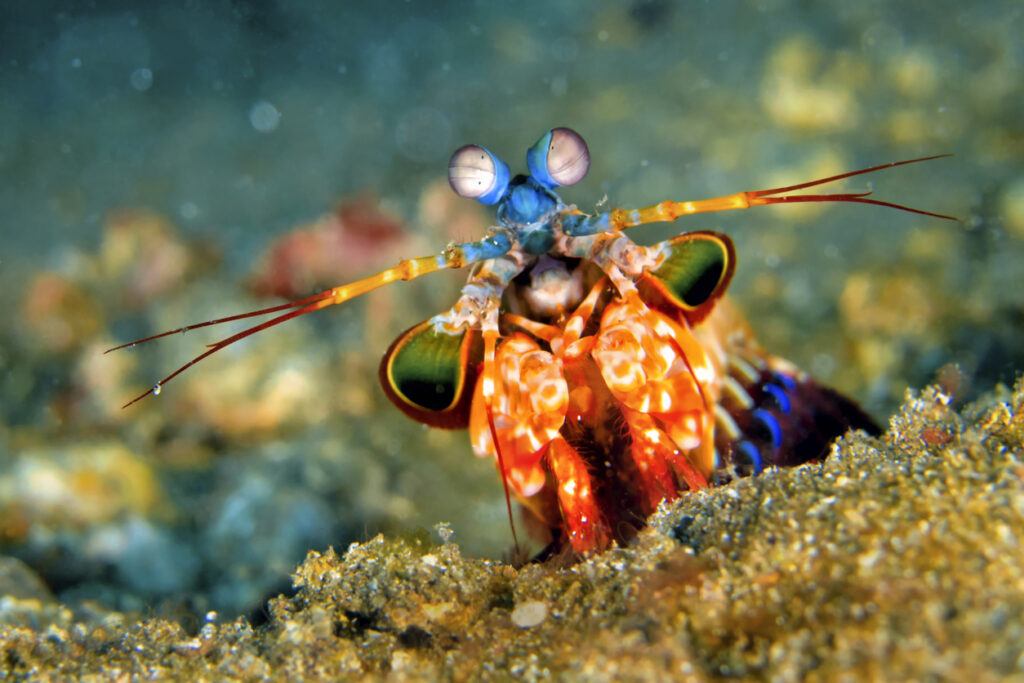
Humans have three colour receptors in our eyes: red, green, and blue. Mantis shrimp have got sixteen. That means they’re perceiving an entirely different visual world. It’s one bursting with ultraviolet, infrared, and polarised light that’s invisible to us.
It’s not just more colour; it’s an entirely different type of vision. Scientists think their eyes are capable of spotting details, movement, and patterns that no human brain could process. What looks like a dull patch of coral to us could be a riot of changing colour and light to them. In a very literal sense, they see a world we can’t even picture.
Elephants communicate through ground vibrations.

When elephants communicate, they don’t just trumpet, they rumble. These low-frequency calls can travel through the ground for miles, and other elephants pick them up through sensitive pressure receptors in their feet.
So, while we’re standing around, completely oblivious, whole conversations are happening beneath our feet. Herds miles apart can coordinate movements, warn each other of danger, or call to family members across vast distances. It’s like their own private communication network that’s silent to us, but perfectly clear to them.
Pit vipers see in thermal infrared.
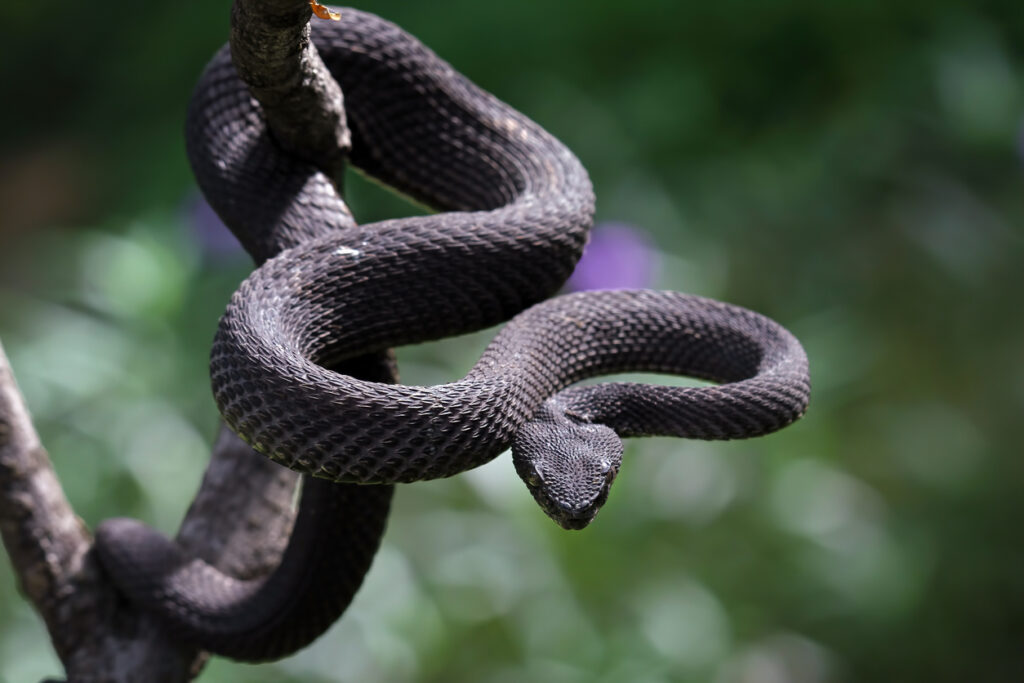
Those small holes on either side of a viper’s face aren’t nostrils, they’re heat sensors. Each one acts like a thermal camera, allowing the snake to see a heat-based image of its surroundings. Warm-blooded prey glow like little beacons in total darkness.
This thermal sense is so sharp that they can detect temperature changes of less than a degree. Imagine walking through pitch-black woods and still seeing every living thing around you, glowing faintly with warmth. That’s everyday life for a pit viper.
Migratory birds sense magnetic fields.

Every year, millions of birds migrate thousands of miles with astonishing accuracy. They don’t rely on maps or landmarks; they literally see the Earth’s magnetic field.
Inside their eyes are special proteins called cryptochromes that react to magnetic fields, creating faint visual patterns that act like a built-in compass. Some scientists believe birds might see magnetic fields as a kind of shimmering overlay on their normal vision, like a subtle grid pointing north. We have absolutely no equivalent sense for this. It’s pure instinctive navigation.
Dolphins use echolocation to see inside things.

Dolphins don’t just “hear” underwater, they map their surroundings in 3D using echolocation. They send out clicks and read the returning echoes, forming a detailed sound-based image of what’s around them.
Their sonar is so precise they can detect fish buried in sand, tell if another dolphin is pregnant, or even identify different types of metal. It’s basically biological sonar that puts our best technology to shame. They’re swimming through a soundscape we can’t even begin to interpret.
Star nosed moles have the fastest touch sense.
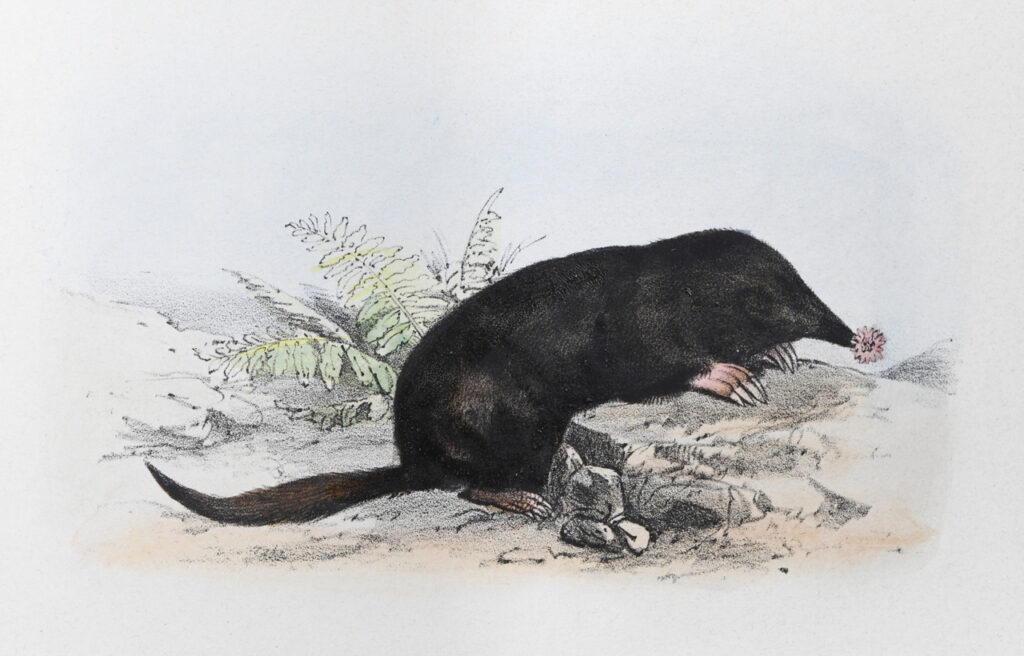
That strange-looking nose covered in tiny pink tentacles might look like something from a horror film, but it’s a marvel of evolution. Each of the mole’s 22 tentacles is packed with over 100,000 nerve endings, making it the most sensitive touch organ known in the animal kingdom.
These little moles can identify, assess, and eat prey in less than a quarter of a second. They’re basically living supercomputers of touch, processing information so quickly our brains couldn’t keep up. What we’d clumsily fumble to recognise, they’ve already understood, decided on, and swallowed.
Spiders detect vibrations through their legs.
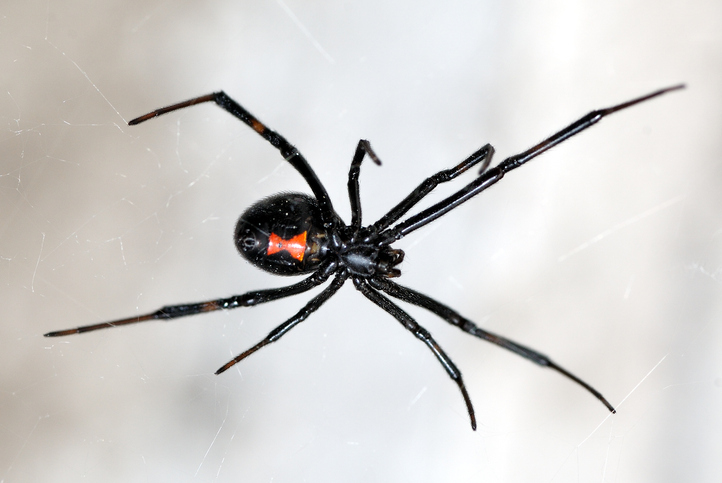
A spider’s sense of touch goes far beyond anything we can imagine. They don’t just feel, they interpret. Through tiny sensory hairs on their legs, they can detect the slightest tremor in their webs or even the vibrations of footsteps on the ground metres away.
They can tell the difference between prey struggling, the wind blowing, or another spider sending a mating signal. Their entire world is built on vibration, a kind of silent language written in ripples through silk and soil.
Bloodhounds smell in stereo.

We already know dogs have incredible noses, up to 300 million scent receptors compared to our six million, but bloodhounds take it even further. They smell “in stereo,” processing scents independently through each nostril.
That gives them a sense of direction for smell, like how our ears help us locate sound. It’s how they can follow a trail that’s days old, or pick out one person’s scent from a crowd. What’s invisible to us is crystal clear to them, like a glowing trail of light we’ll never see.
Bees see time in ultraviolet patterns.

Bees don’t just see colour, they see ultraviolet light, which flowers use to send them signals we can’t detect. Many petals are covered in ultraviolet markings that act like runway lights, guiding bees straight to nectar.
Even more fascinating, these patterns change throughout the day as the flower ages or runs low on nectar. To us, a bloom looks static; to a bee, it’s constantly changing with new information. The garden you see and the one they see are completely different worlds.
Catfish taste with their entire body.
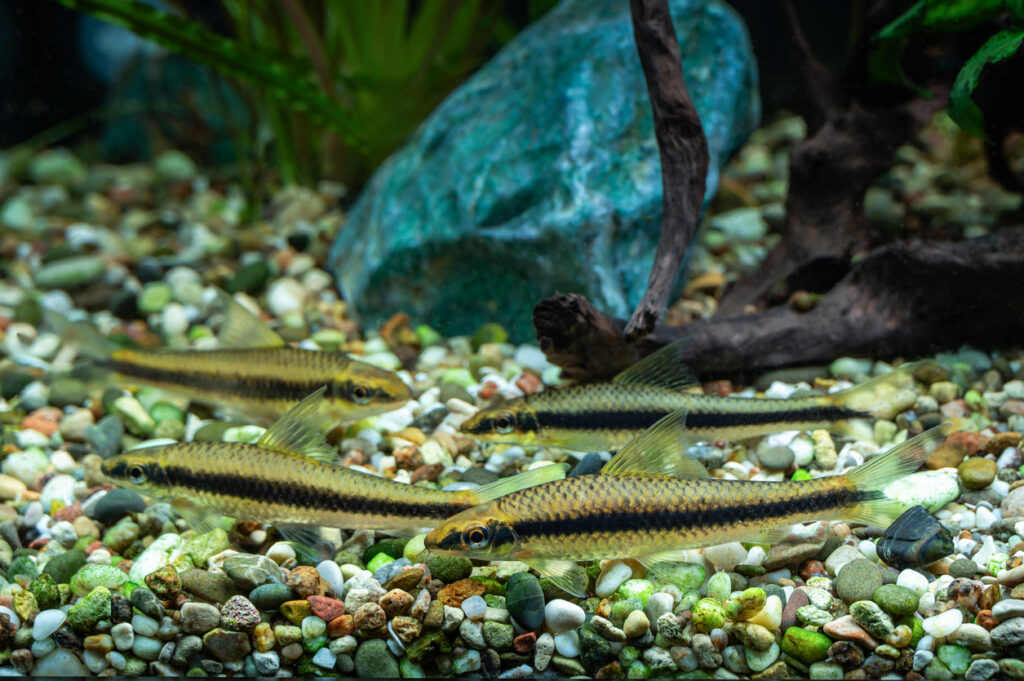
A catfish doesn’t just use its mouth to taste—it uses its whole body. Their skin, fins, and whiskers are covered in taste buds, turning them into living sensors that constantly sample the water around them.
They’re literally swimming tongues, tasting chemical cues from potential food sources and predators as they move. While we have to put something in our mouths to know what it tastes like, they can “taste” it just by being near it.
Owls hear in precise three-dimensional space.
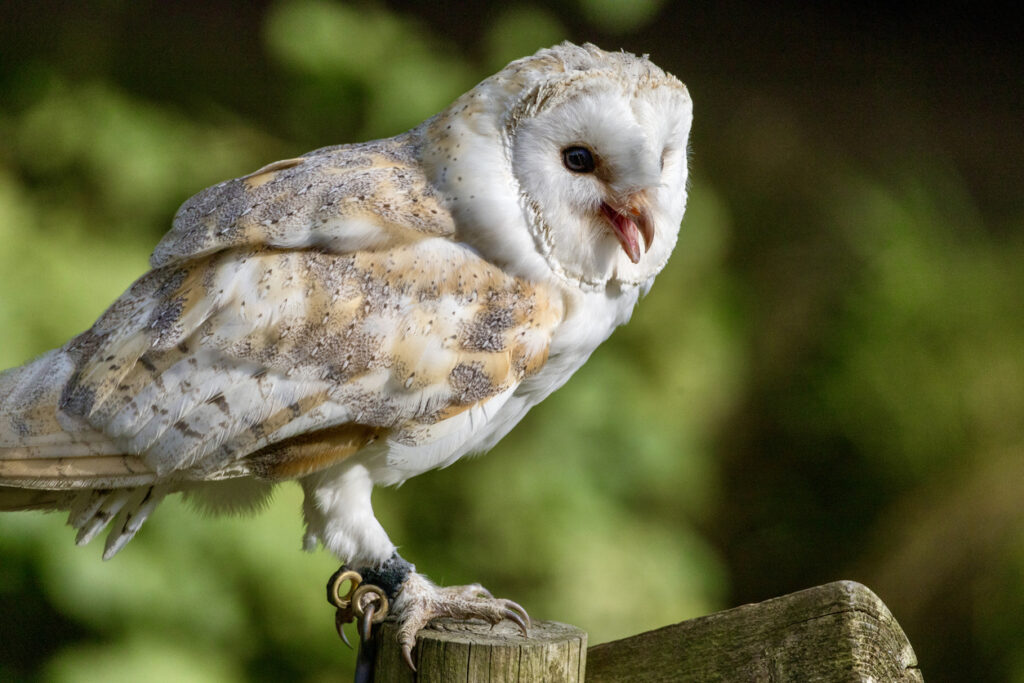
Owls have asymmetrical ears, one slightly higher than the other, which gives them an uncanny ability to locate sounds in three dimensions. They can pinpoint a mouse moving under a layer of snow, calculating direction and distance with terrifying precision.
To them, sound isn’t just noise; it’s a map. Their brains build a detailed model of their surroundings purely from audio, allowing them to strike with flawless accuracy in total darkness.
Platypuses sense electrical muscle signals.
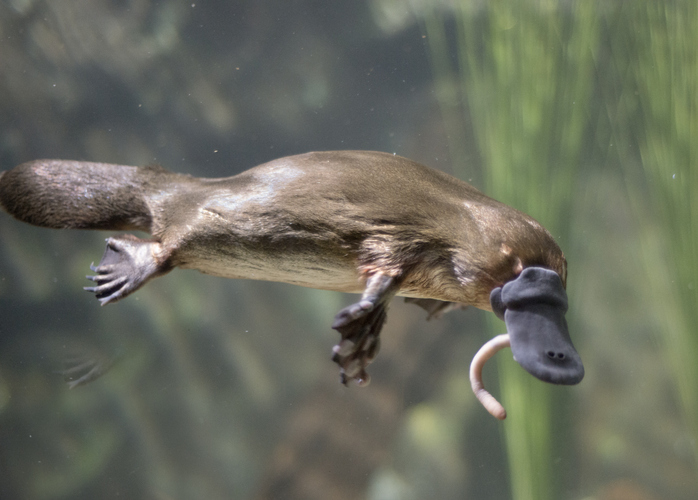
The platypus’s duck-like bill might look comical, but it’s an extraordinary piece of equipment. It’s packed with electroreceptors that detect the faint electrical signals given off by muscle contractions in prey.
They close their eyes and ears underwater, relying entirely on this sense to hunt. They can detect shrimp or insects buried deep in muddy riverbeds, where sight and sound are useless. It’s one of nature’s strangest yet most effective sensory systems.
Octopuses taste what they’re touching.

Each of an octopus’s suckers is lined with receptors that detect both texture and chemical composition, meaning they can taste and touch at the same time. And since each arm can process information independently, it’s like having eight separate mini-brains working together.
When an octopus explores its surroundings, it’s literally tasting the world through its limbs, making sense of flavour and feel all at once. It’s such a strange idea to us, which makes sense. Imagine touching an apple and instantly knowing how it tastes.