With the change of seasons comes a change of approach when it comes to gardening.

Autumn’s the time when most gardeners get the pruning shears out, but hack away at the wrong plants, and you’ll kill next year’s flower display completely. These plants shouldn’t be pruned in the coming months, especially if you want to ensure their future health.
Spring-flowering shrubs will leave you with no blooms

Your lilacs, forsythia, rhododendrons, and azaleas are all working hard right now to create next year’s spectacular spring display. Cut them back in autumn, and you’re literally chopping off all those carefully formed flower buds before they get a chance to open.
Wait until immediately after they finish flowering in late spring or early summer instead. This gives them the whole growing season to develop new buds for next year’s show. These plants flower on “old wood” (last year’s growth), so autumn pruning basically guarantees you’ll be staring at a green blob instead of gorgeous flowers come springtime.
Fruit trees hate autumn pruning with a passion

Every single fruit tree in your garden—apples, pears, plums, cherries, the lot—should be left well alone during autumn. Pruning them now will slash your fruit harvest next year and leave them vulnerable to nasty diseases when they’re trying to go dormant.
Stone fruits like plums and cherries are particularly susceptible to silver leaf disease if you prune them in autumn or winter. Apple and pear trees need their winter dormancy period to prepare for next year’s fruiting, and autumn pruning just confuses their natural cycle completely.
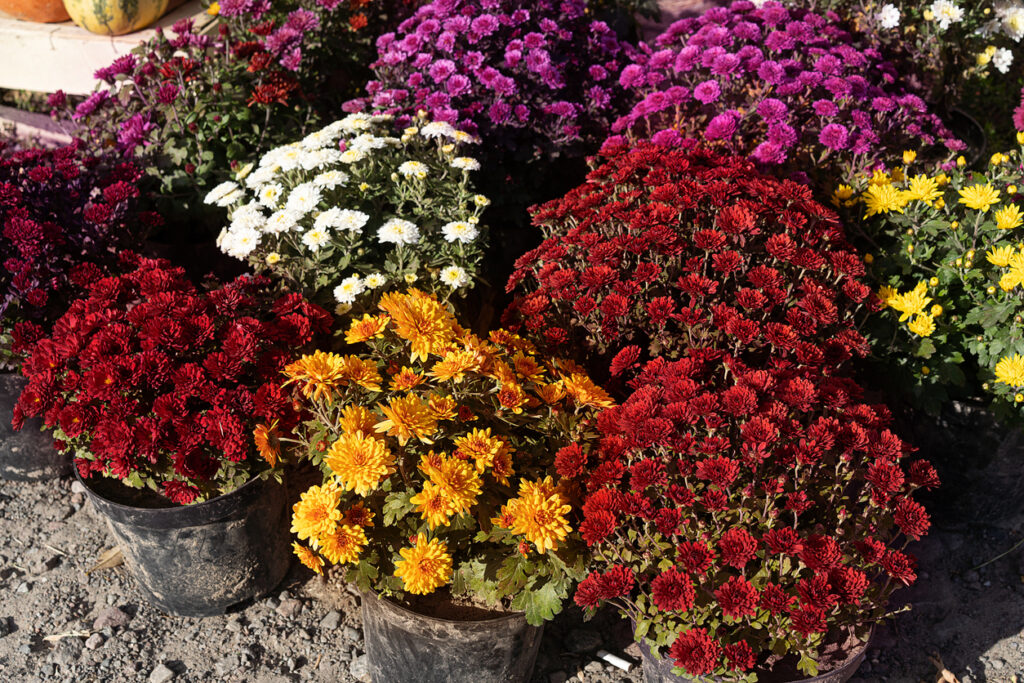
Chrysanthemums need their tatty leaves for survival
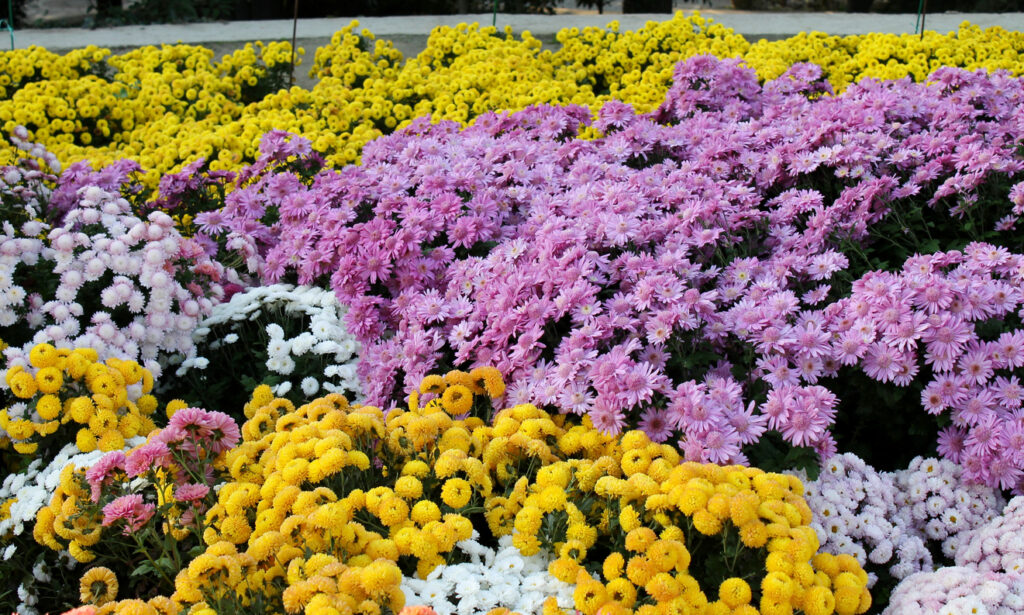
Those mums that are putting on such a gorgeous autumn show right now might look a bit rough around the edges, but don’t be tempted to tidy them up. They need every single leaf they’ve got to store up energy for surviving the winter months ahead.
You can deadhead the spent flowers to keep them looking neat, but leave all the foliage and stems until late winter or early spring. The dying leaves aren’t pretty, but they’re working overtime to feed the roots, so your chrysanthemums come back stronger next year.
Tender plants will get zapped by frost
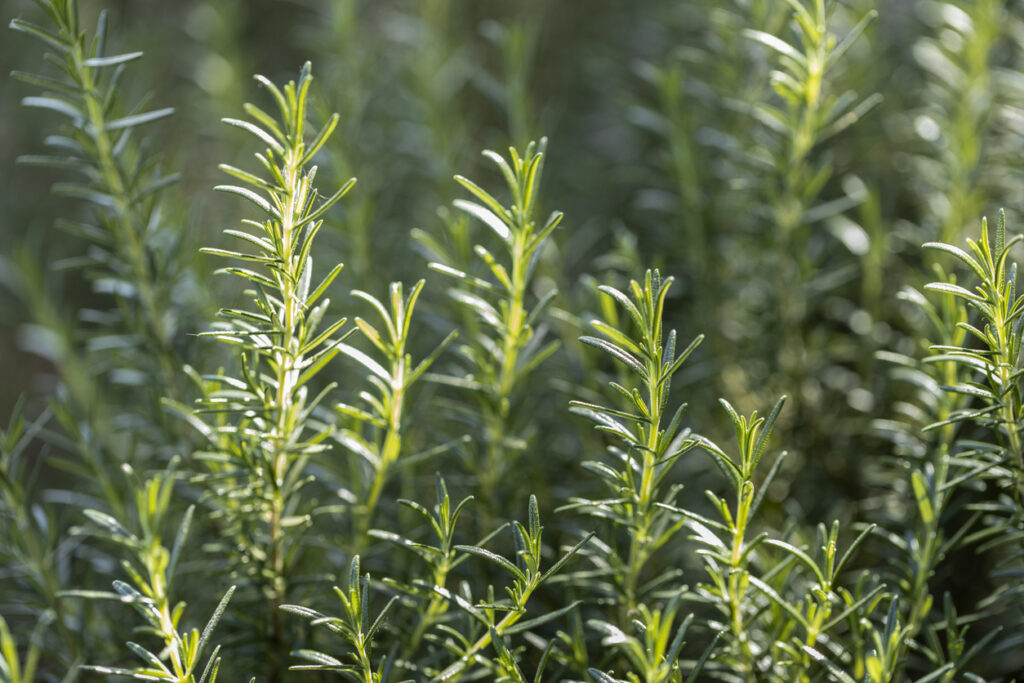
Mediterranean plants like rosemary, lavender, and cistus might seem tough, but autumn pruning leaves them exposed to frost damage just when they need all their natural protection. Those slightly tatty stems and leaves act like a blanket during cold snaps.
Any new growth you encourage by pruning won’t have time to harden off before winter arrives, making it incredibly vulnerable to frost. Wait until late spring, when the worst of the cold weather is behind you, then give them a proper trim.
Ornamental grasses look fantastic when left alone
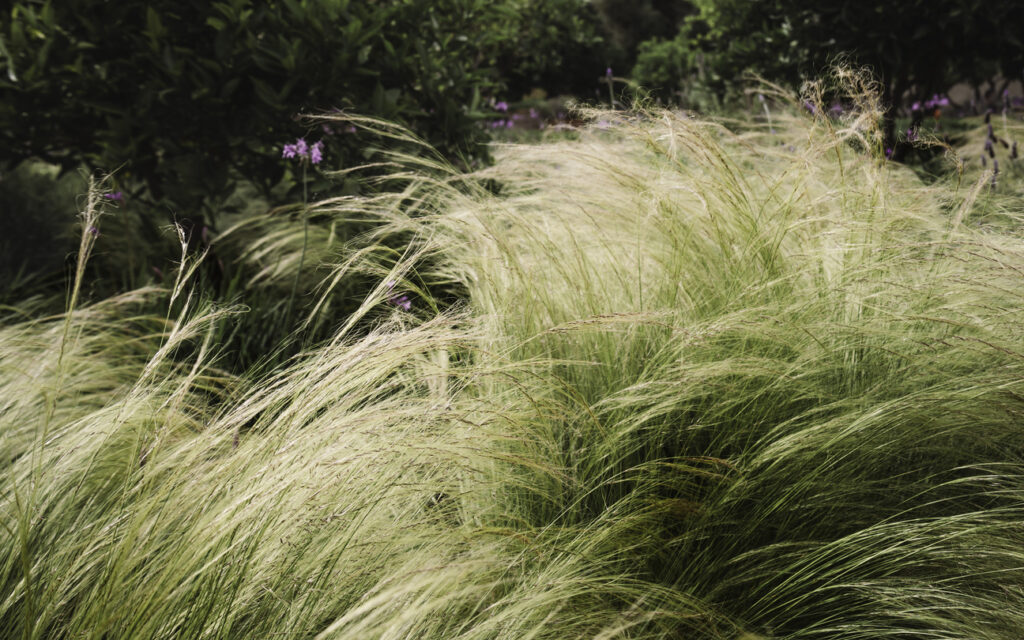
Those beautiful seed heads on your ornamental grasses aren’t just pretty, they’re providing vital food for birds and adding structure to your winter garden. Cut them down now, and you’ll lose all that natural beauty, plus deprive wildlife of a crucial food source.
Grasses like miscanthus and pennisetum look absolutely stunning covered in frost and provide movement and texture throughout the dull winter months. Leave them until late winter or early spring, then cut them right back before new growth starts.
Perennials with seed heads feed the birds

Plants like rudbeckia, echinacea, and sedums might look past their best, but those seed heads are like five-star restaurants for garden birds trying to fatten up for winter. Prune them now, and you’re basically closing the café just when it’s needed most.
The old stems also provide insulation for the plant’s crown, helping it survive harsh frosts. Birds will strip the seeds clean by spring anyway, so you’re not missing out on anything by waiting. You’re just being a better wildlife gardener.
Newly planted trees and shrubs need protection
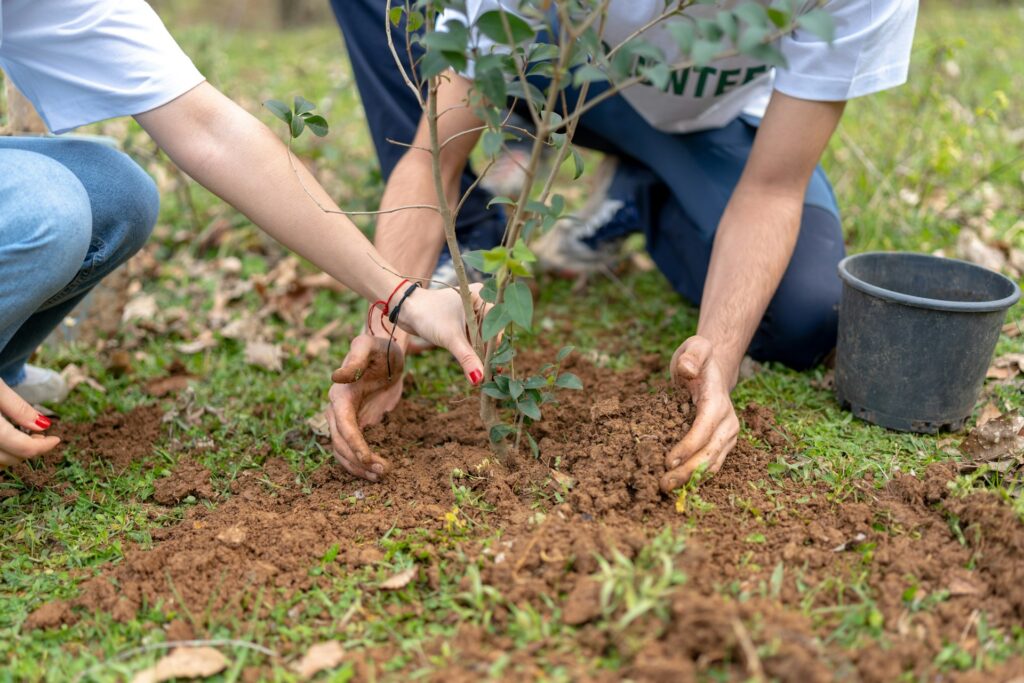
Anything you’ve planted in the last year or two should be left completely alone during autumn. These plants are still establishing their root systems and haven’t built up enough reserves to cope with the stress of pruning combined with winter weather.
Young plants that get autumn pruning often struggle to survive their first winter because they haven’t had time to develop the tough, woody growth that protects them from frost. Give them at least two full growing seasons before you even think about pruning.
Plants preparing for dormancy get confused by pruning
Right now, most plants are busy moving all their energy from their leaves down into their roots, getting ready for winter dormancy. Prune them and you’re basically telling them “start growing again!” just when they should be shutting down for the season.
This confused response uses up precious energy reserves and can leave plants weakened going into winter. Any new growth that appears won’t have time to harden off and will get killed by the first proper frost, weakening the plant even further.
Hydrangeas depend on their old stems for next year
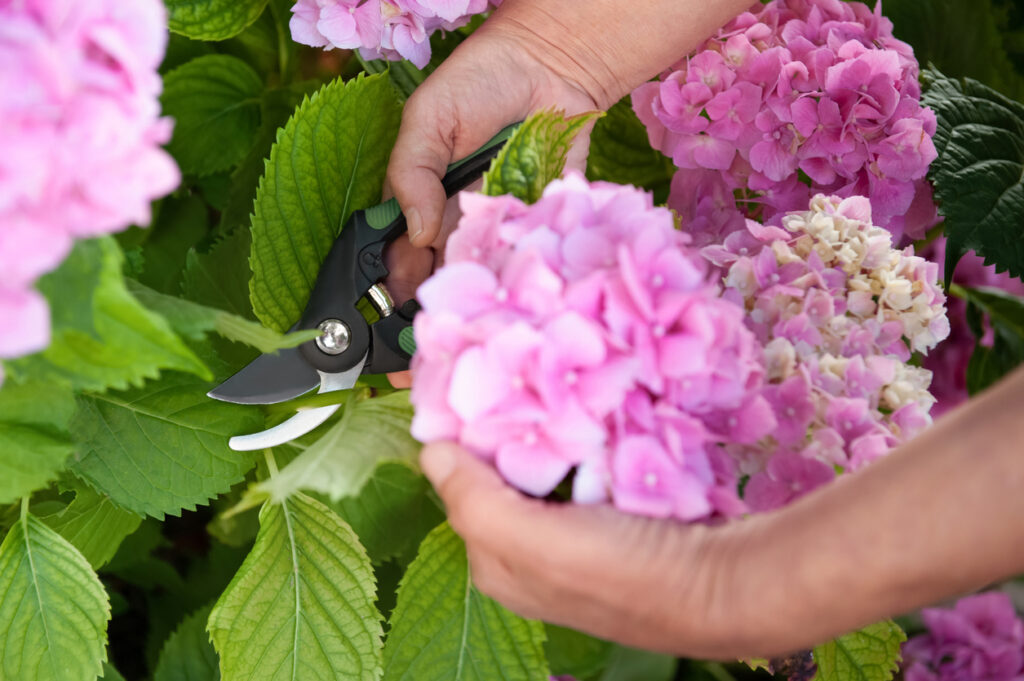
Most hydrangeas flower on old wood, so autumn pruning means no flowers next summer. Even the ones that flower on new wood benefit from having their old stems left intact through winter as protection for the crown of the plant.
Those dried flower heads might not look like much, but they’re actually quite attractive in winter gardens and provide some frost protection. Wait until late winter or early spring, then you can see which stems survived and prune accordingly.
Roses need their hips for winter interest
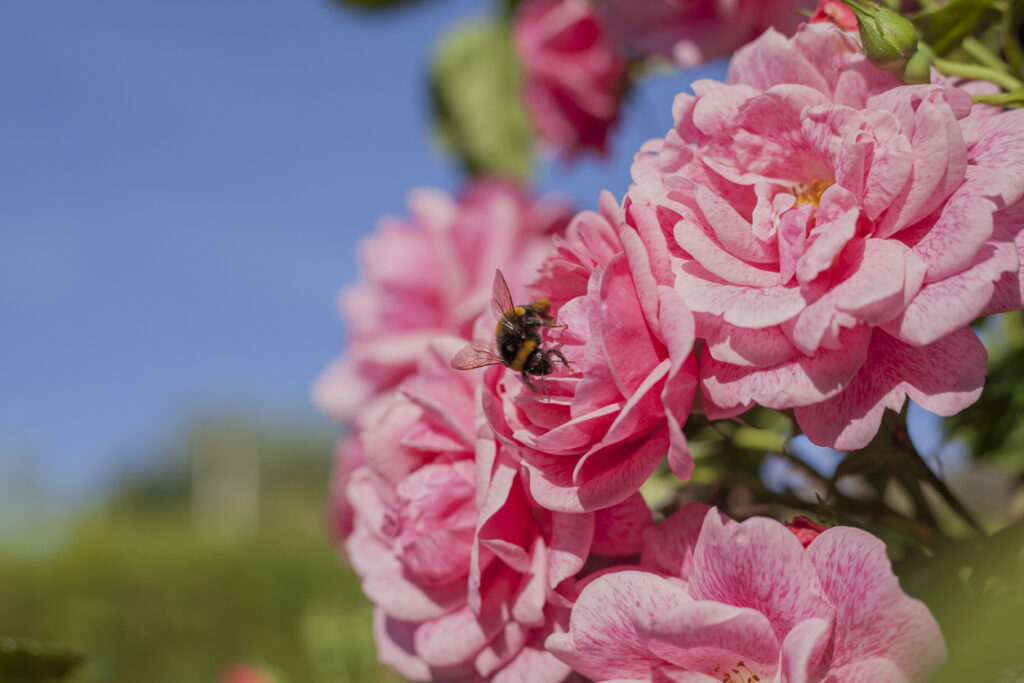
While you might give roses a light trim in autumn to prevent wind rock, avoid heavy pruning until late winter or early spring. Rose hips provide food for birds and add colour to winter gardens, plus the stems help protect the base of the plant from frost.
Autumn pruning can stimulate new growth that won’t survive winter, and removes the natural protection that helps roses get through cold weather. A light tidy-up is fine, but save the serious pruning for when the worst of winter is over.
Clematis varieties have different pruning needs
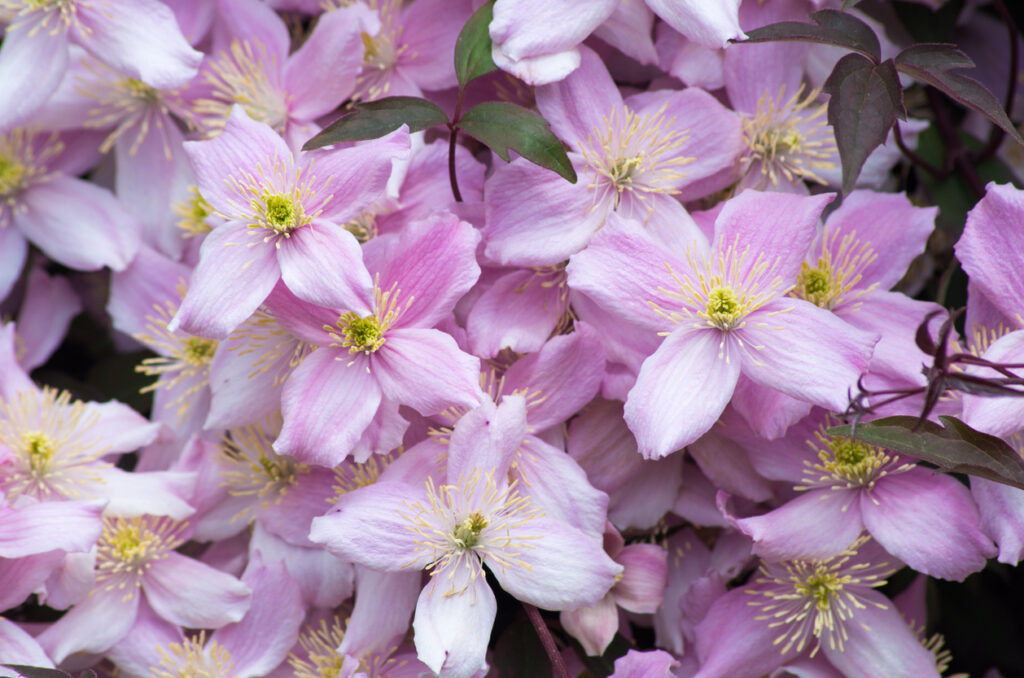
Early-flowering clematis varieties bloom on old wood, so autumn pruning will eliminate next year’s flowers completely. Even late-flowering varieties that can handle harder pruning are better left until late winter, when you can see what’s survived.
The tangled mess of clematis stems might look untidy, but it provides valuable shelter for insects and birds over winter. Plus, some varieties have attractive seed heads that add interest to the winter garden, so there’s really no rush to cut them back.
Bamboo and evergreen grasses stay put
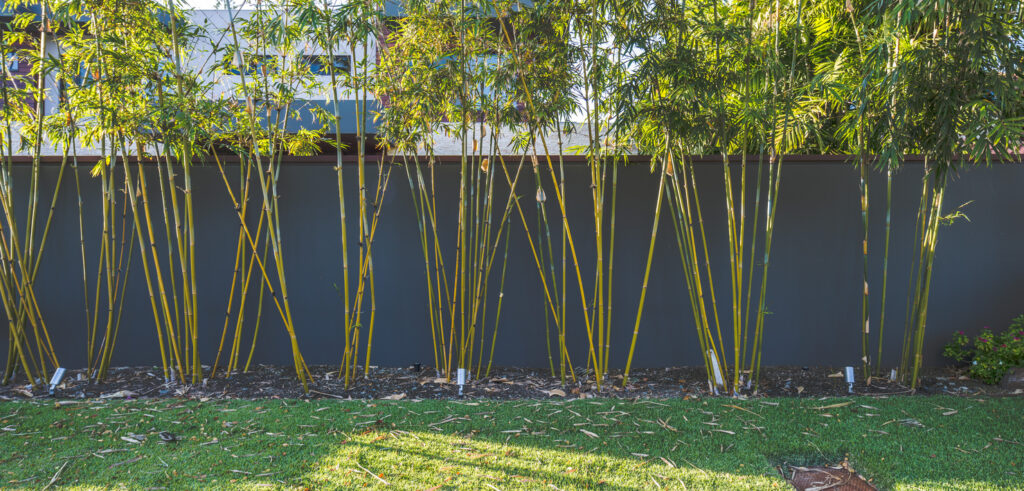
Bamboo should never be pruned in autumn as it can cause the canes to die back or become damaged by frost. The hollow stems are particularly vulnerable to water getting in and freezing, which can kill entire sections of the plant.
Evergreen grasses like carex and festuca keep their foliage through winter and don’t need autumn pruning. They provide structure and colour in winter gardens, and cutting them back can expose the crown to frost damage.
What to do instead of autumn pruning

Focus your autumn garden efforts on proper clean-up activities like removing diseased leaves, mulching around plants, and protecting tender specimens from frost. It’s much more beneficial than random pruning and won’t damage next year’s flowering potential.
If you’re desperate to do some pruning, stick to summer-flowering shrubs that bloom on new wood, like buddleia and some late-flowering spirea. These can handle autumn cutting because they’ll produce flowers on next year’s new growth anyway.
Remember, the best time to prune most plants is right after they finish flowering. This gives them the maximum time to develop new flower buds for next year. When in doubt, put the secateurs away and wait for spring. Your garden will thank you with a much better flowering display, and you’ll avoid potentially killing plants that might not recover from poorly timed autumn pruning.