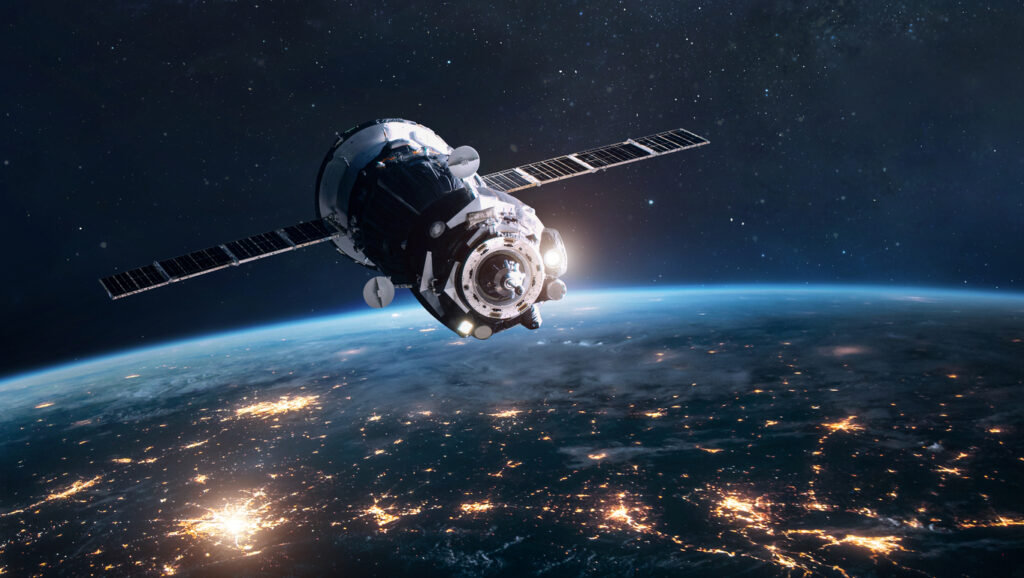
The Sun is approaching its most violent phase in decades, and the thousands of satellites keeping modern civilisation running are about to face their biggest test since we started relying on space-based technology.
We’re heading straight into solar maximum with no real protection
Solar Cycle 25 began in 2019 and is expected to peak around July 2025, bringing the most intense solar activity in over a decade. We’ve already seen preview storms that knocked 40 Starlink satellites out of orbit and disrupted GPS systems across multiple continents.
The problem is that we’ve built our entire modern infrastructure around satellite technology during a period of relatively calm solar weather, so we have no idea how vulnerable our systems really are. We’re about to find out the hard way when the Sun unleashes its full fury.
SpaceX already lost £25 million worth of satellites to a “minor” storm
In February 2022, SpaceX launched 49 Starlink satellites and watched helplessly as 40 of them crashed back to Earth within days due to increased atmospheric drag from a geomagnetic storm. The company lost £25 million in hardware and months of preparation work.
This wasn’t even a major solar event; it was classified as relatively mild by space weather standards. If a moderate storm can destroy 80% of a satellite deployment, imagine what a truly powerful solar explosion could do to the thousands of satellites currently in orbit.
Rising CO2 levels are making space weather more dangerous
Climate change isn’t just affecting Earth’s surface. It’s also making the upper atmosphere more reactive to solar storms. Higher CO2 levels cause the thermosphere to contract during normal conditions but expand more dramatically during geomagnetic storms, creating unpredictable atmospheric drag.
Satellites designed for specific atmospheric conditions are now facing environments they weren’t built to handle. The changing atmosphere means orbital predictions are becoming less reliable, and satellites are being pulled out of orbit faster than expected during solar events.
A Carrington-level event would be an extinction-level event for satellites

The 1859 Carrington Event was so powerful it made telegraph wires spark and set buildings on fire. If a similar solar storm hit today, it would generate magnetic fields strong enough to induce massive electrical currents in every piece of metal in orbit, potentially frying satellite electronics instantly.
Scientists estimate that a Carrington-level storm would compress Earth’s magnetosphere so much that it would shrink inside the orbit of geosynchronous satellites. Any satellite caught outside this compressed magnetic shield would be completely exposed to the full force of the solar bombardment.
Modern satellites are built for convenience, not cosmic warfare.
Today’s satellites are packed with sensitive electronics designed for maximum performance and minimum weight, making them incredibly vulnerable to radiation and electrical surges. Unlike the robust hardware of early space missions, modern satellites prioritise efficiency over survival.
The drive to make satellites cheaper and more capable has resulted in spacecraft that can be knocked out by radiation levels that wouldn’t have bothered earlier, more heavily shielded satellites. We’ve traded resilience for functionality, and that trade-off is about to be tested.
The satellite constellation explosion creates a massive target.
There are currently over 8,000 active satellites in orbit, with companies like SpaceX planning to launch tens of thousands more. This creates an unprecedented target-rich environment for solar storms, with far more expensive hardware exposed to space weather than ever before.
The sheer number of satellites also means that failures cascade: when one satellite gets knocked out, it can affect communication networks, GPS accuracy, and internet connectivity for millions of people. We’ve created a house of cards in space, and the Sun is about to start blowing.
Critical infrastructure satellites have no backup plan.
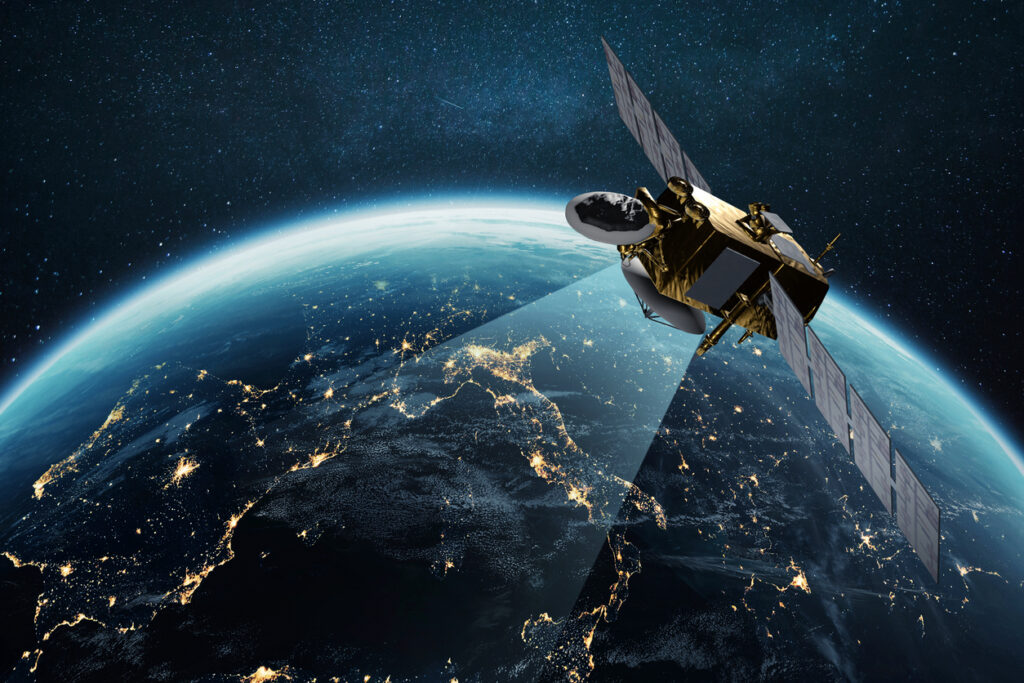
GPS satellites, military communication systems, and weather monitoring spacecraft are all single points of failure for essential services. If solar storms knock out key infrastructure satellites, there’s often no immediate way to restore service until replacement hardware can be launched.
The most critical satellites are often the oldest ones, designed decades ago with less sophisticated radiation protection. These ageing spacecraft are keeping vital services running while being increasingly vulnerable to solar activity that wasn’t anticipated when they were built.
Solar storms create electromagnetic pulse effects in space.
When a coronal mass ejection hits Earth’s magnetic field, it creates massive electromagnetic pulses that can induce dangerous currents in satellite electronics. These surges can permanently damage sensitive components or cause satellites to reboot repeatedly, leaving them unable to function properly.
The electromagnetic effects aren’t limited to direct hits. Satellites can be damaged by induced currents flowing through their solar panels, antennas, and internal wiring. Even satellites that seem to survive a solar storm may have suffered hidden damage that causes failures months later.
Atmospheric expansion pulls satellites into death spirals.
Solar storms heat the upper atmosphere, causing it to expand dramatically and increase atmospheric drag on low-Earth orbit satellites. That unexpected drag slows satellites down, lowering their orbits and potentially sending them on collision courses with Earth.
Satellite operators often don’t have enough fuel or thrust capability to compensate for the increased drag during major solar events. Once a satellite starts losing altitude due to atmospheric expansion, it can quickly enter an unrecoverable death spiral back to Earth.
Space debris multiplies the danger exponentially.
Solar storms don’t just affect active satellites; they also change the orbits of space debris, creating unpredictable collision hazards. When atmospheric expansion alters debris trajectories, satellite operators lose the ability to predict and avoid potential impacts.
If solar activity triggers collisions between satellites and debris, the resulting cascade of new debris could create a Kessler Syndrome scenario where certain orbital regions become unusable for years. This would effectively trap humanity on Earth by making space launches too dangerous.
We only get minutes to hours of warning before impact.

Even with advanced space weather monitoring, we typically only get 15 minutes to a few hours of warning before a solar storm hits Earth. This leaves virtually no time for satellite operators to take protective measures beyond putting spacecraft into safe mode.
Moving satellites to safer orbits or powering down systems requires planning and coordination that simply isn’t possible with such short warning times. Most satellites will have to ride out major solar storms with whatever protection they were built with, and hope for the best.
Insurance companies are starting to panic about space weather.
Satellite insurance costs are skyrocketing as underwriters realise the true scope of solar storm risks. A single major event could cause billions in losses across multiple satellite operators, potentially bankrupting insurance companies that haven’t properly modelled space weather exposure.
The insurance industry is pushing for better space weather forecasting and satellite hardening requirements, but these efforts are happening too slowly to protect against the solar maximum that’s already beginning. We’re essentially flying blind into the most dangerous space weather period in decades.