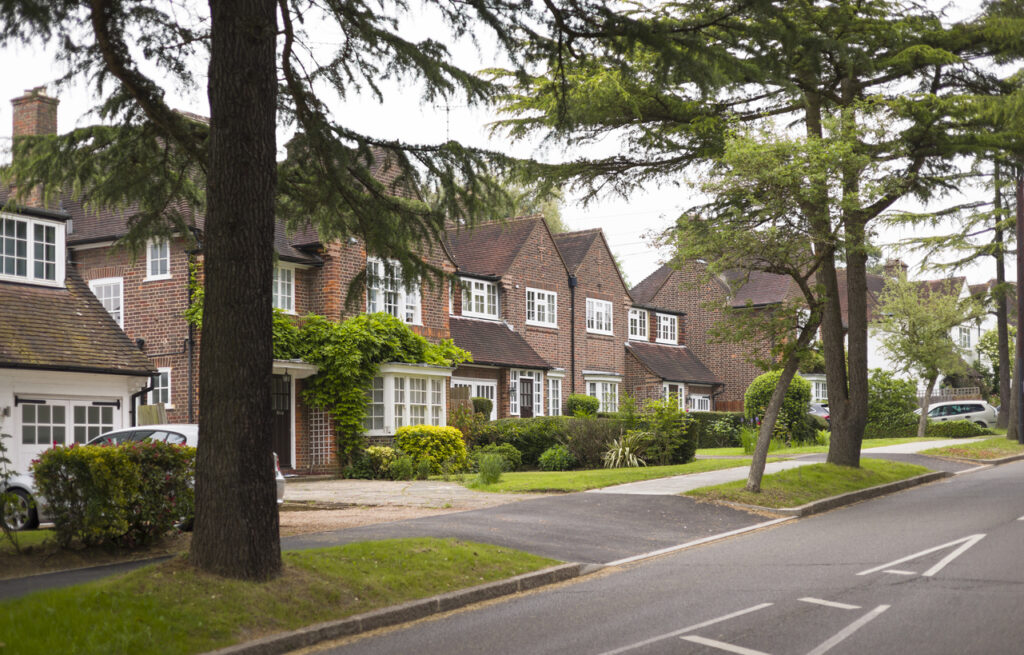
Living in a conservation area sounds like having the best address in town – protected historic charm, strict planning controls, and the guarantee that your neighbourhood character won’t be ruined by ugly modern developments. But what estate agents don’t always mention is that conservation area restrictions can turn simple home improvements into expensive bureaucratic nightmares that cost you thousands and take years to resolve.
You need permission for changes that would be automatic elsewhere.
Replacing windows, changing your front door, or even painting your house a different colour requires planning permission in most conservation areas. Things that homeowners elsewhere can do over a weekend become months-long applications with uncertain outcomes and professional fees.
Research exactly what restrictions apply to your specific conservation area before buying because they vary dramatically between locations. What seems like a minor restriction in the sales particulars could severely limit your ability to modernise or personalise your home.
Planning applications cost significantly more and take much longer.
Conservation area planning applications require specialist heritage reports, detailed architectural drawings, and often multiple rounds of amendments to satisfy planning officers. What might be a £200 permitted development elsewhere becomes a £2,000+ planning application with no guarantee of approval.
Factor these additional costs and delays into your renovation budget and timeline from the start. Many conservation area homeowners abandon improvement projects entirely when they discover the true cost and complexity of getting permission.
You’re legally required to use specific materials and techniques.
Conservation areas often mandate traditional materials like lime mortar, heritage paints, or specific types of slate or tiles that cost significantly more than modern alternatives. Even basic maintenance becomes expensive when you’re required to use specialist materials and craftspeople.
Get quotes for conservation-compliant materials before buying to understand the ongoing cost implications. Your roof repair that would cost £3,000 elsewhere might cost £8,000 when you need heritage-approved materials and specialist conservation roofers.
Modern energy efficiency improvements are often prohibited.
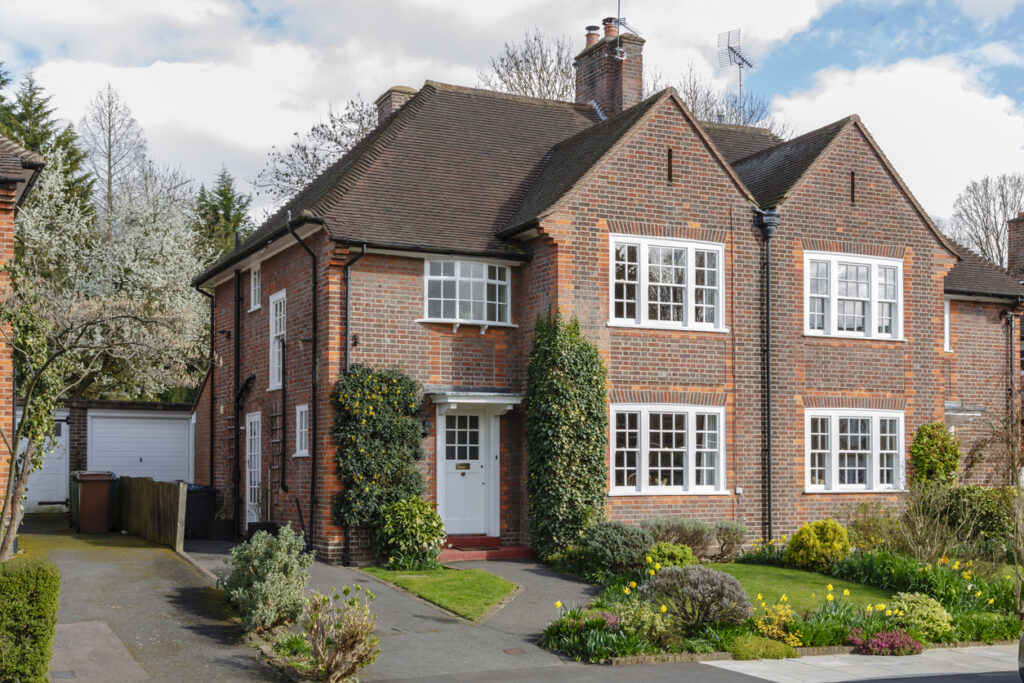
Double glazing, external insulation, solar panels, and heat pumps are frequently banned or severely restricted in conservation areas. This means higher energy bills, difficulty meeting modern energy standards, and potential problems selling to buyers who want eco-friendly homes.
Consider whether you can live with poor energy efficiency or find conservation-compliant alternatives that achieve similar results. Some areas allow internal insulation or secondary glazing, but these solutions are often more expensive and less effective.
Neighbour objections carry extra weight with planners.
Local planning authorities are particularly sensitive to neighbour complaints in conservation areas, meaning even one vocal objector can derail your planning application. People move to conservation areas specifically to prevent change, so resistance to any development is often fierce.
Meet your neighbours before submitting planning applications and try to address concerns early. A single neighbour complaint that would be ignored elsewhere can force expensive design changes or cause outright refusal in conservation areas.
Property values don’t always reflect the additional costs.
While conservation area properties often command premium prices, this doesn’t necessarily compensate for the ongoing restrictions and higher maintenance costs. You might pay extra for the prestige but find yourself house-poor due to expensive compliance requirements.
Calculate the total cost of ownership including restricted renovation options, mandatory specialist materials, and planning application fees. The beautiful Georgian facade might not seem worth it when you discover the true cost of maintaining it properly.
Selling becomes more complicated with restricted buyer appeal.

Many potential buyers are put off by conservation area restrictions, particularly younger buyers who want to modernise properties or add contemporary features. Your pool of interested buyers shrinks to those willing to accept the limitations and costs.
Be prepared for longer selling times and buyers who negotiate hard on price once they understand the restrictions. Properties in conservation areas often appeal to a specific type of buyer who understands and accepts the limitations.
Enforcement action can force expensive remedial work.
Local authorities actively monitor conservation areas and can serve enforcement notices requiring you to undo unauthorised changes at your own expense. What seemed like a minor unauthorised alteration can become a major financial headache if enforcement catches up with you.
Check for any unauthorised changes by previous owners before buying, and ensure any work you do has proper planning permission. Enforcement notices can be served years after work is completed and can seriously affect your ability to sell.
Insurance costs are higher due to specialist reinstatement requirements.
Buildings insurance in conservation areas costs more because insurers know they’ll need to use expensive traditional materials and specialist craftspeople for any repairs. Listed building insurance is particularly expensive and often comes with restricted coverage.
Get insurance quotes before buying to factor these costs into your budget. Some insurers won’t cover conservation area properties at all, while others charge premiums that reflect the higher reinstatement costs.
Future development potential is severely limited.
Extensions, loft conversions, and outbuildings are much harder to get approved in conservation areas, limiting your options for adding value or accommodating changing family needs. Properties that could be significantly improved elsewhere remain constrained by their current layout.
Consider whether the existing property layout meets your long-term needs because changing it might be impossible or prohibitively expensive. Growing families often find themselves trapped in properties they’ve outgrown but can’t extend.
Maintenance requirements exceed normal properties.
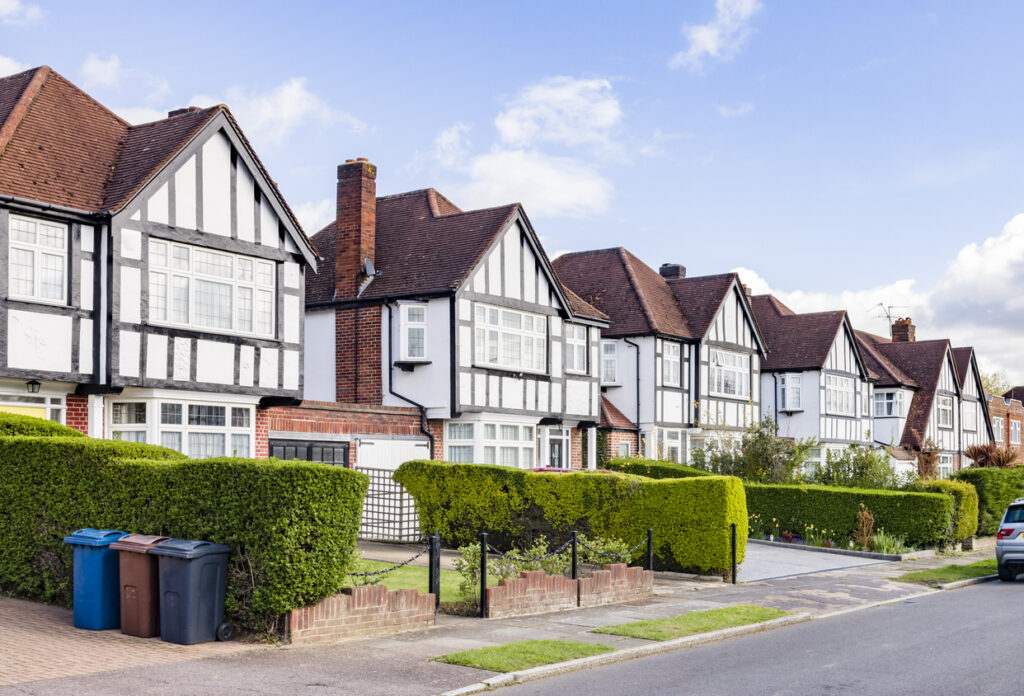
Conservation areas often require specific maintenance schedules and techniques that cost more than standard property upkeep. Pointing with lime mortar, maintaining timber windows, and using traditional roof materials all require specialist knowledge and higher costs.
Budget for significantly higher maintenance costs and factor in the difficulty of finding qualified tradespeople who understand traditional building techniques. Bodged repairs using modern materials can lead to enforcement action and expensive remedial work.
The restrictions can become more severe over time.
Conservation area designations can be extended or made more restrictive through periodic reviews, potentially affecting properties that weren’t previously covered or adding new restrictions to existing ones. What you can do today might be prohibited tomorrow.
Research the local authority’s plans for the conservation area and stay informed about potential changes to restrictions. Areas under pressure from development often see tighter controls introduced that can affect property values and development potential.