Before weather apps and Met Office updates, people paid close attention to nature.
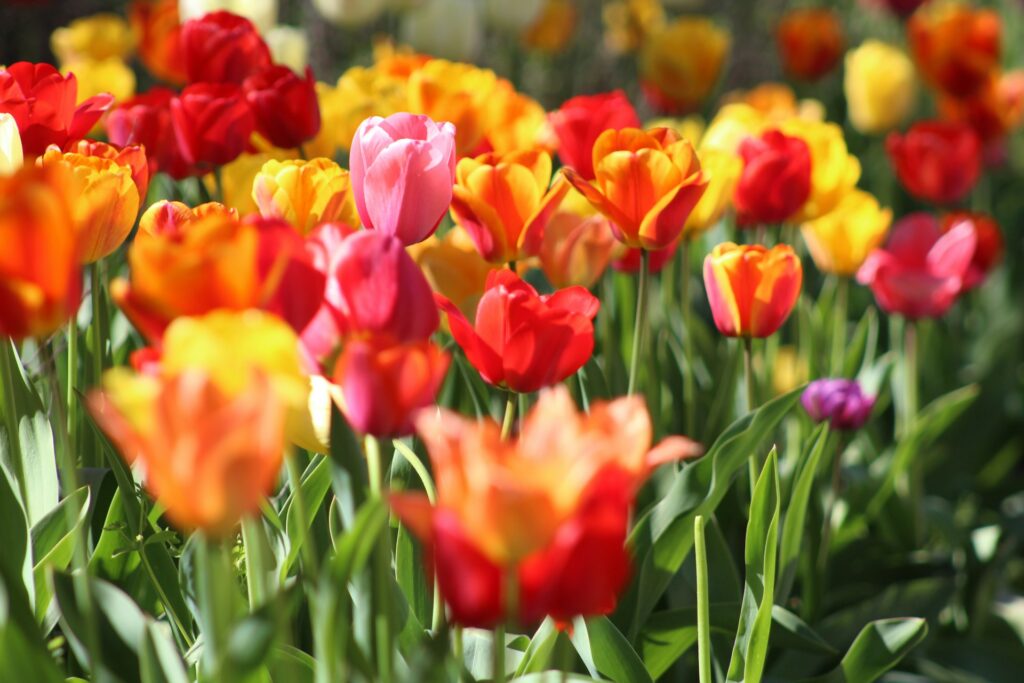
Plants, in particular, have long been used as indicators of what’s coming next. Many flowers and leaves react to changes in moisture and air pressure, acting as natural barometers. Some of these responses are so reliable that they rival forecasts, showing when rain is on the way or when dry weather is set to linger. These are some of the plants that can quietly outsmart the weather report.
1. Dandelions close before rain.
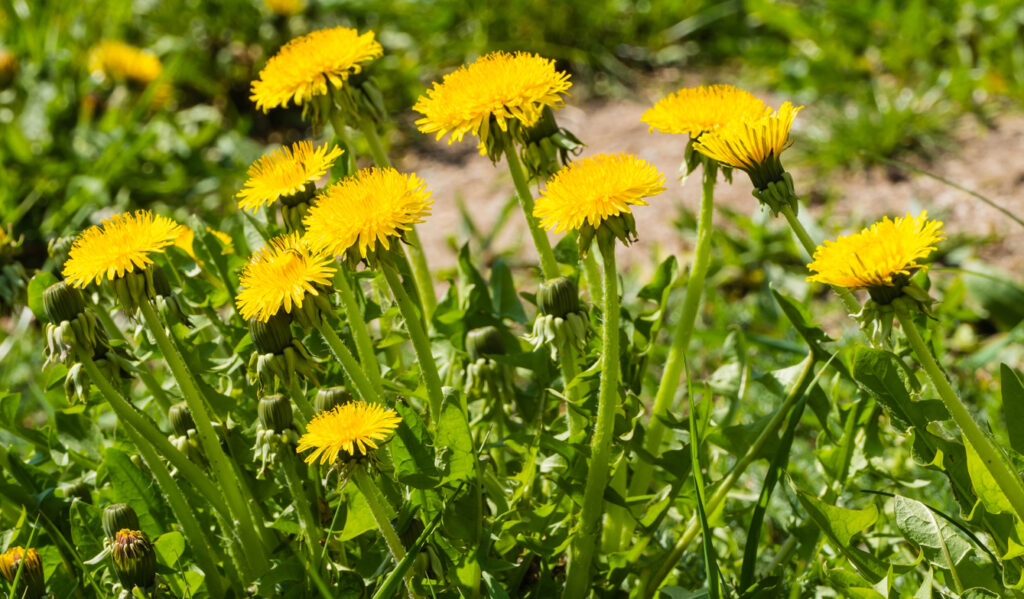
The fluffy white seed heads of dandelions are well known for childhood games, but they also serve a practical purpose. When the air grows damp and rain approaches, the seed head tightens, closing up to protect the delicate seeds inside.
For gardeners and walkers, this movement is a handy sign. If the dandelion clocks have folded in, rain is more than likely on its way. It is a small but surprisingly accurate piece of natural forecasting that has been noticed for centuries.
2. Clover leaves fold down in damp air.
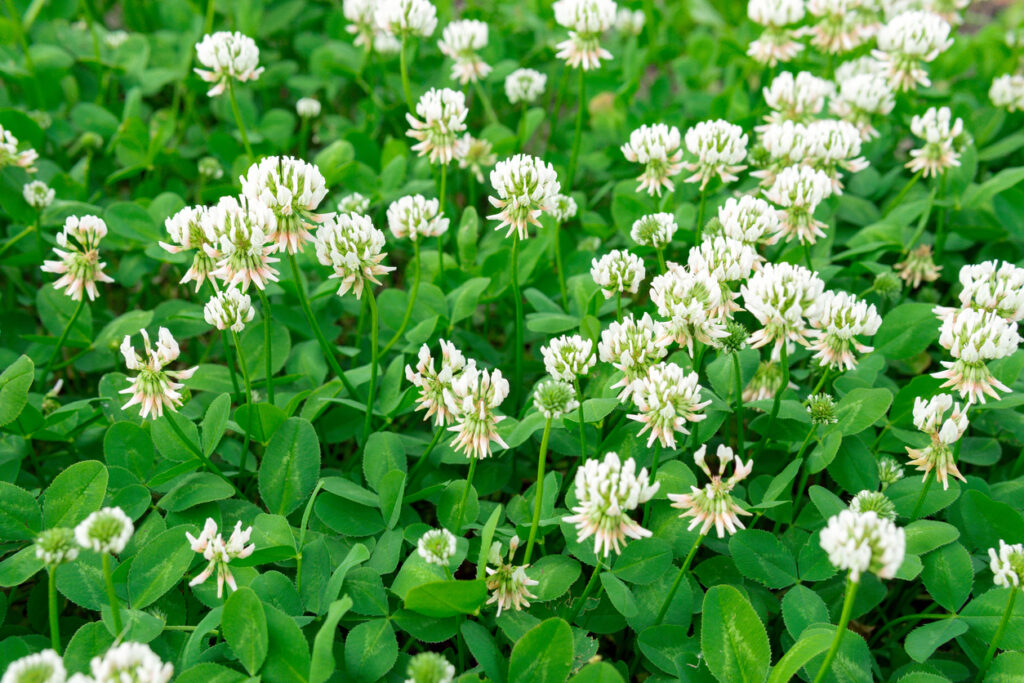
Clovers are another common plant with a weather trick. Their leaves fold down or together when humidity rises, bracing themselves for incoming showers. The habit is so reliable that farmers used to check clover patches before deciding on haymaking.
On a walk, this means a patch of clover can be just as telling as dark clouds. If the leaves have folded, it is worth assuming wet weather is close by, even if the sky still looks bright.
3. Pine cones open and close with moisture.
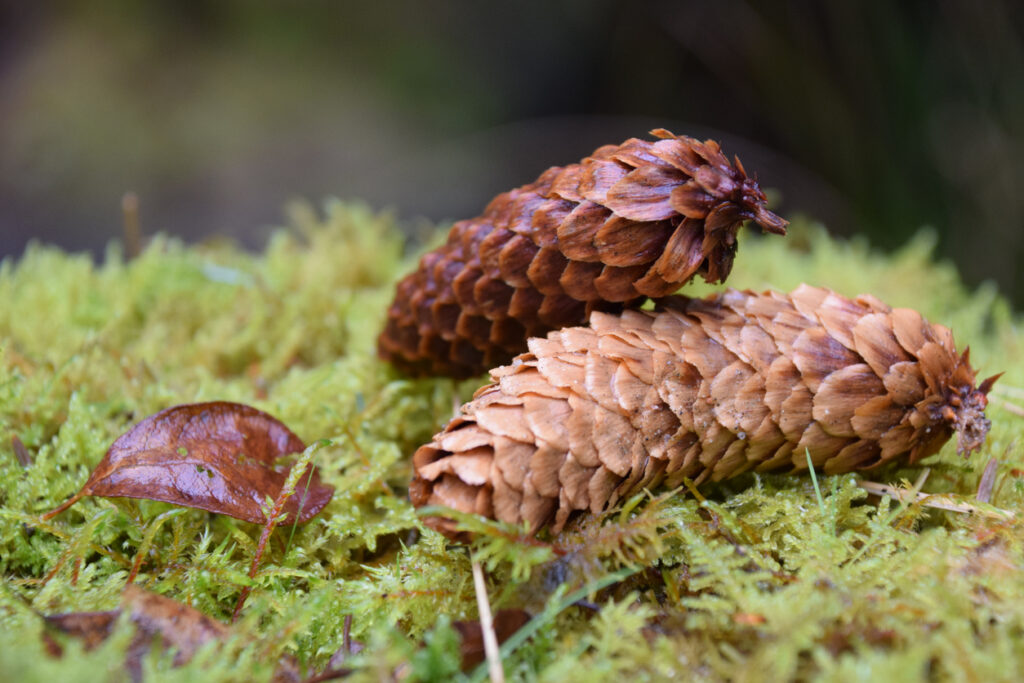
One of the most visible plant-based weather indicators is the pine cone. When conditions are dry, cones open wide, allowing seeds to disperse. When the air turns damp, they close tightly, protecting the seeds from damage.
This simple reaction has made pine cones a traditional tool for rustic forecasting. People have long placed cones on windowsills and used them as a natural gauge of changing conditions. A cone that has snapped shut on a dry afternoon usually means rain is on its way.
4. Poppies close their petals in bad weather.
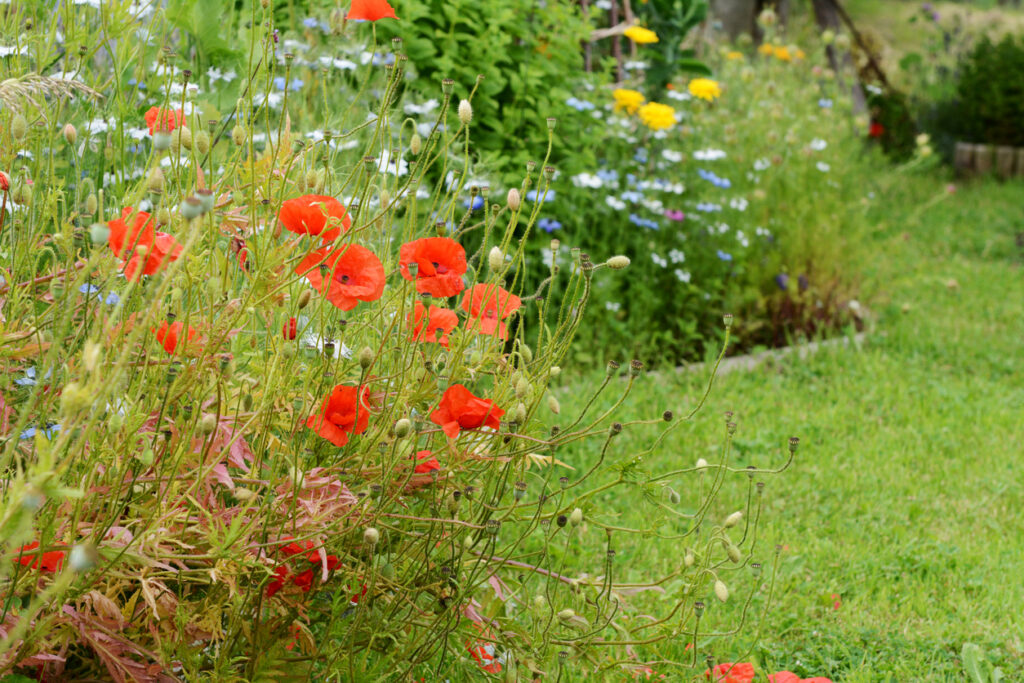
Poppies are delicate flowers that respond quickly to changes in the atmosphere. When rain or chilly weather approaches, their petals fold inwards, forming a protective cover around the fragile centre of the bloom.
A whole field of poppies closing together is both a beautiful and a telling sight. Farmers once watched for this sign, knowing unsettled weather was on the way, and the habit still works as a natural signal today.
5. Chickweed curls up before showers.
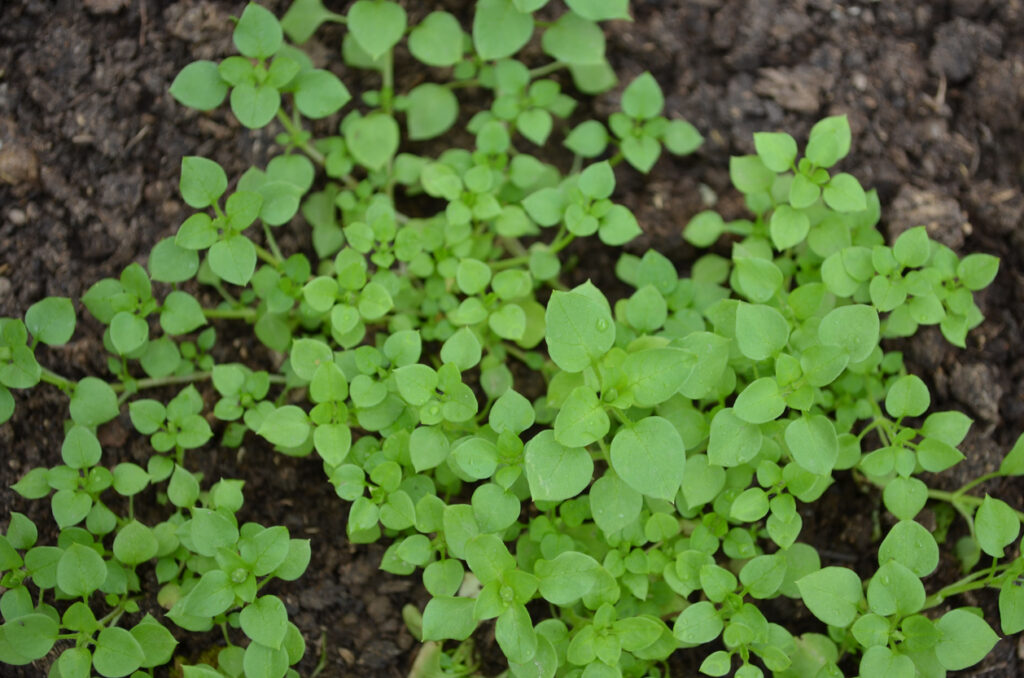
Chickweed is often overlooked as a common lawn invader, but it is one of the most reliable weather plants. Its tiny leaves fold inward when showers approach, keeping its energy safe and protecting itself from being washed out.
This movement is easy to spot once you know what to look for. If chickweed is closing in on itself, it is time to expect rain soon — proof that even so-called weeds can offer practical value.
6. Tulips shut tight on dull days.
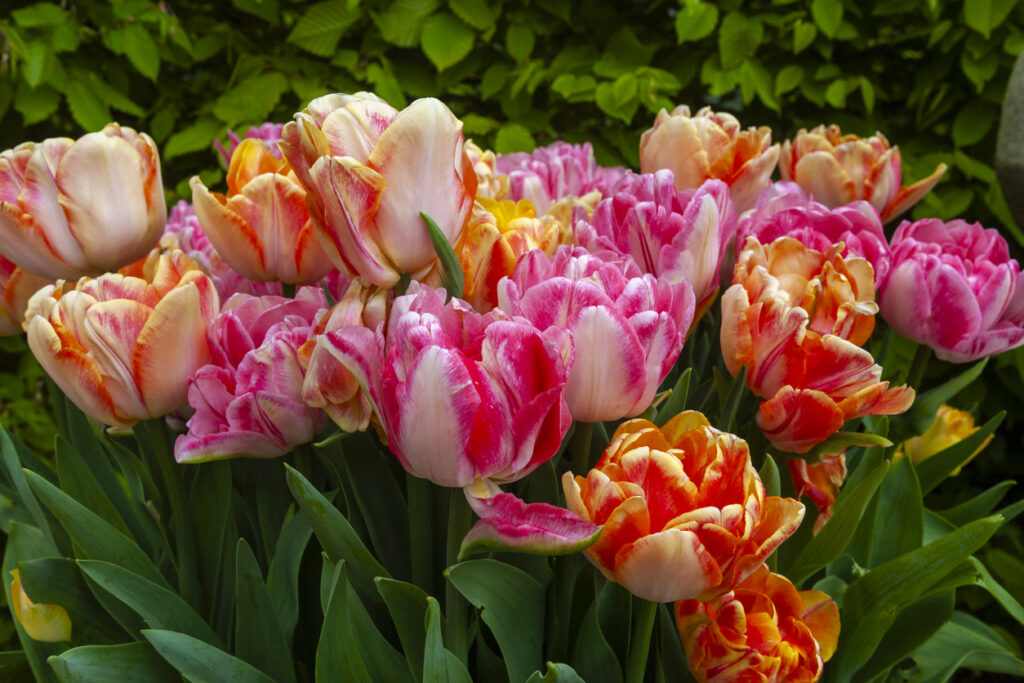
Garden tulips, known for their vivid colours, also have a weather-sensitive habit. When skies turn grey and the air grows damp, they close their petals tightly, almost as if conserving their brightness for sunnier times.
This behaviour protects pollen and ensures the flower doesn’t waste its energy during poor conditions. For anyone glancing out of the window, a border of closed tulips is a simple but clear reminder that fine weather is unlikely to last.
7. Plantain leaves flatten before storms.
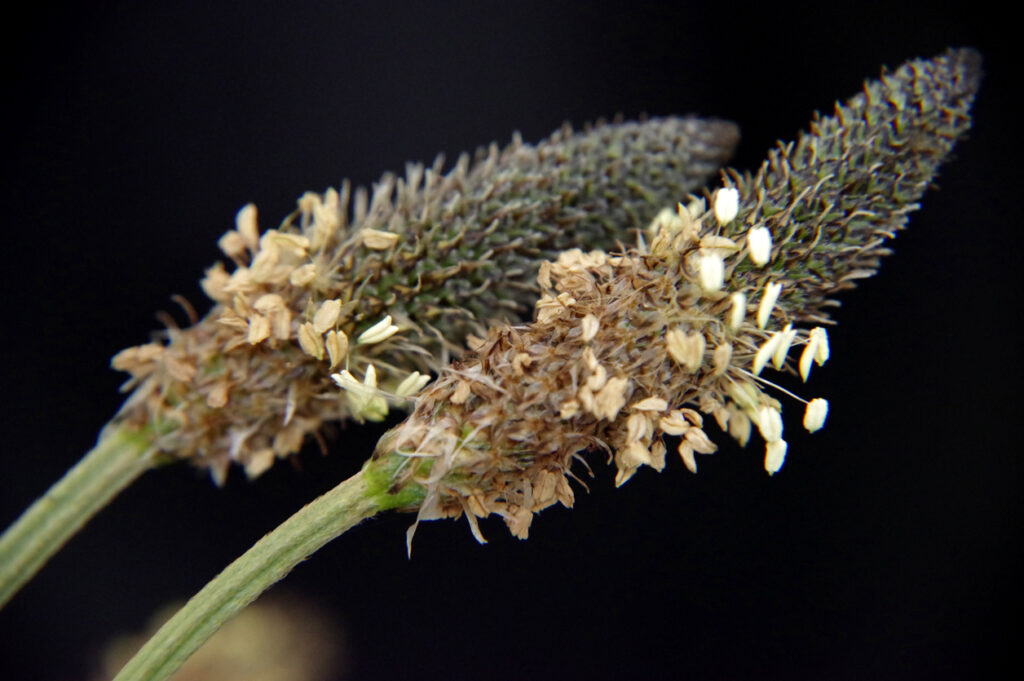
Broadleaf plantain, common in meadows and along footpaths, reacts subtly to falling air pressure. Its wide leaves press closer to the ground when stormy weather is on the way, creating a low, shield-like shape that reduces damage.
While not as obvious as a closing flower, this change has long been noted by walkers and farmers. Flattened leaves are a warning that wind and heavy rain are likely, even before the first drops fall.
8. Oxeye daisies close with approaching rain.
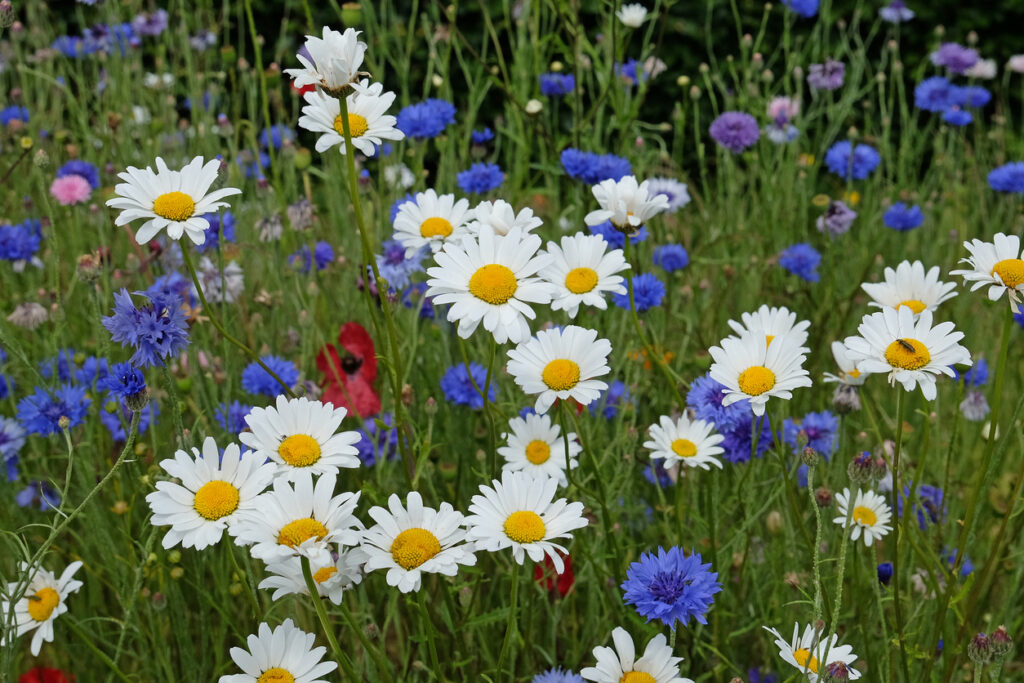
These cheerful white flowers with golden centres are sensitive to moisture in the air. As humidity rises and rain draws near, the petals fold inward, giving them a drooping, closed appearance.
The daisies reopen as soon as conditions improve, which makes them reliable real-time forecasters. If the meadow daisies have all shut their faces, it is usually wise to grab an umbrella.
9. Bindweed twists tighter in dry spells.
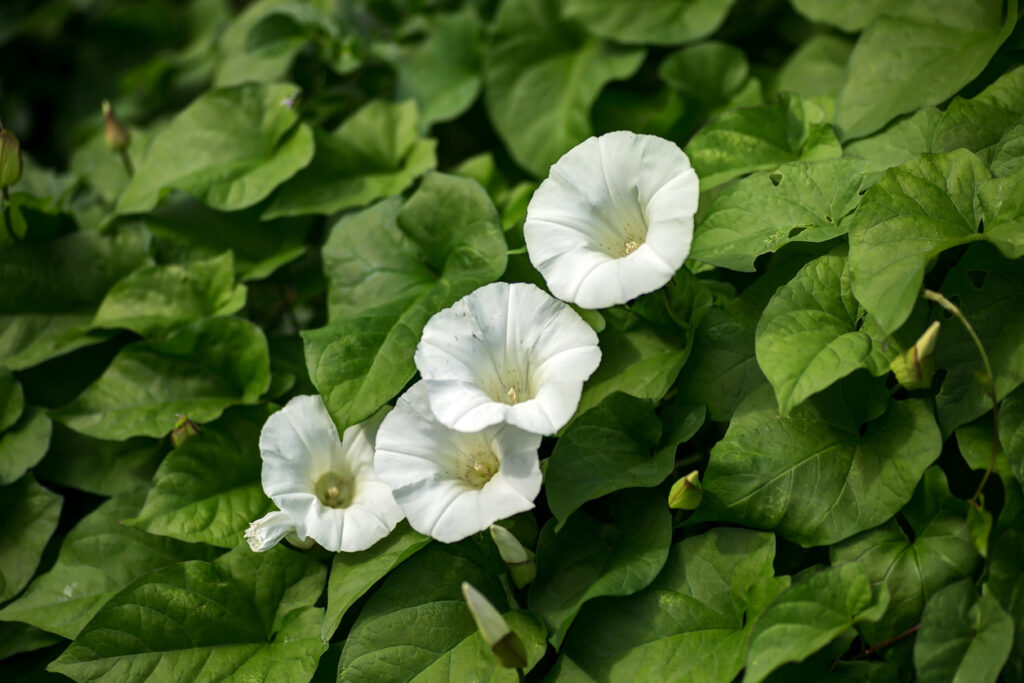
Not all plant indicators point to rain. Bindweed, a climbing plant often cursed by gardeners, reacts to dry weather by twisting its blooms more tightly. This reduces water loss and helps the plant conserve its limited resources.
For anyone paying attention, this habit is just as telling as flowers that close in the rain. If bindweed looks unusually wound up, it is a sure sign that the air is drying and rain is unlikely.
10. Marigolds shut their faces before rain.
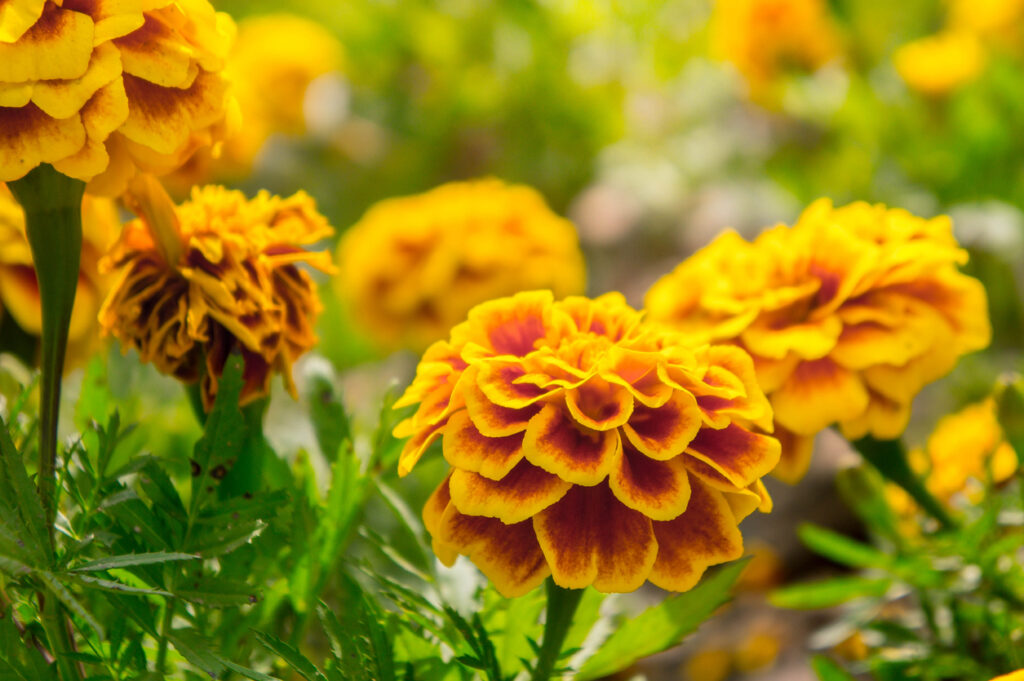
Marigolds, with their bold yellow and orange flowers, are quick to fold up their petals when rain approaches. The action protects the pollen inside and prevents water damage, keeping the flowers in good condition.
Generations of gardeners have treated marigolds as a dependable rain warning. If your flowerbeds suddenly look less cheerful, it is almost always because the weather is about to turn.
11. Scarlet pimpernel earns its nickname.
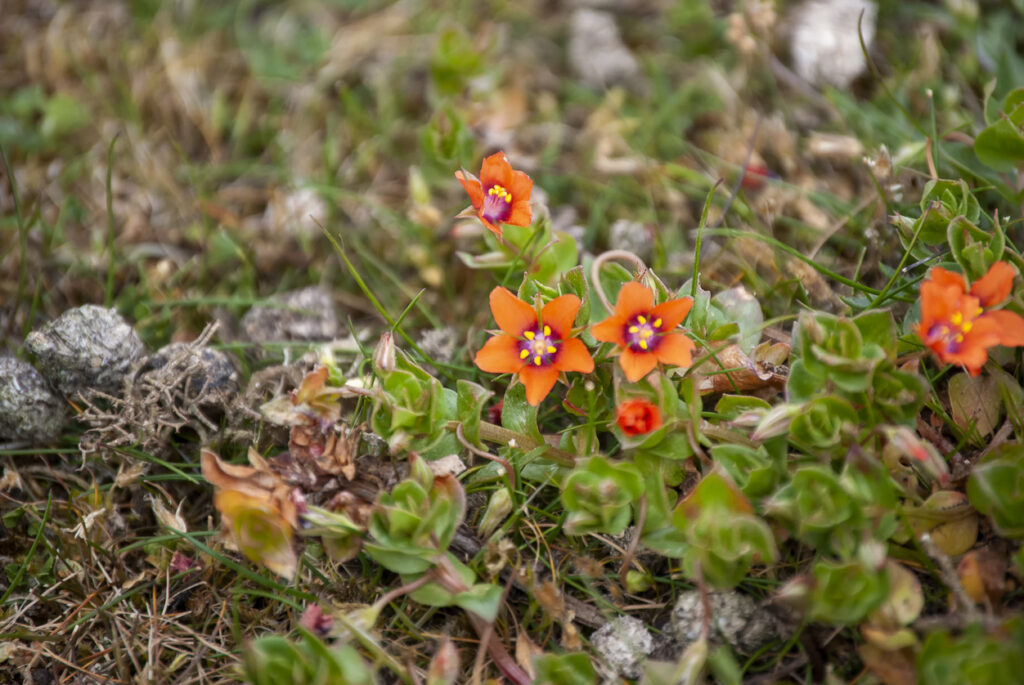
The scarlet pimpernel is sometimes called the “poor man’s weather glass” because it reliably closes its small red flowers ahead of showers. It has been noted in folklore for centuries as a rain predictor.
Although it looks like a modest wildflower, its accuracy is impressive. Spotting it tightly shut in the morning has long been taken as a sign of wet weather ahead.
12. Morning glories respond to sunlight.
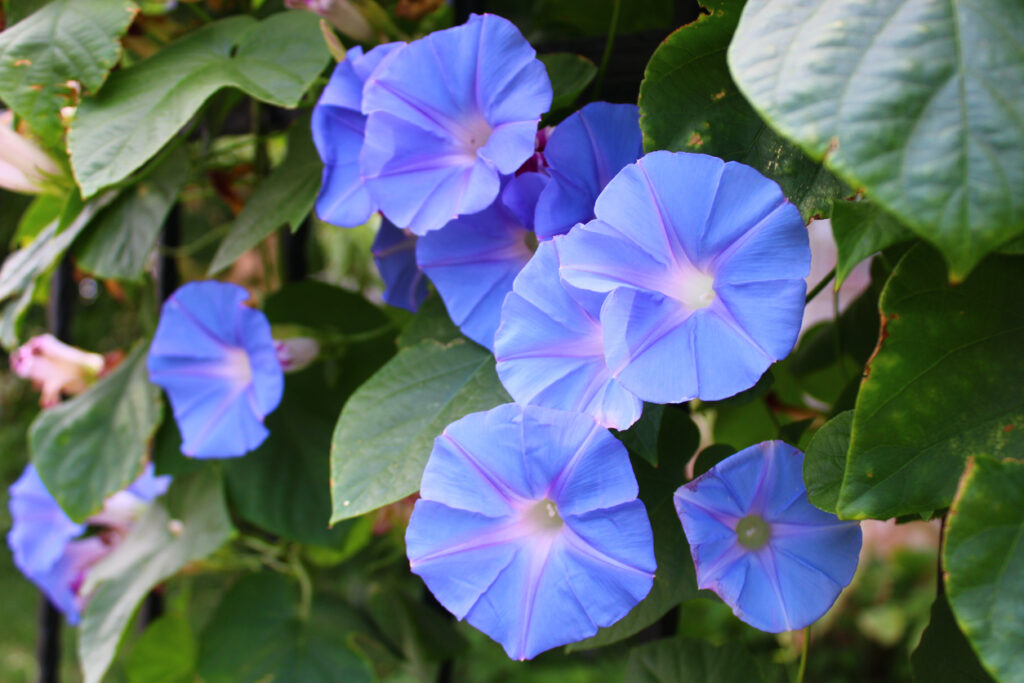
Morning glories open wide in bright light, but close when skies turn grey or the air grows damp. This sensitivity makes them handy indicators for whether a day will stay clear or become unsettled.
While they are often grown as ornamental climbers, their changing blooms also make them quiet forecasters. A row of closing morning glories is nature’s way of telling you not to trust the sunshine for long.
13. Weather lore makes use of plant habits.
Across Britain, plant behaviour has been tied to sayings and folklore. Lines like “When pimpernel’s shut, rain you will get” are old but rooted in the real observations of country people.
Even today, these traditional cues can add a layer of insight. While forecasts are more precise, the sight of flowers closing or leaves folding is a reminder that nature still offers its own predictions.
Plants have always been sensitive to subtle changes in moisture, pressure, and light, which is why they often seem to know what’s coming before we do. From clovers folding to daisies drooping, they show that the weather forecast is often written right into the garden itself.