Most plants would throw a fit if you dumped them underwater, but a surprising few are built to thrive down there.
While all plants (well, pretty much all of them) require a bit of moisture to thrive, too much can kill them off for good. However, these aquatic survivors don’t just cope with being flooded, they flourish, turning soggy conditions into their own personal paradise.
1. Water lilies float like royalty.
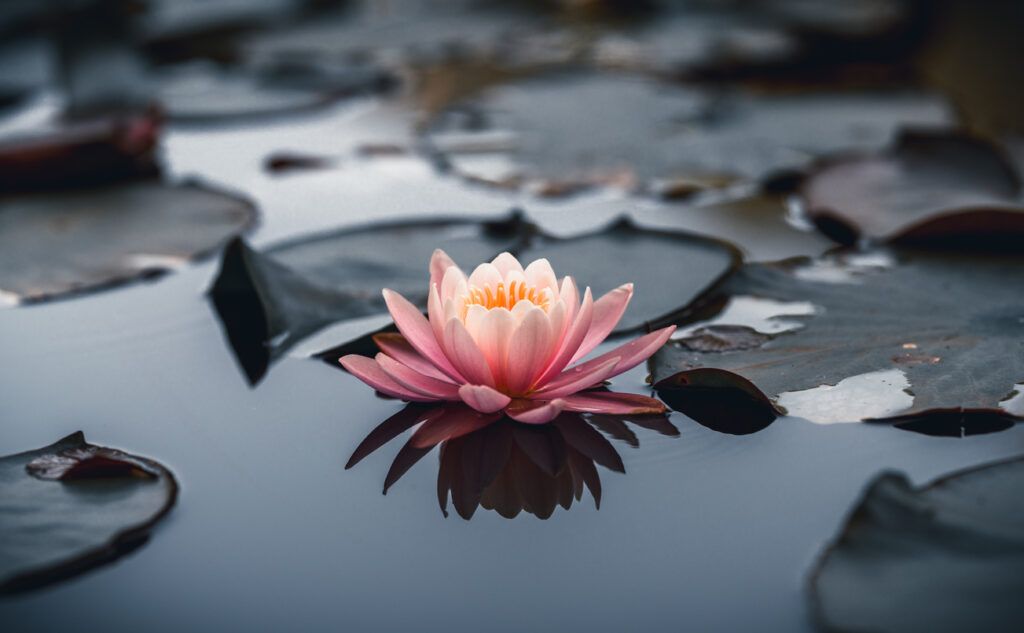
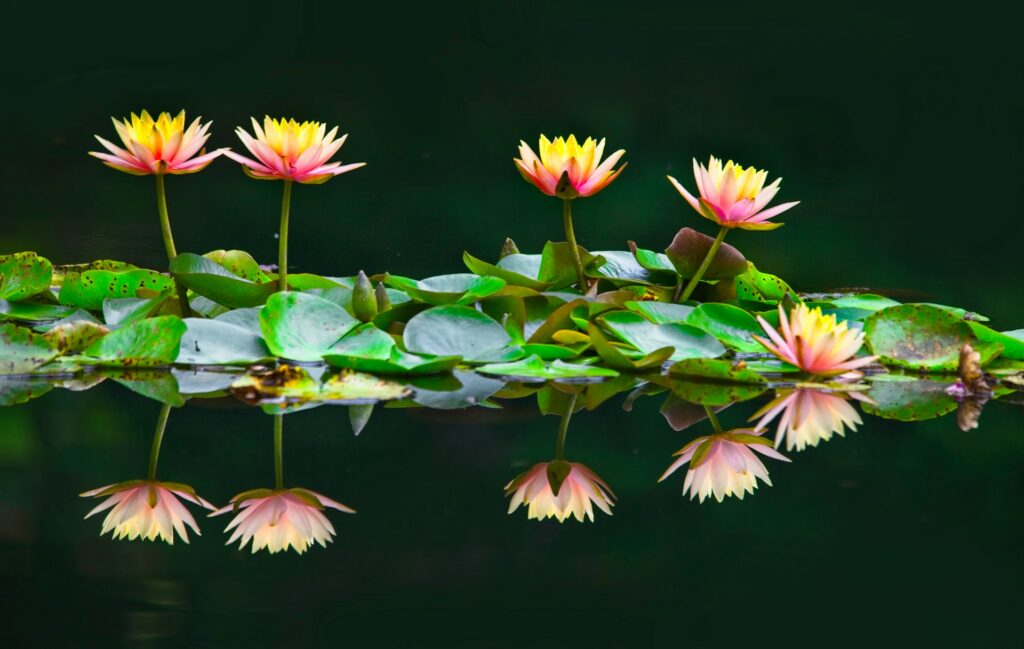
Water lilies are the ultimate pond celebrities. Their large leaves spread across the surface, soaking up sunlight, while their roots anchor deep below. Completely submerged stems support those iconic flowers that look like they’re lounging lazily in style.
They’ve mastered the art of balance. With roots happy in the mud and blooms basking above, water lilies prove that plants can multitask underwater while still stealing the show with their colourful, picture-perfect petals.
2. Hornwort has no need for roots.
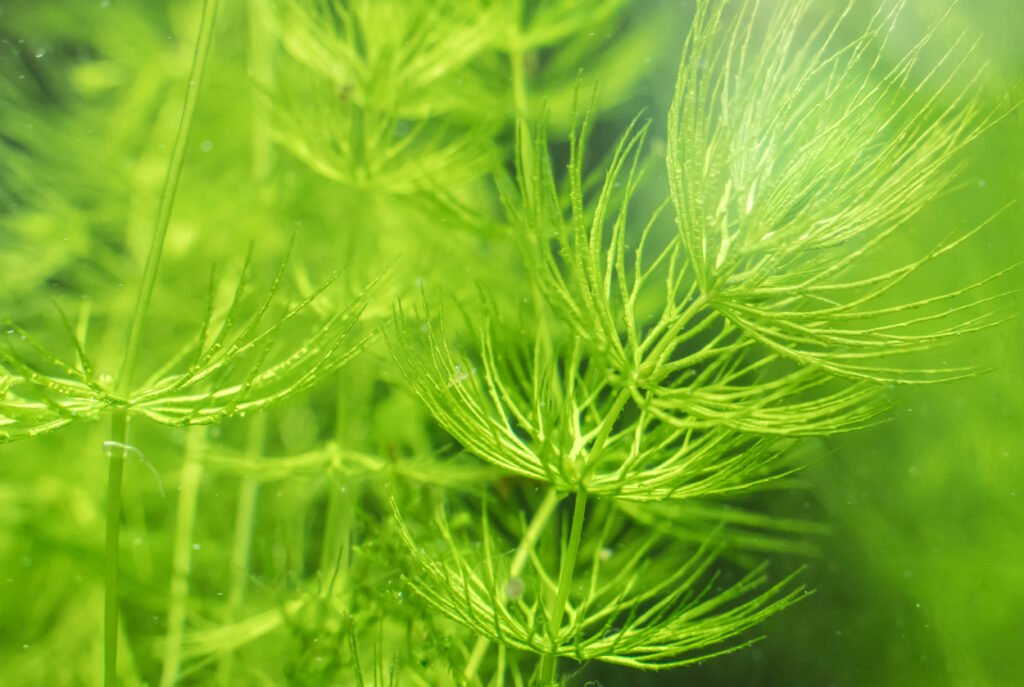
Hornwort is the carefree wanderer of the aquatic plant world. Unlike most plants, it doesn’t even bother with roots. It just floats around in streams, lakes, and aquariums, looking effortlessly at home wherever the current takes it.
That root-free attitude is actually genius. By absorbing nutrients straight from the water, hornwort keeps life simple and stress-free. It’s basically the laid-back drifter of the plant kingdom, perfectly designed to thrive while fully submerged.
3. Eelgrass creates underwater meadows.
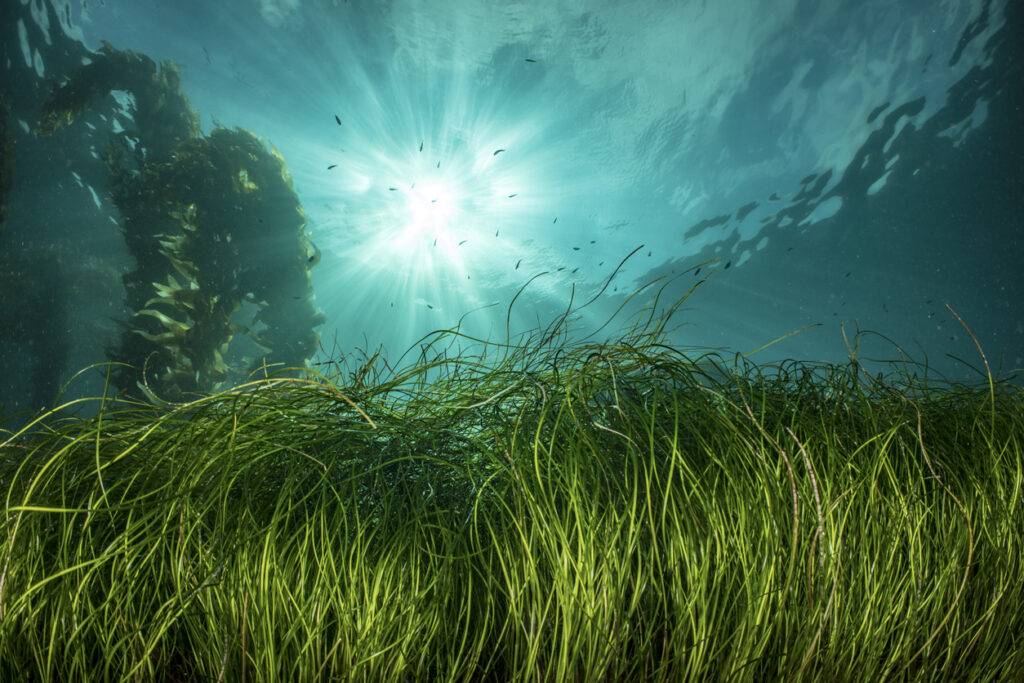
Eelgrass forms sweeping fields under the sea, swaying gracefully with the currents. It might look delicate, but it’s one of the toughest underwater plants, building entire ecosystems for fish, crabs, and seahorses to call home.
Their strength lies in teamwork. Eelgrass meadows provide food, shelter, and even protection from erosion. These submerged survivors show that being completely underwater doesn’t mean isolation, it can mean creating a bustling community instead.
4. Cabomba adds flair to aquariums.

With its feathery green leaves, cabomba looks like it belongs in an underwater fashion show. Often used in aquariums, it thrives fully submerged and adds a soft, flowing texture that fish love to dart through.
It’s not just decorative, though. Cabomba oxygenates water while it grows, helping its tank-mates breathe better. So while it brings the style points, it’s also a practical team player in its watery environment.
5. Vallisneria grows like ribbons.
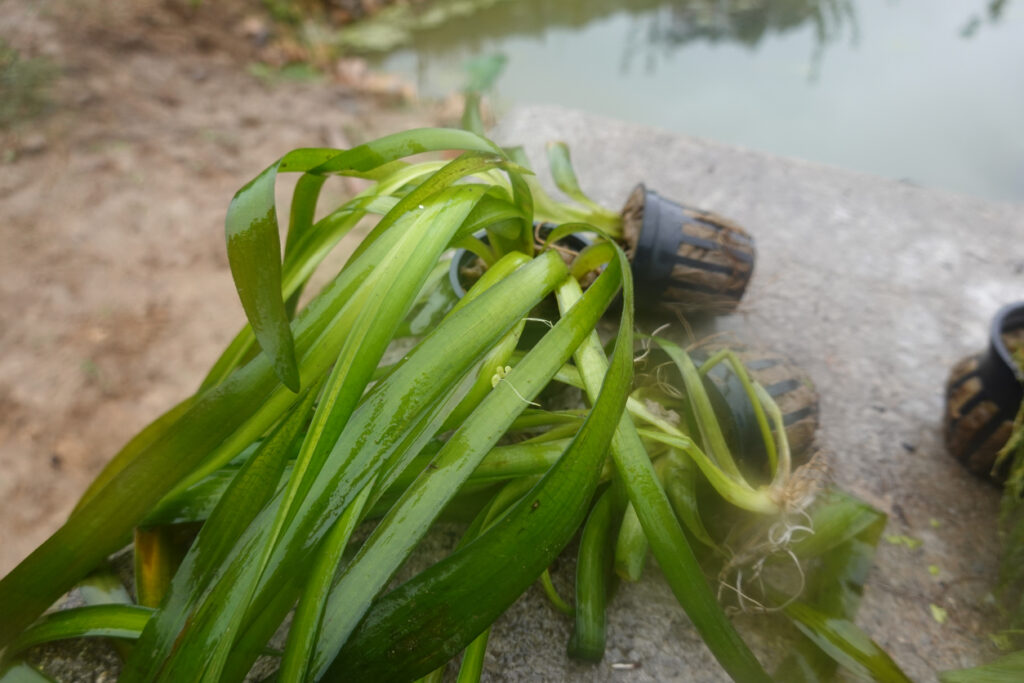
Also called eelgrass by freshwater fans, vallisneria shoots out long, ribbon-like leaves that can stretch impressively tall. Entire lakes and aquariums end up carpeted in its flowing green strands, which look like underwater forests.
The appeal is in its adaptability. Vallisneria thrives in both shallow ponds and deeper waters, and it provides shade and shelter for aquatic life. This makes it one of the most versatile underwater survivors.
6. Lotus keeps its cool under pressure.
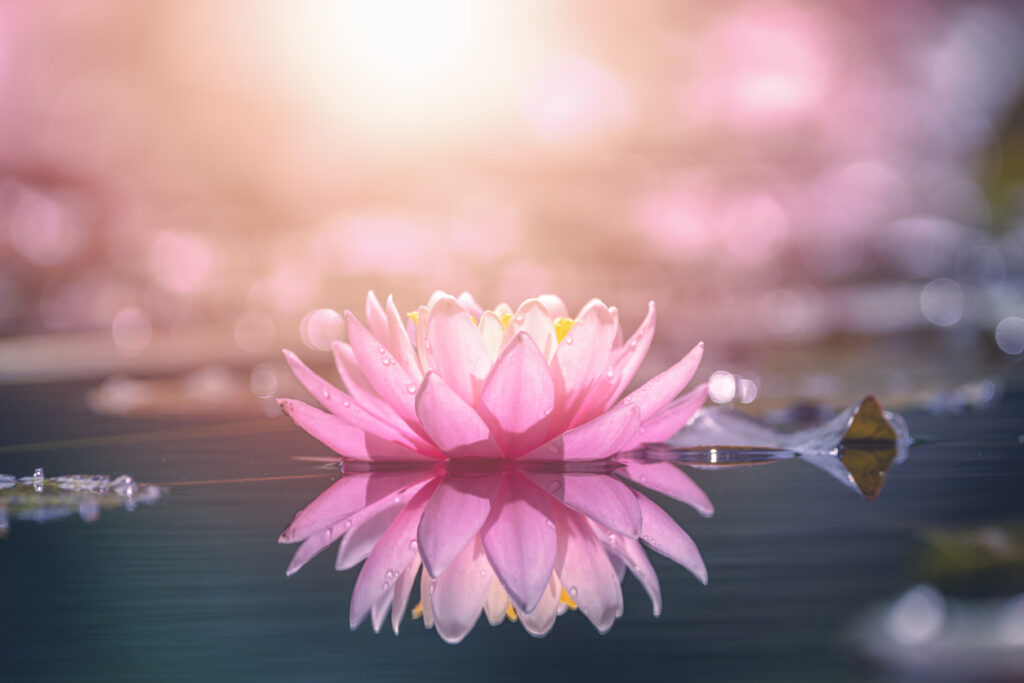
Lotus plants are best known for their dramatic blooms, but they’re also champions at surviving submerged conditions. Their roots sit happily underwater, sending up thick stems that break the surface in spectacular style.
Even when their seeds sink to the mud, they can remain viable for years, waiting to sprout. That kind of patience and resilience makes the lotus more than beautiful, it makes it one of nature’s toughest survivors.
7. Anacharis thrives in almost any water.
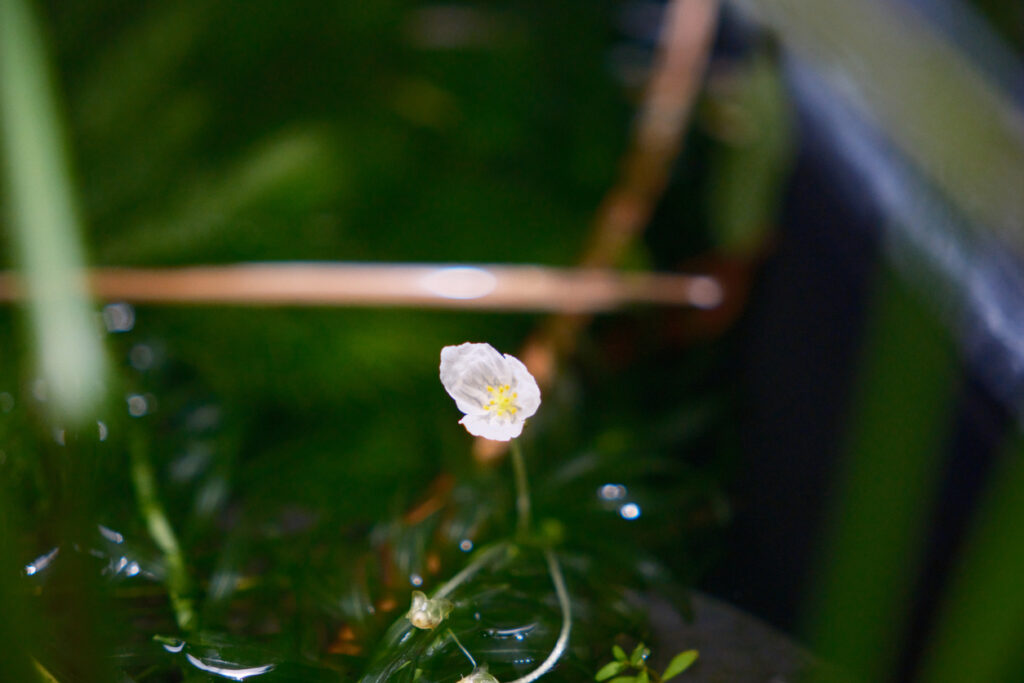
Anacharis, sometimes called waterweed, is like the enthusiastic overachiever of the aquatic world. Drop it in ponds, streams, or aquariums, and it takes off, creating dense greenery that thrives even when fully submerged.
Its eagerness has a practical side too. By absorbing excess nutrients, it keeps water cleaner and healthier for fish and other wildlife. It may be a fast grower, but it’s also an effective underwater caretaker.
8. Hydrilla adapts a little too well.

Hydrilla is the plant that refuses to be ignored. Once introduced, it spreads quickly and dominates water systems, thriving fully submerged and often overwhelming local species in the process. It’s both impressive and a bit of a menace.
Its adaptability is what makes it so successful. Hydrilla can survive in low light, shallow water, or deep conditions. While it’s invasive in many places, its survival skills are undeniably remarkable.
9. Waterweed supports aquatic life.

Common waterweed, found across lakes and slow-moving rivers, is a classic submerged survivor. Its long, branching stems create shelter for small creatures and food for fish, making it an important piece of many aquatic ecosystems.
It’s a great reminder that not all underwater plants are showy. Some, like waterweed, quietly keep ecosystems running smoothly, proving that survival and usefulness can matter more than flashy looks.
10. Bladderwort hunts while it grows.
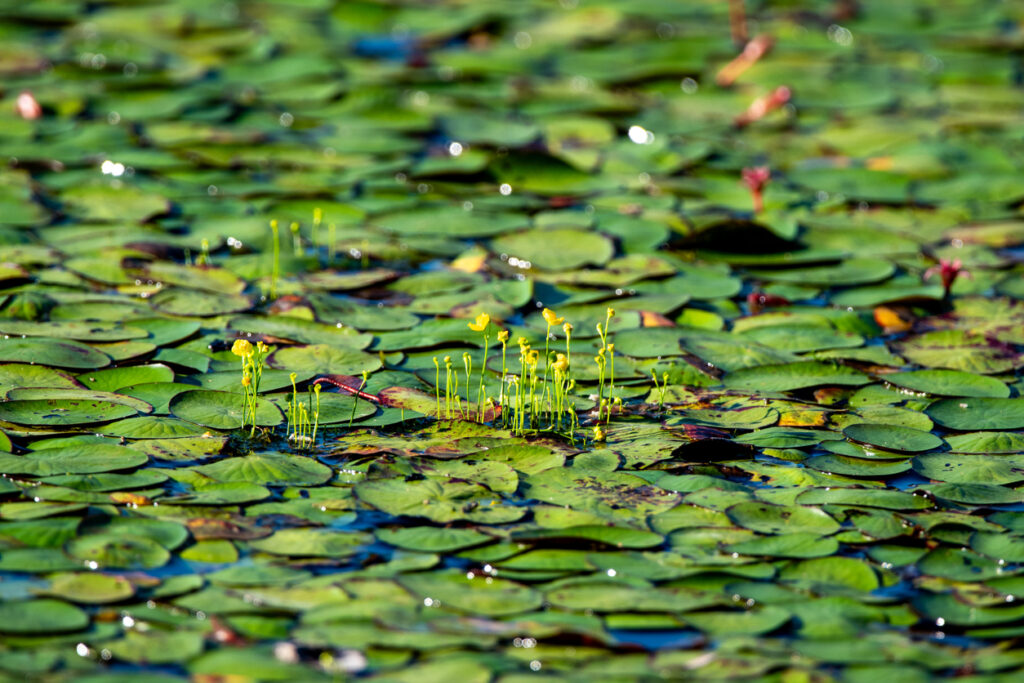
Unlike most underwater plants, bladderwort adds a touch of drama. It’s carnivorous, using tiny bladder-like traps to suck in microscopic prey while still managing to look elegant with its finely divided leaves.
Its survival strategy makes it stand out. Bladderwort proves that even underwater plants can go bold, combining beauty with a predatory twist that ensures it gets all the nutrients it needs.
11. Pondweed comes in many forms.

Pondweed isn’t a single plant but a whole family, with species thriving across ponds, rivers, and lakes. Many types live entirely submerged, producing leaves and stems that bend and flow with the water’s movement.
The variety is its strength. With different species adapted to different conditions, pondweeds ensure survival almost anywhere water collects, making them some of the most adaptable aquatic plants out there.
12. Tape grass stretches towards the surface.
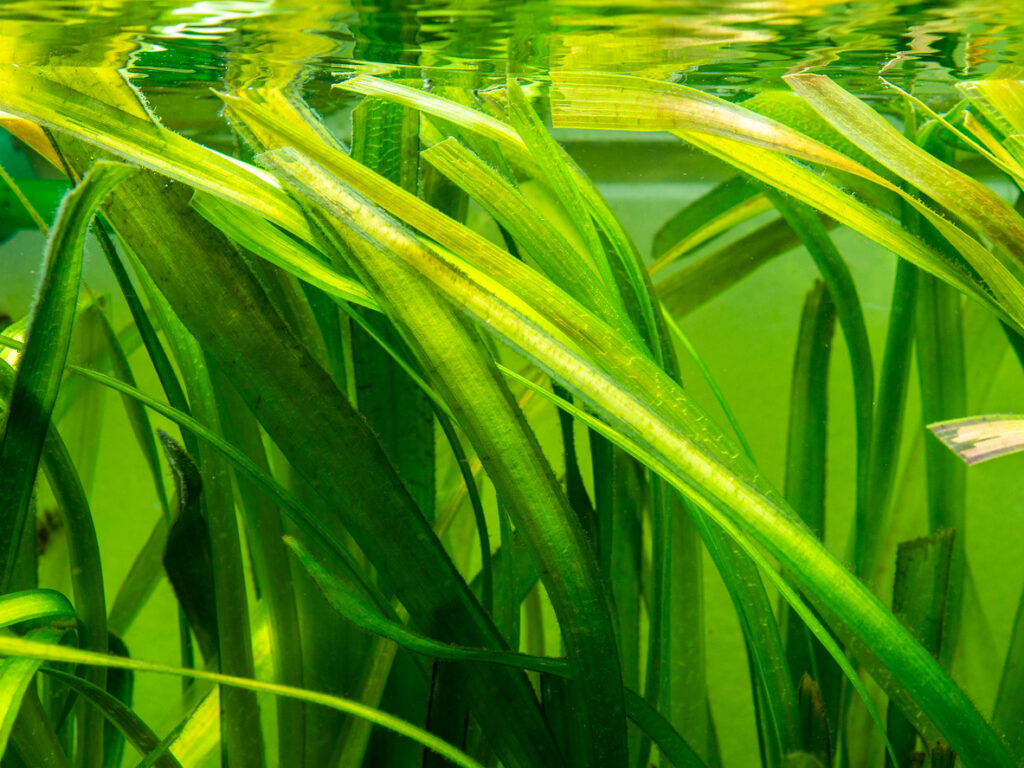
Tape grass sends up long, flat leaves that reach upwards like ribbons, forming dense beds under the water. Entire stretches of rivers and lakes can end up covered in its flowing greenery, creating a striking underwater view.
Its survival lies in its resilience. Whether in fast-moving streams or calmer lakes, tape grass holds steady, oxygenates the water, and provides cover for countless fish and insects, proving its vital role beneath the surface.