You might think going a day without snacks is torture, but some animals survive months or even years without a single meal.

These creatures have evolved incredible survival superpowers that let them outlast famines, droughts, and harsh conditions that would have the rest of us ordering a takeaway within hours. It’s not necessarily that they don’t need sustenance, but that they get it in different ways (and store it differently once they have it).
1. Tardigrades can survive decades without eating anything.
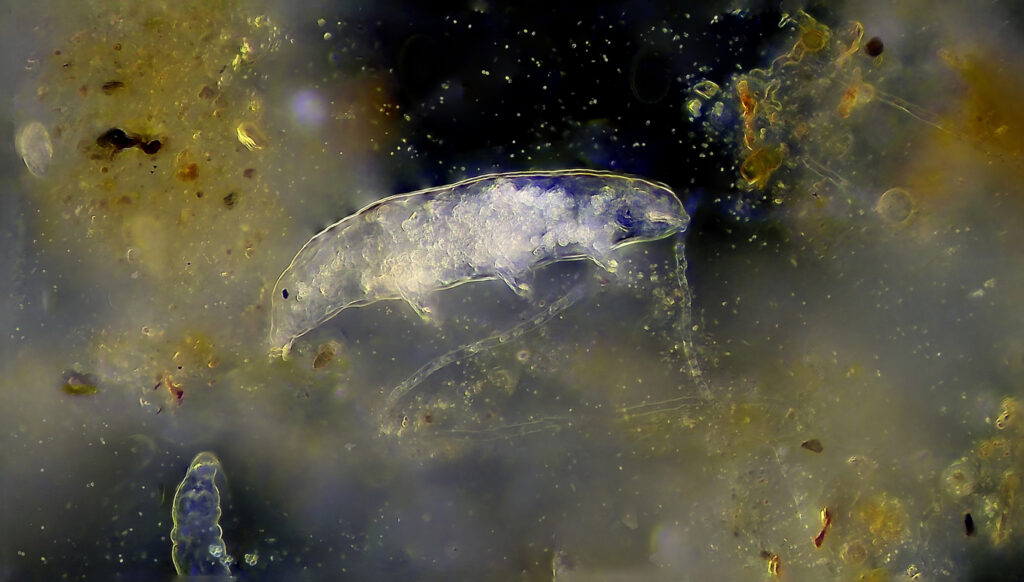
These microscopic “water bears” are basically indestructible little blobs that can shut down their entire metabolism when food runs out. They curl up into a dried-out ball called a tun state and wait it out for up to 30 years without needing so much as a snack.
When conditions improve, they just add water and spring back to life like the world’s tiniest instant noodles. Scientists have revived tardigrades from this state after finding them in museums, proving these guys are the ultimate meal preppers.
2. Emperor penguins fast for four months straight during breeding season.
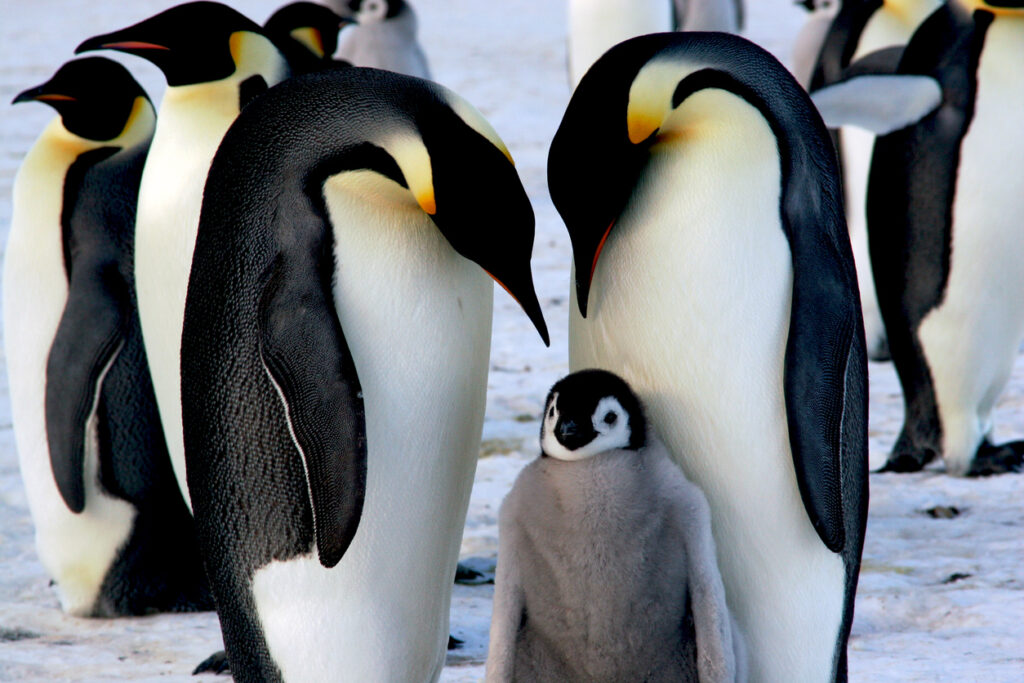
Male emperor penguins literally don’t eat for the entire Antarctic winter while they’re incubating eggs on their feet. That’s four months of standing around in -40 °C weather with no food, living off their body fat like walking storage units.
They can lose up to 45% of their body weight during this marathon fast, which would be like you shrinking from 150 lbs/68 kg to 82 lbs/37 kg. They do this willingly every single year because they’re dedicated dads.
3. Crocodiles can go a year without food when necessary.
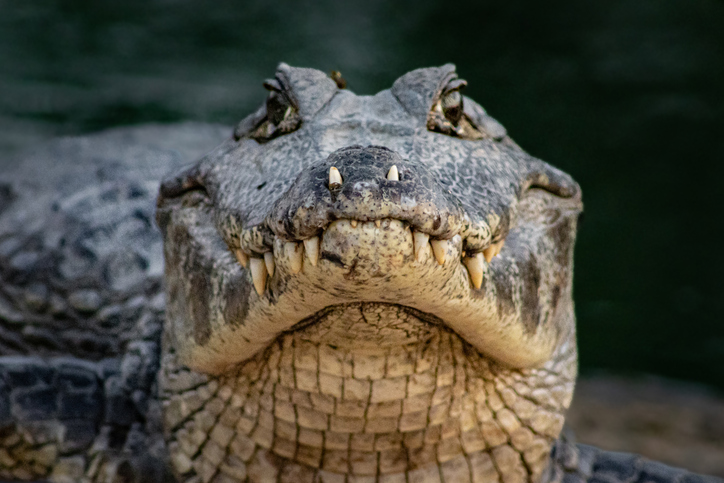
These ancient predators have mastered the art of doing absolutely nothing when food is scarce. They can slow their metabolism down so much that they barely need any energy, basically becoming living statues that occasionally blink.
A crocodile will literally just lie there for months waiting for something edible to wander by, which is probably the most patient hunting strategy ever invented. They’re the ultimate couch potatoes, except their couch is a riverbank, and they’re waiting to eat you.
4. Olm salamanders might not eat for 10 years.
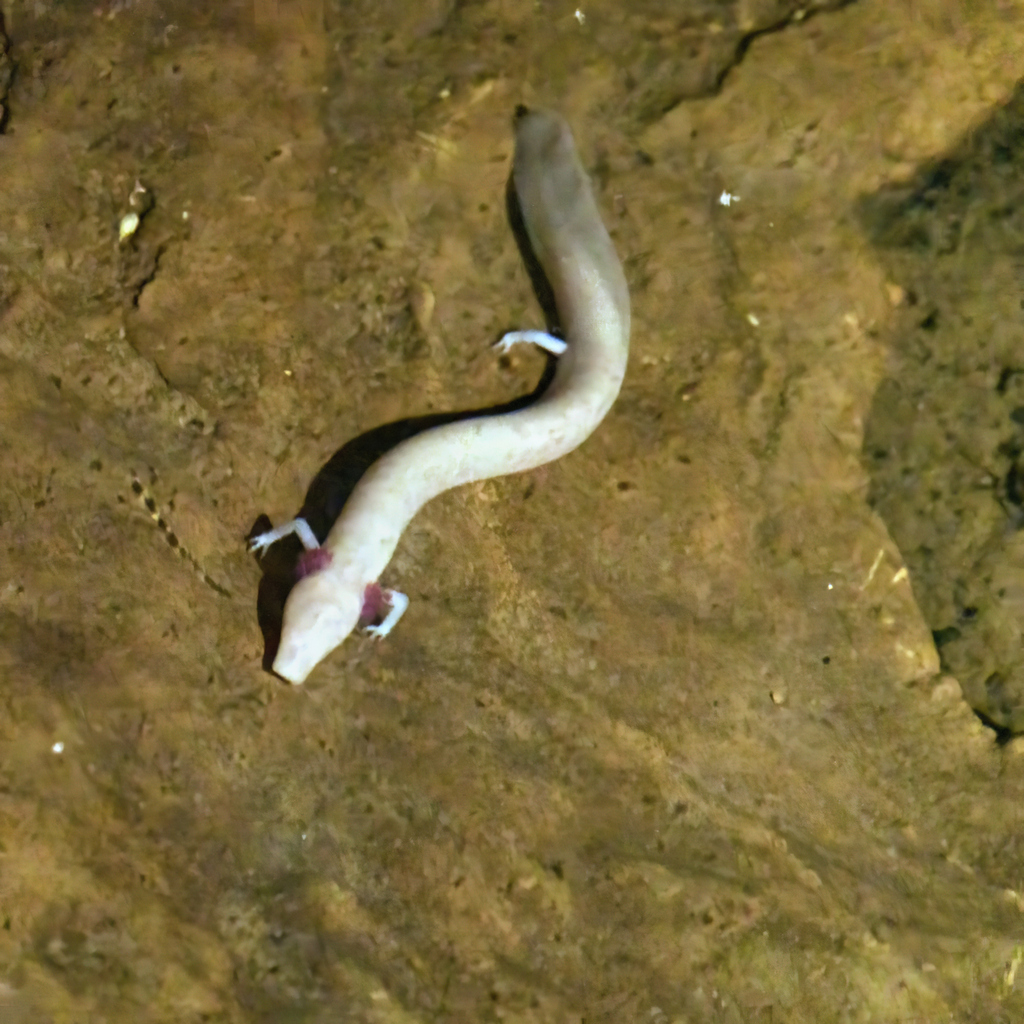
These pale, blind cave-dwelling salamanders live in such nutrient-poor environments that they’ve basically given up on regular meals. They can survive an entire decade without food by slowing their metabolism to almost nothing.
Olms live in caves where food is so rare that finding a meal is like winning the lottery. So they’ve evolved to be incredibly efficient with energy, moving as little as possible and growing extremely slowly over their 100-year lifespans.
5. Cockroaches can survive a month without food (but only a week without water).
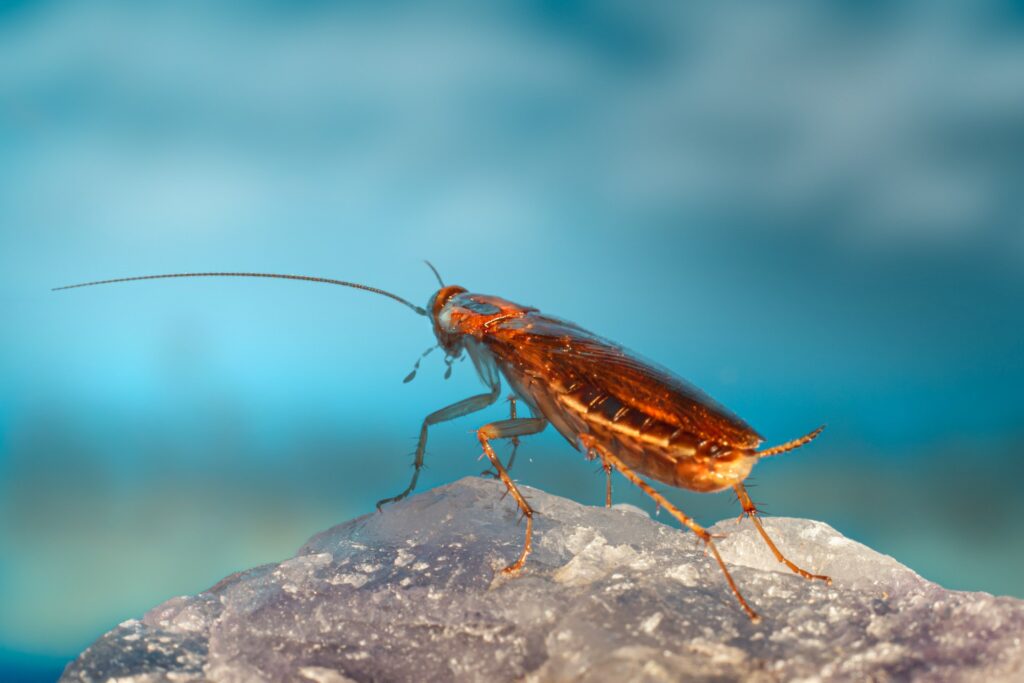
These apocalypse survivors can go about 30 days without eating anything, which explains why they’re so hard to get rid of once they move into your kitchen. They’re basically living off their stored body fat and any tiny crumbs they can find.
Ironically, these food-fasting champions will die much faster without water than without food. So while they can ignore your sandwich for weeks, they’ll desperately seek out that dripping tap in your bathroom.
6. Scorpions can fast for up to a year.
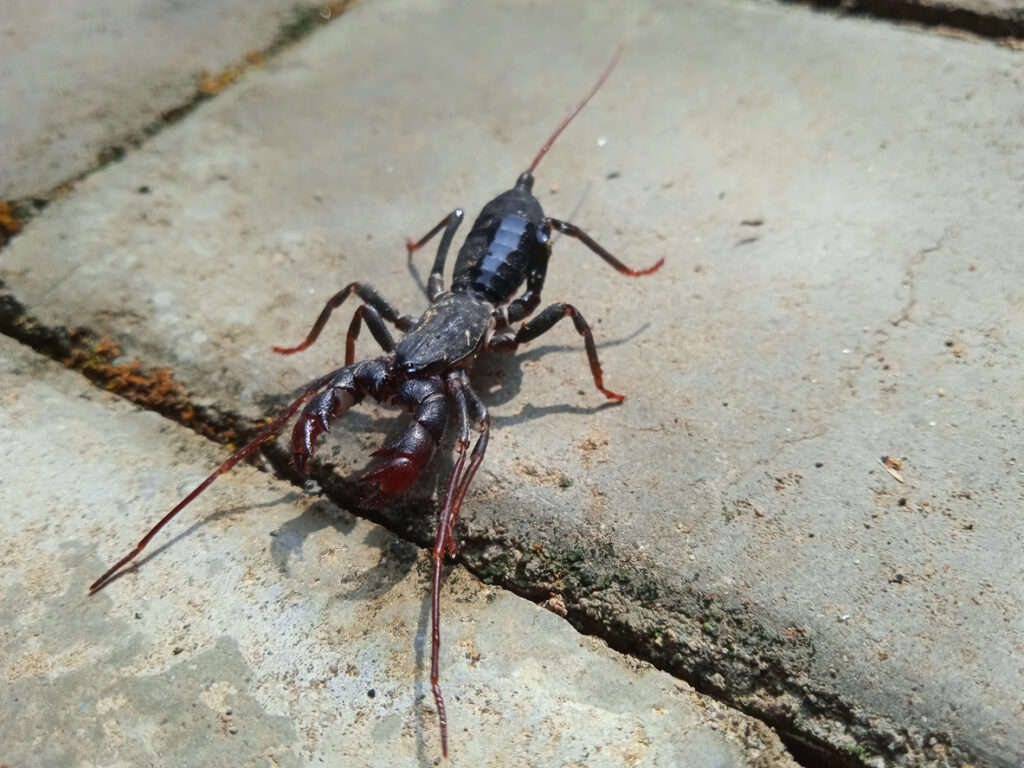
These desert warriors have such slow metabolisms that they only need to eat about 50 meals per year to survive. When food becomes scarce, they can easily go 6 to 12 months between meals without breaking a sweat (if they could sweat).
A scorpion uses so little energy that a single cricket can fuel them for days. They’re basically the hybrid cars of the animal kingdom, getting incredible mileage out of every meal they catch.
7. Bears fast for up to seven months during hibernation.

Bears spend their entire winter sleeping without eating, drinking, or even going to the bathroom for up to seven months. They survive entirely off their stored body fat, while their heart rate and breathing slow way down.
Mother bears even give birth and nurse cubs during hibernation without waking up or eating anything. They take a power nap that lasts half the year, and somehow they wake up ready to immediately start looking for food again.
8. Camel spiders can survive 10 months without eating.
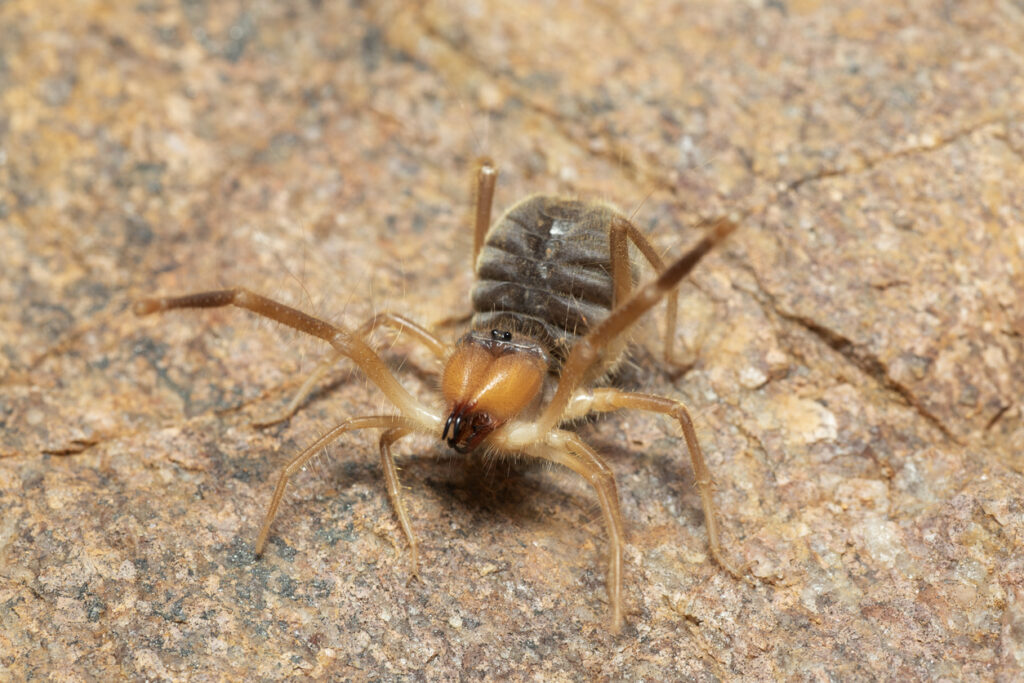
Despite their terrifying appearance, these desert arachnids are actually incredible at conserving energy when prey is scarce. They can go nearly a year without food by becoming completely inactive and waiting for better times.
When a camel spider finally catches prey after months of fasting, they make the most of it by eating until they’re so stuffed they can barely move. It’s like Black Friday shopping but for food, and it only happens once or twice a year.
9. Ticks can wait three years between blood meals.
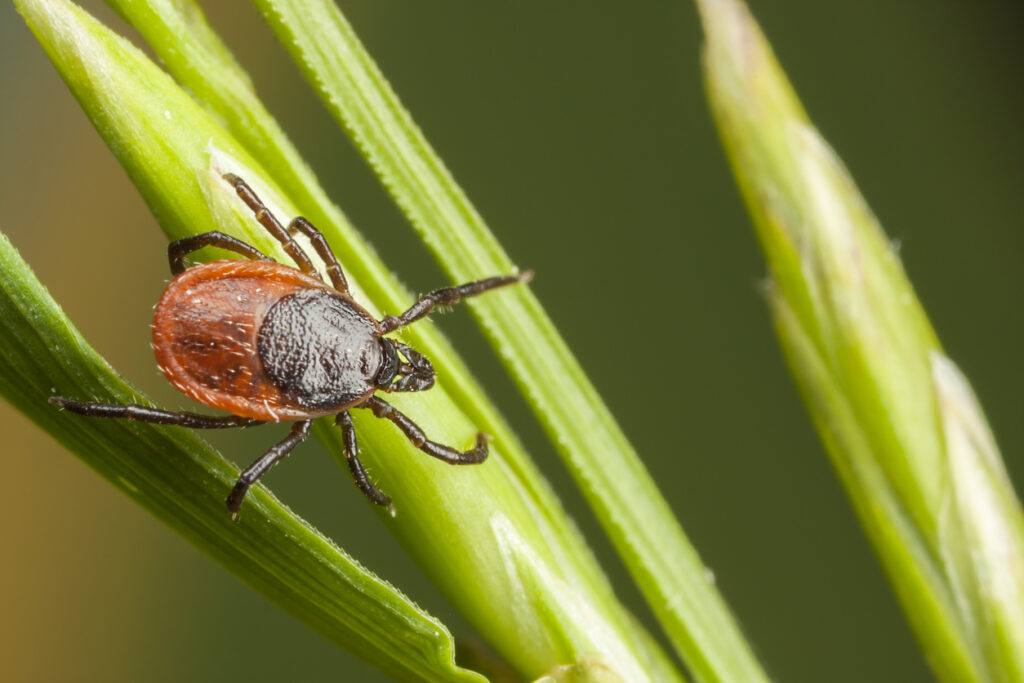
These tiny vampires are impossibly patient when it comes to finding their next meal. A tick can sit motionless on a blade of grass for literally years, waiting for a warm-blooded animal to brush against them.
They’re so energy-efficient that they barely use any calories while waiting, making them nature’s most dedicated ambush predators. When they finally latch onto a host, they gorge themselves until they’re 100 times their original size.
10. Lungfish can survive four years buried in mud without eating.
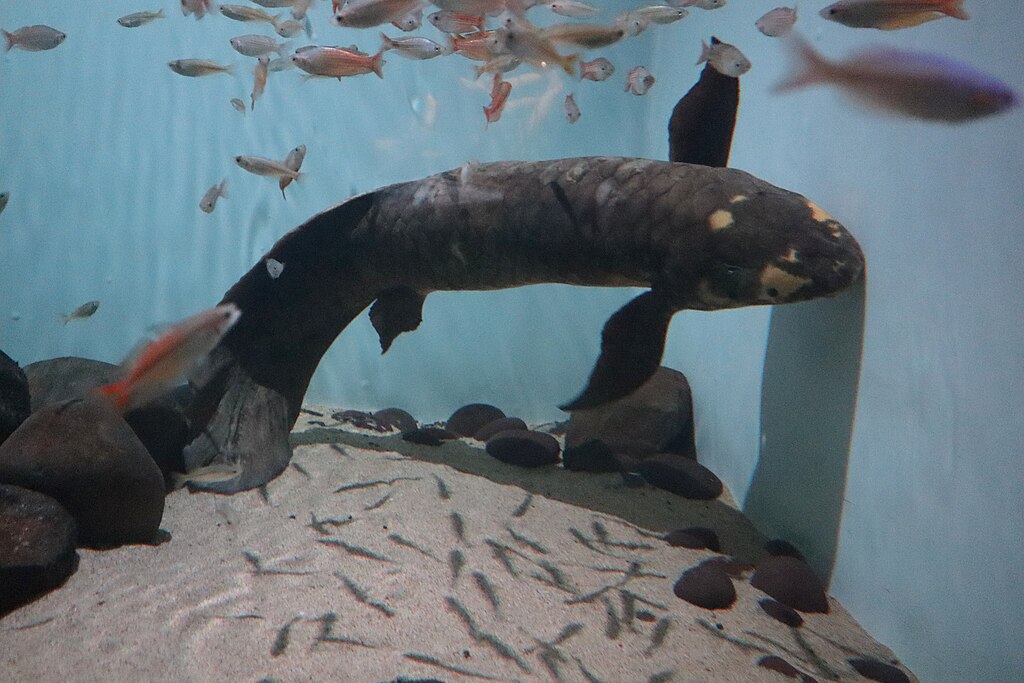
When their ponds dry up, lungfish burrow into the mud and enter a state called estivation, which is like hibernation but for hot, dry conditions. They can stay buried for up to four years waiting for rain to return.
During this time, they breathe air through a breathing tube to the surface and live off their muscle tissue and stored fats. It’s basically like being buried alive, except it’s voluntary, and they wake up perfectly fine when water returns.
11. Brine shrimp eggs can survive 25 years without hatching.
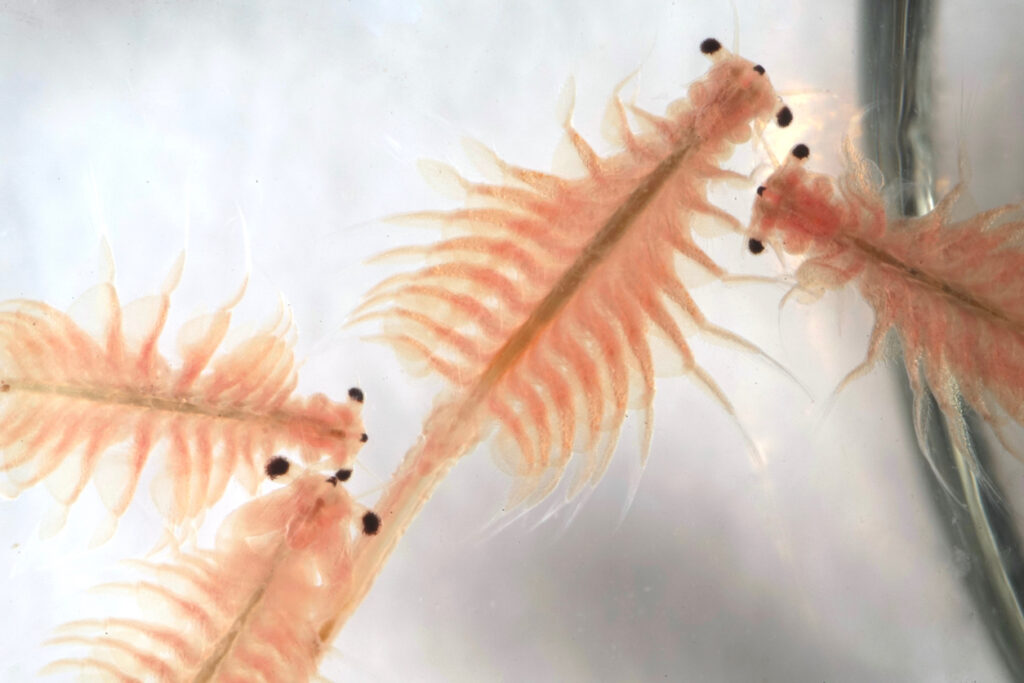
These tiny crustaceans have mastered the ultimate survival strategy by creating eggs that can wait decades for perfect conditions. The eggs can survive complete dehydration, freezing, and extreme heat while waiting to hatch.
When conditions finally become favourable, the eggs hatch almost instantly and the baby brine shrimp start eating immediately. It’s basically like having a 25-year-old meal ready to go the moment you add water, making them popular as “sea monkeys” in toy stores.
12. Arctic ground squirrels fast for eight months during hibernation.

These northern squirrels take hibernation to the extreme by sleeping through two-thirds of the year without eating anything. Their body temperature drops so low that they’re technically colder than freezing, but somehow don’t turn into ice cubes.
They wake up occasionally during hibernation just to shiver and warm up their core temperature, then go right back to sleep. They hit the metaphorical snooze button on life for most of the year while surviving off stored fat and muscle protein.