Clay soil frustrates many gardeners with its sticky texture, poor drainage, and rock-hard surface when dry.
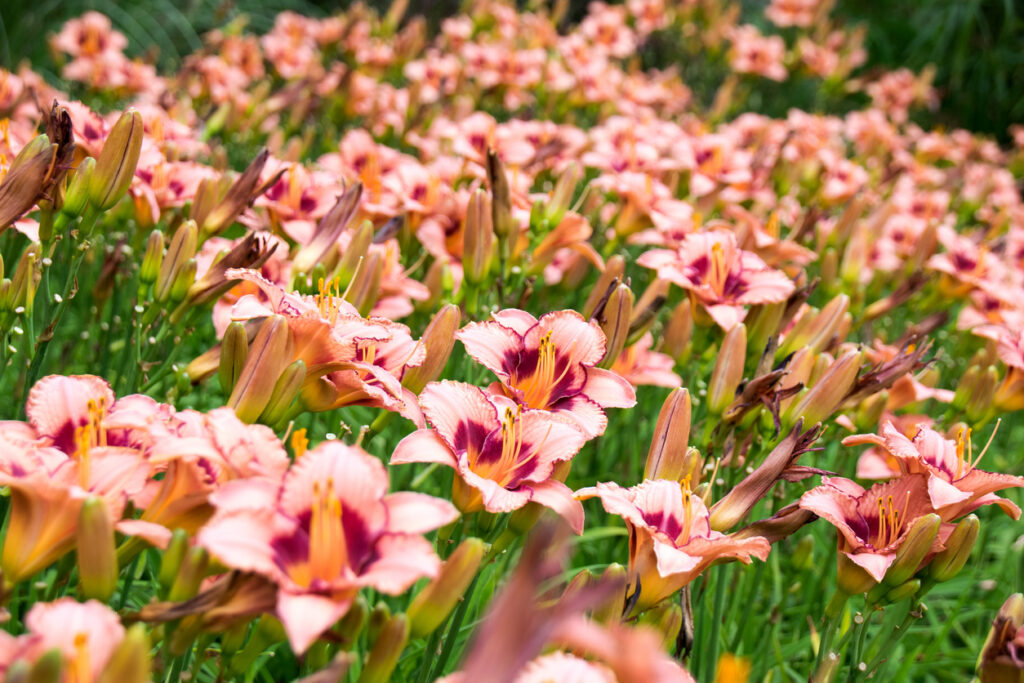
However, some plants actually prefer these challenging conditions and will flourish where others struggle or just die off. These tough performers can transform your clay garden from a problem area into a thriving landscape. If you’ve got a particularly troublesome bit of land you’d like to fill with some colour, here are some good bets.
1. Bergenia creates year-round structure.
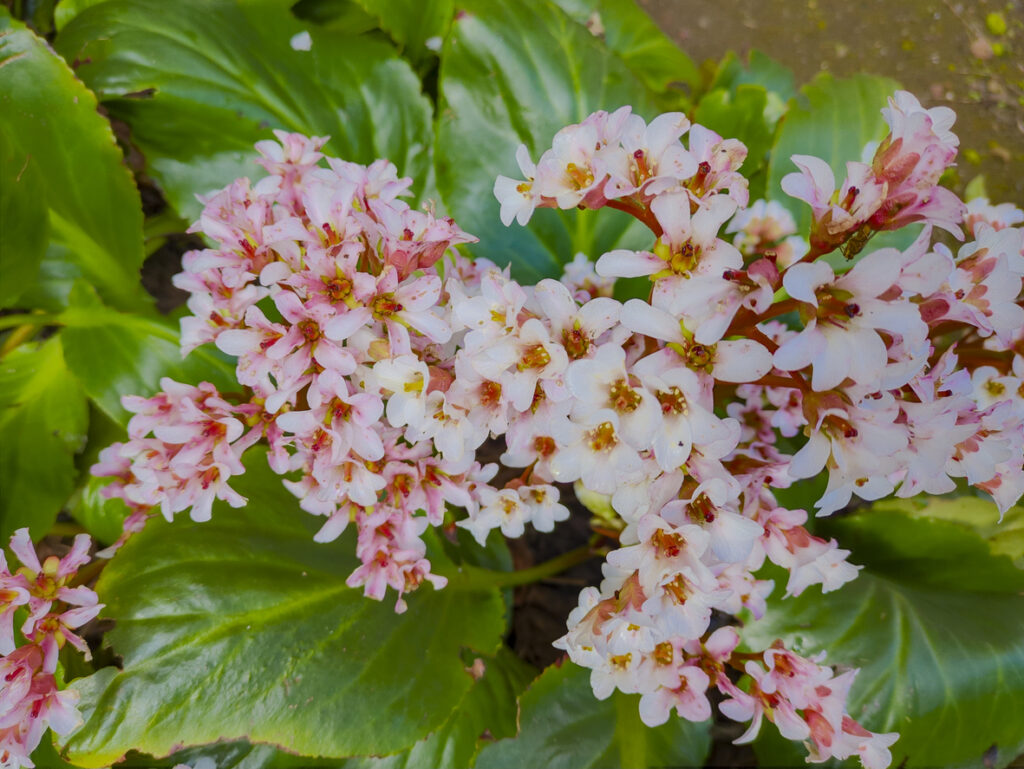
Bergenia’s thick, leathery leaves and sturdy root systems cope brilliantly with clay soil’s extremes. These evergreen perennials produce clusters of pink, white, or purple flowers in early spring and maintain attractive foliage throughout winter.
The plants form spreading clumps that gradually improve soil structure as their roots work through clay. Bergenia tolerates both waterlogged winter conditions and summer drought, making it perfect for unpredictable clay soil behaviour.
2. Japanese anemones spread through tough ground.
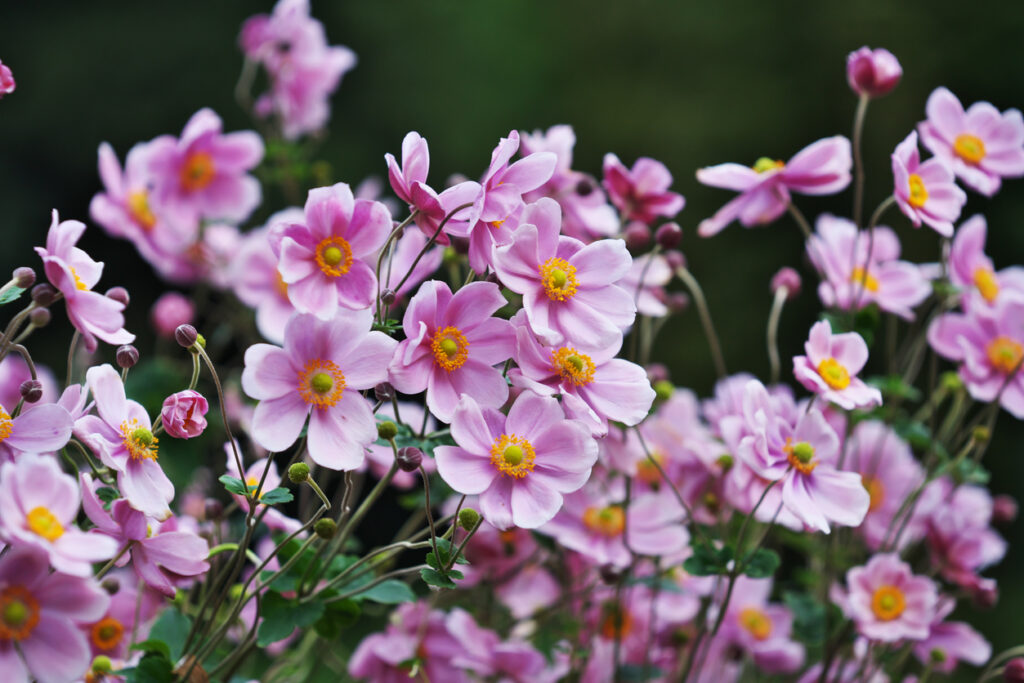
Japanese anemones have running root systems that can penetrate and break up heavy clay soil while also producing beautiful pink or white flowers from late summer into autumn. These hardy perennials establish slowly but become virtually indestructible once settled.
The plants reach 60-120 cm tall and spread naturally through underground runners, creating large colonies over time. Their deep roots help improve drainage, and their late-season flowers provide colour when many other plants are finishing.
3. Astilbe adds feathery texture to damp spots.
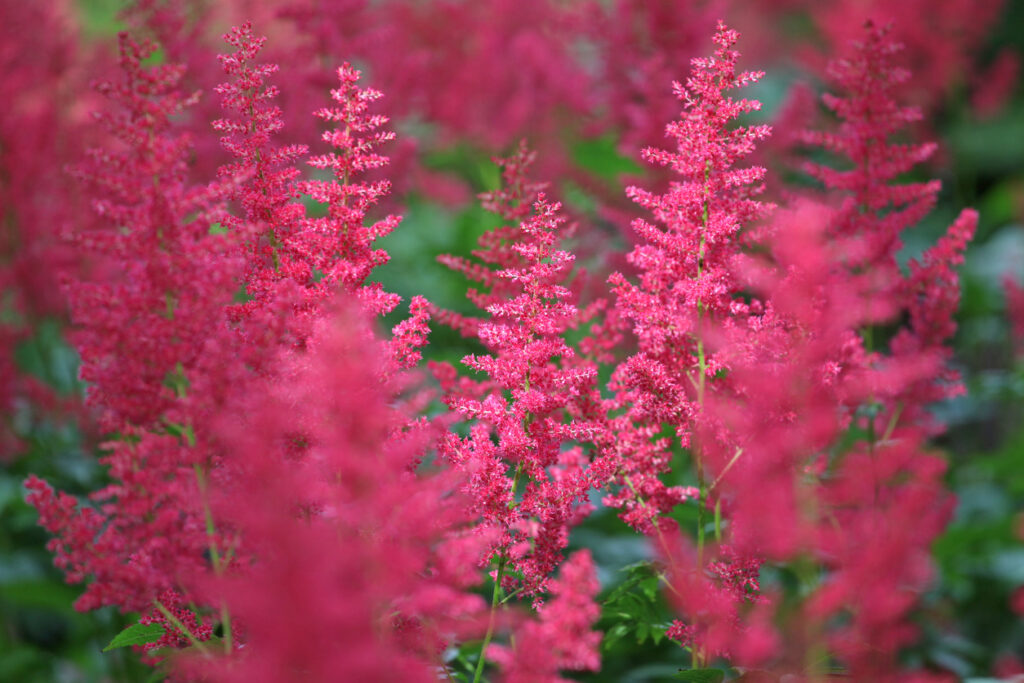
Astilbe thrives in the moisture-retentive properties of clay soil, producing plumes of feathery flowers in shades of white, pink, red, or purple. These perennials prefer partial shade and consistent moisture, both conditions that clay soil often provides.
The plants form neat clumps with attractive ferny foliage that remains appealing even after flowers fade. Astilbe works particularly well in areas where clay soil stays consistently moist throughout the growing season.
4. Heuchera brings colour to difficult areas.
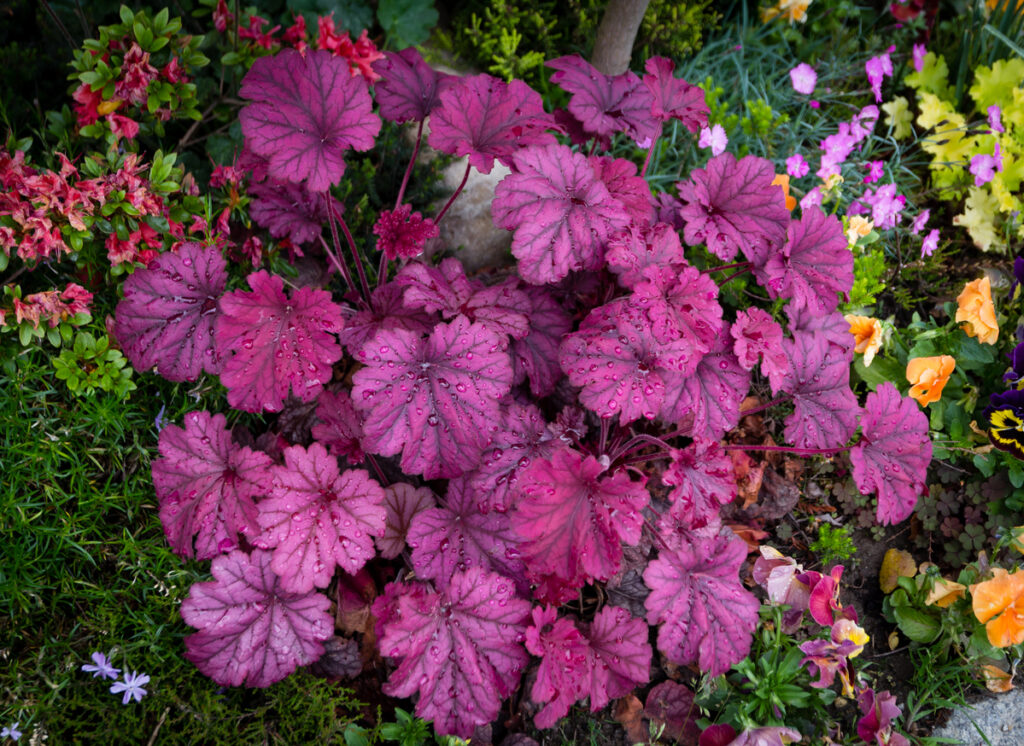
Modern heuchera varieties offer incredible leaf colours from purple and bronze to lime green and silver, all while tolerating clay soil conditions. These compact perennials produce delicate flower spikes above attractive mounded foliage.
Heuchera’s shallow root systems don’t mind clay’s density, and the plants actually benefit from the consistent moisture that clay retains. They provide year-round interest and work well as edging plants or in mixed borders.
5. Hardy geraniums carpet the ground.
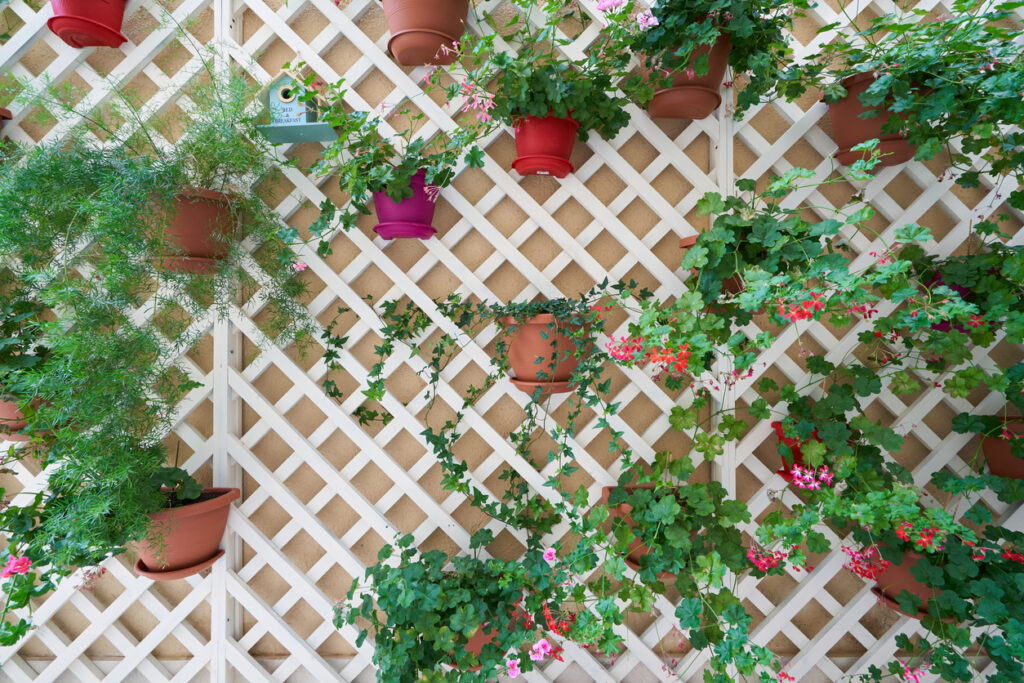
Many hardy geranium species excel in clay soil, forming spreading mats of attractive leaves topped with flowers throughout summer. Varieties such as Geranium macrorrhizum and G. cantabrigiense are particularly tough and drought-tolerant once established.
These perennials act as living mulch, their dense growth suppressing weeds while their roots gradually improve soil structure. Hardy geraniums offer flowers in shades of pink, purple, blue, and white across different varieties.
6. Daylilies power through heavy soil.
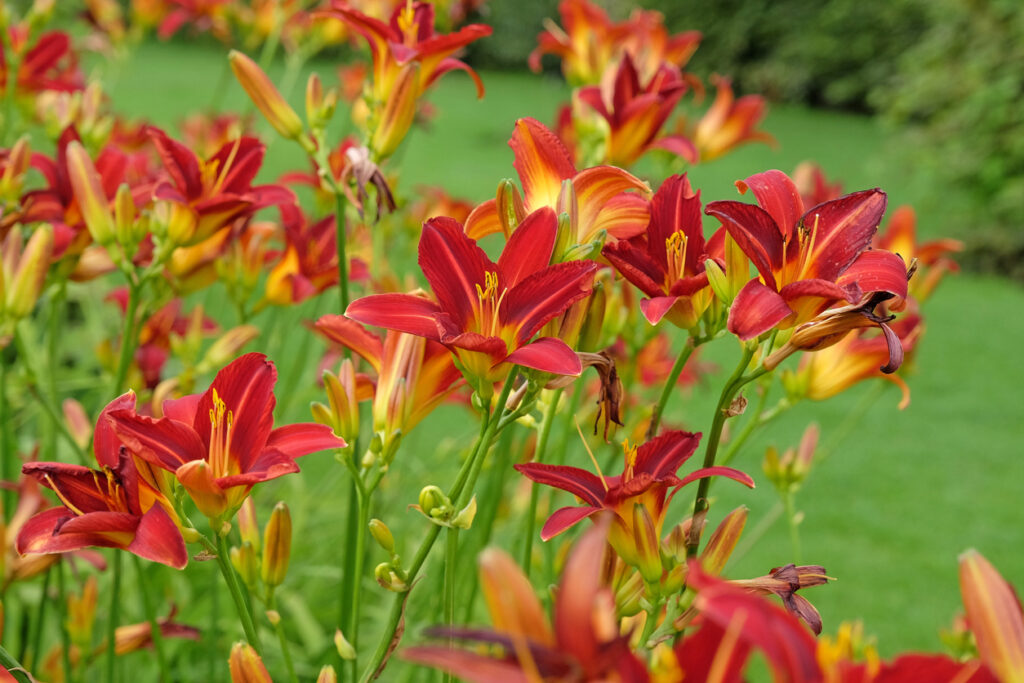
Daylilies possess strong, fleshy roots that can force their way through compacted clay while storing enough energy to produce abundant flowers. These reliable perennials bloom for weeks in summer with trumpet-shaped flowers in numerous colours.
Each flower lasts only one day, but plants produce multiple buds, ensuring continuous blooms. Daylilies form substantial clumps over time, and their arching foliage provides good ground cover between flowering seasons.
7. Persicaria creates dramatic height.
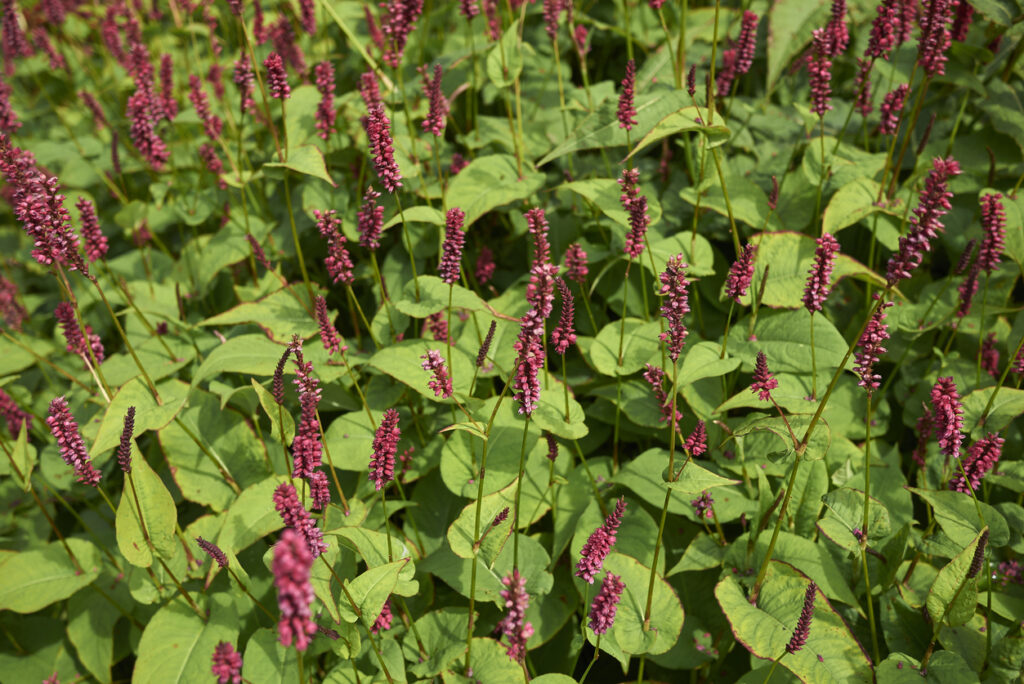
Several persicaria species thrive in clay soil’s challenging conditions, with some varieties reaching 2 metres tall while producing bottlebrush spikes of tiny flowers. These vigorous perennials tolerate both wet and dry conditions once established.
Persicaria amplexicaulis varieties offer flowers from white through pink to deep red, blooming from midsummer until frost. Their robust nature makes them excellent for naturalising in wilder areas of clay soil gardens.
8. Rodgersia adds tropical drama.
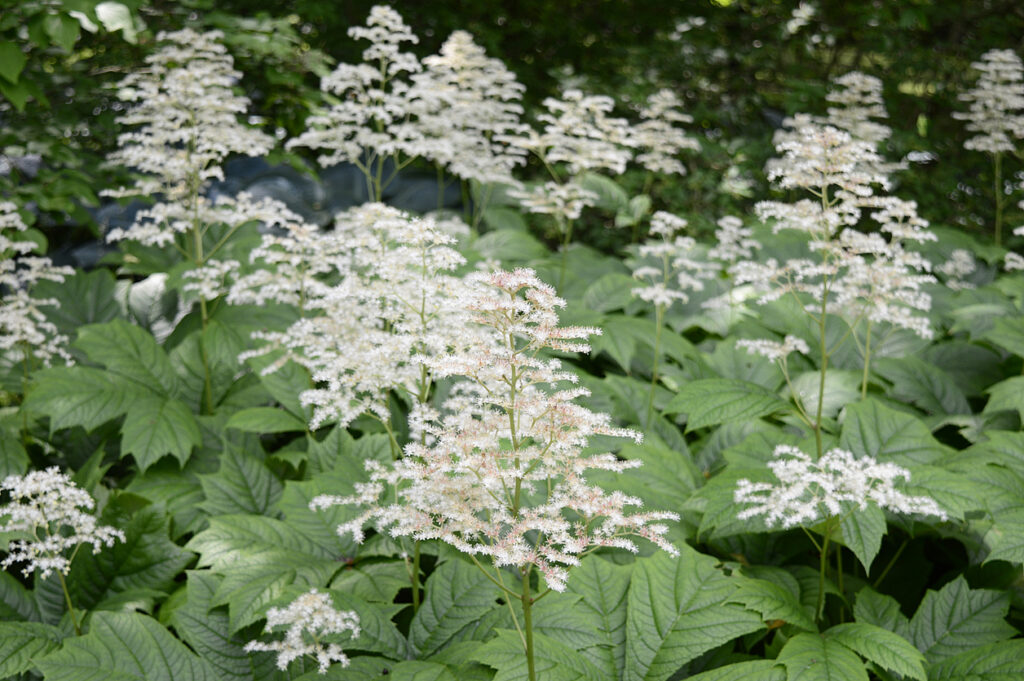
Rodgersia’s huge, architectural leaves and tall flower spikes create bold statements in clay soil gardens. These moisture-loving perennials actually prefer the water-retentive properties of heavy soil and can struggle in free-draining conditions.
The plants produce impressive plumes of creamy or pink flowers above deeply divided or palmate leaves that can span 30 cm across. Rodgersia works particularly well in partially shaded areas where clay soil tends to stay consistently moist.
9. Monarda attracts wildlife.
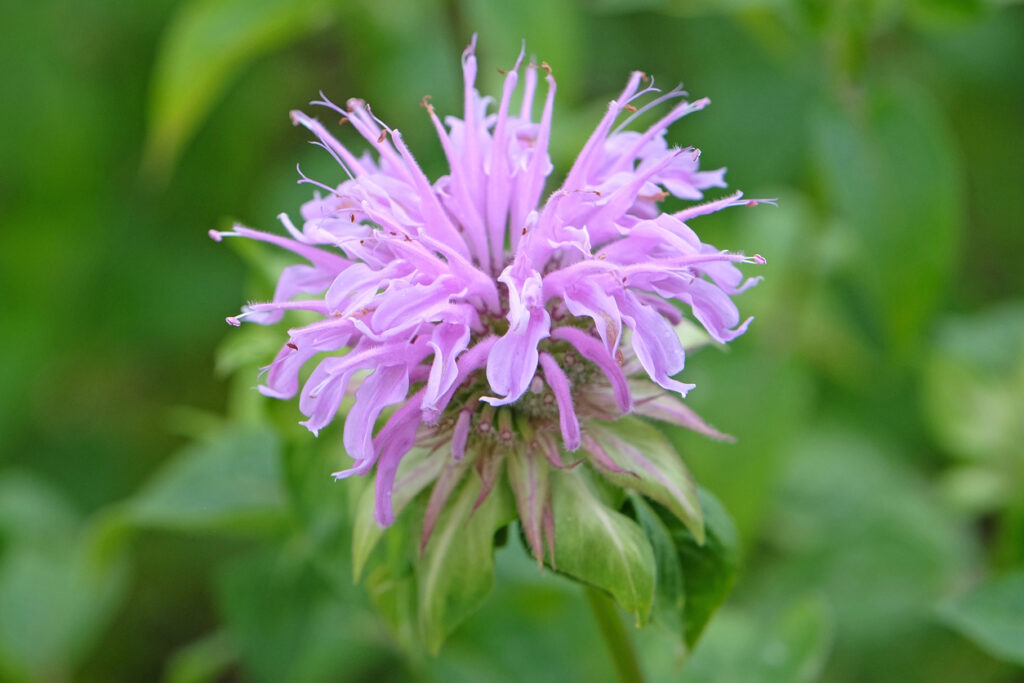
Monarda, also known as bee balm, thrives in clay soil and produces fragrant flowers that attract bees, butterflies, and hummingbirds. These aromatic perennials spread by underground runners and can form substantial colonies.
The tubular flowers come in shades of red, pink, purple, and white, blooming throughout summer. Monarda’s spreading habit helps break up clay soil structure, while its wildlife value makes it excellent for ecological gardens.
10. Miscanthus provides winter structure.
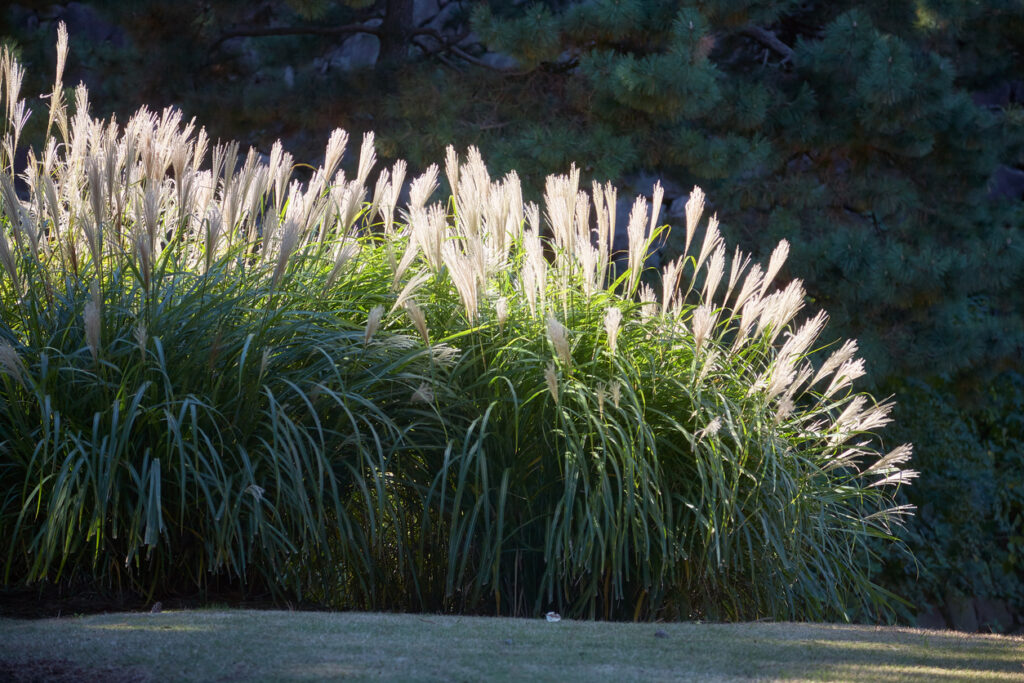
Miscanthus grasses establish strong root systems that penetrate clay soil effectively while providing dramatic height and movement. These ornamental grasses produce feathery plumes in autumn that persist through winter for year-round interest.
The dense root systems help improve soil drainage and structure over time, while the tall growth creates privacy screens or dramatic focal points. Miscanthus varieties range from 1 to 3 metres tall, with different leaf colours and flower forms available.