Nature has a way of pulling the rug out from under us.
Just when scientists think they’ve got a grip on how the world works, discoveries arrive that make them rewrite the rulebook. From forces in deep space to tiny creatures surviving the impossible, the last few decades have produced findings that seemed unthinkable not long ago.
These aren’t small adjustments to our knowledge, either. They’re revelations that change how we see the universe, life on Earth, and even the workings of our own bodies. Here are some of the strangest breakthroughs that once sounded like science fiction but are now proven science.
1. Gravitational waves were detected in 2015.
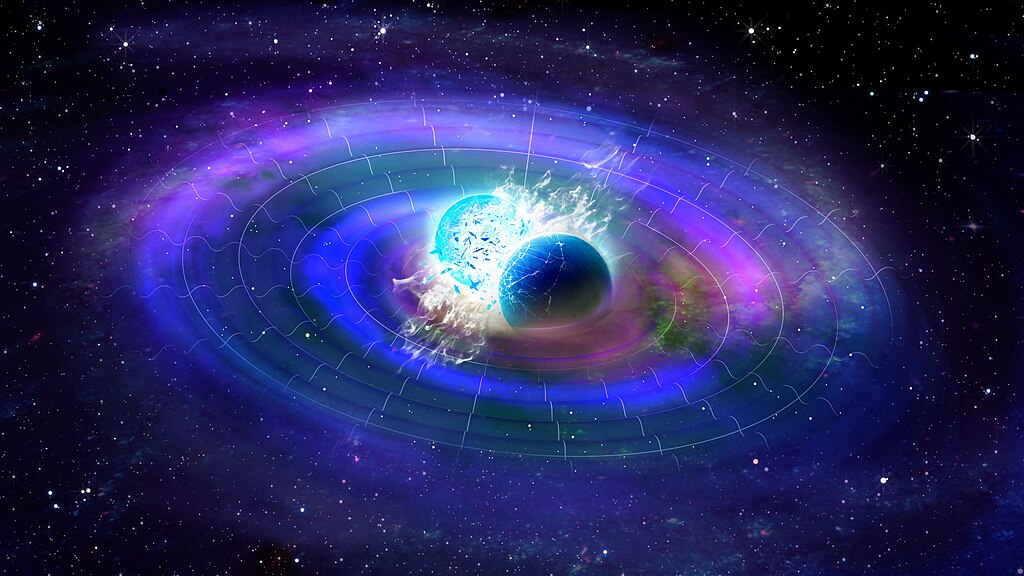
Einstein predicted gravitational waves 100 years ago, but most scientists thought they’d be too weak to ever detect. These ripples in spacetime itself seemed impossible to measure because they’re smaller than 1/10,000th the width of a proton. The LIGO detectors finally caught gravitational waves from two black holes colliding 1.3 billion years ago. This discovery opened an entirely new way to study the universe and won the 2017 Nobel Prize in Physics.
2. Tardigrades can survive in outer space.
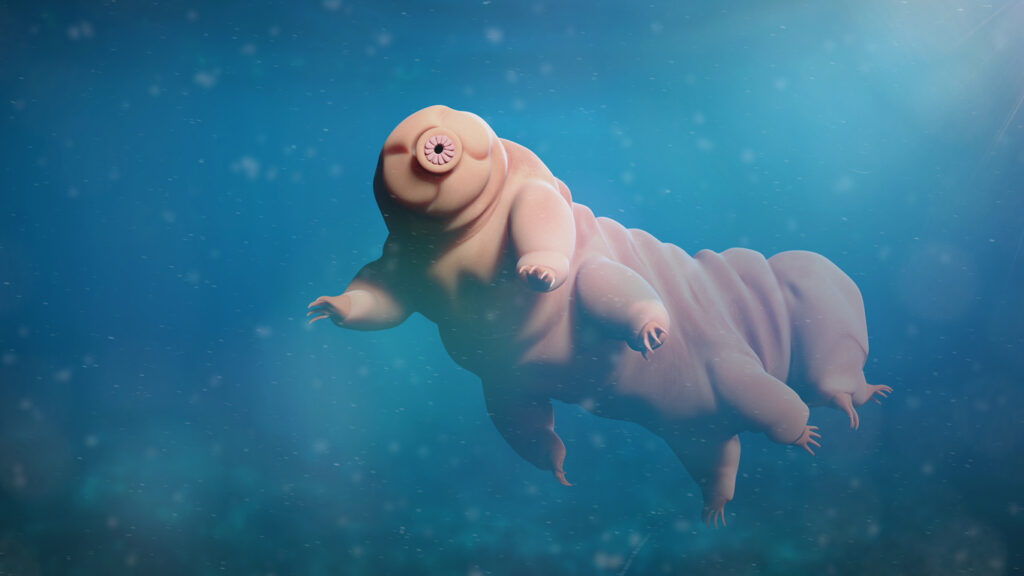
Scientists thought nothing could survive the vacuum of space with its deadly radiation and extreme temperatures. The idea that any Earth creature could live in space without protection seemed completely impossible. Experiments from 2007 onwards proved that tardigrades (water bears) can survive 10 days in open space. These microscopic animals can withstand radiation levels that would kill humans instantly, and revive after being completely dried out.
3. Dark matter makes up most of the universe.
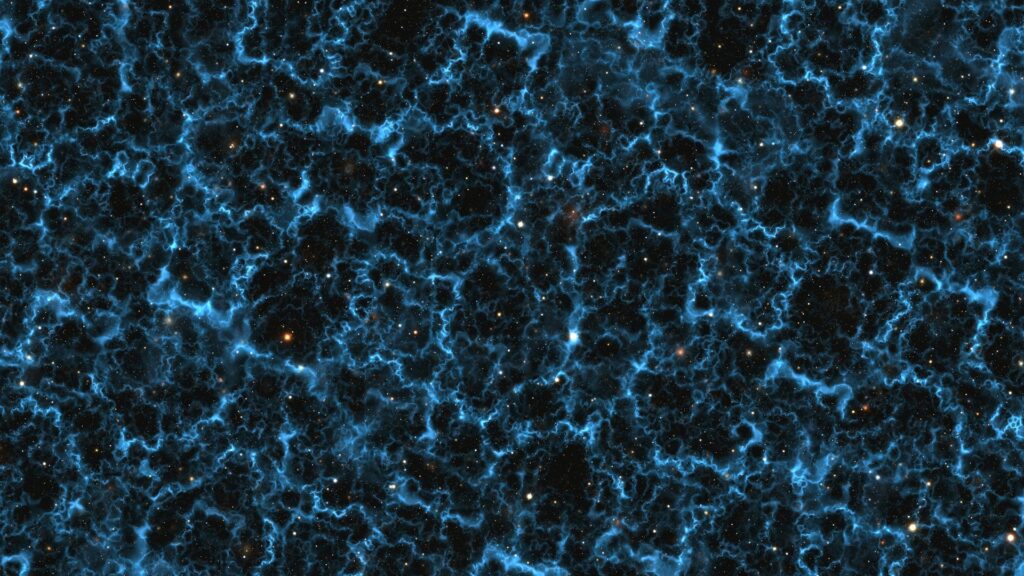
Until the 1990s, scientists believed that the matter we can see made up most of the universe. The idea that 85% of all matter is completely invisible and undetectable seemed ridiculous to most astronomers. Recent observations of galaxy rotation and cosmic background radiation prove that dark matter is real. We still can’t see or touch it, but its gravitational effects shape how galaxies form and move through space.
4. The universe’s expansion is accelerating.
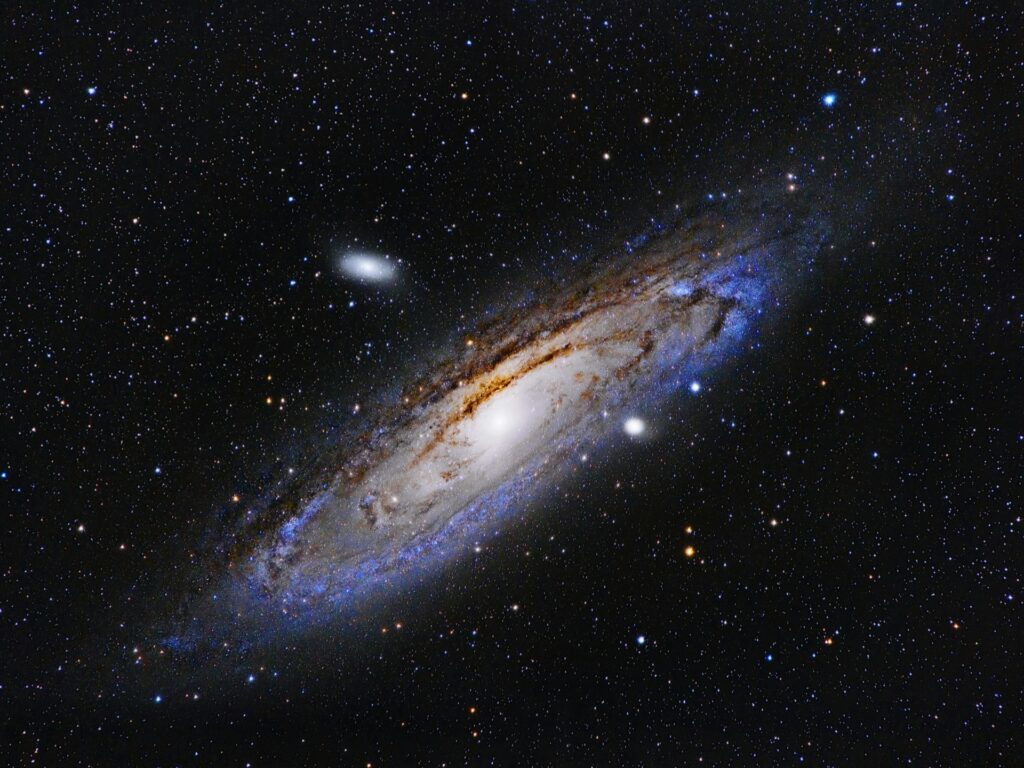
Scientists expected the universe’s expansion to slow down over time due to gravity pulling everything back together. The idea that expansion could actually be speeding up contradicted everything we knew about how gravity works. Observations of distant supernovas in 1998 proved the universe is expanding faster and faster. This discovery led to the concept of dark energy and won the 2011 Nobel Prize in Physics.
5. Quantum computers can work at room temperature.
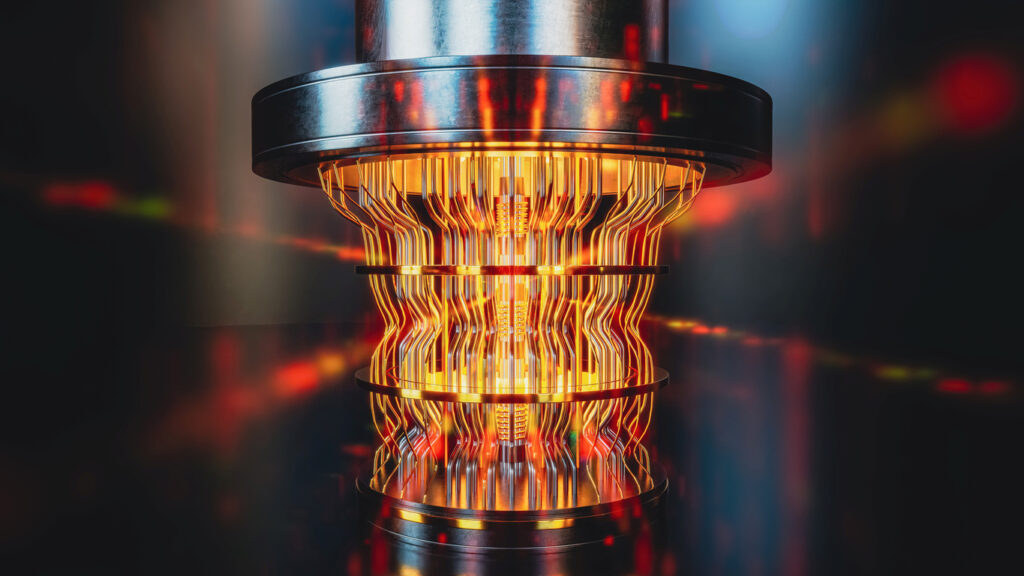
Quantum computers were thought to need temperatures colder than outer space to function properly. Scientists believed quantum effects would be destroyed by heat, making room-temperature quantum computing impossible. Recent breakthroughs have created quantum systems that work at normal temperatures using diamonds with nitrogen defects. These discoveries could make quantum computers practical for everyday use within the next decade.
6. Plants can communicate through underground networks.

The idea that plants could send messages to each other through their roots seemed impossible to most botanists. Plants were viewed as passive organisms that couldn’t actively communicate or help each other. Research since 2010 has revealed vast underground fungal networks that connect forest plants. Trees can share nutrients, send warning signals about insects, and even sabotage competing species through these “wood wide webs.”
7. Water exists in liquid form on Mars today.
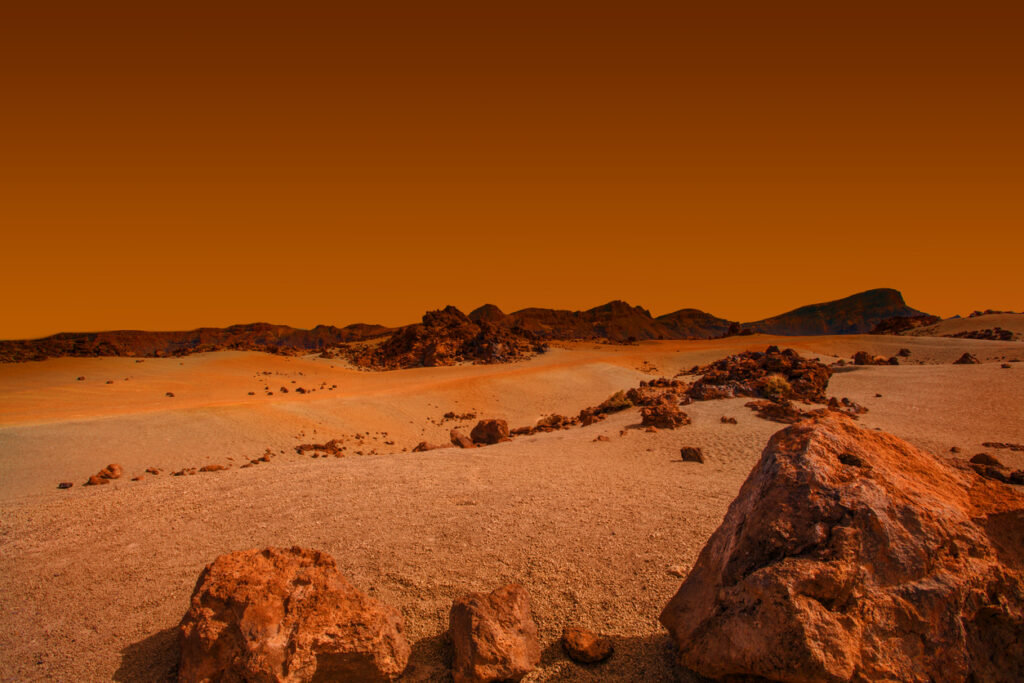
Scientists thought Mars was too cold and had too thin an atmosphere for liquid water to exist on its surface. Any water should immediately freeze or boil away in the harsh Martian environment. The discovery of flowing liquid water on Mars was confirmed in 2015 using orbital observations. Salty water flows down crater walls during Martian summer, suggesting the planet might still be capable of supporting life.
8. Bacteria can eat and breathe electricity.
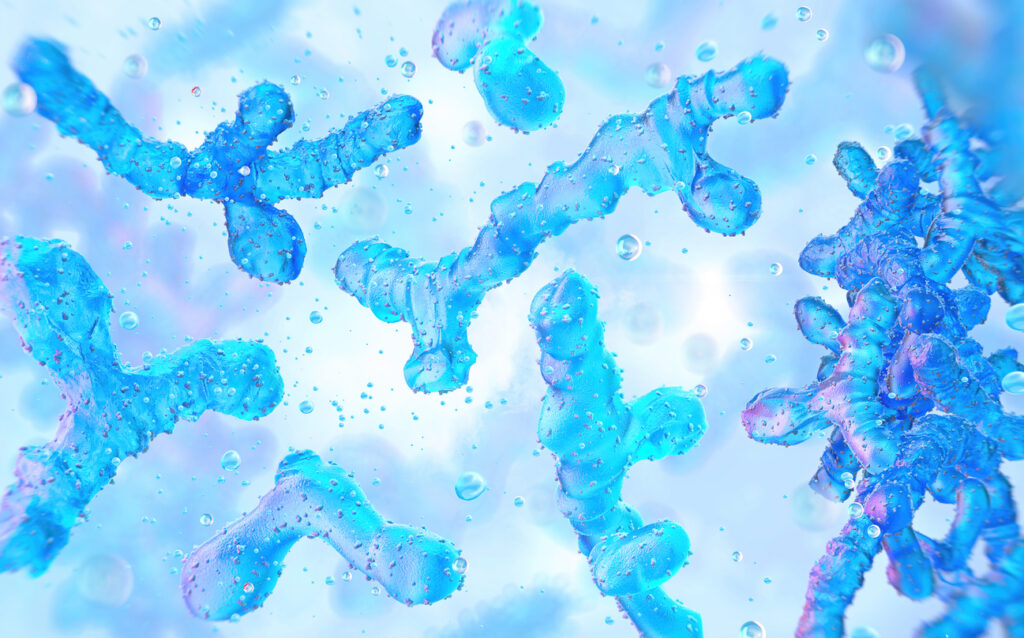
The concept of bacteria that consume pure electricity instead of food seemed impossible to microbiologists. Living things were thought to need organic molecules for energy, not direct electrical current. Scientists discovered electric bacteria in 2014 living on undersea cables and metal surfaces. These organisms can survive entirely on electrical current, opening possibilities for biological batteries and new forms of energy storage.
9. Time crystals exist and break normal physics rules.
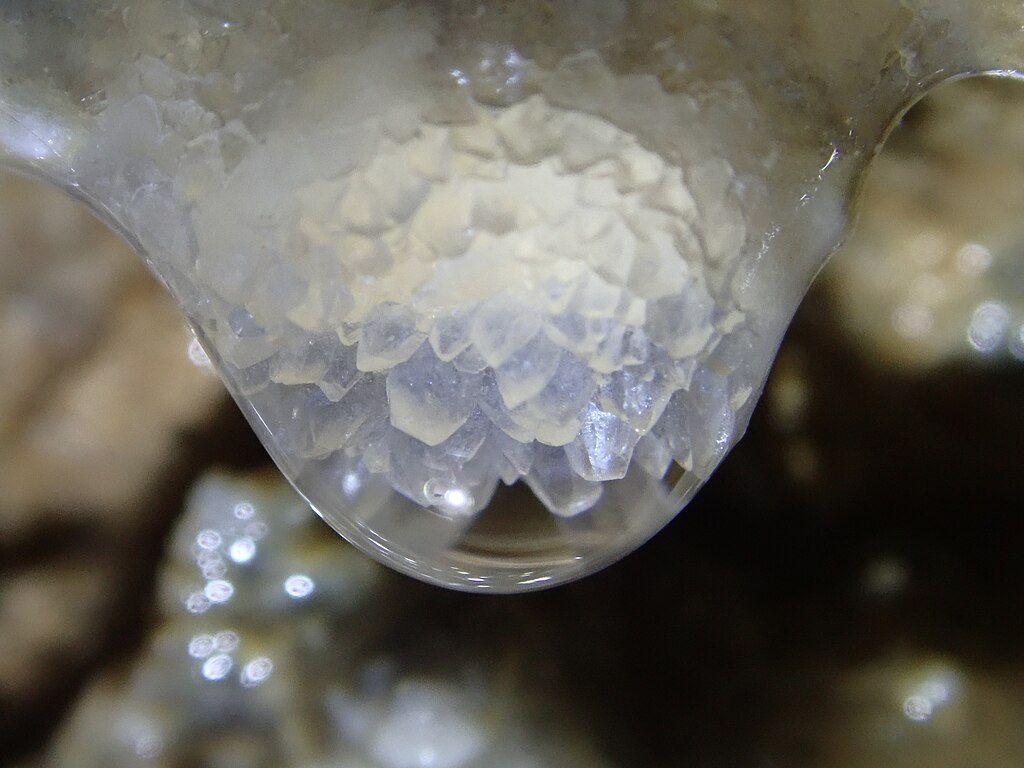
Time crystals were proposed in 2012 as theoretical structures that repeat in time rather than space. Most physicists thought they violated fundamental laws of physics and couldn’t exist in the real world. The first time crystals were created in laboratories in 2016 using trapped ions and diamonds. These materials can maintain motion without energy input, potentially revolutionising how we think about energy and conservation laws.
10. Exoplanets orbit most stars in our galaxy.
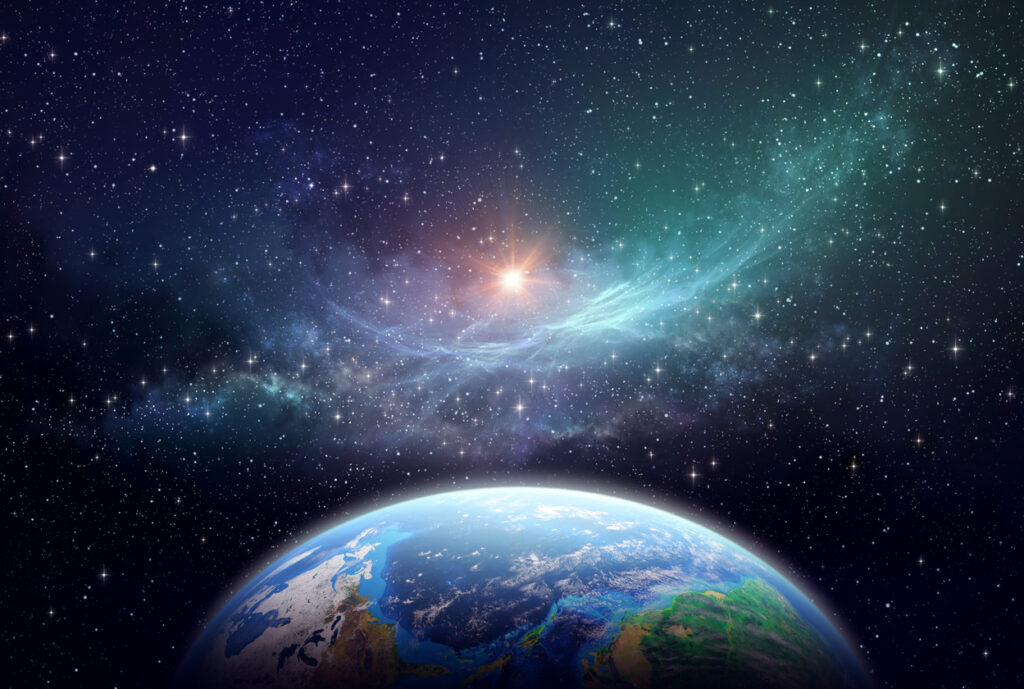
Until the 1990s, many astronomers doubted that planets existed around other stars. The difficulty of detecting distant planets made their existence seem unlikely, with our solar system possibly being unique. The Kepler Space Telescope and other instruments have now found over 5,000 confirmed exoplanets since 1995. Current estimates suggest that virtually every star in our galaxy has at least one planet orbiting it.
11. Memory can be transferred between organisms.
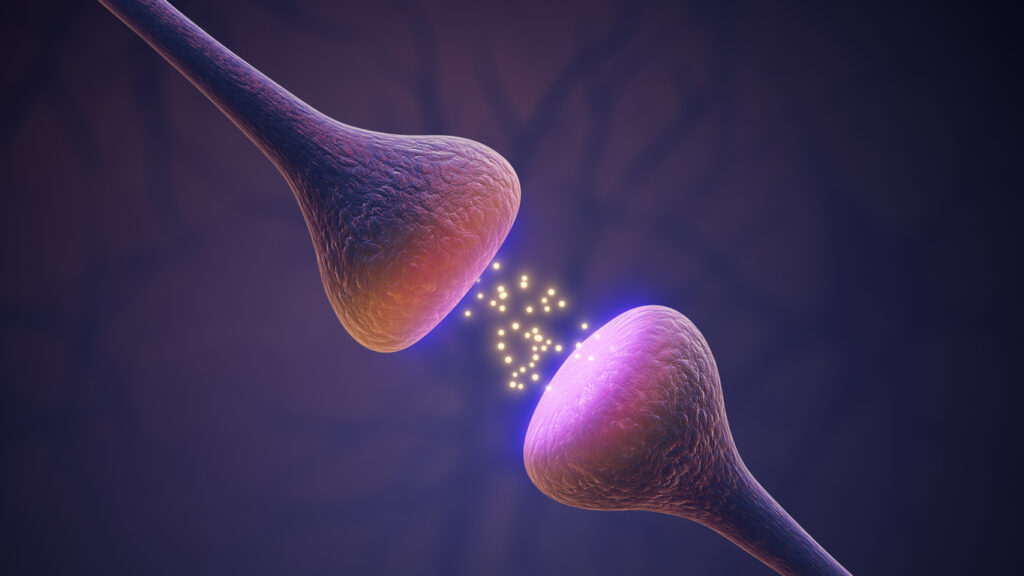
The concept of transferring memories from one animal to another seemed impossible because memories were thought to exist only as complex neural connections in individual brains. Scientists successfully transferred memories between sea slugs in 2018 using RNA injections. This breakthrough suggests that memory storage might work very differently than previously believed and opens possibilities for treating memory disorders.