When you walk into a museum, dinosaurs are usually painted in greys, browns, and dull greens.
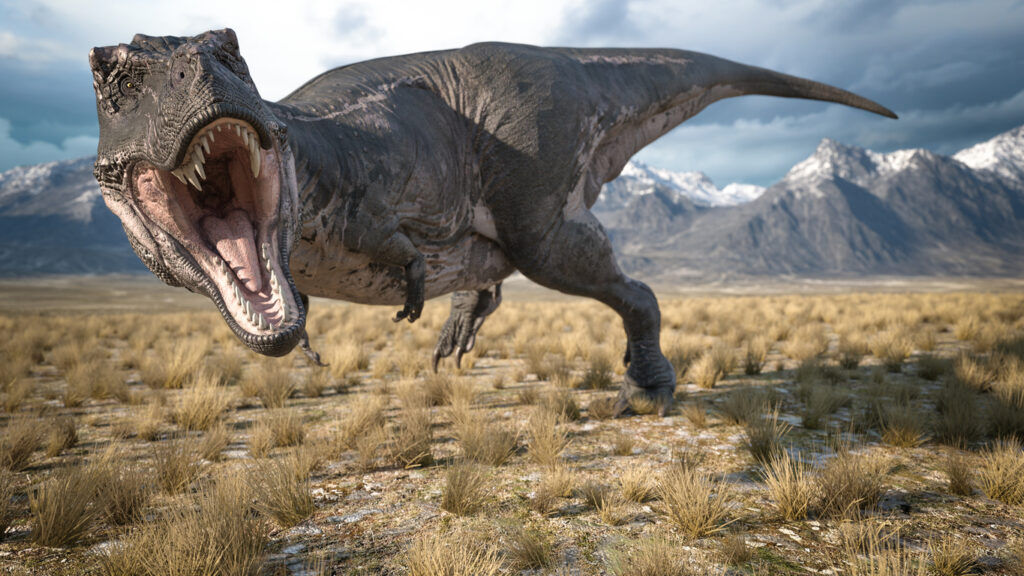
Sure, they lived millions of years ago, but colour was an actual thing back then, right? You might wonder to yourself when looking at them, “Did they really look that boring?” New discoveries suggest the prehistoric world may have been far more colourful than the models let on. While we can’t know everything about how these giant creatures lived, there are a few things we are sure of (or at least have a good idea about).
1. Fossilised pigments give us clues.
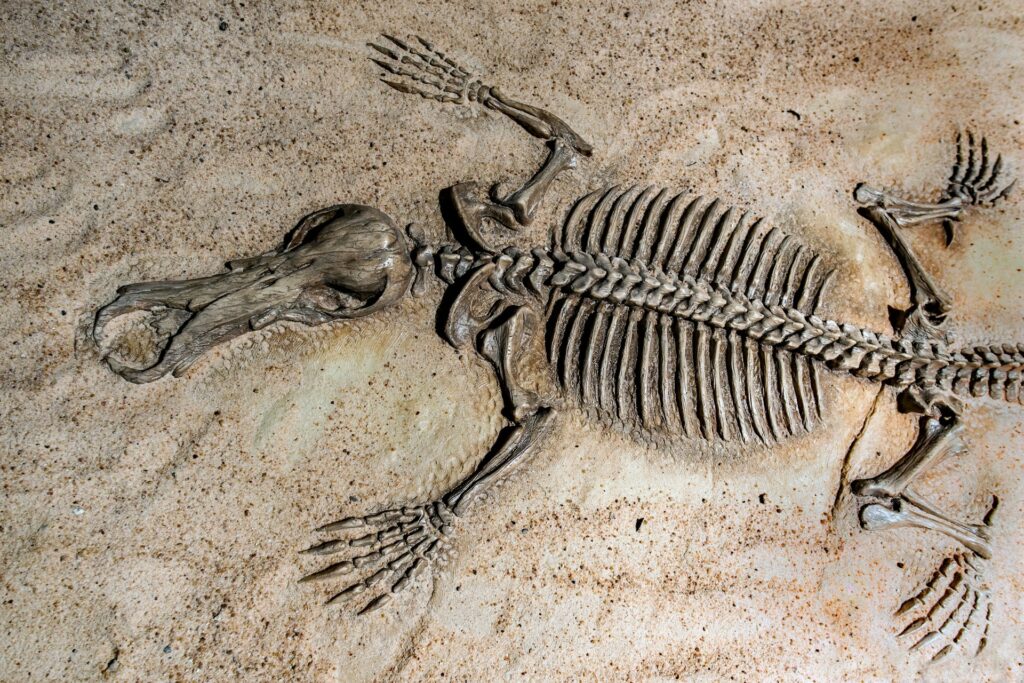
For years, no one thought it was possible to know a dinosaur’s colour. But tiny structures in some fossils, called melanosomes, have revealed traces of real pigment that hint at shades of black, red, and even iridescent tones. It means dinosaurs weren’t just imagined colours—they actually left behind chemical evidence. So while museum displays often play it safe, the science suggests we’re only scratching the surface of their true palette.
2. Some dinosaurs had flashy feathers.
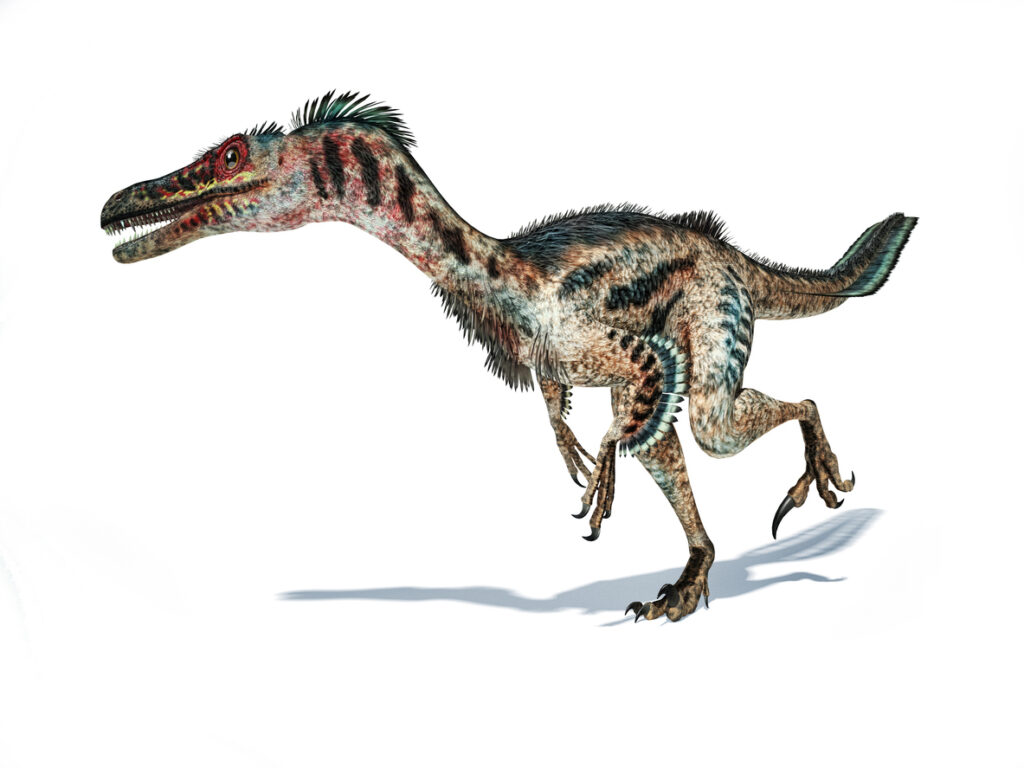
We now know that many dinosaurs, especially smaller ones related to birds, had feathers. These feathers weren’t just for warmth; they could have been brightly coloured for display. Think of modern birds like peacocks or parrots. If their dinosaur ancestors shared even a fraction of that vibrancy, the prehistoric world was far more dazzling than we’ve been led to believe.
3. Camouflage still mattered.
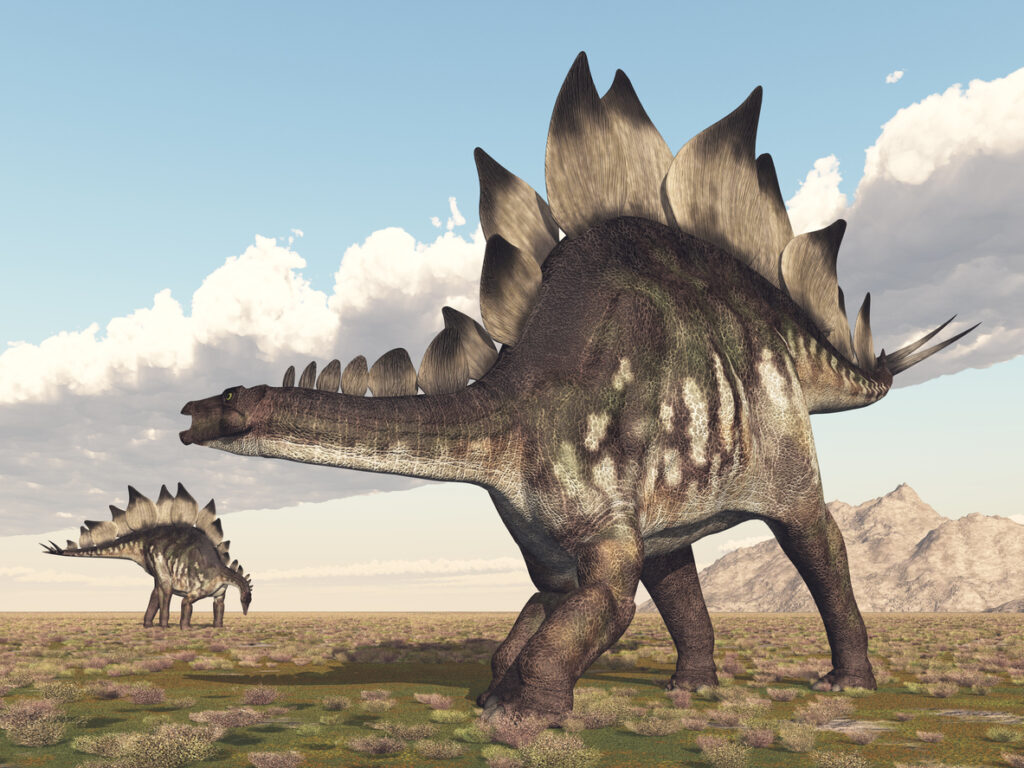
Not every dinosaur was decked out like a tropical bird. Some likely blended in with their environment using muted tones of brown or green, especially those that needed to hide from predators. Camouflage would have been just as useful then as it is now. So, while some may have looked plain, it was probably less about being boring and more about survival.
4. Patterns could have been common.
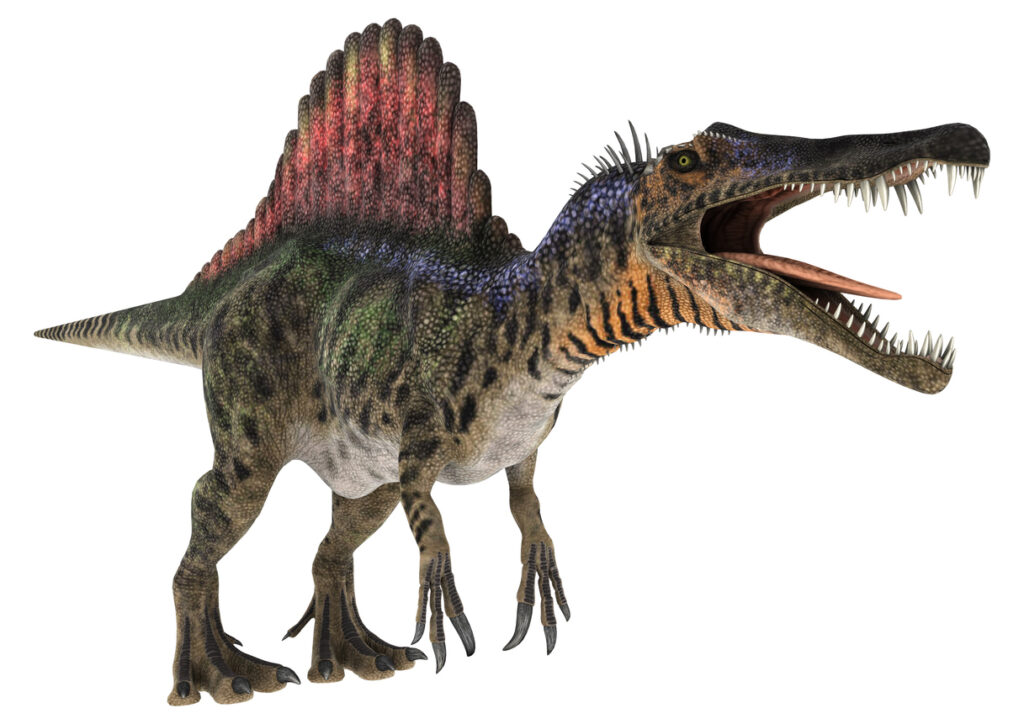
Dinosaur skin impressions show textures like scales and ridges, which could have carried patterns such as stripes or spots. We see this kind of variety in reptiles today, so it’s reasonable to imagine the same for dinosaurs. Patterns aren’t just for looks. They’re useful for blending in, signalling, or confusing predators. That suggests some dinosaurs may have looked far more striking than the flat colours on display models.
5. Bright colours might have signalled strength.
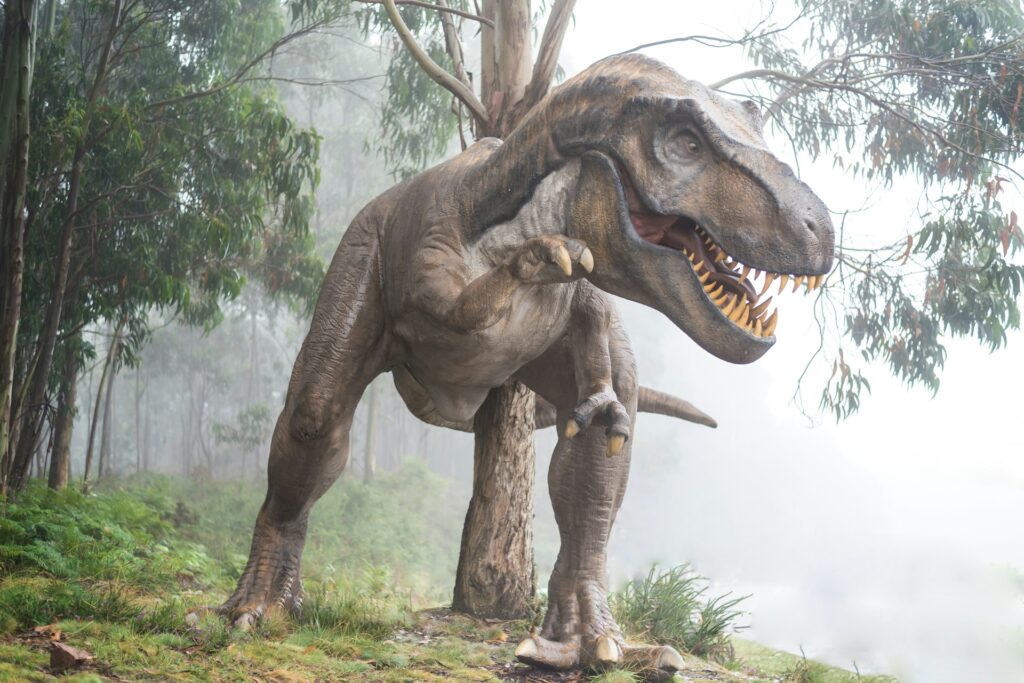
In nature today, bold colours often show off health and strength. A dinosaur with vibrant markings could have used them to attract mates or warn off rivals, much like birds or lizards do now. This means colour wasn’t just decoration. Really, it was part of survival strategy. Basically, a T. rex may not have been neon pink, but a flash of colour could have still sent a powerful message.
6. Some fossils suggest iridescence.
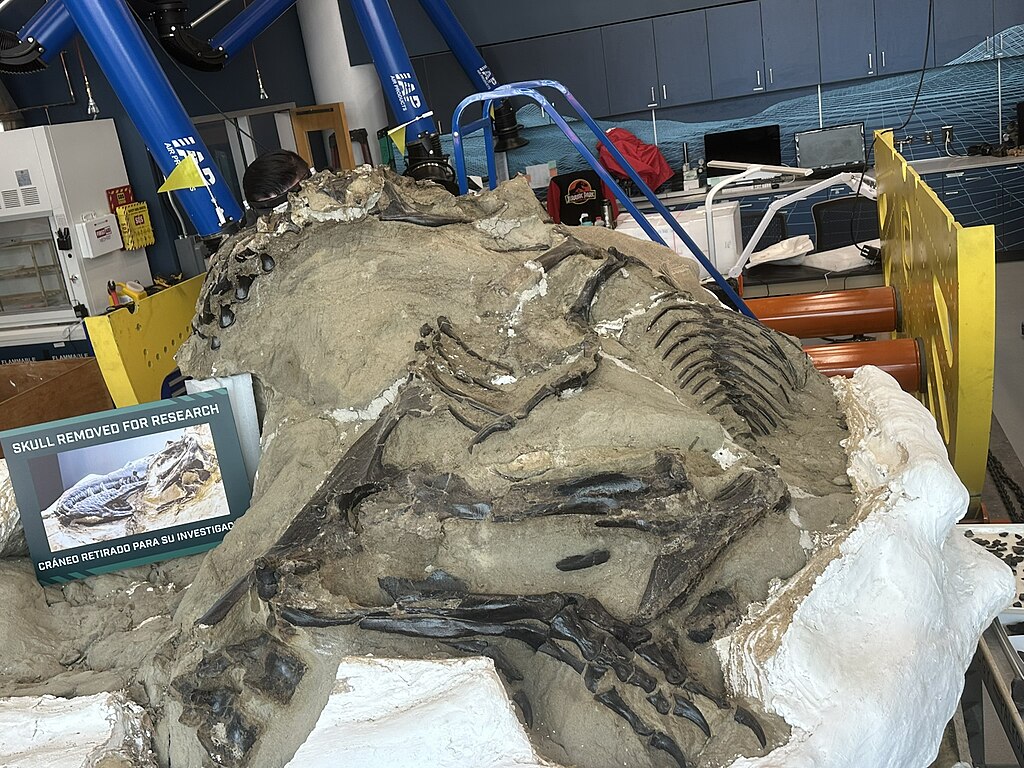
Evidence from certain feathered dinosaurs hints at shimmering, oil-slick style colours, similar to starlings or hummingbirds. This type of shine would have been eye-catching in sunlight. Iridescence is pretty, sure, but it can also help with communication and courtship. If dinosaurs had this, they would have been far from the dull, flat creatures museums make them out to be.
7. Museums keep it safe for a reason.
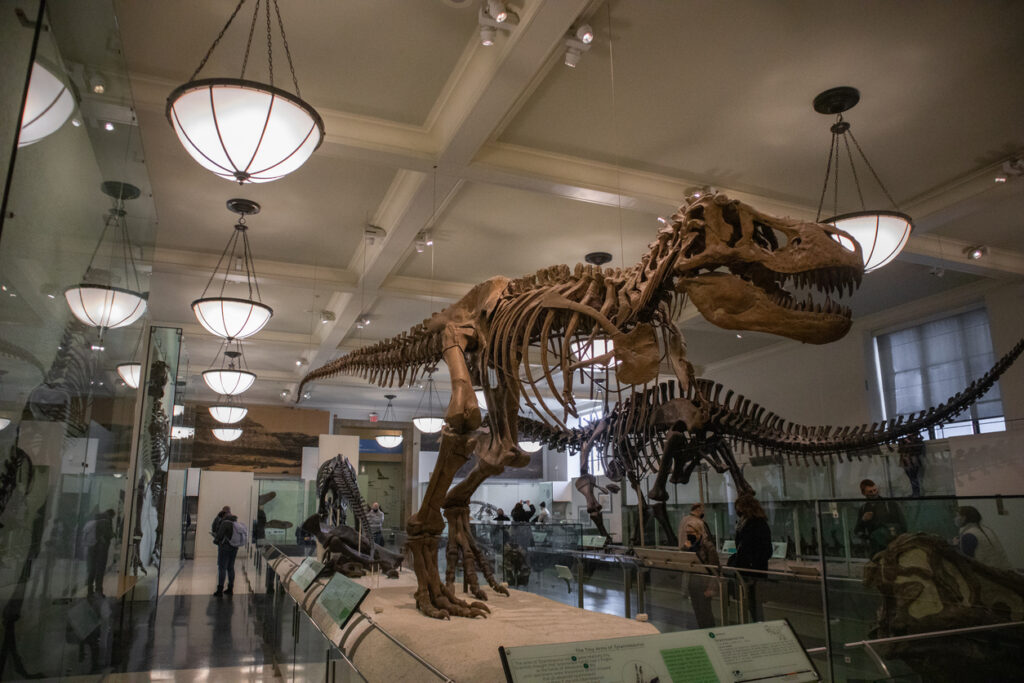
The reason most displays stick to muted tones is that they’re educated guesses. Without clear proof, curators often choose colours that won’t look unrealistic to the public. It’s easier to imagine a grey dinosaur than a bright blue one, even though the truth may be closer to the latter. So the “boring” displays are more about caution than fact.
8. Big predators probably weren’t neon.
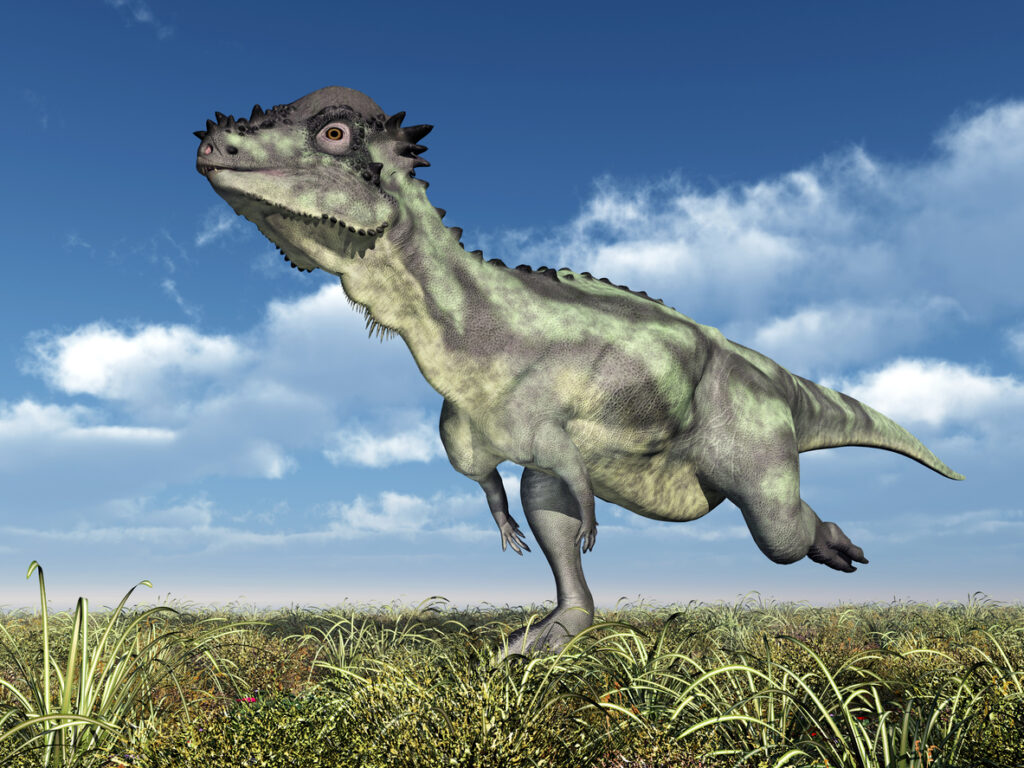
As fun as it is to picture, it’s unlikely that huge predators like Spinosaurus or T. rex were bright red or turquoise. Large animals today, like lions and crocodiles, tend to be more muted to help them stalk prey. That doesn’t mean they were dull; it just means their colouring probably leaned towards practical shades. Still, even predators might have had hidden flashes of brighter tones for display.
9. Young dinosaurs may have been brighter.
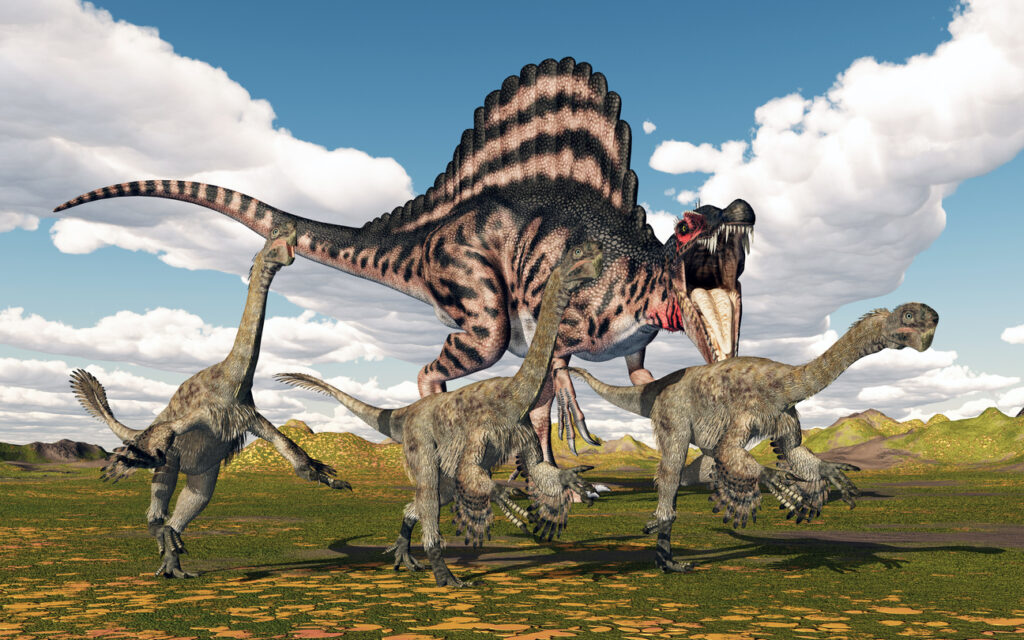
Juvenile animals today are often more colourful than adults, which helps parents recognise and protect them. It’s possible young dinosaurs followed the same pattern. If that’s true, herds of dinosaur families may have been dotted with splashes of brighter colour. The displays we see in museums might only reflect adult versions, leaving out the livelier picture of younger ones.
10. Seasonal changes were possible.
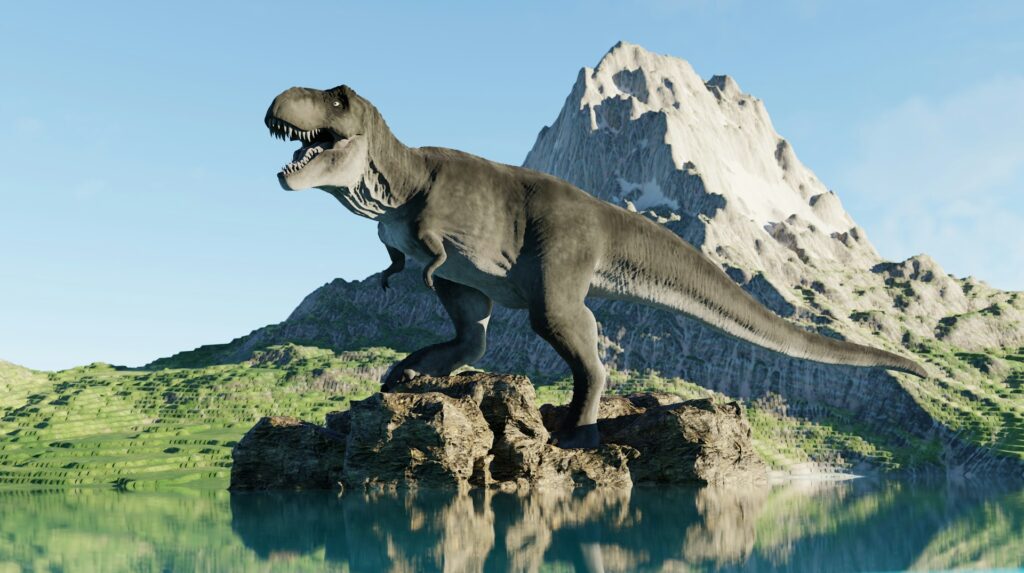
Some modern animals change colours with the seasons—think of birds in mating plumage or animals with winter coats. Dinosaurs might have had similar changes depending on the time of year. This would have made them even more dynamic than static models suggest. Imagine a dinosaur looking plain most of the year, then suddenly brightening up during mating season.
11. Colour helped with communication.

Dinosaurs likely used colour signals to communicate within species, whether through bright patches, patterns, or contrasts. These visual cues would have been crucial for survival in large herds. If that’s the case, whole groups of dinosaurs could have been more visually striking than we imagine, especially when moving together in big numbers.
12. The prehistoric world was not grey.
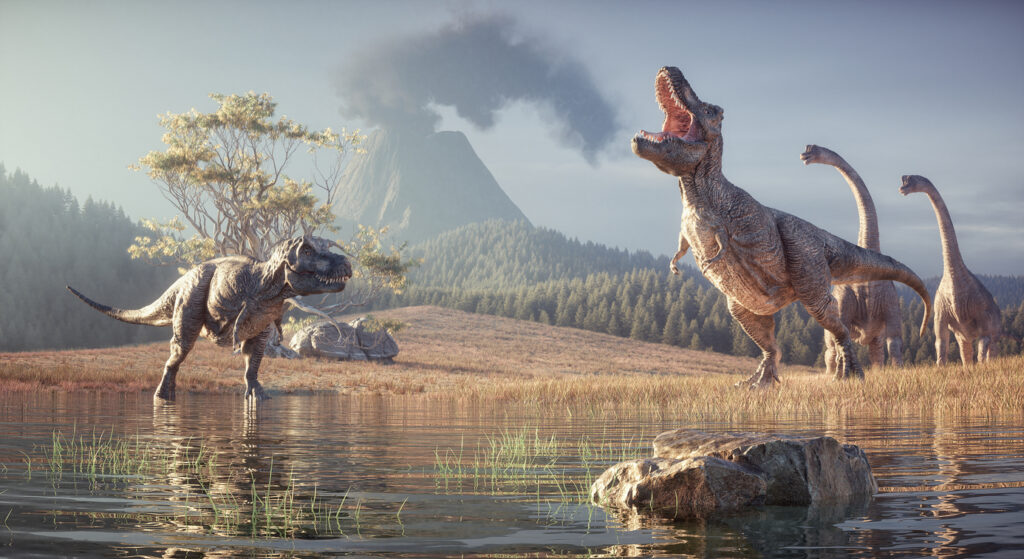
Even if some dinosaurs had muted colours, their world wasn’t dull. They lived among rich forests, colourful plants, and bright skies, which means they stood out against vibrant backdrops. So, the idea of a drab, brown-grey world is misleading. Dinosaurs likely blended into or popped out of colourful landscapes, meaning life back then was anything but boring.