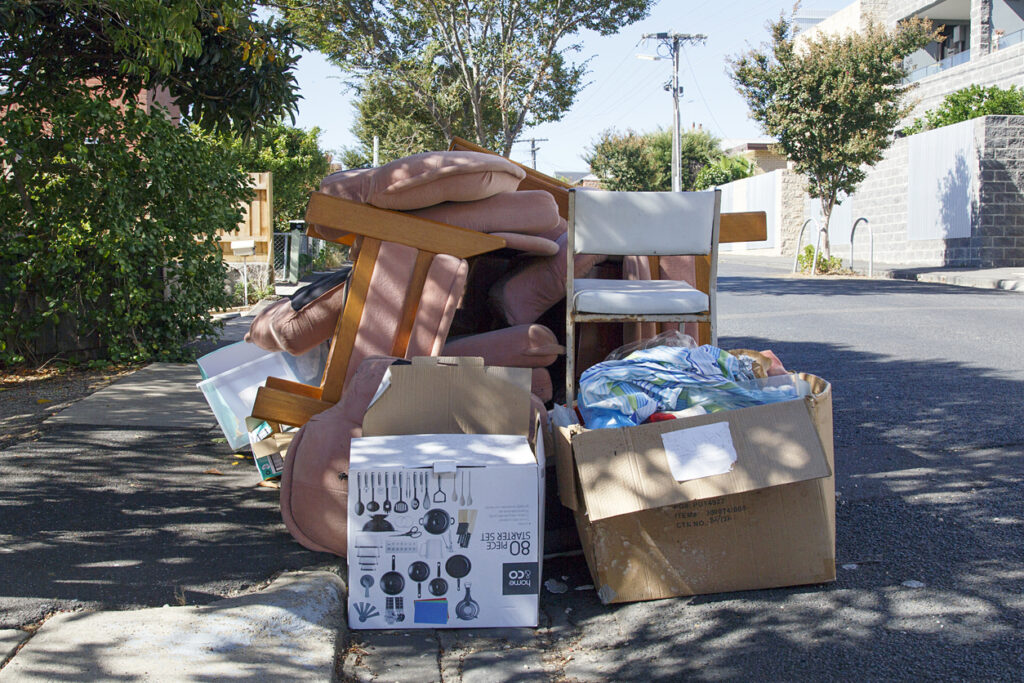
Fly-tipping on private land is a headache far too many landowners face. Not only is it frustrating to discover rubbish dumped on your property, but the clean-up can leave you out of pocket and tangled in legal red tape. It happens in towns, villages, and rural spots all across the country, and councils know how widespread the problem is.
Knowing your rights, documenting what you find, and taking the right steps straight away can save you stress later. This guide breaks down what to do if you discover dumped waste, how to protect yourself legally, and what measures can reduce the chances of it happening again.
1. Don’t touch anything until you’ve documented everything.
It’s tempting, but resist the urge to start clearing it up. As tempting as it is to get rid of it immediately, evidence is your best weapon if you want the council or police to take action. Take clear photographs from several angles, showing not just the waste itself but where it sits in relation to fences, roads, or landmarks. This helps prove that the dumping happened on your property and not somewhere else.
Make notes too, including the date and time, and any details like tyre tracks or signs of forced entry. All of this creates a clear record that could be crucial later on.
2. Check for any identification in the rubbish.
While you should never dig through hazardous materials, it’s worth carefully looking for clues among the dumped rubbish. Sometimes fly-tippers are careless enough to leave behind addressed envelopes, receipts, or packaging with names or business details. Even small scraps of information can make a big difference to enforcement teams, who know how to piece together partial evidence.
Don’t remove or tamper with anything; instead, note down what you’ve seen and take photographs. Councils and the Environment Agency are skilled at using these kinds of clues to track people down.
3. Report it to your local council immediately.
Once you’ve gathered your evidence, your next step is contacting your local authority. Most councils have an online form or a dedicated phone line for reporting fly-tipping, including incidents on private land. Give them all the evidence you’ve collected, and ask for a crime or reference number so you have a record of your report.
Councils have powers to investigate and, in many cases, prosecute offenders, even if the rubbish has been dumped on private property. The sooner you report it, the better the chances of catching whoever’s responsible.
4. You’re responsible for clean-up costs as the landowner, unfortunately.

This is the most frustrating part for many landowners. By law, it’s your responsibility to remove waste from your land, even though you didn’t put it there. Councils are not obliged to cover these costs, although they may be able to advise or provide contacts for licensed removal firms.
Depending on what’s been dumped, disposal can be costly, particularly if you’re dealing with bulky items like tyres, fridges, or construction waste. It’s a good idea to plan for this possibility if you own land that’s easy to access, as fly-tippers often return to spots they know are quiet and unwatched.
5. Some councils do offer free collection from private land, but not many.
That said, it’s always worth checking with your local authority to see what help is available. Many councils offer free or subsidised removal for smaller loads, especially if the waste is visible from a public road or poses a health risk. Even when they can’t remove it for free, they may offer discounted rates at council tips or recommend licensed contractors who won’t overcharge.
Always ask before arranging private removal, as you might save yourself a lot of money and hassle. Every council runs things differently, so knowing what yours provides is key.
6. Hazardous waste requires specialist removal.
If the dumped rubbish includes asbestos sheets, chemical drums, batteries, or medical supplies, do not attempt to move it yourself. These materials can pose serious risks to health and the environment if handled incorrectly. Councils have specialist teams or contractors trained to remove hazardous waste safely, and in some cases the costs may be covered if the materials endanger the wider community.
Make contacting your council’s environmental health department your first move. They’ll assess the situation and arrange the right disposal methods.
7. Install security measures to prevent repeat dumping.

Sadly, once your land has been targeted once, there’s a chance it will be targeted again. That’s why prevention is as important as clean-up. Installing CCTV cameras, especially motion-triggered ones, not only acts as a deterrent but also provides valuable evidence.
Improved lighting, locked gates, or even physical barriers like bollards or trenches can make it harder for vehicles to access your property. Sometimes, even simple deterrents like large stones or logs placed at entry points can send a clear message that your land isn’t an easy target.
8. You can pursue compensation through the courts.
If the council identifies the fly-tippers and prosecutes them, you can ask for your clean-up costs to be included in the case. This is why it’s so important to keep receipts for waste removal and records of any damage. Even if a criminal prosecution doesn’t succeed, you may still have grounds to pursue the matter through civil court.
In England and Wales, you can use the small claims court for amounts up to £10,000, which covers many fly-tipping-related expenses. While it can be a slow process, the possibility of recovering costs makes it worthwhile.
9. Repeated dumping might qualify for council intervention.
If you’re dealing with fly-tipping not as a one-off but as a regular issue, councils have additional powers they can use. This might include increasing patrols, installing temporary cameras, or working with police to clamp down on hotspots. To get this support, you’ll need to show a clear pattern of incidents, so keep detailed logs of every case.
Consistent reporting helps demonstrate that your land is being repeatedly targeted, which can move your case up the priority list. Councils tend to take persistent problems more seriously than isolated events.
10. Check your insurance policy for coverage.
Not all property insurance policies include fly-tipping cover, but some do, particularly business, farm, or rural land policies. Standard home insurance is less likely to include it, but it’s always worth checking the small print or asking your insurer directly. If you’re not covered, consider adding it at renewal, especially if your land is in a known fly-tipping hotspot. Clean-up bills can easily run into the hundreds or even thousands, so having cover in place offers valuable peace of mind.
11. Land accessibility affects your legal position.

When cases go to court, judges often take into account how easy it was for dumpers to access your land. If your property is remote and sits right off an open road, penalties for offenders may be lighter. On the other hand, if they had to break locks, force entry, or ignore clear signage, courts usually take a dimmer view and penalties can be harsher. Documenting these details in your evidence is important because it shows that the dumping wasn’t just opportunistic but deliberate.
12. Signage can strengthen your legal position.
“No Dumping” signs, particularly those warning about CCTV and legal consequences, can both deter offenders and help your case if it ends up in court. The law recognises that if clear warnings were in place, offenders can’t claim ignorance. Make sure your signs are visible, weather-resistant, and positioned at obvious access points.
Including contact details for your council’s waste team or reporting hotline can also be effective. Courts often treat visible signage as proof that dumpers knew their actions were unlawful.
13. Build relationships with neighbours and local authorities.
Finally, don’t underestimate the power of cooperation. If neighbouring landowners are experiencing the same problems, working together to report incidents or install preventative measures can carry more weight with councils. Sharing information, such as vehicle descriptions, patterns of dumping, or times of day, can also make it easier for authorities to spot and stop repeat offenders.
Keeping open communication with council enforcement teams and local police builds stronger relationships, which can mean faster responses when incidents occur. A joined-up effort is often more effective than battling the problem alone.