Shakespeare might’ve been all about love, revenge, and mistaken identity, but he also had a surprising soft spot for flowers.
You’ll find them scattered through his plays, usually loaded with symbolism or heartbreak, and what’s mad is that many of those same blooms are still growing strong today. If you’re into gardening and a bit of drama, here are 10 flowers from Shakespeare’s world you can still plant in yours. It’s a great way to feel connected to history while also enjoying some serious natural beauty.
1. Pansies
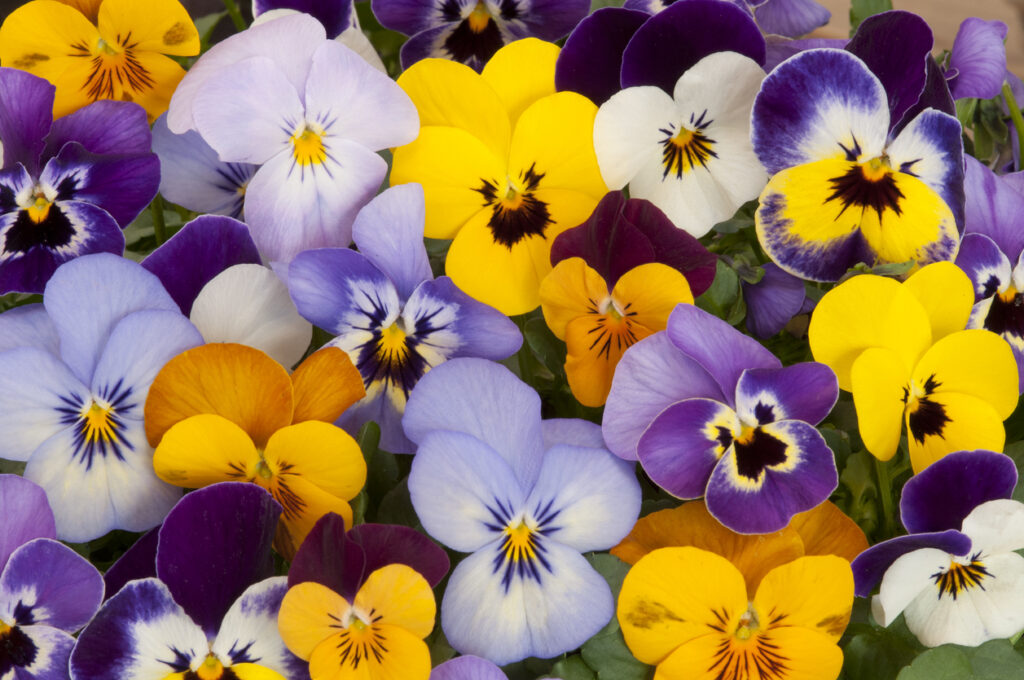
“Pansies, that’s for thoughts,” says Ophelia in Hamlet, and she’s not wrong. These little blooms have long been linked to memory and reflection. Shakespeare would’ve known them as “heart’s ease,” and they were already full of meaning even then.
Today’s pansies are a bit flashier than their Elizabethan cousins, but they’re still tough little flowers that thrive in cooler months. You’ll find them in gardens, hanging baskets, even cracks in old walls. Proper survivors, just like the best stories.
2. Rosemary
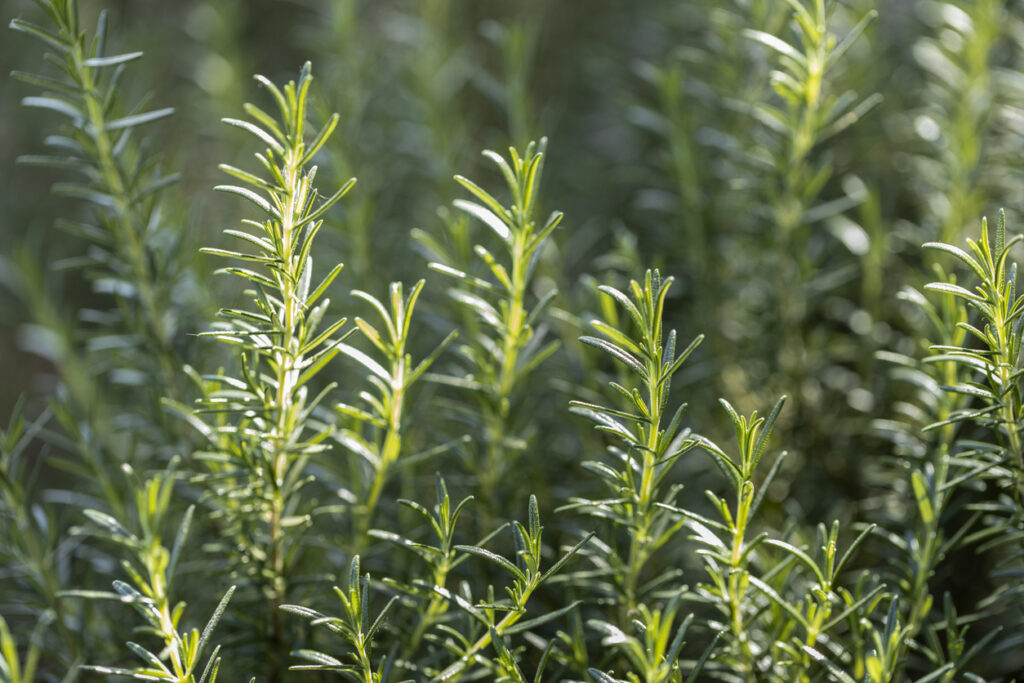
Another one from Hamlet, as Ophelia hands out rosemary “for remembrance.” Back in the day, it was used in weddings and funerals, a symbol of both beginnings and endings. Shakespeare knew how to pack a punch with a single sprig. It’s still a favourite in UK gardens, especially in sunny spots. It smells brilliant, it’s great in a roast, and it’s been proven to help with memory (no joke—scientists back Ophelia on this one). Plus, bees love it, and that’s always a win.
3. Violets
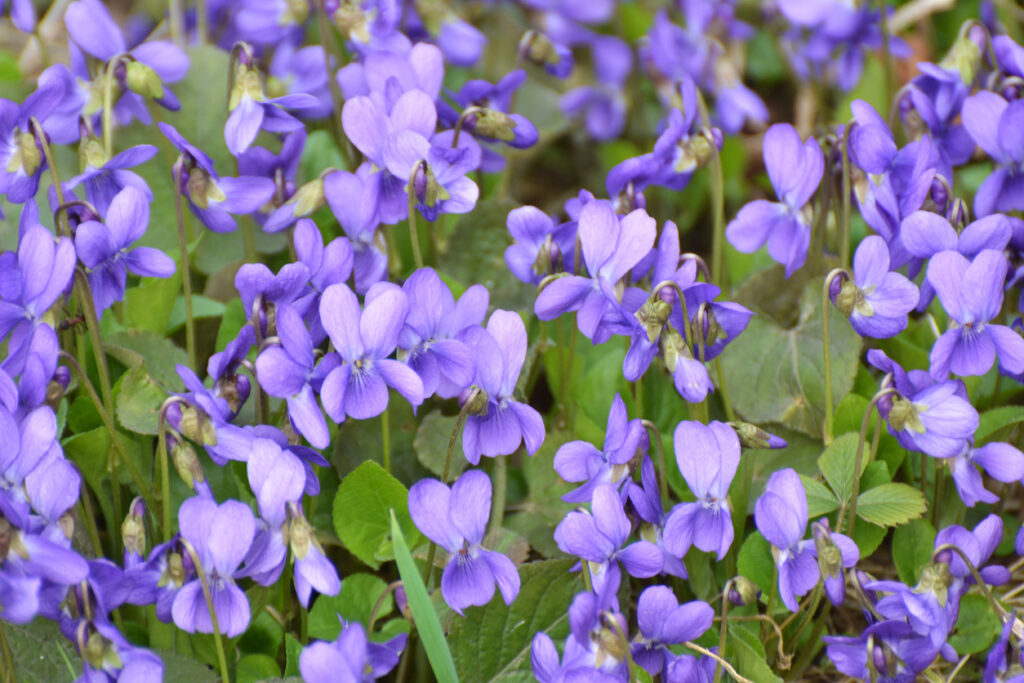
“I would give you some violets, but they withered all when my father died,” says Ophelia, which is again full of symbolism. Violets stood for loyalty and grief, and Shakespeare used them whenever he wanted to tug at your heart a bit. They’re still growing strong, especially in wildflower patches and cottage gardens. Some varieties are edible, and others just smell incredible. Either way, they’re the sort of old-fashioned flower that never really goes out of style.
4. Daisies
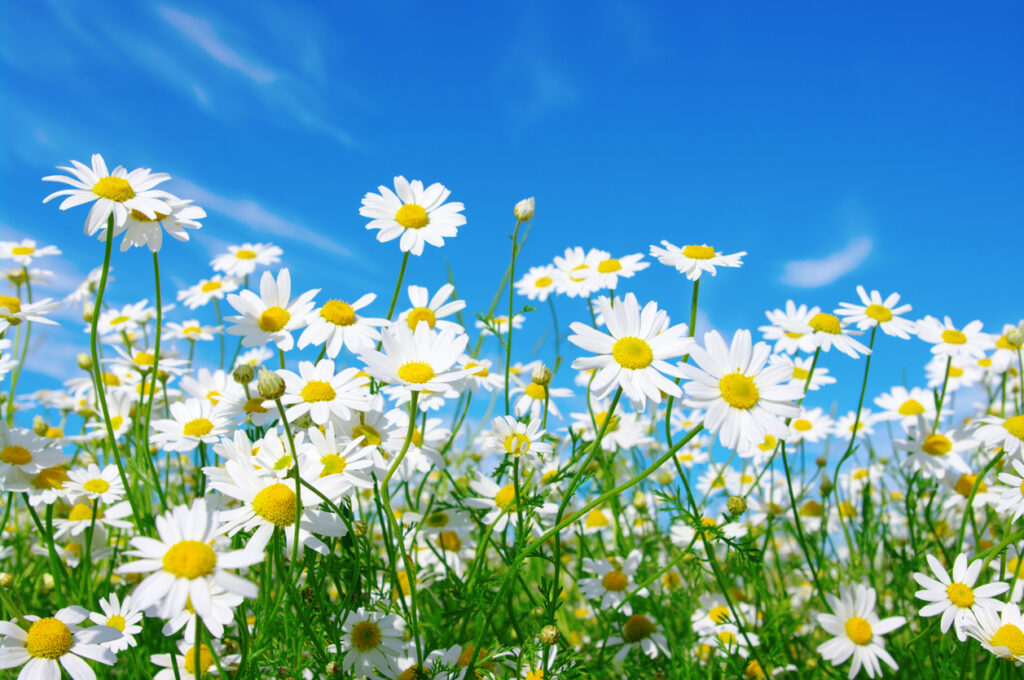
In Hamlet, the daisy gets passed over. Ophelia doesn’t even name it, just shows it, as if the symbol speaks for itself. Daisies stood for innocence, or the loss of it, depending on the context. Either way, they were never just pretty fillers.
Modern lawns are full of them, even if most people don’t bother to notice. However, if you grow them intentionally—oxeye daisies, especially—they’re striking and proper wildlife-friendly. Sometimes the simplest blooms carry the most meaning.
5. Columbine
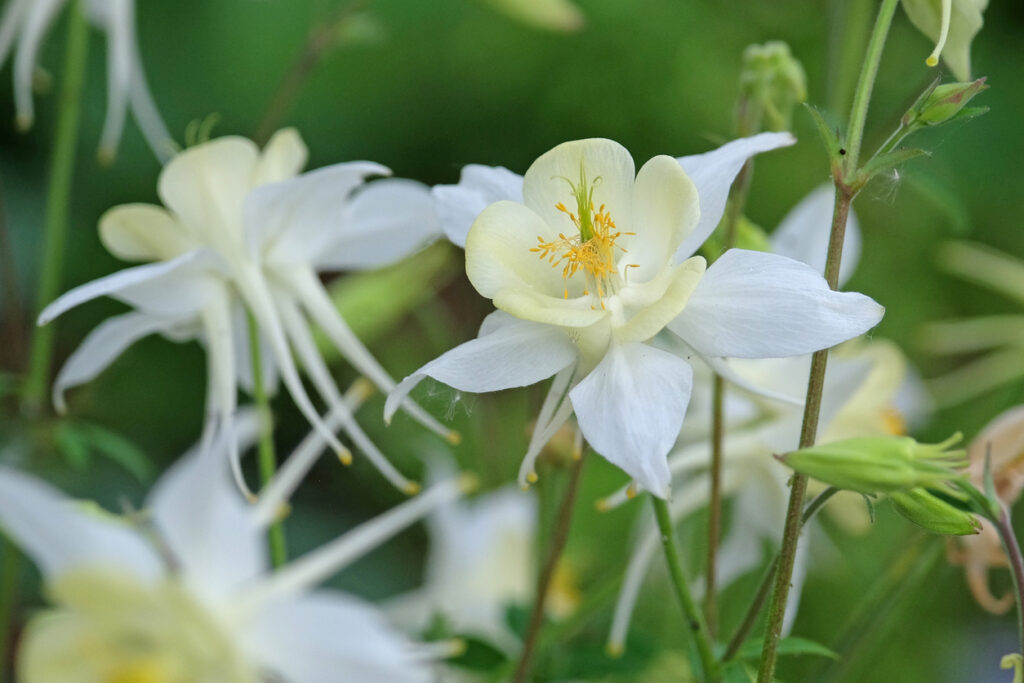
Ophelia again (she really cornered the flower symbolism market). Columbines are for ingratitude and foolishness, which feels a bit harsh, but that’s Elizabethan metaphors for you. The name comes from the Latin for “dove,” so there’s softness underneath the sass.
You can still grow them now, but they’re often called aquilegia. They come in all sorts of colours and have these delicate, nodding flowers that look like something out of a fairy tale. They’re great for shady corners and don’t need much fussing over.
6. Fennel
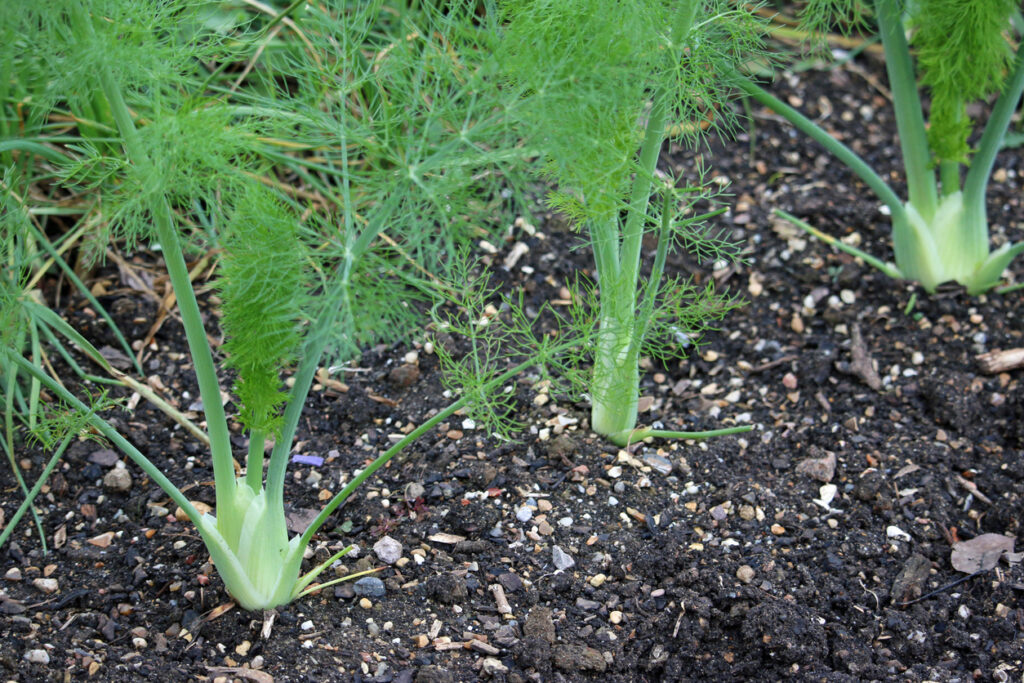
More symbolic offerings from Ophelia, fennel was associated with flattery and deceit. Basically, if someone handed you fennel back in the 1600s, they were probably side-eyeing you while doing it. Shakespeare didn’t mess around with subtle messages. Fennel still grows in loads of British gardens today, and it’s delicious if you like a bit of aniseed. It’s also tall and feathery, so it looks good in a border. Plus, the yellow flowers are a hit with pollinators. Poisonous meanings, friendly plant.
7. Marigolds
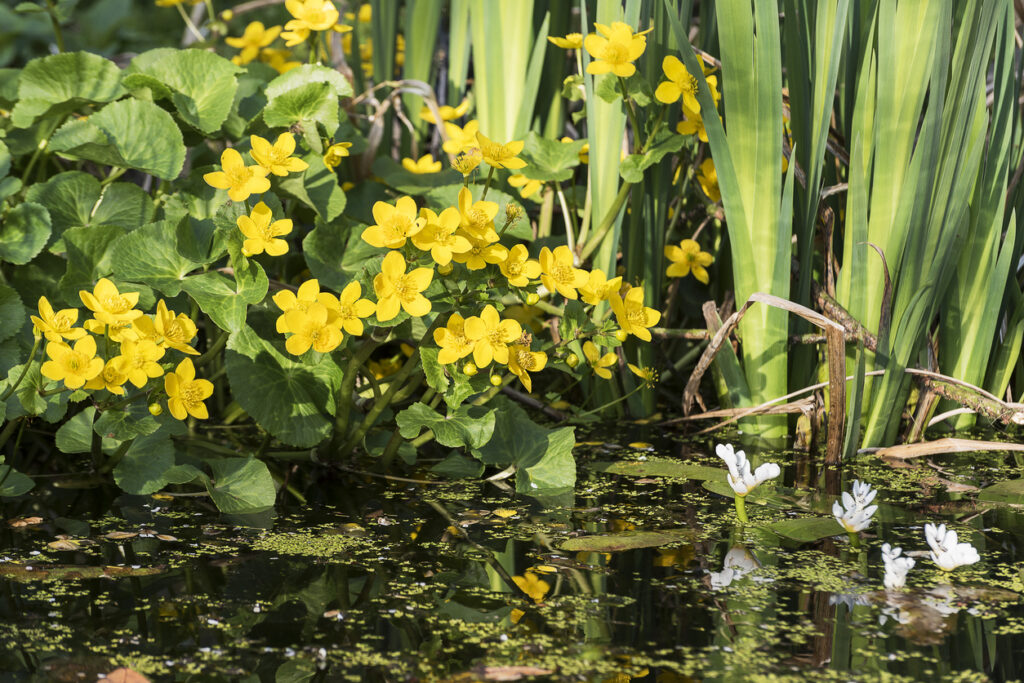
Marigolds pop up in The Winter’s Tale, where they “go to bed with the sun.” Shakespeare clearly noticed how they open and close with the light. Back then, they were linked with grief and despair, but also endurance and warmth. They’re still going strong in gardens across the UK, and they’re dead easy to grow. Some are edible, some keep pests off your veg patch, and all of them bring a punch of colour. Perfect for a bit of poetic drama in the borders.
8. Rue
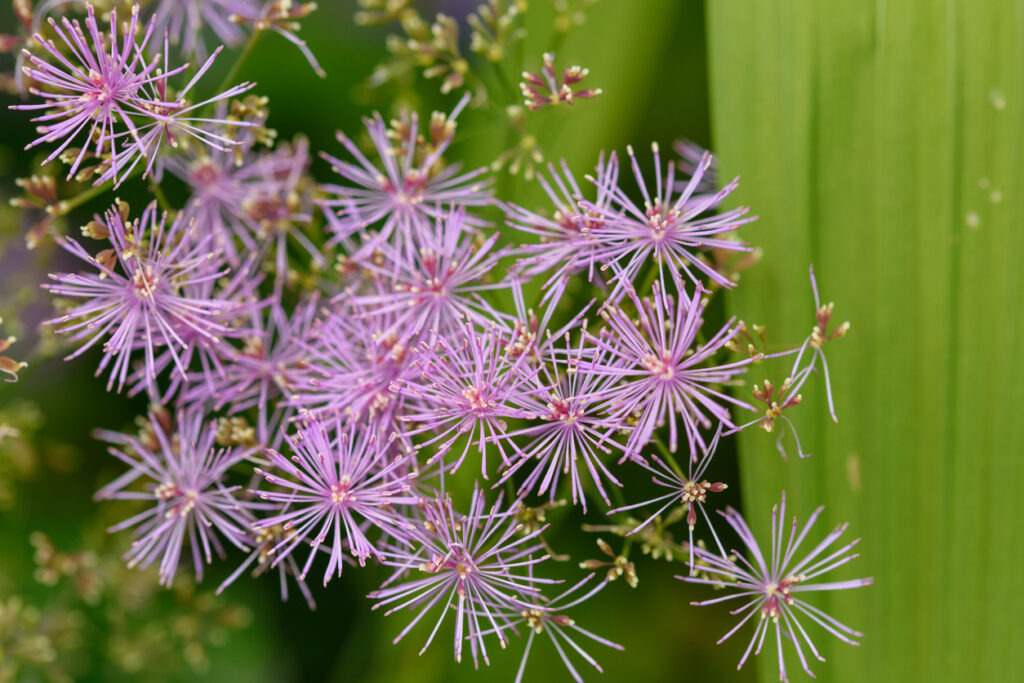
“There’s rue for you, and here’s some for me,” says Ophelia. Rue was a heavy one. It symbolised regret, sorrow, and repentance. In real life, it was used medicinally, though it could be toxic in the wrong amounts. In other words, very on brand for a Shakespeare prop.
You can still grow rue today, though it’s not super common. It has silver-blue leaves, small yellow flowers, and a strong scent. It’s not the cuddliest plant, but it’s striking and full of history, especially if you’re into gothic herb gardens.
9. Roses
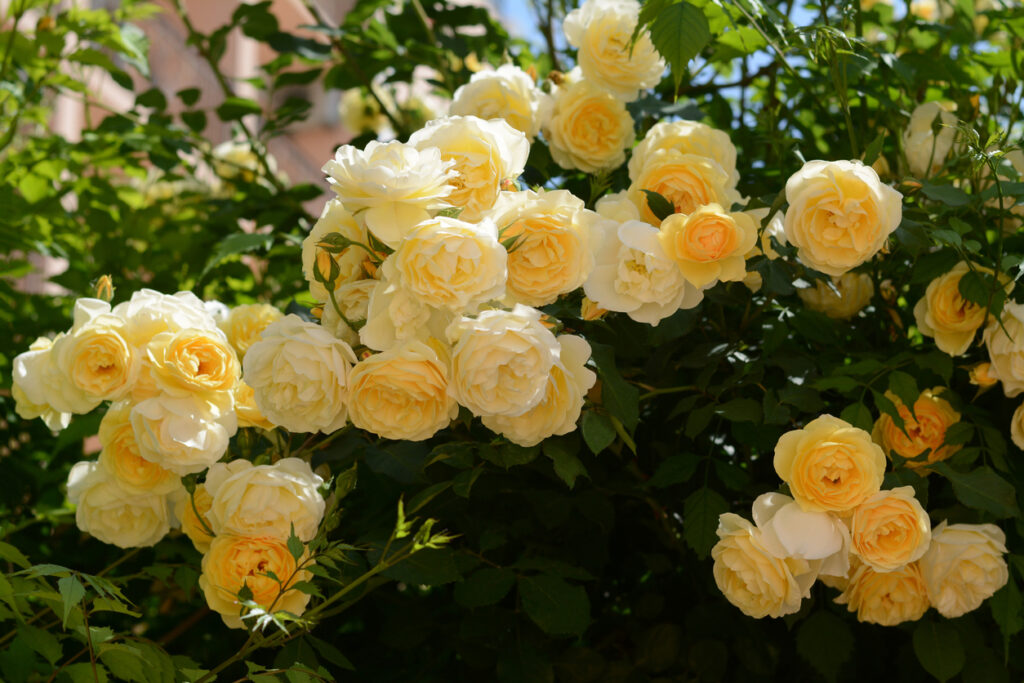
Possibly the most quoted flower of all time: “That which we call a rose by any other name would smell as sweet.” Shakespeare used roses constantly, both literally and symbolically. They stood for beauty, love, and the fleeting nature of both. And yes, roses are still top of the flower charts. You can go modern or old-school with your varieties, but either way, a rose bush in bloom is hard to beat. Shakespeare wasn’t wrong, either. They really do live up to the hype.
10. Daffodils
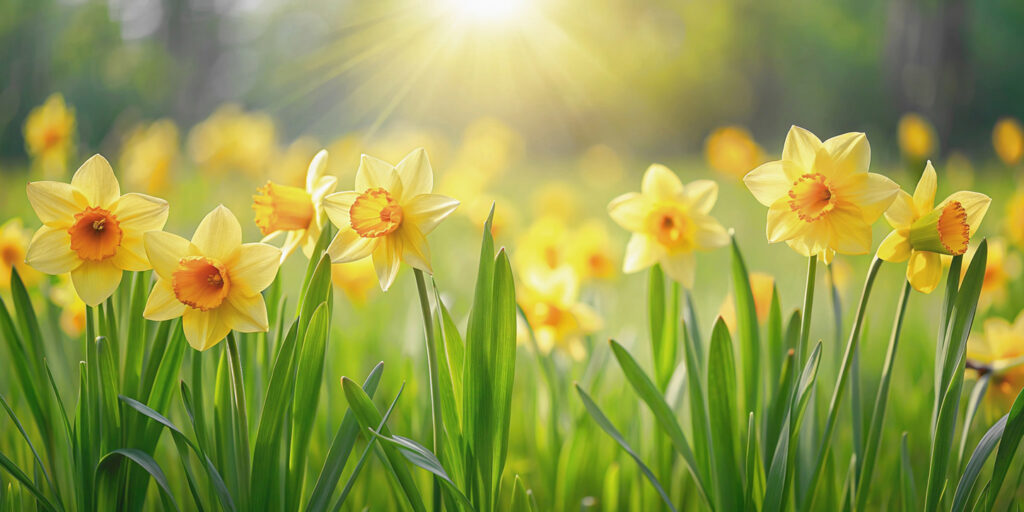
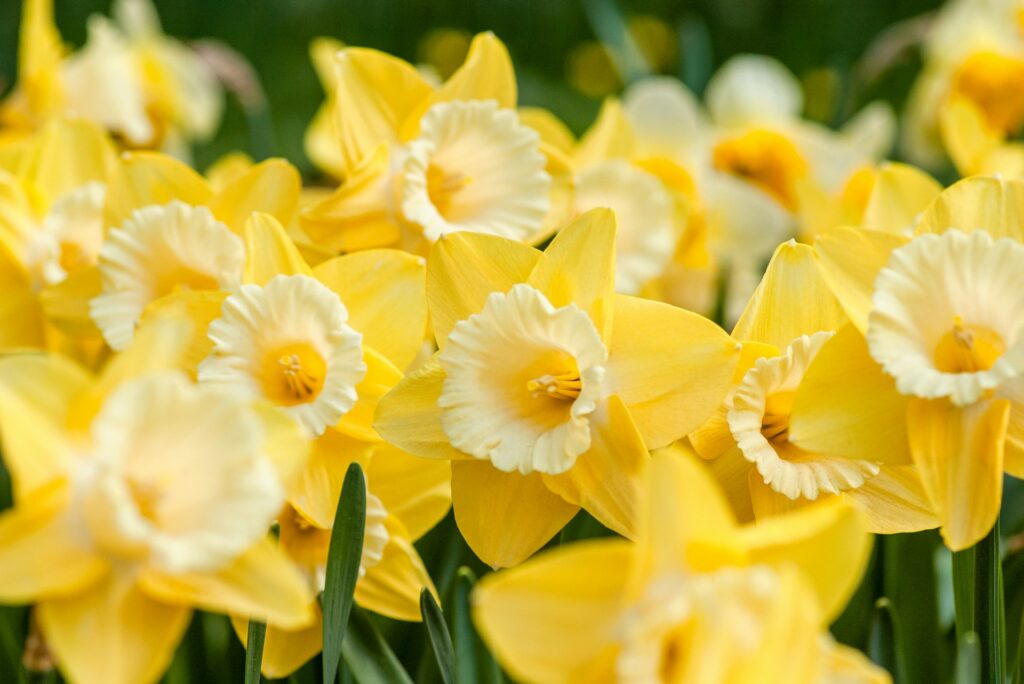
In The Winter’s Tale, daffodils are praised for coming “before the swallow dares,” which was an early sign of spring and hope. They were linked with rebirth, renewal, and that brief but joyful burst of colour after a bleak season. You’ll see them all over the UK in early spring, naturalised in parks and popping up in unexpected places. They’re tough, cheap to plant, and they return like clockwork. It’s a proper cheer-up flower, so it’s no wonder Shakespeare loved them.