Nature’s full of copycats, and some animals have evolved to mimic other species so convincingly, it’s hard to believe your eyes.

Sometimes it’s to hide from predators, sometimes it’s to scare them off, and sometimes it’s to sneak in unnoticed. Whatever the reason, mimicry is one of evolution’s weirdest and most impressive tricks. Here are 12 animals that are basically living impersonators, and they’re freakishly good at it.
1. Hawk moth caterpillar (aka snake face fake)
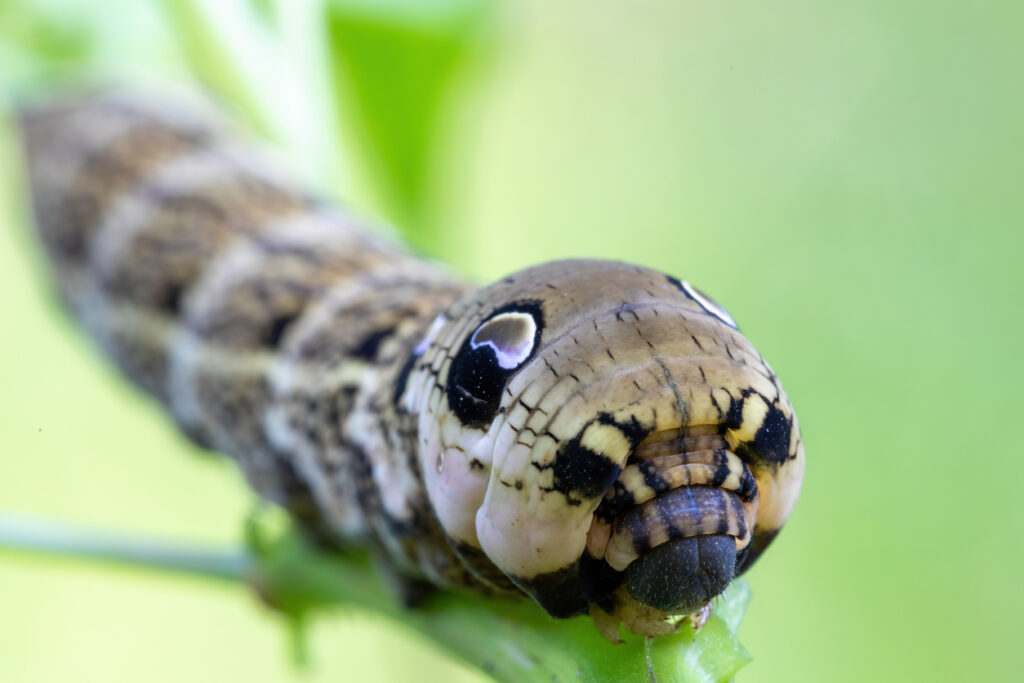
At first glance, this thing just looks like a chunky caterpillar… until it’s threatened. Then it pulls its front end back, puffs it up, and suddenly, it looks exactly like a snake’s head, complete with eyes and fake scales. The illusion is so convincing that birds (and even some humans) take a step back. It doesn’t bite, and it doesn’t sting. It just relies entirely on looking like something you’d rather not mess with. Weirdly enough, it works.
2. Orchid mantis
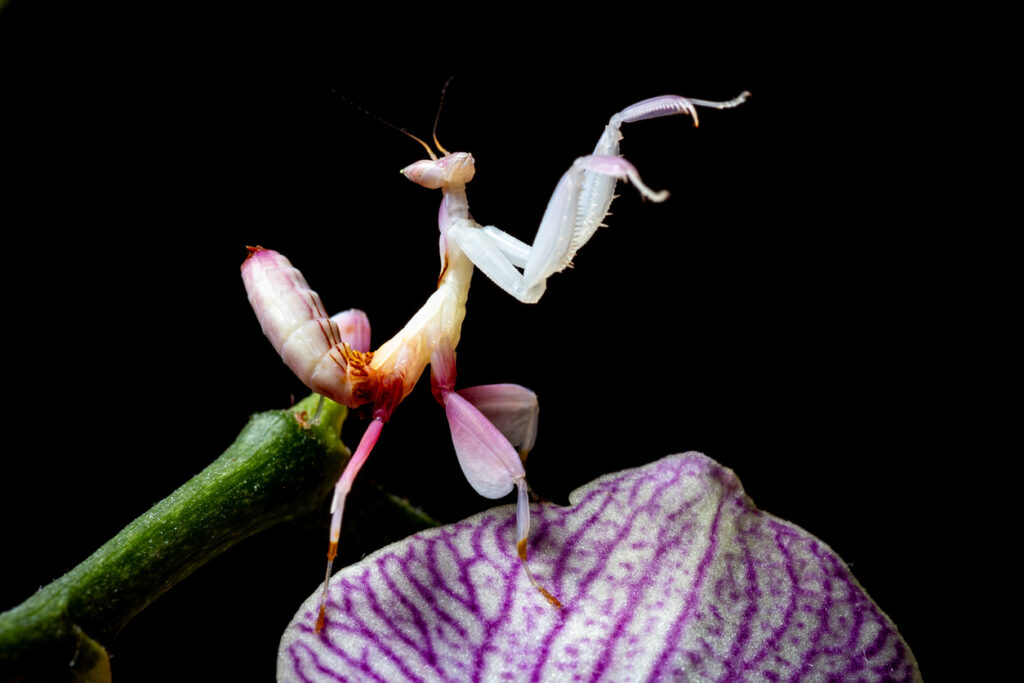
This mantis doesn’t bother with camouflage; it just becomes the flower. Its limbs look like orchid petals, and its body has that same soft pink-and-white pattern, which makes it practically invisible to pollinators that land right on it. Then, surprise: lunch. It’s not hiding from predators; it’s luring in food. A flower with a built-in predator is one of those nature ideas that’s equal parts brilliant and a little bit evil.
3. Milk snake

With its red, black and yellow bands, the milk snake looks a lot like the venomous coral snake, but it’s completely harmless. It’s a textbook example of Batesian mimicry, where a harmless species imitates a dangerous one for protection. The colour combo says. “Don’t even think about it!” and predators who’ve had one bad run-in with a real coral snake won’t risk checking twice. It’s basically nature’s version of “fake it ’til you make it.”
4. Bee fly
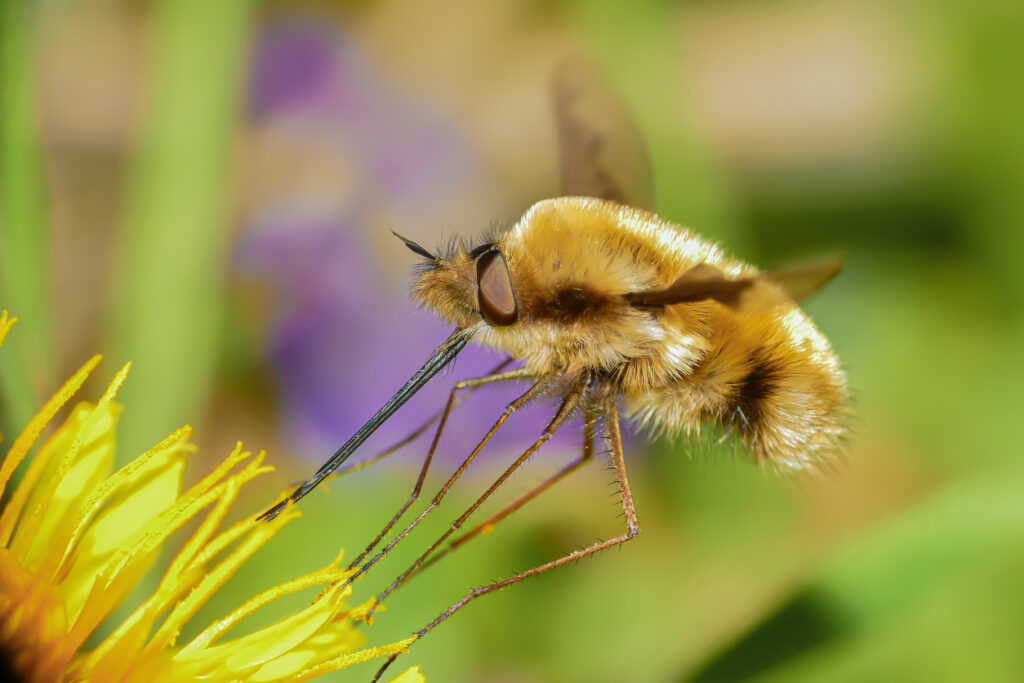
At first glance, it looks like a bee, complete with fuzzy body, hovering wings, even the same gentle buzz. However, it’s actually a fly, and it doesn’t sting. The disguise helps it avoid predators who want nothing to do with bees or wasps. It’s also a bit of a freeloader. It sneaks into bee nests and lays its eggs there, letting the real bees do all the work. In other words, it’s not just mimicking for safety—it’s getting free childcare out of the deal too.
5. Owl butterfly
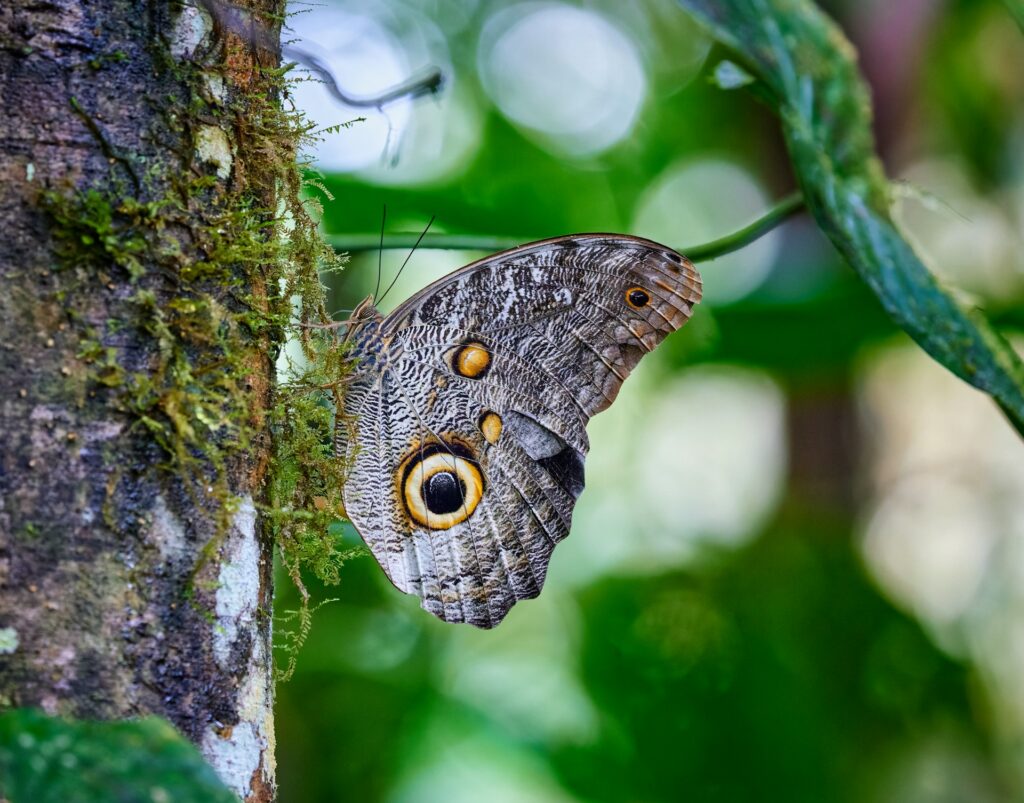
When this butterfly lands and closes its wings, it shows off two enormous eye spots that look like an owl’s stare. To a predator like a bird or lizard, those “eyes” scream danger, even though they’re completely fake. It doesn’t move fast, doesn’t have toxins, and isn’t all that well-armed. However, those fake owl eyes buy it just enough time to make a getaway. It’s bluffing, but bluffing beautifully.
6. Spider-tailed horned viper
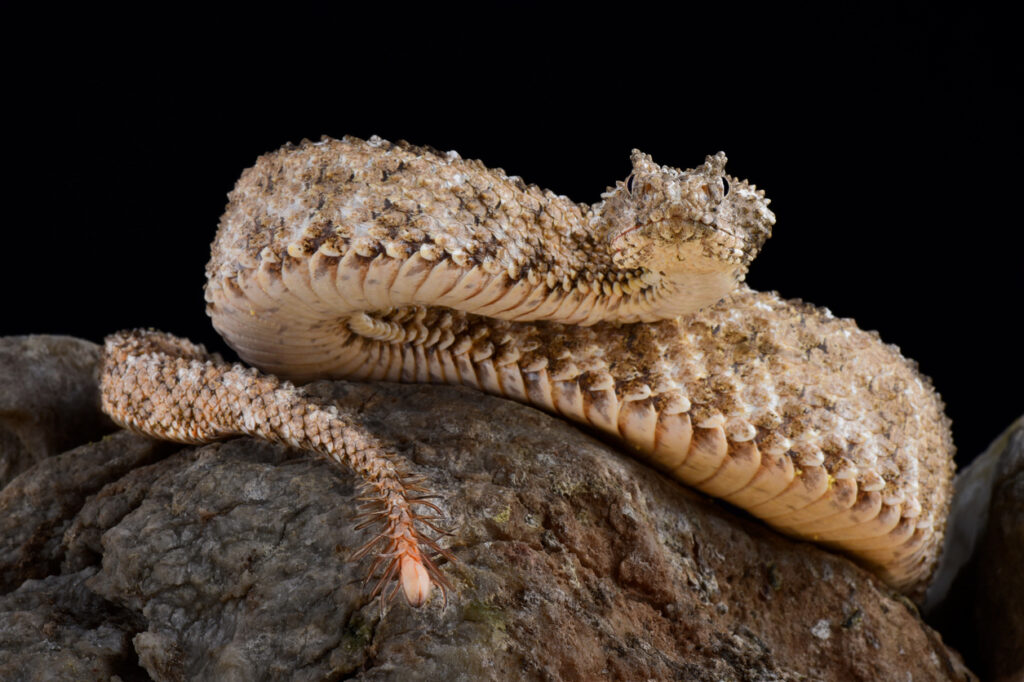
This snake has one of the strangest party tricks in the animal kingdom: its tail looks exactly like a spider. When it wriggles it just right, birds swoop in for a snack… and end up becoming the snack. It’s a master of deception. The snake’s colours blend into its rocky surroundings, so all you really see is the “spider” dancing around. By the time you realise it’s attached to a mouth full of fangs, it’s too late.
7. Leaf-tailed gecko
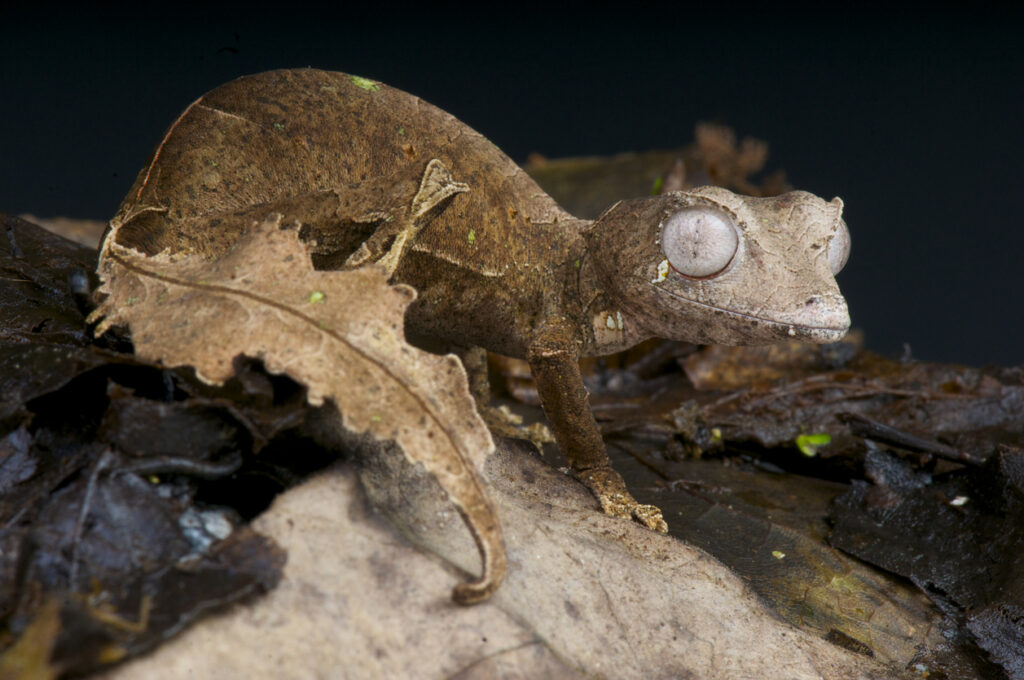
This lizard takes camouflage to a new level. Its body looks like bark, moss, or a dead leaf, depending on the species. Some even have notches and tears in their tails, like a leaf that’s been chewed up by bugs. When it’s sitting still on a tree trunk, you’d walk right past it. It’s not mimicking another animal, just pretending to be a boring bit of scenery. To be fair, it’s absolutely nailing the role.
8. Viceroy butterfly

Monarch butterflies are toxic, so birds eat them once, vomit their guts up, and never forget the taste. The viceroy butterfly isn’t toxic at all, but it’s evolved to look almost identical to the monarch. The trick is so effective that most birds won’t risk eating either. Just by copying someone else’s bad vibes, the viceroy gets full protection. It’s the butterfly version of “you don’t want this smoke.”
9. Cleaner fish imposters

In the ocean, cleaner wrasses are fish that pick dead skin and parasites off bigger fish, and the big fish let them. However, some sneaky species, like the sabre-toothed blenny, copy their look and behaviour, only to take a chunk out of the fish instead. It’s a total bait-and-switch. One second the predator’s getting a spa treatment, the next it’s bleeding. That’s mimicry used not just to stay safe, but to scam others. Rude, but undeniably clever.
10. Moth that looks like a wasp

Some clearwing moths have wings without scales, giving them a translucent look just like a wasp’s. They also copy the colouring, body shape, and even the twitchy movement, and predators who hate getting stung give them a wide berth. It’s not trying to look pretty; it’s trying to survive. It has no venom, no sting, and no defence beyond looking like something that does. In the world of mimicry, that’s more than enough.
11. Stick insect
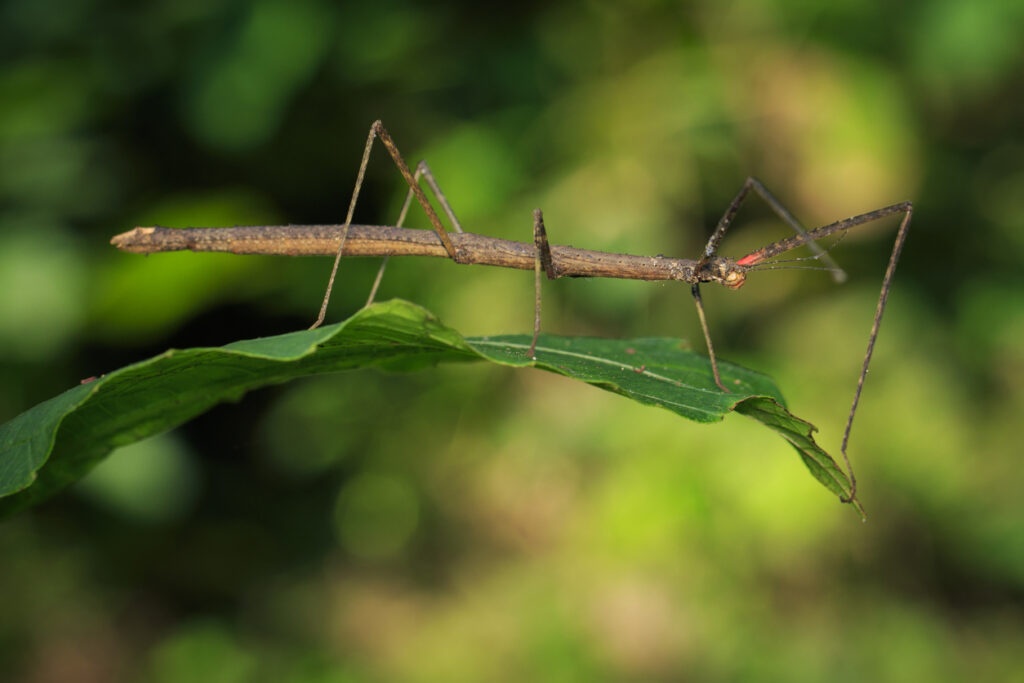
The name says it all. Basically, this insect looks exactly like a twig. Some even sway slightly as if blowing in the breeze, just to really sell the illusion. To a hungry bird, it’s just part of the tree. They’re not quick, and they can’t fight back, but they’re near impossible to spot. It’s a brilliant long game: become so boring and unnoticeable that nothing ever bothers you. They’re the ultimate wallflower.
12. Cuckoo chicks
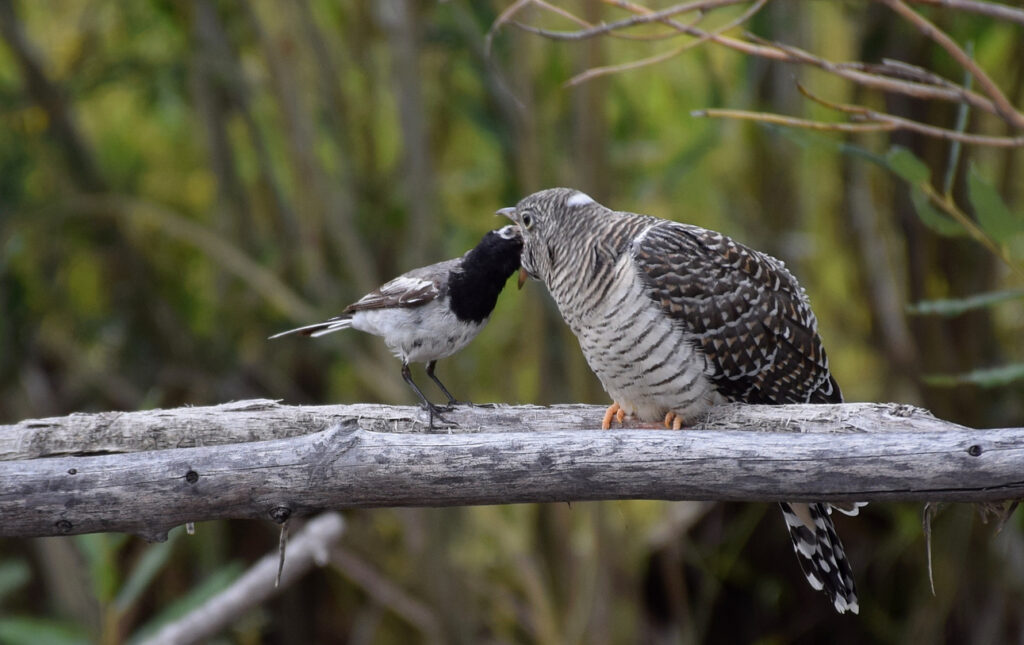
Adult cuckoos lay their eggs in other birds’ nests and fly off, leaving the foster parents to raise the chick. The crazy part is that the cuckoo chicks can mimic the begging calls of an entire nest of other chicks, even if they’re the only one there. It tricks the adoptive parents into feeding them more, working overtime for this one demanding imposter. It’s not visual mimicry, it’s audio fraud. Same result, though: free meals, no effort, drama left in its wake.