Cats are cute, not when they’re treating your garden like their personal toilet, digging up seedlings, or scaring off the birds you’ve spent months trying to attract.
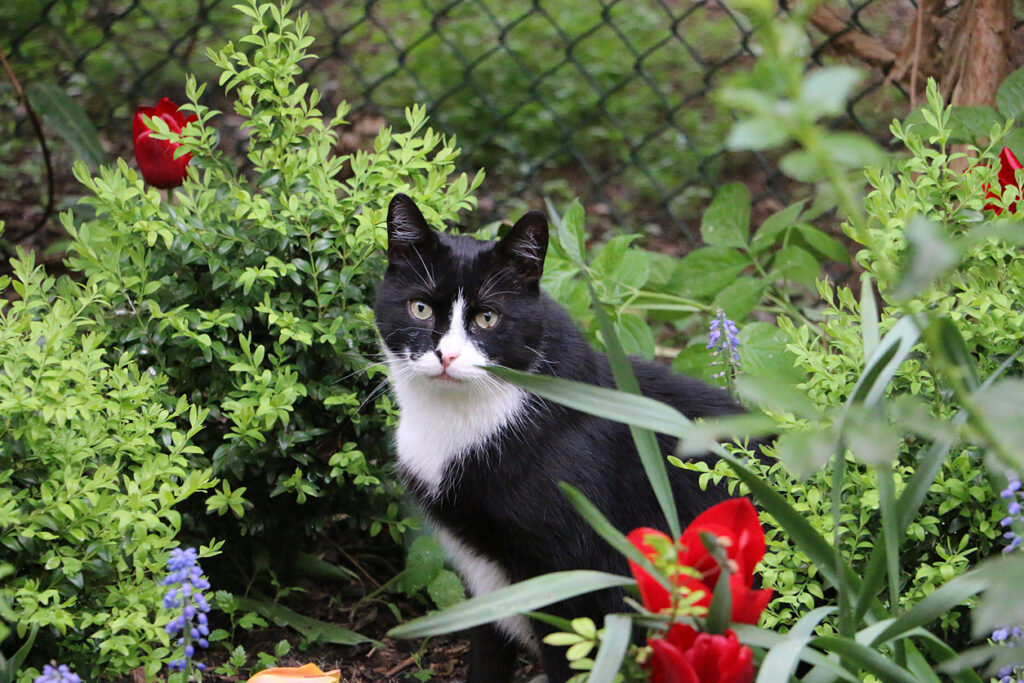
Plus, because they’re technically allowed to roam free, you can’t exactly file a complaint with their owners. However, that doesn’t mean you’re stuck playing host to the neighbourhood moggies. Here are some safe, legal and actually effective ways to deter cats from turning your garden into their hangout spot.
1. Use strong-smelling plants they can’t stand.

Cats have sensitive noses, and there are certain smells they absolutely can’t stand. Lavender, rosemary, lemon balm and curry plant are all scents they’d rather avoid, which makes them great options for problem areas in your garden. Plus, they look good and don’t scream “cat repellent” the way plastic spikes do.
Plant them around borders or in between more delicate plants to create natural scent barriers. It won’t stop the most determined feline explorer, but it does make your garden less appealing, especially compared to your neighbour’s freshly dug veg bed.
2. Citrus peel works better than you’d think.
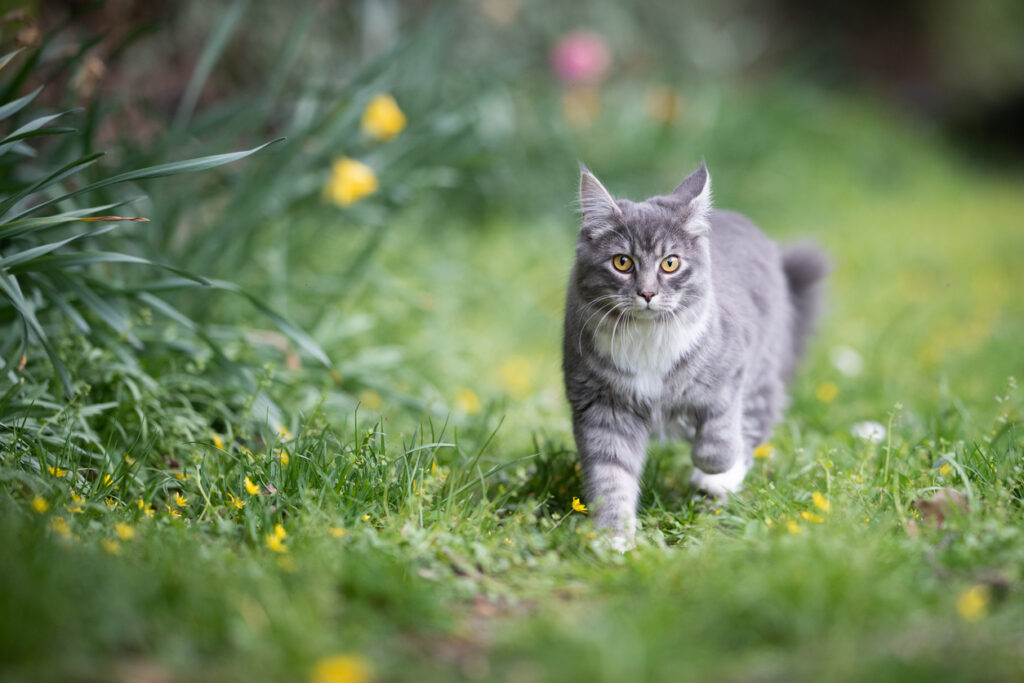
Before you chuck your orange or lemon peels in the compost, scatter them where the cats are sneaking in. Citrus is one of the top smells cats avoid, and it’s completely harmless to plants, pets, and people. Even just rubbing citrus oil on fences or pots can do the trick.
It does need refreshing every few days, especially after rain, but it’s cheap, natural, and surprisingly effective. Just avoid anything too concentrated or synthetic. Pure citrus oil in big doses can irritate cats’ skin, and you’re here to deter, not harm.
3. Invest in motion-sensor deterrents.

For cats that don’t care about smells or obstacles, motion-activated gadgets can be a game changer. Some spray a harmless jet of water, others make a high-pitched noise that only animals can hear. Either way, the surprise element usually does the trick. They’re a bit more expensive than home remedies, but you don’t need them everywhere, just by favourite entry points or digging spots. Once the cat realises your garden’s a jump-scare zone, they usually stop testing their luck.
4. Make your soil less toilet-friendly.
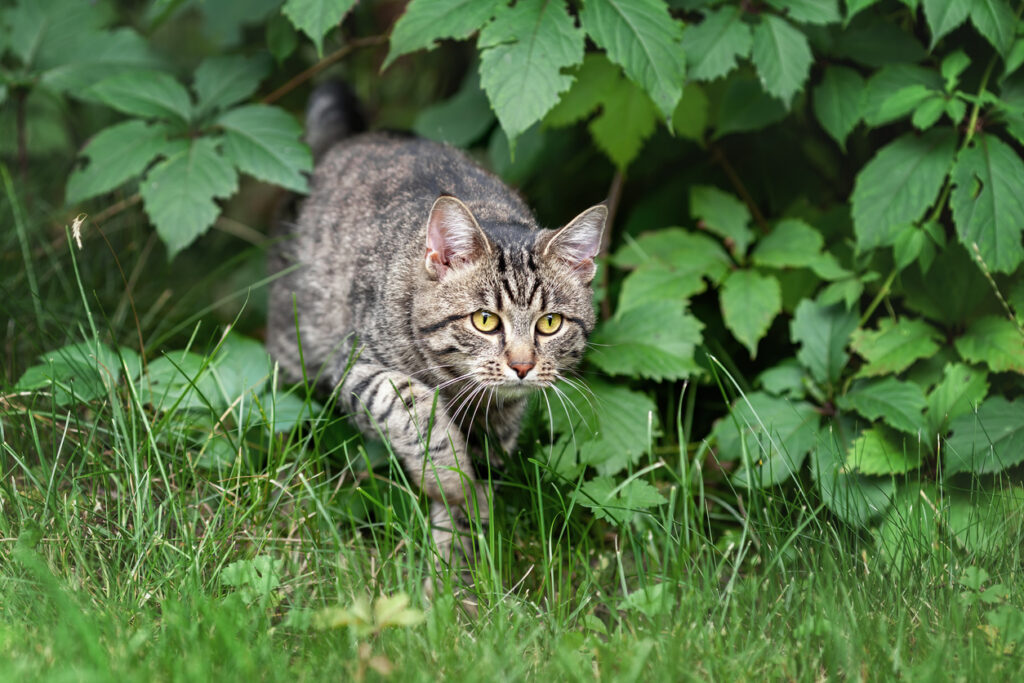
Loose, freshly dug soil is basically a luxury cat bathroom. It’s soft, it’s warm, and it’s perfect for burying their business. If they’re using the same spot regularly, chances are it’s the texture that’s drawing them in, not the location. Try covering exposed soil with mulch, bark chips, or even chicken wire laid flat (plants can still grow through it). Gravel can also work, though some cats don’t mind it. The goal is to make the surface less inviting so they pick somewhere else.
5. Don’t feed the birds too close to ground level.
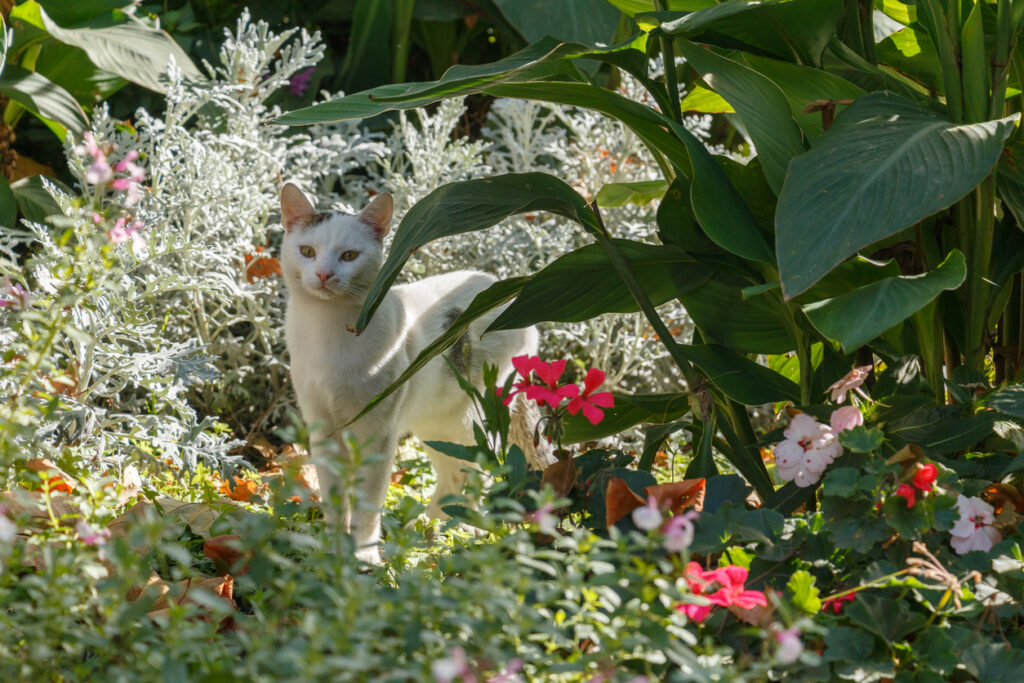
If you’ve got bird feeders or tables, keep them up high and away from fences or walls. Cats are natural hunters and a bird buffet is just an open invitation to loiter, stalk, and occasionally pounce. The birds suffer, and your garden becomes a hotspot for cat activity.
Use hanging feeders with baffles (those cone-shaped guards), and avoid putting them near shrubs or ledges where cats can hide. It’s less about making your garden cat-proof, and more about making it harder for them to treat it like a drive-thru.
6. Cover gaps in fences or hedges.

You don’t need some kind of prison wall, just something that makes casual visits a bit more effort. Block the gaps cats use to slip through your fences or hedges with chicken wire, bamboo canes, or even dense planting if you want a nicer look. Most cats are lazy opportunists. If getting into your garden suddenly takes more effort than it’s worth, they’ll start using easier routes. You’re trying to persuade them to try next door instead.
7. Add awkward textures to their favourite spots.
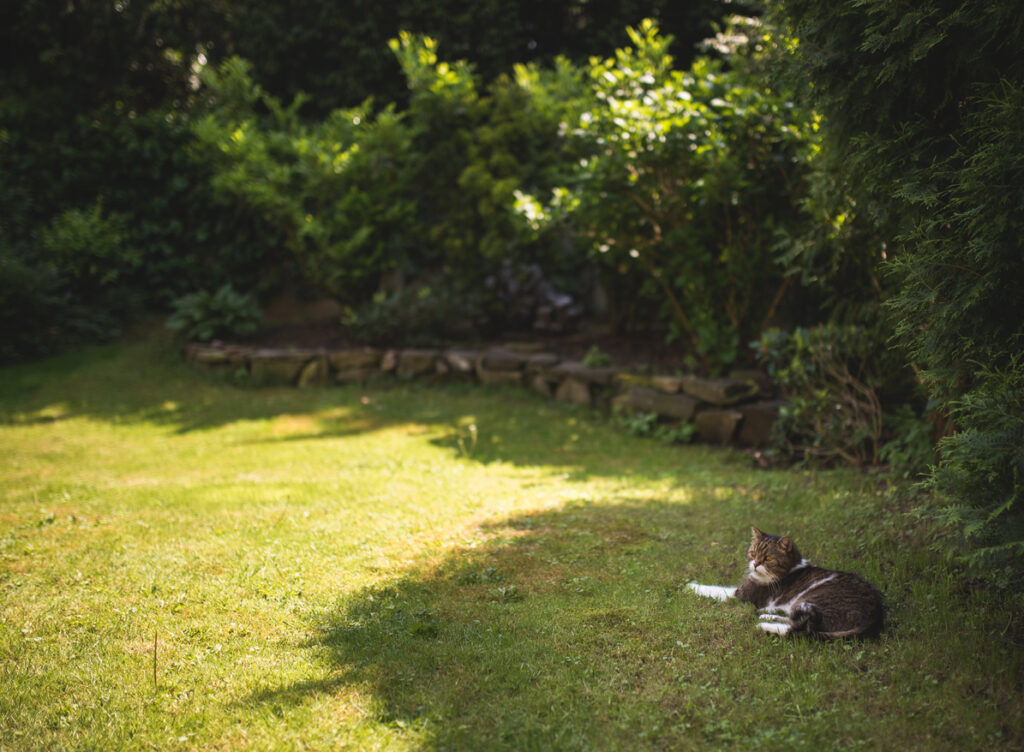
Cats love a comfy sunbathing spot or that one patch of soil that feels just right under their paws. Covering those areas with things they hate walking on, such as pinecones, spiky clippings, or even upside-down plastic carpet runners, sends a pretty clear message. Obviously, don’t fill the whole garden with booby traps, just the areas they keep going back to. The goal is to make the space less inviting without turning your garden into an obstacle course for yourself.
8. Spray safe repellent around key areas.
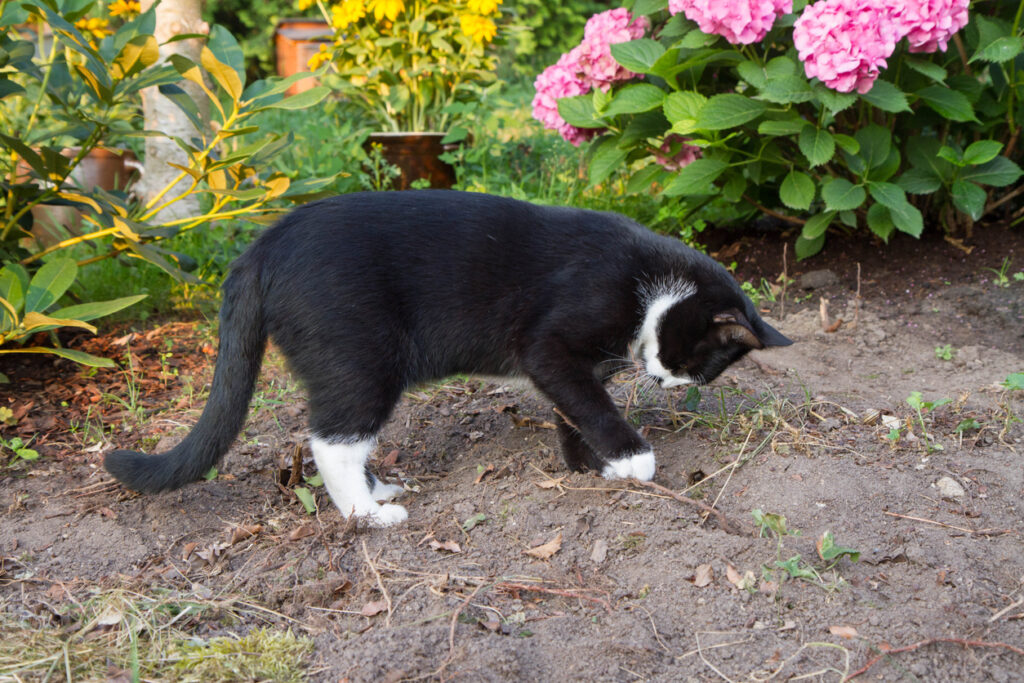
There are pet-safe repellents you can spray on plants, fences, or around flower beds that smell awful to cats but are completely harmless. Some smell herbal, others citrusy; either way, they create a scent zone that makes cats second-guess stepping in. They don’t last forever, so you’ll need to reapply after rain or once the scent fades, but they’re easy to use and good for specific problem zones. Just double check the label, as not all “natural” sprays are actually safe for pets or pollinators.
9. Use water (just not buckets of it).
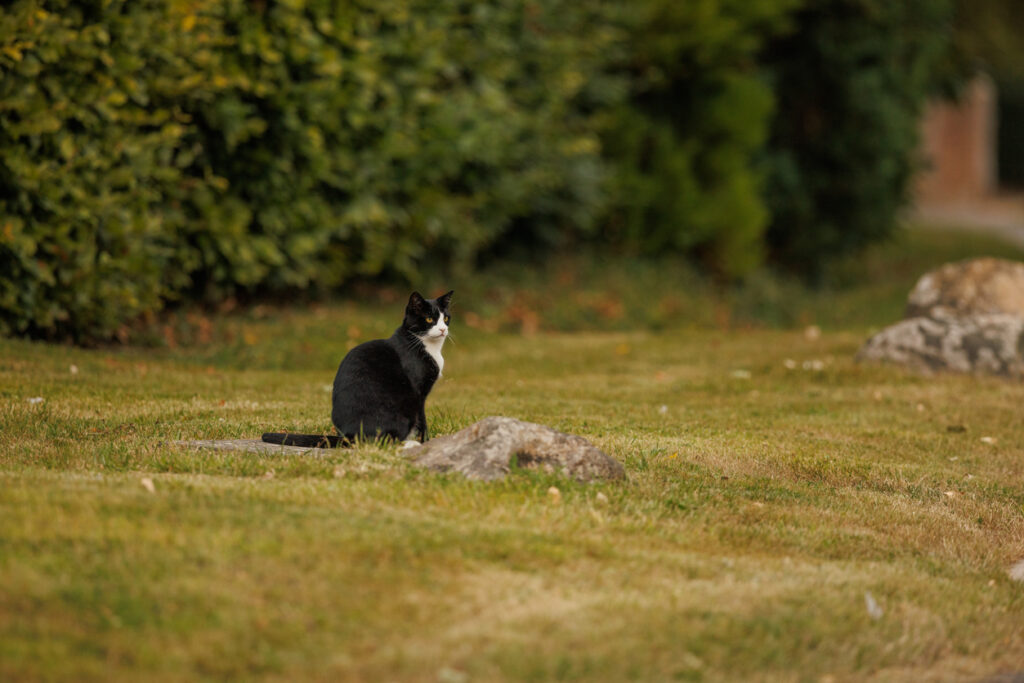
Cats hate water, that’s no secret, but you don’t need to hose them down. Just the sound or sight of it can be enough to send them packing. A quick splash near them (not at them) from a watering can or bottle usually gets the message across. If you’re consistent but gentle, they’ll start linking your garden with “mild annoyance” and move on. It’s not cruel, it’s just aversion training, and it doesn’t take long before they find somewhere less damp to nap in.
10. Remove what’s attracting them.
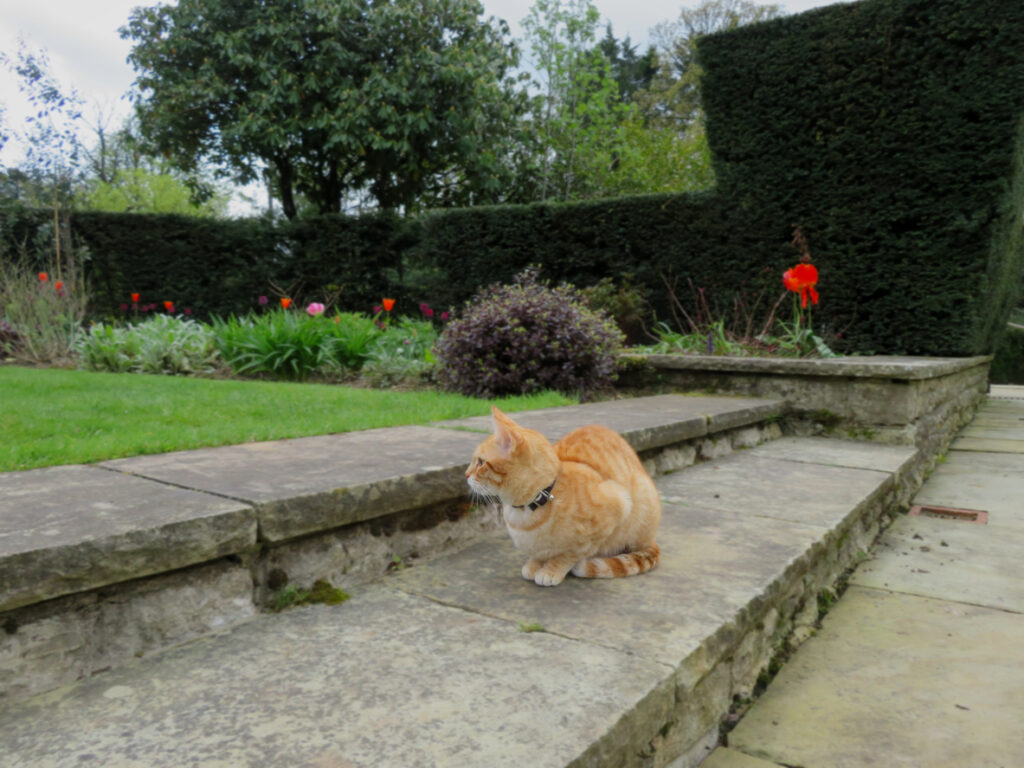
Sometimes it’s not your garden they love; it’s the smell of compost, the soft soil in your veg patch, or even the presence of your own pets. If there’s anything that might be luring them in, try changing it or covering it up. Cover your compost heap, clear up food scraps, and don’t leave pet food outside. It sounds obvious, but it’s easy to forget that gardens can be unintentionally inviting when we’re not paying attention to what’s setting off the cat radar.
11. Try ultrasonic garden devices (with caution).
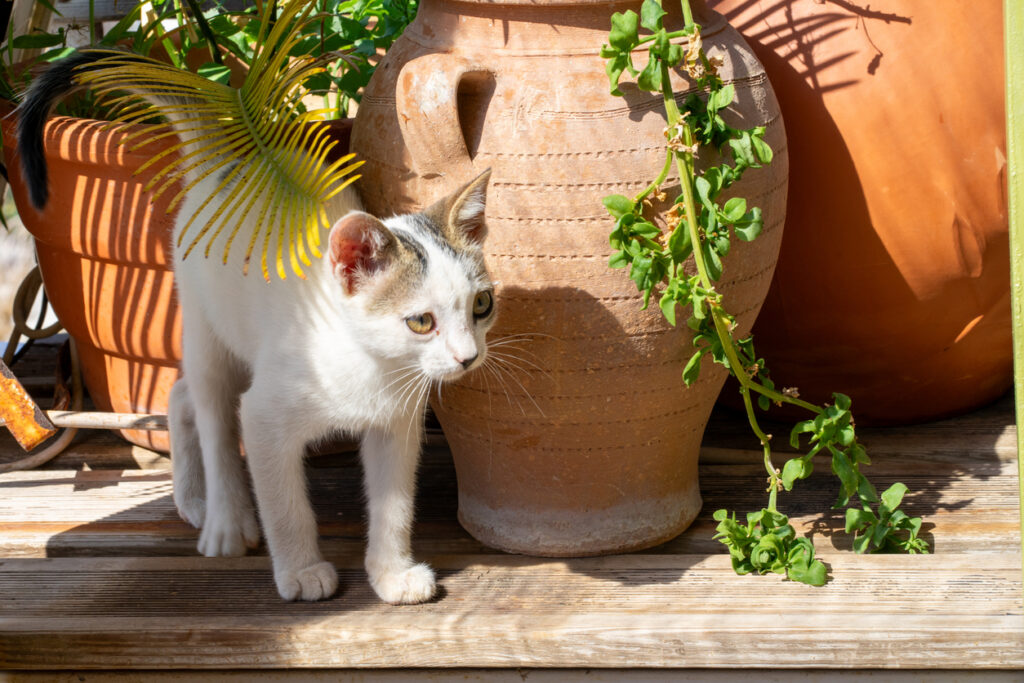
These little gadgets emit a high-frequency sound that’s meant to bother cats, but not humans. Some people swear by them, others find them hit and miss, and some pets (especially dogs) don’t love them either. So it’s worth doing a bit of research before committing. If you try one, place it where cats tend to enter, rather than in the middle of your flower beds. Keep an eye on how local wildlife reacts, as well. You don’t want to accidentally scare off hedgehogs or birds.
12. Accept that you’re negotiating, not winning.
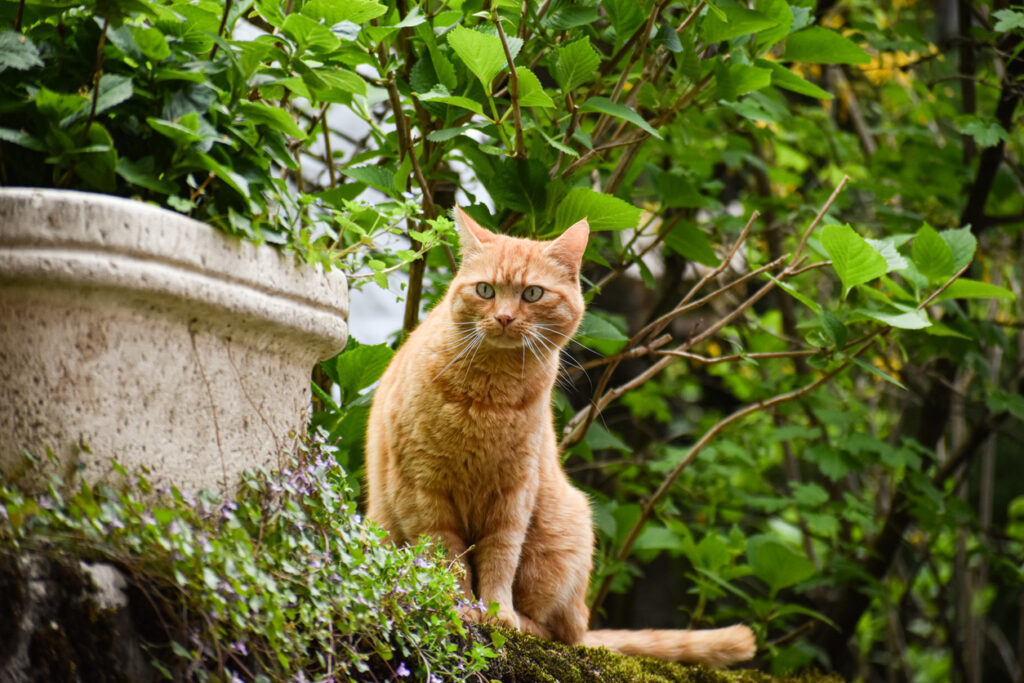
Unless you’ve got fully enclosed walls and a moat, cats will get in from time to time. The aim isn’t to make your garden a feline-free fortress. It’s to make it just annoying enough that they’d rather go somewhere else. A mix of scent deterrents, physical barriers, and the odd “go away” splash tends to work best. You don’t hate cats; you just love your garden enough to stop it turning into a communal litter tray. Fair’s fair.