We always picture aliens when we think about weird space stuff: little green beings, giant ships, dramatic invasions.
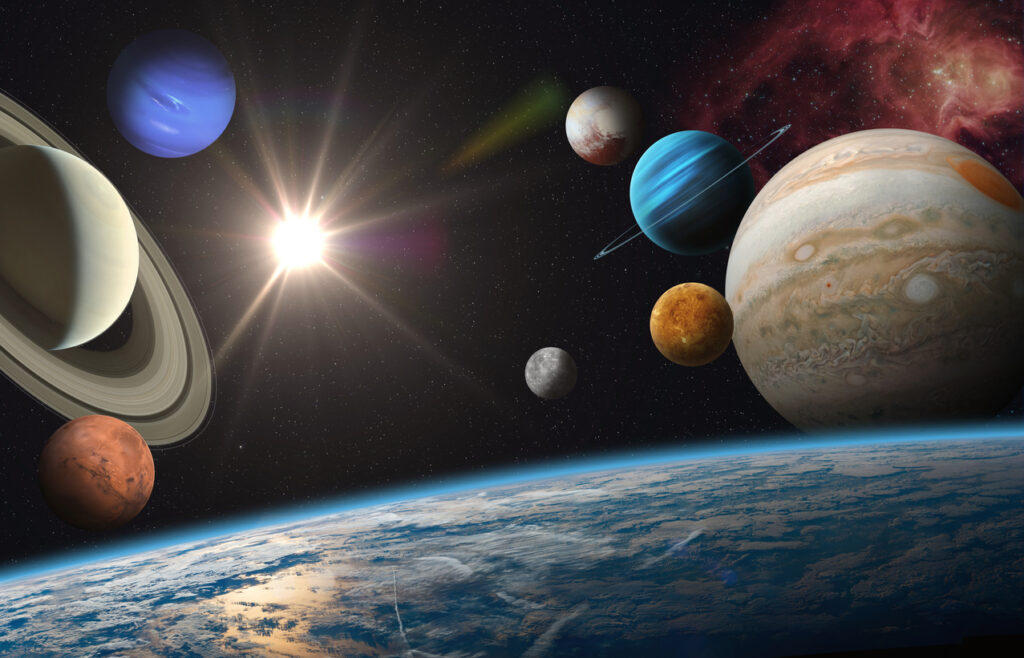
However, the truth is, our own solar system is already packed with things that make sci-fi look tame. From moons that spew ice like geysers to storms that could swallow Earth whole, it’s all happening right here, without any need for alien drama. These are some of the downright strangest things in our solar system that feel way more far-fetched than any film.
1. Venus rains acid, but it never hits the ground.
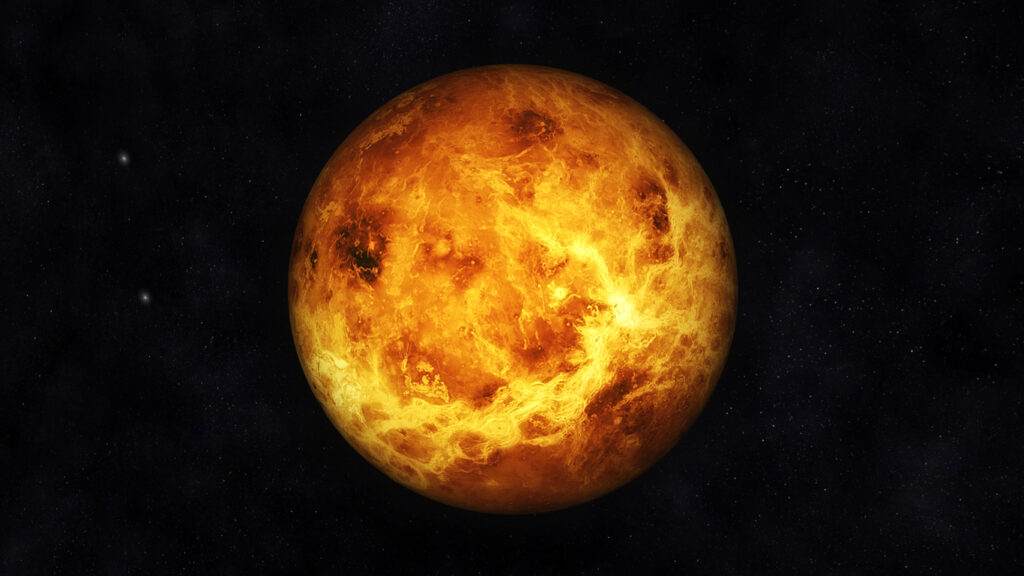
Venus is basically hell with a postcode. Its atmosphere is full of thick clouds of sulphuric acid, and yes, it actually rains acid. Here’s the twist, though: the planet’s surface is so insanely hot (think pizza oven turned up to maximum) that the acid evaporates before it even touches the ground.
So technically, it rains, but it’s more like a bad chemical tease. Combine that with crushing atmospheric pressure and skies that never clear, and you’ve got the most hostile weather forecast imaginable. Definitely not holiday material.
2. There’s a moon with a huge water ocean under its crust.

Jupiter’s moon Europa looks like a big cracked ice ball, but underneath that frozen shell is a massive liquid ocean. It’s not a puddle, but an entire ocean, possibly bigger than all of Earth’s combined. Oh, and it’s kept warm by tidal forces, not sunlight.
Scientists think it might even be capable of supporting life. No dramatic alien cities or glowing jellyfish just yet, but if there’s anywhere in the solar system life could be hiding, Europa’s probably it. Which makes it both amazing and kind of eerie.
3. Saturn has a storm shaped like a perfect hexagon.

At Saturn’s north pole, there’s a storm system so weird it looks like a design glitch. It’s a perfect hexagon with six straight sides, all symmetrical, and it just spins there, storming away. No one fully knows why it’s that shape, but it’s been stable for decades. Imagine a hurricane on Earth shaped like a hex nut, parked over the Arctic for 40 years and refusing to move. That’s the level of weird we’re dealing with. It’s not something out of a sci-fi film. It’s just Saturn doing Saturn things.
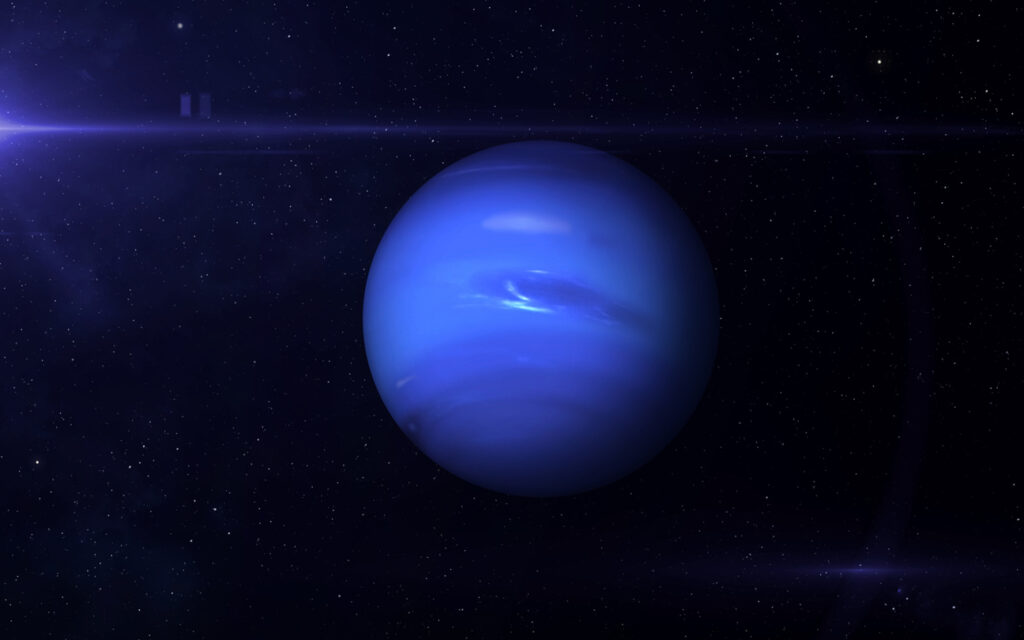
4. Neptune has supersonic winds.
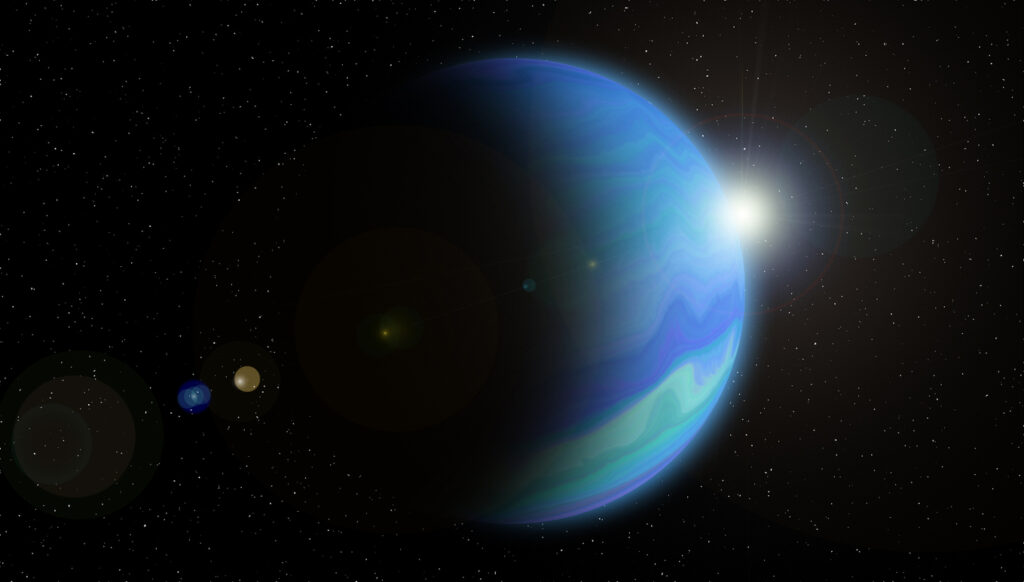
Neptune might look calm and blue from afar, but it’s absolutely chaotic. Its winds are the fastest in the solar system, reaching speeds over 1,200 miles per hour. That’s faster than the speed of sound, and way beyond anything Earth could even handle.
The wildest part is that we don’t even fully know how. Neptune’s far from the Sun and doesn’t get much energy, but it somehow powers wind speeds that would tear any Earthly structure to bits. It’s basically a giant blue tornado with no chill.
5. Pluto has ice mountains and a heart-shaped glacier.
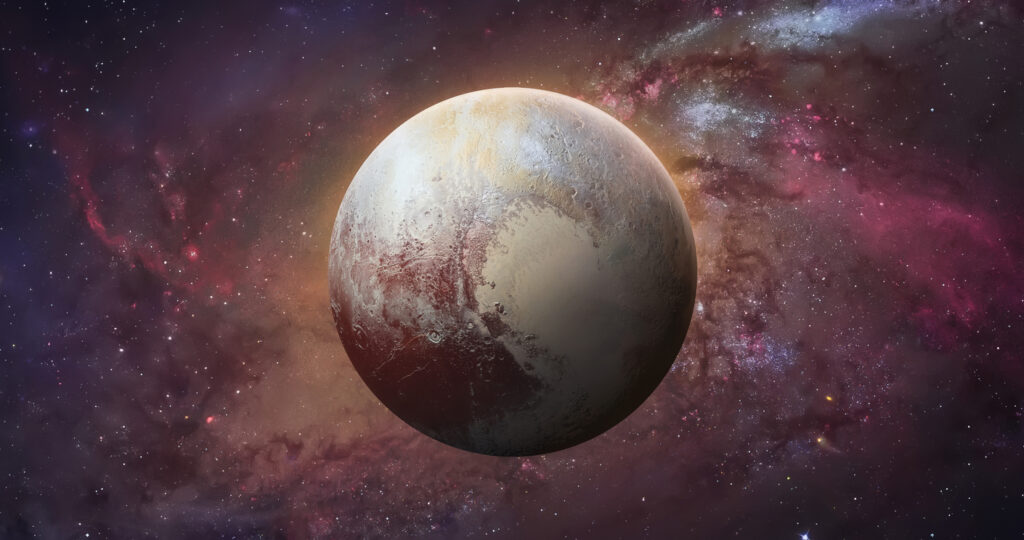
For a “dwarf planet,” Pluto’s showing off. It’s got ice mountains taller than the Rockies, a giant glacier shaped like a heart, and a thin atmosphere that expands and collapses depending on how close it is to the Sun. It was meant to be a frozen, boring rock, but when the New Horizons probe flew by in 2015, it completely rewrote what we thought we knew. Turns out Pluto might be small, but it’s full of personality (and geological surprises).
6. Mercury has ice at its poles, despite being boiling hot.
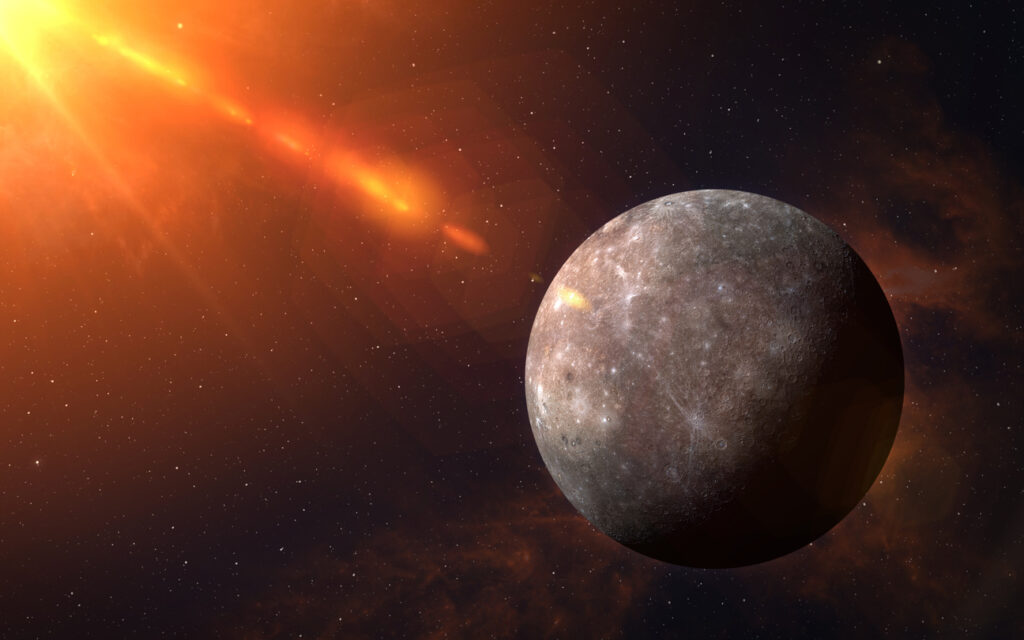
Mercury’s the closest planet to the Sun, so it should be an oven all over, and mostly it is: daytime temps reach nearly 430°C. However, in some of its deep polar craters, the Sun never hits, and those spots stay permanently cold enough to trap water ice. It’s a weird contradiction. Boiling one minute, frozen the next, all on the same tiny planet. If Mercury had an identity crisis, this would be it. It’s like finding a freezer inside a bonfire.
7. There’s a moon that acts like a volcano, but with ice.

Enceladus, another moon of Saturn, has geysers that shoot jets of water ice hundreds of kilometres into space. They come from cracks near its south pole, and they’re so strong they help form Saturn’s outer rings. It’s called cryovolcanism, which is basically ice volcanoes. Also, underneath all that icy chaos is another possible ocean. Between the water, the heat, and the energy, it’s another place scientists are watching closely for any signs of alien microbes.
8. Mars has the tallest volcano in the solar system.

Olympus Mons on Mars is a beast. It’s a volcano three times taller than Mount Everest and about the size of France. It’s so big that the base curves with the planet’s surface. If you were standing on top of it, you wouldn’t even realise you were on a mountain. It’s that wide. The craziest part is that t’s technically still a volcano that could erupt again. Nothing in Hollywood’s alien invasion scenes comes close to the sheer scale of this Martian giant. It’s quiet now, but it’s not necessarily done.
9. The Sun can “sing” in soundwaves we can’t hear.
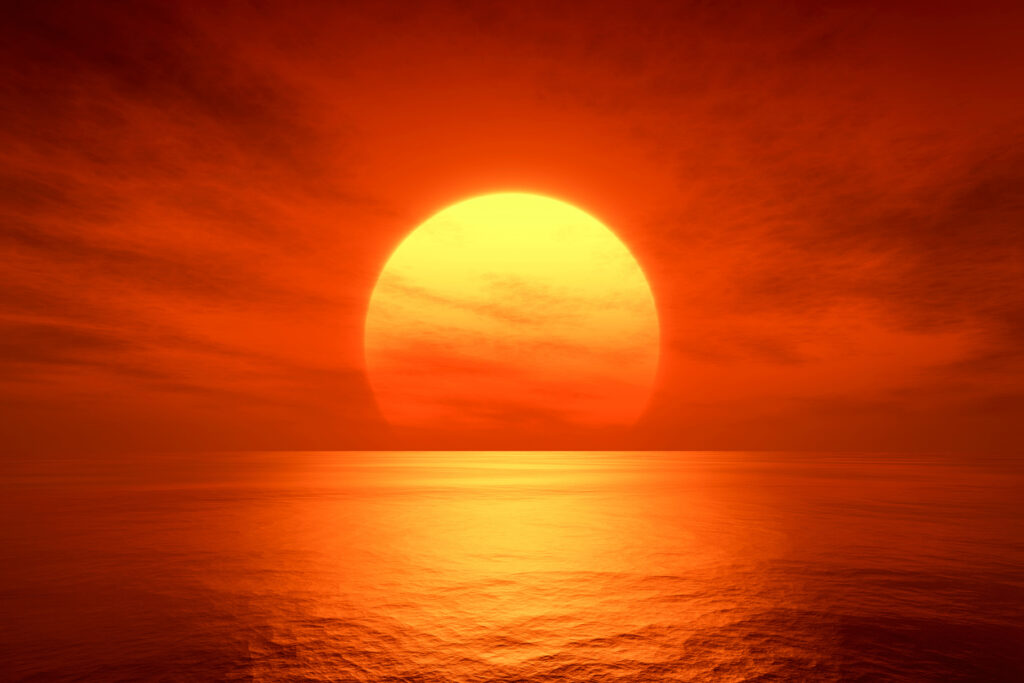
Our Sun is constantly pulsing, vibrating and making sound waves. We obviously can’t hear it since there’s no air in space, but scientists can measure those vibrations and translate them into sound. Turns out, the Sun “sings” all the time. It’s not exactly a catchy tune—more like deep, rumbling bass notes echoing through its layers. Still, the fact that the star we orbit has a weird space soundtrack? That’s way more sci-fi than most film ever attempt.
10. There might be a giant hidden planet we haven’t seen yet.
Way out past Neptune, there’s weird stuff going on. Some objects in the Kuiper Belt move in a way that suggests something massive is tugging on them, and it could be something we haven’t found yet. This has led to the theory of “Planet Nine.”
No one’s seen it. It might not even exist. But if it does, it could be 5–10 times the mass of Earth and hiding in the outer darkness, taking hundreds of years to orbit the Sun. A mystery planet hanging out in our own solar system? You can’t make this up.
11. Uranus spins sideways (and nobody’s totally sure why).
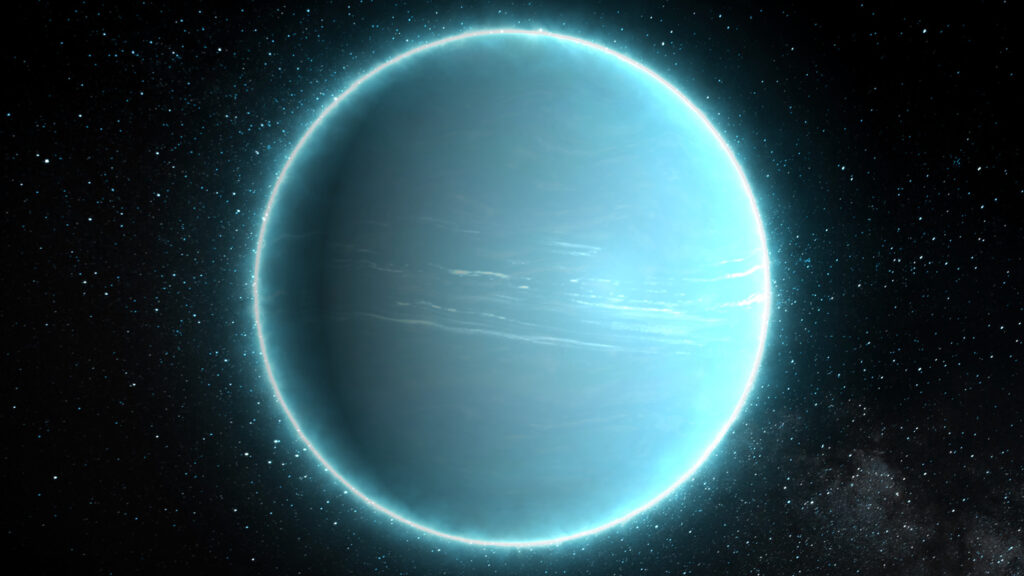
Most planets spin like a top. Uranus spins like it got absolutely wrecked in a cosmic pub brawl. Its axis is tilted by over 90 degrees, which means it basically rolls around the Sun on its side. One pole can face the Sun for decades at a time. The most likely reason is down to a giant collision in the early days of the solar system. Something massive smacked into Uranus and knocked it wonky. It’s been spinning sideways ever since, like it’s permanently dizzy.
12. The Moon is drifting away, albeit very slowly.
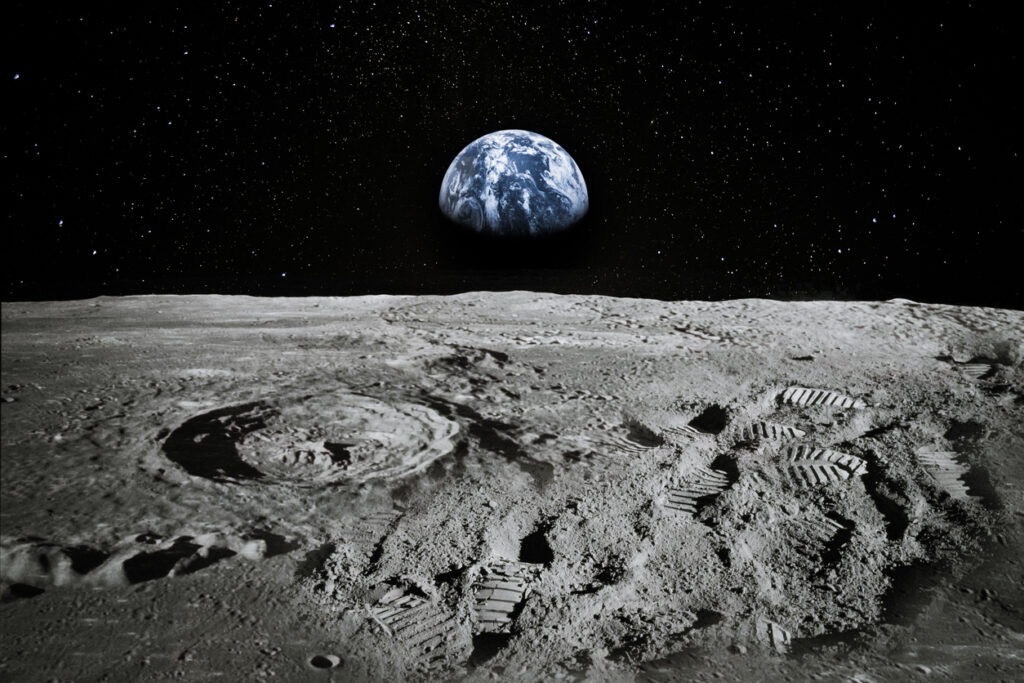
The Moon isn’t staying put. It’s drifting about 3.8 cm away from Earth every year. Doesn’t sound like much, but give it a few hundred million years, and it starts adding up. It’s changing our tides, our nights, even our planet’s rotation, just very, very slowly. Eventually, it could make eclipses a thing of the past. It’s like having a roommate slowly packing their bags over millennia. You won’t notice it in your lifetime, but the universe is always reshuffling things behind the scenes.