Some animals are just built differently than the rest.
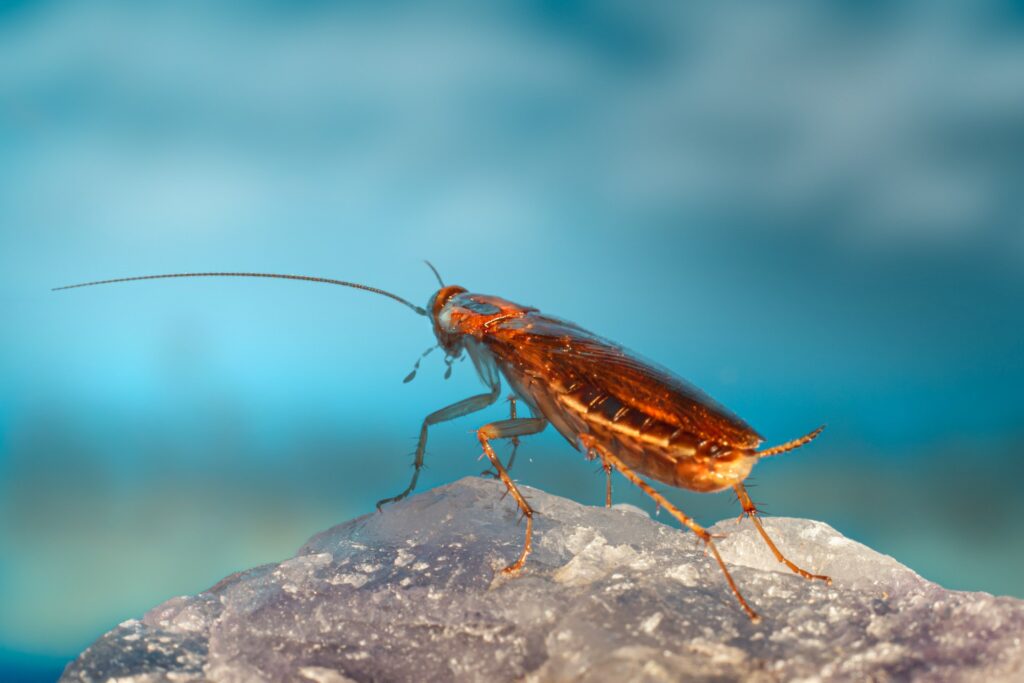
While most of the planet’s creatures need fairly specific conditions to stay alive, such as breathable air, drinkable water, and not being microwaved, there’s a select group that seems to laugh in the face of death. These aren’t just survivors; they’re biological anomalies that can live through things that would wipe out everything else. Here are the animals that basically come with cheat codes for life itself.
1. Tardigrades (aka water bears)

Tardigrades are microscopic weirdos that can survive boiling heat, freezing cold, extreme radiation, and even the vacuum of space. NASA literally shot them into orbit, and they came back fine, like it was no big deal. They do this by going into a dried-out, near-dead state called cryptobiosis where all biological processes pause until conditions improve.
They’re found everywhere from deep oceans to mountaintops to moss on your garden wall. Basically, wherever life shouldn’t thrive, tardigrades are out there waving their eight stubby legs like it’s just another Tuesday.
2. Cockroaches
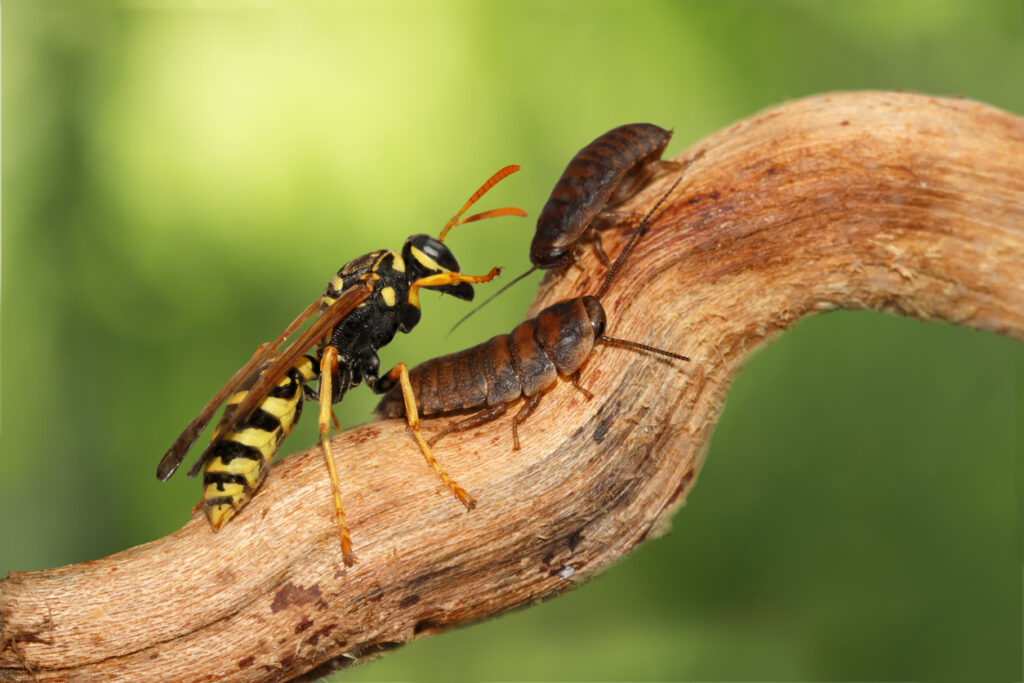
We all know the joke about cockroaches surviving the apocalypse, but it’s not far off. These creepy little tanks can handle up to 15 times the radiation that would kill a human. They can go a month without food, a week without water, and even survive for days after losing their heads. What makes them so hard to kill is their slow cell cycles, tough exoskeletons, and ability to adapt to nearly anything. They’ve been around for over 300 million years, and they’re clearly in no rush to leave.
3. Bdelloid rotifers
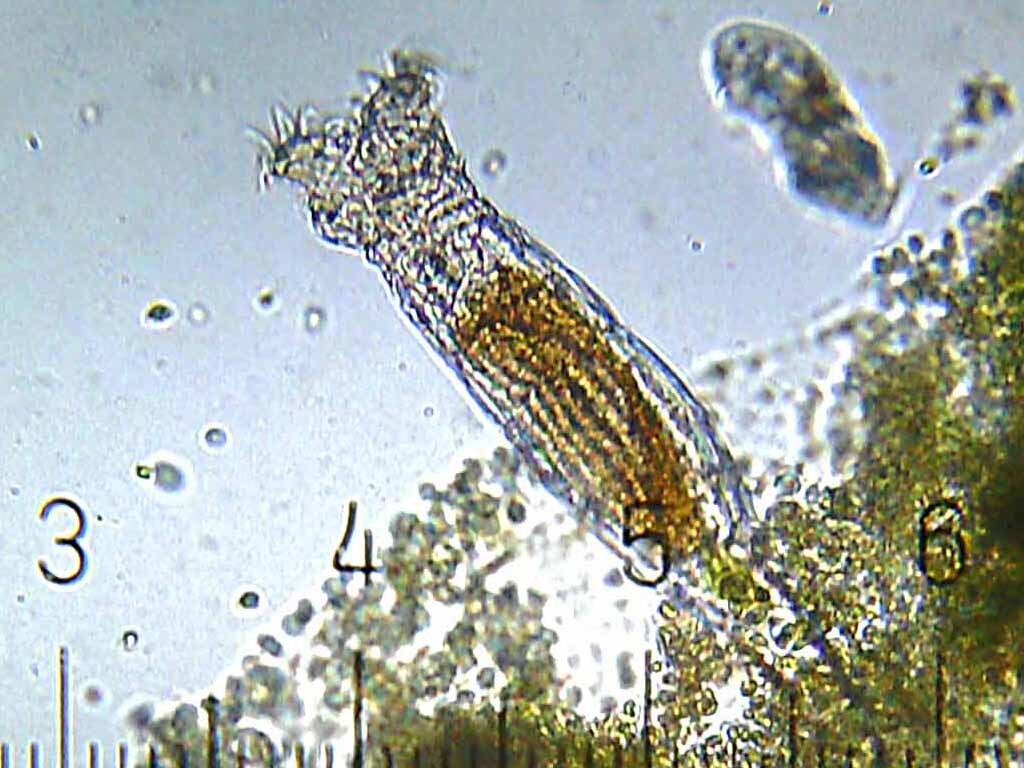
These tiny freshwater creatures are masters of surviving desiccation. They can dry out completely and stay that way for years, then bounce back to life with a splash of water like nothing ever happened. It’s like cryogenic freezing without the tech.
They also have a bizarre resistance to radiation and toxins, and they reproduce asexually, meaning they don’t need a mate to keep going. They’ve been doing just fine for tens of millions of years, cloning themselves and dodging extinction with style.
4. Wood frogs
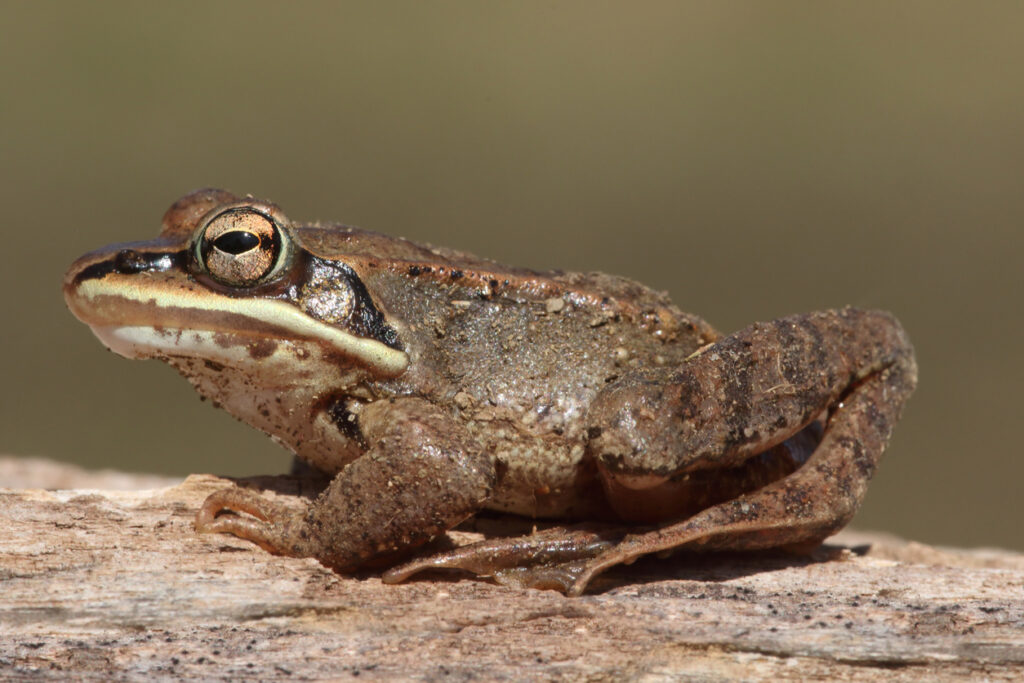
When winter hits hard, wood frogs just freeze. Their hearts stop, their blood turns to slush, and they become little amphibian ice cubes. Come spring, they thaw out and hop off like it was just a long nap. No damage. No drama.
They survive by flooding their cells with glucose, which acts like antifreeze and prevents ice crystals from forming. While most animals would literally die if frozen solid, these guys just shrug it off every year like seasonal hibernation, but for lunatics.
5. Deinococcus radiodurans (bacteria that can take a beating)
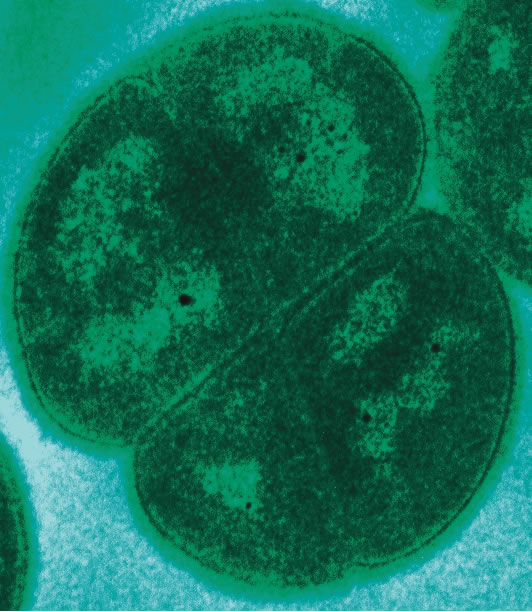
Nicknamed “Conan the Bacterium,” this organism can survive thousands of times more radiation than any other known life form. It’s also resistant to dehydration, cold, acid, and even the vacuum of space. It can reassemble its shattered DNA like some microbial puzzle master.
It’s been found thriving in nuclear waste, and scientists are studying it to figure out how we might protect humans from radiation in space travel. It’s basically a one-cell apocalypse survival guide.
6. Pompeii worms
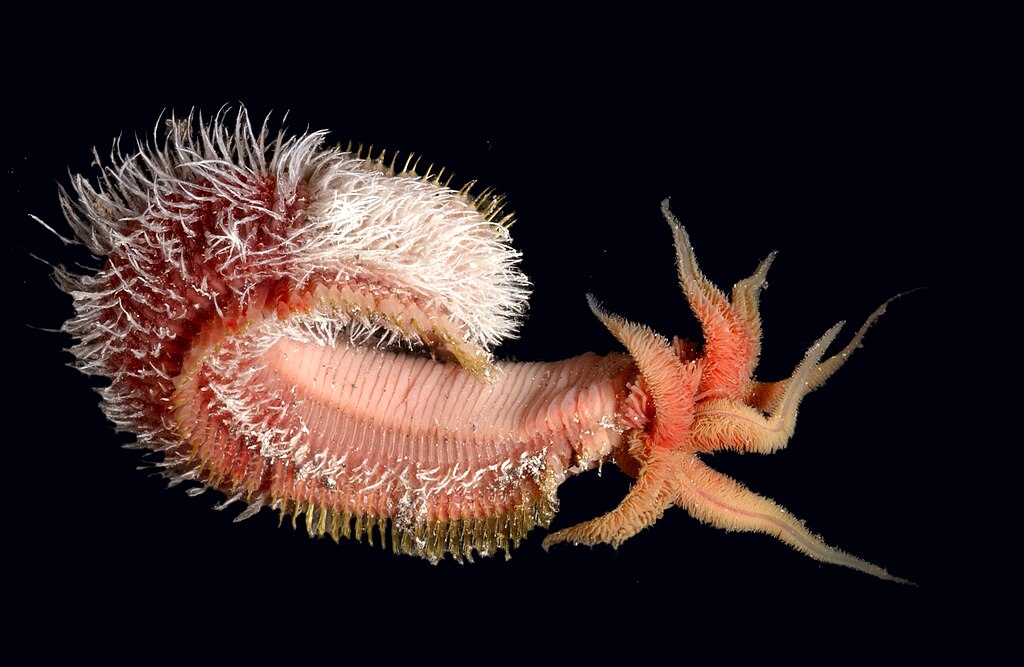
Pompeii worms live in one of the harshest places imaginable: deep-sea hydrothermal vents. These vents spew out superheated, mineral-rich water that can reach temperatures of over 80 °C (176 °F). Most animals would be boiled alive in seconds, but not these guys.
They survive by hosting heat-resistant bacteria on their backs, which help insulate them. It’s a weird little partnership where everyone gets to keep living in conditions that would destroy pretty much anything else.
7. Immortal jellyfish (Turritopsis dohrnii)
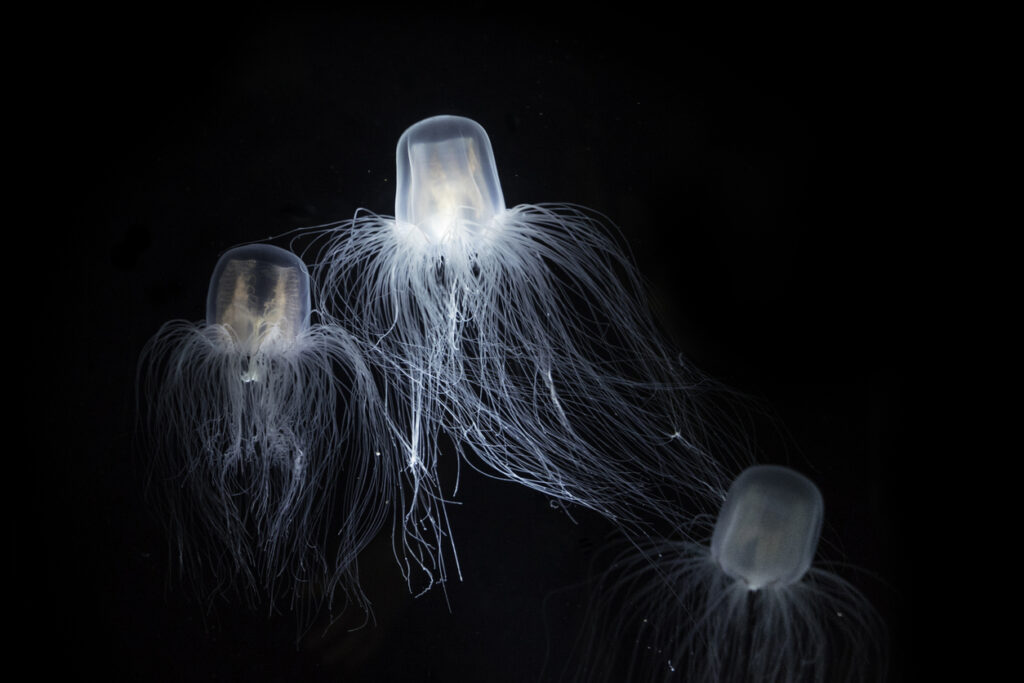
This jellyfish has cracked the biological equivalent of time travel. When faced with stress, injury, or ageing, it can revert its cells back to an earlier stage of development, basically starting life all over again. That cycle could, in theory, go on forever. Of course, they’re still vulnerable to predators and disease, so they’re not truly immortal in practice. However, at a cellular level, this jellyfish might be the closest thing nature has to eternal life.
8. Scorpions
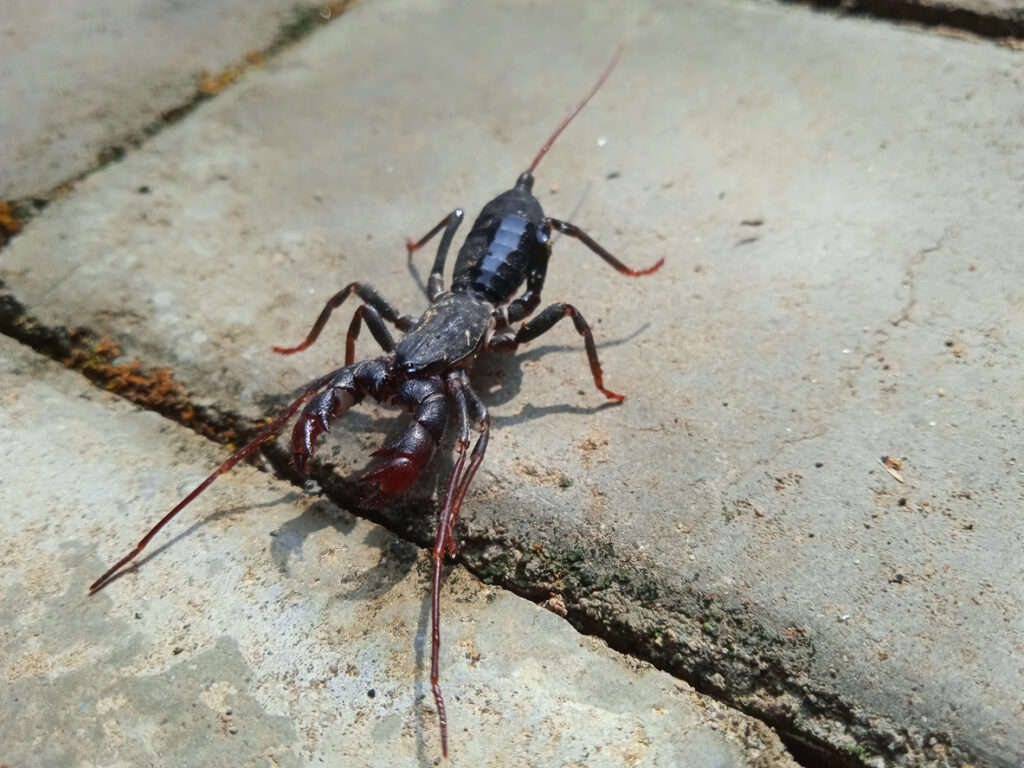
Scorpions are tough as nails. They can survive radiation levels that would wipe out a human and live without food for up to a year. Some can even survive being frozen or submerged underwater for long periods. Their slow metabolism helps them coast through hard times like it’s nothing. They’ve been around for over 400 million years and haven’t changed much because, well, they haven’t needed to. When you’re that indestructible, evolution can take a back seat.
9. Greenland sharks
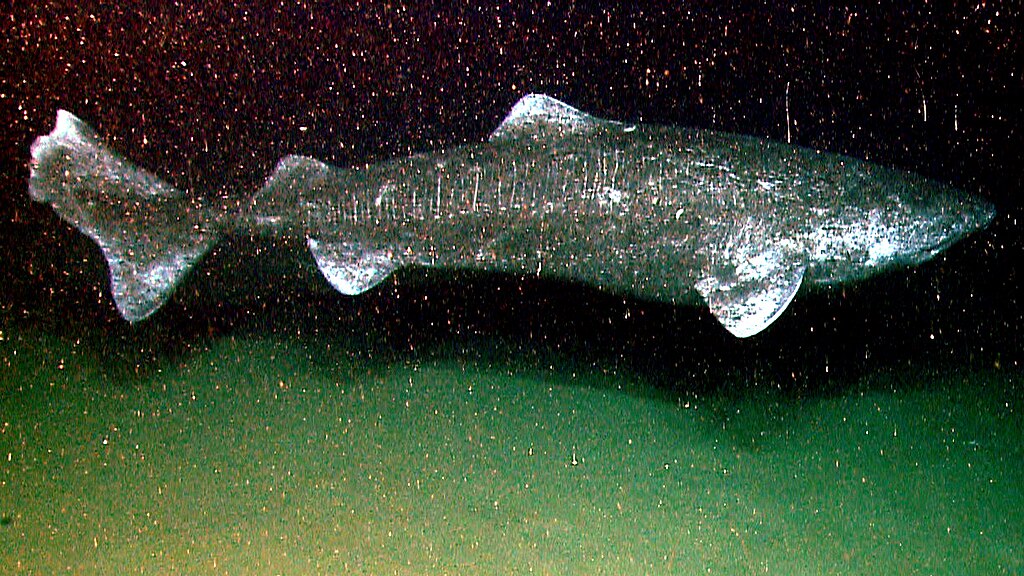
Greenland sharks are the Methuselahs of the ocean. These deep-sea giants can live for over 400 years, making them the longest-living vertebrates known to science. They grow extremely slowly and spend their lives cruising the icy waters of the North Atlantic.
They’re also full of toxins—literally. Their flesh contains compounds that would poison most other animals, but they’re completely fine. Add to that their ability to survive in nearly freezing, pitch-black depths, and you’ve got one of the ocean’s slowest, toughest enigmas.
10. Ants (specifically, the “zombie-ant fungus” survivors)
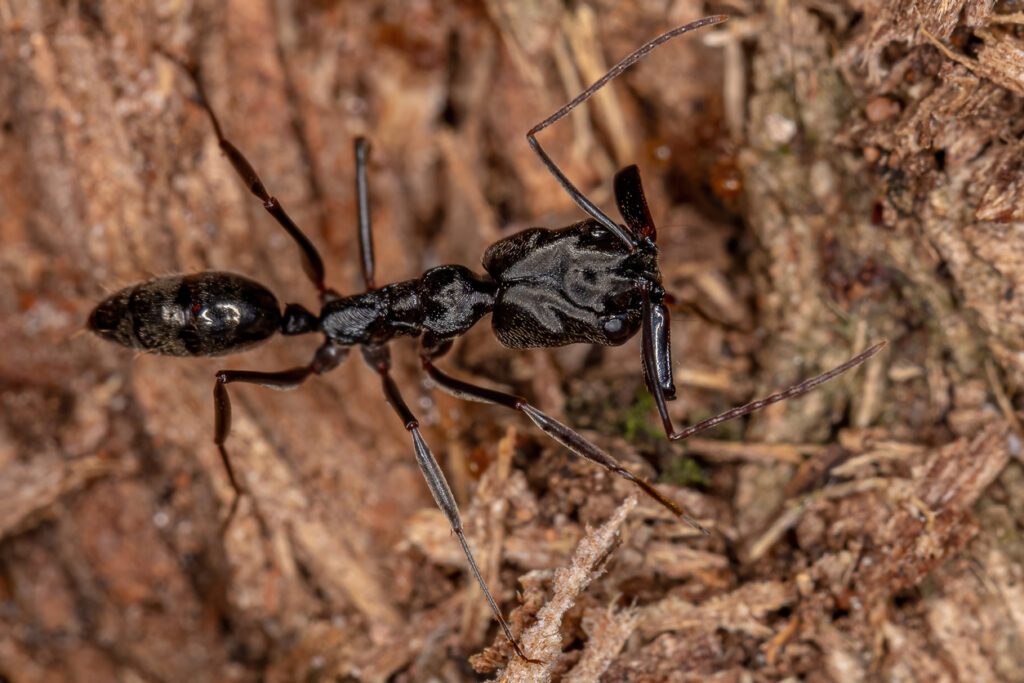
Ants are already resilient, but some can survive infections from mind-controlling fungi like Ophiocordyceps unilateralis, organisms that hijack their bodies and force them to climb before killing them. Most ants lose that battle. But certain species have evolved the ability to detect infected individuals and kick them out of the colony before it spreads.
This combination of social intelligence, resistance, and brutal efficiency makes ants some of the savviest survivors of both biological threats and environmental extremes. They’re small, but they’re playing chess while others are playing checkers.