Most people assume that if you’ve got a patch of dirt and a packet of seeds, you can grow whatever vegetables you want.
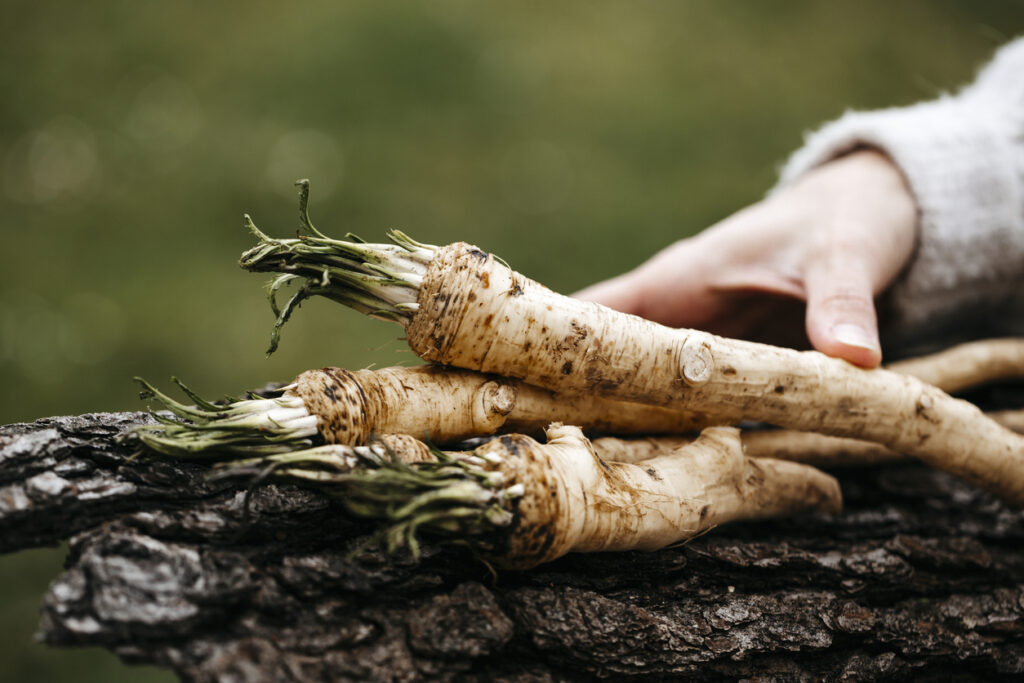
However, in some parts of the world, growing certain plants can land you with fines, or even legal trouble. Whether it’s because of invasive species, potential drug links, or agricultural control laws, these veggies have found themselves on the wrong side of the rulebook. Here are some vegetables you probably didn’t realise were banned, restricted, or just plain frowned upon in certain places.
1. Horseradish (US – some areas)
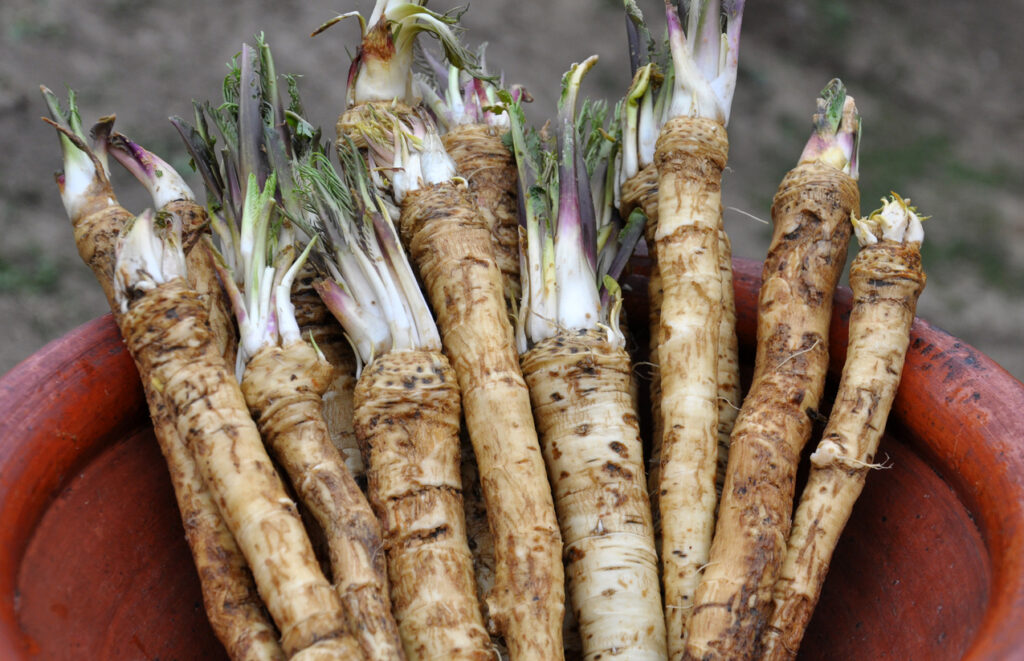
Horseradish might seem harmless, but in certain US states like Illinois, it’s classified as a noxious weed when it spreads beyond garden control. The plant grows aggressively underground, with roots that can be tough to dig out, and once it takes over, it doesn’t play nice with neighbouring crops.
Because of its invasive potential, some municipalities restrict or discourage planting it unless it’s in a well-contained area. So if you’re planning to grow horseradish in bulk, make sure your local council isn’t going to turn up with a shovel and an eviction notice for your veg.
2. Sassafras (US – partially restricted)
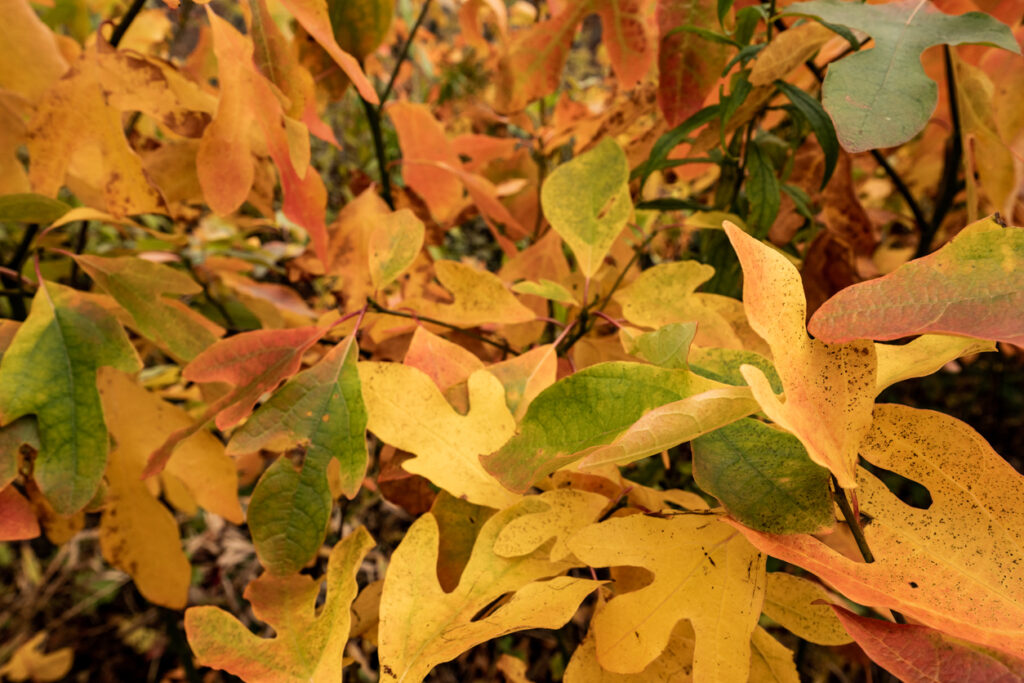
While technically more of a shrub or tree than a traditional veg, sassafras has been grown for its edible leaves (used in Creole cooking). But in the US, it’s been partially restricted because it contains safrole, a compound that’s been linked to liver damage and is also used in the production of MDMA.
Because of that link, commercial use is tightly controlled, and in some areas, growing sassafras in large quantities might attract more attention than your garden needs. The occasional homegrown gumbo seasoning? Probably fine. A whole field of it? Might raise eyebrows.
3. Epazote (US – discouraged in some states)
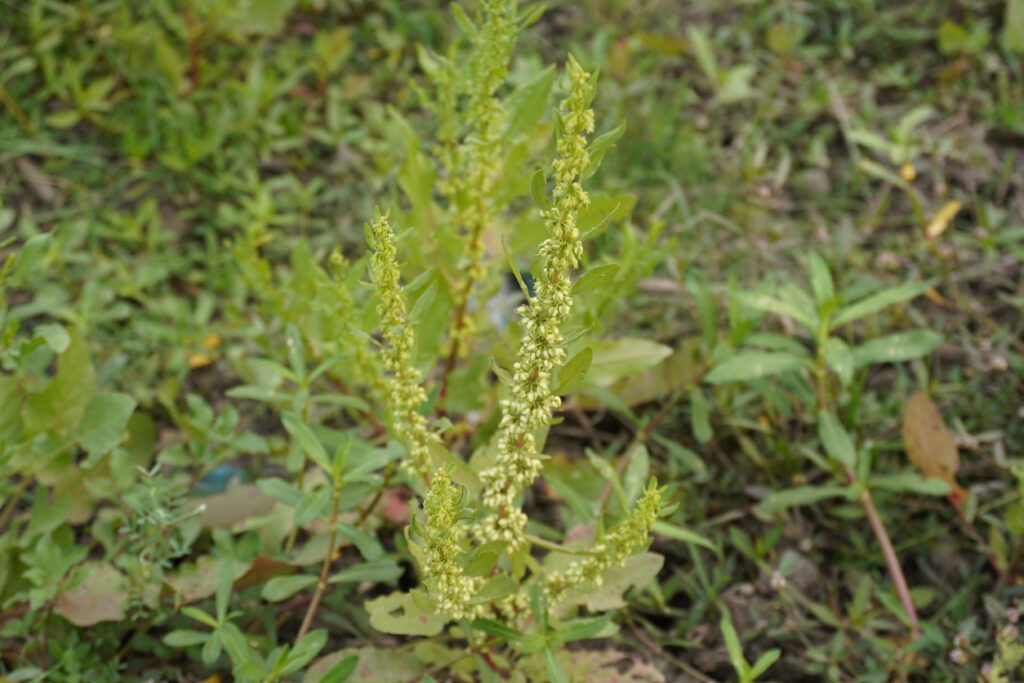
Epazote is a strong-smelling herb commonly used in Mexican cooking, especially to flavour beans. But in the US, it’s sometimes discouraged due to potential toxicity in large amounts, particularly for pregnant women or people with liver issues.
While it’s not fully banned, it falls into that murky category of “grow at your own risk,” and some local health departments have raised concerns about its sale and cultivation. Still, a small amount for personal use is usually fine, as long as you’re not trying to run a full-scale epazote empire out back.
4. Poppy (Papaver somniferum – globally restricted)
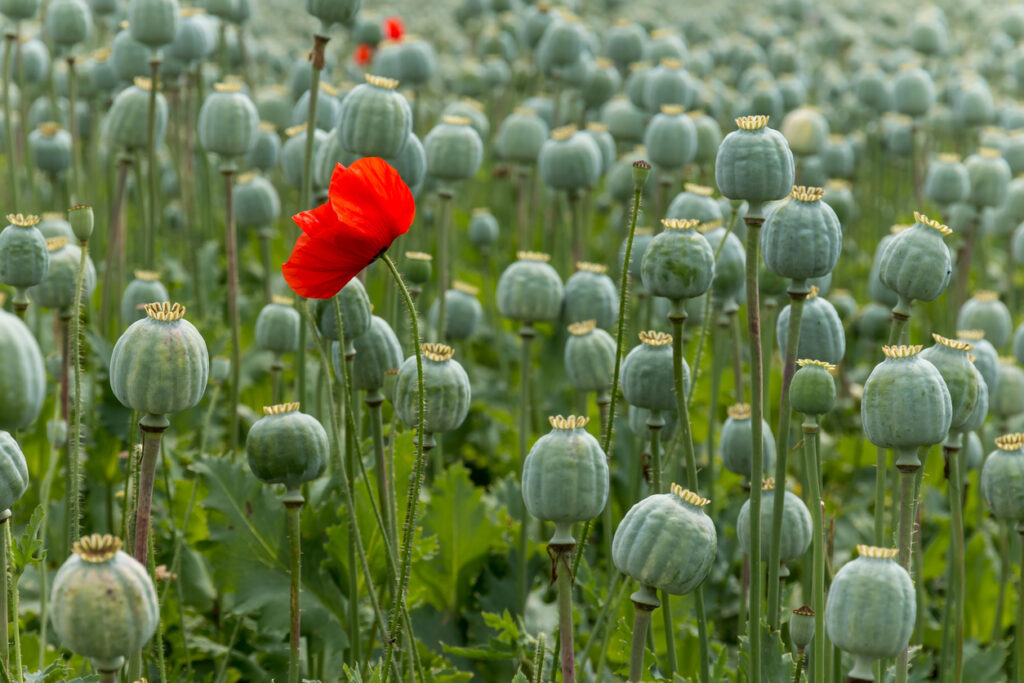
Yes, poppy seeds are technically edible. But the poppy plant they come from, Papaver somniferum, is also the source of opium. In many countries, growing this variety is either heavily restricted or completely illegal without a license.
In the UK, growing a few ornamental poppies for the garden is allowed, but cultivating them for harvest or processing can get you into serious trouble. In places like the UAE, even possessing poppy seeds is considered drug possession. It’s one of those plants that toes a very fine legal line.
5. Morning glory (US – some varieties restricted)
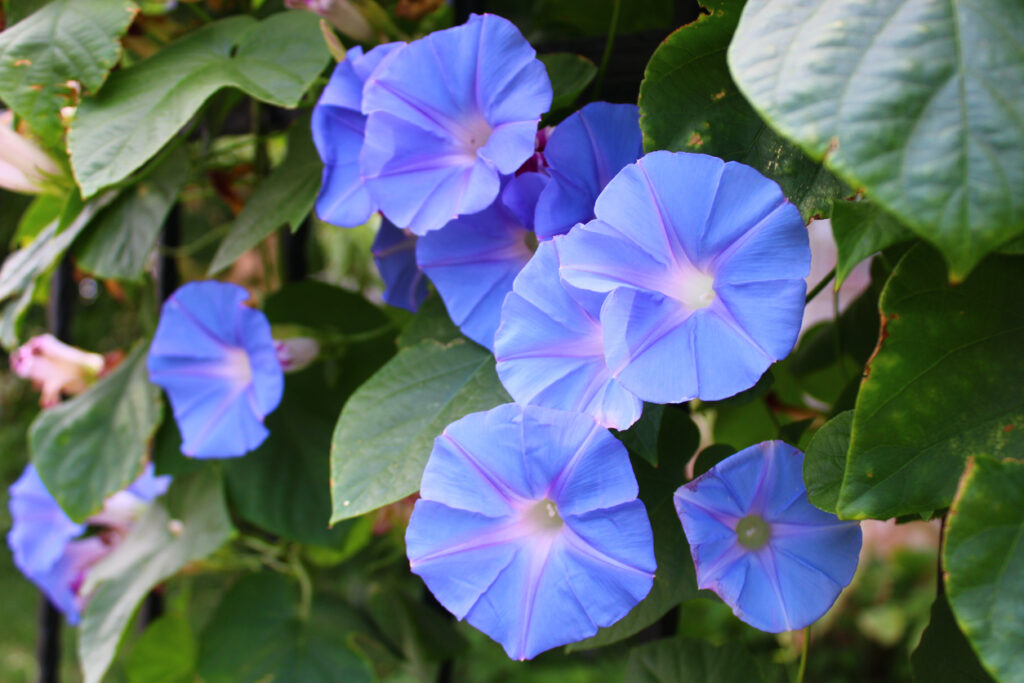
While mostly grown for its vibrant flowers, certain types of morning glory contain psychoactive compounds in their seeds, particularly Ipomoea violacea and Ipomoea tricolor. These can be used to create hallucinogenic effects when consumed in large doses.
Because of this, some US states have cracked down on selling or growing specific varieties, especially if you’ve got a suspicious amount growing in your garden. The leaves and blooms are pretty, sure, but grow too much, and someone might think
6. Water spinach (kangkung – US banned in some states)
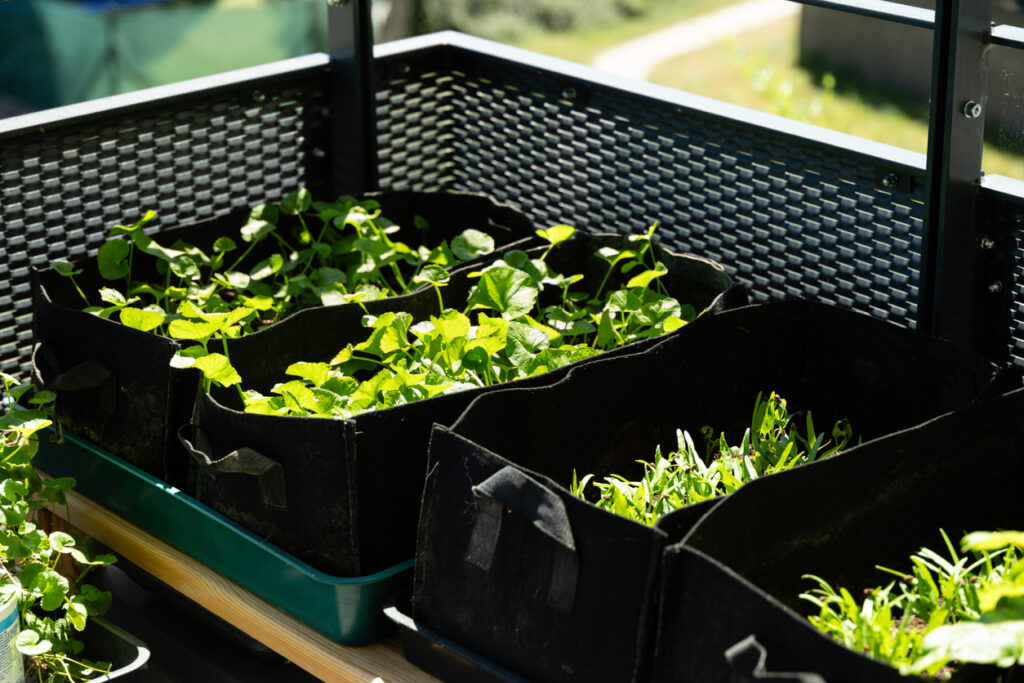
Popular in Southeast Asian dishes, water spinach (Ipomoea aquatica) is illegal to grow in many parts of the US, especially in states like California, due to its ability to clog waterways and outcompete native species. It’s considered a federal noxious weed in some areas.
Despite its delicious reputation in stir-fries and broths, trying to grow it in the wrong place can lead to hefty fines. Some restaurants have even been raided for having it on-site. So before planting it, make sure it won’t turn your backyard into a biosecurity nightmare.
7. Tomato plants (UK – indoor growing laws during lockdown)
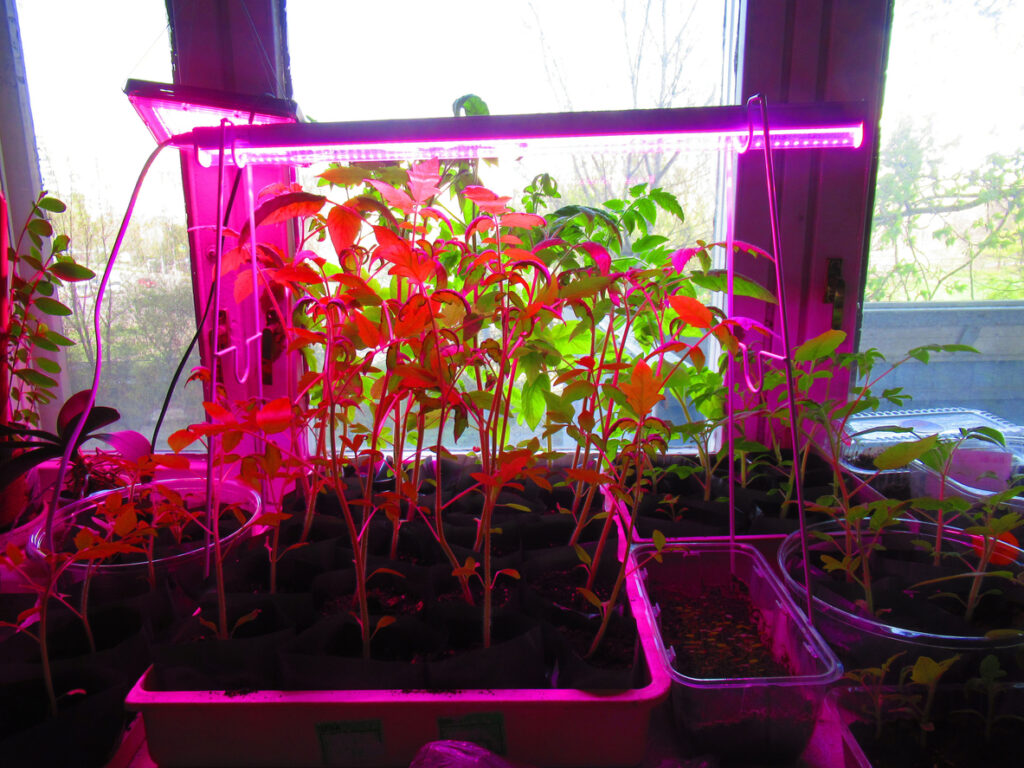
During the COVID lockdowns in the UK, there were bizarre moments where people questioned whether growing tomato plants indoors under lights could accidentally break cannabis cultivation laws. In some cases, people were wrongly investigated just for having “suspicious” hydroponic setups.
Of course, tomatoes themselves aren’t illegal, but the way you grow them (especially if it looks like something else) could cause confusion. If your indoor gardening setup starts to resemble a Breaking Bad side hustle, maybe tone down the LED lighting and post fewer progress pics.
8. Hemp varieties of vegetables (globally monitored)
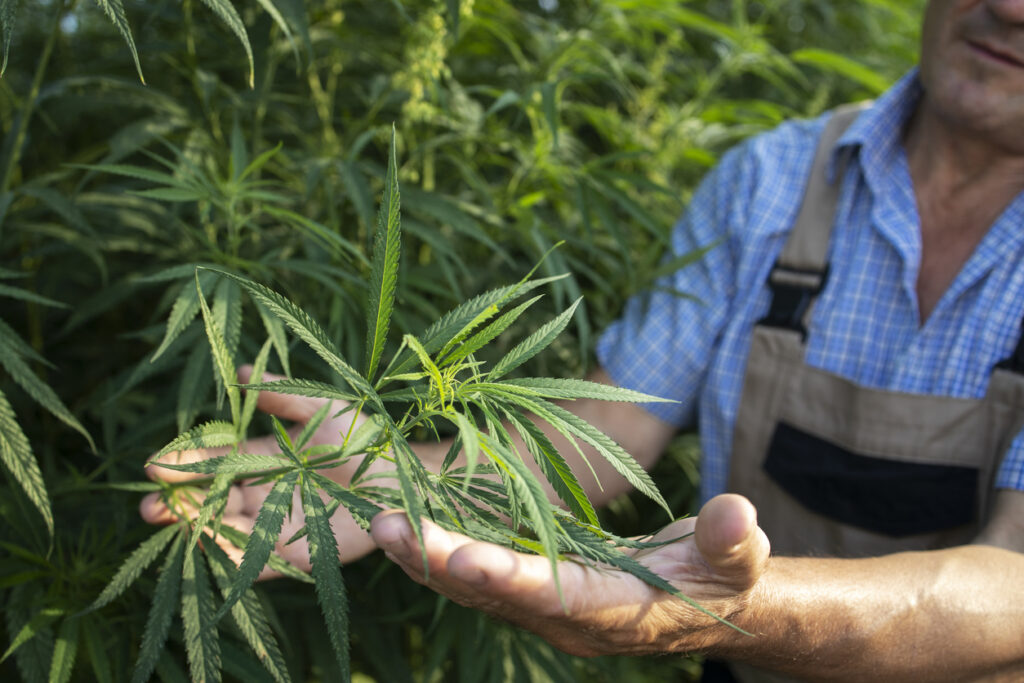
Hemp-derived veggies or leaves from cannabis-adjacent plants are often subject to local restrictions. While industrial hemp is legal in many places, growing it at home without proper documentation can still be flagged as suspicious. It’s not so much the vegetable itself that’s banned. It’s the close family relation. If the plant looks like something controlled, you might be asked some uncomfortable questions, even if you swear it’s just for making smoothies.
9. Garlic mustard (UK and US – invasive species)
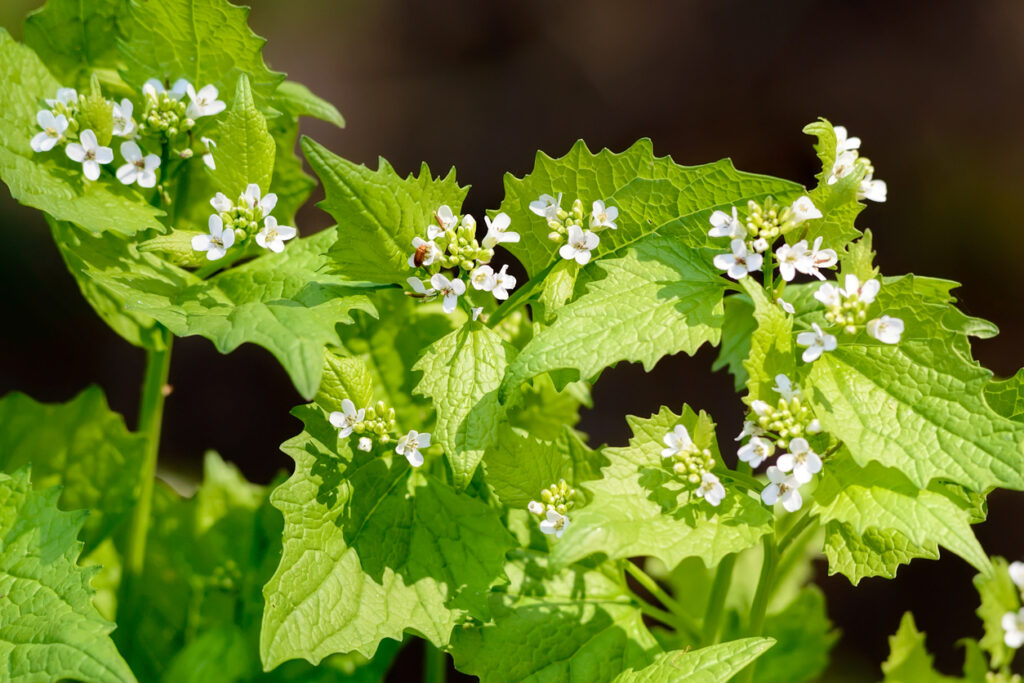
Garlic mustard is edible and even has a bit of a foodie following, but growing it on purpose is frowned upon in several countries, including the UK and parts of the US, because of its invasive nature. It spreads aggressively and can choke out native woodland plants.
In many areas, you’re encouraged to remove it from the wild, not plant more of it. While foraging a bit is fine, cultivating garlic mustard could contribute to ecological damage, even if your intentions are tasty and green.
10. Rhubarb (US – leaf use restricted)
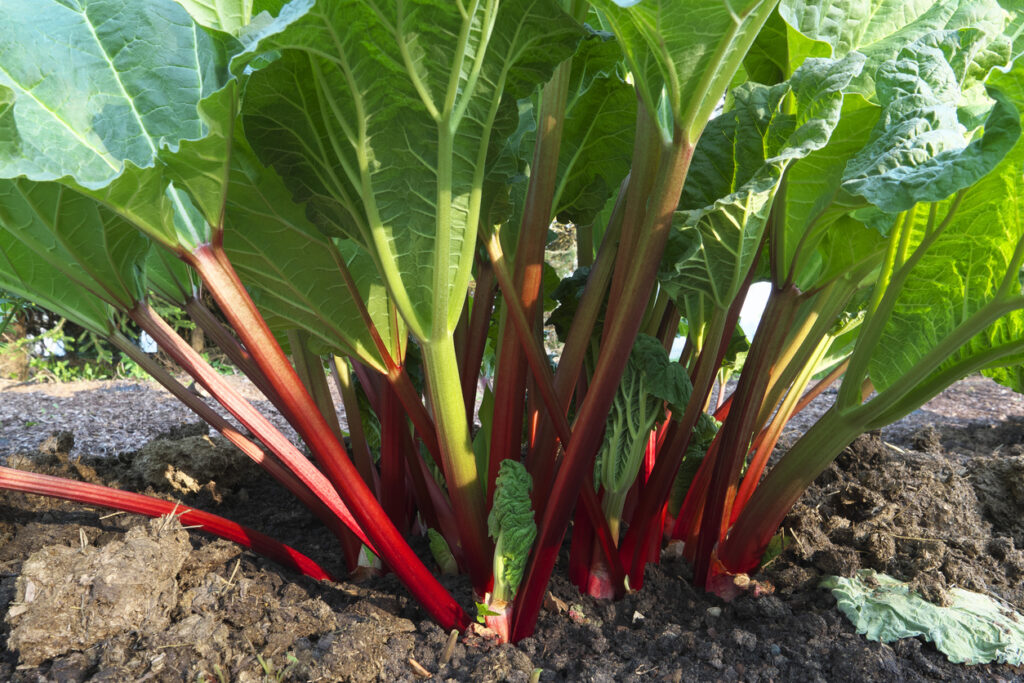
The stems of rhubarb are perfectly legal and commonly used in pies and desserts, but the leaves contain high levels of oxalic acid and are considered toxic. In some places, selling or using the leaves is regulated or outright banned. While you’re unlikely to get in trouble for growing rhubarb, misusing or selling the leaves could land you in hot water. Stick to the stalks, and maybe leave the foliage to the compost heap.
11. Sweet potatoes (New Zealand – restricted imports)
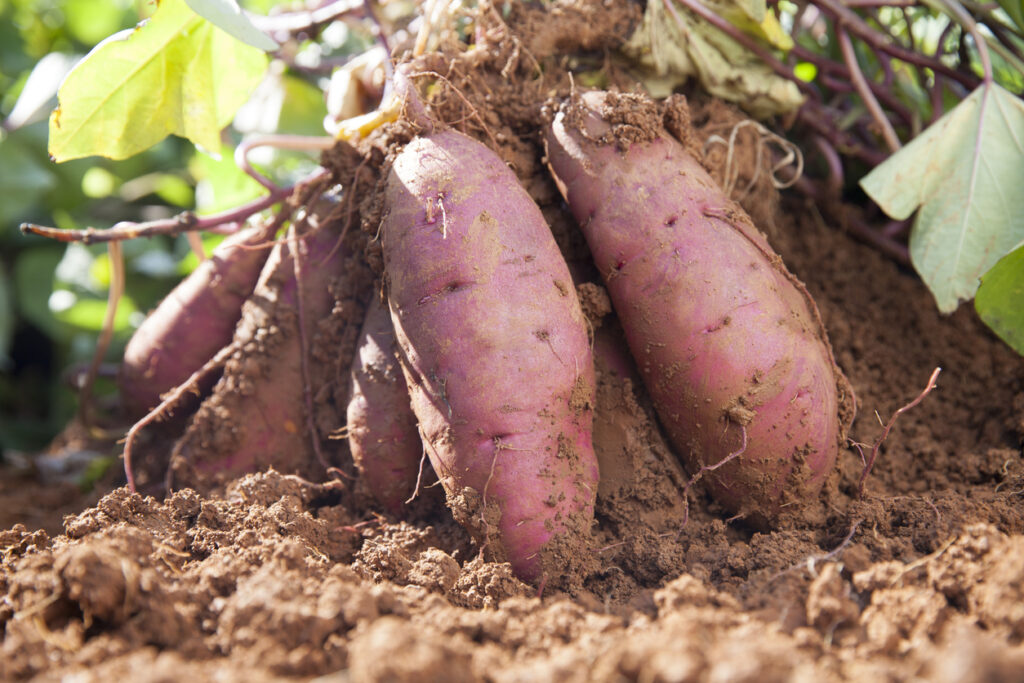
While New Zealanders love their kumara, there are restrictions on importing and growing sweet potatoes from overseas due to fears of bringing in plant diseases. You can grow local varieties, but don’t try sneaking in slips from abroad.
The goal is to protect the country’s agriculture from pests and viruses that could devastate native crops. So if you’re planning to grow sweet potatoes in NZ, stick to approved varieties and steer clear of that mystery bag you brought home from holiday.
12. Wasabi (Japan – highly controlled)
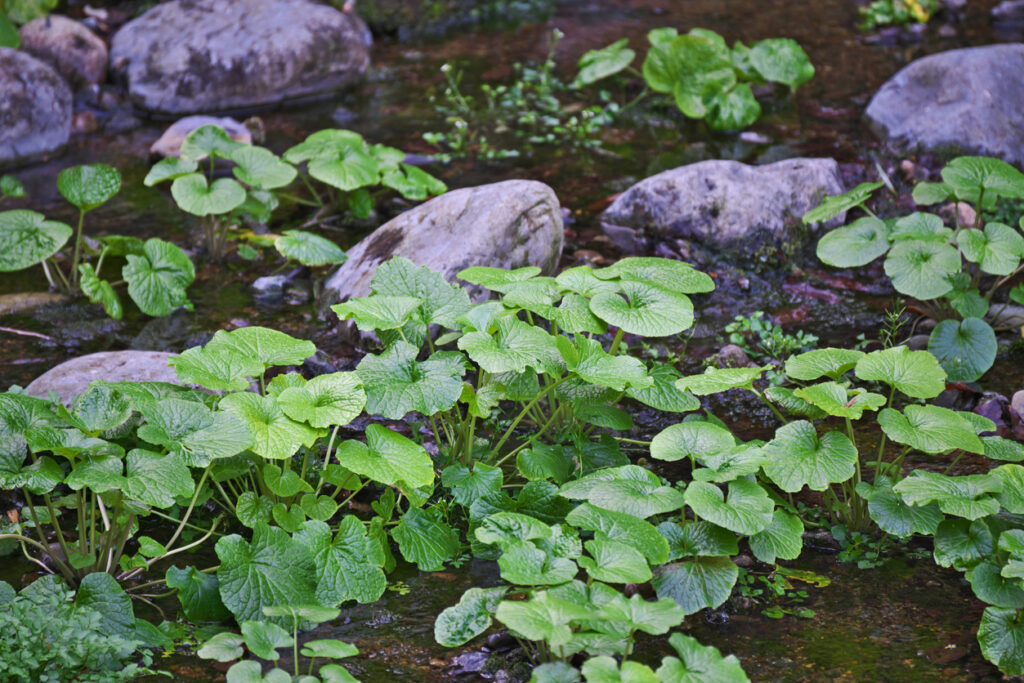
Real wasabi is tricky to grow and often grown under very specific conditions in Japan. Commercial farms are tightly regulated, and wild harvesting in certain regions is restricted to protect native populations.
If you’re thinking of growing your own wasabi for fun, you’ll likely need permission in some areas. And considering how picky it is, needing cold running water and shaded environments, it’s probably best left to the experts (or replaced with horseradish if you’re after the heat).